Advertisement
Home Improvement 4m read
128

Household Odors You Shouldn’t Ignore

Your nose can tell you a lot about what’s going on inside your home. You’re probably used to its everyday odors, such as lingering scents from last night’s dinner, a pet that’s due for a bath, or your go-to perfume. But when a new or persistent odor emerges, it can be difficult to tell whether it’s harmless or a sign of a larger problem.

Your nose can tell you a lot about what’s going on inside your home. You’re probably used to its everyday odors, such as lingering scents from last night’s dinner, a pet that’s due for a bath, or your go-to perfume. But when a new or persistent odor emerges, it can be difficult to tell whether…

Sometimes, an unusual smell is more than just a nuisance — it’s an early warning. Identifying these scents quickly can mean the difference between a simple fix and a costly or even dangerous situation.

Here are six household odors that deserve a closer look.

1. A Rotten Egg Smell

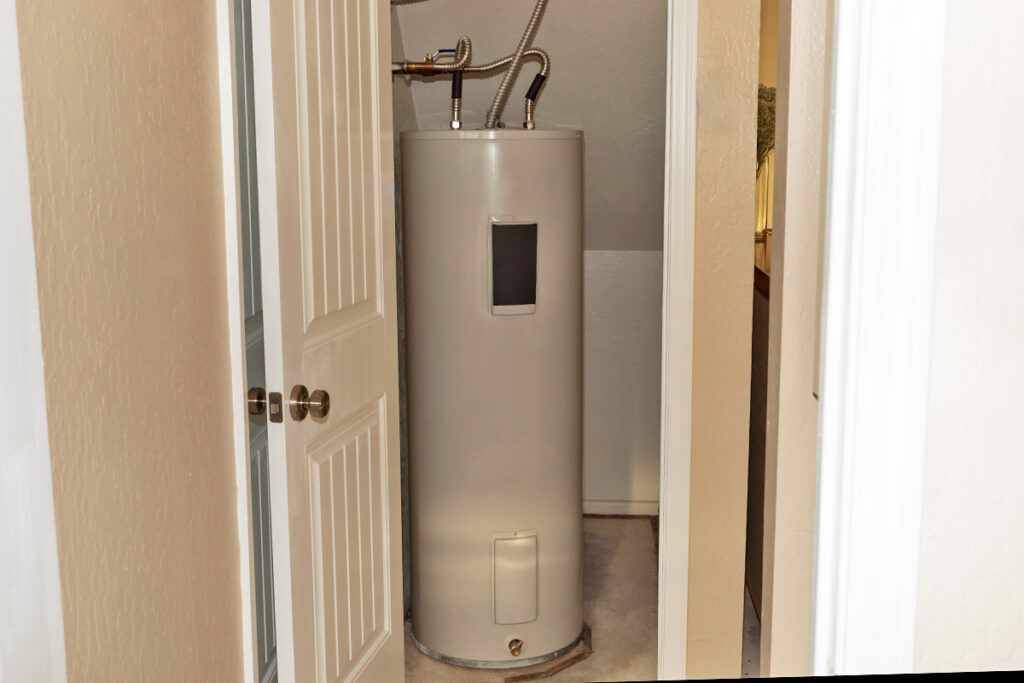
Never ignore a sharp, sulfur-like odor. Natural gas is odorless, but gas companies add a scented chemical that makes leaks easier to detect. If you notice this scent near appliances such as your stove, furnace, or water heater, it could signal a gas leak.

A gas leak should be treated as an emergency. Don’t turn on lights, use electronic devices, or try to locate the source. Get everyone outside immediately (pets included), leave doors open on your way out, and call your gas provider or emergency services from a safe distance.

Credit: © Jupiterimages—stockbyte/Getty Images
Related: 6 House Sounds That Require Immediate Attention

2. Fishy or Melted Plastic Odors

It may sound strange, but a fishy smell that isn’t food-related can point to an electrical issue. When wiring insulation, outlets, or breaker components overheat, they give off an odor that people often describe as fishy or similar to burning plastic.

If the smell seems to be coming from a wall, outlet, or appliance, don’t ignore it. Electrical problems can develop out of sight and escalate into fires. If it’s safe to do so, shut off power to the affected area at the breaker and contact an electrician as soon as possible.

Credit: © JJ Gouin/stock.adobe.com
Advertisement

3. Musty, Damp Air

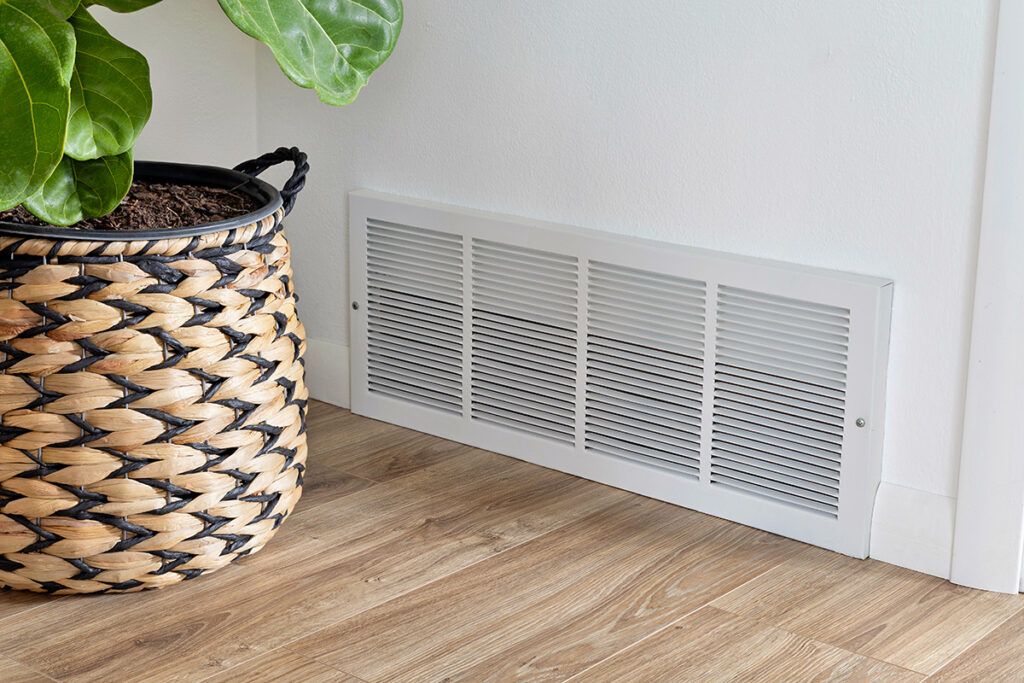
That stale, basement-like smell usually signals moisture — and where there’s moisture, mold or mildew often follows. The tricky part is that mold doesn’t always grow in plain sight; it can hide behind walls, under floorboards, or inside your HVAC system.

If the odor seems strongest when your heating or cooling system is running, spores could be circulating through your home. Beyond damaging materials, mold can affect indoor air quality and cause health issues. If the smell lingers, it’s worth having a professional check for hidden leaks.

Credit: © Ekspansio—E+/Getty Images

4. Sewage-Like Smells From Drains

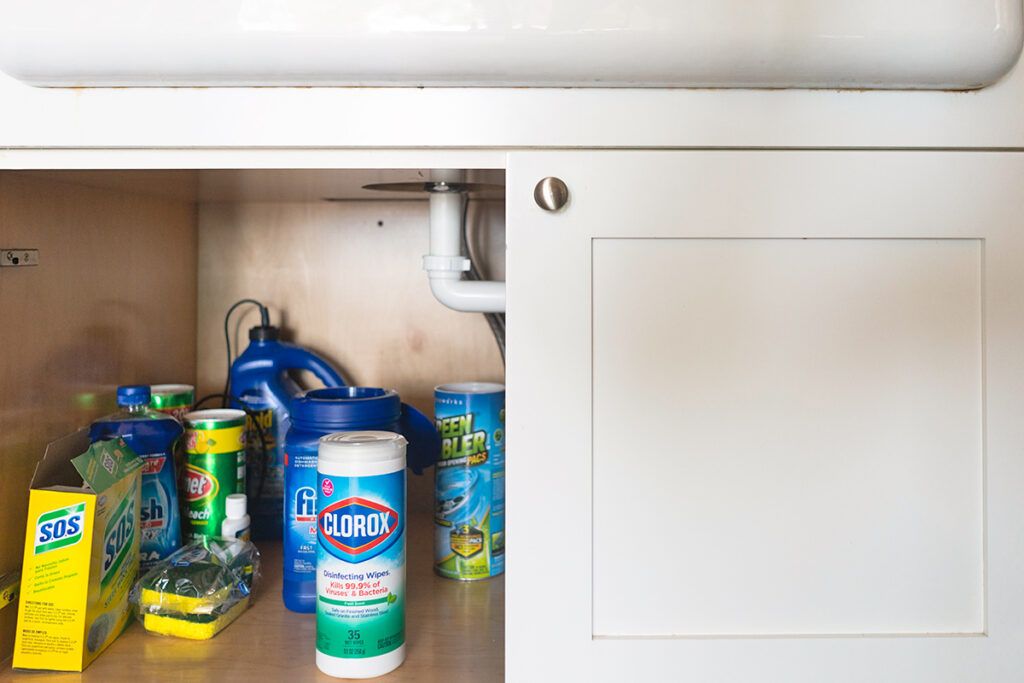
A brief sewer odor from a rarely used sink isn’t unusual, but ongoing or widespread smells are a different story. Sewer gas can contain harmful compounds, and persistent odors may indicate issues such as a damaged pipe, a deep clog, or a failing wax seal around a toilet. A plumber can identify the source before it turns into a bigger, messier problem.

Credit: © Trik/stock.adobe.com
Advertisement

5. Sweet or Syrupy Scents

A surprisingly pleasant smell can actually be a warning sign. Engine coolant and antifreeze have a sugary aroma that can make a dangerous leak easy to overlook. If you notice this scent in the garage or driveway, your vehicle may have a leak.

Inside the home, a similar smell near appliances could suggest a refrigerant issue. Because exposure can lead to symptoms such as headaches or dizziness, it’s best to have a professional inspect the unit right away.

Credit: © Kyryl Gorlov/stock.adobe.com
Related: 10 Lifesaving Home Safety Tips You’ve Probably Never Heard

6. Lingering Smoke Without a Clear Cause

If your home smells slightly smoky but nothing is burning, pay close attention. Of course, if you recently used your fireplace or your home has been through years of indoor smoking, the scent may have settled into the walls or ventilation systems.

But if the smell is new or unexplained, it could mean something is actively burning out of sight, such as inside a wall or near wiring. Check your walls for discoloration, make sure your smoke detectors are working, and don’t hesitate to contact the fire department if something feels off.
Credit: © Scott Habermann/stock.adobe.com
Advertisement
Featured Image Credit:  © AndreyPopov—iStock/Getty Images | Updated  May 15, 2026 |
Jill Layton
Writer
Jill Layton started writing professionally when she realized her emails and texts were kinda funny. She’s an affiliate shopping writer and lifestyle contributor for Scary Mommy, Bustle, Mic, and Best Products. She’s the mom of two alarmingly witty kids and the world’s most perfect dog.
This article is for general informational purposes only.
Featured Image Credit:  © AndreyPopov—iStock/Getty Images | Updated  May 15, 2026 |
Advertisement
Cleaning 5m read
117

7 Bathroom Decor Items That Are Germ Magnets

Your bathroom is supposed to be a space for getting clean, but some of the decorative touches you’ve added might be working against you. No matter how stylish they look, certain decor items can quietly become hot spots for mold, mildew, and bacteria. The culprit? Moisture.

All featured products and deals are selected independently and objectively by the author. House Outlook may receive a share of sales via affiliate links in content.

Your bathroom is supposed to be a space for getting clean, but some of the decorative touches you’ve added might be working against you. No matter how stylish they look, certain decor items can quietly become hot spots for mold, mildew, and bacteria. The culprit? Moisture.

“Anything porous that stays damp or doesn’t get cleaned regularly becomes a problem,” says Scott Heinrich, owner of Skyline Property Services, a mold testing company in Denver, Colorado.

Kellsie Zapata, a professional cleaner based in Georgia, says the risk is easy to underestimate. “Even if it feels dry, it can still be holding on to moisture underneath, which creates the perfect environment for mildew and bacteria over time,” she explains. “The biggest issue is [that] most of these items aren’t being washed nearly as often as they should be, so that buildup just sits there.”

Here are seven bathroom decor items likely to harbor unwanted germs — and easy solutions for keeping your space clean.

1. Fabric Shower Curtains and Liners

A pretty linen or cotton shower curtain might look spa-worthy, but it’s one of the biggest germ magnets in the room. According to SafeHome, shower curtains harbor roughly 70 times more bacteria than a toilet seat. Heinrich flags them specifically because they “stay damp and trap organic material.” Biofilms — sticky colonies caused by bacteria in the water — can form on shower curtains and hold on to microbes, including some that can make you sick.

The fix: Regularly launder fabric curtains and change out the inside liner every three to six months.

Credit: © Clay Banks/Unsplash.com

2. Decorative Bath Mats

A plush bath mat can make stepping out of the shower feel luxurious, but thick, decorative mats — especially those with a rubber backing — rarely dry out completely between uses. Because these mats sit soaked with water and are pressed against the floor, evaporation slows down. This provides a dark, damp environment where mold and bacteria thrive.

The fix: Hang bath mats to dry after every use and wash them regularly. While towel-style bath mats are easier to keep clean, you can still launder those with rubber backings. Wash them in cold water on a gentle cycle and let them air-dry completely.

Credit: © Andrea Davis/Unsplash.com
Advertisement

3. Wood Decor

Wooden bathroom accessories — such as soap trays, open shelving, and rustic signs — are perennially popular, but wood and moisture are a bad combination. “Wood is porous, so it can absorb moisture from the air, which can lead to warping, cracking, and, over time, bacteria settling into those small imperfections,” Zapata says. “It might look great at first, but it doesn’t always hold up well in a consistently damp environment.”

The fix: If you don’t want to avoid wooden decor altogether, keep those pieces away from direct steam and splash zones. Ensure the room has good ventilation and dry items immediately if they get wet.

Credit: © Clay Banks/Unsplash.com
Related: 8 Things You Should Never Store in Your Bathroom

4. Artificial Plants

Faux greenery collects dust and moisture, especially when placed near showers or windows. The combination of trapped humidity and debris creates conditions where mold and bacteria can flourish.

The fix: Replace dust-collection plastic with humidity-loving, low-maintenance live plants such as pothos or ferns.

Credit: © Curtis Adams/Pexels.com
Advertisement

5. Decor Placed Near the Toilet

Location matters as much as material. Trays, candles, or decorative storage sitting close to the toilet are exposed to more germs than most people realize. “When you flush, especially if the lid is left open, airborne particles can spread into the surrounding area and settle on nearby surfaces,” Zapata says. “So anything sitting close by isn’t just collecting dust; it’s also being exposed to that contamination over time.”

The fix: Keep decorative items at least a few feet away from the toilet and always close the lid before flushing.

Credit: © New Africa/stock.adobe.com

6. Toothbrush Holders

Post-flush germs floating in the air are especially problematic for one important everyday item: your toothbrush. Zapata flags toothbrushes left on the vanity as one of the most overlooked hygiene issues she encounters.

The fix: If you can’t store toothbrushes in a closed cabinet, at minimum, add a protective head cover. Additionally, clean the holder itself weekly — ideally by running it through the dishwasher to sanitize it.

Credit: © Eugenia Pan’kiv/Unsplash.com
Related: How To Double Your Bathroom Storage

7. Decorative Towels

Staging folded hand towels on the counter look polished, but it isn’t the most sanitary design choice. Zapata points out that because they’re sitting out in a humid space, “they can collect moisture from the air along with dust and bacteria, especially if they’re near the sink or shower. If they’re not being rotated and washed frequently, they’re not staying as clean as people think.”

Indeed, towels can harbor bacteria including athlete’s foot and E. coli, and if they don’t dry properly, they can develop a mildewed odor.

The fix: Wash decorative towels weekly and ensure they have enough airflow to dry completely between uses.

Credit: © AJ Ahamad/Pexels.com
Advertisement
Featured Image Credit:  © photosbysabkapl/stock.adobe.com | Updated  May 15, 2026 |
Megan McCarty
Writer
Megan McCarty is a Los Angeles-based writer who covers the fun stuff: design, travel, wellness, beauty, and fashion. She has written for publications including Domino, The Spruce, MyDomaine, Bustle, and Rue Magazine. Her life rules include, but are not limited to, zipper when merging, contribute to your IRA, and do the nice thing.

This article is for general informational purposes only.
Featured Image Credit:  © photosbysabkapl/stock.adobe.com | Updated  May 15, 2026 |
Advertisement
Organizing 3m read
111

Why a Magnetic Knife Holder Belongs in Your Bathroom

Whether you’re working with a cramped medicine cabinet or a double vanity, figuring out the best way to keep your bathroom organized often requires trial and error. Perhaps you’ve already tried using desk drawer organizers to tuck away hair accessories and makeup brushes. Or maybe you’ve mounted a broom holder to the inside of a cabinet door to corral your hair tools. But there’s one hack you likely haven’t tried: installing a magnetic knife holder.

All featured products and deals are selected independently and objectively by the author. House Outlook may receive a share of sales via affiliate links in content.

Whether you’re working with a cramped medicine cabinet or a double vanity, figuring out the best way to keep your bathroom organized often requires trial and error. Perhaps you’ve already tried using desk drawer organizers to tuck away hair accessories and makeup brushes. Or maybe you’ve mounted a broom holder to the inside of a…

The Best Way To Store Small Bathroom Essentials

Magnetic knife holders are a convenient, hygienic way to keep knives within reach while cooking — and they’re far safer than rummaging for a sharp blade in a cluttered drawer. They are equally useful in the bathroom for organizing easy-to-lose metallic items, including tweezers, nail clippers, small scissors, hair clips, and bobby pins.

Related: How To Double Your Bathroom Storage

Mount a magnetic knife holder to the inside of your medicine cabinet door to take advantage of unused space. While a stainless steel knife holder offers a sleeker look, adhesive-backed magnetic tape works if you need a narrower solution that won’t interfere with the door. And if you don’t have a medicine cabinet, consider using the inside of your vanity door, the side of a cabinet, or the space underneath a floating shelf.

Advertisement

Other Uses for a Magnetic Knife Holder

The bathroom isn’t the only place to incorporate this organizing hack. You can also stick a magnetic knife holder to the wall above your desk, inside a deep drawer, or on the side of a filing cabinet to hold office supplies such as binder clips, paper clips, and scissors. If you use a three-tiered rolling cart for crafts, try adding a strip to the side — it’s the perfect spot for shears, extra sewing needles, and metal tools such as pliers or seam rippers.

A magnetic knife holder might also be useful on the side of a kitchen cabinet, where you can use magnetic hooks to hang your larger utensils and hand towels so they’re always within reach. Above the sink, a holder paired with hooks is an excellent way to air-dry brushes and rags. If you live in a small space and store your tools and hardware in a credenza, consider adding a magnetic strip to the inside of the door for small tools like Allen keys or screwdrivers.

Advertisement
Featured Image Credit:  © Alex Tyson/Unsplash.com | Updated  May 15, 2026 |
Jessie Quinn
Writer
Jessie Quinn is a Los Angeles-based lifestyle journalist with words published in PEOPLE, StyleCaster, Apartment Therapy, The Spruce, Byrdie, and more. She has a Bachelor's Degree in fashion journalism from Academy of Art University and her work spans across many categories, including style, beauty, home, health, crafts, and more.
This article is for general informational purposes only.
Featured Image Credit:  © Alex Tyson/Unsplash.com | Updated  May 15, 2026 |
Advertisement
Food & Drink 2m read
164

The Trick to Keeping Salad Greens Crisp All Week

Salads are an easy way to add greens and other produce to your diet. They’re extremely versatile and — when done right — delicious. The biggest challenge in making a salad at home is keeping the greens crisp. Somehow, they never quite match the crunch of a restaurant salad unless you’re using produce you bought from the farmers market five minutes ago. But if you need to buy lettuce today to serve later in the week, here’s how to keep it fresh and crisp.

All featured products and deals are selected independently and objectively by the author. House Outlook may receive a share of sales via affiliate links in content.

Salads are an easy way to add greens and other produce to your diet. They’re extremely versatile and — when done right — delicious. The biggest challenge in making a salad at home is keeping the greens crisp. Somehow, they never quite match the crunch of a restaurant salad unless you’re using produce you bought…

The Paper Towel Method

Start by chopping and washing your lettuce. Dry it well using a salad spinner — any excess surface moisture will significantly shorten its shelf life. Next, line the bottom of an airtight container with a paper towel. Place your lettuce on top, add a second paper towel over it, put the lid back on the container, and store it in the fridge.

Related: Why Chefs Always Soak Raw Onions

This trick can keep your lettuce fresh for up to a week, though exactly how long depends on your refrigerator’s temperature and humidity settings. Store your container in the crisper drawer, which maintains higher humidity than the rest of the fridge. While this might sound contradictory, lettuce needs a humid environment to prevent the water inside its cells from evaporating — the primary cause of wilting. The paper towels are simply there to wick away condensation, which can lead to rot.

Advertisement

Other Tips for Keeping Salad Greens Crisp

When you first bring your greens home, remove any wilted leaves immediately, as contact with them can cause the rest of the batch to spoil more quickly. As the week goes on, keep an eye on moisture levels. Because excess surface moisture causes rot, removing it is key to maintaining freshness. You may need to change out the paper towels every day or two if they become damp. Additionally, avoid storing other ingredients in the same container, as they often introduce more moisture.

Advertisement
Featured Image Credit:  © philipimage—iStock/Getty Images | Updated  May 15, 2026 |
Allegra Ringo
Writer
Allegra Ringo is a California-based writer who has written for publications including Reductress, The Hard Times, VICE, and The Atlantic. She loves sparkling water and old Chihuahuas with hardly any teeth, like her dog Pistachio.
This article is for general informational purposes only.
Featured Image Credit:  © philipimage—iStock/Getty Images | Updated  May 15, 2026 |
Advertisement
Gardening 3m read
53

The 2-Tablespoon Trick for Bigger, Better Tomatoes

There’s nothing like a fully ripe, homegrown tomato still warm from the afternoon sun. It’s no wonder that tomatoes have been the most popular home garden crop for decades. But even if you’ve had success in the past, leaning into tips from experienced gardeners is the best way to ensure your plants are as productive as possible. The 2-tablespoon trick is one such technique — here’s why it’s a winning move for your tomato patch.

All featured products and deals are selected independently and objectively by the author. House Outlook may receive a share of sales via affiliate links in content.

There’s nothing like a fully ripe, homegrown tomato still warm from the afternoon sun. It’s no wonder that tomatoes have been the most popular home garden crop for decades. But even if you’ve had success in the past, leaning into tips from experienced gardeners is the best way to ensure your plants are as productive…

The 2-Tablespoon Trick Explained

The intriguingly named 2-tablespoon trick is as simple as it is ingenious. Before putting transplants into their beds or direct-seeding your garden, add 1 to 2 tablespoons of bone meal — a widely available organic fertilizer — to the hole. Mix it well with the soil before planting, then continue as usual. If you’re growing determinate tomatoes (the kind that set fruit once and call it a day), 1 tablespoon is often enough. If they’re indeterminate (meaning they grow and fruit until the cold kills them), use 2 tablespoons.

Related: Why Every Gardener Should Practice Companion Planting

Bone meal is made by grinding animal bones into a fine powder. It’s an excellent source of phosphorus, which releases slowly into the soil to stimulate root systems and produce bigger, sturdier plants that can bear more fruit. (Your harvest will be even more bountiful if you sprinkle in some bone meal while planting the tomato seedlings deep in the soil.) The fertilizer is also a good source of calcium, which helps protect against blossom-end rot.

Advertisement

Tips and Cautions

Bone meal isn’t appropriate in every case. It’s important to test your soil’s pH before applying it, as the amendment works best when your soil is in the 6.0 to 7.0 range. Outside of that, it can actually worsen blossom-end rot by inhibiting calcium uptake. (Often, there’s enough calcium in the soil; the plants just struggle to absorb it.)

You should also know that bone meal attracts dogs, raccoons, and other pests if it clumps. To avoid this, mix it well with the soil. Because it’s a fine powder, you should also wear a mask and goggles to prevent inhaling the dust or getting it in your eyes.

Advertisement
Featured Image Credit:  © Kathrin Ziegler—Digitalvision/Getty Images | Updated  May 15, 2026 |
Fred Decker
Writer
Fred Decker is a trained chef and former restaurateur. Since closing his restaurants over a decade ago he has been a prolific freelance writer, publishing several thousand articles on dozens of high-volume websites including Taste Of Home, Hunker, Tasting Table, Week&, eHow, and GOBankingRates. He lives on a rural acreage shared with a big garden, chickens, rabbits, and grandkids.
This article is for general informational purposes only.
Featured Image Credit:  © Kathrin Ziegler—Digitalvision/Getty Images | Updated  May 15, 2026 |
Advertisement
Organizing 3m read
49

The Dollar Store Hack That Ends Spice Drawer Clutter

It’s remarkably easy for a kitchen to fall into disarray. The speed of the mess is almost impressive. Thankfully, there are many ways to get your space back in shape, whether it’s narrowing down what you can declutter or switching up your organization system. If your spice collection is adding to the chaos, we have just the hack for you. Not only is it affordable, but it also involves a Dollar Tree find you’d never expect.

All featured products and deals are selected independently and objectively by the author. House Outlook may receive a share of sales via affiliate links in content.

It’s remarkably easy for a kitchen to fall into disarray. The speed of the mess is almost impressive. Thankfully, there are many ways to get your space back in shape, whether it’s narrowing down what you can declutter or switching up your organization system. If your spice collection is adding to the chaos, we have…

How a Picture Frame Can Double as a Spice Rack

A picture frame might be the last thing you’d expect to use for spice organization, but it’s a surprisingly simple solution. All you need are a few 7-by-5-inch borderless photo frames from Dollar Tree. The exact number will depend on the size of the drawer you’re using to house the spices; it’s a good idea to create a blueprint of the drawer using parchment paper to bring to the store or refer to when ordering online.  

Related: When You Should Toss Old Spices

After removing the packaging and inserts, position the first picture frame at the back of an empty drawer with the L-shaped base against the back wall, allowing the frame portion to slant down toward you. The photo frame shouldn’t sit flush with the bottom of the drawer; there should be a wedge-shaped gap underneath it. Create rows by resting the base of each new frame at the bottom of the “ramp” behind it. Continue adding frames until you’ve filled the drawer or created enough slanted surfaces to house your spice collection. Arrange your spices on the tiers based on how often you use them or even alphabetically.

Advertisement

Custom In-Drawer Storage

At just $1.25 per frame, this hack is a budget-friendly way to get organized. It’s significantly cheaper than purchasing a designated in-drawer spice rack and offers far more versatility. Since you can use either horizontal or vertical acrylic frames — and tailor them to your specific drawer sizes — you aren’t limited by the set size or shape of a premade organizer. The smooth acrylic finish also makes the frames easy to clean. Simply wipe them down with a damp cloth if your spices get a little messy.

Advertisement
Advertisement
Cleaning 3m read
43

How To Keep Flies and Maggots Away From Trash Cans

If you already hate taking out the trash, battling a swarm of flies and maggots only makes the chore more grueling. Fortunately, the power of scent can repel just as easily as it attracts. Essential oils — highly concentrated liquids extracted from plants — are more than just aromatic additions to cosmetics and cleaning products. They can also be used to treat problematic household pests.

All featured products and deals are selected independently and objectively by the author. House Outlook may receive a share of sales via affiliate links in content.

If you already hate taking out the trash, battling a swarm of flies and maggots only makes the chore more grueling. Fortunately, the power of scent can repel just as easily as it attracts. Essential oils — highly concentrated liquids extracted from plants — are more than just aromatic additions to cosmetics and cleaning products. They can…

A Minty Fresh Solution

To keep flies and their larvae away from your trash cans, you need two items that you might already have on hand: cotton balls and peppermint essential oil.

On your next collection day, deep-clean your empty trash can by hosing it out and using a long-handled brush to scrub the interior with boiling water and dish soap. Dump the sudsy water, give the can a final rinse, and leave the lid open to air-dry. After that, place several peppermint oil-soaked cotton balls at the bottom of the can before closing the lid. (You can use this trick for both outdoor cans and your kitchen trash.)

Related: Your Backyard Needs a ‘Mosquito Bucket of Doom’

Why does this work? Peppermint oil is rich in menthol and menthone. While many people find the scent refreshing, it overwhelms a fly’s olfactory system. By masking the scent of the trash and disrupting the flies’ sensory receptors, the oil makes it difficult for these winged pests to find their way to the bin. Beyond flies and maggots, peppermint oil also deters ants, moths, mosquitoes, spiders, cockroaches, aphids, and wasps. For best results, replace these “peppermint bombs” once a week.

Advertisement

Other Fixes for a Bug-Free Bin

No peppermint oil? No problem. Storing your bins in the shade is one of the easiest ways to slow down the decomposition that attracts pests in the first place. Flies are drawn to the gases and acids produced by decaying organic matter, which they can detect from up to 4 miles away. Eliminate that odor, and the flies will find somewhere else to land.

If you’re dealing with existing flies and maggots, there are alternatives to peppermint oil that you might already have on hand. Diatomaceous earth, which kills crawling bugs by dehydrating them from the inside out, is a popular choice. While less effective for adult flies, sprinkling diatomaceous earth in and around your bins will stop maggots from maturing. Pouring a generous layer of table salt into the bottom of your cans can also dry out and kill larvae.

Additionally, washing your cans with a mixture of warm water, dish soap, and vinegar helps remove the sticky residue that attracts flies. A diluted bleach solution is an even stronger sanitizing method, but never mix it with vinegar or ammonia, as this creates toxic fumes. For a more fragrant deterrent, toss in some citrus rinds like lemon or grapefruit — just be sure to remove them before they start to decompose. Fresh bay leaves have also been known to discourage infestations.

Advertisement
Advertisement
Cleaning 2m read
60

Stop Struggling To Clean Behind Your Toilet

We all appreciate a pristine bathroom, but the effort to get it that way is something most of us would rather avoid. It’s often the messiest room in the house, filled with nooks and crannies that collect dust and grime. Not surprisingly, the toilet is a major pain point — especially that awkward, seemingly unreachable space behind it. That’s where this cleaning hack comes in.

All featured products and deals are selected independently and objectively by the author. House Outlook may receive a share of sales via affiliate links in content.

We all appreciate a pristine bathroom, but the effort to get it that way is something most of us would rather avoid. It’s often the messiest room in the house, filled with nooks and crannies that collect dust and grime. Not surprisingly, the toilet is a major pain point — especially that awkward, seemingly unreachable…

A Stress-Free Way To Clean Behind Your Toilet

If you’ve ever hit a wall (literally) while attempting to clean behind the toilet, you know that regular brushes are simply too cumbersome. Tackling this tight space requires a narrow scrub brush with a slim profile and elongated bristles.

Related: Say Goodbye to Stubborn Toilet Rings

The brush is useful on its own for light cleanings, but if the area behind your toilet needs some extra love, reach for a roll of paper towels. Wrap a sheet of paper towel around the bristles and spray it with your go-to cleaner before sliding the brush behind the toilet base and tank. This method picks up any dust or grime that may have been lurking in those overlooked areas. When you’re done, simply toss the paper towel. The extra layer also keeps your brush in good shape and ready for more cleanings to come.

Advertisement

One Pack, Endless Cleaning Uses

Since these narrow scrub brushes typically come in a multipack, you can use them for different cleaning tasks without worrying about cross-contamination. Designate one specifically for the toilet area and another for scrubbing around faucets and sink drains. The remaining brushes are ideal for cleaning window and sliding door tracks, the dryer’s lint trap compartment, and the rubber gasket around your dishwasher.

Advertisement
Advertisement
Organizing 5m read
984

10 Things in Your Bedroom That Could Be Ruining Your Sleep

If you aim for eight hours of sleep each night, you spend about a third of your life in bed, so it’s important to make your bedroom a space where you feel comfortable and relaxed. But that’s not as easy as it sounds. The truth is, clutter, light, and even the wrong set of sheets can keep your brain in low-grade alert mode, making it harder to fall and stay asleep. Here are 10 things that may be worth removing from your bedroom in pursuit of sounder z’s.

All featured products and deals are selected independently and objectively by the author. House Outlook may receive a share of sales via affiliate links in content.

If you aim for eight hours of sleep each night, you spend about a third of your life in bed, so it’s important to make your bedroom a space where you feel comfortable and relaxed. But that’s not as easy as it sounds. The truth is, clutter, light, and even the wrong set of sheets…

1. Your Phone — and Its Charger

No surprise here: Your phone is the biggest sleep thief there is. Blue light suppresses melatonin, notifications jolt your nervous system, and the temptation to scroll (and scroll and scroll) eats up much-needed rest time. Charge your phone in another room and buy a dedicated alarm clock. It’s the smallest yet highest-impact change you can make for your sleep.

Decor swap: The Loftie alarm clock is a beautifully designed bedside alternative that also plays sleep sounds and features a two-phase alarm to wake you gently.

Credit: © Miriam Alonso/Pexels.com

2. Visual Clutter

Visual clutter is a silent sleep killer. Whether it’s a pile of unfolded laundry, a towering stack of half-read books, or a collection of water glasses, your brain registers clutter as an unfinished to-do list. This is the last thing you want running in the background at 11 p.m. For better rest, clear your surfaces of everything but the absolute essentials.

Advertisement

3. Thin or Sheer Curtains

Light is one of the most powerful disruptors of your circadian rhythm. Streetlights, passing headlights, or even a beautiful early sunrise can pull you out of deep sleep before you’re ready.

Decor swap: Replace sheer panels with proper blackout curtains. These top-rated curtains on Amazon come in various colors, so you don’t have to sacrifice style for sweet dreams.

Credit: © Natalia Walusiak/Pexels.com
Related: Closing Your Bedroom Door at Night Could Be a Lifesaver

4. A Television

Watching a comfort show before bed can feel relaxing, but the light, sound, and mental engagement — plus the temptation to stay up for “just one more episode” — all work against a good night’s sleep. Like your phone, a TV emits blue light that disrupts your sleep cycle. If removing it entirely isn’t realistic, set a firm turn-off time.

Advertisement

5. Food

A nighttime snack might be tempting, but if you do indulge, keep it out of the bedroom. Eating in bed trains your brain to associate the space with stimulation rather than rest. Plus, crumbs and spills attract pests, and a nightstand full of dirty dishes doesn’t exactly signal “time to wind down.”

Credit: © cottonbro studio/Pexels.com

6. Bright, Cool-Toned Light Bulbs

Bulbs with a high color temperature (anything above 3000 Kelvin) mimic daylight, tricking your brain into staying alert. Swap cool bulbs for warm-toned smart bulbs, such as Philips Hue, that dim on a schedule to help you automatically ease into evening mode. Once the sun sets, stick to ambient light via lamps, which is more calming than overhead lighting. 

Advertisement

7. A Desk or Laptop

Think of your bedroom as a sacred place for sleep, not for checking emails or planning next week’s all-staff meeting. Even a laptop bag in the corner can trigger low-level anxiety. If you work from home, create a firm boundary: Work items stay outside the bedroom door.

Credit: © Eugenia Pan’kiv/Unsplash.com

8. Synthetic Sheets

If you’re tossing and turning all night or waking up sweaty, your sheets may be the culprit. Synthetic fabrics trap heat and moisture, keeping your body temperature higher than is ideal for quality sleep. Natural fibers such as cotton and linen regulate temperature far more effectively.

Decor swap: The Quince European Linen Sheet Set is a top-rated option that is both pretty and practical. It gets softer with every wash and is priced much lower than comparable linen sets.

Advertisement

9. Poor Air Quality

You may not be able to see it, but poor air quality is a major — and often overlooked — sleep disruptor. Pollen, dust, mold, and smoke can cause inflammation and reduce oxygen intake. Dry air is its own issue: Parched nasal passages can lead to snoring, which disrupts both your sleep and your partner’s. An air purifier handles the former; a humidifier is the best solution for the latter.

Credit: © pocketlight—iStock/Getty Images
Related: 7 Air Purifier Tips That Actually Make a Difference

10. Old, Unsupportive Pillows

Pillows have a lifespan of about 18 months to two years, so chances are it’s time for your floppy, seen-better-days pillow to go. A flat or lumpy pillow throws your neck and spine out of alignment, leading to disrupted sleep and morning aches.

Decor swap: Shop for a pillow that matches your preferred sleep position. Side sleepers need a firmer, taller loft, while back sleepers tend to be most comfortable with medium support.

Advertisement
Featured Image Credit:  © cottonbro studio/Pexels.com | Updated  May 8, 2026 |
Megan McCarty
Writer
Megan McCarty is a Los Angeles-based writer who covers the fun stuff: design, travel, wellness, beauty, and fashion. She has written for publications including Domino, The Spruce, MyDomaine, Bustle, and Rue Magazine. Her life rules include, but are not limited to, zipper when merging, contribute to your IRA, and do the nice thing.
This article is for general informational purposes only.
Featured Image Credit:  © cottonbro studio/Pexels.com | Updated  May 8, 2026 |
Advertisement
Home Improvement 5m read
13,646

8 Hidden Fire Hazards Lurking in Your Home

You already know not to leave candles unattended or set a dish towel too close to a hot burner, but some of the most dangerous fire hazards in your home aren’t the obvious ones. They’re the common household items you pass countless times a day without a second thought.

All featured products and deals are selected independently and objectively by the author. House Outlook may receive a share of sales via affiliate links in content.

You already know not to leave candles unattended or set a dish towel too close to a hot burner, but some of the most dangerous fire hazards in your home aren’t the obvious ones. They’re the common household items you pass countless times a day without a second thought.

Devastating house fires rarely start with a dramatic event. Instead, they often begin with something mundane and preventable. The good news is that these risks are easy to address once you know where to look. Here’s what to watch for, room by room.

1. Overloaded Outlets

Countertop appliances seem harmless enough on their own. But when you plug a coffee maker, toaster, and air fryer into the same outlet, you create a genuine fire risk. Heat-producing appliances draw significant wattage; doubling or tripling up on a single circuit is a recipe for overheating, melted wiring, or worse. The simple fix is to limit each outlet to one high-draw appliance.

Credit: © Melissa Ross—Moment/Getty Images

2. Dryer Lint

Cleaning the lint trap after every load is a good habit, but it isn’t enough. Lint also accumulates deep inside the exhaust duct, and that’s where most fires actually start. When buildup near the heating element or motor ignites, it can spread through the pipe fast. To stay safe, pull the dryer away from the wall at least once a year to clean out the exhaust duct using a flex brush or even a leaf blower. If you have shedding pets or a large family, aim to clear it out every six months. The goal is to remove lint and debris from the full length of the duct — not just the trap you can reach from the front.

Credit: © Ursula Page/stock.adobe.com
Related: 10 Lifesaving Home Safety Tips You’ve Probably Never Heard

3. Gas Water Heaters

It’s easy to treat the laundry room or utility closet as overflow storage, but stacking clothes, boxes, or paper products near a gas water heater is a major risk. These are open-flame appliances that should be handled with care. Nearby combustibles can easily ignite when the burner cycles on. Provide 18 to 24 inches of clearance around the water heater, and make sure the protective cover over the burner is in place.

Credit: © William A. Morgan/stock.adobe.com
Advertisement

4. Stoves

Cooking is the leading cause of house fires, and it isn’t always about an open flame. Grease buildup on and around the stovetop is a hidden hazard that most people ignore during everyday cooking. A small flare-up in a clean kitchen stays small, but in a greasy one, it can quickly get out of control. Make it a habit to wipe down the stovetop and surrounding surfaces regularly — not just after a splatter, but as routine maintenance.

Keep the area around the stove free of clutter, too. Dish towels draped over the oven handle, paper bags left on the counter, or curtains that hang too close to the range all become fuel sources the moment something goes wrong.

Credit: © Clay Banks/Unsplash.com

5. Space Heaters

Space heaters are a leading cause of residential fires, and the reason is almost always the same: They are left unattended or placed too close to something flammable. Blankets, curtains, rugs, and upholstered furniture are all potential fuel. Keep your heater at least 3 feet away from everything around it, choose a model with an automatic tip-over shutoff and overheat protection, and make it a rule to turn it off whenever you leave the room.

Credit: © Towfiqu Barbhuiya/stock.adobe.com

6. Exposed Light Bulbs in Closets

Bare bulbs tucked into closets and storage areas generate more heat than most people realize. When combustible materials such as clothing or cardboard boxes are stored too close, they can reach ignition temperature without any visible warning. Swap exposed incandescent bulbs for enclosed fixtures or recessed LEDs. At a minimum, keep all materials well clear of any exposed lighting.

Credit: © stevelenzphoto—iStock/Getty Image
Advertisement

7. Loose 9-Volt Batteries

This one often surprises people. A 9-volt battery rattling around in a junk drawer alongside keys, paper clips, and other metal objects can short-circuit and spark a fire. While it sounds unlikely, it’s a well-documented hazard. Store these batteries in their original packaging, or cover the terminals with a small piece of electrical tape when they’re not in use. The best practice is to move them out of the drawer to a dedicated battery organizer or a plastic bin.

Credit: © Andy/stock.adobe.com
Related: 6 House Sounds That Require Immediate Attention

8. Landscaping

The plants growing against your home’s exterior can work against you in a fire. Ornamental grasses and dense shrubs dry out in the summer, becoming kindling for stray embers. Keep all vegetation trimmed back at least 5 feet from the siding and foundation. For plants further out, make sure they stay well watered during hot, dry stretches to prevent them from becoming fuel.

Credit: © John A Garrison Jr/Unsplash.com

The Basics Still Matter

In addition to all the little things, make sure your early warning systems are fully functional. Test your smoke detectors monthly and replace the batteries at least once a year. For a more “set it and forget it” approach, consider upgrading to sealed 10-year battery models. These smoke detectors last longer but should be replaced every decade as their sensors lose effectiveness over time.

Advertisement
Featured Image Credit:  © Mihail3—iStock/Getty Images | Updated  May 8, 2026 |
Jill Layton
Writer
Jill Layton started writing professionally when she realized her emails and texts were kinda funny. She’s an affiliate shopping writer and lifestyle contributor for Scary Mommy, Bustle, Mic, and Best Products. She’s the mom of two alarmingly witty kids and the world’s most perfect dog.
This article is for general informational purposes only.
Featured Image Credit:  © Mihail3—iStock/Getty Images | Updated  May 8, 2026 |