Between hoeing, grubbing them out by hand, and applying toxic herbicides, the traditional methods all have obvious downsides. Mulching is a much more promising form of weed control, but buying it by the bag adds up quickly. Fortunately, there’s a low- to no-cost alternative that’s just as effective at keeping your beds weed-free.
A Versatile, Effective, and Mostly Free Mulch
We’re talking about plain, brown corrugated cardboard. Surprised? Those boxes that seem to accumulate so rapidly are actually a great tool for fighting weeds. Think of them as your ounce of prevention.
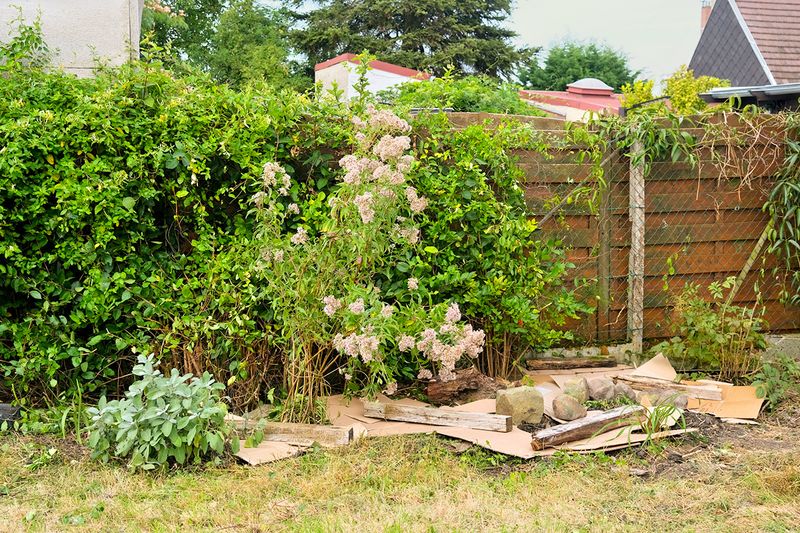
Here’s how it works: In the fall, while preparing your garden for next year, lay flattened cardboard over any existing beds where weeds have been problematic, or any new beds you have planned. Once the cardboard is down, water it well to start the decomposition process, then add a layer of organic mulch to hold it in place and deter slugs. (Your autumn leaves make a great, free mulch for this, by the way.) Over the winter, the cardboard smothers the weeds as it decomposes. By spring, it will be soft enough for your plants’ roots to penetrate easily.
Tips and Cautions
Look for freebies: If you don’t have enough plain brown boxes, check local ads for free supplies left over from moves or spring cleaning. Many stores will also happily give boxes away for free.
More from our network
House Outlook is part of Inbox Studio, which publishes content that uplifts, informs, and inspires.



Avoid full-color printed boxes: These inks may contain unwanted chemicals. White cardboard is acceptable but is typically bleached; while it’s fine for flower beds, you may want to avoid it in vegetable gardens.
Protect your plants: Don’t put cardboard over beds containing perennials or biennials, or they will be smothered along with the weeds.
Spring is an option: If you miss the autumn window, you can still use this technique in the spring. Lay the cardboard down first, then soak it well for a day or two. After removing any slugs that have taken up residence underneath, cover it with a suitable mulch. You can often punch through the softened cardboard with a trowel to plant your transplants or seeds.