On the surface, this standard setting seems appealing, but it actually wastes water and your hard-earned cash. Before you run another load of dirty dishes, here’s what to know about this widely used, yet surprisingly troublesome feature.
Quick Yet Costly
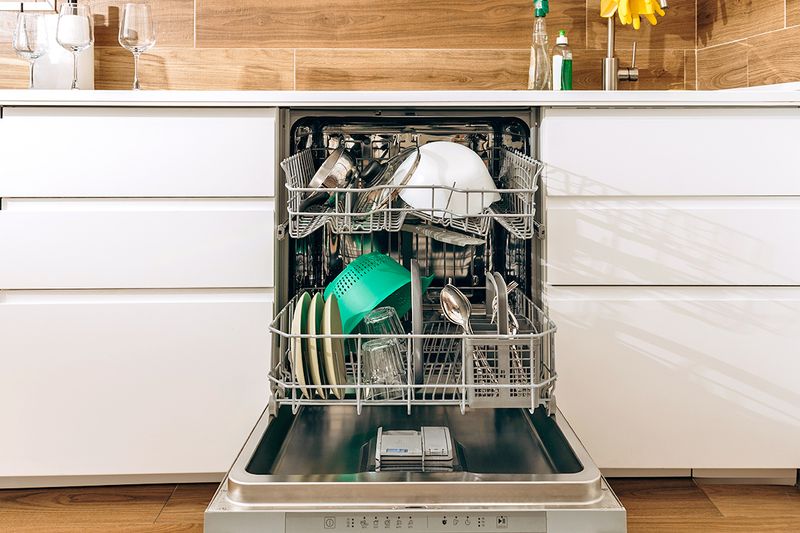
Many modern dishwashers have several settings to choose from, such as a normal cycle that takes 90 to 150 minutes and a quick-wash alternative that takes less than half that time. Given the brevity of the quick-wash cycle, you might assume it uses less water and energy. Surprisingly, that’s not the case.
Quick-wash cycles aim to achieve the same amount of cleanliness in a fraction of the time, which requires more water and heat to effectively power wash the dirty dishes. If you thought saving time meant saving money, think again.
For this reason, we recommend using the normal setting to keep your dishes clean while keeping costs low. The time savings simply aren’t worth it, especially since you can let the dishwasher run in the background while tackling other chores.
More from our network
House Outlook is part of Inbox Studio, which publishes content that uplifts, informs, and inspires.



Other Costly Dishwasher Mistakes
Another common dishwasher mistake that leads to higher utility bills is using too much detergent. You may think that more soap leads to a deeper clean, but it can actually create excess foam that weakens water pressure. This can prevent dishes from getting clean, forcing you to run a second cycle.
Also, be careful not to overload the dishwasher. Overcrowding physically prevents water and soap from reaching every surface, leaving you with a load of half-cleaned dishware.
Lastly, stop rinsing dishes before loading them into the dishwasher. This redundant step wastes water and hinders performance. Modern units use soil sensors to measure how dirty the water is, and prerinsing tricks the machine into running a shorter, cooler cycle that might not fully sanitize your dishes. However, you should still scrape large food scraps into the trash to avoid clogs and drainage issues.