1. Cool Temperature Lighting
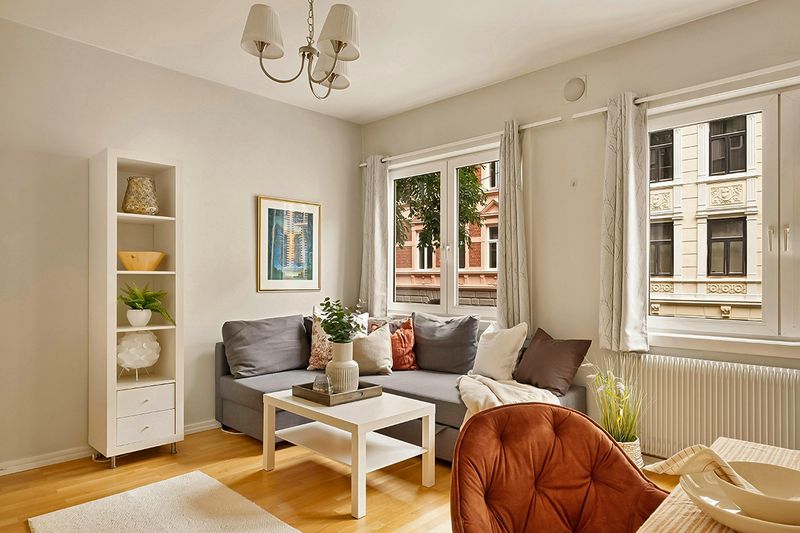
Bulb temperature matters — a lot. Cool, bluish light doesn’t just feel cubicle-like and harsh; it actively works against warmth and coziness. “Lighting that is too cool in temperature can quickly cheapen the look of your home,” says Tara Coomer, principal interior designer of Coomer & Co., a design firm serving Nashville and south central Kentucky. Instead, Coomer recommends shopping for light bulbs around 2700 Kelvin. “Anything cooler can unintentionally sterilize a space and make it feel like a doctor’s office,” she says.
2. Hanging Art Too High
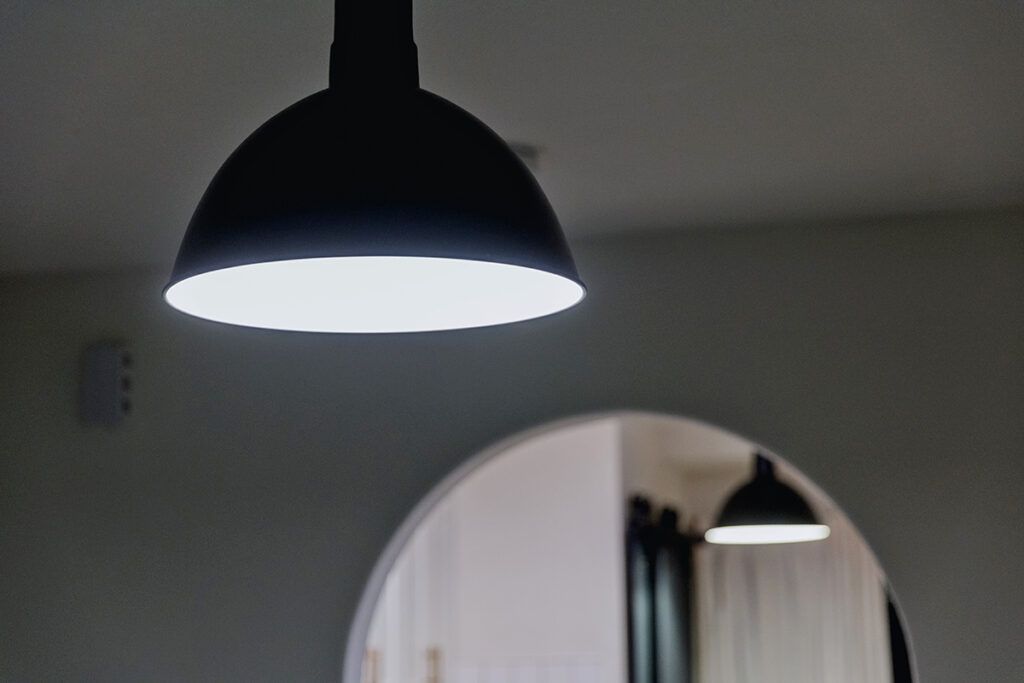
Before you get out the hammer, carefully measure 57 to 60 inches from the floor to the center of the artwork. That’s the standard rule for hanging art to ensure it meets most people at eye level. If you hang a piece too high, it feels awkward and uncomfortable to admire.
3. Perfectly Matched Furniture Sets
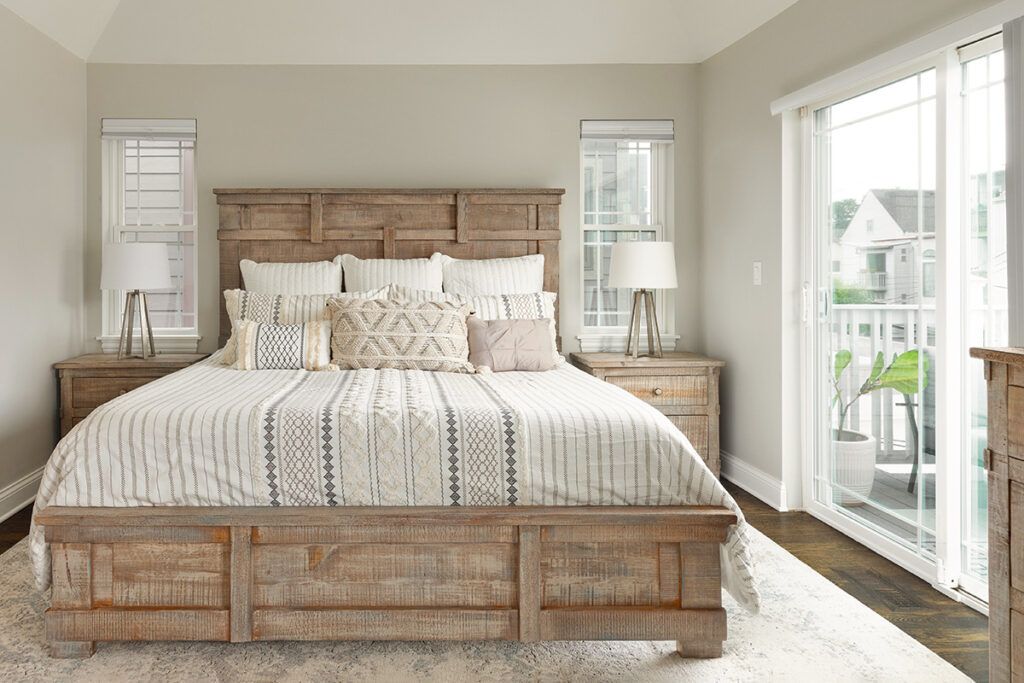
A room where every piece comes from the same collection reads like a showroom, not a lived-in home. Imagine a bed frame, dresser, and nightstand all in the same wood finish with the same hardware. Instead, try an upholstered headboard with a vintage dresser and contrasting nightstands to create more interest. “It’s best to select pieces that aren’t from a set but still look coordinated and work together harmoniously,” Coomer says. “This creates an elevated space with a more curated feel.”
4. No Ambient Lighting
Relying solely on a single overhead fixture — especially a builder-grade ceiling light or recessed cans — flattens a room. Instead, layer your light sources. Add a floor lamp next to a reading chair, a table lamp on a side table, and sconces on either side of your bed. Together, these elements create warmth and dimension that an overhead light alone simply can’t achieve.
More from our network
House Outlook is part of Inbox Studio, which publishes content that uplifts, informs, and inspires.



5. Too-Short Curtains
Short curtains are one of the fastest ways to make a room feel squat and unfinished. Mount your rods close to the ceiling and let the panels fall all the way to the floor — perhaps even pooling slightly. The payoff includes ceilings that feel taller and a sense of serious drama.
6. Lack of Texture
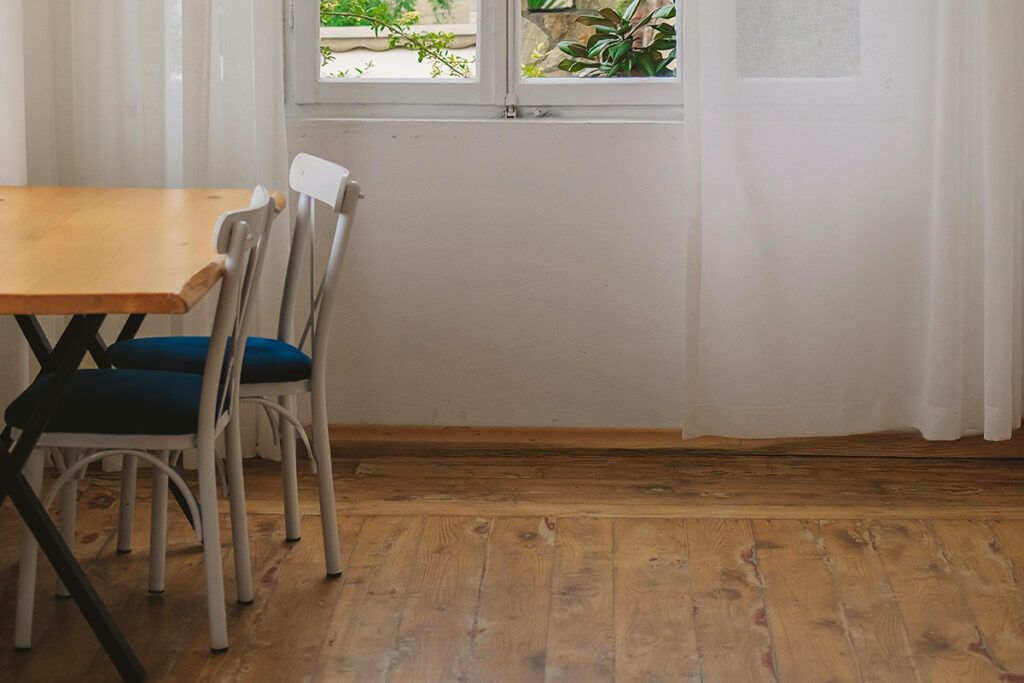
A room full of smooth, flat surfaces tends to feel sterile. Mixing textures adds depth and visual interest, making a space feel layered and considered rather than flat and uninspired. Try pairing a linen throw with a jute rug, a ceramic lamp base, a woven basket, and a velvet accent pillow. The pieces don’t need to be expensive; the varied texture will elevate the look and feel, regardless of the price tag.
7. A Rug That’s Too Small
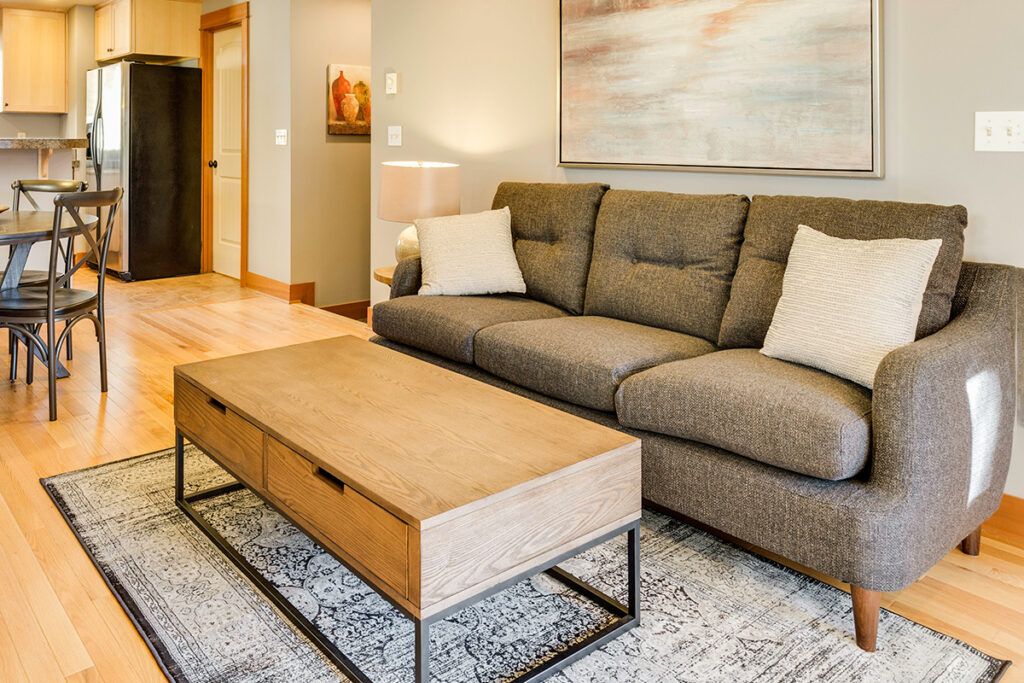
An undersized rug makes a room feel disjointed, as if the furniture is floating rather than anchored. “Our preference to ground a room is to keep all furniture on the rug,” Coomer says. “Sometimes there are circumstances or restrictions that make this difficult, and in those instances, you’d just aim to have as much of the furniture on the rug as possible.”
8. Too Many Small Decorative Items
A collection of small, unrelated objects scattered across shelves and surfaces reads as clutter, not decor. Edit ruthlessly, showcasing your most important travel souvenirs, framed photos, and small treasures. Group items in odd numbers, vary their heights, and give each vignette room to breathe.
9. Bare Windows
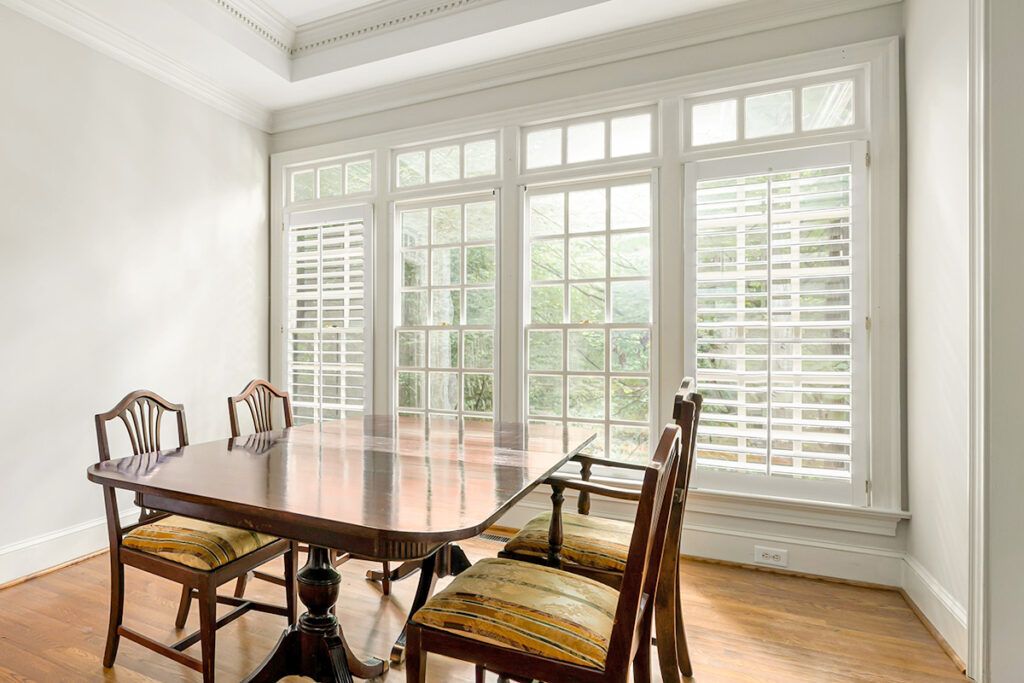
Abundant natural light is enviable, but rooms with no window treatments tend to feel unfinished and cold — especially at night. Even simple, inexpensive linen panels add softness, frame the view, and provide privacy.
10. Ignoring Scale
A petite table lamp on a large console, a loveseat dwarfed by a sprawling open-plan room, or an oversized sectional jammed into a tight space can all make a room feel off-balance. Before buying any large furniture, measure your room and tape out the footprint on the floor. What photographs well online can land very differently in your actual space.
11. Pushing All the Furniture Against the Walls
It feels counterintuitive, especially in smaller rooms, but floating furniture away from the walls makes a room feel larger and more inviting. Pulling a sofa even a few inches forward creates a sense of intimacy and intention that “ring around the room” arrangements never quite achieve.
12. Neglecting the Entryway
First impressions count. An entryway with bare walls and nowhere to set a bag or hang a coat simply isn’t functional, no matter how nice it looks. Even in a tight foyer, a few specific additions go a long way: a mirror for last-minute hair and lipstick checks, a coat hook, and a console so you always know where your keys are.