The real offenders aren’t your refrigerator and dishwasher. Rather, they’re the small appliances you use for a few minutes, set aside, and forget. Even when you think they’re off, they remain plugged in, quietly drawing power and waiting for the next use.
Many appliances don’t fully power down when turned off. Instead, they slip into standby mode and continue pulling electricity around the clock — a phenomenon known as “phantom power.” According to the Department of Energy’s Lawrence Berkeley National Laboratory, this standby draw can cost households between $100 and $200 per year. But wasted electricity is only part of the story.
Unattended, plugged-in appliances can create an unnecessary fire risk. In 2021, an estimated 24,200 residential electrical fires caused nearly 300 deaths and over $1.2 billion in property damage, according to FEMA.
The fix is simple. Here’s where to start.
More from our network
House Outlook is part of Inbox Studio, which publishes content that uplifts, informs, and inspires.



Toaster and Toaster Oven
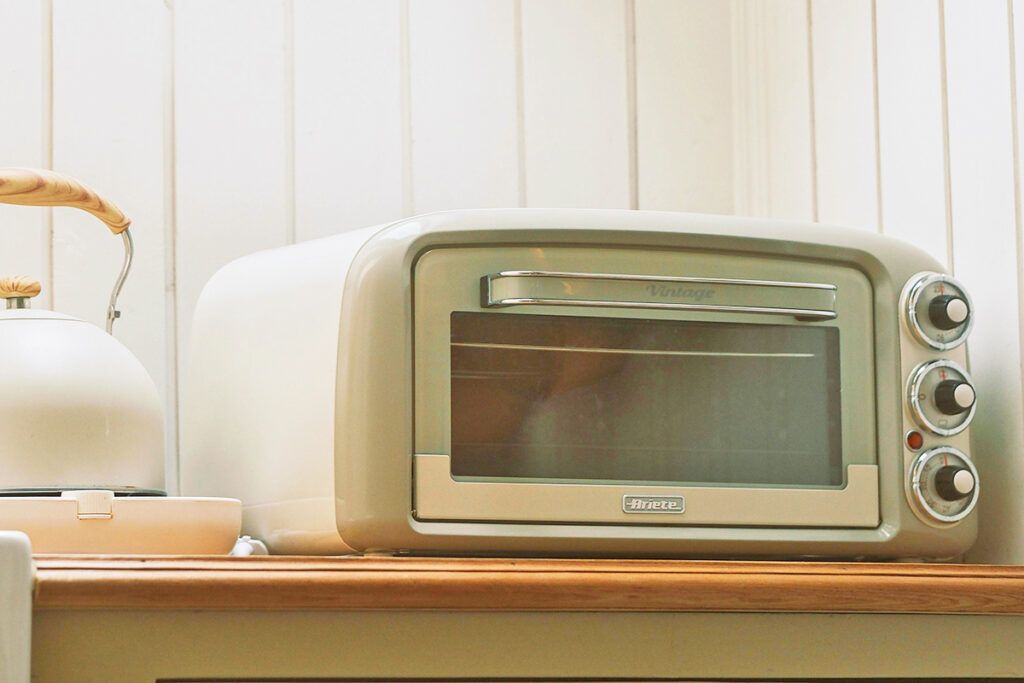
Your toaster and toaster oven are probably the most important appliances to unplug after every use. Over time, crumbs and grease collect near the heating elements, and all it takes is a stray electrical fault for them to ignite. Because these appliances are often placed under cabinetry, a small fire can quickly spread to the rest of the kitchen.
High-tech models also act as “energy vampires,” drawing power for clocks and digital displays even when they aren’t cooking. Make it a household rule: Once the toast is made, pull the cord.
Coffee Maker
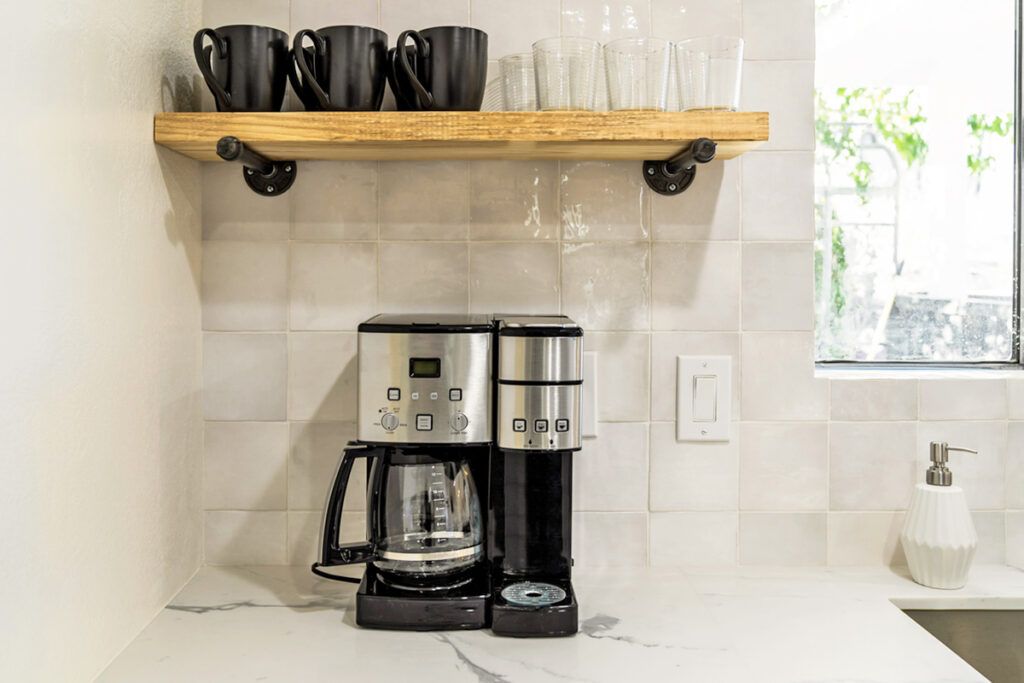
Many modern coffee makers have digital displays and internal clocks that draw continuous power. Once you’re done making coffee, unplug the machine. Unless you rely on a programmable brew timer, there’s no reason to leave it connected.
Air Fryer
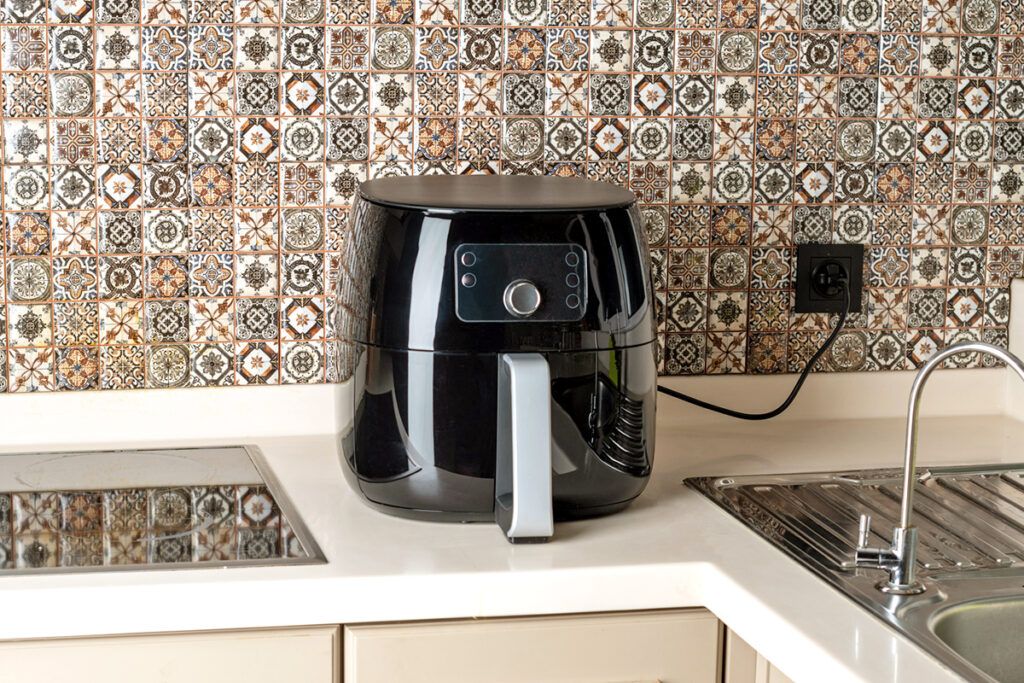
Air fryers draw a large amount of current and generate significant heat. Even a well-functioning air fryer can pose a risk if left plugged in with grease residue inside, should anything go wrong electrically.
Hairstyling Tools
Curling irons, flat irons, and hair dryers are among the most common causes of misuse-related house fires and burn injuries. They reach extremely high temperatures quickly, which is exactly what makes them dangerous when forgotten. Many flat irons hit temperatures as high as 450 degrees Fahrenheit, providing more than enough heat to ignite common household materials. Unplug your hot tools immediately after use, especially before leaving the house.

Space Heater
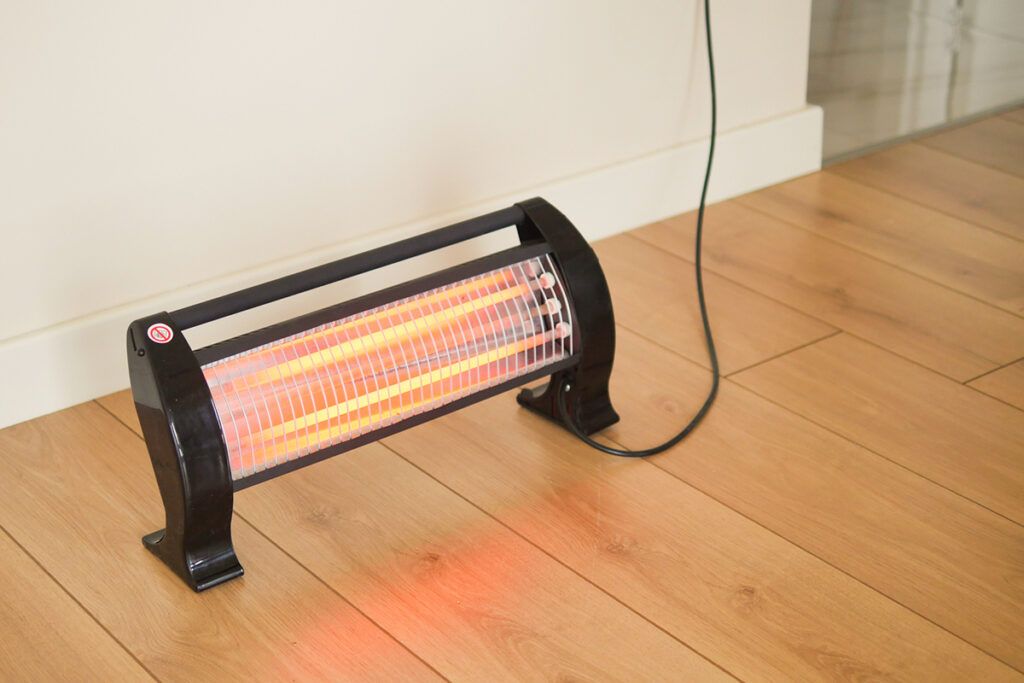
Space heaters are another one of the leading causes of home fires in the U.S., and the danger doesn’t disappear when you switch them off. A faulty cord or nearby flammable material can still pose a risk as long as the unit is connected to power. Always unplug and store your space heater when not in use.
Phone and Laptop Chargers
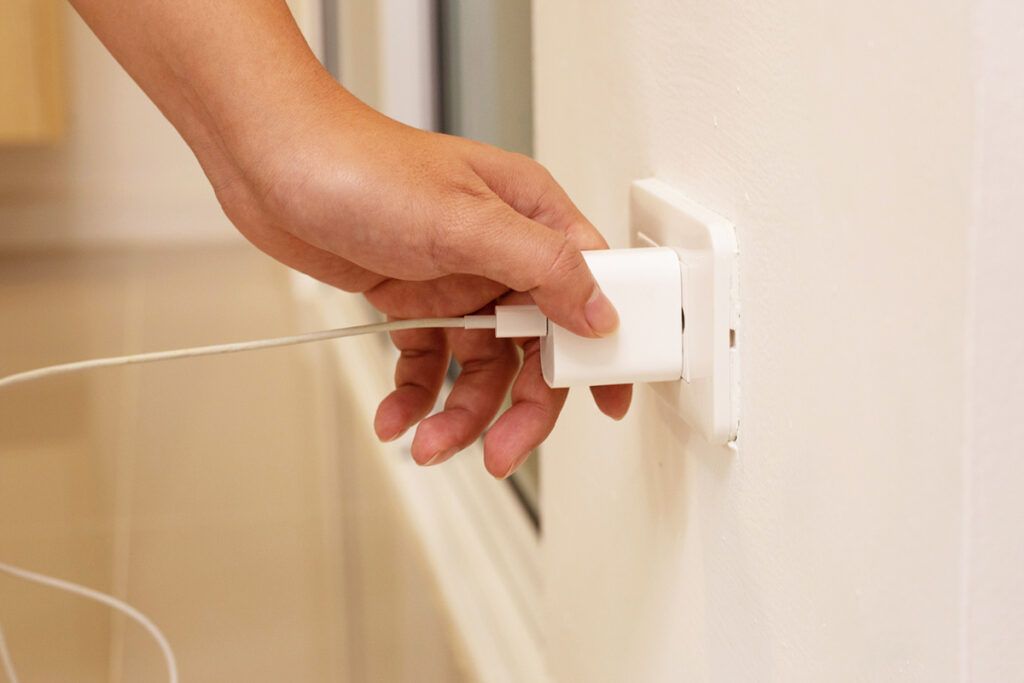
Even after your device is fully charged, its charger continues to draw power from the wall. Multiply that across every charger in your home — including those for phones, tablets, laptops, and smartwatches — and the phantom load adds up quickly. The solution is simple: Once you unplug the device, unplug the charger, too.
Electric Kettle
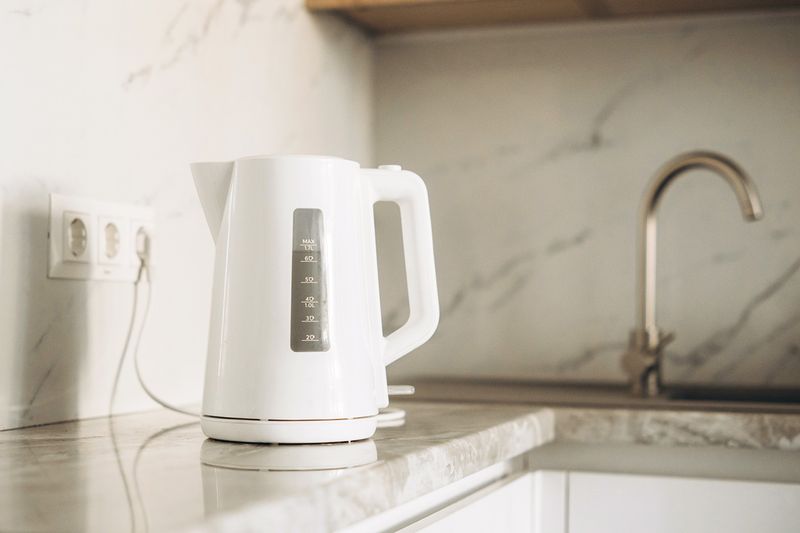
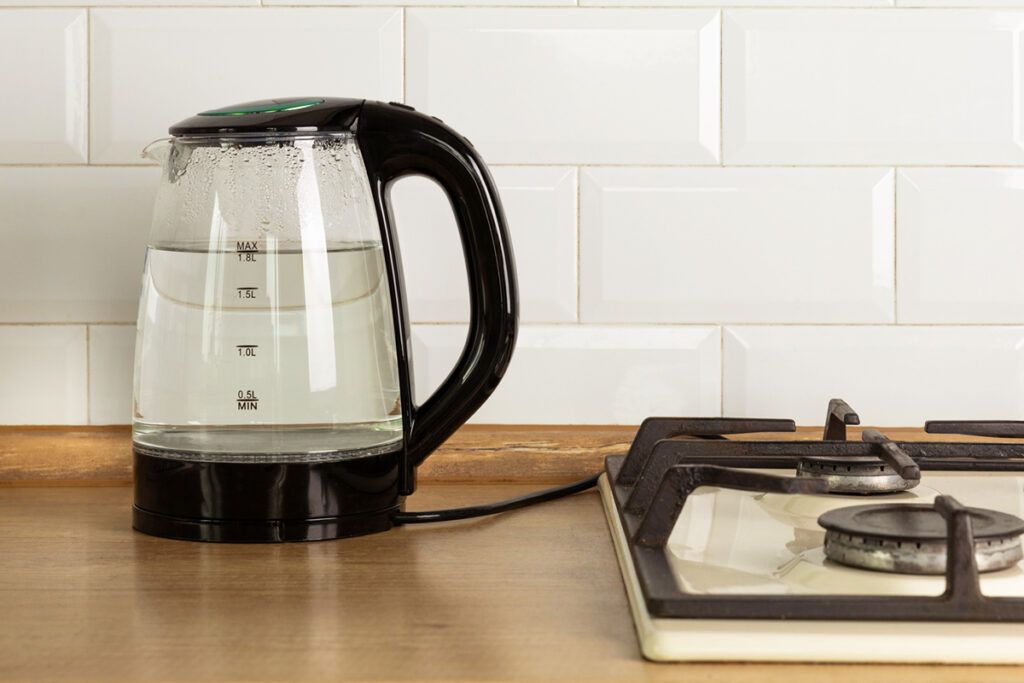
Kettles are often overlooked because they’re used so briefly. However, as with any appliance that has a heating element, leaving one plugged in creates an ongoing risk from electrical faults or power surges. To keep your kitchen safe, establish a simple routine: Boil, pour, and unplug.
Slow Cooker
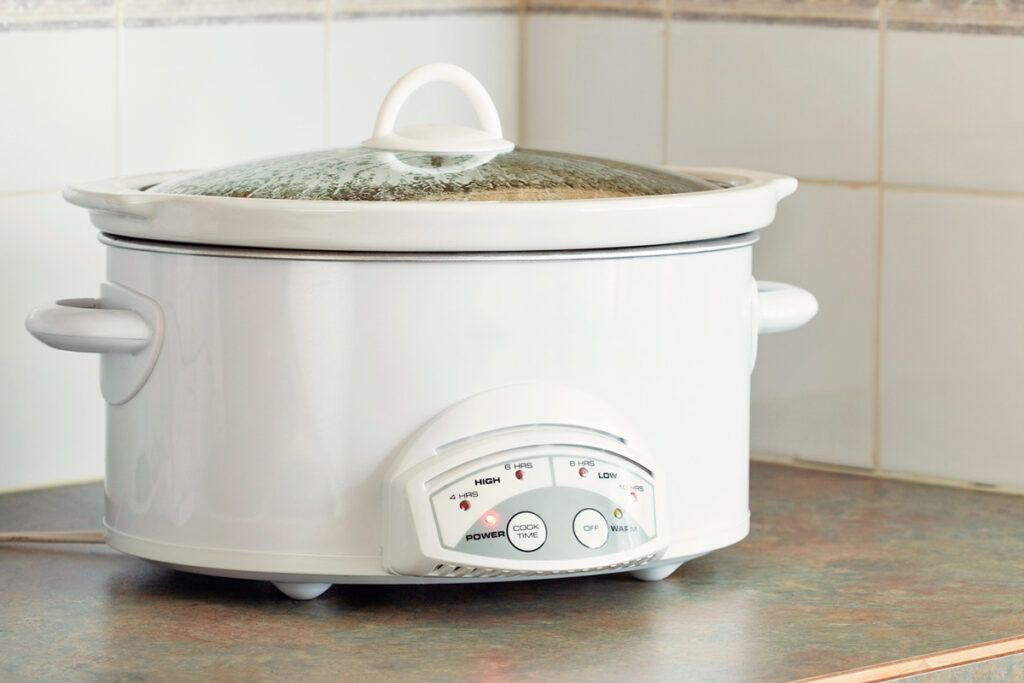
Grease and food residue around a heating element, combined with prolonged connection to power, can create the perfect conditions for a malfunction. Once your meal is finished and the unit is turned off, be sure to unplug it.
A Simple Rule
You don’t need to unplug everything. Refrigerators, stoves, and dishwashers are designed to stay connected. But for smaller appliances — especially anything that generates heat — the rule is straightforward: If you aren’t using it, it doesn’t need to be plugged in. In return, you get lower energy bills, reduced fire risk, and a home that’s safer even when you’re not paying attention.