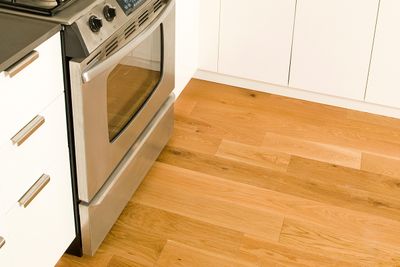
Mold can grow almost anywhere, which is unsettling to think about when most of us watch only for the obvious signs. Here are seven places mold could be hiding in your home right now, and what to do if you find it.
1. Inside Your Walls
Drywall is highly absorbent, making it an ideal breeding ground for mold. The problem is that you can’t always see what’s happening behind the surface. Water damage, whether it’s from a leaky pipe, a roof issue, or prolonged humidity, can trigger mold growth within 24 to 48 hours. If you notice water stains, warping, or a persistent musty smell, it’s worth investigating further. While professionals can use noninvasive methods such as thermal imaging to detect hidden dampness, effective treatment usually requires removing the affected drywall entirely and addressing the source of the moisture.
2. Behind Wallpaper
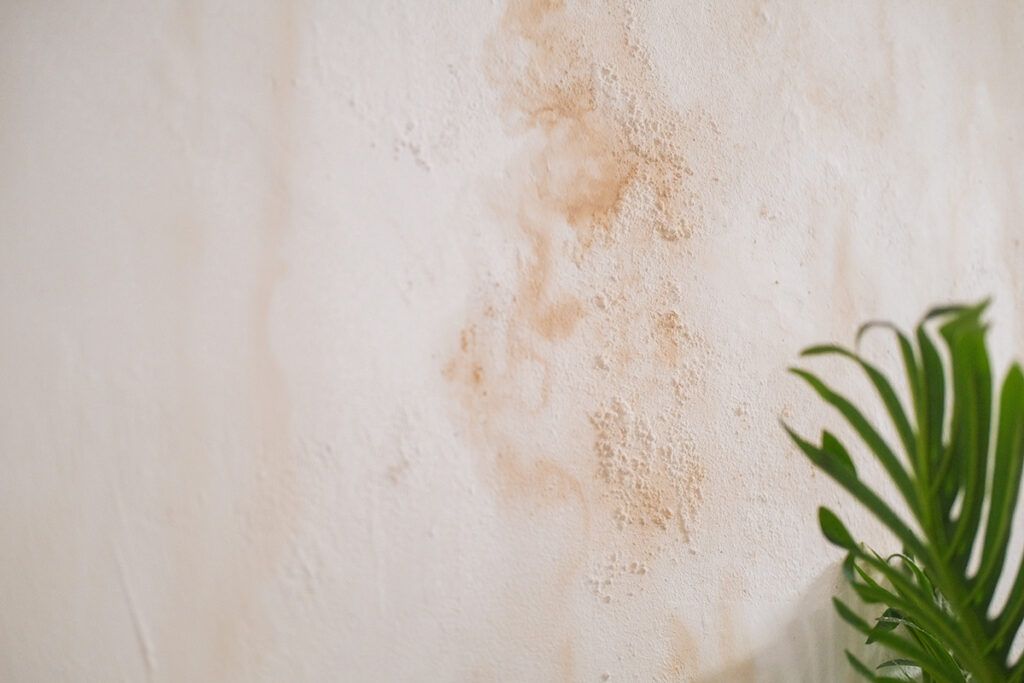
We love that wallpaper is back in style, but unfortunately, mold loves it too. If you notice the paper beginning to peel, it could signal a humidity or moisture issue that has allowed mold to take hold between the adhesive and the wall. While peeling doesn’t always mean mold, it’s a sign worth taking seriously — particularly in older homes or rooms prone to moisture.

3. In Your HVAC System
Your heating and cooling system circulates air throughout your entire home, which means if mold is growing inside it, those spores are being distributed to every room. Mold often develops in ducts, on coils, and around drain pans, particularly in systems with moisture issues. To maintain high air quality and peak efficiency, HVAC systems should be checked by a professional twice a year — ideally in the spring and fall. If you notice a musty odor when the system kicks on or see discoloration near the vents, it’s time to call a professional. An expert can determine whether you’re dealing with mold or something else entirely.

More from our network
House Outlook is part of Inbox Studio, which publishes content that uplifts, informs, and inspires.



4. Under Your Mattress
Placing a mattress directly on the floor creates a near-perfect environment for mold: trapped moisture, lack of airflow, and a warm surface. Even mattresses on bed frames can be vulnerable if wooden slats trap humidity against the underside. Finding mold on a mattress is typically reason enough to replace it, as the material is too thick and porous to clean thoroughly. While sealed wooden slats can often be salvaged, unsealed wood should be replaced if mold has set in.

5. In Your Washing Machine
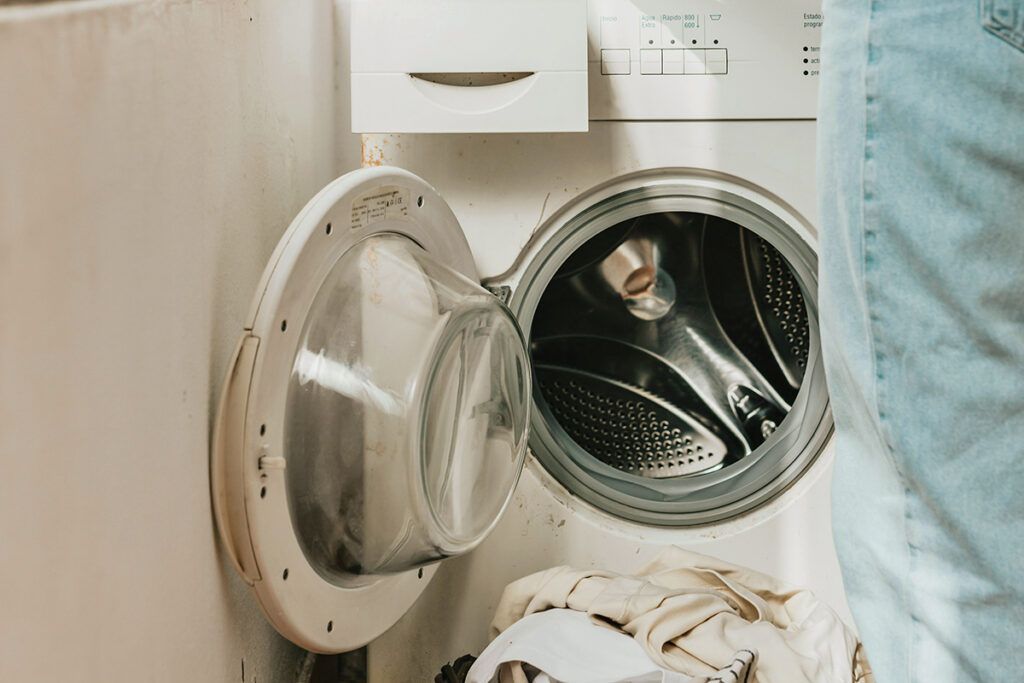
There’s a certain irony in the fact that the appliance designed to clean your clothes can also harbor mold. Front-loading washing machines are notorious for mold buildup on the rubber door gasket — that soft seal around the opening. Once mold moves in, it can transfer to your laundry and create a persistent musty smell. Prevention is the best fix: Leave the door and detergent dispenser open after each wash to let moisture escape. For existing growth, follow the manufacturer’s instructions, which often recommend a monthly cleaning cycle with bleach.
6. In the Bathroom (Beyond the Obvious Spots)
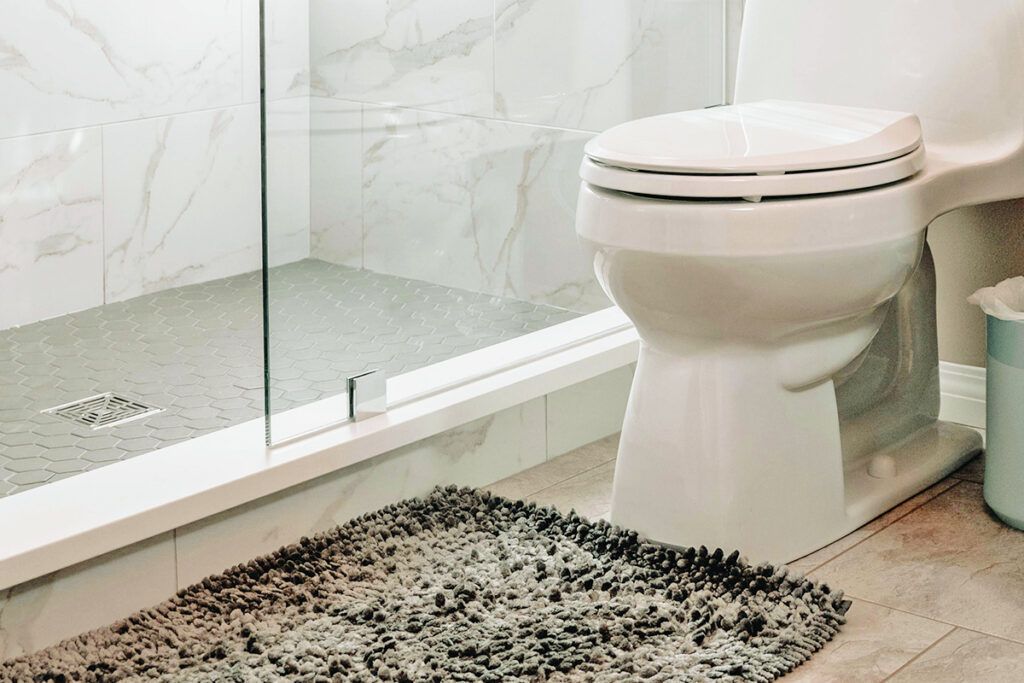
Mold in bathrooms extends well beyond obvious spots like grout and toilet bases. Check underneath the sink for dripping pipes, behind the toilet, and on or under bath mats that stay damp between uses. Exhaust fans that vent improperly or are too weak to clear steam quickly can make the entire room a mold risk. To keep the space dry, run the fan during and for at least 15 to 20 minutes after every shower.
7. Under the Kitchen Sink
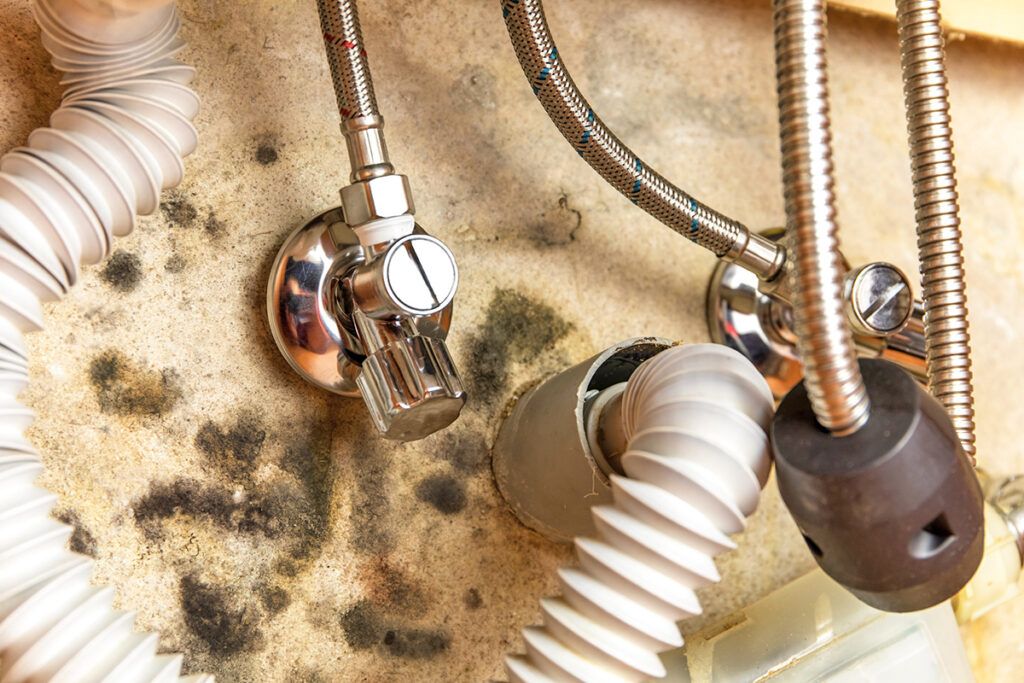
A slow leak from a drainpipe or water supply line can go unnoticed for months, soaking into the cabinet floor and the wall behind it. By the time you notice a musty odor, mold has often already taken hold. It’s worth peeking into this area regularly, even if everything seems fine. Catching a small leak early can prevent a much larger, more expensive remediation project.
If you find a small patch of mold (less than 10 square feet), you can tackle the project yourself with the proper protective gear and a microbial cleaner. However, if the damage is widespread or permeates the subflooring, you’ll need to hire a professional remediation team to prevent the mold from spreading through the rest of the house.
The Common Thread
The root cause across all of these areas is moisture. Your best defense is to cut off the supply: Keep indoor humidity below 50%, fix leaks promptly, and improve ventilation wherever possible. Because mold needs water to survive, keeping things dry is the only permanent fix.