Devastating house fires rarely start with a dramatic event. Instead, they often begin with something mundane and preventable. The good news is that these risks are easy to address once you know where to look. Here’s what to watch for, room by room.
1. Overloaded Outlets
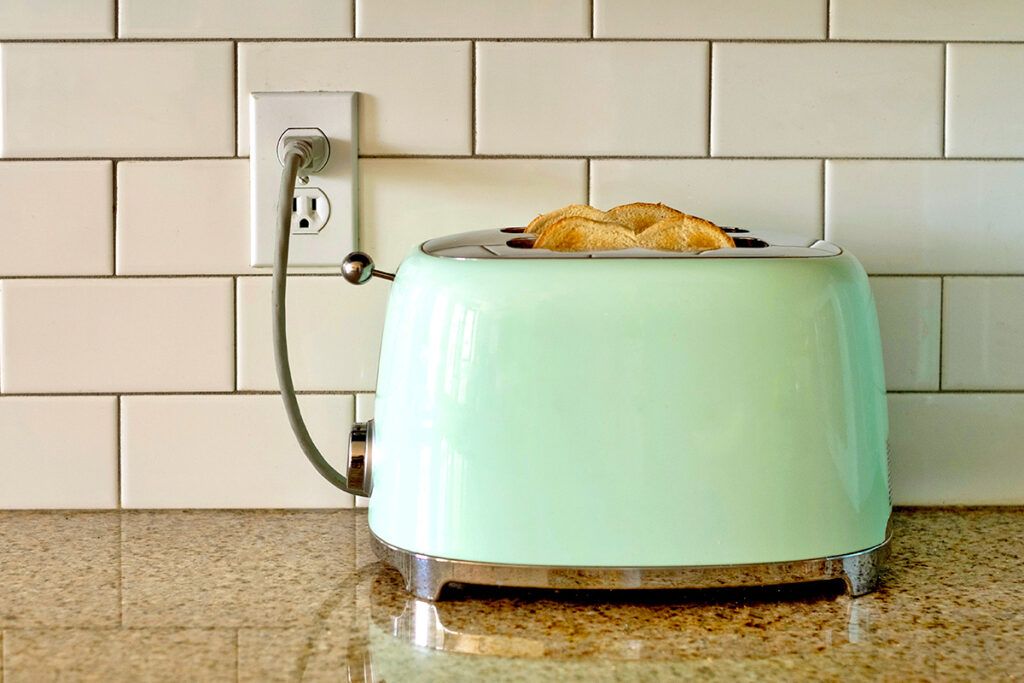
Countertop appliances seem harmless enough on their own. But when you plug a coffee maker, toaster, and air fryer into the same outlet, you create a genuine fire risk. Heat-producing appliances draw significant wattage; doubling or tripling up on a single circuit is a recipe for overheating, melted wiring, or worse. The simple fix is to limit each outlet to one high-draw appliance.
2. Dryer Lint
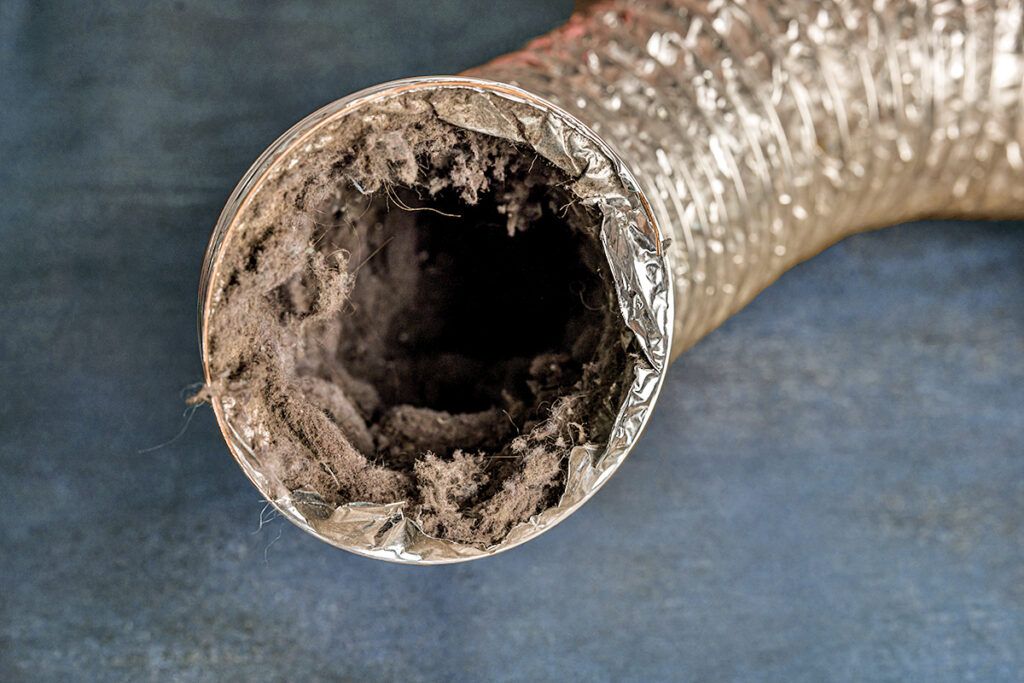
Cleaning the lint trap after every load is a good habit, but it isn’t enough. Lint also accumulates deep inside the exhaust duct, and that’s where most fires actually start. When buildup near the heating element or motor ignites, it can spread through the pipe fast. To stay safe, pull the dryer away from the wall at least once a year to clean out the exhaust duct using a flex brush or even a leaf blower. If you have shedding pets or a large family, aim to clear it out every six months. The goal is to remove lint and debris from the full length of the duct — not just the trap you can reach from the front.
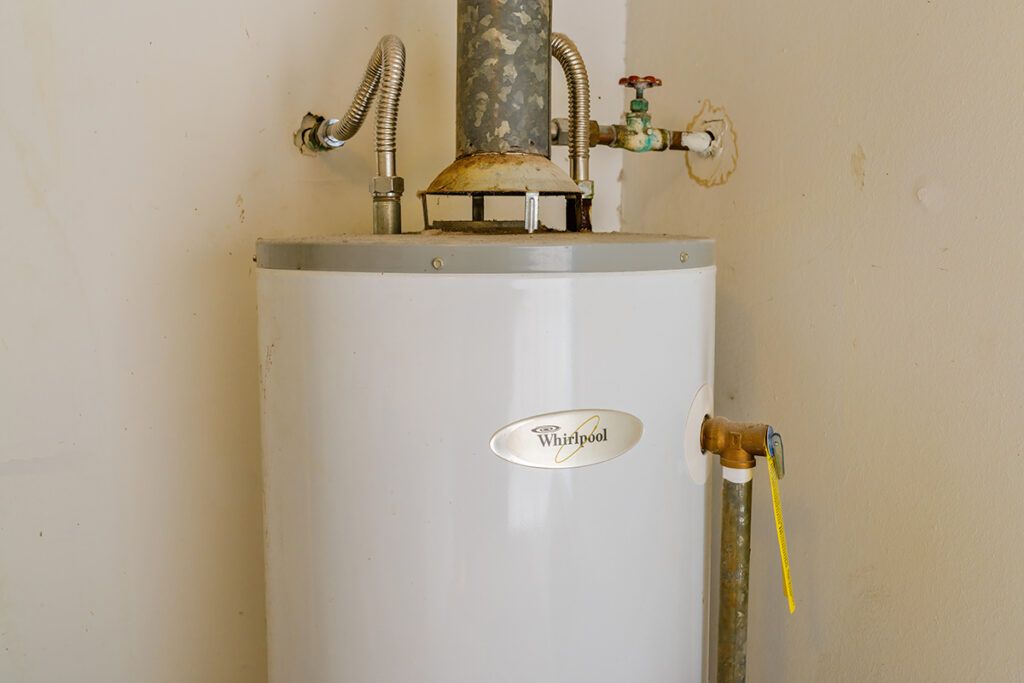
3. Gas Water Heaters
It’s easy to treat the laundry room or utility closet as overflow storage, but stacking clothes, boxes, or paper products near a gas water heater is a major risk. These are open-flame appliances that should be handled with care. Nearby combustibles can easily ignite when the burner cycles on. Provide 18 to 24 inches of clearance around the water heater, and make sure the protective cover over the burner is in place.
More from our network
House Outlook is part of Inbox Studio, which publishes content that uplifts, informs, and inspires.



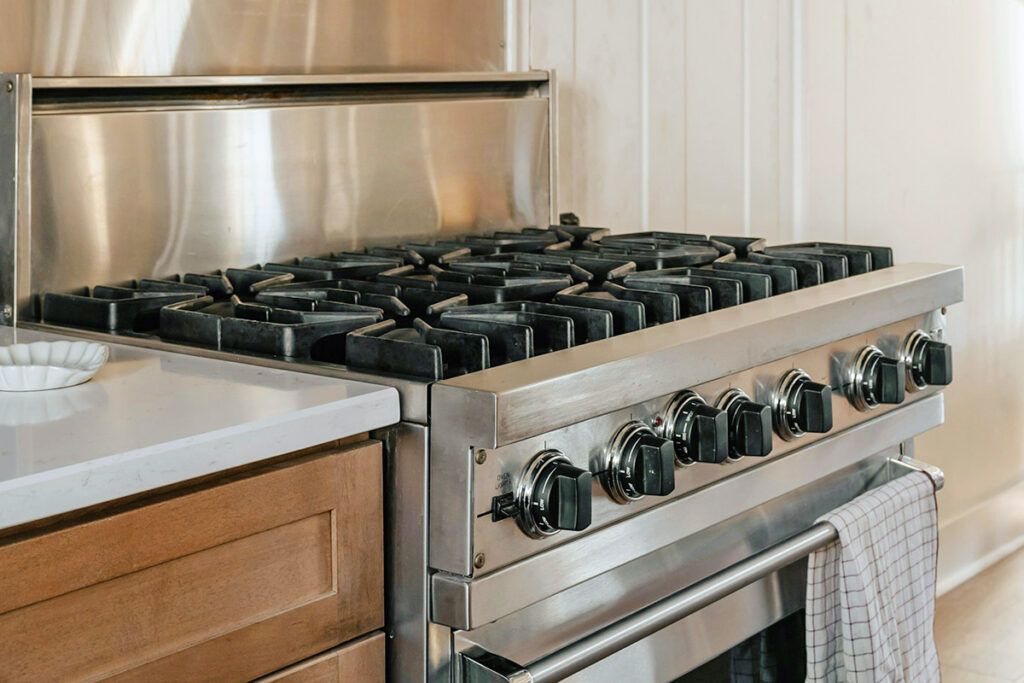
4. Stoves
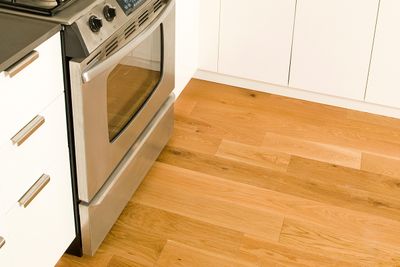
Cooking is the leading cause of house fires, and it isn’t always about an open flame. Grease buildup on and around the stovetop is a hidden hazard that most people ignore during everyday cooking. A small flare-up in a clean kitchen stays small, but in a greasy one, it can quickly get out of control. Make it a habit to wipe down the stovetop and surrounding surfaces regularly — not just after a splatter, but as routine maintenance.
Keep the area around the stove free of clutter, too. Dish towels draped over the oven handle, paper bags left on the counter, or curtains that hang too close to the range all become fuel sources the moment something goes wrong.
5. Space Heaters
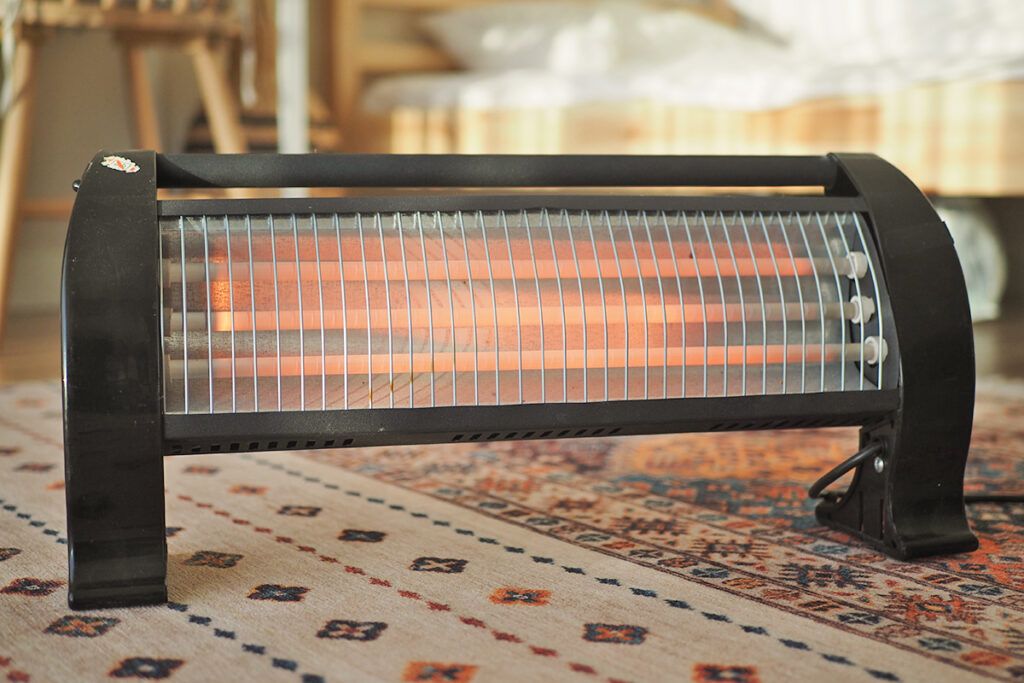
Space heaters are a leading cause of residential fires, and the reason is almost always the same: They are left unattended or placed too close to something flammable. Blankets, curtains, rugs, and upholstered furniture are all potential fuel. Keep your heater at least 3 feet away from everything around it, choose a model with an automatic tip-over shutoff and overheat protection, and make it a rule to turn it off whenever you leave the room.
6. Exposed Light Bulbs in Closets
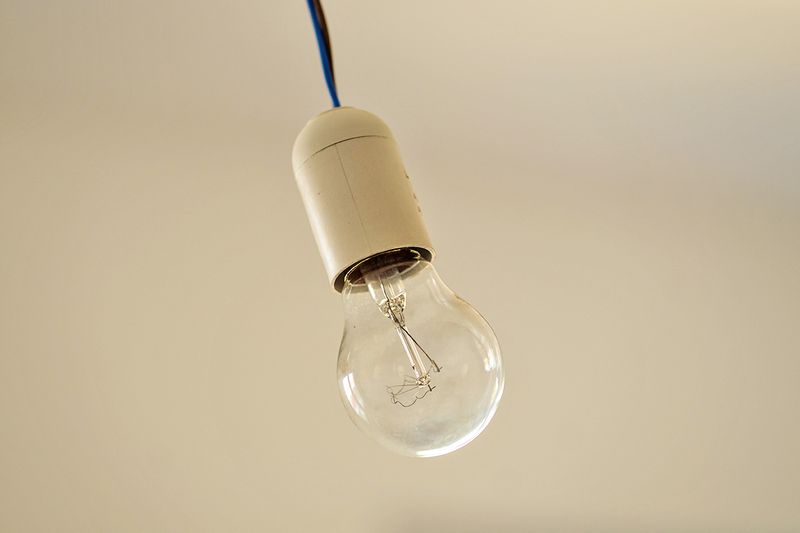
Bare bulbs tucked into closets and storage areas generate more heat than most people realize. When combustible materials such as clothing or cardboard boxes are stored too close, they can reach ignition temperature without any visible warning. Swap exposed incandescent bulbs for enclosed fixtures or recessed LEDs. At a minimum, keep all materials well clear of any exposed lighting.

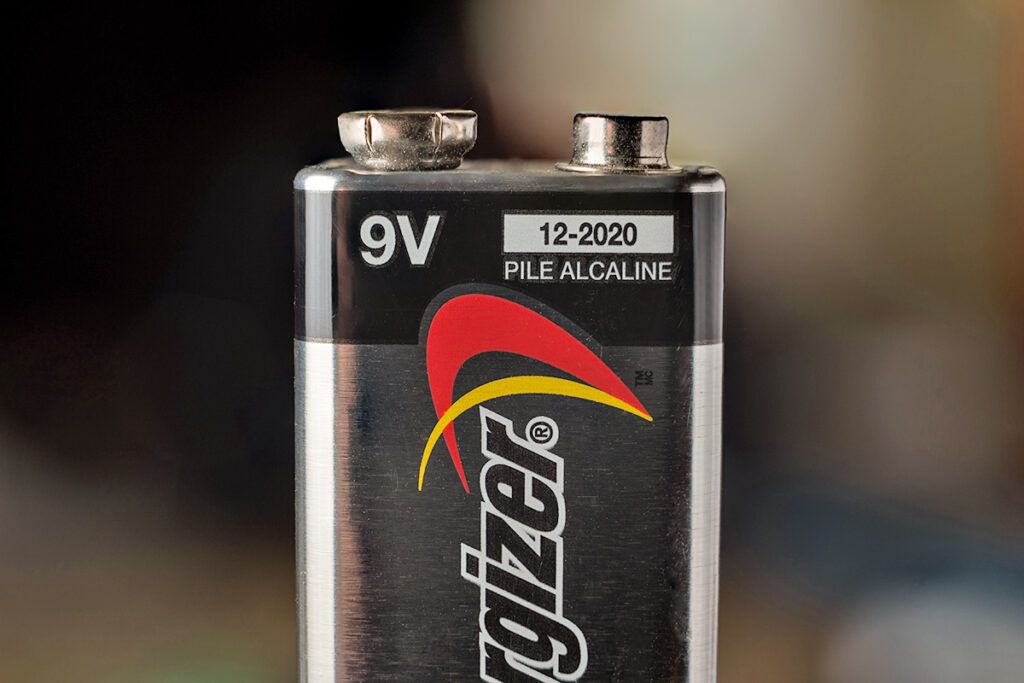
7. Loose 9-Volt Batteries
This one often surprises people. A 9-volt battery rattling around in a junk drawer alongside keys, paper clips, and other metal objects can short-circuit and spark a fire. While it sounds unlikely, it’s a well-documented hazard. Store these batteries in their original packaging, or cover the terminals with a small piece of electrical tape when they’re not in use. The best practice is to move them out of the drawer to a dedicated battery organizer or a plastic bin.
8. Landscaping
The plants growing against your home’s exterior can work against you in a fire. Ornamental grasses and dense shrubs dry out in the summer, becoming kindling for stray embers. Keep all vegetation trimmed back at least 5 feet from the siding and foundation. For plants further out, make sure they stay well watered during hot, dry stretches to prevent them from becoming fuel.

The Basics Still Matter
In addition to all the little things, make sure your early warning systems are fully functional. Test your smoke detectors monthly and replace the batteries at least once a year. For a more “set it and forget it” approach, consider upgrading to sealed 10-year battery models. These smoke detectors last longer but should be replaced every decade as their sensors lose effectiveness over time.