Cleaning 6m read
0

11 Things You Should Never Use All-Purpose Cleaner On

Is all-purpose cleaner really right for all purposes? It might surprise you, but the answer is no. Many all-purpose cleaners contain harsh chemicals, surfactants, solvents, and additives that can disrupt pH levels and damage certain surfaces. Beyond that, they aren’t formulated to deeply disinfect. A great all-purpose cleaner is a lifesaver for quick touch-ups, but you should point that nozzle away from these 11 surfaces to keep them unmarred and germ-free.

All featured products and deals are selected independently and objectively by the author. House Outlook may receive a share of sales via affiliate links in content.

Is all-purpose cleaner really right for all purposes? It might surprise you, but the answer is no. Many all-purpose cleaners contain harsh chemicals, surfactants, solvents, and additives that can disrupt pH levels and damage certain surfaces. Beyond that, they aren’t formulated to deeply disinfect. A great all-purpose cleaner is a lifesaver for quick touch-ups, but…

1. Wood

If you have wood floors, door frames, wainscoting, or other finished wood features in your home, you might be tempted to reach for an all-purpose spray to remove dust and bring out that lustrous sheen. However, the surfactants and alcohol found in most all-purpose cleaners are simply too harsh for wood and can leave it stripped of its natural oils. It’s best to stick with a wood-specific cleaner, such as Weiman Cabinet and Wood, as all-purpose cleaners often do more harm than good.

Keep them away from unfinished wood, too. Used for cutting boards, subfloors, and some workshop benches, unfinished wood is completely raw and porous, meaning any type of liquid cleaner will soak right into the grain, leading to permanent stains or warped boards.

Credit: © Bryan Chavez—iStock/Getty Images

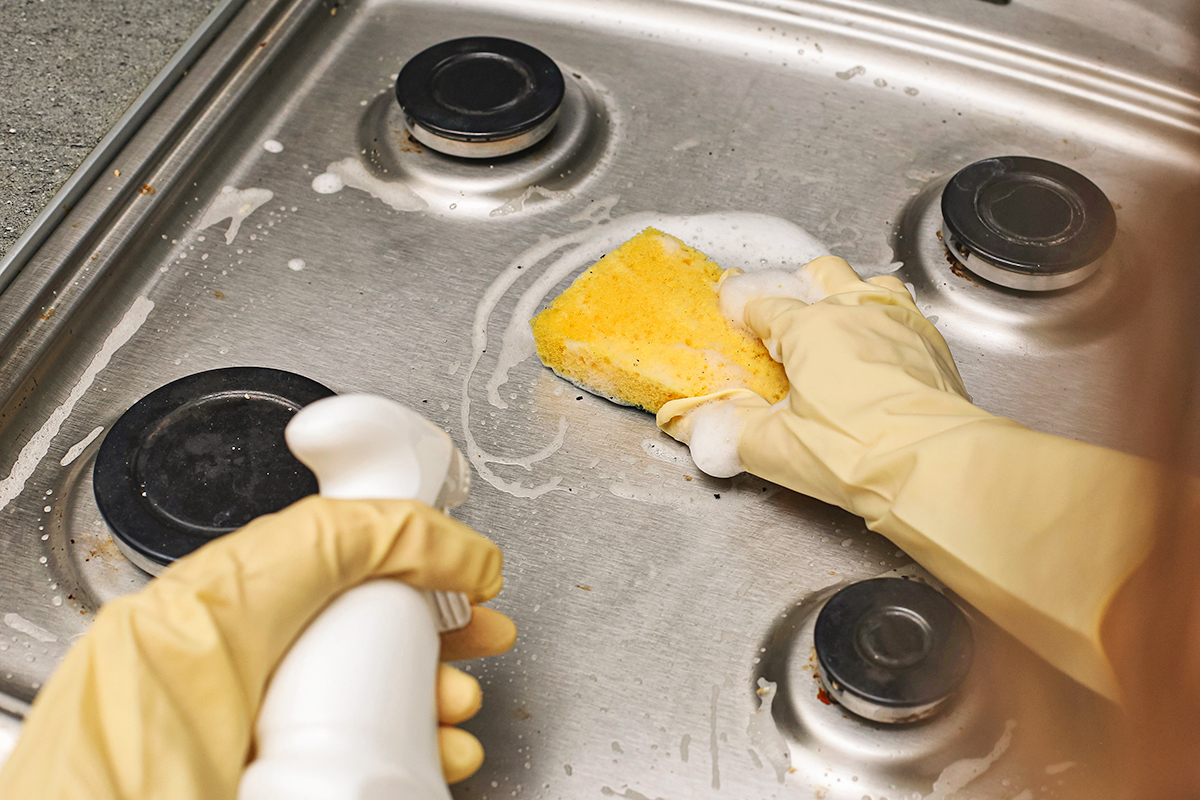
2. Kitchen Grease

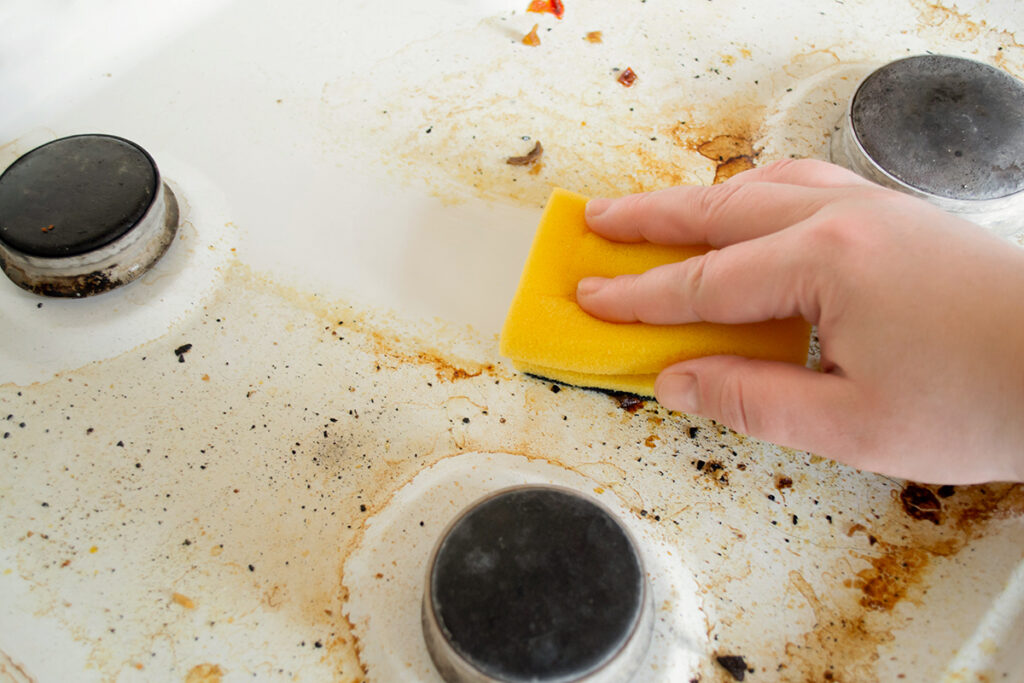
Sometimes an all-purpose cleaner is too harsh, and other times it simply isn’t strong enough. This is usually the case for greasy spots in the kitchen, such as the stovetop or range hood, both of which can get covered in grease after just one big meal. To tackle heavy buildup, focus on degreasing rather than general cleaning. Wash these surfaces with dish soap and warm water, or scrub tough spots with a baking soda paste (three parts baking soda to one part warm water) followed by a few spritzes of undiluted distilled white vinegar. Wipe away the grime, rinse the surface with warm water, and buff it dry with a clean cloth.
Credit: © Goroda—iStock/Getty Images

3. Fabric or Upholstery

You might be tempted to spritz and wipe your slipcovers, curtains, or carpet with an all-purpose cleaner — especially if you’re dealing with a stubborn stain. However, these surfaces require specialized care. Delicate fabrics and upholstery can end up with unsightly spots or discoloration if cleaned incorrectly. Instead, reach for a dedicated product like FOLEX, which is safe to use on all colorfast carpets and upholstery.

Credit: © Olena Ruban—Moment/Getty Images
Related: Old-School Cleaning Hacks That Don’t Work Anymore

4. Bathtubs

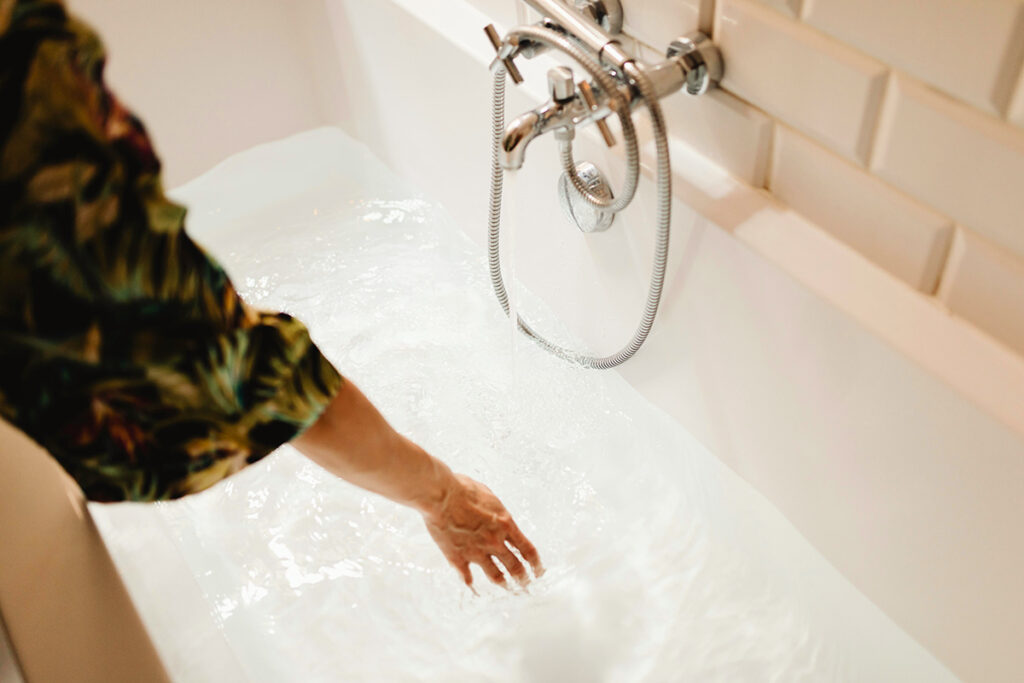
If you just need to wipe down your bathroom’s sink and countertops, an all-purpose cleaner is a great way to tackle the chore quickly and easily. But if you have a deeper clean on your hands — like scrubbing away soap scum, hard water stains, mold, or mildew — these cleansers won’t do much. Instead, opt for a dedicated tub and tile formula, such as Scrubbing Bubbles Mega Shower Foamer, to cut through tough grime without all the elbow grease.
Credit: © kaboompics/Pexels.com

5. Pet Bowls

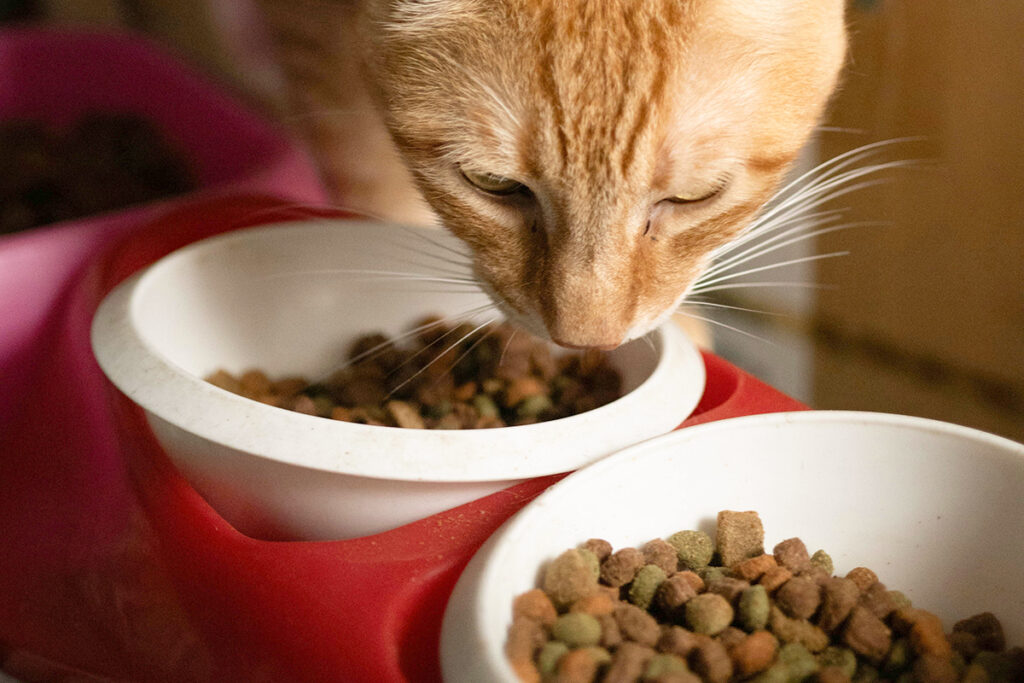
This one is strictly a safety issue, as the solvents, surfactants, and other additives in many all-purpose cleaners can be toxic to pets if ingested. While all-purpose cleaner is great for wiping down pet crates or toy bins, it should stay far away from where they eat. To clean food and water bowls, or even a cat’s litter box, keep it simple and use the same dish soap and warm water you use for your own dishes. For hard surfaces your pet doesn’t eat off of, try a multisurface spray that’s nontoxic to animals. Many enzymatic cleaners are also pet-safe and can be used for tackling odors and messes on a variety of surfaces.
Credit: © Javier Garcia Chavez/Unsplash.com

6. Children’s Toys

This category makes the list for the same reason pet bowls do: Cleaning chemicals can cause serious harm if ingested. Not only that, but children’s toys should be disinfected rather than simply cleaned, which an all-purpose spray cannot do. To keep your child’s hands chemical-free and their toys germ-free, reach for a dedicated disinfectant such as CleanSmart Toy Disinfectant Spray. It uses hypochlorous acid rather than bleach or alcohol to sanitize surfaces safely.

Credit: © Yunus Tuğ/Unsplash.com

7. Glass and Mirrors

If you’re cleaning windows, mirrors, or other glass surfaces, you want them crystal clear and shining. Unfortunately, you won’t get that result with an all-purpose cleaner, which leaves a cloudy, streaky mess on reflective surfaces. Skip the multisurface bottle and stick to dedicated glass sprays paired with a lint-free microfiber cloth.

Credit: © Mesut çiçen/ Unsplash.com

8. Stone Countertops

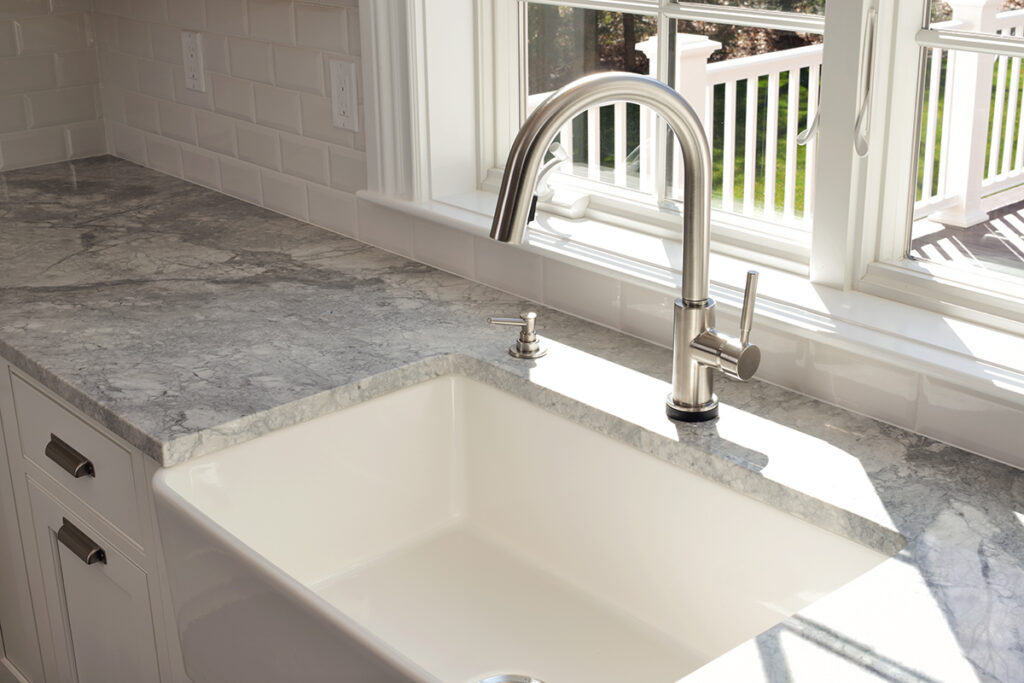
Most all-purpose cleaners are slightly acidic and can dissolve the top layer of natural stone — a type of chemical burn known as etching. This can affect many popular countertop materials, including marble, travertine, limestone, granite, and quartzite. Over time, these sprays strip away the protective sealant, exposing the naturally porous stone to permanent stains and moisture damage. To protect your investment, opt for a pH-neutral formula such as Granite Gold Daily Cleaner, which is gentle on natural stone but tough on grime.
Credit: © jStock/stock.adobe.com

9. Electronics

When it comes to tech, keeping things dry is paramount. After all, you don’t want to compromise what are likely some of the most expensive items in your home. Laptops, phones, chargers, TVs, and keyboards should never be sprayed with an all-purpose cleaner or anything too wet. Instead, wipe your gear with a dry microfiber cloth, a dedicated product such as Weiman Electronic Wipes, or a specialized spray kit like this one from Screen Mom.

Credit: © Cristina Gottardi/Unsplash.com
Related: 5 Cleaning Mistakes That Can Ruin Your Stainless Steel Appliances

10. Stainless Steel

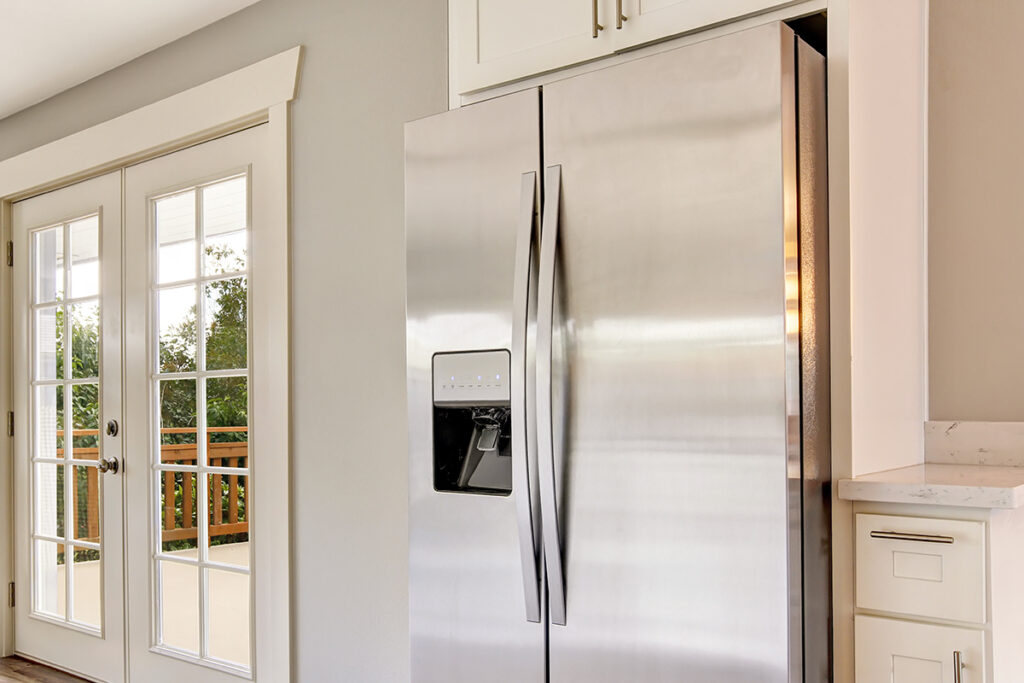
Similar to mirrors and windows, stainless steel surfaces are prone to streaking when sprayed with an all-purpose cleaner. These sprays also fail to deep-clean your appliances because they can’t penetrate the fine, brushed grain to lift trapped dust and grease. Even worse, bleach- and ammonia-based cleaners can corrode or dull the metal finish over time. For best results, stick with a reliable classic like Sprayway Water-Based Stainless Steel Cleaner.
Credit: © Iriana Shiyan/stock.adobe.com

11. High-Touch Surfaces

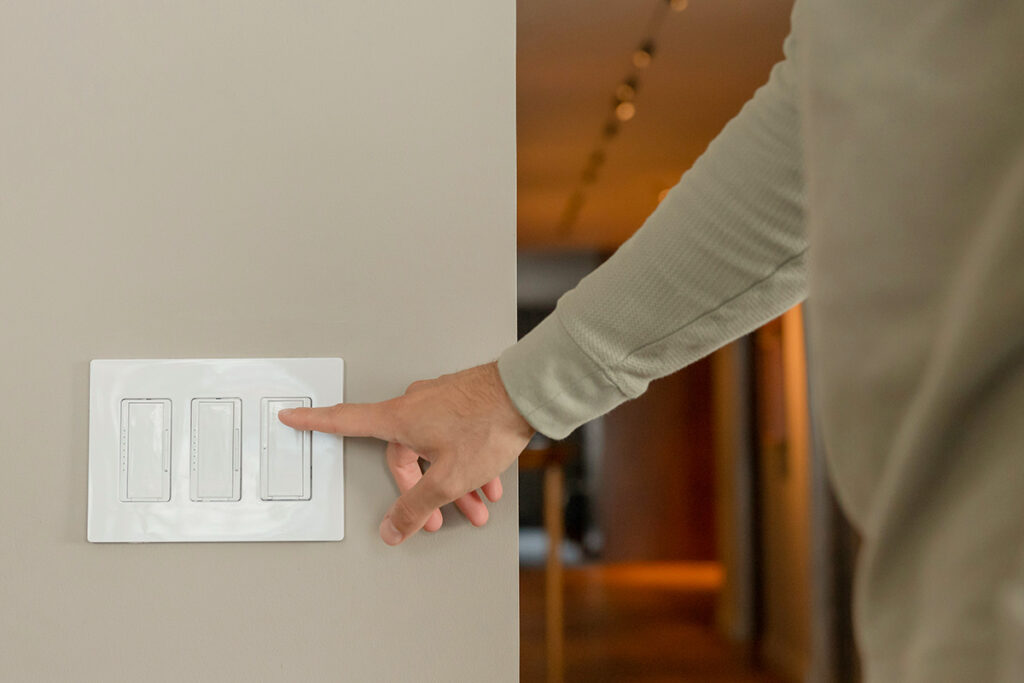
Keeping your home healthy requires more than just wiping away visible dirt. While an all-purpose cleaner is excellent for clearing dust, fingerprints, and light surface grime, it doesn’t disinfect. To get rid of germs and viruses on high-touch surfaces — think doorknobs, light switches, toilets, remote controls, and cabinet pulls — you need a true disinfectant. There’s no need to disinfect every day, but doing so once or twice a week can help ward off illness.
Credit: © Pablo Merchán Montes/unsplash.com
Food & Drink 2m read
0

How To Double the Shelf Life of Your Cucumbers

When the weather is hot, cucumbers are an excellent way to cool down. You can slice them up and put them in your water, marinate them in soy sauce and rice vinegar for a smashed salad, or blend them into a no-cook chilled gazpacho. The tricky part is keeping them fresh. Cucumbers are highly sensitive to moisture and ethylene gas from surrounding fruits and can start turning mushy almost the second you bring them home. Luckily, there’s a simple solution that can double their shelf life using items you likely already have on hand.

All featured products and deals are selected independently and objectively by the author. House Outlook may receive a share of sales via affiliate links in content.

When the weather is hot, cucumbers are an excellent way to cool down. You can slice them up and put them in your water, marinate them in soy sauce and rice vinegar for a smashed salad, or blend them into a no-cook chilled gazpacho. The tricky part is keeping them fresh. Cucumbers are highly sensitive…

Wrap To Resist Rot

The key here is to understand that the way produce is transported isn’t usually the best way to store it, and cucumbers are a perfect example. To make them last, start by taking them out of their original packaging.

Related: The Trick to Keeping Salad Greens Crisp All Week

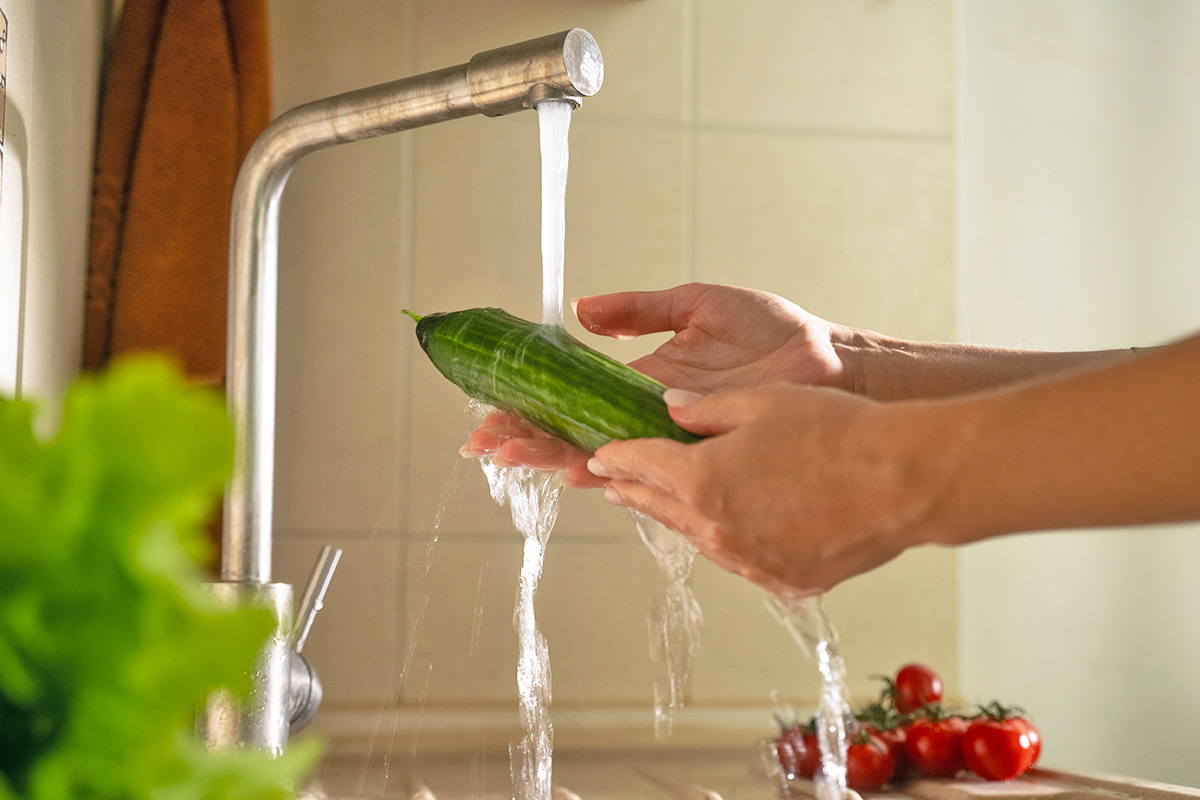
Rinse the cucumbers thoroughly under running water, then pat them completely dry with a paper towel or clean dishcloth. Next, wrap each cucumber individually in a sheet of paper towel. Place them into a resealable storage bag and stash them on a refrigerator shelf — not in the crisper drawer. (This may seem counterintuitive, but the crisper drawer is typically colder and more humid than the rest of the fridge, which can cause cucumbers to spoil faster.) The paper towels will absorb the excess moisture the cucumbers release, helping them stay fresh significantly longer. This trick can extend their refrigerator life from a single week to two weeks or more. However, you should check the cucumbers periodically to replace the paper towels as needed and toss any that have started to turn.

A Word of Warning

There is one notable exception to this storage method: English cucumbers. These long, thin-skinned varieties come individually wrapped in tight plastic sleeves for a reason. Because they lack the thick, protective skin of a slicing cucumber, they are prone to bruising and dehydration. The plastic protects them during transit and keeps moisture locked inside, which also prevents skin tears that attract foodborne bacteria. Keep English cucumbers in their original packaging and store them on a middle shelf rather than in the crisper drawer. When stored this way, they should keep their snap for at least a week.

Decorating 3m read
0

Is Your Dining Table the Wrong Shape?

If your dining room design isn’t quite working, take a look at the most important piece of furniture in the space: your table. What shape is it? According to interior designer and TikTok creator Lily Walters, selecting the wrong dining table shape can throw off the entire room.

If your dining room design isn’t quite working, take a look at the most important piece of furniture in the space: your table. What shape is it? According to interior designer and TikTok creator Lily Walters, selecting the wrong dining table shape can throw off the entire room.

Walters recommends letting the room’s footprint dictate the table’s silhouette. “The table should follow the room, not your Pinterest board,” she explained in a recent TikTok video. When the shape fights the space, the room will inevitably feel awkward — whether it ends up looking swallowed by furniture or too empty to feel cozy. Read on to learn which dining tables work best for your layout.

Round

Round tables are a natural fit for small or square rooms. And as Walters pointed out, they’re also the most social option, since everyone faces the center and there’s no traditional head of the table. The catch? “They don’t scale very well,” Walters explained. If you go too big, your dinner guests will suddenly feel miles apart, and no one will be able to reach the side of broccoli.

Oval

With an oval dining table, you get the same soft corners as a round table, but the elongated shape fills out larger, rectangular rooms beautifully. It also fits more people comfortably. If you’re torn on which table to buy, it’s a stylish, timeless choice. Oval is Walters’ personal favorite dining table shape, and she thinks it’s often overlooked.

Square

Square dining tables can work, but only under specific conditions: in petite spaces, and with no ambitions of hosting, since they fit a maximum of four people. Try to add a couple of extra chairs and dinner will get crowded fast — guests will be elbowing each other just to pass the salt and pepper.

Related: Is Your Furniture Too ‘Leggy’? Here’s the Fix

Rectangle

A rectangular dining table is the default shape for good reason. It’s efficient, works well in most rooms — even smaller or square ones, as long as it’s sized appropriately — and fits the most people. In compact spaces, a rectangular table can actually maximize seating better than a round one. Consider a rectangle the go-to if you regularly host dinner parties, holiday gatherings, or monthly book clubs. If you’re genuinely unsure which shape to choose, a rectangular table is the safest, smartest bet.

Bonus Hack: Size Up

When in doubt, choose a dining table that’s slightly larger than feels comfortable. It sounds counterintuitive, but a table that’s too small will make your whole dining room feel strangely empty. A little additional surface area anchors the space and allows extra room for your favorite appetizers.

That said, you should still be able to comfortably walk around the table with the chairs pulled out. As a rule of thumb, allow at least 36 inches between the table and the walls or surrounding furniture so your dinner guests can move around the room without feeling cramped.

Featured Image Credit:  © Clay Banks/Unsplash.com | Updated  Jun 2, 2026 |
Megan McCarty
Writer
Megan McCarty is a Los Angeles-based writer who covers the fun stuff: design, travel, wellness, beauty, and fashion. She has written for publications including Domino, The Spruce, MyDomaine, Bustle, and Rue Magazine. Her life rules include, but are not limited to, zipper when merging, contribute to your IRA, and do the nice thing.
This article is for general informational purposes only.
Featured Image Credit:  © Clay Banks/Unsplash.com | Updated  Jun 2, 2026 |
Home Improvement 2m read
0

Stop Window Screen Tears From Spreading in Minutes

Few things are more idyllic than sitting in the living room and enjoying a pleasant cross breeze on a warm summer day. But that simple pleasure is easily disturbed by tiny pests crawling through holes in the window screen and buzzing around the house. Fortunately, you don’t have to replace the entire screen to keep bugs out, as those tiny tears can be patched in mere minutes. All you need is a common grooming product. Here’s how it works.

All featured products and deals are selected independently and objectively by the author. House Outlook may receive a share of sales via affiliate links in content.

Few things are more idyllic than sitting in the living room and enjoying a pleasant cross breeze on a warm summer day. But that simple pleasure is easily disturbed by tiny pests crawling through holes in the window screen and buzzing around the house. Fortunately, you don’t have to replace the entire screen to keep…

A Solution That Nails It

Nail polish isn’t just for making fingernails look pretty — it’s also a brilliant way to fix tiny holes in a window screen. While this trick won’t work for large tears that have already spread, it’s highly effective for small holes roughly an eighth of an inch in diameter or less. If you catch a tear early, a few drops of polish will seal the gap right up.

You’re going to want to use clear nail polish rather than a colored shade, which will only draw attention to the tear. We recommend using a dedicated bottle — any cheap option will do — and keeping it in your tool kit, because a dirty window screen might introduce debris to the rest of the bottle when you return the applicator brush. If you don’t have a spare bottle, however, you can apply the polish with a cotton swab instead.

Once you have the nail polish ready, wipe down the affected area to remove any residue, allowing the screen to dry completely before proceeding. Dip the applicator brush or cotton swab into the clear nail polish and apply a thin coat onto the tear in the mesh. Once the first coat has dried, apply a second for good measure. Afterward, you’ll have a sturdy, invisible barrier that keeps bugs out and prevents the tear from worsening.

Related: Why You Should Keep Clear Nail Polish in Your Glove Box

Quick Fixes for Large Tears

For larger screen tears, nail polish likely won’t do the trick. Fortunately, products such as stick-on repair kits or self-adhesive tape are designed specifically to seal and hold tears in place. These handy adhesives are easy to cut to size and apply to any screen in just a few moments. Once the patch is in place, you can open the windows and enjoy the rest of that warm summer day.

Featured Image Credit:  © Thomas Konings/Unsplash.com | Updated  Jun 2, 2026 |
Bennett Kleinman
Staff Writer
Bennett Kleinman is a New York City-based staff writer for Inbox Studio, covering topics for several brands including House Outlook and Better Report. He previously contributed to television programs such as "Late Show With David Letterman" and "Impractical Jokers," and digital publications like The Onion. Bennett is also a devoted New York Yankees and New Jersey Devils fan, and thinks plain seltzer is the best drink ever invented.
This article is for general informational purposes only.
Featured Image Credit:  © Thomas Konings/Unsplash.com | Updated  Jun 2, 2026 |
Food & Drink 2m read
0

How To Make Your Garlic Last Six Months

Few ingredients can elevate a home-cooked meal quite like fresh garlic, but dealing with its short shelf life can be frustrating. Whether you grow your own or buy it at the supermarket, fresh, unpeeled garlic has a brief expiration window. Over time, the bulbs shrivel, dry out, or attempt to sprout — and none of these outcomes does their flavor any favors. Fortunately for garlic lovers, a simple prep method can keep it fresh for up to six months. Better yet, you’ll have perfectly preserved garlic ready to toss into a pan at a moment’s notice.

All featured products and deals are selected independently and objectively by the author. House Outlook may receive a share of sales via affiliate links in content.

Few ingredients can elevate a home-cooked meal quite like fresh garlic, but dealing with its short shelf life can be frustrating. Whether you grow your own or buy it at the supermarket, fresh, unpeeled garlic has a brief expiration window. Over time, the bulbs shrivel, dry out, or attempt to sprout — and none of these…

Freezing Garlic in Oil

The secret to having garlic at your fingertips without smelling like it for days is to block out a half-hour to slow-cook your cloves in oil. You can buy garlic in bulk and peel it yourself, or just pick up one of those convenient bags of prepeeled cloves at the supermarket.

Related: Why You Shouldn’t Cook Garlic Right After Chopping

Fill a saucepan with the garlic and add just enough oil to cover it. Ordinary vegetable oil works fine, or you can use olive oil for extra flavor. Simmer over low heat for 20 to 30 minutes until the cloves are soft and golden brown. Once the mixture is cooled, pack it into ice cube trays (ideally a designated set so your actual ice doesn’t absorb the taste). After they are frozen solid, transfer the cubes into a heavy-duty freezer bag for storage. Stored this way, they will stay fresh for up to six months.

Using the Frozen Garlic

Simmering garlic in oil gives it a rich, mellow flavor. The cloves become so soft that you can easily spread them on crusty bread or mash them into whatever you’re cooking. While you can thaw the cubes ahead of time, it’s usually easiest to drop them right into a hot pan and let them thaw as the dish cooks. For even greater convenience, you can puree the garlic-and-oil mixture before freezing.

If a recipe requires thawed garlic, the safest method is to let a cube sit in a container in the refrigerator overnight. Once it’s thawed, use it within four days. Storing a homemade garlic-and-oil mixture in the fridge for any longer carries a serious botulism risk because the oil creates an oxygen-free environment. It’s usually simpler to keep it in the freezer, pulling out as much as you need, whenever you need it.

Featured Image Credit:  © 4kodiak—iStock/Getty Images | Updated  Jun 2, 2026 |
Fred Decker
Writer
Fred Decker is a trained chef and former restaurateur. Since closing his restaurants over a decade ago he has been a prolific freelance writer, publishing several thousand articles on dozens of high-volume websites including Taste Of Home, Hunker, Tasting Table, Week&, eHow, and GOBankingRates. He lives on a rural acreage shared with a big garden, chickens, rabbits, and grandkids.
This article is for general informational purposes only.
Featured Image Credit:  © 4kodiak—iStock/Getty Images | Updated  Jun 2, 2026 |
Organizing 2m read
0

The Color-Coding Trick That Keeps Kitchens Cleaner

Unless we’re debating between two different seasonal designs at the HomeGoods checkout — and subsequently reminding our partners not to use the decorative towels while cooking — most of us don’t give much thought to our kitchen towels. We use them so mindlessly that we end up relying on the exact same towel to dry our dishes, clean up spills, brush crumbs into the sink, and wipe our hands after washing up.

All featured products and deals are selected independently and objectively by the author. House Outlook may receive a share of sales via affiliate links in content.

Unless we’re debating between two different seasonal designs at the HomeGoods checkout — and subsequently reminding our partners not to use the decorative towels while cooking — most of us don’t give much thought to our kitchen towels. We use them so mindlessly that we end up relying on the exact same towel to dry…

When you spell it out, our kitchen towels seem just as gross as our sponges. Kitchen sponges are notorious breeding grounds for bacteria and can actually leave countertops dirtier than before when used to wipe up spills. So, when we learned about color-coding kitchen towels to keep things sanitary, we felt like we’d unlocked a whole new level of adulthood.

Related: The Surprising Reason To Put Flour in Your Kitchen Sink

One Color, One Task

A color-coded kitchen towel system might sound a bit extreme — very Monica Geller, we know — but hear us out. It makes cleaning up so much easier and results in a far more sanitary space. A color-coded system helps prevent cross-contamination between tasks, so you’re not polishing a glass with the same towel you just wiped your greasy hands on, or drying your clean hands with the rag you previously used to wipe away a counter spill.

It works like this: Assign specific colors to your most common kitchen tasks, such as cleaning counters, drying dishes, and wiping your hands. For example, you might use a seasonal print towel just for drying your hands (or keep it strictly off-limits for decor), then choose solid accent colors such as navy for cleaning up spills and green for drying dishes — whatever works best with your decorating style.

Having a dedicated system reduces the risk of cross-contamination, keeping kitchen bacteria away from your clean surfaces.

Featured Image Credit:  © coldsnowstorm/iStock | Updated  Jun 2, 2026 |
Jessie Quinn
Writer
Jessie Quinn is a Los Angeles-based lifestyle journalist with words published in PEOPLE, StyleCaster, Apartment Therapy, The Spruce, Byrdie, and more. She has a Bachelor's Degree in fashion journalism from Academy of Art University and her work spans across many categories, including style, beauty, home, health, crafts, and more.
This article is for general informational purposes only.
Featured Image Credit:  © coldsnowstorm/iStock | Updated  Jun 2, 2026 |
Food & Drink 2m read
0

Deli Containers Have a Secret Use

Deli containers are among the most useful items you can keep in a kitchen. The time-honored tradition of storing leftovers in these nondescript but instantly recognizable containers persists to this day, despite the ubiquity of Tupperware and other food storage brands. Not only are they clear, allowing you to see exactly what’s inside at all times, but they’re also perfectly stackable, and their lids often fit multiple sizes. Deli containers are great for mise en place, too — chopping and preparing your ingredients before you begin cooking. Most cooks rely on them for those two functions, but there’s a secret third use that few people know about.

All featured products and deals are selected independently and objectively by the author. House Outlook may receive a share of sales via affiliate links in content.

Deli containers are among the most useful items you can keep in a kitchen. The time-honored tradition of storing leftovers in these nondescript but instantly recognizable containers persists to this day, despite the ubiquity of Tupperware and other food storage brands. Not only are they clear, allowing you to see exactly what’s inside at all…

No Measuring Cup? No Problem

If you’re in a pinch, you can use deli containers as makeshift measuring cups. The three standard sizes double as common culinary measurements: 8 ounces (1 cup), 16 ounces (2 cups), and 32 ounces (4 cups). While they aren’t precise enough for baking, these containers are incredibly handy for everyday cooking if you don’t have a set of measuring cups around, or if yours are buried in the dishwasher.

Tips and Cautions

Make sure you wash deli containers thoroughly before using them for food storage or as a measuring tool. Because plastic easily absorbs food oils, these containers tend to hold on to strong flavors and stains. Give them a good scrub and let them dry completely before measuring or storing a new ingredient.

Related: Your Spice Jar Lid Has a Hidden Hack

Importantly, opt for a traditional measuring cup when a recipe requires  precision. While deli containers hold standard kitchen measurements, they aren’t calibrated for exactitude, so you’ll want to skip them for tasks like baking. Stick to real measuring cups and spoons when you’re whipping up a cake or a batch of cookies. Save the deli cup hack for flexible recipes that won’t be ruined by a slight variance, like adding broth to a soup or prepping a cup of vegetables for a stir-fry.

Food & Drink 6m read
0

10 Things You’re Overspending on at the Grocery Store

With the cost of living steadily rising, many of us are reevaluating our grocery shopping habits. Shopping for food always involves a trade-off between the best value and maximum convenience, but that math changes fast as prices go up. It’s a calculation I do all the time, both as a former chef obsessed with food costs and as someone who was raised in the Down East tradition of frugality. With that in mind, here are 10 things many of us are overspending on at the grocery store.

All featured products and deals are selected independently and objectively by the author. House Outlook may receive a share of sales via affiliate links in content.

With the cost of living steadily rising, many of us are reevaluating our grocery shopping habits. Shopping for food always involves a trade-off between the best value and maximum convenience, but that math changes fast as prices go up. It’s a calculation I do all the time, both as a former chef obsessed with food…

1. Coffee Pods

Coffee is one of those expenses that really sneaks up on you if you’re in the habit of getting a cup to go. But the costs add up at home, too. Even if you’re skipping the drive-thru to brew your morning cup, you may not be saving as much as you think.

Consider Folger’s Classic Roast ground coffee: At Walmart, it costs just over 60 cents per ounce in the familiar red canister. But buy it as a 60-pack of Keurig K-Cups, and it jumps to $1.93 per ounce — more than triple the price. I use inexpensive, refillable K-Cups instead and buy my coffee separately. (Conveniently, you can refill Nespresso pods and Tassimo capsules, too).

Credit: © Pavel Korotkov/stock.adobe.com

2. Out-of-Season Produce

Living in the age of refrigeration and inexpensive long-range shipping means we’ve mostly gotten out of the habit of eating seasonally. Because something is always in season somewhere, we expect to be able to buy whatever we want, whenever we want it. That said, most produce items still have a peak season in their respective hemispheres — and that’s when they’re cheapest and most abundant. Choosing produce that’s in season here and now will lower your grocery bill throughout the year.

Credit: © Magda Ehlers/Pexels.com

3. Bottled Water

I occasionally buy a bottle of water if I’m out running errands and forget to bring a reusable one, but otherwise I avoid it entirely. Most bottled brands are just filtered tap water, so why pay a premium? Buying a water filter pitcher costs little, and even when accounting for replacement filters, the long-term savings are substantial. As a bonus, filtering your own water cuts down on plastic waste and lowers your carbon footprint.

Credit: © Jitti Narksompong—iStock/Getty Images
Related: 12 Things Silently Draining Your Wallet Every Month

4. Microwavable or Instant Side Dishes

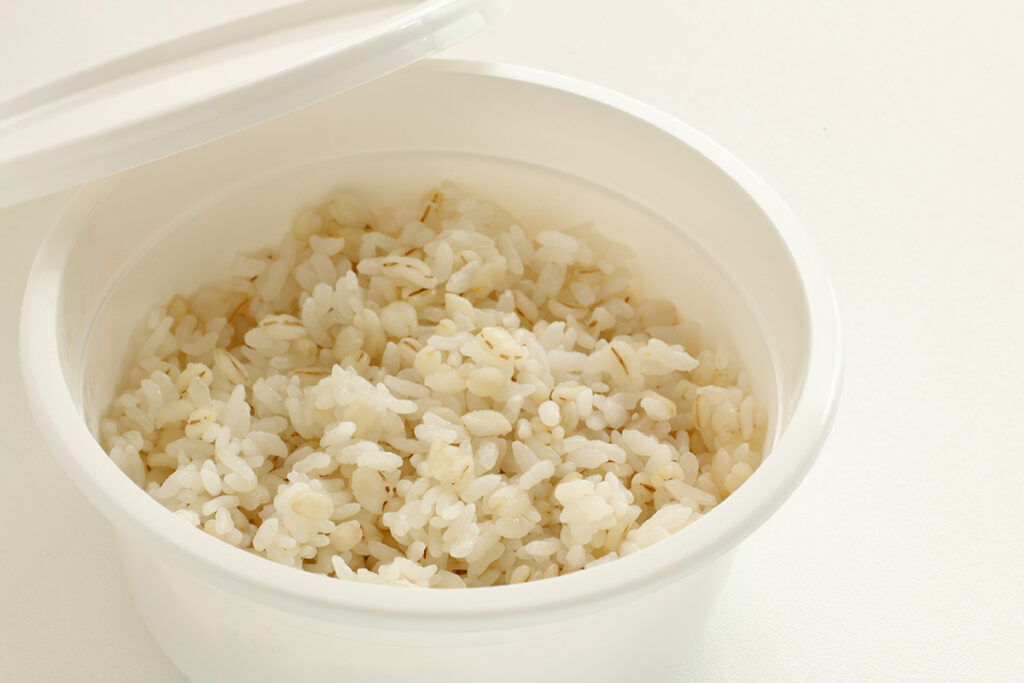
Three of the most inexpensive staples you can buy are rice, pasta, and potatoes — unless you buy them in processed form as a microwavable or “instant” side dish, in which case they’ll cost considerably more. This is a category where the balance between cost and convenience matters a lot — life gets busy, and sometimes you need a cheat code.

But taking a little time to prepare and freeze sides in advance, or choosing hands-free alternatives (like using an inexpensive rice cooker or popping a whole potato in the microwave while you cook the rest of the meal) saves serious cash. It also eliminates a lot of additives, preservatives, sodium, and saturated fat from your diet.

Credit: © jreika—iStock/Getty Images

5. Kids’ Convenience Foods

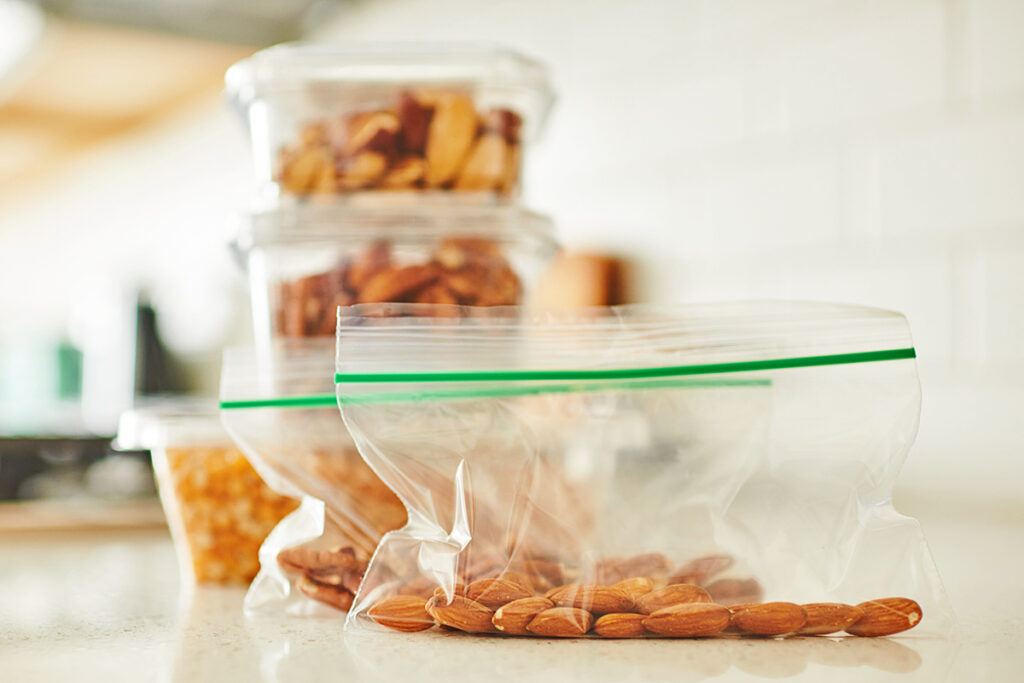
Kids’ convenience foods are an easy category to overspend on without realizing it. No one expects you to bake every granola bar, cookie, or muffin from scratch. But whenever you can bake your own, you’ll save money — even if you’re working from a boxed mix. When you do need to buy prepackaged items, just skip the single-serve bags. Buying the full-sized pack instead and portioning the snacks into reusable containers will save you money.

Credit: © CatLane—E+/Getty Images

6. Single-Serve Packaging

On that note, breaking the habit of buying single-serve packages of food in general will do wonders for your budget. Supermarket price labels usually break down the cost per unit (by ounce, pound, or count), and the single-portion version always costs more — unless there’s a really good sale — because of the extra packaging. Your best bet is to buy the size that offers the best value, then use reusable containers to portion everything out.

Credit: © billtster/stock.adobe.com 

7. Organic Processed Foods

You’ve almost certainly seen headlines trumpeting the evils of highly processed foods. You may also have a preference for organic foods for any number of reasons. But what happens when those two concepts clash? I’ve been reading nutrition studies for decades, and it’s honestly difficult to find any hard-and-fast health benefits of organic ingredients once they’ve been processed into boxed mac and cheese or sugary breakfast cereal. While the environmental and animal-welfare advantages are real, it’s entirely up to you whether they’re worth the steep retail premium.

Credit: © ColleenMichaels/stock.adobe.com

8. Premade Smoothies

Smoothies are a nutritious choice and a great option if you can’t stomach the idea of food first thing in the morning. However, the bottled, ready-to-drink options and frozen “smoothie packs” cost significantly more than buying bulk fruit or leafy greens and blending them yourself. You don’t need to splurge on a commercial-grade blender to make them at home, either. Most standard, everyday blenders now have plenty of power to crush ice and frozen berries.

Credit: © Fejaga—iStock/Getty Images

9. Frozen Sandwiches

Call me a curmudgeon, but the first time I saw Uncrustables in a freezer case, my immediate reaction was, “You’ve got to be kidding me!” They’re undeniably popular (J.M. Smucker expects to generate $1 billion in revenue from this product alone by the end of 2026), but you can easily make these at home in seconds for a fraction of the cost. Not only that, but you’ll be able to choose any combination of bread, peanut butter, and jam or jelly you want, instead of being limited to just a few variations.

You can even buy an inexpensive sandwich cutter to give your homemade sandwiches that crust-free look. To be clear, I’m not singling out Uncrustables — the same argument applies to other frozen sandwiches.

Credit: © Jammer Gene/stock.adobe.com
Related: 10 Chef-Approved Storage Hacks To Make Food Last Longer

10. Cut and Peeled Produce

One last example of the “convenience tax” is produce that’s peeled, cut, or otherwise prepped in advance. You can buy peeled garlic in jars, ready-diced vegetables, and even plastic clamshell packages of individual lettuce leaves for salad-making. To be fair, some of these are more worthwhile than others. Winter squash and pineapple, for example, require real physical effort to peel and cut. (And if you suffer from squash hands, you may want to avoid the unpleasant skin irritation.) But for the most part, precut produce is simply meant to save you a few moments during meal preparation.

You’ll need to do the math to decide how much time you’ll save and whether it’s worth paying the difference. Of course, none of this applies if you’re coping with a physical disability, whether transient or permanent. In that case, convenience items are an excellent, necessary tool for putting fresh food on the table.

Credit: © OGI75—iStock/Getty Images
Featured Image Credit:  © Chiociolla—iStock/Getty Images | Updated  May 29, 2026 |
Fred Decker
Writer
Fred Decker is a trained chef and former restaurateur. Since closing his restaurants over a decade ago he has been a prolific freelance writer, publishing several thousand articles on dozens of high-volume websites including Taste Of Home, Hunker, Tasting Table, Week&, eHow, and GOBankingRates. He lives on a rural acreage shared with a big garden, chickens, rabbits, and grandkids.
This article is for general informational purposes only.
Featured Image Credit:  © Chiociolla—iStock/Getty Images | Updated  May 29, 2026 |
Decorating 5m read
0

9 Mistakes Everyone Makes When Buying a Rug

Buying a rug seems simple enough — until you unroll it and immediately regret your purchase. Whether it’s the wrong size, a color that looks nothing like the online photos, or a material that can’t survive muddy-pawed pets or red wine spills, rug remorse is real. We asked experts to share the most common mistakes shoppers make so you can skip the returns and get this important purchase right the first time.

All featured products and deals are selected independently and objectively by the author. House Outlook may receive a share of sales via affiliate links in content.

Buying a rug seems simple enough — until you unroll it and immediately regret your purchase. Whether it’s the wrong size, a color that looks nothing like the online photos, or a material that can’t survive muddy-pawed pets or red wine spills, rug remorse is real. We asked experts to share the most common mistakes…

1. Buying the Wrong Size

“Choosing the wrong size rug is the most common mistake people make when purchasing a new one,” says Andrew Haltom, director of customer success at Rugs.com. A rug that’s too small makes a room feel disconnected, while one that’s too large can overwhelm the space entirely.

Before you shop, measure the room and use painter’s tape on the floor to map out different rug dimensions. It’s a simple visual trick that makes a huge difference. In living rooms, at least the front legs of your furniture should sit on the rug. In dining rooms, choose a size large enough that chairs stay on the rug even when pulled out — which typically means a 7-by-10-foot or larger option. When in doubt, size up.

Credit: © Giselleflissak—E+/Getty Images

2. Saving the Rug Purchase for Last

Most people pick their sofa, curtains, and artwork first, and then try to find a rug that ties it all together. That’s backward, according to Shea Soucie, founder of SHIIR Rugs. “We advise choosing your rug first,” she says. “The right rug sets the tone for a room and provides an ideal foundation for the rest of your design. The sky’s the limit when you start with the rug.”

Credit: © Esra Korkmaz/Unsplash.com
Related: 12 Design Mistakes Making Your Home Look Cheap

3. Playing It Too Safe Style-Wise

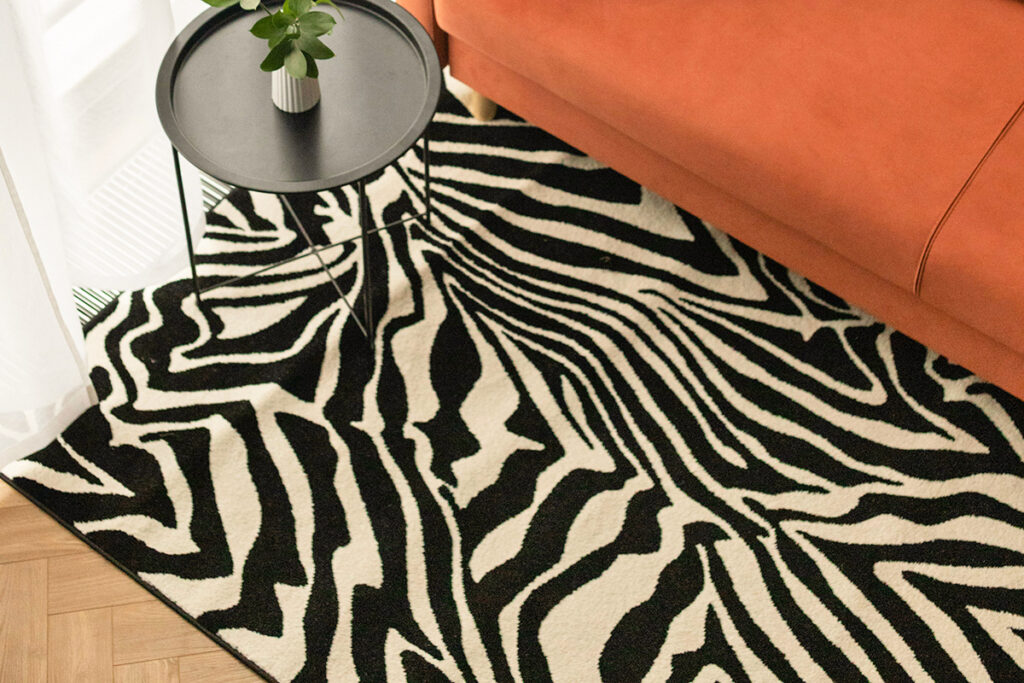
Neutral rugs feel like the regret-proof choice, but Haltom warns they can leave a room feeling flat. If your furniture is already understated, a rug with a bold color or pattern is exactly the energy the space needs. If your room is already busy, a textured neutral — think jute or wool — can bring balance. A good rule of thumb is to buy the rug first, then pull accessory colors from it for throw pillows or artwork.

Credit: © Clay Banks/Unsplash

4. Ignoring Your Lifestyle

A luxe silk rug or a fluffy white shag might look stunning in a showroom, but it won’t last long in a home with kids, pets, or heavy foot traffic. Jo Ann Clift, product specialist at Rugs.com, recommends matching the material to how the room is actually used. For busy households, consider a flat-weave option or look for stain-resistant materials such as polypropylene or jute. Save the soft, cozy rugs for lower-traffic spaces like bedrooms.

Credit: © Pablo Merchán Montes/Unsplash.com

5. Buying Based on Looks Alone

It’s easy to fall for a rug online without being realistic about how it will hold up in real life. Katy Repetto, creative director at Momeni, recommends ordering a swatch first if you’re on the fence. It’s much easier to return an 18-by-18-inch sample than an 8-by-10-foot rug — and you’ll know exactly what you’re getting in terms of color and texture before committing.

Credit: © A. C./Unsplash.com

6. Misunderstanding “Washable”

Just because a rug is labeled washable doesn’t mean it will fit in your washing machine. Larger styles may need to go to a commercial laundromat or a professional rug-cleaning service. For large washable rugs, Haltom suggests taking them outside, washing them with a garden hose and mild soap, and letting them air-dry completely before bringing them back inside.

Credit: © Yaroslav/stock.adobe.com

7. Skipping the Rug Pad

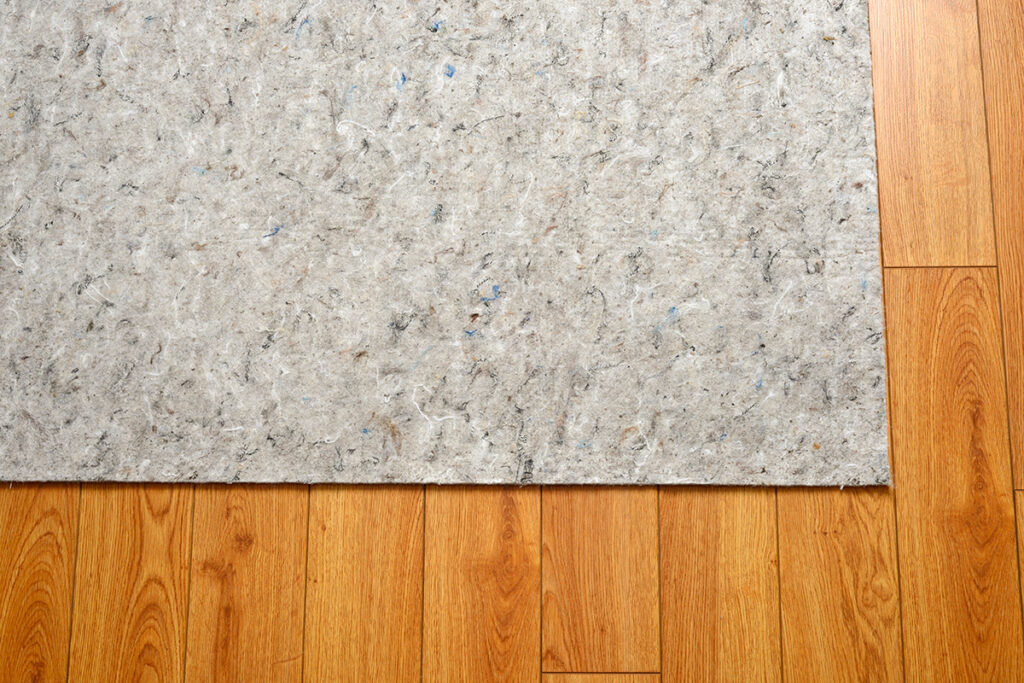
A rug pad is often an afterthought, but don’t forget to purchase one along with your new rug. “If you have a busy household and the rug is not anchored under furniture, it can be a safety hazard to go without a rug pad,” Repetto says. “[A pad] will not only protect your neck, but also your floors, and just feels so much better to walk on underfoot.”

Credit: © Michael Gray/stock.adobe.com
Related: The Best (And Worst) Paint Colors for Selling Your House

8. Prioritizing Short-Term Savings Over Long-Term Durability

“Many cheaply produced area rugs can wear out quickly, flatten, fray, and lose their color within a few months,” warns Katherine Cohen, associate creative director at area rug manufacturer FLOR. Sustainable rugs are more durable and designed to last longer, which reduces replacement costs over time while supporting a healthy home for kids and pets.

Credit: © Aleksandra Dementeva/Unsplash.com

9. Neglecting Regular Maintenance

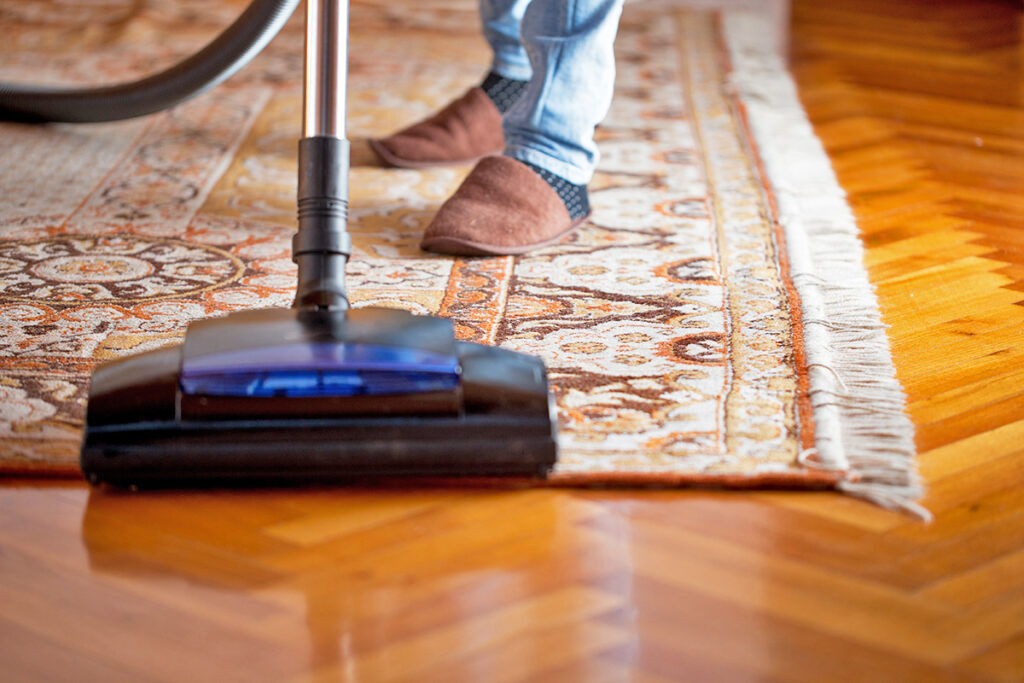
Even the best rug won’t last if you ignore it between cleanings. Vacuum regularly to remove trapped dirt and blot spills immediately. A little routine care goes a long way toward keeping your rug looking great for years to come.

Credit: © CasarsaGuru—iStock/ Getty Images
Featured Image Credit:  © NickyLloyd—E+/Getty Images | Updated  May 27, 2026 |
Megan McCarty
Writer
Megan McCarty is a Los Angeles-based writer who covers the fun stuff: design, travel, wellness, beauty, and fashion. She has written for publications including Domino, The Spruce, MyDomaine, Bustle, and Rue Magazine. Her life rules include, but are not limited to, zipper when merging, contribute to your IRA, and do the nice thing.
This article is for general informational purposes only.
Featured Image Credit:  © NickyLloyd—E+/Getty Images | Updated  May 27, 2026 |
Home Improvement 5m read
0

6 Early Warning Signs of a Pest Problem Most People Miss

Most pest problems start long before you actually see an insect or rodent. By the time there’s a cockroach in the kitchen or scratching in the walls, whatever moved in has probably been there for a while.

All featured products and deals are selected independently and objectively by the author. House Outlook may receive a share of sales via affiliate links in content.

Most pest problems start long before you actually see an insect or rodent. By the time there’s a cockroach in the kitchen or scratching in the walls, whatever moved in has probably been there for a while.

The first signs are subtle and easy to dismiss. You might notice a strange smell in a closet, a few tiny holes in your favorite sweater, or some sawdust-like debris near a windowsill that you don’t think twice about. Then a few weeks pass, and suddenly you’re dealing with a full-blown infestation.

Catching pests early can save you money, stress, and in some cases, major structural damage to your home. The trick is knowing what to look for before the problem becomes obvious.

1. Hollow-Sounding Wood
If you tap on wooden window frames, baseboards, beams, or flooring and it sounds oddly hollow, that can be a red flag for termites. These pests eat wood from the inside out, which means the damage is often hidden long before you see anything on the surface.

You might also notice wood that looks slightly blistered or warped, almost like it has water damage. While it’s easy to assume the issue is moisture-related and move on, termites can create a similar look.

Another clue is tiny piles of what looks like sawdust or pellets resembling pepper near wood structures. Drywood termites leave behind droppings called frass, which tends to collect in small mounds underneath infested areas.

The fix: If you continue to spot any of these signs, contact a pest professional. Termites rarely go away on their own, and treating the problem early can prevent costly structural repairs.

Credit: © Natalia Blauth/Unsplash.com

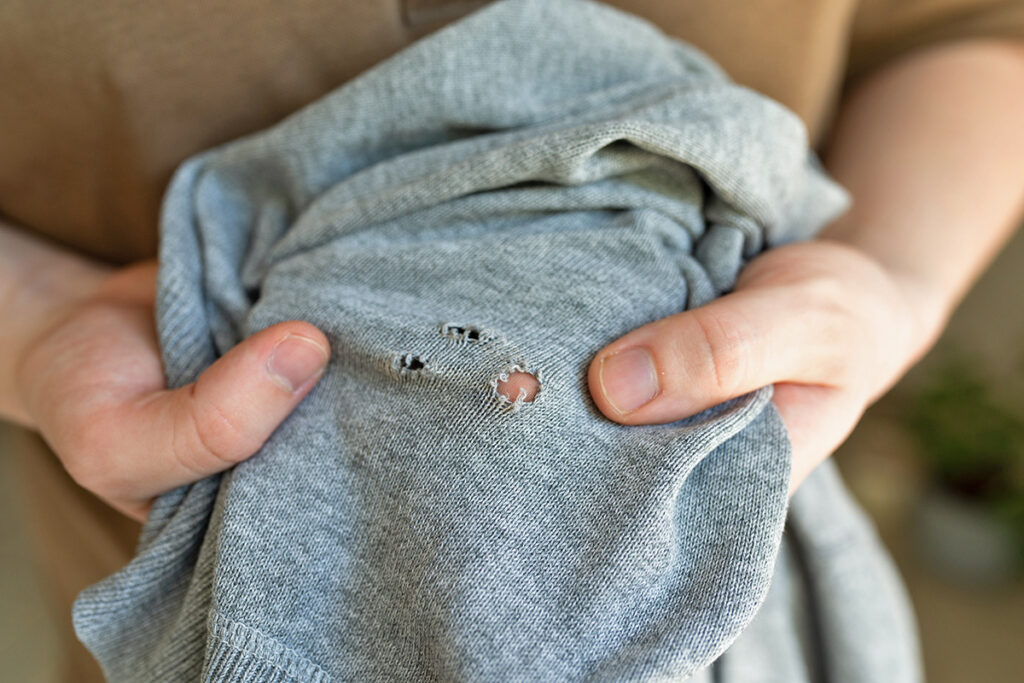
2. Tiny Holes in Clothing, Rugs, or Upholstery

If you pull out a wool sweater, scarf, or throw blanket and notice small holes that definitely weren’t there before, it’s not normal wear and tear.

Clothes moths are tiny, stealthy destroyers. The adult moths aren’t actually the problem; it’s their larvae. The offspring feed on natural fibers such as wool, silk, fur, cashmere, and even some upholstery materials.

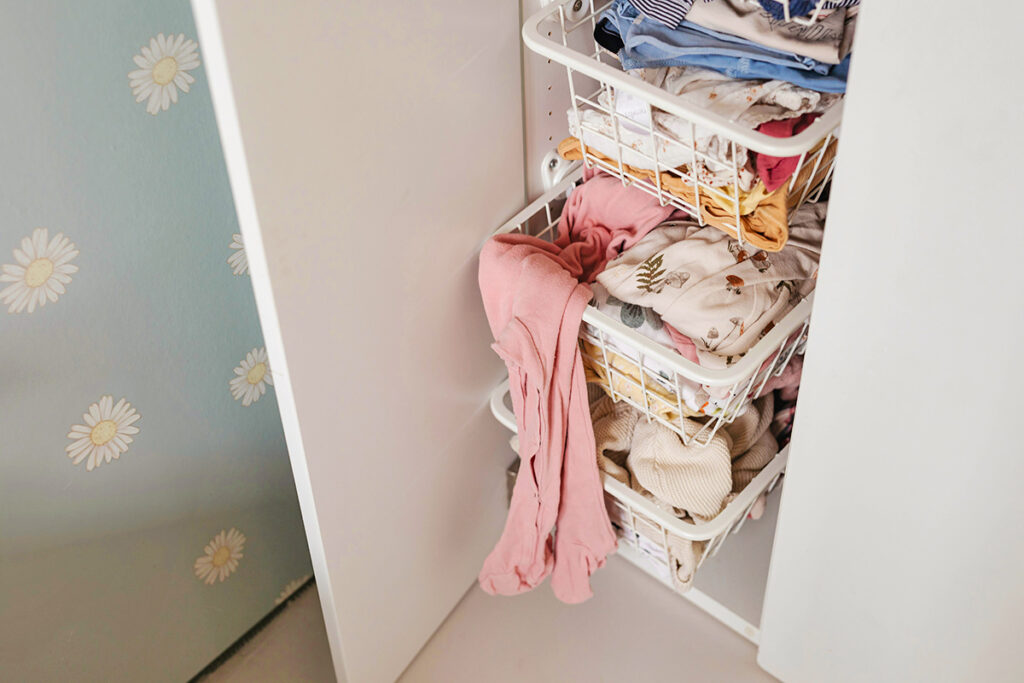
To spot them, check dark, undisturbed spaces such as closets, under beds, attic storage bins, and linen cabinets. If you see webbing, tiny white larvae, or what looks like grains of sand or pepper in these areas, moths may already be established. And yes, they are rude enough to ignore your most affordable clothes and head straight for the expensive stuff.

The fix: Caught early, a clothes moth infestation can be handled by washing or dry-cleaning affected fabrics, vacuuming thoroughly, and storing natural fibers in sealed containers or garment bags. However, if the damage has spread to multiple rooms, it’s best to contact a pest control professional.

Credit: © Svetlana/stock.adobe.com
Related: 8 Hidden Fire Hazards Lurking in Your Home

3. A Sharp, Ammonia-Like Smell

A strong, unpleasant smell in an enclosed area is easy to ignore if you can’t immediately find the source. But if a space smells distinctly like ammonia or stale urine — especially in a pantry, garage, basement, or under a sink — rodents may be nearby.

Mice and rats leave behind urine trails to navigate, which creates a sharp stench over time. This is especially common in areas with little airflow, such as storage closets, crawl spaces, cabinets, and behind appliances.

The fix: You can stop a minor mouse problem by sealing gaps, removing food sources, and setting traps. But if the infestation worsens, get in touch with a professional exterminator.

Credit: © Karolina Grabowska/Unsplash.com

4. Grease Marks Along Walls or Baseboards

This sign often surprises people. Rodents travel along the same paths repeatedly, usually hugging walls for protection. As they move, the natural oils and dirt from their fur can leave behind smudgy dark marks on baseboards, walls, or near small openings.

These marks may look like random dirt buildup at first. However, if you notice repeated streaks or greasy smears in the same area — especially near food storage or utility spaces — it’s worth investigating.

The fix: Clean the affected area and monitor it to see if the marks reappear over the next several days. If they do, use the methods outlined in the previous section or consider contacting a professional pest control service.

Credit: © Beth Bachelor—iStock/Getty Images

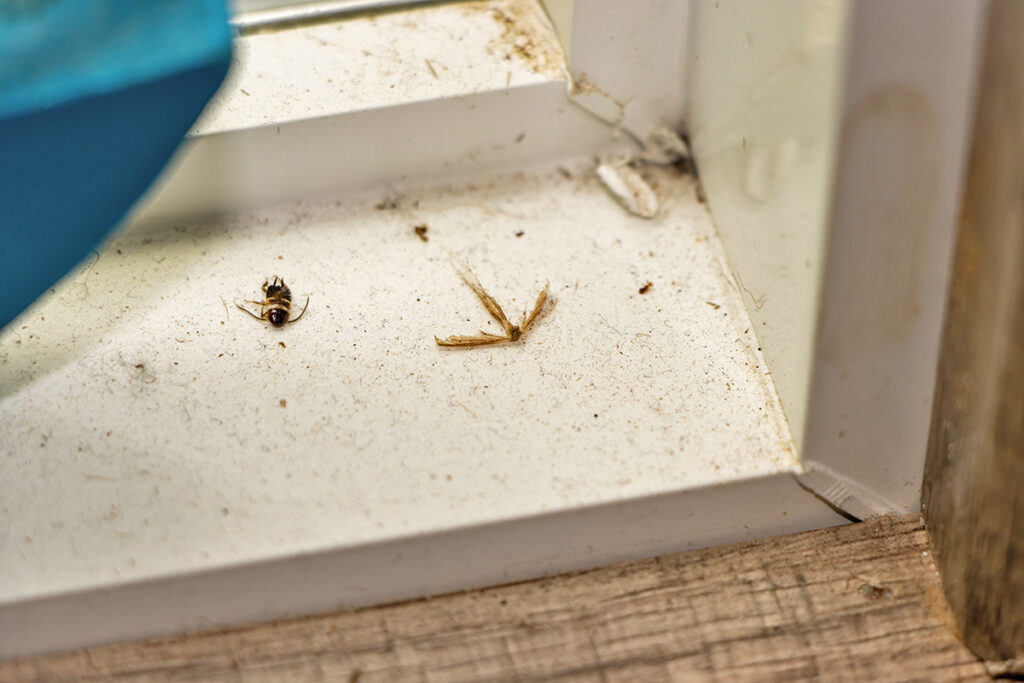
5. Unusual Insect Wings or Shell Casings

Discarded wings near windowsills, doors, or light fixtures can point to termites or flying ants. Cockroaches and other insects also shed exoskeletons as they grow. These shell casings are often found in cabinets, behind appliances, under sinks, or in bathroom corners. If you keep finding insect debris, you likely have an active infestation.

The fix: Persistent signs warrant a professional inspection, especially if you suspect termites or cockroaches. Remember: Visual debris is usually a small sign of a much larger, often internal problem.

Credit: © Tim Bingham—iStock/Getty Images

6. Scratching, Rustling, or Movement at Night

Homes make noise: Pipes creak, wood shifts, and air vents rattle. However, repetitive scratching or scurrying sounds inside your walls, ceilings, or floors are an entirely different story.

Pests tend to be most active at night, which is why many homeowners notice the sounds only after everything gets quiet. If you hear movement that seems too deliberate to be your house settling, trust your instincts.

The fix: While you can deal with a minor mouse problem on your own, noises that are frequent, come from multiple areas, or sound larger than a small rodent mean it’s time to bring in a pest control expert to identify the source and prevent further damage.

Credit: © janiecbros—E+/Getty Images
Related: Household Odors You Shouldn’t Ignore

Bottom Line

Catching a pest problem early is less about spotting the insect or rodent and more about noticing what doesn’t feel normal. It always starts with the small stuff — the anomalies that are easy to explain away.

Featured Image Credit:  © Alexandr Dubynin—Moment/Getty Images | Updated  May 27, 2026 |
Jill Layton
Writer
Jill Layton started writing professionally when she realized her emails and texts were kinda funny. She’s an affiliate shopping writer and lifestyle contributor for Scary Mommy, Bustle, Mic, and Best Products. She’s the mom of two alarmingly witty kids and the world’s most perfect dog.
This article is for general informational purposes only.
Featured Image Credit:  © Alexandr Dubynin—Moment/Getty Images | Updated  May 27, 2026 |