Many of these tips originated when products were manufactured differently or when households relied on what was on hand. Today’s furniture finishes, appliance coatings, and cleaning formulas are designed for entirely different conditions. So while those old-school hacks may sound clever, they often miss the mark in modern homes. Here are several classic cleaning tricks that experts say are best left in the past.
1. Using Hairspray To Remove Ink Stains
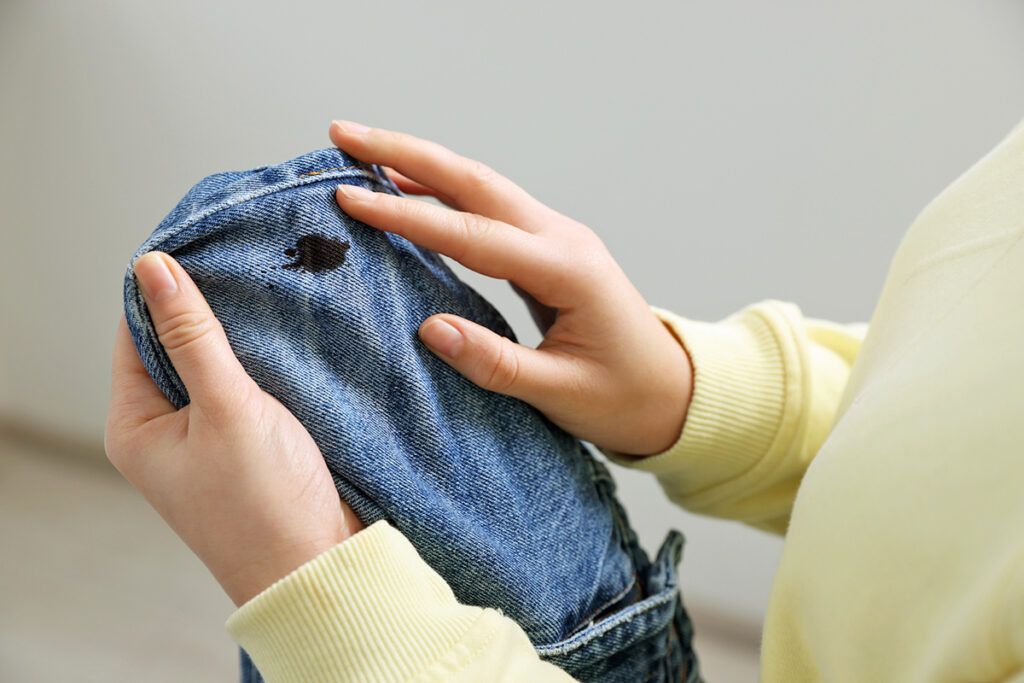
For decades, hairspray was a go-to solution for removing ink stains from clothing and upholstery. It worked for a simple reason: Older formulas contained a high percentage of alcohol, which acted as a solvent to break down the ink.
Today’s hairsprays, however, rarely contain much alcohol. Instead, many modern formulas focus on conditioning ingredients and polymers designed to hold hair in place without drying it out. Using them on an ink stain often does little more than leave behind a sticky residue.
If you’re dealing with ink stains today, rubbing alcohol or specialized stain removers are far more effective options.
More from our network
House Outlook is part of Inbox Studio, which publishes content that uplifts, informs, and inspires.



2. Cleaning Windows With Newspaper
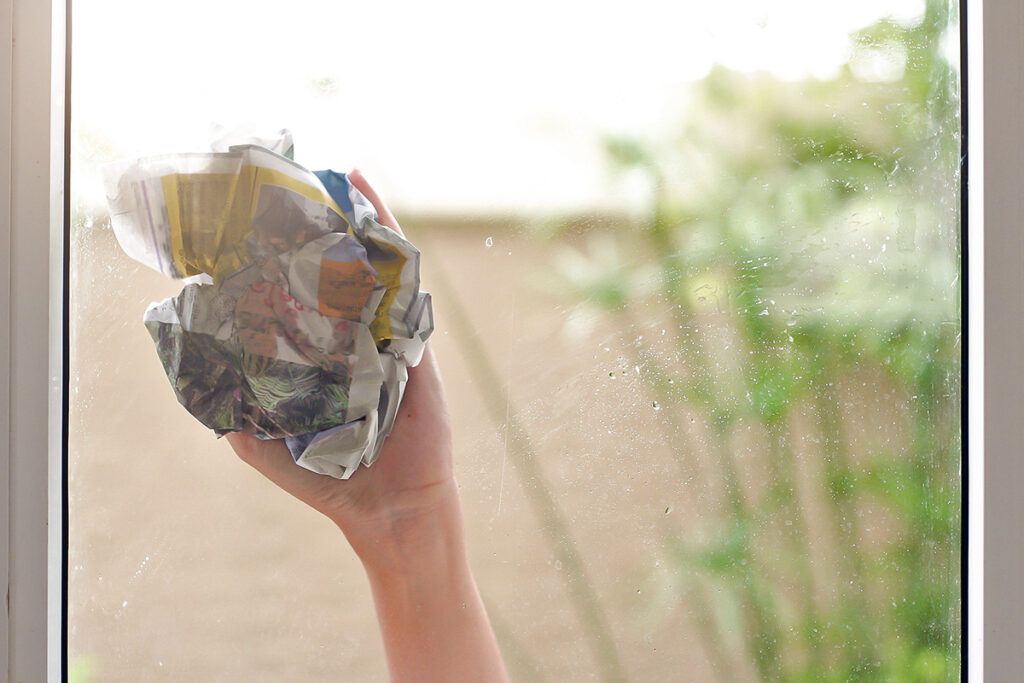
Using crumpled newspaper to achieve streak-free windows is a beloved old-school trick that many people still swear by, convinced it produces a shine that paper towels can’t match.
However, newspapers are manufactured differently than they were decades ago. Modern printing inks are prone to smearing, and the paper itself tends to be thinner and more fragile. When it gets wet, it can fall apart, leaving streaks or ink marks on the glass.
Microfiber cloths are a much better alternative. They’re designed to trap dust and absorb moisture without leaving lint behind.
3. Cleaning Everything With Bleach
Bleach has long been viewed as the ultimate cleaning solution, capable of tackling nearly any mess. In the past, it was a staple for disinfecting everything from countertops and floors to bathroom fixtures.
However, bleach isn’t the universal cleaner many assume it to be. While it’s an excellent disinfectant, it lacks the surfactants needed to effectively remove dirt or grease. More importantly, it can damage many modern materials, including stainless steel, natural stone, and certain countertop finishes.
Improper use can also release harsh fumes or permanently discolor fabrics and surfaces. These days, most cleaning experts recommend trading that jug of bleach for specialized products tailored to your home’s specific materials.
4. Pouring Coca-Cola Into the Toilet Bowl
You may have heard that pouring a can of Coca-Cola into your toilet can dissolve stains and leave the bowl sparkling. The theory behind this hack is that the drink’s acidity helps break down mineral deposits.
While Coke does contain mild acids, it simply isn’t strong enough to compete with actual toilet bowl cleaners. At best, it might loosen very light buildup. At worst, it leaves behind a sticky, sugary residue that doesn’t sanitize anything, and you’re down one can of Coke.
Modern toilet cleaners are designed to tackle limescale, stains, and bacteria simultaneously — something soda just can’t do.
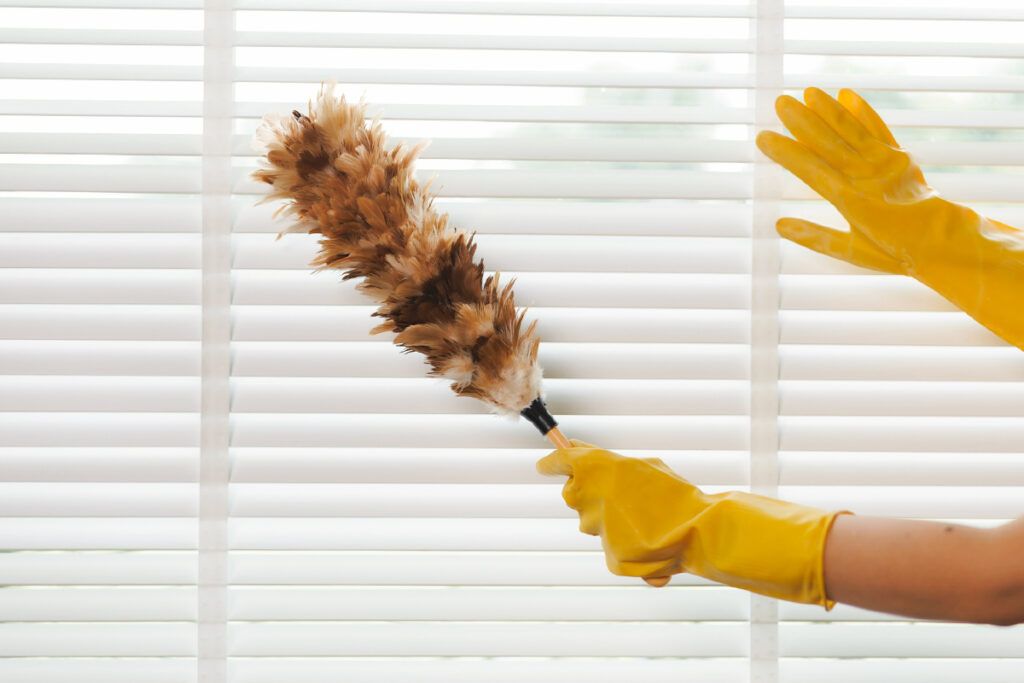
5. Dusting With a Feather Duster
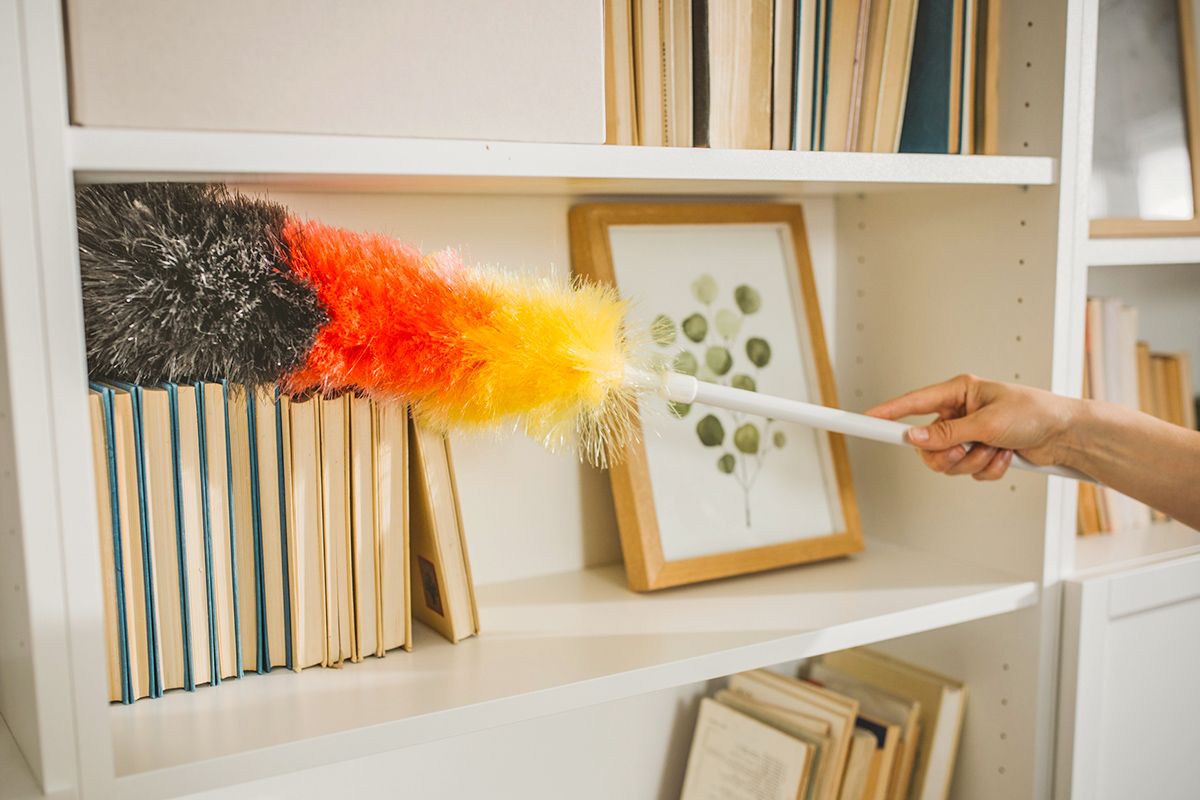
Feather dusters were once considered an essential cleaning tool, praised for their ability to sweep away dust without scratching delicate surfaces.
In reality, traditional feather dusters often just push dust around instead of removing it. The particles become airborne, eventually settling elsewhere in the room.
Today’s microfiber dusters are far more effective. Their fibers are designed to grab and hold dust instead of scattering it, helping surfaces stay clean longer.
6. Polishing Wood With Olive Oil
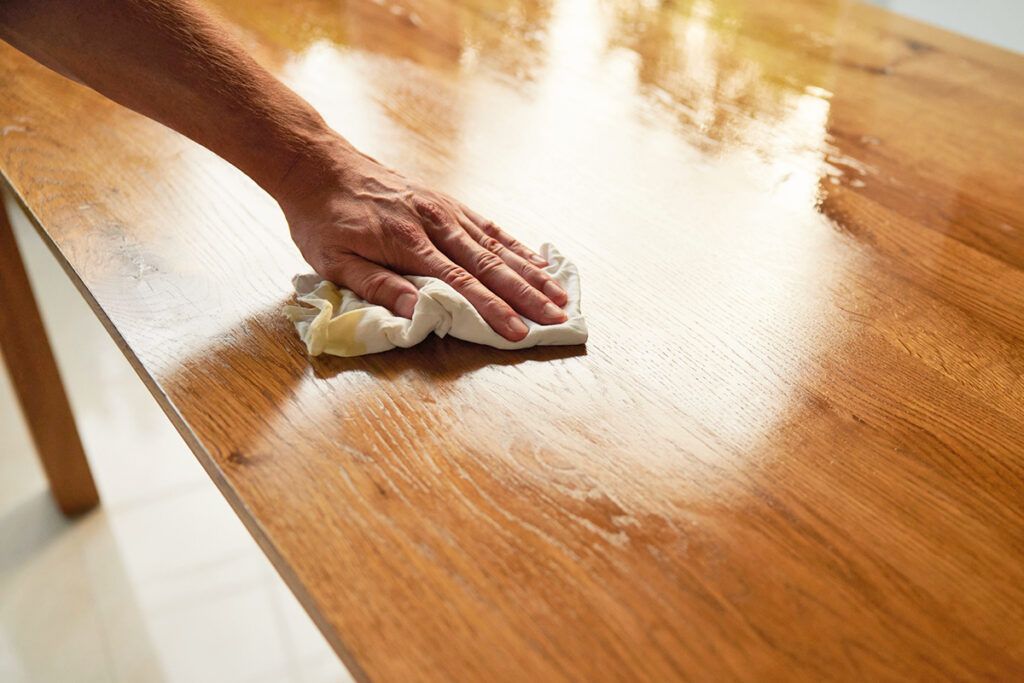
Olive oil might seem like a pantry-staple shortcut for perfectly polished wood furniture, but it’s best kept in the kitchen. While it provides an immediate shine, this hack can lead to problems over time.
Because olive oil doesn’t fully dry on surfaces, it acts as a magnet for dust and creates a sticky buildup that can eventually damage the furniture’s finish.
Furniture polishes specifically designed for wood are a safer option because they’re formulated to protect finishes without imparting a greasy residue.