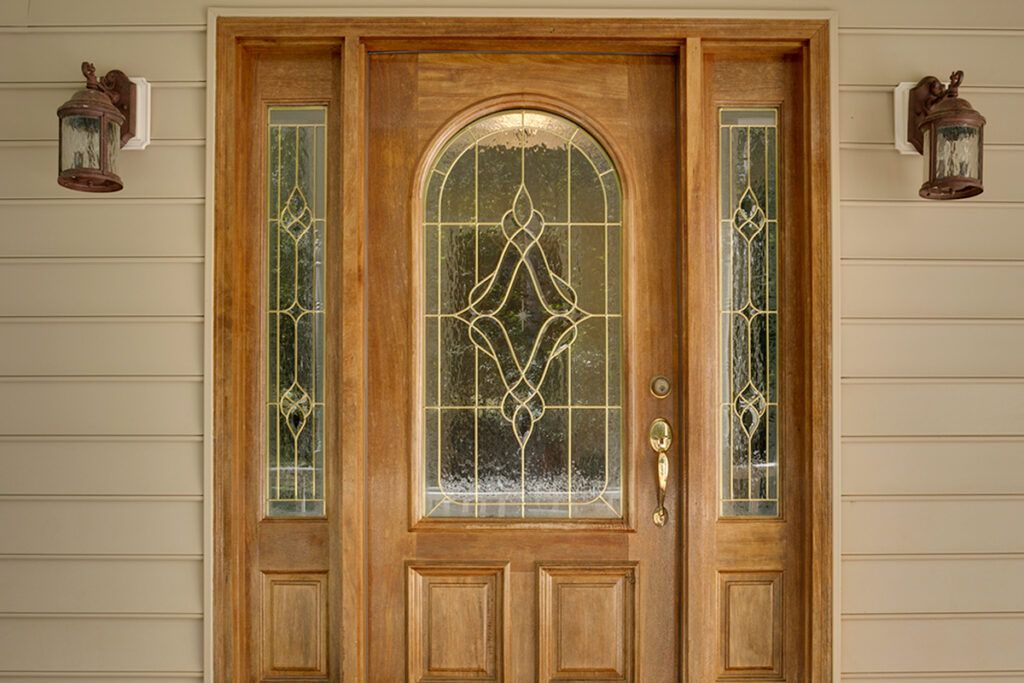
1. Wood
If you have wood floors, door frames, wainscoting, or other finished wood features in your home, you might be tempted to reach for an all-purpose spray to remove dust and bring out that lustrous sheen. However, the surfactants and alcohol found in most all-purpose cleaners are simply too harsh for wood and can leave it stripped of its natural oils. It’s best to stick with a wood-specific cleaner, such as Weiman Cabinet and Wood, as all-purpose cleaners often do more harm than good.
Keep them away from unfinished wood, too. Used for cutting boards, subfloors, and some workshop benches, unfinished wood is completely raw and porous, meaning any type of liquid cleaner will soak right into the grain, leading to permanent stains or warped boards.
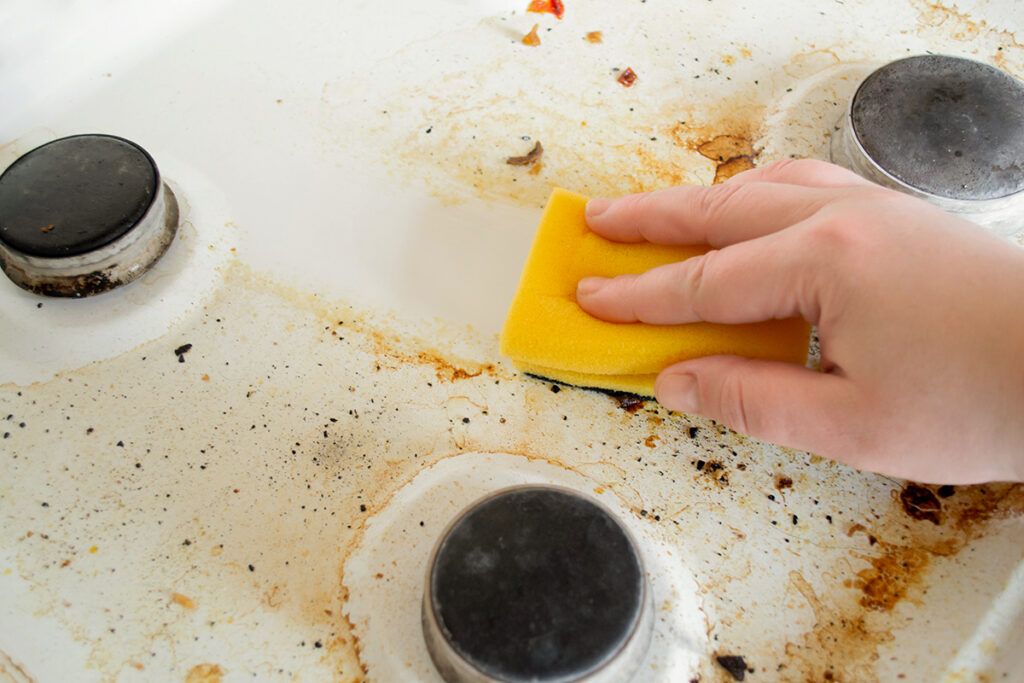
2. Kitchen Grease
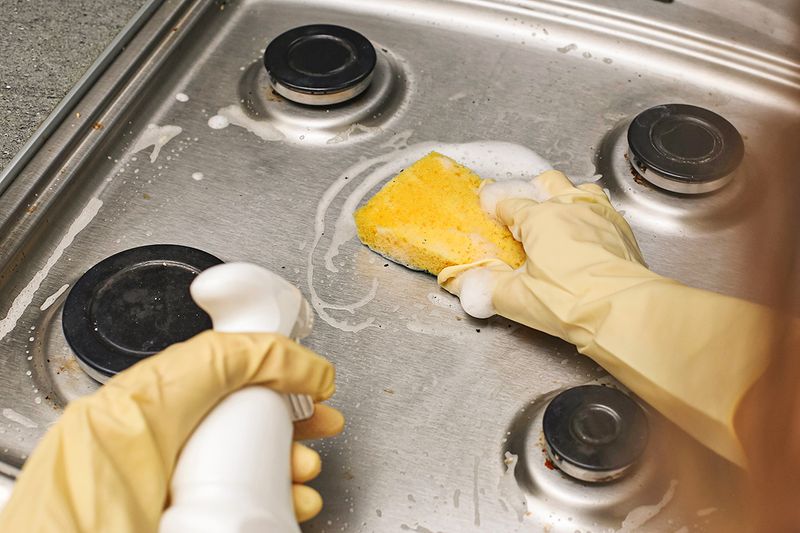
Sometimes an all-purpose cleaner is too harsh, and other times it simply isn’t strong enough. This is usually the case for greasy spots in the kitchen, such as the stovetop or range hood, both of which can get covered in grease after just one big meal. To tackle heavy buildup, focus on degreasing rather than general cleaning. Wash these surfaces with dish soap and warm water, or scrub tough spots with a baking soda paste (three parts baking soda to one part warm water) followed by a few spritzes of undiluted distilled white vinegar. Wipe away the grime, rinse the surface with warm water, and buff it dry with a clean cloth.
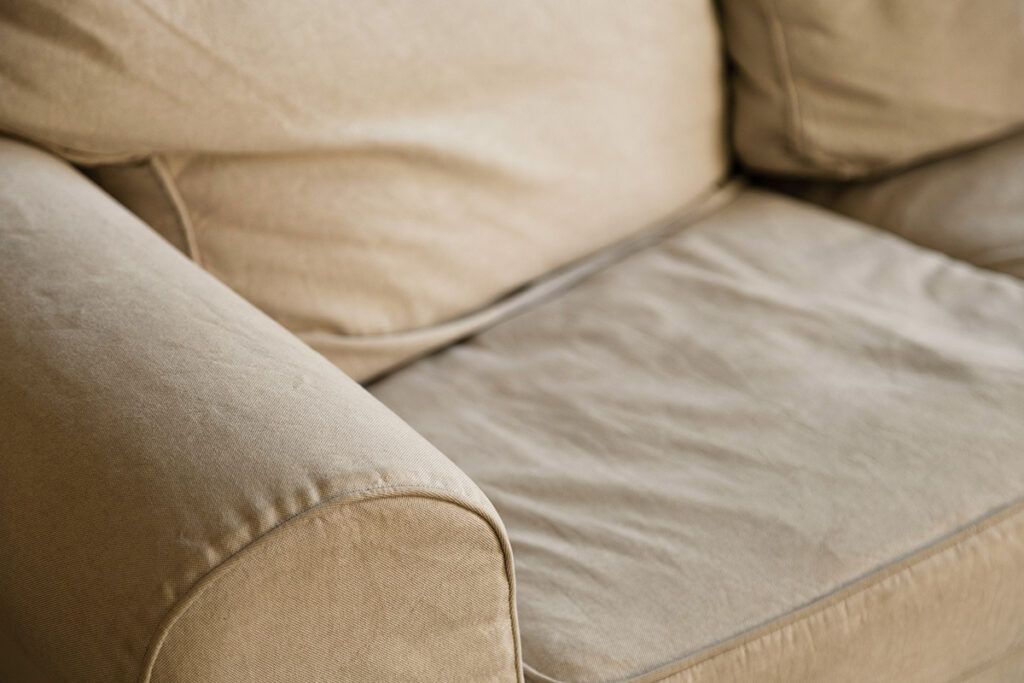
3. Fabric or Upholstery
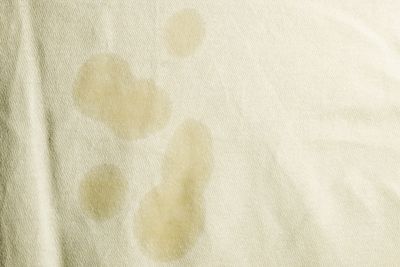
You might be tempted to spritz and wipe your slipcovers, curtains, or carpet with an all-purpose cleaner — especially if you’re dealing with a stubborn stain. However, these surfaces require specialized care. Delicate fabrics and upholstery can end up with unsightly spots or discoloration if cleaned incorrectly. Instead, reach for a dedicated product like FOLEX, which is safe to use on all colorfast carpets and upholstery.
More from our network
House Outlook is part of Inbox Studio, which publishes content that uplifts, informs, and inspires.



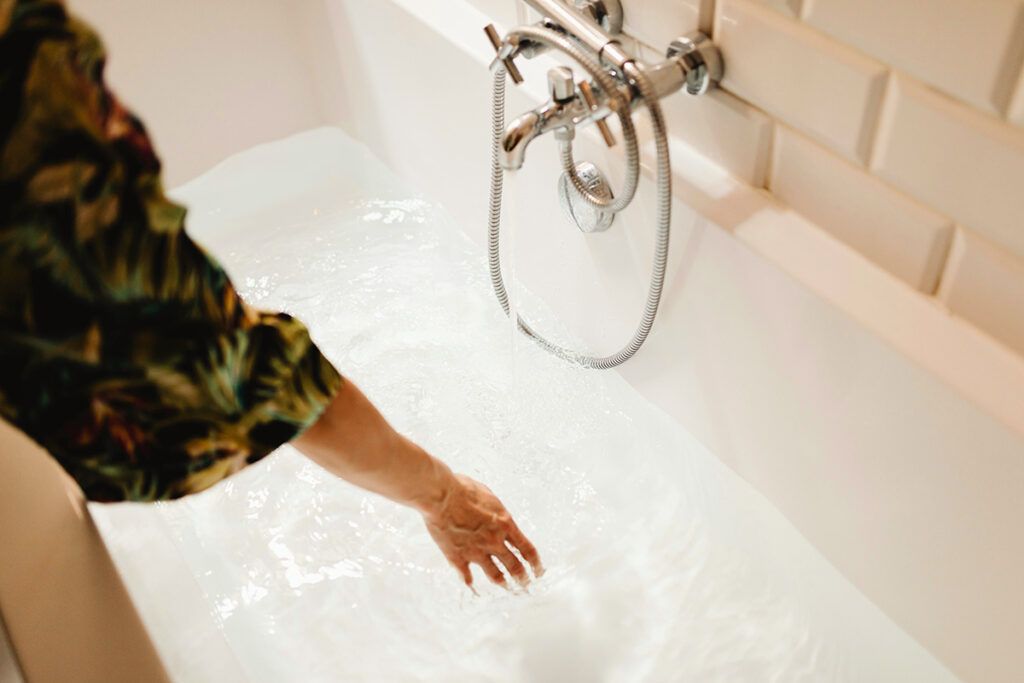
4. Bathtubs
If you just need to wipe down your bathroom’s sink and countertops, an all-purpose cleaner is a great way to tackle the chore quickly and easily. But if you have a deeper clean on your hands — like scrubbing away soap scum, hard water stains, mold, or mildew — these cleansers won’t do much. Instead, opt for a dedicated tub and tile formula, such as Scrubbing Bubbles Mega Shower Foamer, to cut through tough grime without all the elbow grease.
5. Pet Bowls
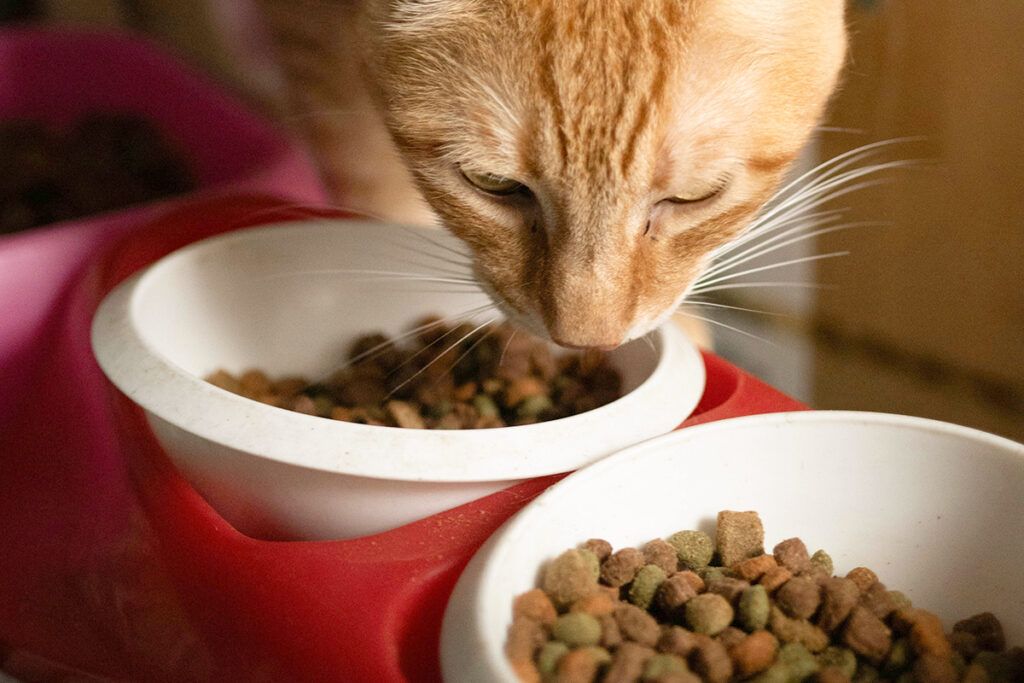
This one is strictly a safety issue, as the solvents, surfactants, and other additives in many all-purpose cleaners can be toxic to pets if ingested. While all-purpose cleaner is great for wiping down pet crates or toy bins, it should stay far away from where they eat. To clean food and water bowls, or even a cat’s litter box, keep it simple and use the same dish soap and warm water you use for your own dishes. For hard surfaces your pet doesn’t eat off of, try a multisurface spray that’s nontoxic to animals. Many enzymatic cleaners are also pet-safe and can be used for tackling odors and messes on a variety of surfaces.
6. Children’s Toys
This category makes the list for the same reason pet bowls do: Cleaning chemicals can cause serious harm if ingested. Not only that, but children’s toys should be disinfected rather than simply cleaned, which an all-purpose spray cannot do. To keep your child’s hands chemical-free and their toys germ-free, reach for a dedicated disinfectant such as CleanSmart Toy Disinfectant Spray. It uses hypochlorous acid rather than bleach or alcohol to sanitize surfaces safely.

7. Glass and Mirrors
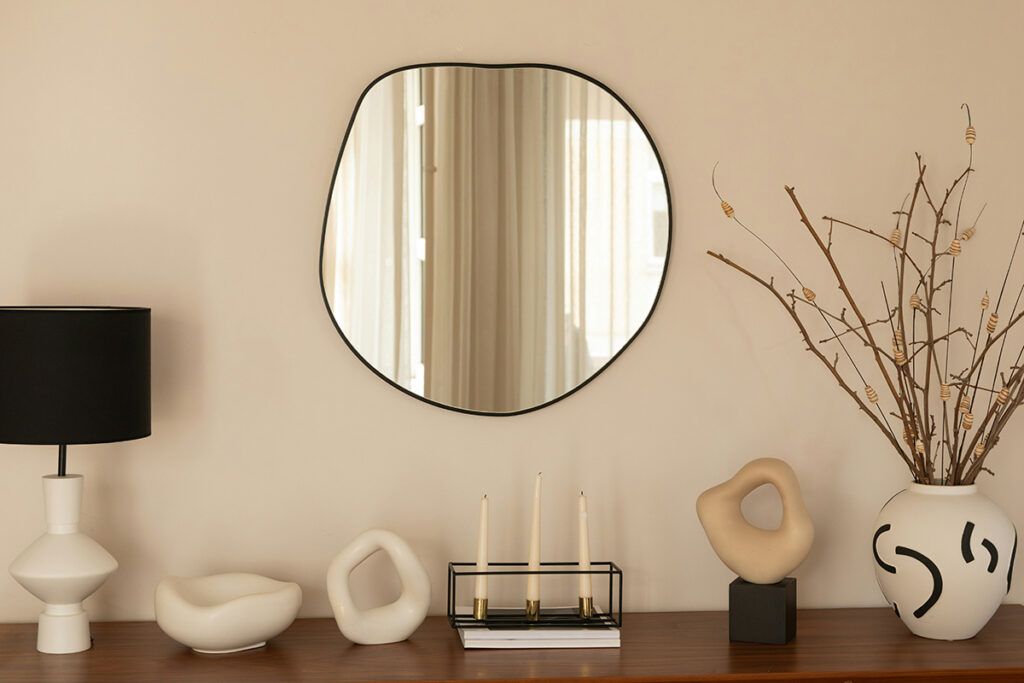
If you’re cleaning windows, mirrors, or other glass surfaces, you want them crystal clear and shining. Unfortunately, you won’t get that result with an all-purpose cleaner, which leaves a cloudy, streaky mess on reflective surfaces. Skip the multisurface bottle and stick to dedicated glass sprays paired with a lint-free microfiber cloth.
8. Stone Countertops
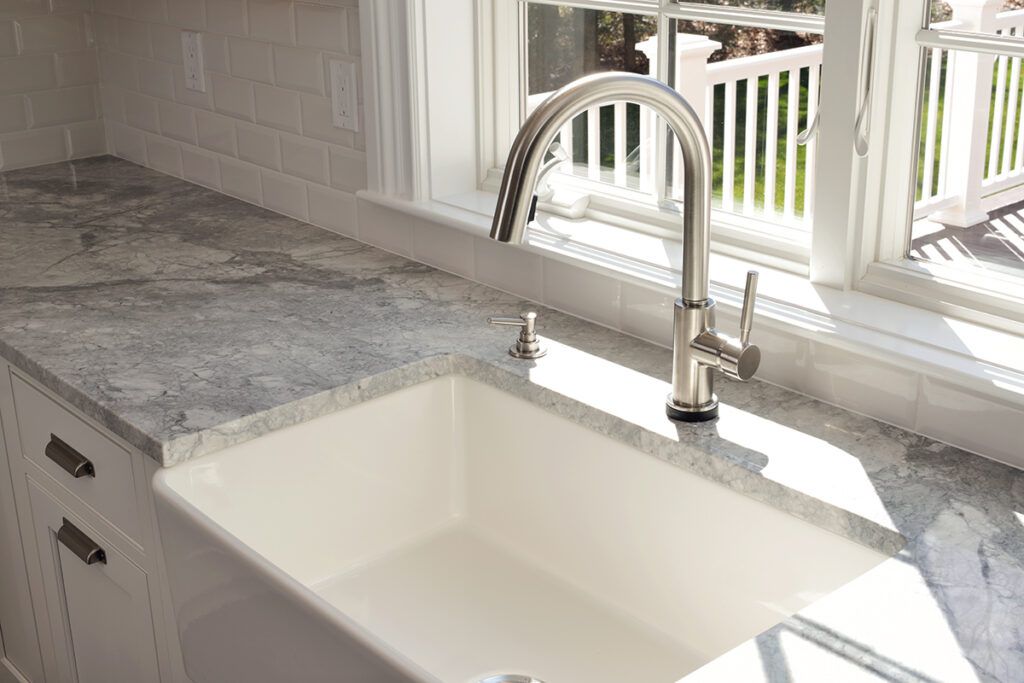
Most all-purpose cleaners are slightly acidic and can dissolve the top layer of natural stone — a type of chemical burn known as etching. This can affect many popular countertop materials, including marble, travertine, limestone, granite, and quartzite. Over time, these sprays strip away the protective sealant, exposing the naturally porous stone to permanent stains and moisture damage. To protect your investment, opt for a pH-neutral formula such as Granite Gold Daily Cleaner, which is gentle on natural stone but tough on grime.
9. Electronics
When it comes to tech, keeping things dry is paramount. After all, you don’t want to compromise what are likely some of the most expensive items in your home. Laptops, phones, chargers, TVs, and keyboards should never be sprayed with an all-purpose cleaner or anything too wet. Instead, wipe your gear with a dry microfiber cloth, a dedicated product such as Weiman Electronic Wipes, or a specialized spray kit like this one from Screen Mom.

10. Stainless Steel
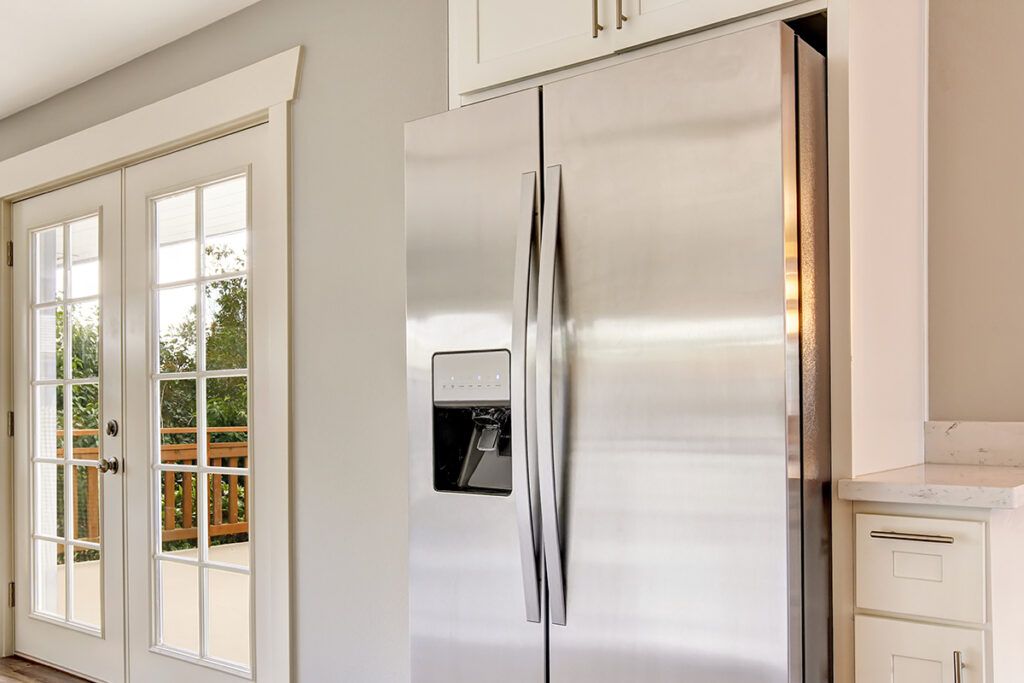
Similar to mirrors and windows, stainless steel surfaces are prone to streaking when sprayed with an all-purpose cleaner. These sprays also fail to deep-clean your appliances because they can’t penetrate the fine, brushed grain to lift trapped dust and grease. Even worse, bleach- and ammonia-based cleaners can corrode or dull the metal finish over time. For best results, stick with a reliable classic like Sprayway Water-Based Stainless Steel Cleaner.
11. High-Touch Surfaces
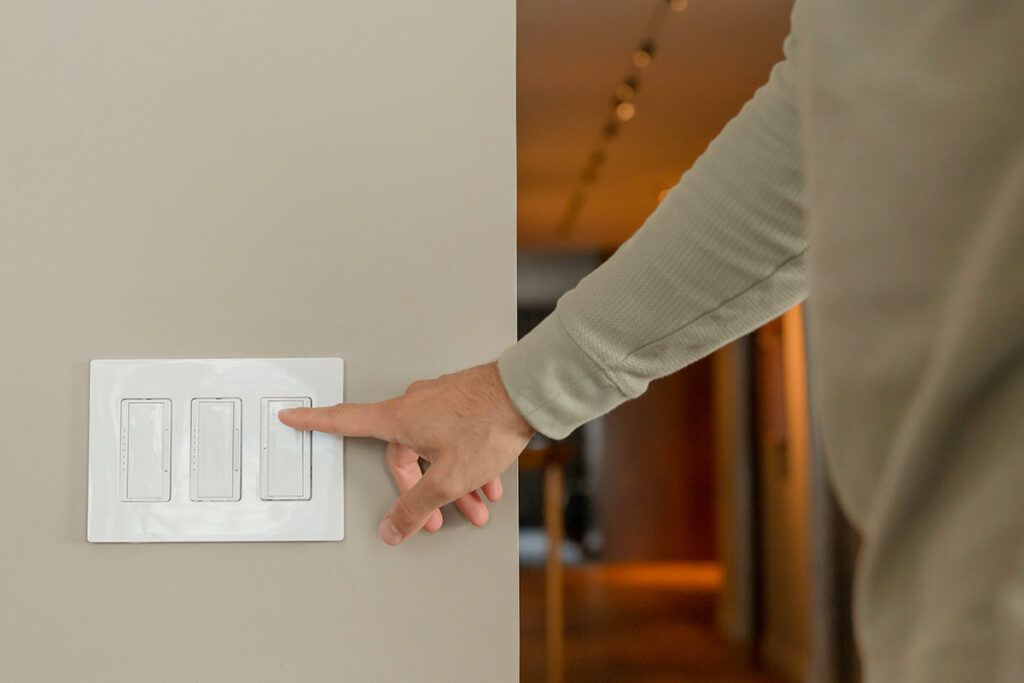
Keeping your home healthy requires more than just wiping away visible dirt. While an all-purpose cleaner is excellent for clearing dust, fingerprints, and light surface grime, it doesn’t disinfect. To get rid of germs and viruses on high-touch surfaces — think doorknobs, light switches, toilets, remote controls, and cabinet pulls — you need a true disinfectant. There’s no need to disinfect every day, but doing so once or twice a week can help ward off illness.