1. Worn-Out, Stained, or Damaged Clothing
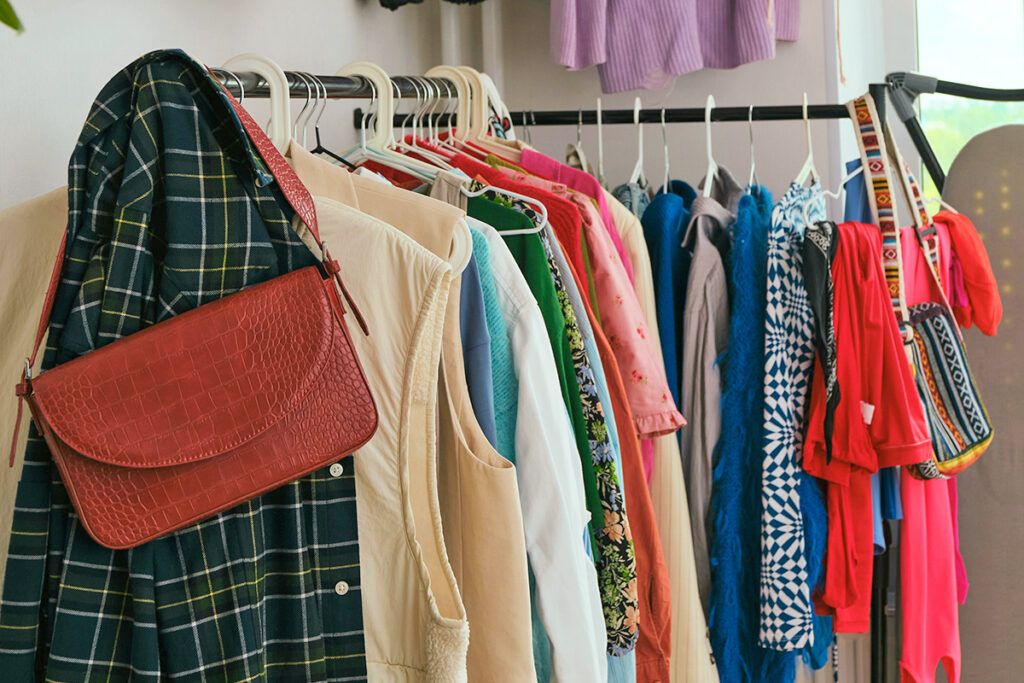
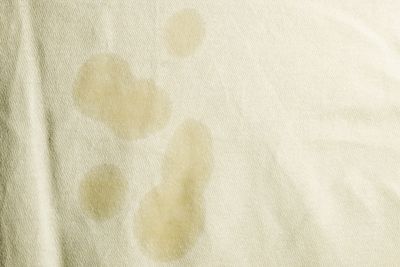
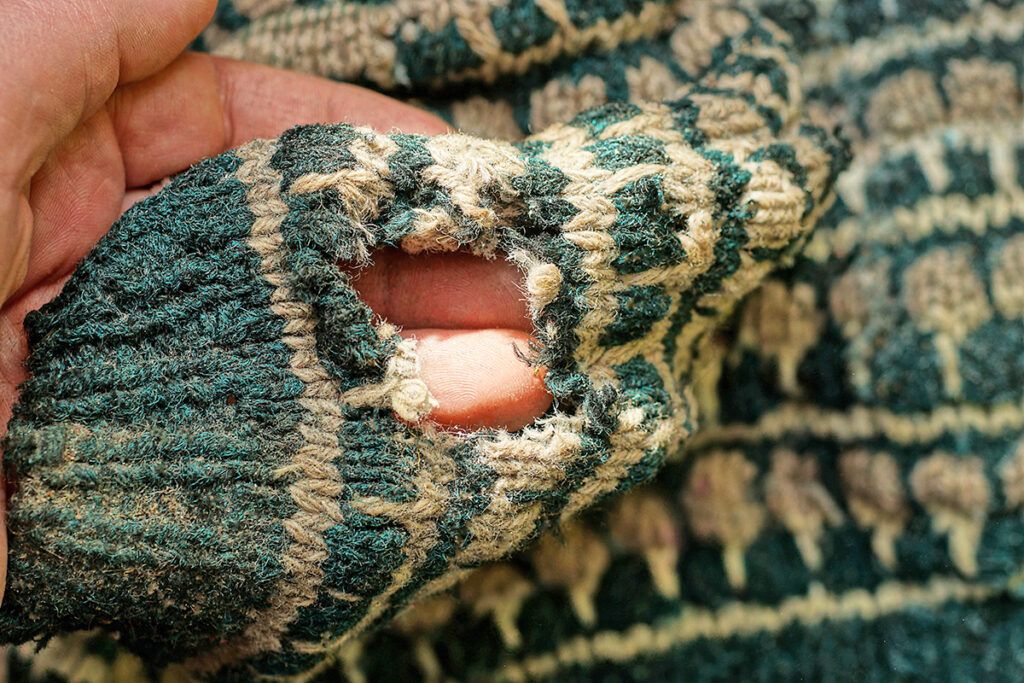
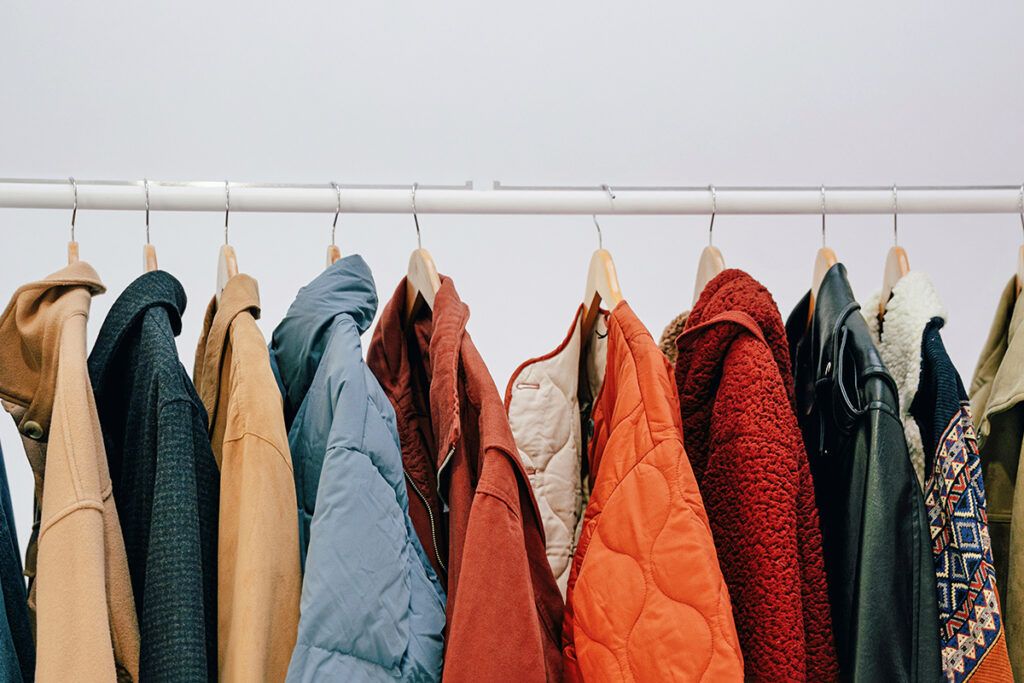
Thrift stores receive mountains of clothing, and a surprising amount never makes it to the sales floor. Stained shirts and jeans with blown-out knees end up being discarded, and so do pilled sweaters and anything with a jammed zipper. Odors are just as problematic:. Clothing that smells strongly of cigarette smoke, mildew, or pets is a no-go for reselling. Staff members still have to inspect all of these items, though, which takes valuable time and resources.
“One of the most common misconceptions is that any clothing item can have a second life simply because it’s being donated,” says Chad Olson, chief operating officer of Clothes Mentor, a franchise business selling secondhand women’s clothing. “In reality, garments with significant stains, excessive pilling, stretched fabrics, broken zippers, or other major damage often have little demand and can create additional sorting and disposal costs.”
If you’re looking to part with clothing that can’t be donated, consider bringing your items to a local clothing recycling program. H&M has recycling boxes in all of its retail locations, and there are many mail-in recycling services, such as Trashie and Retold Recycling, that will accept not only clothing but sheets, towels, curtains, shoes, fabric scraps, and more.
2. Used Car Seats and Strollers
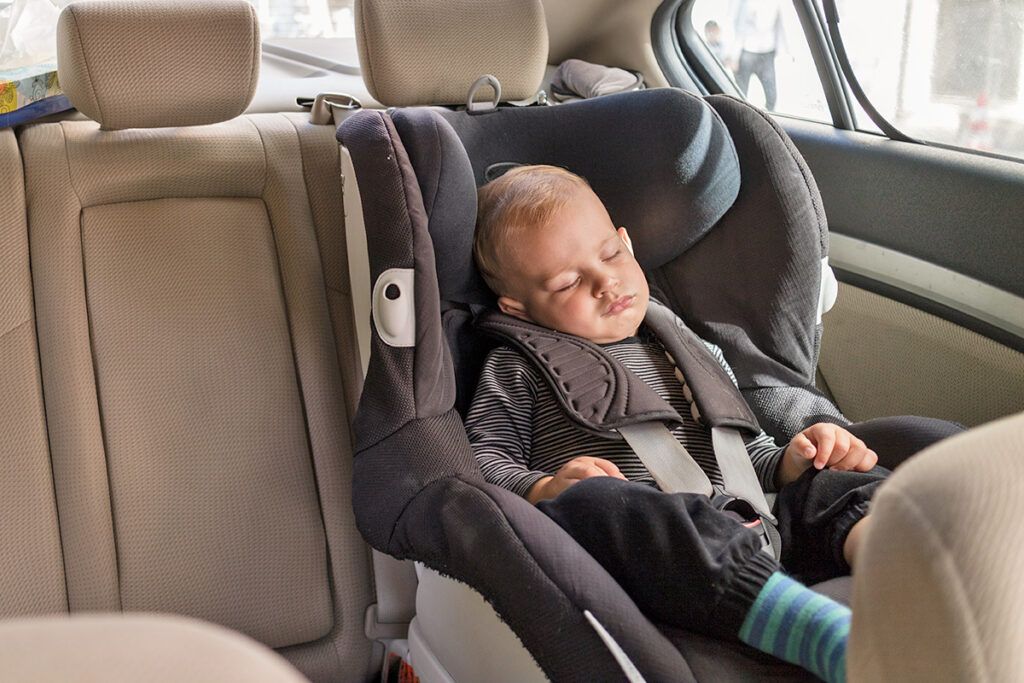
Your intention may be pure in donating a car seat or stroller. After all, these items are expensive to buy new, so donating them could help a family save money. Unfortunately, most thrift stores won’t accept used car seats or strollers — and for good reason.
More from our network
House Outlook is part of Inbox Studio, which publishes content that uplifts, informs, and inspires.


According to Samantha Rich, Goodwill’s executive vice president of donated goods and retail, safety concerns are the biggest issue. A thrift store has no way of knowing whether a car seat has been involved in an accident, has missing parts, or has been recalled by the manufacturer. Many people don’t realize that car seats also have expiration dates. If you need to get rid of one, check for manufacturer recycling programs, trade-in events, or local organizations that specifically assist families with children’s equipment.
3. Mattresses
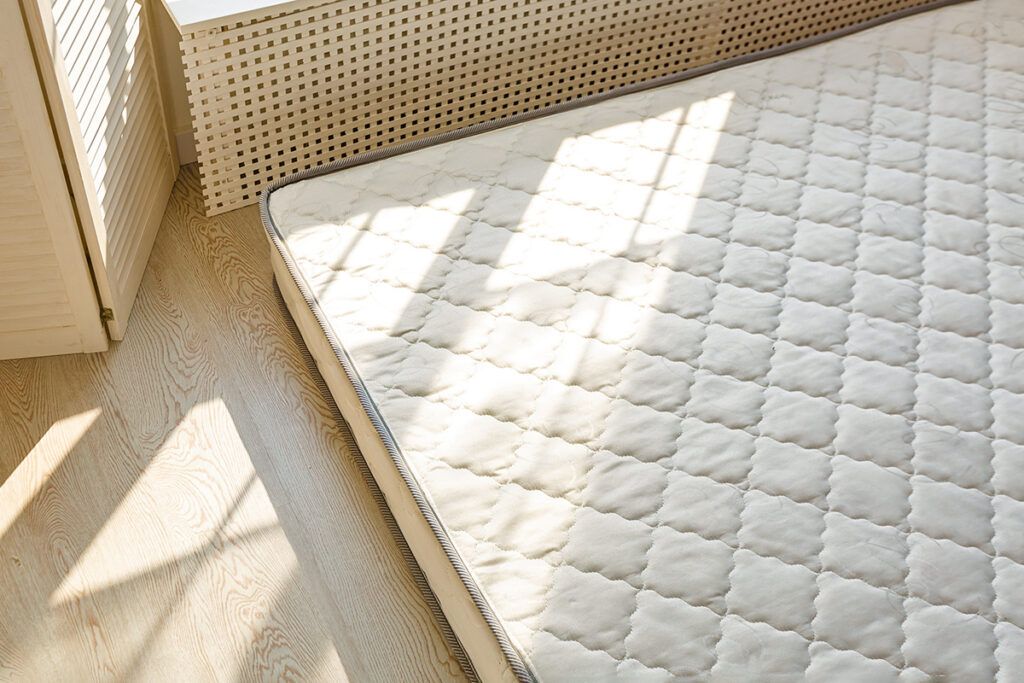
Used mattresses are a hard no at most thrift stores, regardless of condition. The reasons are straightforward: hygiene concerns, the risk of bed bugs, and state regulations that often prohibit the resale of used mattresses altogether. Instead, look for local mattress recycling programs, bulk-item pickup services, or manufacturer take-back options.
4. Out-of-Season Items
Timing matters more than you might think. Donating a pile of winter coats in July or a bunch of swimsuits in December creates storage challenges for already-crowded donation centers. “Seasonal items tend to have the greatest impact when they’re donated ahead of or during the season when demand is highest,” Olson says.
5. Large, Broken Furniture
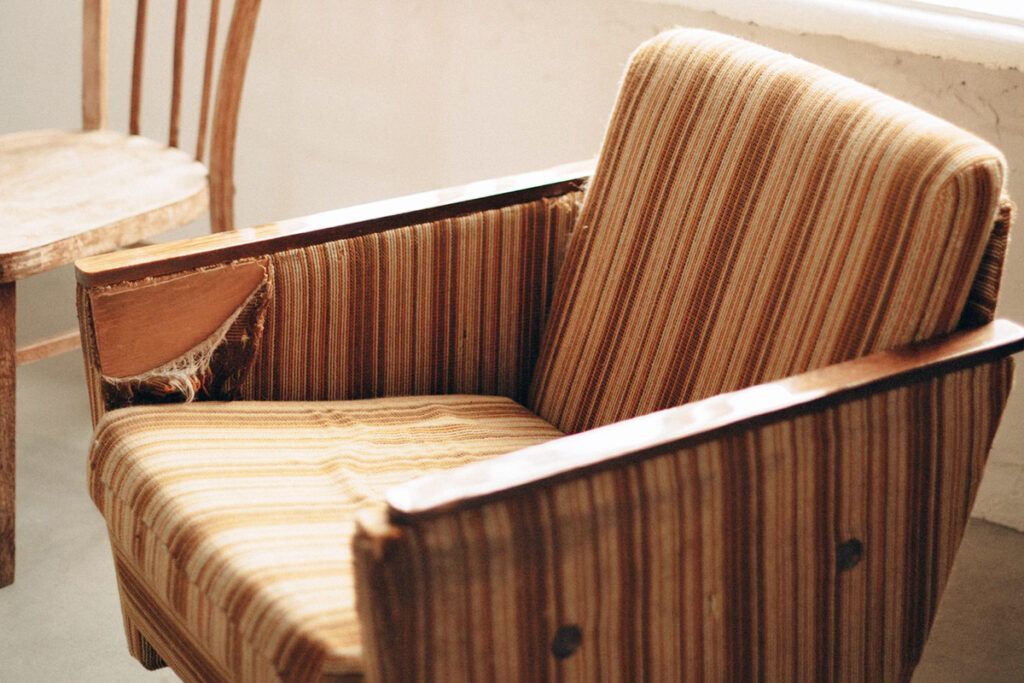
Furniture in good condition is often highly sought after. Furniture that is damaged or requires significant repairs is another story. Rich explains that such items take up significant floor space, are expensive and labor-intensive to move, and are simply unsellable. Upholstered items also carry a bed bug risk similar to mattresses.
6. Hazardous Materials
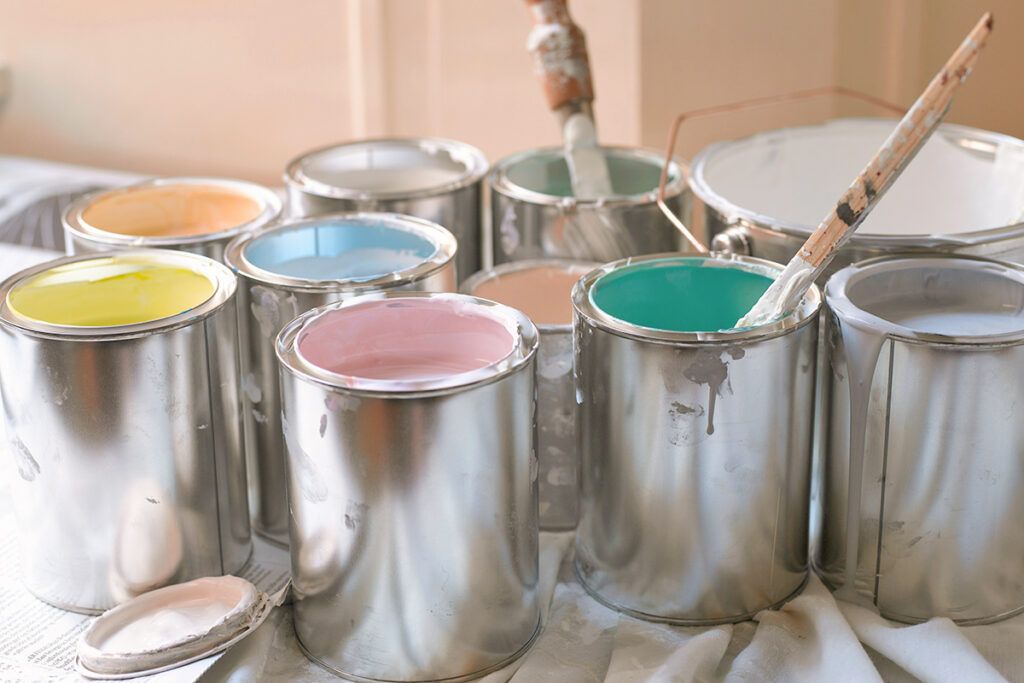
Paint, cleaning products, automotive fluids, propane tanks, and ammunition should never be dropped at a thrift store. These items require special handling and disposal, none of which a donation center is equipped to provide, and can create safety risks for employees. Check with your municipality for hazardous waste drop-off events or disposal guidelines.
7. Opened Cosmetics and Personal Care Products
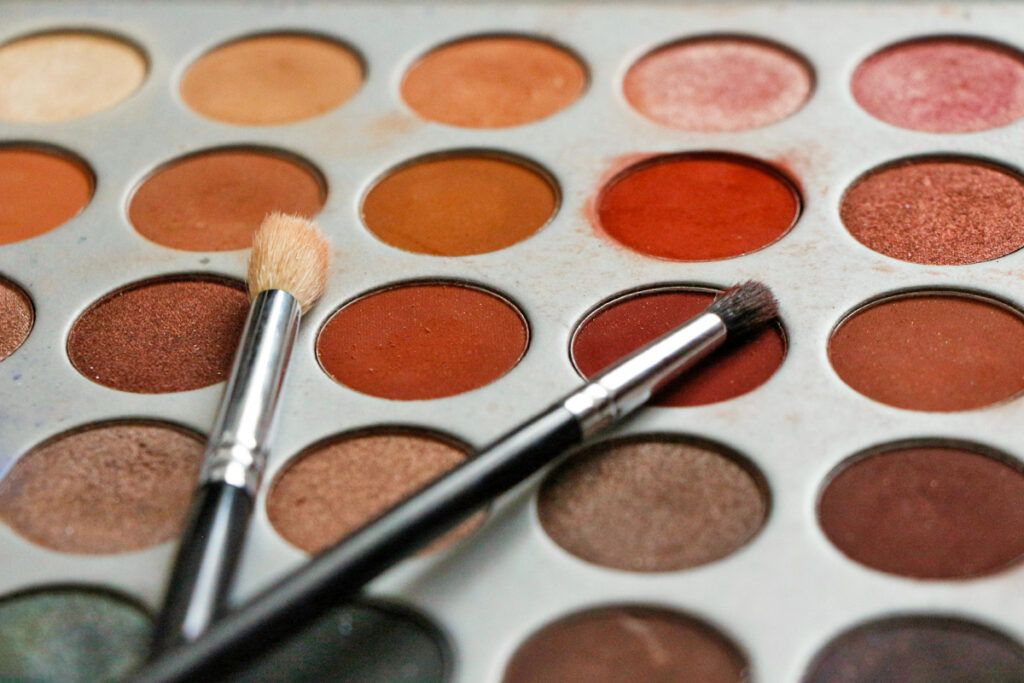
That half-empty bottle of foundation or a barely used tube of lipstick may seem too good to throw away, but it shouldn’t be donated. Once cosmetics and personal care products have been opened, they can harbor bacteria and become unsanitary for the next user, Rich says. Most thrift stores cannot legally or safely resell them, which means they’ll likely end up in the trash.
8. Fast Fashion That’s Already Faded
Not all clothes are built to last. Low-quality pieces that have lost their shape or fabric integrity after only a season or two don’t have much of a resale future. Olson notes that shoppers are increasingly seeking out quality brands and well-maintained pieces that retain their value, rather than bargain-bin items already past their prime.
A good rule of thumb: If you wouldn’t buy it at a thrift store, don’t donate it. A little extra scrutiny goes a long way for the stores that have to sort through it all.