1. Coffee Pods
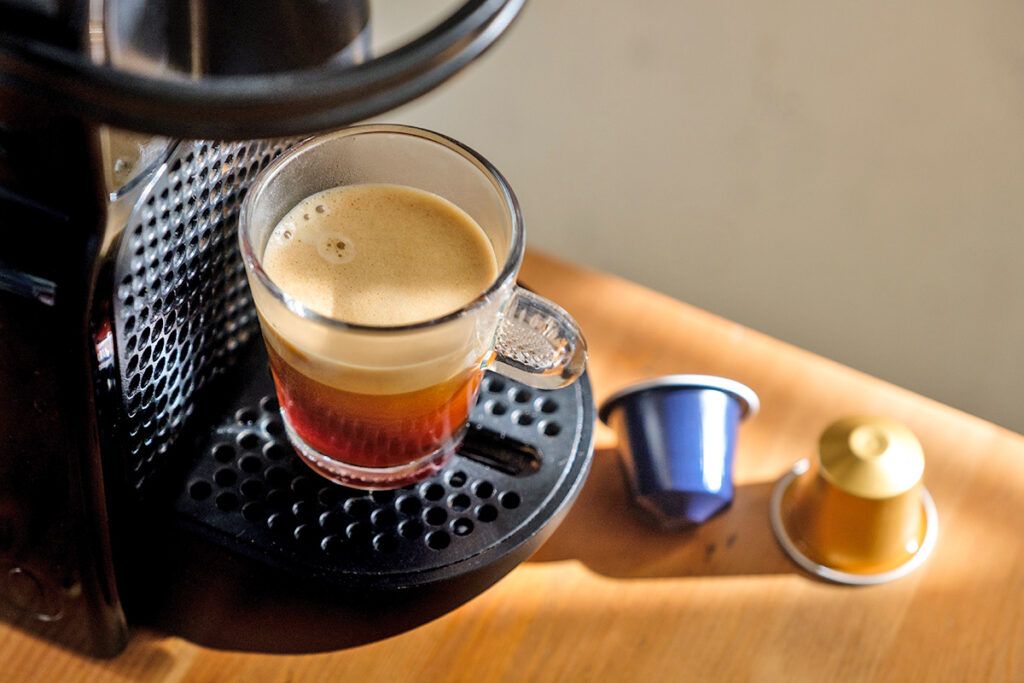
Coffee is one of those expenses that really sneaks up on you if you’re in the habit of getting a cup to go. But the costs add up at home, too. Even if you’re skipping the drive-thru to brew your morning cup, you may not be saving as much as you think.
Consider Folger’s Classic Roast ground coffee: At Walmart, it costs just over 60 cents per ounce in the familiar red canister. But buy it as a 60-pack of Keurig K-Cups, and it jumps to $1.93 per ounce — more than triple the price. I use inexpensive, refillable K-Cups instead and buy my coffee separately. (Conveniently, you can refill Nespresso pods and Tassimo capsules, too).
2. Out-of-Season Produce
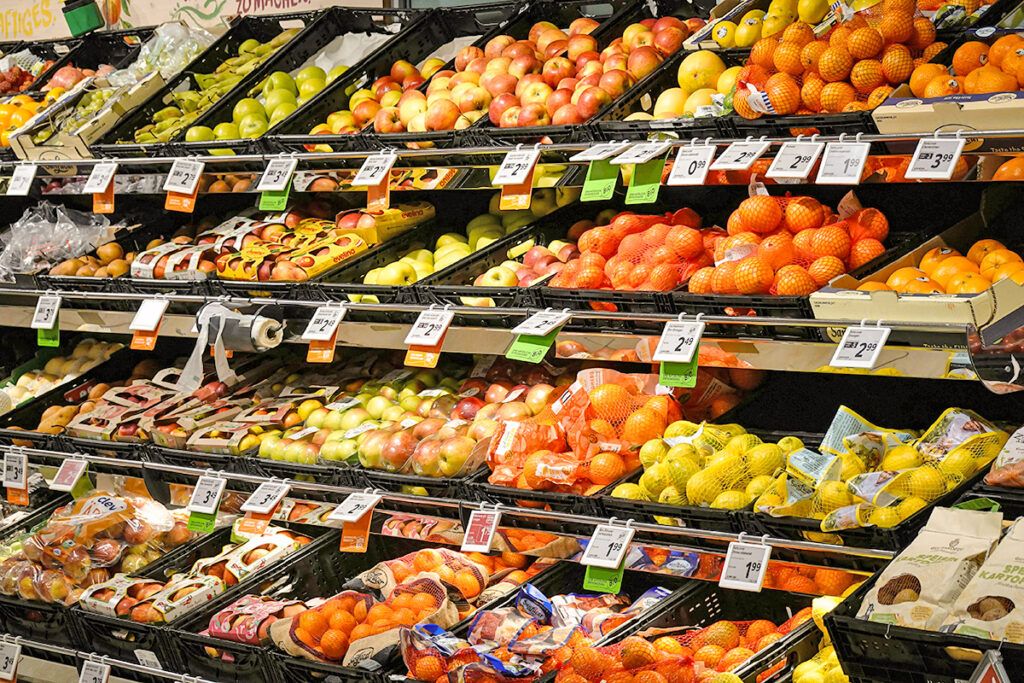
Living in the age of refrigeration and inexpensive long-range shipping means we’ve mostly gotten out of the habit of eating seasonally. Because something is always in season somewhere, we expect to be able to buy whatever we want, whenever we want it. That said, most produce items still have a peak season in their respective hemispheres — and that’s when they’re cheapest and most abundant. Choosing produce that’s in season here and now will lower your grocery bill throughout the year.
3. Bottled Water
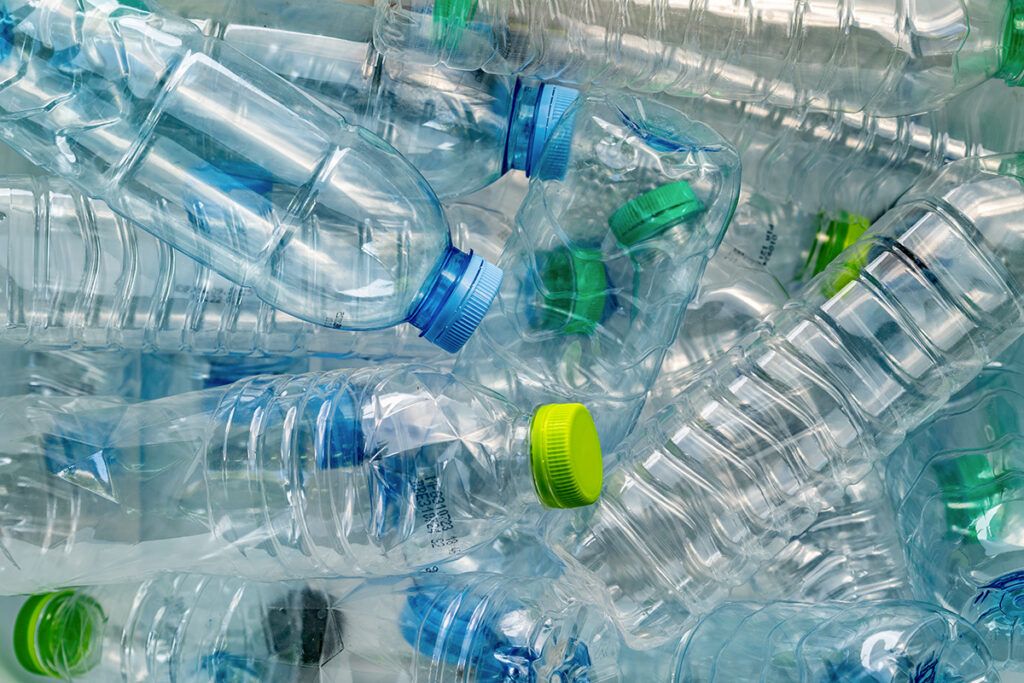
I occasionally buy a bottle of water if I’m out running errands and forget to bring a reusable one, but otherwise I avoid it entirely. Most bottled brands are just filtered tap water, so why pay a premium? Buying a water filter pitcher costs little, and even when accounting for replacement filters, the long-term savings are substantial. As a bonus, filtering your own water cuts down on plastic waste and lowers your carbon footprint.
More from our network
House Outlook is part of Inbox Studio, which publishes content that uplifts, informs, and inspires.



4. Microwavable or Instant Side Dishes
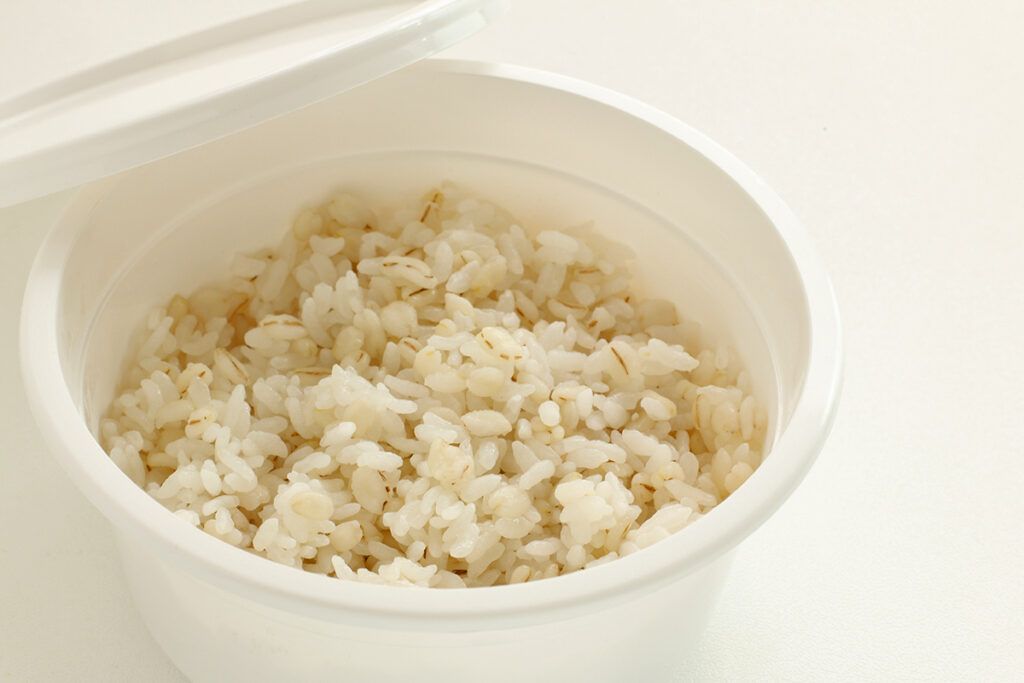
Three of the most inexpensive staples you can buy are rice, pasta, and potatoes — unless you buy them in processed form as a microwavable or “instant” side dish, in which case they’ll cost considerably more. This is a category where the balance between cost and convenience matters a lot — life gets busy, and sometimes you need a cheat code.
But taking a little time to prepare and freeze sides in advance, or choosing hands-free alternatives (like using an inexpensive rice cooker or popping a whole potato in the microwave while you cook the rest of the meal) saves serious cash. It also eliminates a lot of additives, preservatives, sodium, and saturated fat from your diet.
5. Kids’ Convenience Foods
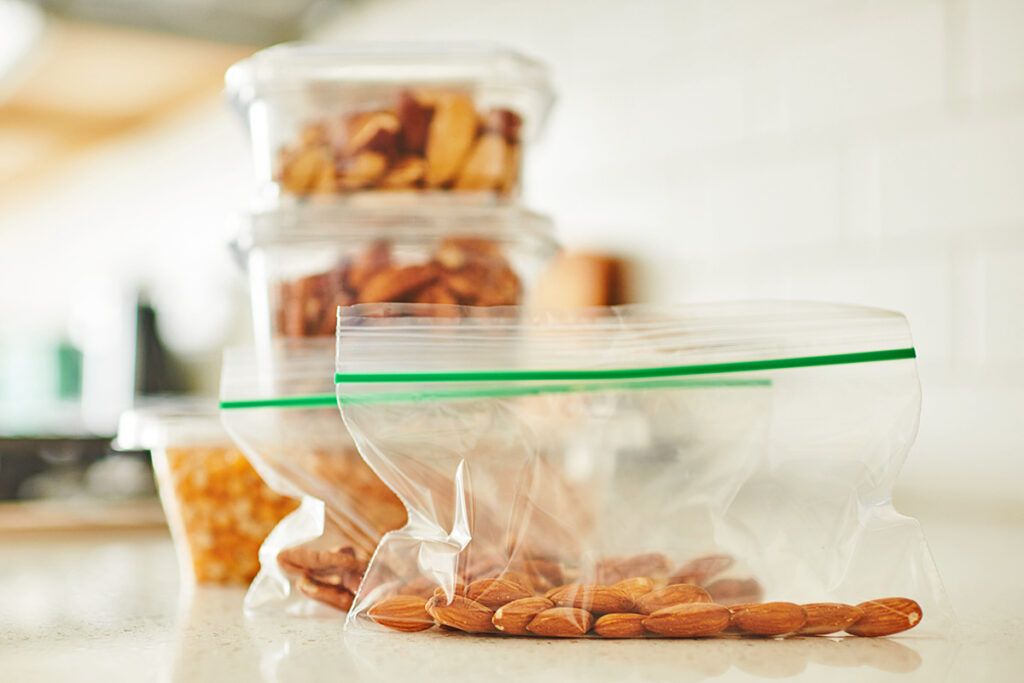
Kids’ convenience foods are an easy category to overspend on without realizing it. No one expects you to bake every granola bar, cookie, or muffin from scratch. But whenever you can bake your own, you’ll save money — even if you’re working from a boxed mix. When you do need to buy prepackaged items, just skip the single-serve bags. Buying the full-sized pack instead and portioning the snacks into reusable containers will save you money.
6. Single-Serve Packaging
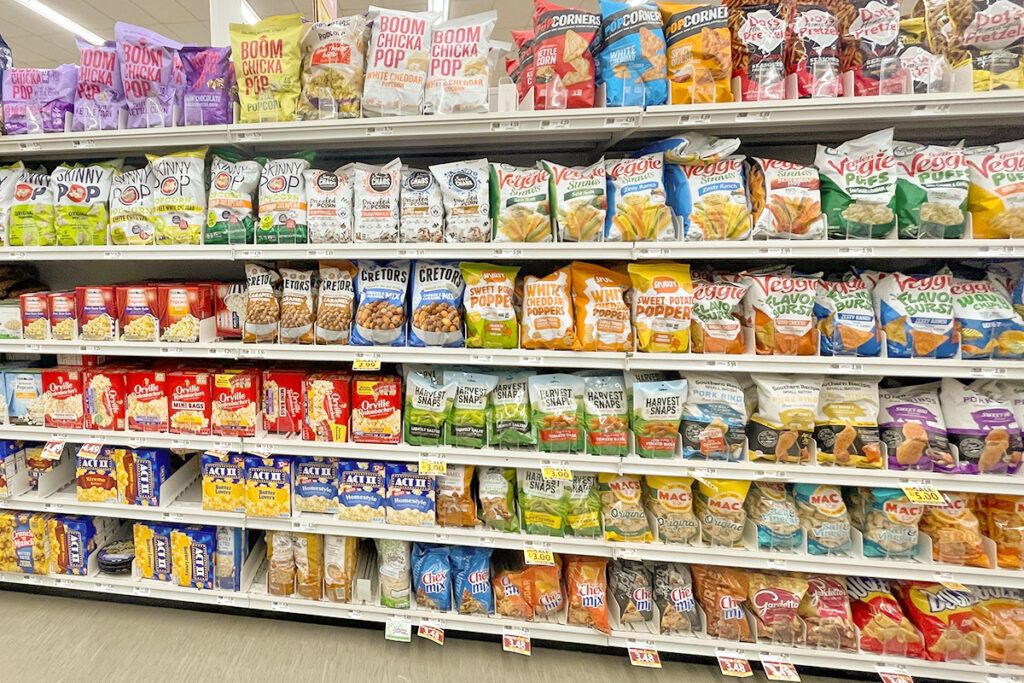
On that note, breaking the habit of buying single-serve packages of food in general will do wonders for your budget. Supermarket price labels usually break down the cost per unit (by ounce, pound, or count), and the single-portion version always costs more — unless there’s a really good sale — because of the extra packaging. Your best bet is to buy the size that offers the best value, then use reusable containers to portion everything out.
7. Organic Processed Foods
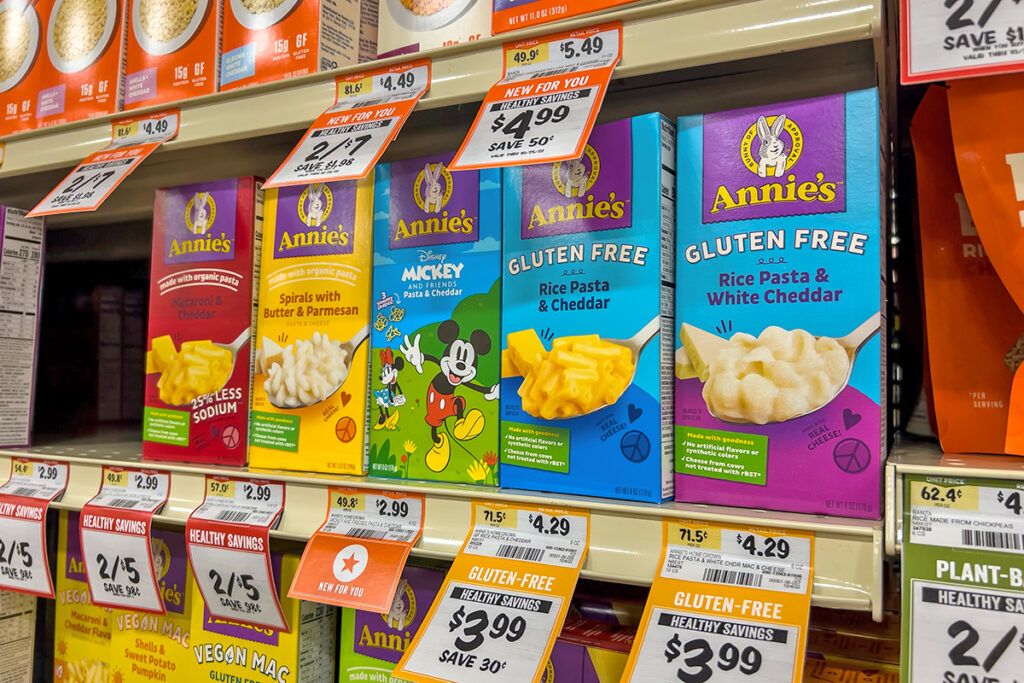
You’ve almost certainly seen headlines trumpeting the evils of highly processed foods. You may also have a preference for organic foods for any number of reasons. But what happens when those two concepts clash? I’ve been reading nutrition studies for decades, and it’s honestly difficult to find any hard-and-fast health benefits of organic ingredients once they’ve been processed into boxed mac and cheese or sugary breakfast cereal. While the environmental and animal-welfare advantages are real, it’s entirely up to you whether they’re worth the steep retail premium.
8. Premade Smoothies
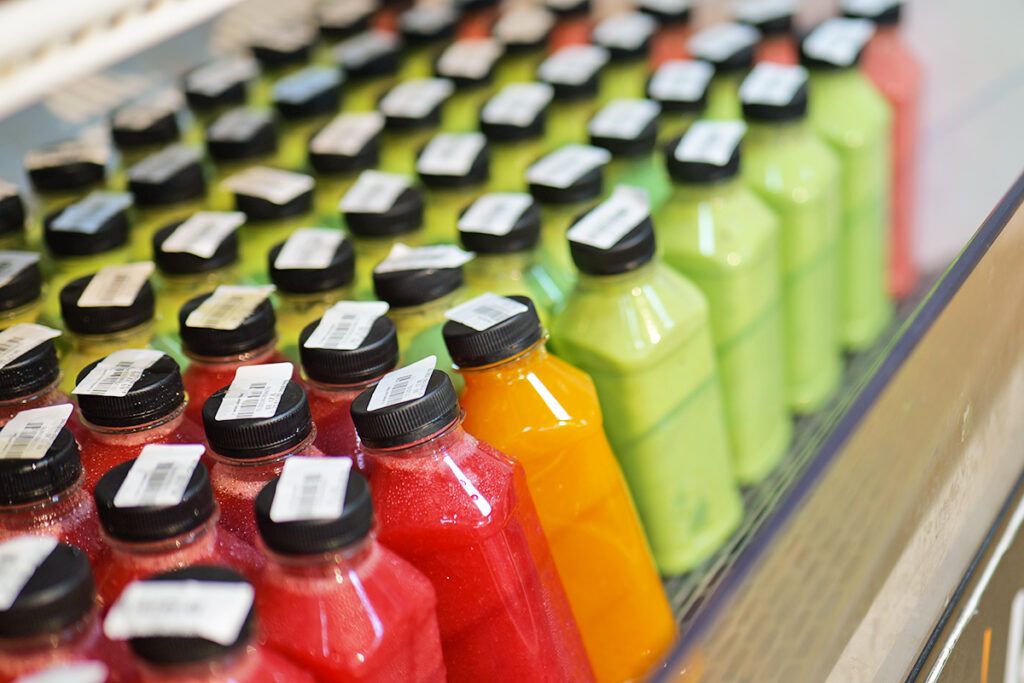
Smoothies are a nutritious choice and a great option if you can’t stomach the idea of food first thing in the morning. However, the bottled, ready-to-drink options and frozen “smoothie packs” cost significantly more than buying bulk fruit or leafy greens and blending them yourself. You don’t need to splurge on a commercial-grade blender to make them at home, either. Most standard, everyday blenders now have plenty of power to crush ice and frozen berries.
9. Frozen Sandwiches
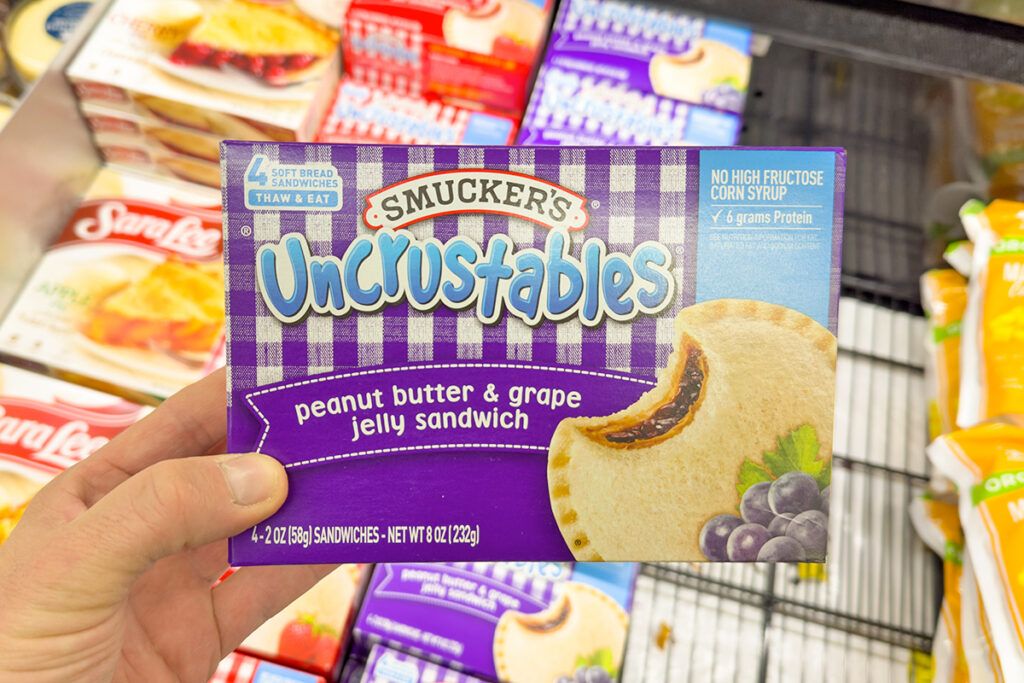
Call me a curmudgeon, but the first time I saw Uncrustables in a freezer case, my immediate reaction was, “You’ve got to be kidding me!” They’re undeniably popular (J.M. Smucker expects to generate $1 billion in revenue from this product alone by the end of 2026), but you can easily make these at home in seconds for a fraction of the cost. Not only that, but you’ll be able to choose any combination of bread, peanut butter, and jam or jelly you want, instead of being limited to just a few variations.
You can even buy an inexpensive sandwich cutter to give your homemade sandwiches that crust-free look. To be clear, I’m not singling out Uncrustables — the same argument applies to other frozen sandwiches.
10. Cut and Peeled Produce
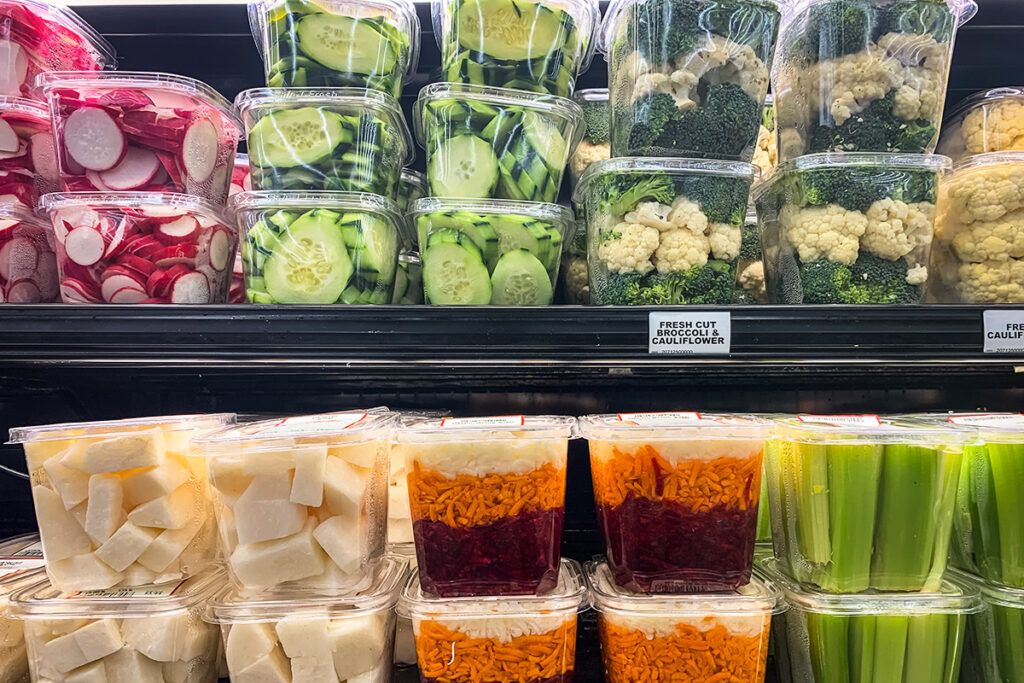
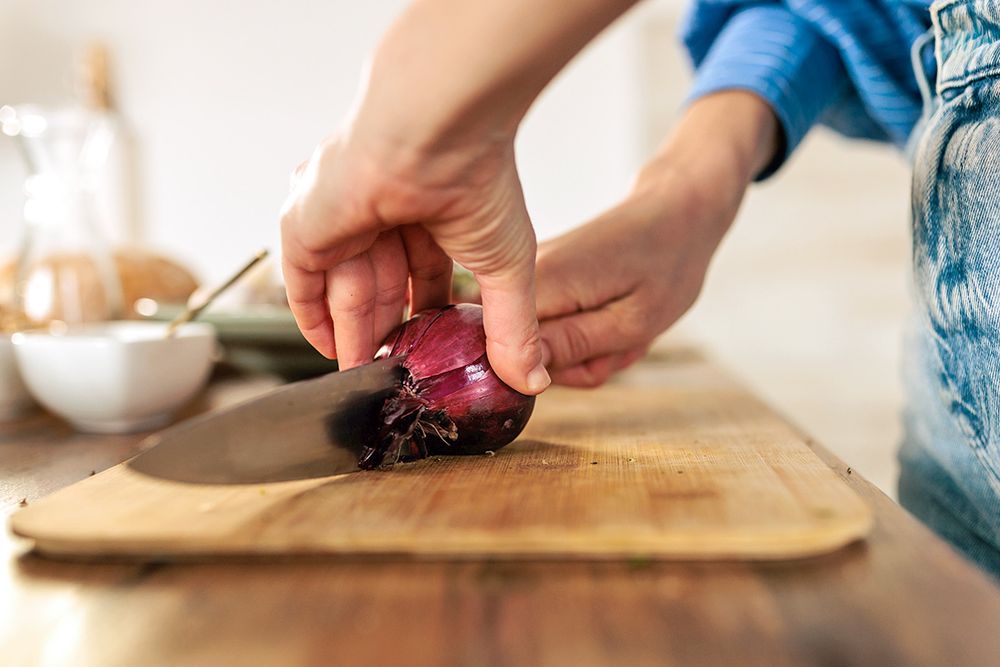
One last example of the “convenience tax” is produce that’s peeled, cut, or otherwise prepped in advance. You can buy peeled garlic in jars, ready-diced vegetables, and even plastic clamshell packages of individual lettuce leaves for salad-making. To be fair, some of these are more worthwhile than others. Winter squash and pineapple, for example, require real physical effort to peel and cut. (And if you suffer from squash hands, you may want to avoid the unpleasant skin irritation.) But for the most part, precut produce is simply meant to save you a few moments during meal preparation.
You’ll need to do the math to decide how much time you’ll save and whether it’s worth paying the difference. Of course, none of this applies if you’re coping with a physical disability, whether transient or permanent. In that case, convenience items are an excellent, necessary tool for putting fresh food on the table.