1. Buying the Wrong Size
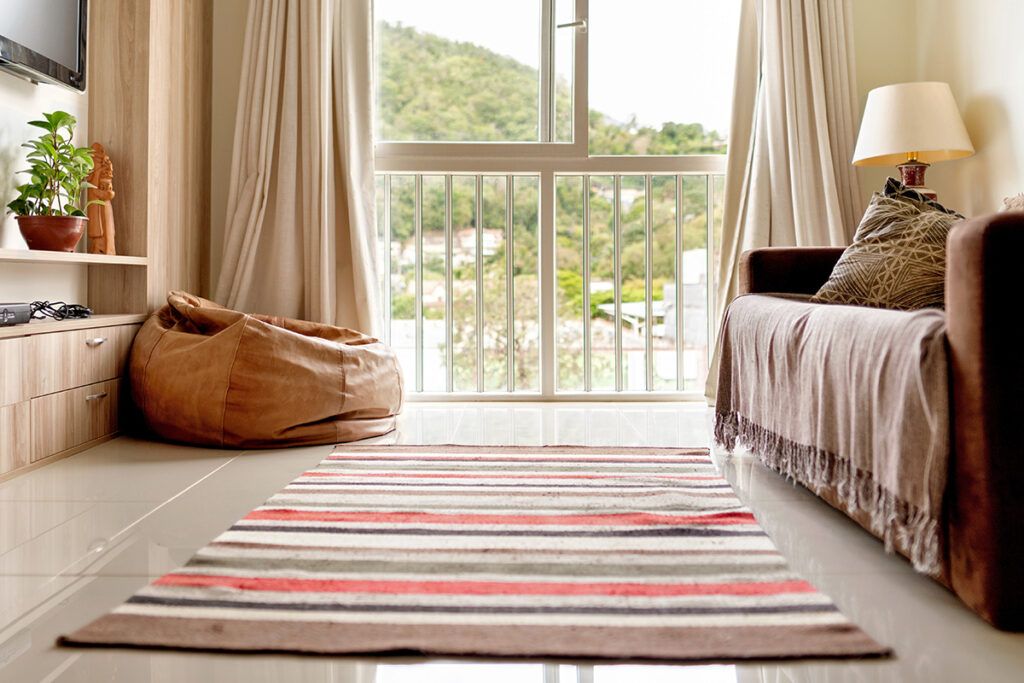
“Choosing the wrong size rug is the most common mistake people make when purchasing a new one,” says Andrew Haltom, director of customer success at Rugs.com. A rug that’s too small makes a room feel disconnected, while one that’s too large can overwhelm the space entirely.
Before you shop, measure the room and use painter’s tape on the floor to map out different rug dimensions. It’s a simple visual trick that makes a huge difference. In living rooms, at least the front legs of your furniture should sit on the rug. In dining rooms, choose a size large enough that chairs stay on the rug even when pulled out — which typically means a 7-by-10-foot or larger option. When in doubt, size up.
2. Saving the Rug Purchase for Last
Most people pick their sofa, curtains, and artwork first, and then try to find a rug that ties it all together. That’s backward, according to Shea Soucie, founder of SHIIR Rugs. “We advise choosing your rug first,” she says. “The right rug sets the tone for a room and provides an ideal foundation for the rest of your design. The sky’s the limit when you start with the rug.”
3. Playing It Too Safe Style-Wise
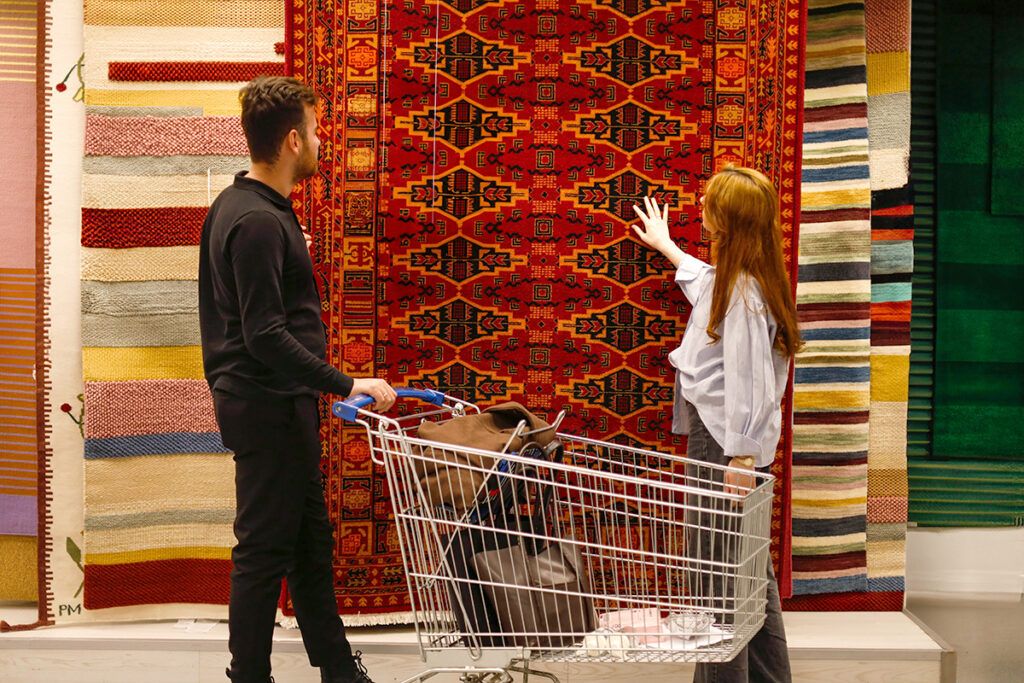
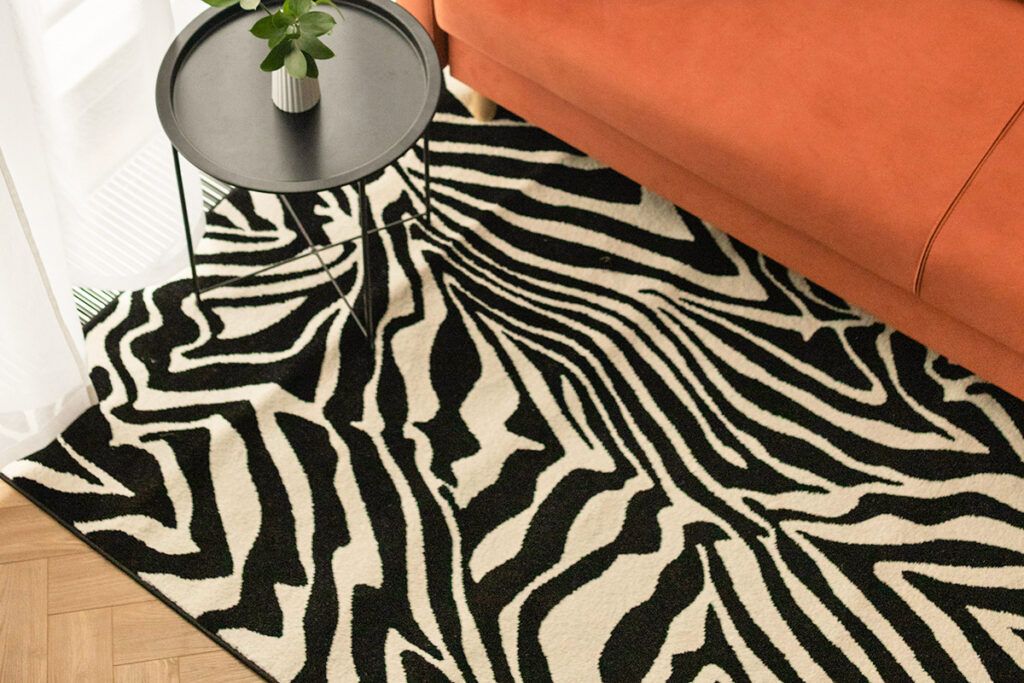
Neutral rugs feel like the regret-proof choice, but Haltom warns they can leave a room feeling flat. If your furniture is already understated, a rug with a bold color or pattern is exactly the energy the space needs. If your room is already busy, a textured neutral — think jute or wool — can bring balance. A good rule of thumb is to buy the rug first, then pull accessory colors from it for throw pillows or artwork.
More from our network
House Outlook is part of Inbox Studio, which publishes content that uplifts, informs, and inspires.



4. Ignoring Your Lifestyle
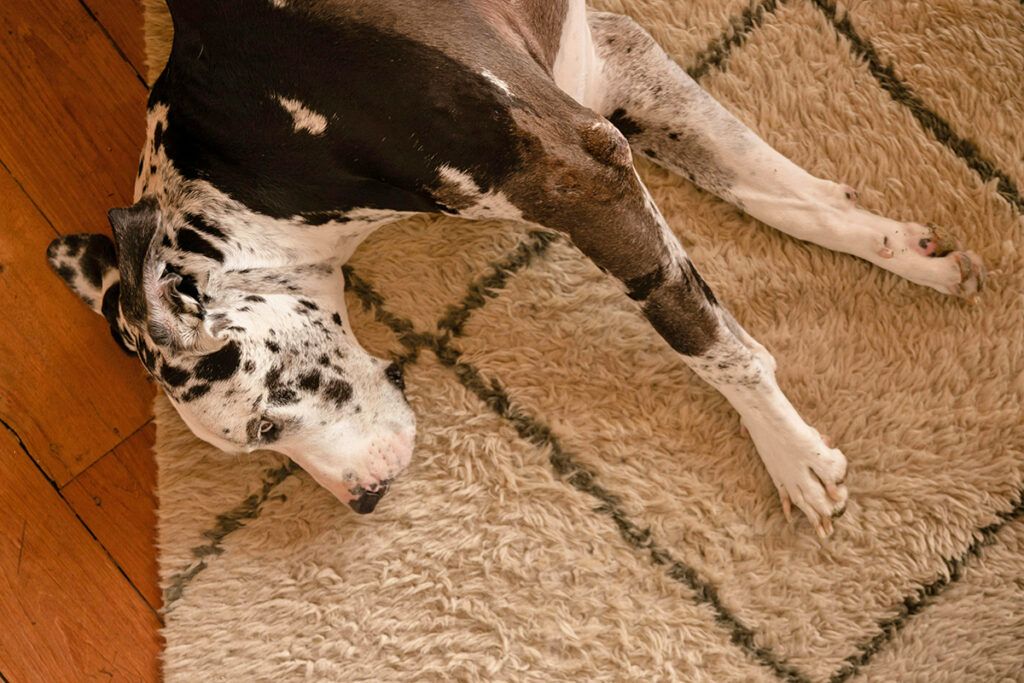
A luxe silk rug or a fluffy white shag might look stunning in a showroom, but it won’t last long in a home with kids, pets, or heavy foot traffic. Jo Ann Clift, product specialist at Rugs.com, recommends matching the material to how the room is actually used. For busy households, consider a flat-weave option or look for stain-resistant materials such as polypropylene or jute. Save the soft, cozy rugs for lower-traffic spaces like bedrooms.
5. Buying Based on Looks Alone
It’s easy to fall for a rug online without being realistic about how it will hold up in real life. Katy Repetto, creative director at Momeni, recommends ordering a swatch first if you’re on the fence. It’s much easier to return an 18-by-18-inch sample than an 8-by-10-foot rug — and you’ll know exactly what you’re getting in terms of color and texture before committing.

6. Misunderstanding “Washable”
Just because a rug is labeled washable doesn’t mean it will fit in your washing machine. Larger styles may need to go to a commercial laundromat or a professional rug-cleaning service. For large washable rugs, Haltom suggests taking them outside, washing them with a garden hose and mild soap, and letting them air-dry completely before bringing them back inside.

7. Skipping the Rug Pad
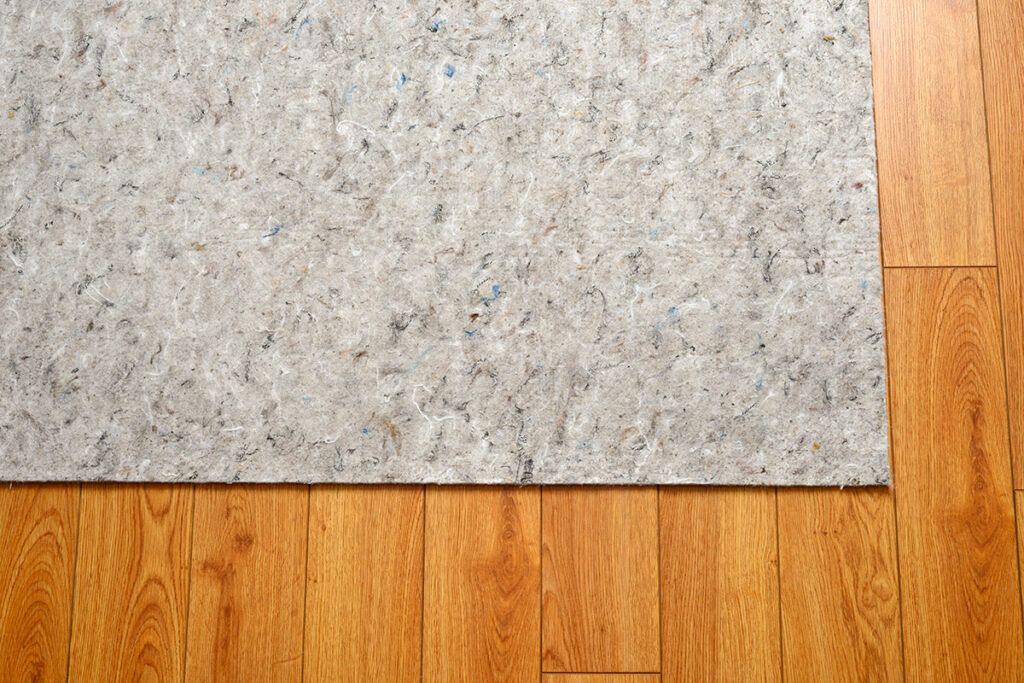
A rug pad is often an afterthought, but don’t forget to purchase one along with your new rug. “If you have a busy household and the rug is not anchored under furniture, it can be a safety hazard to go without a rug pad,” Repetto says. “[A pad] will not only protect your neck, but also your floors, and just feels so much better to walk on underfoot.”
8. Prioritizing Short-Term Savings Over Long-Term Durability
“Many cheaply produced area rugs can wear out quickly, flatten, fray, and lose their color within a few months,” warns Katherine Cohen, associate creative director at area rug manufacturer FLOR. Sustainable rugs are more durable and designed to last longer, which reduces replacement costs over time while supporting a healthy home for kids and pets.
9. Neglecting Regular Maintenance
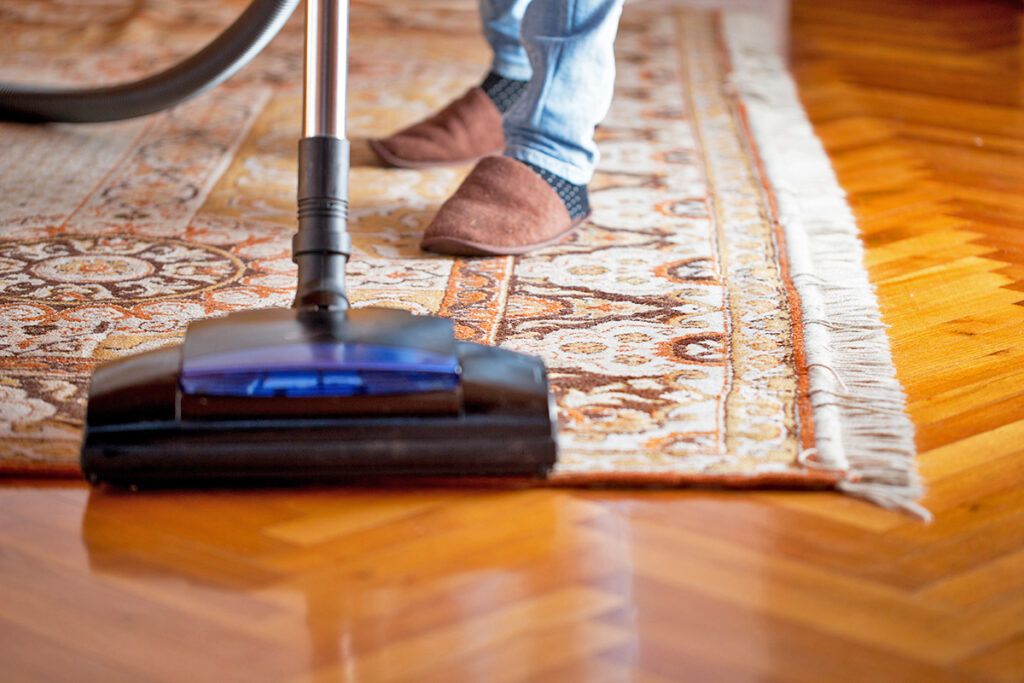
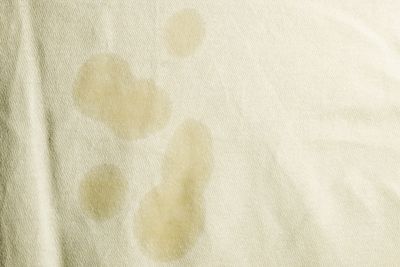
Even the best rug won’t last if you ignore it between cleanings. Vacuum regularly to remove trapped dirt and blot spills immediately. A little routine care goes a long way toward keeping your rug looking great for years to come.