The first signs are subtle and easy to dismiss. You might notice a strange smell in a closet, a few tiny holes in your favorite sweater, or some sawdust-like debris near a windowsill that you don’t think twice about. Then a few weeks pass, and suddenly you’re dealing with a full-blown infestation.
Catching pests early can save you money, stress, and in some cases, major structural damage to your home. The trick is knowing what to look for before the problem becomes obvious.
1. Hollow-Sounding Wood
If you tap on wooden window frames, baseboards, beams, or flooring and it sounds oddly hollow, that can be a red flag for termites. These pests eat wood from the inside out, which means the damage is often hidden long before you see anything on the surface.
You might also notice wood that looks slightly blistered or warped, almost like it has water damage. While it’s easy to assume the issue is moisture-related and move on, termites can create a similar look.
More from our network
House Outlook is part of Inbox Studio, which publishes content that uplifts, informs, and inspires.



Another clue is tiny piles of what looks like sawdust or pellets resembling pepper near wood structures. Drywood termites leave behind droppings called frass, which tends to collect in small mounds underneath infested areas.
The fix: If you continue to spot any of these signs, contact a pest professional. Termites rarely go away on their own, and treating the problem early can prevent costly structural repairs.

2. Tiny Holes in Clothing, Rugs, or Upholstery
If you pull out a wool sweater, scarf, or throw blanket and notice small holes that definitely weren’t there before, it’s not normal wear and tear.
Clothes moths are tiny, stealthy destroyers. The adult moths aren’t actually the problem; it’s their larvae. The offspring feed on natural fibers such as wool, silk, fur, cashmere, and even some upholstery materials.
To spot them, check dark, undisturbed spaces such as closets, under beds, attic storage bins, and linen cabinets. If you see webbing, tiny white larvae, or what looks like grains of sand or pepper in these areas, moths may already be established. And yes, they are rude enough to ignore your most affordable clothes and head straight for the expensive stuff.
The fix: Caught early, a clothes moth infestation can be handled by washing or dry-cleaning affected fabrics, vacuuming thoroughly, and storing natural fibers in sealed containers or garment bags. However, if the damage has spread to multiple rooms, it’s best to contact a pest control professional.

3. A Sharp, Ammonia-Like Smell
A strong, unpleasant smell in an enclosed area is easy to ignore if you can’t immediately find the source. But if a space smells distinctly like ammonia or stale urine — especially in a pantry, garage, basement, or under a sink — rodents may be nearby.
Mice and rats leave behind urine trails to navigate, which creates a sharp stench over time. This is especially common in areas with little airflow, such as storage closets, crawl spaces, cabinets, and behind appliances.
The fix: You can stop a minor mouse problem by sealing gaps, removing food sources, and setting traps. But if the infestation worsens, get in touch with a professional exterminator.

4. Grease Marks Along Walls or Baseboards
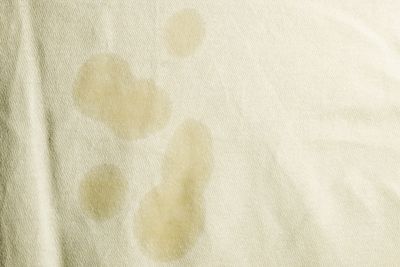
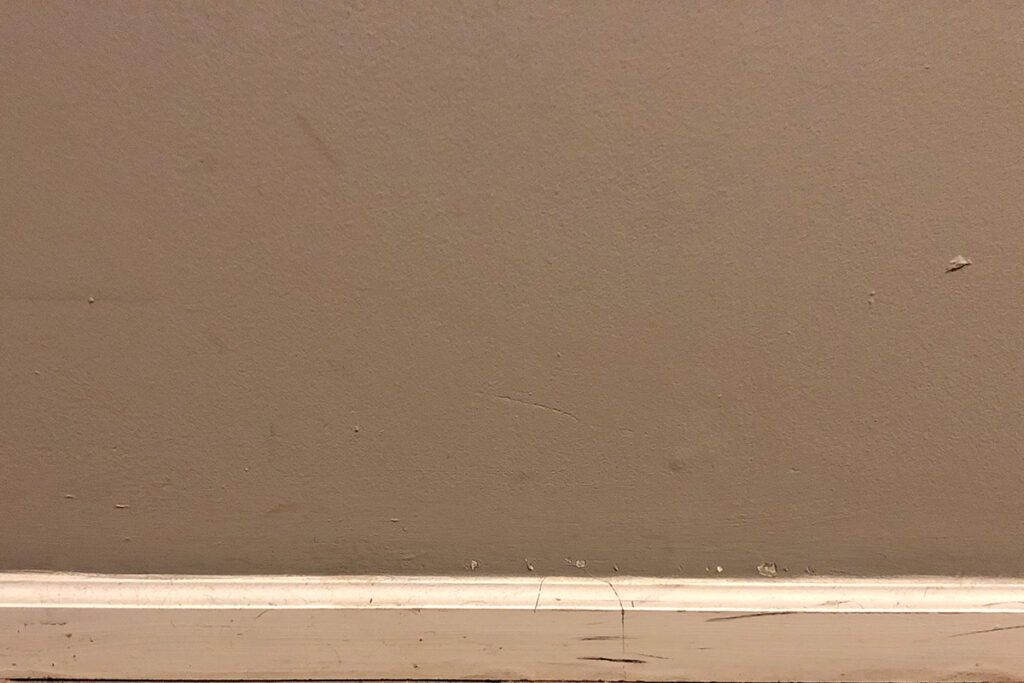
This sign often surprises people. Rodents travel along the same paths repeatedly, usually hugging walls for protection. As they move, the natural oils and dirt from their fur can leave behind smudgy dark marks on baseboards, walls, or near small openings.
These marks may look like random dirt buildup at first. However, if you notice repeated streaks or greasy smears in the same area — especially near food storage or utility spaces — it’s worth investigating.
The fix: Clean the affected area and monitor it to see if the marks reappear over the next several days. If they do, use the methods outlined in the previous section or consider contacting a professional pest control service.
5. Unusual Insect Wings or Shell Casings
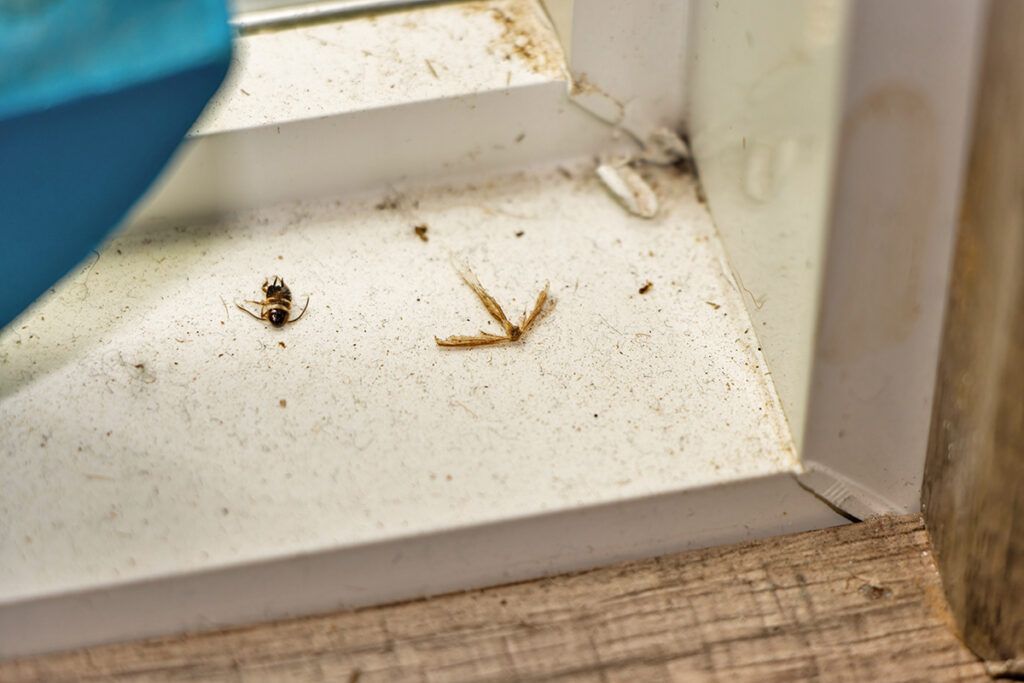
Discarded wings near windowsills, doors, or light fixtures can point to termites or flying ants. Cockroaches and other insects also shed exoskeletons as they grow. These shell casings are often found in cabinets, behind appliances, under sinks, or in bathroom corners. If you keep finding insect debris, you likely have an active infestation.
The fix: Persistent signs warrant a professional inspection, especially if you suspect termites or cockroaches. Remember: Visual debris is usually a small sign of a much larger, often internal problem.
6. Scratching, Rustling, or Movement at Night
Homes make noise: Pipes creak, wood shifts, and air vents rattle. However, repetitive scratching or scurrying sounds inside your walls, ceilings, or floors are an entirely different story.
Pests tend to be most active at night, which is why many homeowners notice the sounds only after everything gets quiet. If you hear movement that seems too deliberate to be your house settling, trust your instincts.
The fix: While you can deal with a minor mouse problem on your own, noises that are frequent, come from multiple areas, or sound larger than a small rodent mean it’s time to bring in a pest control expert to identify the source and prevent further damage.

Bottom Line
Catching a pest problem early is less about spotting the insect or rodent and more about noticing what doesn’t feel normal. It always starts with the small stuff — the anomalies that are easy to explain away.