Advertisement
Organizing 3m read
0

Declutter 100 Items in 10 Days Using This Simple Method

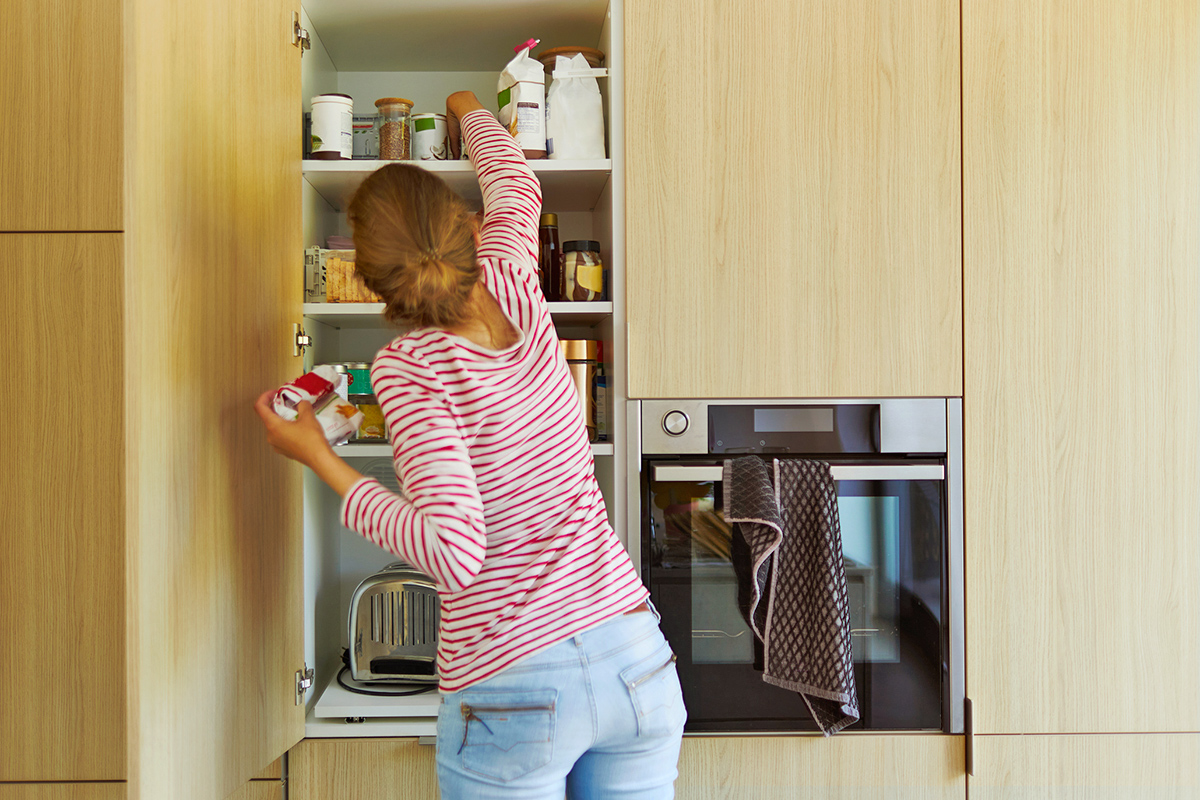
When your home feels like it’s caving in from clutter, the thought of decluttering can be daunting. Instead of sacrificing an entire weekend to clearing out the excess items, you can use the 10-10 decluttering method to get rid of 100 items in just 10 days.

When your home feels like it’s caving in from clutter, the thought of decluttering can be daunting. Instead of sacrificing an entire weekend to clearing out the excess items, you can use the 10-10 decluttering method to get rid of 100 items in just 10 days.

What Is the 10-10 Decluttering Method?

The 10-10 decluttering method is a simple practice that allows you to make a real dent in your decluttering efforts without a ton of work — or the stress of staring at a massive pile of belongings to sort through.

There are a couple of ways to approach this. You can simply get rid of 10 items per day for 10 days, or you can get more specific and choose 10 different spaces that need attention (such as your entertainment center or bathroom cabinets), designating each of the 10 days to getting rid of 10 items from one of those spaces. Either way, at the end of the week-and-a-half-long period, you’ll have successfully gotten rid of 100 items in your home.

Speed Clean Your Space

To up the ante, you can also time yourself. Allow just 10 minutes per day to get rid of your 10 items. This tactic helps you make decisions quickly, leaving little time to debate whether an item should be kept, donated, or thrown away.

Advertisement

Keep the Momentum Going

This viral organizing hack proves that small habits can lead to big changes. It can even help you create a strong, lasting decluttering habit. Once the 10 days are up, you can continue to practice this method — either in full or a variation of it — to stop stuff from piling up and make in-the-moment decisions about what stays and what goes.

Related: The Smartest Spot To Declutter First (It’s Not Where You Think)

The 10-10 decluttering method also helps set a boundary between your daily schedule and your responsibilities at home. Cleaning in this way ensures you don’t feel spread too thin trying to balance work and endless adulting tasks with prioritizing rest and connecting with friends and family.

Advertisement
Featured Image Credit:  2K Studio/ iStock | Updated  Oct 10, 2025 |
Jessie Quinn
Writer
Jessie Quinn is a Los Angeles-based lifestyle journalist with words published in PEOPLE, StyleCaster, Apartment Therapy, The Spruce, Byrdie, and more. She has a Bachelor's Degree in fashion journalism from Academy of Art University and her work spans across many categories, including style, beauty, home, health, crafts, and more.
This article is for general informational purposes only.
Featured Image Credit:  2K Studio/ iStock | Updated  Oct 10, 2025 |
Advertisement
Food & Drink 3m read
0

Do This Before Cooking To Prevent Oil Splatter

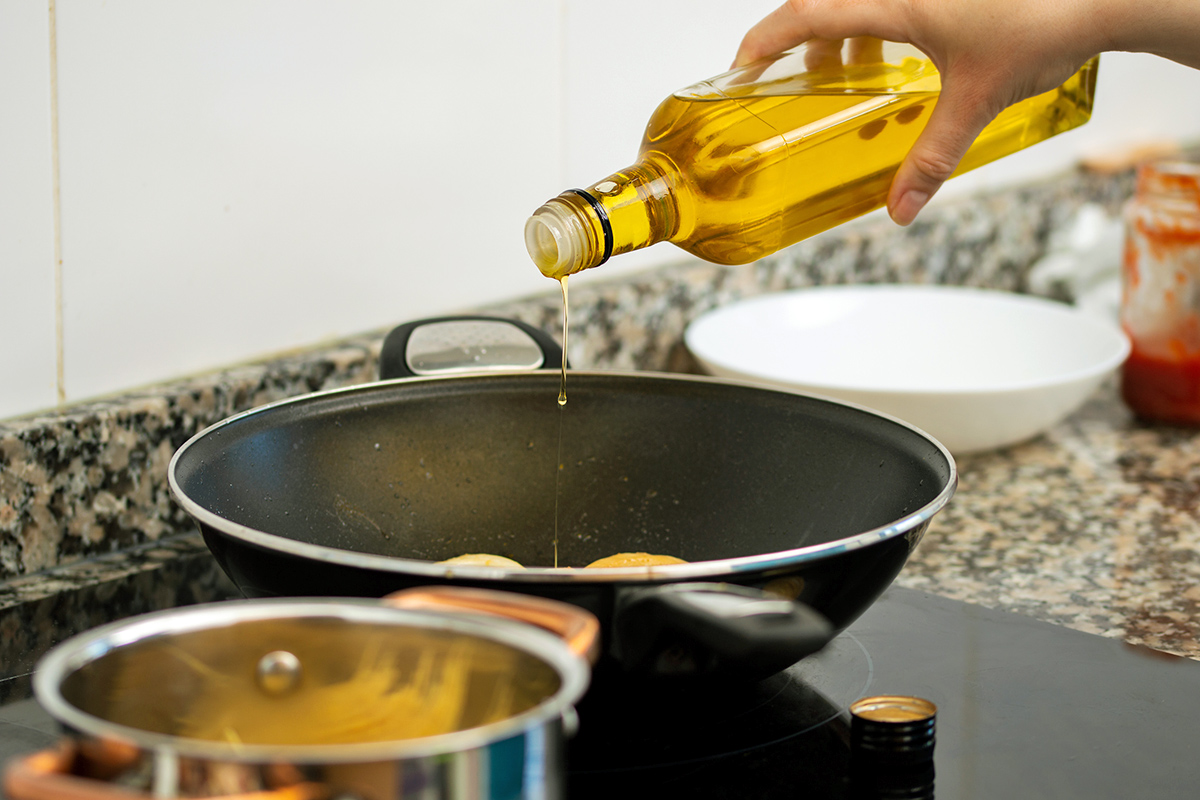
Is there anything more frustrating than being snapped out of your cooking groove by scalding, splattering oil? Not only is it messy and annoying to clean up — how did those droplets end up on the ceiling? — but it can also be painful and potentially dangerous when hot oil makes contact with skin.

All featured products and deals are selected independently and objectively by the author. House Outlook may receive a share of sales via affiliate links in content.

Is there anything more frustrating than being snapped out of your cooking groove by scalding, splattering oil? Not only is it messy and annoying to clean up — how did those droplets end up on the ceiling? — but it can also be painful and potentially dangerous when hot oil makes contact with skin.

Why Does Oil Splatter?

Oil actually won’t splatter on its own. Splattering happens because oil and water famously don’t mix. Water molecules are more attracted to each other than they are to oil, which causes the two to separate. As the water is heated, it turns into steam, which has a significantly larger volume than its liquid form. This sudden expansion forcefully displaces the oil. The cooking oil has to go somewhere, and that somewhere is everywhere.

Dry, Dry Again

Fortunately, there’s a simple step you can take to prevent oil splatter: Thoroughly dry your food before you add it to the pan. While it sounds basic, experienced cooks know how easy it is to skip this step when you’re in a hurry to get dinner on the table. Drying is especially crucial if you’re about to cook anything you’ve just rinsed, such as fresh vegetables. Simply pat your food down with paper towels or a clean kitchen towel, making sure no water droplets remain before it hits the oil.

And don’t forget about the tools — make sure your cookware is properly dried as well. If you’re using a spatula, spoon, or even a pan you’ve just washed, those leftover water droplets will contribute to the splatter.

Advertisement
Related: An Easy Way To Safely Discard Cooking Oil

Other Ways To Prevent Oil Splatter

Drying food before cooking is an important first step, but it works best when used in tandem with other anti-splatter measures. A fine mesh splatter screen can be a game changer for keeping your stove and countertops oil-free. Another overlooked tip is ensuring your pans are appropriate for what you’re cooking. The shallower the pan, the more splatter you’re going to get. Consider using a deep skillet with a lid for any oil-heavy cooking.

Advertisement
Advertisement
Cleaning 3m read
0

Want Shiny Stainless Steel? Reach for This Condiment

Are your stainless steel pots, pans, and flatware looking dull? It’s tricky to keep them truly “stainless” all the time, especially if they’re regularly exposed to water or food. And unfortunately, it’s easy to accidentally ruin stainless steel with the wrong cleaning methods or chemicals. But there’s a common household item that cleans stainless steel easily and safely, and you can find it in your refrigerator door: good old-fashioned ketchup.

All featured products and deals are selected independently and objectively by the author. House Outlook may receive a share of sales via affiliate links in content.

Are your stainless steel pots, pans, and flatware looking dull? It’s tricky to keep them truly “stainless” all the time, especially if they’re regularly exposed to water or food. And unfortunately, it’s easy to accidentally ruin stainless steel with the wrong cleaning methods or chemicals. But there’s a common household item that cleans stainless steel…

A Condiment for Your Chrome

It may sound strange, but here’s why this clever trick works: Ketchup contains vinegar and citric acid. Both ingredients are acidic (and you’ve likely used them to clean your home before). Ketchup is simply a convenient delivery system for the two, which are extra effective when they work together. This combination helps dissolve tarnish and restore shine to stainless steel objects that have lost their luster — think cookware, utensils, kitchen sinks, and handheld tools.

Related: 5 Cleaning Mistakes That Can Ruin Your Stainless Steel Appliances

Plus, the gel-like consistency of ketchup — coupled with the convenient squeeze bottle — makes it faster and easier to use than trying to combine vinegar and citric acid separately (though that will also work).

Here’s how to use ketchup to clean and shine your stainless steel: Apply an even layer and let it sit for about 30 minutes (or longer if possible). Wipe off the ketchup, rinse the stainless steel item thoroughly, and then dry it immediately to prevent water spots.

Advertisement

Tips and Cautions

It’s always a good idea to test any new cleaning solution on a small, hidden area of your item first. Apply a tiny amount of ketchup to an inconspicuous spot on your stainless steel item to make sure it looks good before proceeding.

Ketchup can be used to treat problem areas on stainless steel appliances, but avoid using it all over (who has the budget for all that ketchup, anyway?). Prolonged exposure to the acid can wear away the fingerprint-resistant coating — a common feature on many modern appliances. This is why spot-testing is essential.

Remember that ketchup also contains sugar and tomato, in addition to the vinegar and citric acid. Always wipe it off and rinse thoroughly to make sure no sticky residue is left behind.

As a bonus, you can also use ketchup to clean brass, copper, and silver. Use the same method: Apply the ketchup, let it sit, wipe it clean, rinse away the residue, and dry. For best results, let the ketchup sit for five to 10 minutes on silver, up to 30 minutes on copper, or anywhere from 15 minutes to an hour on brass.

Advertisement
Advertisement
Decorating 2m read
0

The Right Way To Position a Sectional, According to a Designer

A sectional sofa is one of the most versatile pieces of furniture you can invest in. Not only does a sectional provide plenty of legroom for lounging and ample seating for socializing, but it also anchors the entire room. Position it incorrectly, though, and it can throw everything off, making your space feel clunky, cramped, and primed for stubbed toes.

All featured products and deals are selected independently and objectively by the author. House Outlook may receive a share of sales via affiliate links in content.

A sectional sofa is one of the most versatile pieces of furniture you can invest in. Not only does a sectional provide plenty of legroom for lounging and ample seating for socializing, but it also anchors the entire room. Position it incorrectly, though, and it can throw everything off, making your space feel clunky, cramped,…

The trick is not in the size or fabric (though those elements are important, too) but in its orientation. No need to call in an extra set of hands to move the entire sofa; this hack is simple. With one designer-approved adjustment, your sectional will feel inviting and intentional.

Consider the Traffic Flow

When deciding how to position a sectional, interior stylist Vicki Witucki recommends understanding the foot traffic in your living room. In a recent TikTok, she explained that you should first identify the room’s natural traffic paths. Then, simply position the chaise on the opposite side of that main walkway.

Related: A Foolproof Formula for Perfectly Coordinated Sofa Pillows

This prevents the longer portion of your sofa from blocking movement, while also making the room feel open and welcoming as you walk in. Think of it like adjusting a Lego piece — it’s a small shift that creates a big impact. The results? Better flow and a seating arrangement that feels expansive instead of crowded.

Advertisement

Play With Symmetry

If your sectional is L-shaped, keep the space visually balanced by styling the opposite side of the chaise. Add wall art, drapery, or shelving in that area so the room feels grounded, not lopsided.

Bonus Hack: Float the Sofa Off the Wall

If you have the room, try pulling your sectional a few inches away from the wall. This simple move adds depth and gives you the option to tuck a slim console table or floor lamp behind the sofa. Stylish? Definitely. Functional? Even better.

Advertisement
Featured Image Credit:  Alex Tyson/ Unsplash | Updated  Oct 6, 2025 |
Megan McCarty
Writer
Megan McCarty is a Los Angeles-based writer who covers the fun stuff: design, travel, wellness, beauty, and fashion. She has written for publications including Domino, The Spruce, MyDomaine, Bustle, and Rue Magazine. Her life rules include, but are not limited to, zipper when merging, contribute to your IRA, and do the nice thing.
This article is for general informational purposes only.
Featured Image Credit:  Alex Tyson/ Unsplash | Updated  Oct 6, 2025 |
Advertisement
Cleaning 3m read
0

Make Your Porcelain Sink Look Brand-New

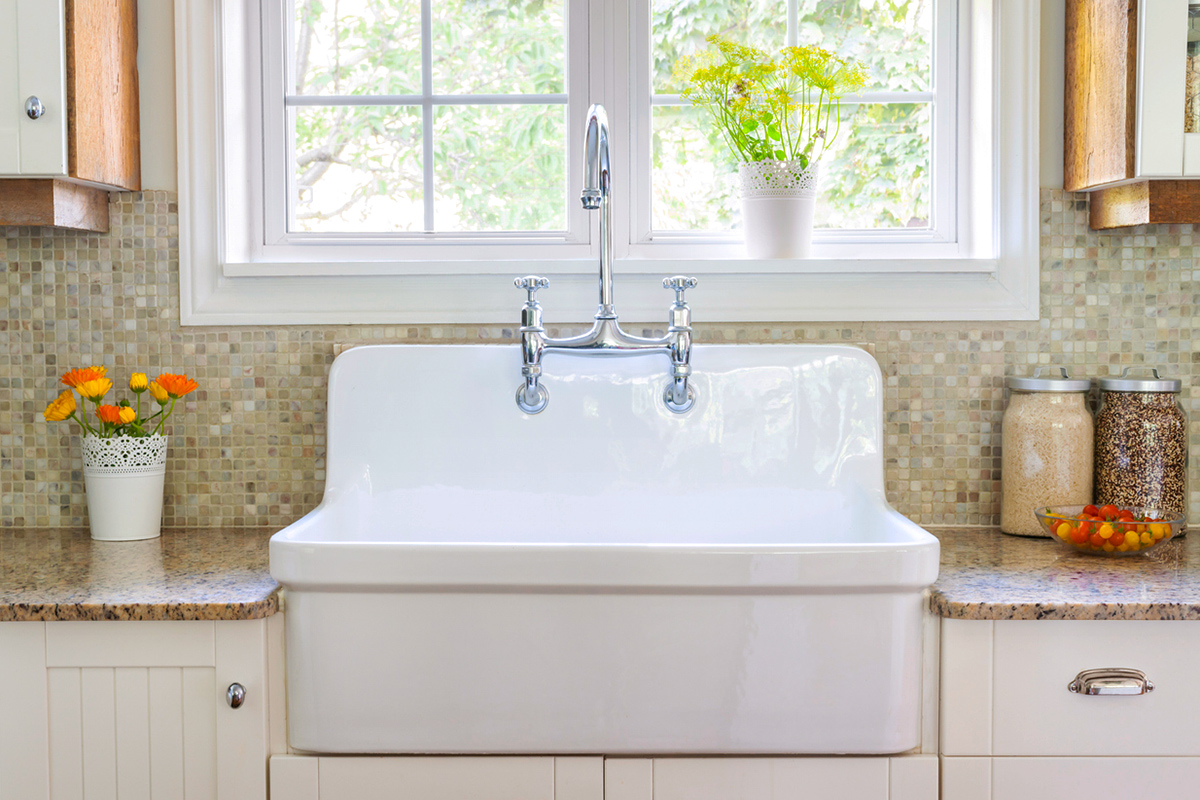
Is your porcelain sink looking a little lackluster? Like any surface, sinks can stain over time, but that doesn’t mean you have to live with the discoloration. There are a number of stain-removing products out there to keep kitchens and bathrooms looking their best, including the tried-and-true classic Bar Keepers Friend. But if you don’t have that on hand, or if you’re just after a low-cost, quick pick-me-up for your sink, you probably already have two items that can help.

All featured products and deals are selected independently and objectively by the author. House Outlook may receive a share of sales via affiliate links in content.

Is your porcelain sink looking a little lackluster? Like any surface, sinks can stain over time, but that doesn’t mean you have to live with the discoloration. There are a number of stain-removing products out there to keep kitchens and bathrooms looking their best, including the tried-and-true classic Bar Keepers Friend. But if you don’t…

How To Make a Sink Sparkle

If you’d like to brighten your sink’s surface in mere minutes, look no further than your kitchen pantry. Two everyday household ingredients pack a major punch when it comes to getting your sink in shape, and you can use them together or separately, depending on how stubborn your stains are.

Related: Garbage Disposal Cleaning Hacks That Actually Work

The first product is baking soda, which you likely have in the back of your fridge. You’ll only need enough to create a paste — a couple of tablespoons should be plenty. (The consistency should be thick and spreadable, similar to toothpaste or canned frosting.) To use it, simply mix the baking soda with a little water, dip a damp cloth or sponge into the paste, and buff it into your stains. This creates a natural exfoliant that’s gentle on porcelain surfaces, so you can repeat the process as needed.

Advertisement

If you have super stuck-on stains, you can also try using a bit of 3% hydrogen peroxide to lift them out. A 3-1 ratio of baking soda to hydrogen peroxide is best; you can omit water from the mixture if you thoroughly wet the sink before applying the paste. (Warning: Avoid applying hydrogen peroxide to any rust stains, as this will only make the problem worse.)

Why Does It Work?

So, how do these two humble household staples manage to clean porcelain sinks so well? It’s their natural bond-breaking abilities. Both baking soda and hydrogen peroxide fight stains by breaking down chemical bonds and compounds. Baking soda does this through its alkaline properties, while peroxide works by releasing oxygen.

Advertisement
Advertisement
Organizing 3m read
0

3 Clever Uses for Packing Cubes (Beyond Travel)

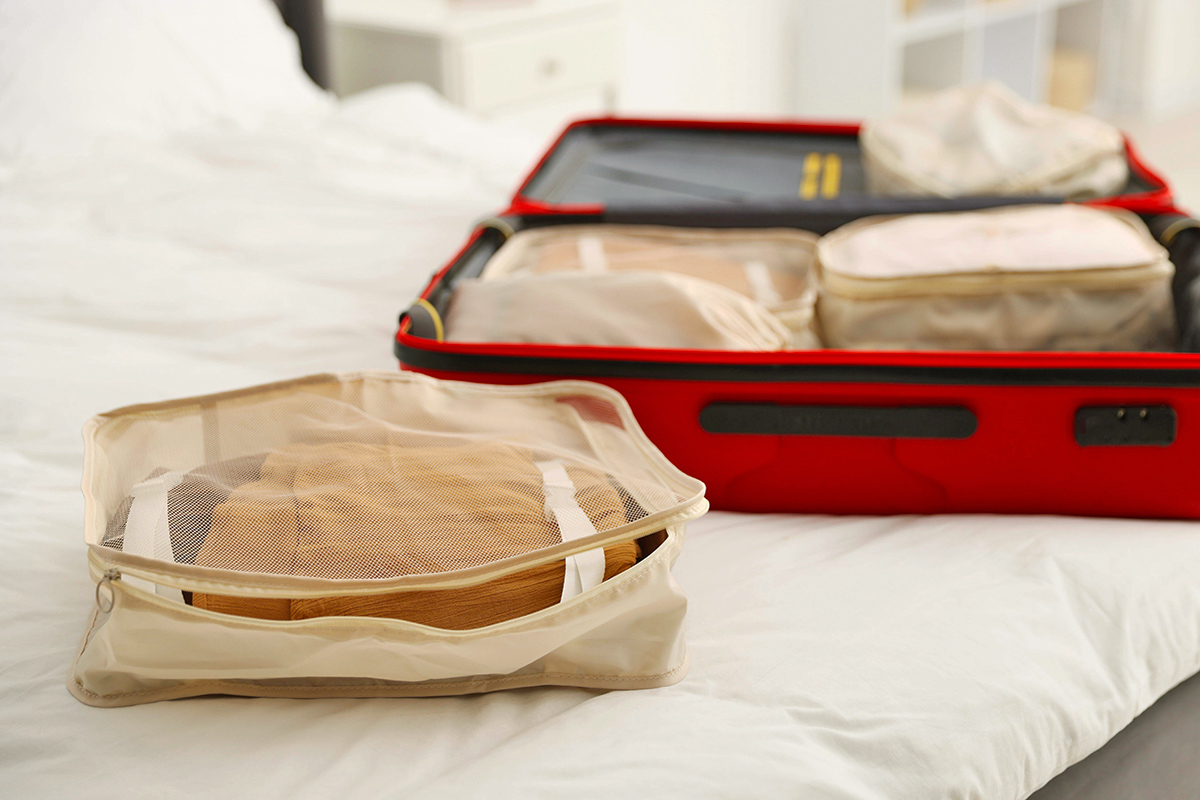
Packing cubes are a travel essential that can truly transform the way you pack. But organizing your carry-on isn’t the only thing they’re good for. When you’re not preparing for your next trip, you can still put packing cubes to use at home and in your daily life. Need some inspiration? Check out these packing cube hacks that will help you create storage and tame clutter beyond your suitcase.

All featured products and deals are selected independently and objectively by the author. House Outlook may receive a share of sales via affiliate links in content.

Packing cubes are a travel essential that can truly transform the way you pack. But organizing your carry-on isn’t the only thing they’re good for. When you’re not preparing for your next trip, you can still put packing cubes to use at home and in your daily life. Need some inspiration? Check out these packing…

Keep Sheet Sets Together

Even though we love a good mix-and-match moment, it’s best to keep sheet sets together, at least when you’re storing them. That way they don’t get separated and lost, and you won’t have to tear apart the house when you need a complete set. Packing cubes are a fantastic storage solution because they have ample space for one set, if not more. Don’t forget to label the cubes to make retrieval easier. Painter’s tape is removable and perfect for writing on with a permanent marker.

Related: The Best Amazon Finds for a Neat and Organized Closet

Store Off-Season Clothing

If packing cubes can keep your clothes in check in your carry-on, they can certainly do the same for your clothing at home. They’re particularly useful for storing off-season clothing, keeping your closet free of items you won’t wear. For bulkier winter wear, such as sweaters or coats, you can even use compression packing cubes to create more space in a storage bin.

Advertisement

Manage Cables and Electronics

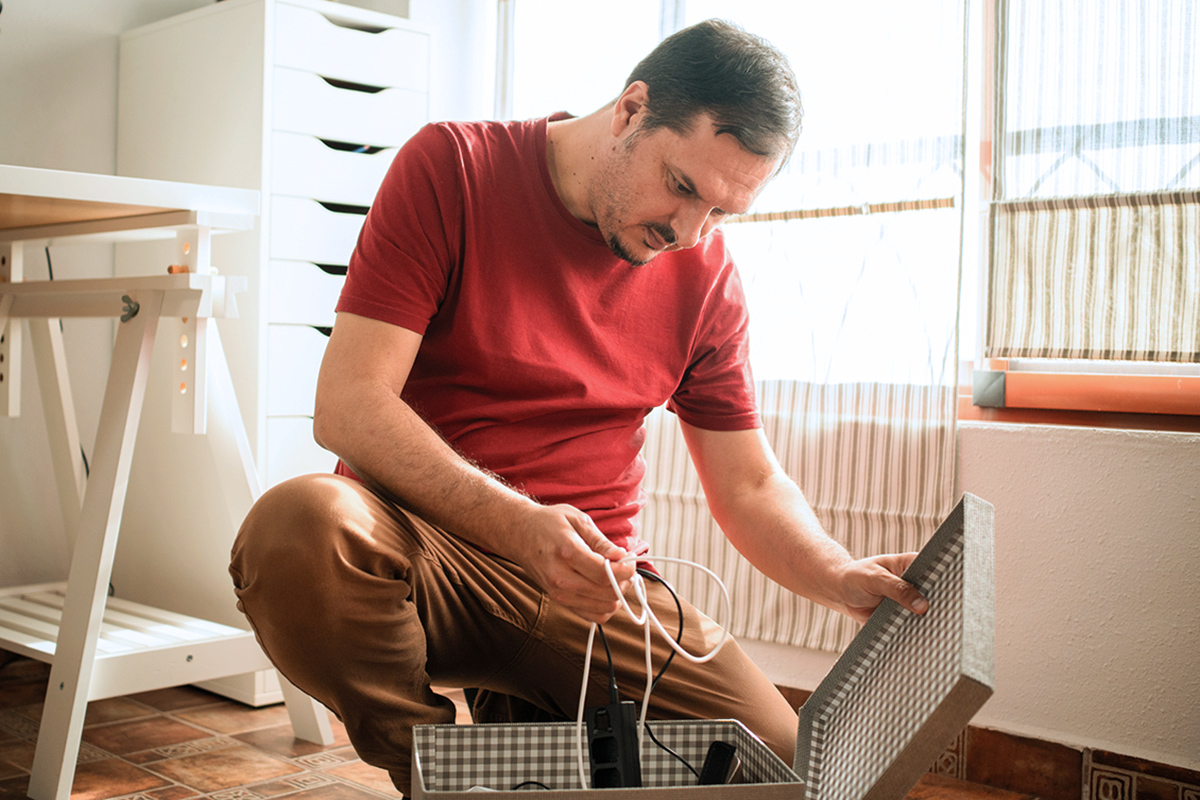
It’s almost too easy to lose your charging cables, cords, and small electronics accessories. Packing cubes are the perfect tool to keep them organized and in one place. You can even take this a step further and use a different packing cube for each type of electronic, such as one for your phone extras and another for laptop gear. Don’t forget the reusable cable ties to keep everything neat and tidy.

Bonus Hack: Organize Your Purse

If you’re switching bags often, chances are you’ve left an essential behind, whether it’s a pair of sunglasses or your favorite lip balm. All of that can be avoided by keeping your purse must-haves together in a smaller bag, such as a packing cube. That way, you can easily transfer everything you need from one bag to the next.

Advertisement
Advertisement
Home Improvement 3m read
0

The Unexpected Tool That Pulls Out Drywall Anchors in Seconds

Whether you enjoy a glass of red after a long day or regularly host dinner parties, you know a wine opener is an essential household accessory. But this commonplace object has a surprising secondary use that many DIYers may not be aware of. Here’s how to use a winged corkscrew to remove pesky wall anchors.

All featured products and deals are selected independently and objectively by the author. House Outlook may receive a share of sales via affiliate links in content.

Whether you enjoy a glass of red after a long day or regularly host dinner parties, you know a wine opener is an essential household accessory. But this commonplace object has a surprising secondary use that many DIYers may not be aware of. Here’s how to use a winged corkscrew to remove pesky wall anchors.

Just Screw It

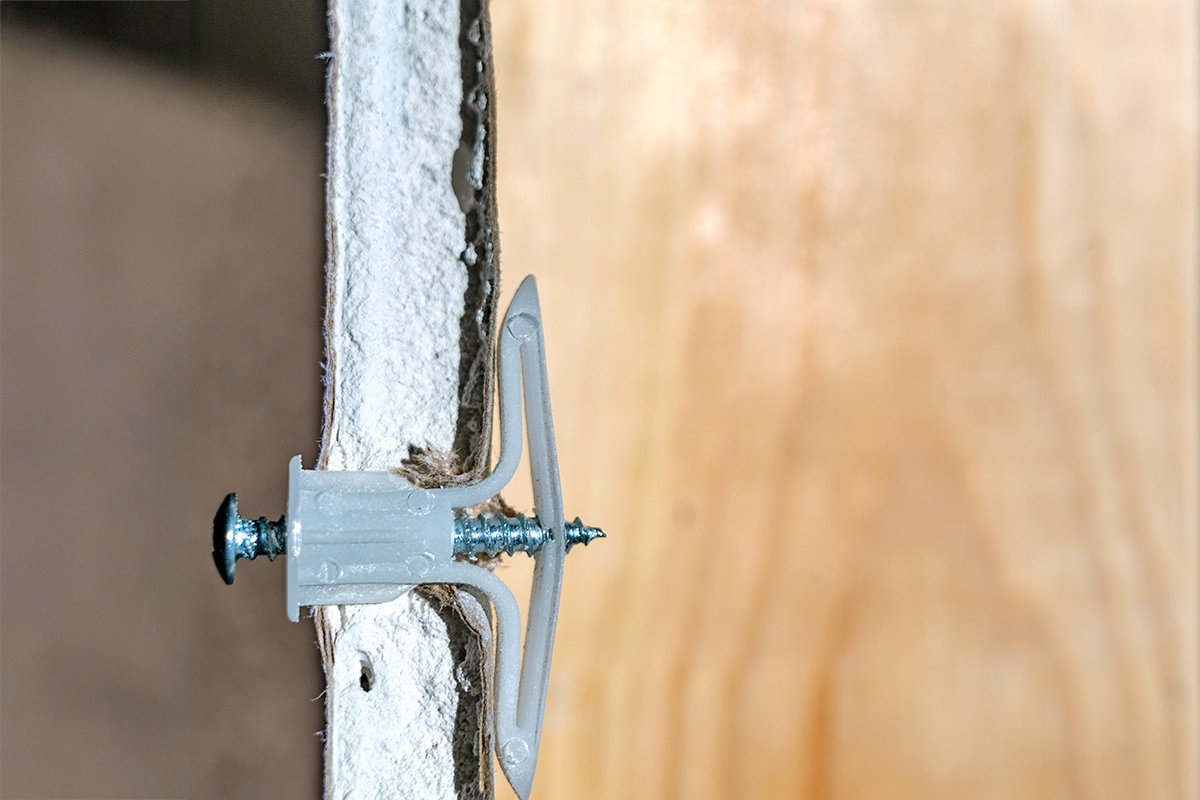
In order to pull this off, you’ll need a winged corkscrew — the kind with a sturdy metal spiral and a handle that’s easy to grip and turn. It’s also important to note that this trick only works for nonthreaded plastic wall anchors (aka those without spiral ridges); metal or threaded ones simply won’t budge.

With the wine opener in hand, firmly insert the tip of the corkscrew into the center hole of the plastic wall anchor. Twist the corkscrew clockwise, just as you would to open a bottle of wine. Keep twisting until you feel resistance, then gently pull the corkscrew straight back toward you. You may need to wiggle it a bit, but applying a little elbow grease should cause the wall anchor to slide right out.

A wine opener is useless on metal wall anchors since it can’t penetrate the metal. Instead, drive a screw halfway into the anchor. Then, using a pair of pliers, grip the screw head and pull until the metal anchor pops out. Once it’s removed, you can repair the wall by pressing any excess drywall back into the hole, sanding it until smooth, and finally, applying spackle and paint.

Advertisement

More Ways To Use a Wine Opener

Got a pesky knot that just won’t come undone? Take the corkscrew and insert the tip into the center of the knot. Twist it several times until the knot loosens enough for you to undo the rest by hand.

Related: How To Keep Leftover Wine Fresh for Days

Have a nearly finished candle with an inch or two of wax remaining? Pop the candle in the freezer for at least 30 minutes to give the wax time to harden and shrink. Then, screw a corkscrew into the wax until you have a firm grip, and use the lever arms to gently pull it out, allowing you to reuse the vessel.

Advertisement
Featured Image Credit:  Lost_in_the_Midwest/ Adobe Stock | Updated  Oct 6, 2025 |
Bennett Kleinman
Staff Writer
Bennett Kleinman is a New York City-based staff writer for Inbox Studio, covering topics for several brands including House Outlook and Better Report. He previously contributed to television programs such as "Late Show With David Letterman" and "Impractical Jokers," and digital publications like The Onion. Bennett is also a devoted New York Yankees and New Jersey Devils fan, and thinks plain seltzer is the best drink ever invented.
This article is for general informational purposes only.
Featured Image Credit:  Lost_in_the_Midwest/ Adobe Stock | Updated  Oct 6, 2025 |
Advertisement
Gardening 3m read
0

A Free Way To Supercharge Your Plant’s Growth

Some houseplants become popular because of their natural beauty or their ability to act as a design element. But for others, that popularity is driven by a more pragmatic calculation. Consider pothos, for example. We’ve previously recommended it as one of the best houseplants for beginners, for low-light spaces, and for growing in water. In addition to all of those positives, it may have one more: helping your other plants root and grow.

All featured products and deals are selected independently and objectively by the author. House Outlook may receive a share of sales via affiliate links in content.

Some houseplants become popular because of their natural beauty or their ability to act as a design element. But for others, that popularity is driven by a more pragmatic calculation. Consider pothos, for example. We’ve previously recommended it as one of the best houseplants for beginners, for low-light spaces, and for growing in water. In…

Why Pothos Is an Ideal Companion Plant for Cuttings

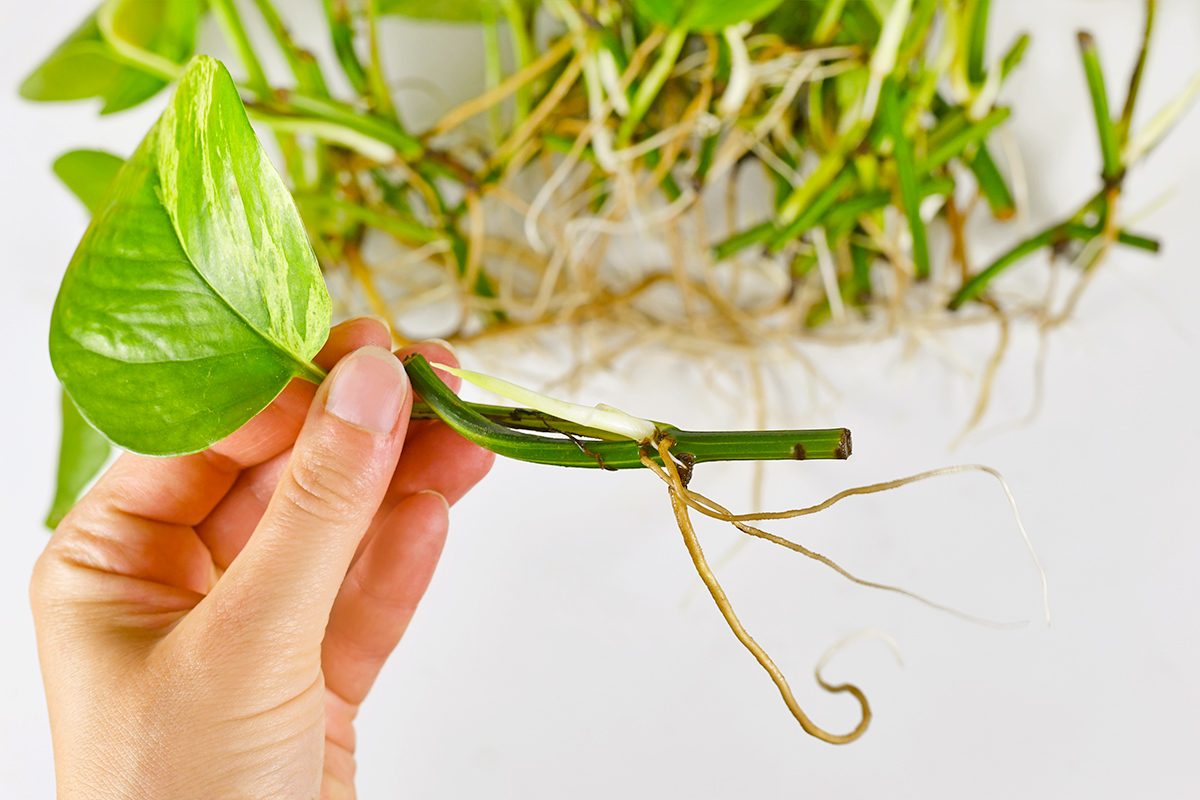
Part of the reason why pothos grows and propagates so readily from cuttings is that it produces high levels of a plant hormone called auxin. If you’ve ever used rooting hormone, you’ve handled auxin in its commercially-produced synthetic form. It’s an incredibly important hormone for most plants, dictating much of its growth beyond just root production. (Here’s a scientific paper that gives an auxin overview, if you want to geek out on it.)

Related: Stop Your Plants From Leaning With This Free Fix

Pothos is loaded with auxin, which is key to its resilience against inadequate light, erratic watering, and all the other challenges it faces as a beginner’s houseplant. If you’re growing plants in water, this gives you the opportunity to indulge in a bit of companion planting. This is a technique of pairing plants together to gain an advantage, such as the Three Sisters planting method of matching beans (a nitrogen producer that needs something to climb) with corn (a heavy feeder with a long, sturdy stem) and squash (which provides ground cover to retain moisture and deter weeds).

Advertisement

Leveraging Pothos With Other Houseplants

If you’re propagating cuttings from a plant that doesn’t root as readily as pothos, there are a couple of ways you can take advantage. If you’re rooting them in water, you can simply pop a pothos cutting into the same container. As they share the water, the second plant benefits from any auxin that leaches out from the pothos. If you have a pothos that grows in water full-time, you’ll need to change the water periodically to keep it fresh. You can then use that water to hydrate plants you’re growing in soil, giving them the same benefit.

Will this provide the same boost as commercial rooting hormone? No, because that’s a much more concentrated source of auxin. But a pothos cutting is essentially free once you own the plant, and it’s a zero-fuss option as well.

Advertisement
Featured Image Credit:  Firn/ iStock | Updated  Oct 6, 2025 |
Fred Decker
Writer
Fred Decker is a trained chef and former restaurateur. Since closing his restaurants over a decade ago he has been a prolific freelance writer, publishing several thousand articles on dozens of high-volume websites including Taste Of Home, Hunker, Tasting Table, Week&, eHow, and GOBankingRates. He lives on a rural acreage shared with a big garden, chickens, rabbits, and grandkids.
This article is for general informational purposes only.
Featured Image Credit:  Firn/ iStock | Updated  Oct 6, 2025 |
Advertisement
Food & Drink 2m read
0

How To Slice Crusty Bread Without Crushing It

The expression “the greatest thing since sliced bread” sounds like a cliché — that is, until you attempt to slice a loaf of fresh, crusty bread yourself. Only then do you realize how difficult the task actually is, at least without smashing the bread beyond recognition. You can see why anyone who had to make sandwiches for their family every day would fall to their knees in gratitude when sliced bread was introduced.

All featured products and deals are selected independently and objectively by the author. House Outlook may receive a share of sales via affiliate links in content.

The expression “the greatest thing since sliced bread” sounds like a cliché — that is, until you attempt to slice a loaf of fresh, crusty bread yourself. Only then do you realize how difficult the task actually is, at least without smashing the bread beyond recognition. You can see why anyone who had to make…

A Bread-er Way To Slice

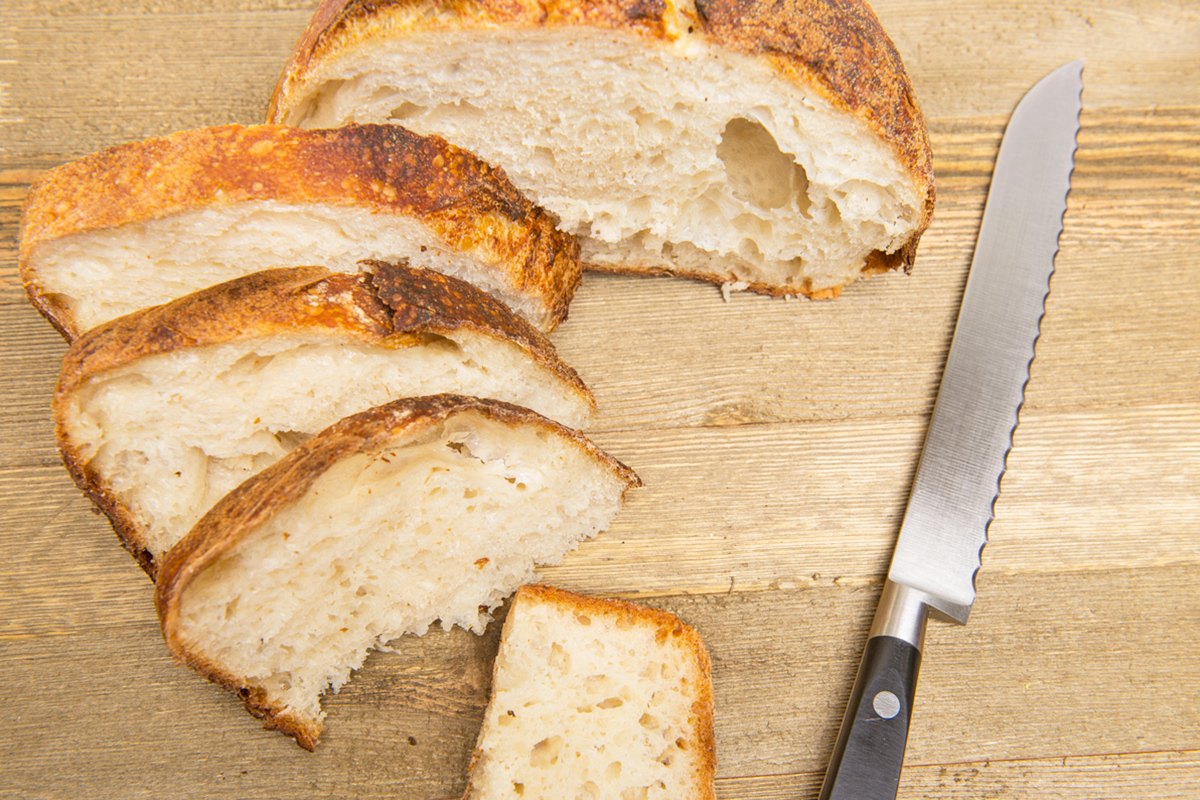
So, how do you slice a loaf of crusty bread without crushing it? The answer is both simple and unexpected: Turn the loaf upside down before cutting it.

This works because the bottom of the loaf is tougher than the top. When you slice through the denser bottom first, you don’t need to press as hard with the knife. The firm, stable base supports the loaf, making slicing easier and minimizing crushing to the soft, airy top. It’s also recommended to saw the bread gently instead of forcing the knife straight down.

Related: This 2-Step Method for Reviving Stale Bread Works Like a Charm

Tips and Cautions

Of course, with countless types of bread in this world, the upside-down loaf hack won’t apply to all of them. It works best for softer varieties, such as a French loaf or a ciabatta. Other types, especially those with harder bottoms, will require different techniques. For example, the best method for cutting a baguette is to slice it at a 45-degree angle.

Advertisement

The right tools are also crucial here. To properly cut any bread, you need a good-quality serrated bread knife. Using any other type of knife will likely leave your poor loaf smashed no matter what you try.

If you’re left-handed, you might face an additional hurdle: Most bread knives are designed for right-handed people (as are so many other things). If your slices never turn out quite right, this may be the reason. The good news is that you can buy bread knives designed specifically for left-handed users.

Advertisement
Advertisement
Home Improvement 2m read
0

Why You Should Rub Wax Paper on Your Closet Rod

As if sifting through your closet to pick an outfit for the day wasn’t already a whole production, minor annoyances always seem to pop up to make the task even worse. An overstuffed closet that’s long overdue for decluttering is bad enough, but that scraping sound as your hanger moves over the clothing rod — plus the hangers constantly getting stuck and caught — can really take the cake. Thankfully, you don’t have to live with that grating sound forever, and all you need is a little wax paper to fix it.

All featured products and deals are selected independently and objectively by the author. House Outlook may receive a share of sales via affiliate links in content.

As if sifting through your closet to pick an outfit for the day wasn’t already a whole production, minor annoyances always seem to pop up to make the task even worse. An overstuffed closet that’s long overdue for decluttering is bad enough, but that scraping sound as your hanger moves over the clothing rod —…

How To Stop the Squeak

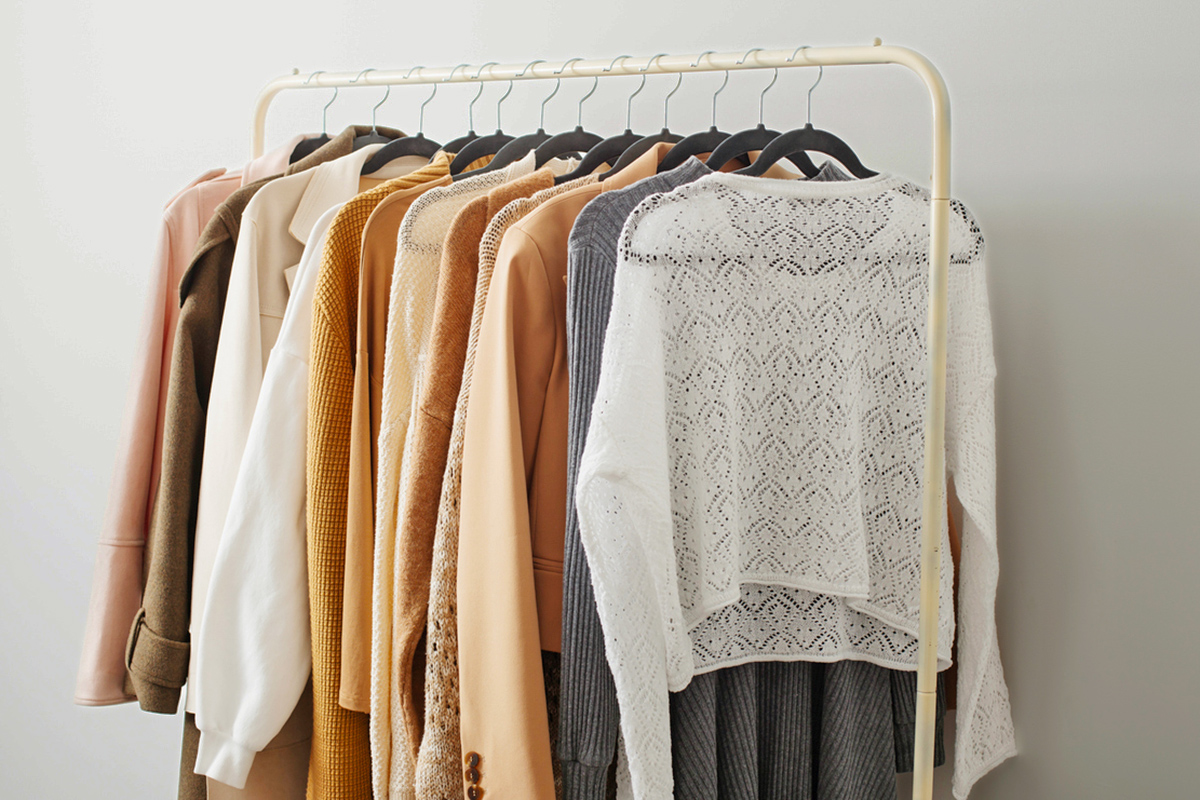
It turns out, rubbing a sheet of wax paper directly on a clothing rod — whether it’s metal, wood, or plastic — can help hangers glide more smoothly, ultimately getting rid of that terrible scraping noise. Simply rub the wax paper back and forth several times along the rod, focusing on the top and sides where the hangers make contact. When this waxy residue transfers to the clothing rod, it creates a nice, slick surface that reduces friction and allows hangers to move with ease.

Related: This Hack Doubles Your Closet Space Instantly

This hack is so effective that retail pros use it in clothing stores. And if it works for retailers across the country, it will certainly work for your closet. 

Advertisement

Make Your Shower Curtain Hooks Glide

Wax paper is not only a lifesaver for your closet, but also comes in handy in your bathroom. That harsh scraping sound you hear with your shower curtain hooks on the rod is similar to the noise made by clothes hangers. Luckily, the fix is exactly the same: Just rub a piece of wax paper on the shower rod as you did in your closet, and you’ll have a scrape-free shower experience within seconds.

The wax paper method is quick and easy, and also uses a kitchen essential you probably already own. If not, it costs only a few bucks to make your closet quieter and much easier to use.

Advertisement