6 Cleaning Products That Could Be Putting Your Pet in Danger

The Best Matchstick Alternative Is Hiding in Your Pantry
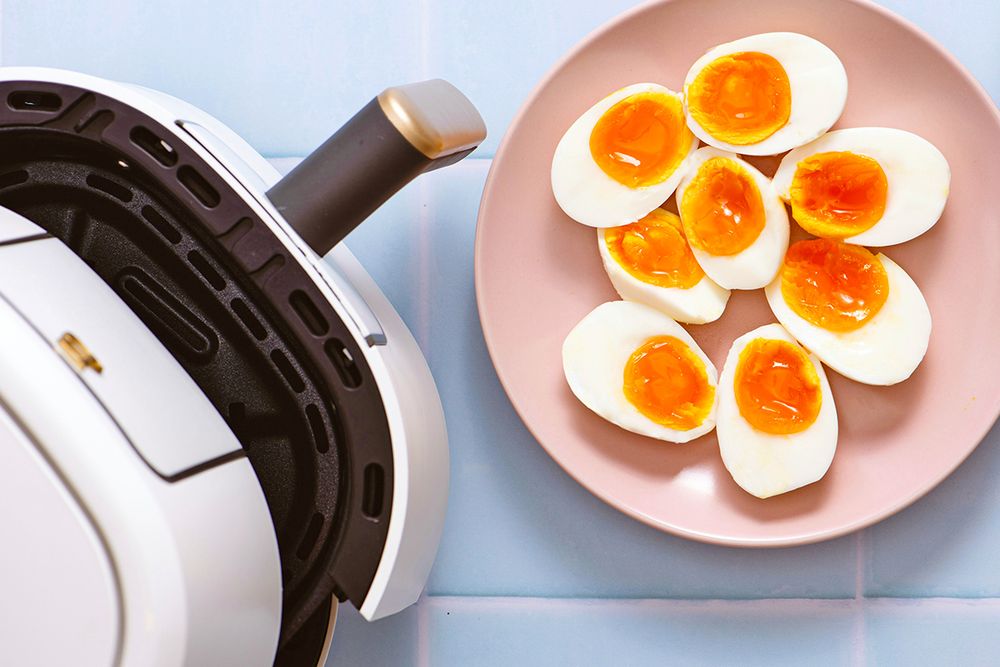
15 Things You Didn’t Realize You Could Cook in Your Air Fryer

You’re Watering Your Garden Wrong (and Wasting Water)
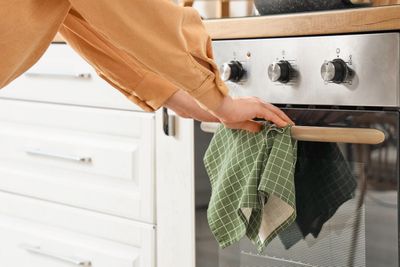
The Dollar Bill Test Your Oven Is Probably Failing

11 Things in Your Home That Could Be Worth Real Money

Food & Drink
15 Things You Didn’t Realize You Could Cook in Your Air Fryer
Many home cooks relegate the air fryer to heating up foods like French fries and chicken wings — but it’s capable of so much more.
READ MORE



Add House Outlook to your inbox
We’re on a mission to make your home a better place to live. House Outlook’s daily newsletter is filled with expert advice to help you organize, clean, and improve the place you call home.
Please enter valid email.
By clicking “Subscribe” you are agreeing to the brand’s Privacy policy and Terms of use.

TOP ARTICLES

Cleaning
The Best Stain Remover Is in Your Bathroom Cabinet
There’s no headache like the one caused by a stubborn stain on your favorite T-shirt. Stains are frustrating not only because most<em> </em>of them refuse to budge, but also because they require spe...
Jun 30, 2026

Cleaning
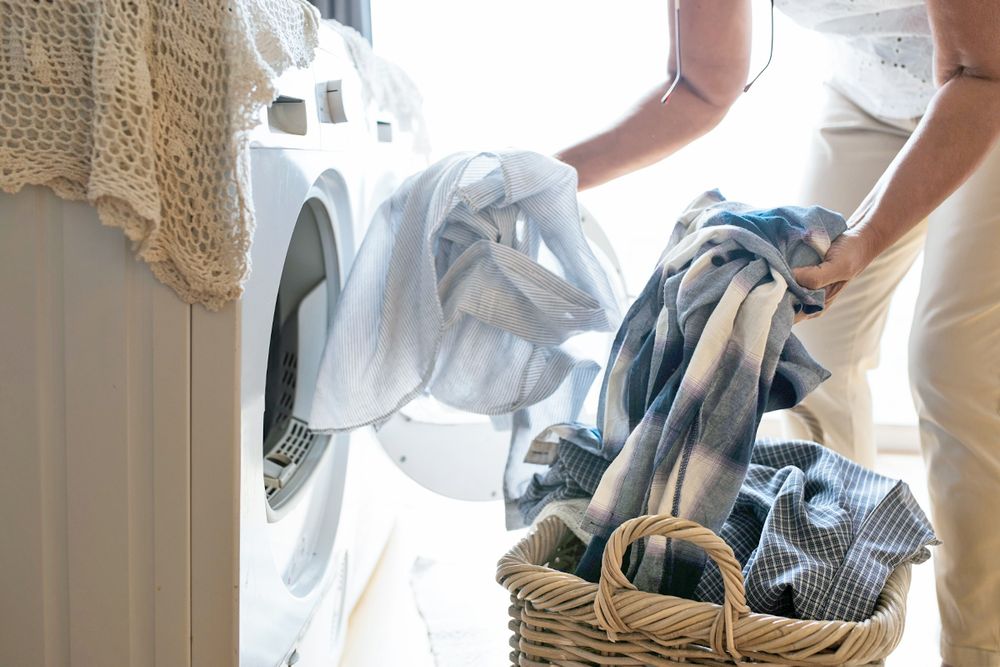
The Hygiene Mistake You’re Making With Socks and Underwear
Socks and underwear are among the dirtiest clothes we wear. The sweat and bacteria that build up on them throughout the day necessitate a deep clean after every wear. But too many of us wash these gar...
Jun 22, 2026

Cleaning
The Overlooked Reason Your Home Is Always Dusty
While many of us are quick to welcome cats and dogs into our homes, there are certain creatures no homeowner wants to deal with. This list typically includes mice (not including pets), cockroaches, an...
Jun 22, 2026

Cleaning
The 5-Second Fix for a Fresher-Smelling Trash Can
Of all the chores required to keep a household running smoothly, maintaining an odor-free trash can might be the trickiest. Keeping a trash can indoors is generally unavoidable, and so is throwing awa...
Jun 9, 2026

Food & Drink
The Oven Rack Position Nobody Uses (But Should)
All home ovens have a few things in common, whether they run on gas or electricity: They feature multiple rack positions, include two or three racks, and have notoriously shaky <a href="https://houseo...
Jun 9, 2026

Food & Drink
How To Double the Shelf Life of Your Cucumbers
When the weather is hot, cucumbers are an excellent way to cool down. You can slice them up and put them in your water, marinate them in soy sauce and rice vinegar for a smashed salad, or blend them i...
Jun 2, 2026