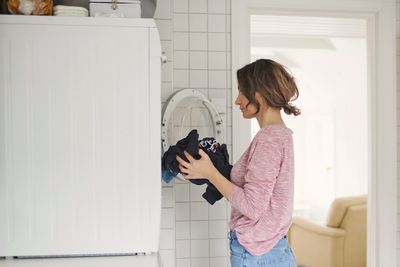
The Laundry Mistake That Makes Stains Permanent

The Front Door Paint Colors Designers Choose for Maximum Curb Appeal

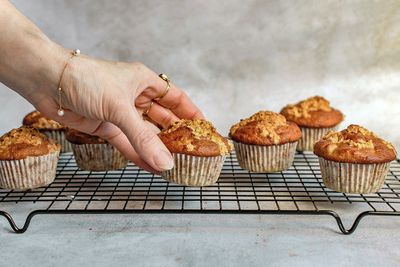
The Secret Ingredient for Potluck-Winning Potato Salad

9 Things That Are Ruining Your Lawn

Never Do These 7 Things During a Thunderstorm
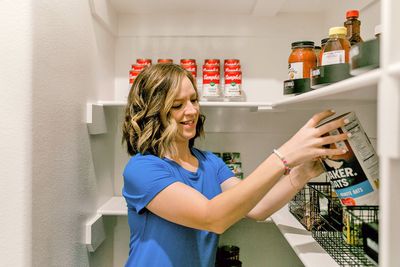
Organize Your Pantry Like a Grocery Store To Save Space


Decorating
The Front Door Paint Colors Designers Choose for Maximum Curb Appeal
From soothing blues to a pack-a-punch pink, these are the shades that guarantee a memorable entrance.
READ MORE





Add House Outlook to your inbox
We’re on a mission to make your home a better place to live. House Outlook’s daily newsletter is filled with expert advice to help you organize, clean, and improve the place you call home.
Please enter valid email.
By clicking “Subscribe” you are agreeing to the brand’s Privacy policy and Terms of use.
TOP ARTICLES

Organizing
What Thrift Stores Wish You’d Stop Donating
Donating your gently used belongings to a thrift store is a win-win: You clear out clutter from your home while helping people in your community access affordable essentials. However, not everything s...
Jul 1, 2026

Food & Drink
Why Chefs Put Vinegar in Their Scrambled Eggs
Scrambled eggs are one of the most basic dishes imaginable, and one of the first things many of us learn how to cook. Preparing them is much easier than flipping an omelette, or trying to nail a perfe...
Jun 30, 2026

Cleaning
The Best Stain Remover Is in Your Bathroom Cabinet
There’s no headache like the one caused by a stubborn stain on your favorite T-shirt. Stains are frustrating not only because most<em> </em>of them refuse to budge, but also because they require spe...
Jun 30, 2026

Food & Drink
The 5-Second Step You’re Skipping for a Restaurant-Quality Steak
A good steak, cooked just right, is a wonderful thing. Whether you prefer classic cuts such as ribeye, sirloin, or strip steak, or something trendy like skirt steak or picanha, it’s all mouthwaterin...
Jun 30, 2026

Cleaning
The Hygiene Mistake You’re Making With Socks and Underwear
Socks and underwear are among the dirtiest clothes we wear. The sweat and bacteria that build up on them throughout the day necessitate a deep clean after every wear. But too many of us wash these gar...
Jun 22, 2026

Cleaning
The Overlooked Reason Your Home Is Always Dusty
While many of us are quick to welcome cats and dogs into our homes, there are certain creatures no homeowner wants to deal with. This list typically includes mice (not including pets), cockroaches, an...
Jun 22, 2026