Advertisement
Food & Drink 2m read
12,980

The Safest Way To Grate Vegetables

Grating vegetables is essential for making recipes such as carrot cake or hash browns, but it’s important to be careful while shredding. All it takes is one wrong move for the sharp blades to cut your fingers — and nothing ruins a bowl of veggies faster than a few drops of blood. The risk grows as the vegetable whittles down to a nub and your fingers get closer to the grater. So, how can you protect yourself from injury?

All featured products and deals are selected independently and objectively by the author. House Outlook may receive a share of sales via affiliate links in content.

Grating vegetables is essential for making recipes such as carrot cake or hash browns, but it’s important to be careful while shredding. All it takes is one wrong move for the sharp blades to cut your fingers — and nothing ruins a bowl of veggies faster than a few drops of blood. The risk grows as…

The solution is quite simple, and it requires only a standard fork used in a somewhat creative way. Here’s a trick to protect your fingertips from cuts while grating with ease.

Related: You’re Grating Cheese All Wrong

Stick a Fork in It

Whether it’s a carrot, zucchini, potato, or any other vegetable you have on hand, stick a fork directly into one end. For this hack, it’s best to position the veggie so it runs lengthwise, parallel to the utensil rather than perpendicular. Be sure that the tines are deep enough to hold the vegetable firm, but not so deep that you risk hitting the utensil against the grater before the task is finished.

Advertisement

Grab the fork handle and vigorously rub the vegetable against the grater in an up-and-down motion. Once one side of the vegetable wears down near the tines, twist the fork handle in your hand to rotate the vegetable and grate the remaining sides. (There’s no need to remove or reposition the utensil while you shred.) Repeat until the vegetable is thoroughly whittled down and you’re left with a negligible hunk that you can compost.

Since you’ll hold the fork handle the entire time, your fingers will never get close enough to the blades to worry about accidental cuts. You can also use this hack to avoid injury when slicing veggies with a mandolin — an extremely sharp tool that’s dangerous if used improperly. In either case, the fork provides valuable distance between your fingers and the blades. For an added layer of protection, consider wearing cut-resistant gloves while prepping your meal.

Advertisement
Featured Image Credit:  © DebbiSmirnoff/iStock | Updated  Apr 7, 2026 |
Bennett Kleinman
Staff Writer
Bennett Kleinman is a New York City-based staff writer for Inbox Studio, covering topics for several brands including House Outlook and Better Report. He previously contributed to television programs such as "Late Show With David Letterman" and "Impractical Jokers," and digital publications like The Onion. Bennett is also a devoted New York Yankees and New Jersey Devils fan, and thinks plain seltzer is the best drink ever invented.
This article is for general informational purposes only.
Featured Image Credit:  © DebbiSmirnoff/iStock | Updated  Apr 7, 2026 |
Advertisement
Home Improvement 2m read
37,125

The Surprising Reason To Run an Empty Dryer

Imagine spending hours deep-cleaning the dryer, only to find you’re still dealing with pesky lint. The truth is that even if you disconnect the device, vacuum all its tubes and vents, and put it back in place, lint may be hiding in places you don’t even know about. But don’t panic — there’s a simple solution that takes only 15 minutes of your time. Before you start your next load, here’s why you should run a cycle with the drum completely empty.

All featured products and deals are selected independently and objectively by the author. House Outlook may receive a share of sales via affiliate links in content.

Imagine spending hours deep-cleaning the dryer, only to find you’re still dealing with pesky lint. The truth is that even if you disconnect the device, vacuum all its tubes and vents, and put it back in place, lint may be hiding in places you don’t even know about. But don’t panic — there’s a simple…

An Empty Cycle With Fulfilling Results

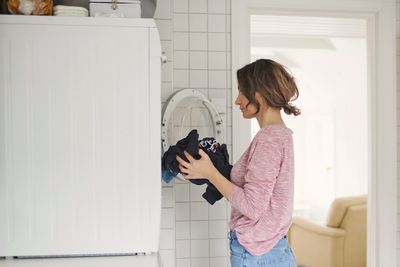
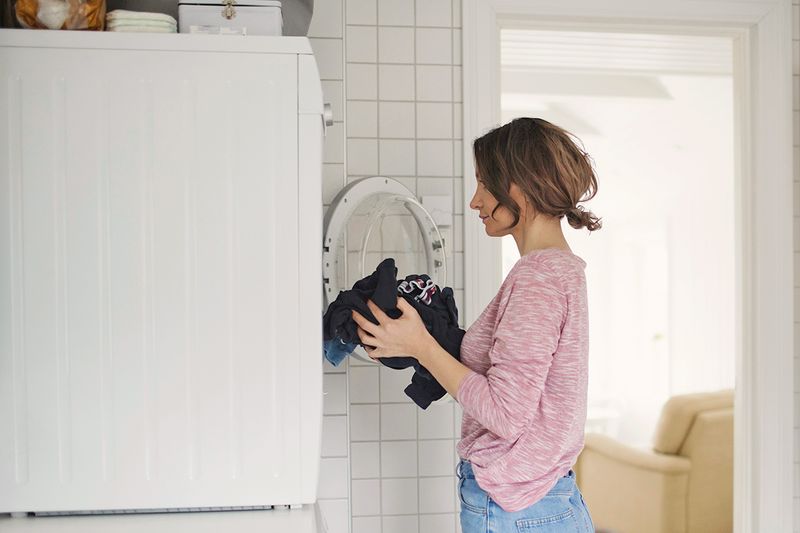
This hack works best after a deep clean has removed the bulk of the dust and lint. Once the dryer is back in place, run one empty load. Let the appliance run for 10 to 15 minutes on a “cool” or “air-only” setting. This process captures any loose dust you might have missed. When the cycle ends, simply wipe the lint trap clean.

Related: The Common Laundry Habit That’s Ruining Your Towels

We recommend doing this after every deep clean, which should be performed every six to 12 months to keep the unit in top condition and reduce potential fire risks.

Advertisement

General Tips for Lint Mitigation

You’re probably wondering if there’s a way to keep lint levels low between deep cleans. Lint can build up significantly in just six months, so staying on top of maintenance is key.

The best habit is to clear the lint trap before and after every load. You can do this by hand, with a dry cloth, a soft brush, or even a vacuum. Speaking of vacuums: Be sure to suction out the slot where the lint trap slides in, as lint often gets trapped inside. You can also use a long, flexible brush for this task.

Finally, give the lint trap a deep clean every month. Use a bit of dish soap, warm water, and a soft brush to rid the mesh screen of any residue. Once the trap is completely dry, reinsert it and continue your laundry routine as usual.

Advertisement
Featured Image Credit:  Elmar Gubisch/iStock | Updated  Apr 7, 2026 |
Bennett Kleinman
Staff Writer
Bennett Kleinman is a New York City-based staff writer for Inbox Studio, covering topics for several brands including House Outlook and Better Report. He previously contributed to television programs such as "Late Show With David Letterman" and "Impractical Jokers," and digital publications like The Onion. Bennett is also a devoted New York Yankees and New Jersey Devils fan, and thinks plain seltzer is the best drink ever invented.
This article is for general informational purposes only.
Featured Image Credit:  Elmar Gubisch/iStock | Updated  Apr 7, 2026 |
Advertisement
Cleaning 3m read
26,993

You Touch This Daily But Never Clean It

The fight against germs is a never-ending struggle. People sanitize their hands, disinfect countertops, and keep their distance from anyone who’s coughing or sneezing. But even the most hygiene-conscious individuals may miss potential problem areas, and we’re here to point out one glaring example.

All featured products and deals are selected independently and objectively by the author. House Outlook may receive a share of sales via affiliate links in content.

The fight against germs is a never-ending struggle. People sanitize their hands, disinfect countertops, and keep their distance from anyone who’s coughing or sneezing. But even the most hygiene-conscious individuals may miss potential problem areas, and we’re here to point out one glaring example.

Most of us touch this object every day, but if asked when we last cleaned it, we’d likely struggle to remember. Many have probably never cleaned it at all. Let’s take a closer look at this overlooked touchpoint and how to keep it clean.

The Keys to Cleanliness

You touch your keys several times a day — but you’re not the only one handling them. You might give your house keys to a family member or toss your car keys to a valet without a second thought. Through it all, those keys likely accumulate a host of germs, yet they often go unsanitized. And at the end of the day, the dirty keys sit on your countertop, where bacteria can freely spread.

Related: 10 Items Around the House That Are Way Dirtier Than You Think

Fortunately, this is an easy issue to reverse. You can keep your keys germ-free with minimal effort. All you need are two small bowls, liquid dish soap, an old toothbrush, and a clean cloth.

Advertisement

Before proceeding, remove any electronics or decorative items from the key ring to prevent water damage. Then fill two small bowls — one with warm water and a few drops of liquid dish soap, the other with plain water. Submerge the keys in the soapy solution and swirl them for a few seconds. Remove them and use the toothbrush to scrub away built-up dirt or grime, then rinse the keys in the bowl of clean water.

Now it’s time for the finishing touches. Dry the keys thoroughly to prevent rust; while most are made of rust-resistant brass or nickel-silver, this step also helps avoid water spots. Finally, apply isopropyl alcohol to a clean rag and wipe down the metal. This kills any remaining bacteria, leaving your keys sanitized and ready for use.

Advertisement
Featured Image Credit:  © blackCAT/iStock | Updated  Apr 7, 2026 |
Bennett Kleinman
Staff Writer
Bennett Kleinman is a New York City-based staff writer for Inbox Studio, covering topics for several brands including House Outlook and Better Report. He previously contributed to television programs such as "Late Show With David Letterman" and "Impractical Jokers," and digital publications like The Onion. Bennett is also a devoted New York Yankees and New Jersey Devils fan, and thinks plain seltzer is the best drink ever invented.
This article is for general informational purposes only.
Featured Image Credit:  © blackCAT/iStock | Updated  Apr 7, 2026 |
Advertisement
Food & Drink 3m read
34,282

Make Your Berries Last Twice as Long

While all fresh produce is perishable, some items are hardier than others. Root vegetables, such as rutabagas and carrots, can last quite a while, but salad greens and fresh berries are far more delicate. In fact, berries are among the most perishable items in the produce aisle. Seeing them spoil before you can finish them is a frustrating waste of both food and money.

While all fresh produce is perishable, some items are hardier than others. Root vegetables, such as rutabagas and carrots, can last quite a while, but salad greens and fresh berries are far more delicate. In fact, berries are among the most perishable items in the produce aisle. Seeing them spoil before you can finish them…

If you enjoy fresh berries — whether they’re home-picked, store-bought, or from the farmers market — you’ll be delighted to know there’s a simple trick that can double their storage life. 

The Berry-Saving Vinegar Soak

The key to making your berries last longer lies in giving them a quick bath as soon as you get home. Because berries are high in moisture and sugar, they’re — pardon the pun — ripe for mold, fungus, and spoilage bacteria. Rather than putting your haul directly into the fridge, take a few minutes to prep them for storage.

Related: 10 Chef-Approved Storage Hacks To Make Food Last Longer

First, pick through your berries and discard any that are moldy or deteriorating. Also be sure to eat or throw away any overripe fruit, as it can accelerate ripening in the rest of the batch. Next, mix together three parts cool water and one part distilled white vinegar in a bowl large enough to hold your berries. For firmer berries like strawberries and blueberries, submerge the berries and swish them gently, letting them sit for about five to 10 minutes. More delicate varieties, such as raspberries and blackberries, should be soaked for only 30 seconds to two minutes. When the time’s up, drain them in a colander and give them a quick rinse under cool running water.

Advertisement

Why This Hack Works

While rinsing most produce can actually shorten its lifespan, berries are a notable exception. A vinegar soak is a positive because the acidity kills bacteria, mold, and fungal spores. This not only makes the fruit safer to eat — berries, like salad greens, are occasionally subject to recalls — but it also eliminates the main culprits that threaten their storage life.

The few minutes you invest in soaking your berries can extend their refrigerator life to a week or more, roughly double what you’d ordinarily expect. It saves money, reduces food waste, and helps your grocery budget — not a bad exchange for a few minutes of your time.

Advertisement
Featured Image Credit:  © Global_Pics/iStock | Updated  Apr 7, 2026 |
Fred Decker
Writer
Fred Decker is a trained chef and former restaurateur. Since closing his restaurants over a decade ago he has been a prolific freelance writer, publishing several thousand articles on dozens of high-volume websites including Taste Of Home, Hunker, Tasting Table, Week&, eHow, and GOBankingRates. He lives on a rural acreage shared with a big garden, chickens, rabbits, and grandkids.
This article is for general informational purposes only.
Featured Image Credit:  © Global_Pics/iStock | Updated  Apr 7, 2026 |
Advertisement
Cleaning 2m read
12,406

Are You Using Your Scrub Daddy Correctly?

Many people consider Scrub Daddy sponges a household staple, largely due to the brand’s proprietary polymer foam. This material, called FlexTexture, is designed to be nonscratch and temperature-sensitive; it turns soft in warm water for light cleaning and remains firm in cold water for tough scrubbing. The foam is also odor-resistant, preventing that nasty “old sponge” smell. And while the smiley face design makes it hard to resist at the checkout counter, the Scrub Daddy provides more functionality than its adorable appearance suggests.

All featured products and deals are selected independently and objectively by the author. House Outlook may receive a share of sales via affiliate links in content.

Many people consider Scrub Daddy sponges a household staple, largely due to the brand’s proprietary polymer foam. This material, called FlexTexture, is designed to be nonscratch and temperature-sensitive; it turns soft in warm water for light cleaning and remains firm in cold water for tough scrubbing. The foam is also odor-resistant, preventing that nasty “old…

Smile, It’s Contagious (and Serves a Purpose)

There’s actually a point to the smiley face — and it isn’t just to make dish duty more enjoyable. The design is a functional feature: The eyes are ergonomic finger holes, allowing you to secure the sponge with your pointer and middle fingers to prevent hand cramping during deep cleans. These holes are also the perfect size for cleaning chopsticks, the outside of reusable straws, or digital meat thermometers.

Related: Disinfect Sponges Overnight With This Pantry Staple

The beaming smile also has a specific purpose. It’s designed to clean the fronts and backs of spoons, forks, and knives in a single swipe. It’s even wide enough to accommodate spatulas, serving spoons, and ice cream scoopers. And if your Scrub Daddy has spiky hair, use those edges to tackle grill grates, cupcake tins, and other nooks and crannies.

Advertisement

What About Scrub Mommy Sponges?

While the Scrub Daddy features the same texture on both sides, the Scrub Mommy is dual-sided. One side is FlexTexture, while the other is a softer material called ResoFoam. This spongy side is highly absorbent, making it useful for everyday cleaning tasks or washing delicate dinnerware. You can sanitize both the Scrub Daddy and Scrub Mommy on the top rack of a dishwasher.

Advertisement
Featured Image Credit:  © Rokas/stock.adobe.com | Updated  Apr 6, 2026 |
Jessie Quinn
Writer
Jessie Quinn is a Los Angeles-based lifestyle journalist with words published in PEOPLE, StyleCaster, Apartment Therapy, The Spruce, Byrdie, and more. She has a Bachelor's Degree in fashion journalism from Academy of Art University and her work spans across many categories, including style, beauty, home, health, crafts, and more.
This article is for general informational purposes only.
Featured Image Credit:  © Rokas/stock.adobe.com | Updated  Apr 6, 2026 |
Advertisement
Food & Drink 3m read
21,690

The Bathroom Essential That Belongs on Your Coffee Cart

What’s the best part of waking up? According to Folgers in the ’90s, it was a hot cup of coffee — and decades later, we couldn’t agree more. Whether you take it black or light and sweet, crafting a cup at home is quick and easy. However, if you’re craving something a little fancier, like perhaps a foamy café au lait, but you don’t have a milk frother at home, you might think you’re out of luck. Before you head out to your local coffee shop, try this genius hack using a common household item — one you likely have sitting right next to your sink.

All featured products and deals are selected independently and objectively by the author. House Outlook may receive a share of sales via affiliate links in content.

What’s the best part of waking up? According to Folgers in the ’90s, it was a hot cup of coffee — and decades later, we couldn’t agree more. Whether you take it black or light and sweet, crafting a cup at home is quick and easy. However, if you’re craving something a little fancier, like…

How To Hack a Free Frother

If you’re searching for a free or low-cost way to take your morning coffee from average to café quality, look no further than your kitchen sink. You can turn a basic foaming soap dispenser into a DIY milk frother in minutes.

Of course, you’ll need to deep-clean the soap dispenser before you fill it with milk. To prime the pump for service, first empty out the soap, then flush the container with hot water until the bubbles stop. Next, fill it with a mixture of hot water and a drop of dish soap; pump this through several times to clear away any lingering hand-soap oils. If the dispenser was filled with scented soap, follow up with a 1:1 mixture of hot water and distilled white vinegar. Let the solution sit inside the pump for 15 minutes before pumping it through. Then, unscrew the pump and soak it in a fresh vinegar and water bath (using the same 1:1 ratio) for about one hour. After a final rinse with plain hot water, you’re ready to froth.

Related: Why You Should Use a Tea Steeper for Baking

If you’re worried about an aftertaste, you can always invest in a brand-new foaming soap dispenser. We recommend these UUJOLY foaming soap dispensers, which are sold in a two-pack and have a 33-ounce capacity.

Advertisement

Why Does It Work?

Foaming soap pumps work well for this hack because they function exactly like a professional-grade milk frother. These pumps create a thick, foamy consistency by injecting air into foaming soap — which is more diluted than liquid hand soap — as it passes through a fine mesh screen. Milk frothers, such as the Subminimal NanoFoamer, do the same thing by whipping air into milk, resulting in a velvety texture. While this hack won’t produce steamed milk, it delivers a perfect dollop of foam to top or mix into your favorite morning blend.

Got Milk?

Wondering which dairy or plant-based milks work best in a soap-dispenser-turned-frother? Liquids that are too thick will clog the internal mesh screen, while those that are too thin will result in bubbles that pop instantly. To get a dense dollop of foam, use 2% or whole milk; for nondairy drinkers, a barista-blend oat milk or regular soy milk will do the trick.

Advertisement
Advertisement
Home Improvement 3m read
43,067

Your Oven’s Most Controversial Setting, Explained

Between bake, broil, warm, start, cancel, light, timer, clock, and so on, the average oven has nearly as many buttons as a computer keyboard. Thankfully, most features are self-explanatory, which makes operating the oven a breeze. Be careful, though: While one particular setting may seem harmless, it comes with trade-offs many people don’t realize. Instead of relying on it regularly, it may be worth using this function sparingly to avoid potential issues. Keep reading to find out which oven setting deserves a second look before you press start.

Between bake, broil, warm, start, cancel, light, timer, clock, and so on, the average oven has nearly as many buttons as a computer keyboard. Thankfully, most features are self-explanatory, which makes operating the oven a breeze. Be careful, though: While one particular setting may seem harmless, it comes with trade-offs many people don’t realize. Instead…

Can’t Stand the Heat

Ovens become greasy and dirty over time, whether from scattered pie crumbs or the juices that drip down while you’re roasting a turkey. When it’s time to clean, the last thing most people want to do is get on their hands and knees and scrub, which is why many use the oven’s self-clean feature instead. But while this setting is convenient, it isn’t always as simple — or as risk-free — as it seems.

Related: Clean Your Oven While You Sit on the Couch

The self-clean setting uses extreme heat to burn off residue and melt away grease. During this process, internal temperatures can reach 800 to 1,000 degrees Fahrenheit. This heat effectively turns food debris into ash, but it can also put added stress on critical components over time, including the control board, thermal fuses, heating elements, and temperature sensors. In some cases — particularly in older or heavily used ovens — this strain can lead to malfunctions or costly repairs.

Advertisement

Additionally, despite its name, the self-clean cycle doesn’t actually leave your oven spotless. It works by turning grime into ash, which still needs to be wiped away once the oven cools. As the residue burns off, the oven may also produce smoke or noxious odors. While associated health issues are uncommon, this feature should be used sparingly rather than routinely.

To reduce the risk of problems, manufacturers typically recommend removing oven racks, aluminum foil, and any cookware before starting the cycle. It’s also a good idea to wipe up any large spills beforehand and run the hood vent or open a window to ventilate the kitchen. Keep any heat-sensitive items away from the unit as well. Your oven’s self-cleaning feature should only be used every few months at most — overdoing it can shorten the appliance’s lifespan.

Advertisement
Featured Image Credit:  shine.graphics/stock.adobe.com | Updated  Mar 31, 2026 |
Bennett Kleinman
Staff Writer
Bennett Kleinman is a New York City-based staff writer for Inbox Studio, covering topics for several brands including House Outlook and Better Report. He previously contributed to television programs such as "Late Show With David Letterman" and "Impractical Jokers," and digital publications like The Onion. Bennett is also a devoted New York Yankees and New Jersey Devils fan, and thinks plain seltzer is the best drink ever invented.
This article is for general informational purposes only.
Featured Image Credit:  shine.graphics/stock.adobe.com | Updated  Mar 31, 2026 |
Advertisement
Cleaning 2m read
21,122

The Common Laundry Habit That’s Ruining Your Towels

Investing in high-quality, plush towels is a surefire way to elevate your shower routine to a five-star hotel experience. And popping them in the dryer before you step into the shower — or, you know, whenever you actually get around to the laundry — leaves your bathroom linens feeling exceptionally soft and fluffy. However, you might be making a grave mistake the moment you hit the “start” button.

All featured products and deals are selected independently and objectively by the author. House Outlook may receive a share of sales via affiliate links in content.

Investing in high-quality, plush towels is a surefire way to elevate your shower routine to a five-star hotel experience. And popping them in the dryer before you step into the shower — or, you know, whenever you actually get around to the laundry — leaves your bathroom linens feeling exceptionally soft and fluffy. However, you…

Before you panic, know that towels are perfectly dryer-safe, and a low-to-medium heat cycle actually helps preserve the fibers’ integrity. The trouble starts when you reach for a dryer sheet.

Why Dryer Sheets Are a No-No for Towels

Dryer sheets are coated with fabric softener that melts into your laundry as the dryer heats up. This process coats the fabric in a thin layer of residue to reduce static and improve softness. While this sounds great in theory, that buildup wreaks havoc on a towel’s absorbency, resulting in a linen that’s all fluff and no function.

Related: The Secret to Supersoft, Fluffy Towels

That transfer from the dryer sheet creates a hydrophobic barrier that prevents towel fibers from soaking up water — no matter how fluffy they look. Repeatedly exposing your linens to these sheets leads to a waxy buildup that reduces their efficacy with every load. It’s also worth noting that you shouldn’t use fabric softener in the wash, either, as the same issues can occur.

Advertisement

Tips To Keep Towels Plush

To get softer, fluffier towels without dryer sheets, use a low-to-medium heat cycle to prevent that stiff, crunchy texture. You can also toss in a few wool dryer balls; they’ll improve softness and cut down on drying time without interfering with your towels’ absorbency.

Advertisement
Featured Image Credit:  Julia/stock.adobe.com | Updated  Mar 31, 2026 |
Jessie Quinn
Writer
Jessie Quinn is a Los Angeles-based lifestyle journalist with words published in PEOPLE, StyleCaster, Apartment Therapy, The Spruce, Byrdie, and more. She has a Bachelor's Degree in fashion journalism from Academy of Art University and her work spans across many categories, including style, beauty, home, health, crafts, and more.
This article is for general informational purposes only.
Featured Image Credit:  Julia/stock.adobe.com | Updated  Mar 31, 2026 |
Advertisement
Gardening 3m read
16,575

Skip the Pesticides — Try Beer Instead

After a long day of gardening, you may feel the urge to reward yourself with a nice, cold beer. But that bottle can do more than just help you unwind. Much like companion planting and beneficial insects, beer can be used as a form of natural pest control to keep plants free of invaders. Here’s why you should head to the fridge for a brew instead of reaching for toxic pesticides.

After a long day of gardening, you may feel the urge to reward yourself with a nice, cold beer. But that bottle can do more than just help you unwind. Much like companion planting and beneficial insects, beer can be used as a form of natural pest control to keep plants free of invaders. Here’s…

Turning Beer Into a Pest Magnet

Beer is a secret weapon in the garden, but not in the way you might think. Unlike marigolds or cinnamon, which drive pests away, beer acts as a lure. Its yeasty, hoppy aroma is irresistible to slugs and snails, drawing them away from your favorite garden plants and into a simple trap. You don’t need a craft IPA for this to work; any cheap, yeasty lager (think Pabst Blue Ribbon, Budweiser, or Coors Banquet) should suffice.

Related: How To Stop Birds From Destroying Your Garden

Making a Beer Trap

Because the smell of fermentation is highly attractive to slugs (the nemesis of every gardener in a nonarid climate), a simple beer trap is your best line of defense.

Advertisement

Making a beer trap couldn’t be easier: Bury a shallow container so the rim sits about an inch above the soil; then, fill it with an inch of cheap lager. This height prevents beneficial insects from tumbling into your trap while allowing slugs — who are expert climbers — to scale the lip and perish in the pool of alcohol below. They have little chance of escaping because the mucus they rely on for movement and grip becomes ineffective and begins to break down once they’re submerged in the beer.

The slugs will eagerly crawl inside the trap and drown or succumb to alcohol poisoning. For the best results, empty and refill your traps every two to three days — or sooner if they fill up quickly. Avoid using old or stale beer, which lacks the yeasty scent needed to attract these slimy pests. Use as many traps as necessary to keep your garden slug-free, placing them 3 to 5 feet away from the plants you’re trying to protect. Tuck them into shady, damp corners where slugs are likely to seek protection from the sun.

Advertisement
Featured Image Credit:  © mtreasureiStock | Updated  Mar 31, 2026 |
Fred Decker
Writer
Fred Decker is a trained chef and former restaurateur. Since closing his restaurants over a decade ago he has been a prolific freelance writer, publishing several thousand articles on dozens of high-volume websites including Taste Of Home, Hunker, Tasting Table, Week&, eHow, and GOBankingRates. He lives on a rural acreage shared with a big garden, chickens, rabbits, and grandkids.
This article is for general informational purposes only.
Featured Image Credit:  © mtreasureiStock | Updated  Mar 31, 2026 |
Advertisement
Food & Drink 3m read
19,115

Stop Using a Measuring Spoon for Vanilla

Vanilla, with its aromatic and complex profile, has been a prized botanical for centuries. Its history dates back to the 12th-century Totonac people in present-day Mexico. The spice remained a labor-intensive luxury for hundreds of years until the 1840s, when chemist Joseph Burnett invented vanilla extract. While still derived from vanilla beans, the extract captured their flavor in alcohol, making it easier to distribute and use — and helped turn vanilla into a household staple.

All featured products and deals are selected independently and objectively by the author. House Outlook may receive a share of sales via affiliate links in content.

Vanilla, with its aromatic and complex profile, has been a prized botanical for centuries. Its history dates back to the 12th-century Totonac people in present-day Mexico. The spice remained a labor-intensive luxury for hundreds of years until the 1840s, when chemist Joseph Burnett invented vanilla extract. While still derived from vanilla beans, the extract captured…

For many people, the scent of vanilla extract conjures up fond memories of baking. Because it’s a key component in so many desserts — including cakes, cookies, and creamy custards — it sparks that instant sensory connection.

Most bakers measure their vanilla with a measuring spoon, of course. But there’s a much simpler way to get a precise pour without ever opening the utensil drawer.

Related: Why You Should Use a Tea Steeper for Baking

The One-Cap Plus Splash Shortcut

The secret lies in the packaging: It turns out that the caps on many major brands of vanilla extract measure either 1/2 or 3/4 teaspoon. McCormick, the most popular brand of vanilla extract in the U.S., offers two common sizes: a 2-ounce bottle with a 1/2 teaspoon cap and a 4-ounce bottle with a 3/4 teaspoon cap.

Because most cake and cookie recipes call for a full teaspoon, savvy bakers follow the “cap and splash” rule: one capful of vanilla extract followed by a generous splash to make up the difference. While you should verify this with your specific bottle first, you can likely skip the measuring spoon the next time you bake a batch of chocolate chip cookies.

Advertisement

Tips and Cautions

Verify this method once before proceeding by filling a capful and pouring the liquid into a measuring spoon. Remember: The volume can vary by brand and bottle size. Also note that this trick may not work for other extract flavors, or for imitation vanilla, which is an entirely different product.

Using an exact measurement of vanilla rarely makes or breaks a recipe. It doesn’t trigger a precise chemical reaction like baking powder does. If your recipe calls for 1 teaspoon of vanilla extract and your cap measures 3/4 of a teaspoon, it will usually suffice. The only risk is overwhelming a recipe with too much vanilla — its potent flavor can easily dominate other ingredients. If you’re scaling up a recipe to feed a crowd, it’s worth the extra step to measure out the vanilla.

Advertisement