After a career change, I went to culinary school, worked in fine-dining and high-volume outlets, and eventually owned and operated two restaurants. Those years taught me there was still plenty to learn — namely, that the difference between good pasta and the best pasta hinges on attention to detail. Here are eight things I’ve learned along the way to help you take your own pasta dishes to the next level.
1. Match the Shape to the Sauce
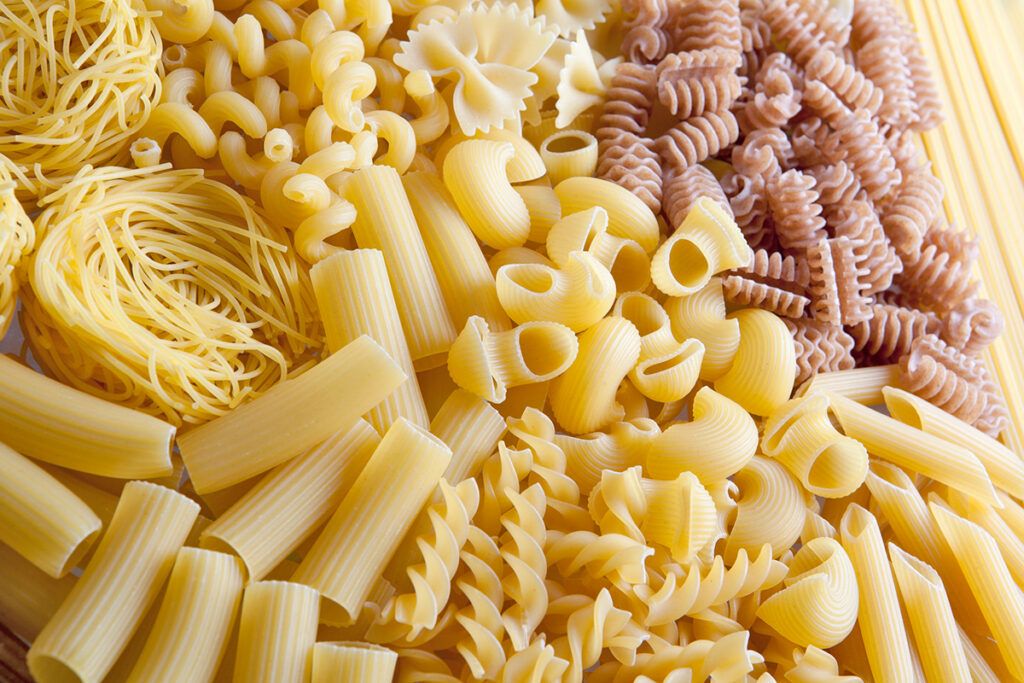
Before the pot even hits the stove, consider which sauce belongs with which pasta. As a rule of thumb, use bigger, thicker, and chunkier shapes for hearty sauces, and longer, thinner noodles for lighter ones.
The logic in classic pairings is clear. Large shells or tubes are the natural partners for thick, creamy, or chunky sauces. Conversely, delicate angel hair or spaghettini are better suited for seafood and light, wine-based sauces. Twisty, ridged shapes are designed to capture sauces that cling, such as pesto or a light tomato sauce. And while you can certainly improvise — there’s no law against spaghetti with a heavy meat sauce — you’ll find that these traditional pairings truly do work best.
2. Cook to Not-Quite Al Dente
This tip often surprises people because nearly every box of pasta suggests cooking until al dente — tender, but with a bit of chewiness. However, I have a good reason for pulling it earlier, a lesson I learned early in my professional career.
More from our network
House Outlook is part of Inbox Studio, which publishes content that uplifts, informs, and inspires.



The issue is carryover cooking. Like many foods, pasta continues to cook as it sits in the colander after draining. If it’s perfectly al dente when you stop cooking, it will be overdone by the time it reaches your plate. Most professionals also take an additional step before plating that adds a minute or two of cooking time, which I’ll explain in a moment.
3. Keep Stirring
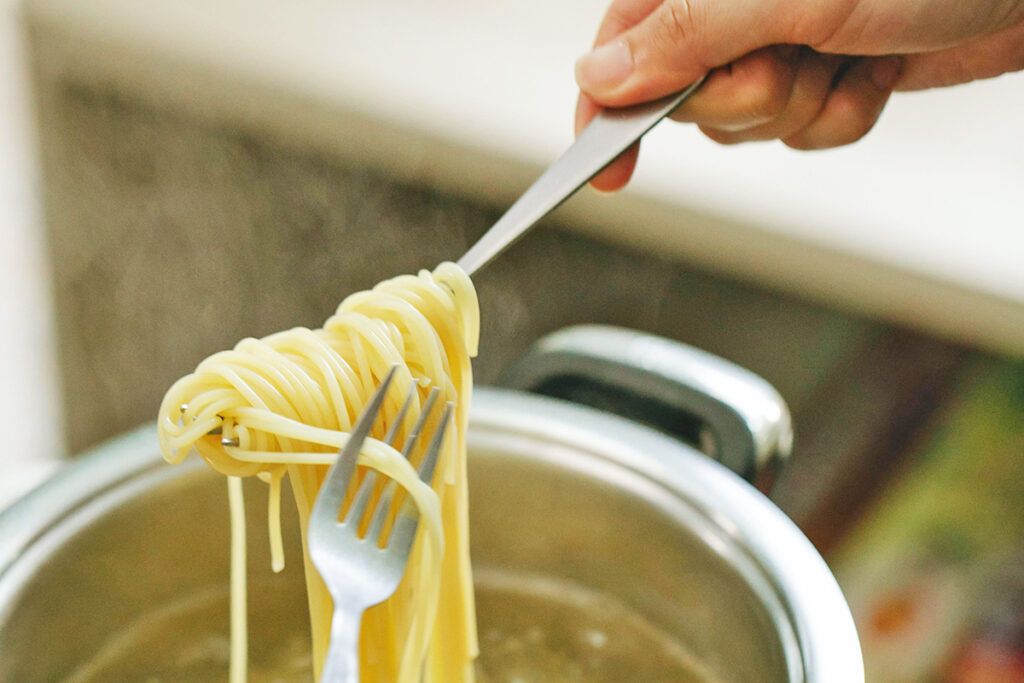
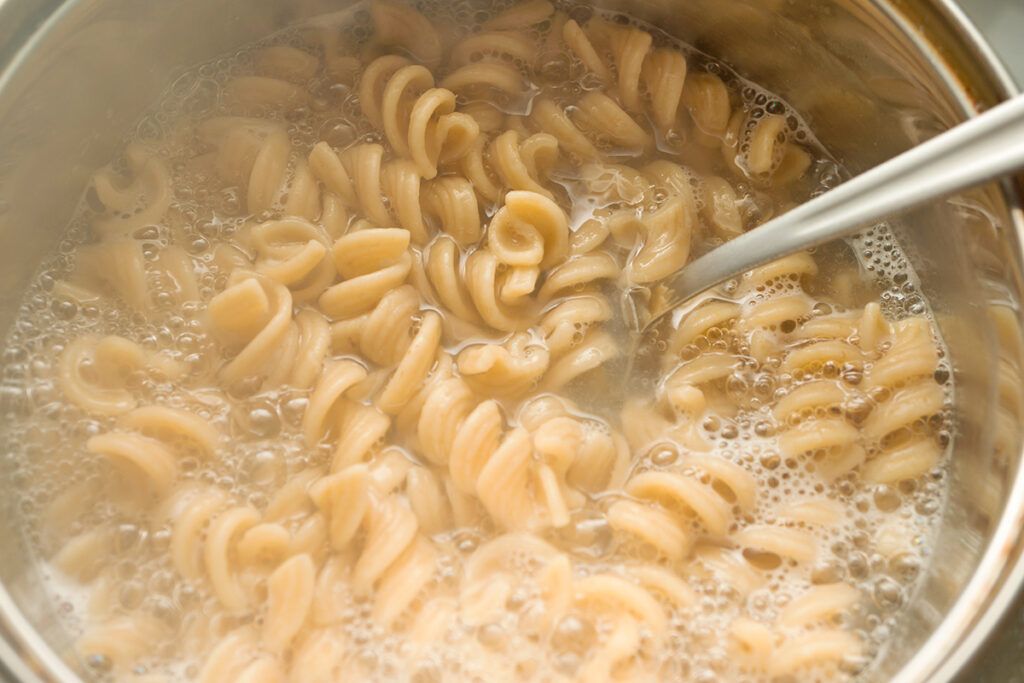
Traditional wisdom says to cook pasta in a large pot of well-salted water, as most packaging suggests. While science-minded food writers have discovered you can effectively use much less water, my advice remains the same regardless of the route you choose: Keep stirring.
If you depend solely on the boiling water to keep the pasta moving, you’re in for an unpleasant surprise at the colander. Pasta that sticks together or to the bottom of the pot tears and cooks unevenly, taking away from the overall quality of your dish. To ensure the best results, stir frequently from start to finish so individual noodles or shapes stay separated.
4. Never Rinse the Pasta
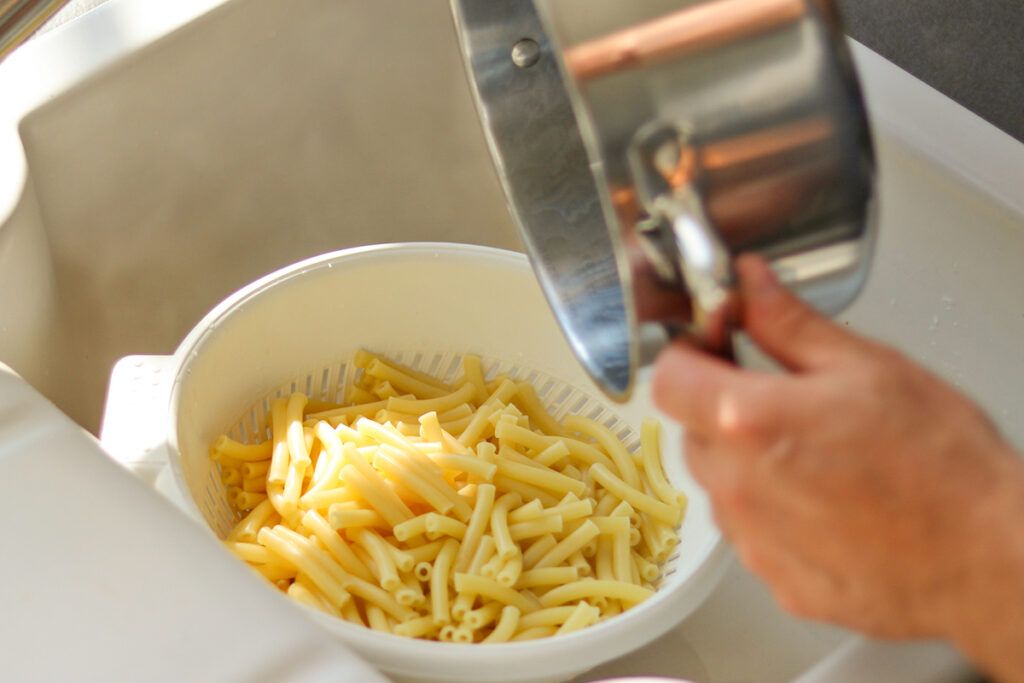
When I mentioned that pasta continues to cook after it’s drained, you might have thought, “If I rinse it with cold water, that will stop the cooking.” You’d be right — but you’d also be ruining the dish. I’ve seen many students in my cooking classes rinse or oil their pasta to keep it from clumping, but it’s a mistake.
Here’s why: Freshly cooked pasta is coated in a thin, starchy layer. This starch helps the sauce cling to the pasta. Rinsing it away — or slicking it with oil — prevents that bond. The only time I rinse or oil my pasta is for a cold pasta salad or a casserole. In the latter case, I also undercook the noodles a little more to account for the oven time.
5. Don’t Discard Your Pasta Water
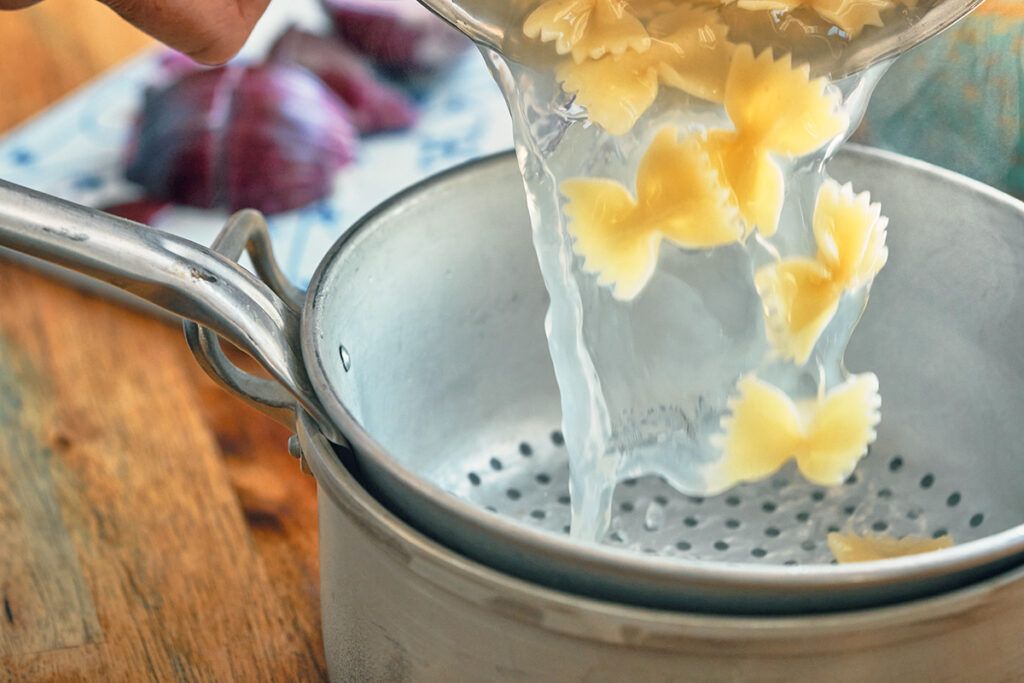
This tip is closely related to the last. That starchy layer on the pasta is also present in the cooking water — that’s why it looks cloudy. Adding a splash of the cooking water to your sauce helps it adhere to the noodles and creates a smoother, silkier texture. Classic Italian dishes like carbonara lean on this heavily, which is why some cooks use less water for their pasta to ensure the starch is concentrated.
If you salt your pasta water heavily, be cautious about using too much. It’s a good idea to taste the sauce first. Use only a small splash of pasta water if your sauce is already well seasoned, or cut it with a bit of plain tap water to avoid an oversalted final product.
6. Try Making Your Own Fresh Pasta
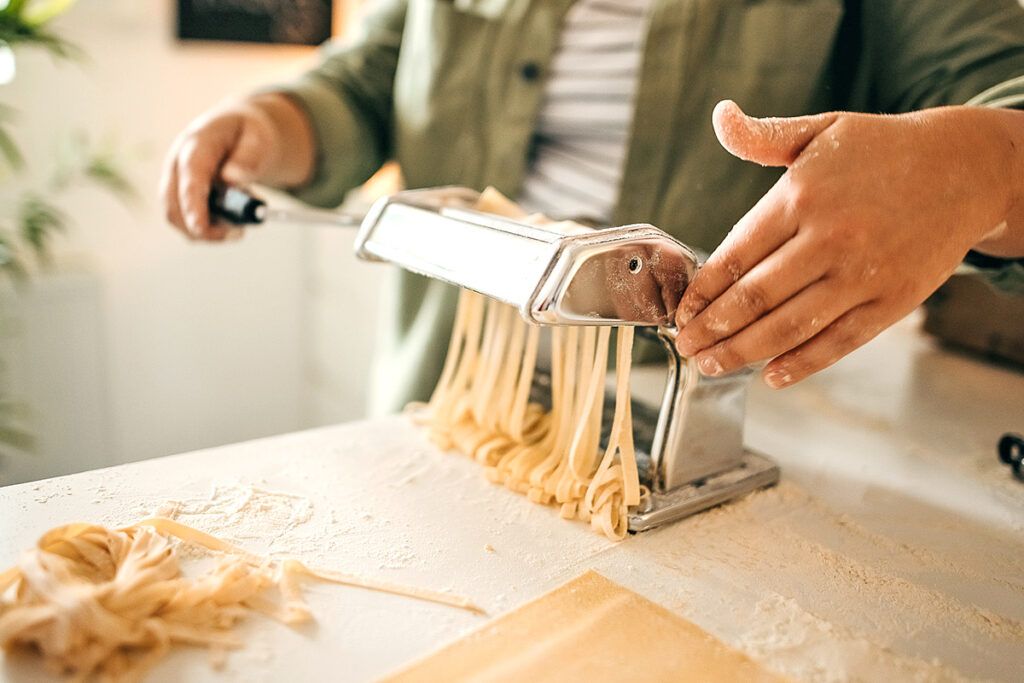
Back in the 1980s, I lived in Vancouver, British Columbia, where a popular neighborhood restaurant had a pasta-making station right in the middle of the dining room. You could see the pasta being made as you walked past. Fresh pasta has a silkiness all its own and cooks in just two to three minutes — a major benefit for time-stressed home cooks and restaurant chefs alike.
Beyond the flavor, it’s simply fun to make. While a full tutorial is beyond the scope of this article, you really only need flour and eggs. I’ve made dough using everything from a traditional rolling pin to a hand-cranked roller and a KitchenAid attachment. All three methods work just fine. And it’s always satisfying to tell your guests that the pappardelle, fettuccine, or ravioli they’re eating is homemade.
7. Don’t Just Plop Your Sauce on Top
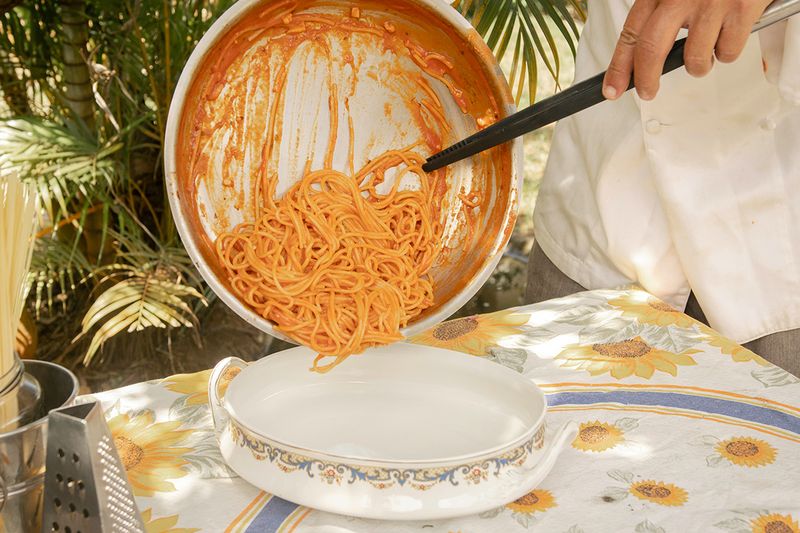
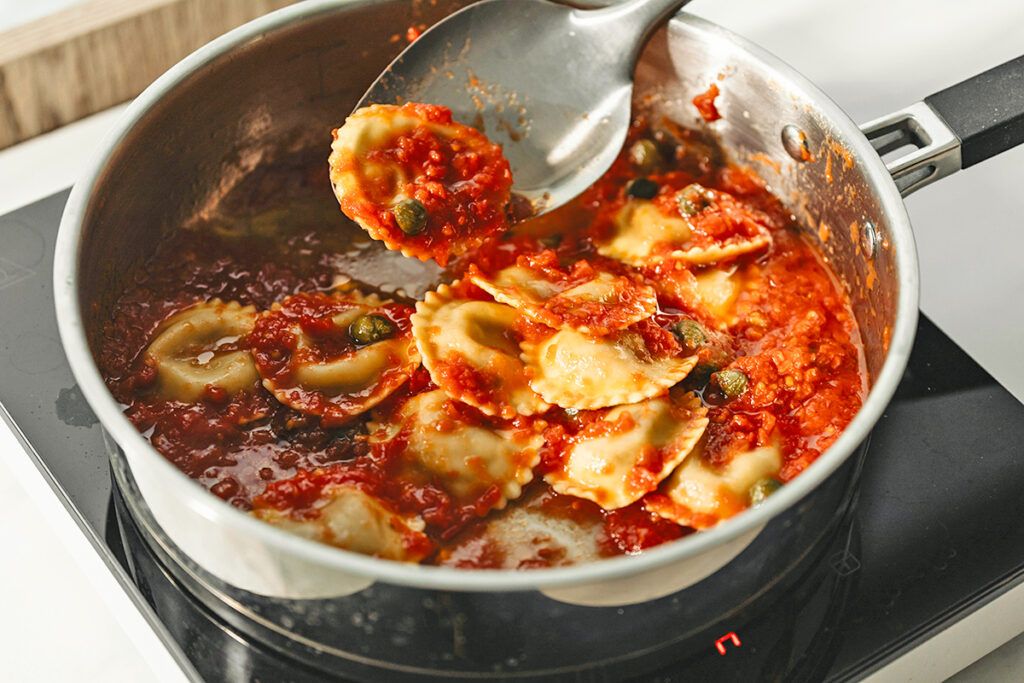
If there’s one thing that bothers an Italian about North American pasta habits, it’s the tendency to mound up noodles and ladle sauce over the top. For most classic pasta dishes, the better alternative is to toss the pasta and sauce together in a skillet for a minute before plating. (This is the additional step I mentioned before.)
Heating and tossing the two together — usually with a splash of that starchy pasta water — helps the sauce emulsify and cling to every surface. This gives the pasta just enough time to become fully al dente. When you finally plate the dish, you’ll find it beautifully sauced with no dry spots and perfectly distributed flavors.
8. Taste Before You Serve, and Make Adjustments
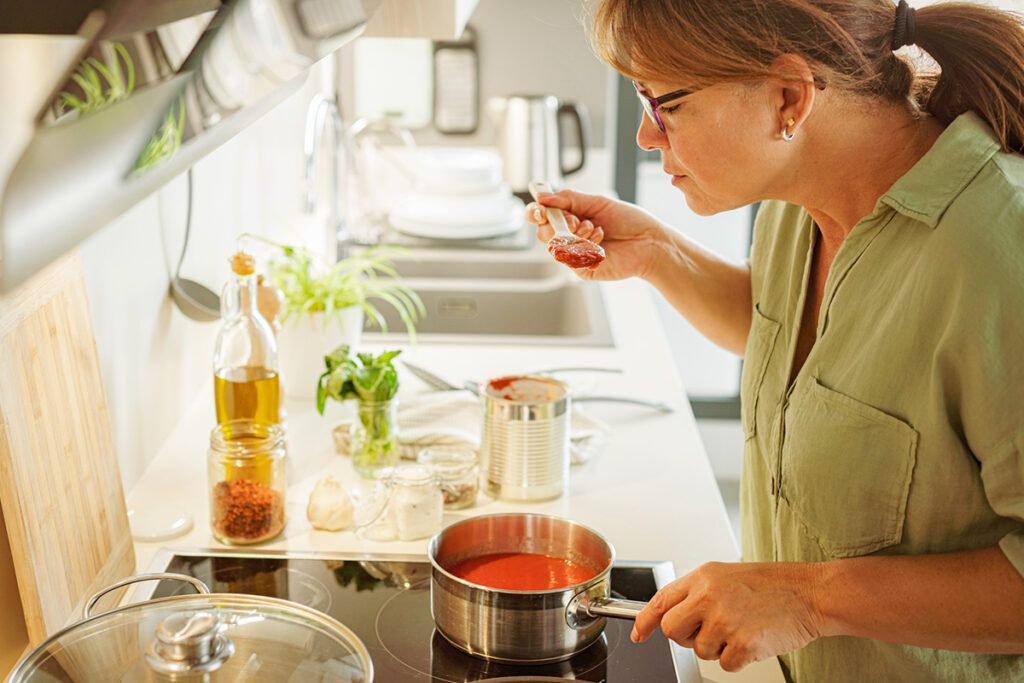
This is good advice for any dish, and pasta is no exception. If your sauce is underwhelming or overbearing, it’s best to find out before you call everyone to the table. Taste the sauce alone or with a piece of pasta and evaluate the seasoning. Is it too rich? Not salty enough? Does it need a hint of brightness or something to dampen the acidity?
You have plenty of options to adjust the balance. If a sauce is too acidic, stirring in a pat of butter or a splash of oil will enrich the flavor and take the edge off. On the other hand, adding acidity to rich sauces can help pick them up. I often use a few drops of lemon juice or a light dusting of zest to make cream-based sauces shine. In a meat sauce, a dash of Worcestershire adds tang and depth. When in doubt, fresh herbs are an excellent garnish to lift almost any pasta dish. Don’t overthink it — be creative and trust your palate.