Advertisement
Food & Drink 3m read
0

Turns Out Morton Salt Lids Have a Secret Feature

It’s safe to say that nearly everyone in the United States has had at least some level of interaction with Morton table salt. The stalwart salt brand has been around for over 100 years and is instantly recognizable from its logo, “the Morton salt girl,” with her iconic umbrella shielding her from a salt downpour.

All featured products and deals are selected independently and objectively by the author. House Outlook may receive a share of sales via affiliate links in content.

It’s safe to say that nearly everyone in the United States has had at least some level of interaction with Morton table salt. The stalwart salt brand has been around for over 100 years and is instantly recognizable from its logo, “the Morton salt girl,” with her iconic umbrella shielding her from a salt downpour.

A Salty Secret

It seems unlikely that there would be something new to learn about the brand in 2025, but a secret trick has recently emerged on the internet: You can sprinkle small amounts of salt directly from the container. Most people tear the paper off the metal spout, open it up, and pour salt into their hands before seasoning their food. But that last step is entirely optional. Every 26-ounce container of Morton table salt has two shaker holes on the flat surface of the metal spout. These holes are visible only after peeling off the top sticker. After doing so, close the spout back into the container. You’ll see the two holes that act as a salt shaker, disseminating small amounts of salt and generally eliminating the need to pour it into your hand first.

Related: Your Spice Jar Lid Has a Hidden Hack

When we attempted this hack ourselves, we had to peel back a bit of paper from the underside of the spout, too. Fortunately, the spout itself can be completely removed, making it easier to access and deal with the paper. However, if that’s too much work, or if you want to limit the amount of salt that shakes out, you can simply poke a few holes through the paper with a toothpick or fine-tip scissors.

Advertisement

Tips, Tricks, and Cautions

The secret salt shaker is exclusive to 26-ounce canisters of Morton table salt (not other sizes or containers), so keep that in mind while grocery shopping.

It is also worth noting that many chefs recommend always pouring salt into your hand first, no matter the size of the container. This technique allows for easier control over the amount of salt you add to any given dish. Remember: You can always add more, but you can’t take it out.

Lastly, table salt is not the best kind of salt for every recipe. Some dishes explicitly call for the large, coarse flakes of Kosher salt, which is typically sold in boxes. Using the “wrong” kind of salt isn’t going to ruin a recipe, but it’s a good thing to keep in mind if you’re a serious home cook.

Advertisement
Advertisement
Decorating 3m read
0

Hang Seasonal Decor Without Damaging Your Walls

There’s something magical about pulling out the storage bins and knowing your home is about to look like a holiday wonderland for the next few weeks. But decking the halls isn’t always as simple as replacing the wreath on your front door with something more festive, or using the nail that usually holds your family portrait to display a holiday countdown. Fortunately for all of us, hanging up temporary decor just got much easier — and you can do it without damaging your walls in the process.

All featured products and deals are selected independently and objectively by the author. House Outlook may receive a share of sales via affiliate links in content.

There’s something magical about pulling out the storage bins and knowing your home is about to look like a holiday wonderland for the next few weeks. But decking the halls isn’t always as simple as replacing the wreath on your front door with something more festive, or using the nail that usually holds your family…

Instead of drilling holes into your walls or dealing with the slipping and sliding that an adhesive hanging strip can cause, TikTok creator Ashlyn Linea suggests an easy trick: Stick a couple of strips of painter’s tape on the wall where you wish to hang an item, then use a hot glue gun to attach a Command Clear Mini Hook (or a similar product) to the tape. Once the hot glue is dry, you can hang your temporary holiday decor, and it won’t budge.

Mind the Weight Limit

This hack is intended only for lightweight items. While the use of painter’s tape helps spread the load by increasing the overall surface area, it’s not a viable solution for hanging anything over 4 ounces or so. For safety, avoid using it to display fragile, valuable, or breakable items.

When it’s time to put seasonal decor away, simply peel off the tape, and it’s as if nothing was ever hung. Similar to the viral tension rod garland trick from last year, this holiday decor tip allows you to hang items effortlessly without damaging your walls.

Advertisement

This hack works best with a cordless hot glue gun (the Surebonder Cordless Mini Hot Glue Gun, for example), which gives you more freedom to move around during the application process. To ensure your walls don’t suffer any damage, we also recommend using high-quality painter’s tape, such as Frog Tape.

Related: A Damage-Free Way To Hang Holiday Garland in a Doorway

More Holiday Decor Hacks Using Hot Glue

Sticking Command Clear Mini Hooks to your walls isn’t the only way to use hot glue this holiday season. You can also use it to hang Christmas lights outdoors. If your home has a brick exterior, you can hot glue strands of Christmas lights directly onto the brick without causing any damage. (If you’re curious, TikTok creator Britain Bennett has a handy tutorial.) Hot glue is also useful for sticking ornaments and bobbles into wreaths or garlands, and one TikToker even gave the shower rod hack a twist by adding a pool noodle and hot gluing ornaments in place for a full, festive look.

Advertisement
Featured Image Credit:  Masson/ Adobe Stock | Updated  Nov 19, 2025 |
Jessie Quinn
Writer
Jessie Quinn is a Los Angeles-based lifestyle journalist with words published in PEOPLE, StyleCaster, Apartment Therapy, The Spruce, Byrdie, and more. She has a Bachelor's Degree in fashion journalism from Academy of Art University and her work spans across many categories, including style, beauty, home, health, crafts, and more.
This article is for general informational purposes only.
Featured Image Credit:  Masson/ Adobe Stock | Updated  Nov 19, 2025 |
Advertisement
Cleaning 3m read
0

A Gentle Way To Get Bug Splatter Off Your Car

Anyone who’s driven cross-country knows firsthand how beautiful the open road can be. But driving for miles through that gorgeous terrain often results in one unsightly side effect: the inevitable bug splatter that coats your car.

All featured products and deals are selected independently and objectively by the author. House Outlook may receive a share of sales via affiliate links in content.

Anyone who’s driven cross-country knows firsthand how beautiful the open road can be. But driving for miles through that gorgeous terrain often results in one unsightly side effect: the inevitable bug splatter that coats your car.

While you can always stop at a gas station to try to wipe down the vehicle, scrubbing away every single stain can be difficult — especially those that have been caked on and baking in the sun. But don’t worry: We have a hack that can easily solve this issue and leave any car splatter-free.

Dryer Sheets to the Rescue

You’ve probably tried dedicated bug removal products or even coated your car in WD-40, hoping the stains would slide right off. But the true solution lies within your laundry room. Dryer sheets do so much more than soften fabric and fight static — they also help to remove that buggy splatter from your car’s windshield, bumper, and grille. To try this hack for yourself, all you’ll need are some standard dryer sheets and a water supply.

Begin by pouring or spraying water onto any splatter-affected areas of the car. Then, dampen a dryer sheet with water and wipe away the insect residue. (This is important because a dry dryer sheet can leave behind residue or even scratch the surface.) You’ll be amazed at how easily the gross splatter comes off — in fact, you probably won’t need to apply any additional elbow grease. After the mess is gone, rinse the area with water and car wash soap to leave it sparkling clean. Beyond bug splatter, this method is also effective for removing tar and tree sap.

Advertisement

Word to the Wise

While this trick may seem too good to be true, it does come with a major caveat. Despite their soft appearance, most dryer sheets are actually quite abrasive, which is why they remove bug splatter so effectively. For this reason, you shouldn’t scrub too hard, or you risk scuffing the paint, glass, or metallic features of your vehicle. As long as you stick to using a light touch and a damp dryer sheet, you can avoid causing damage.

A Supplementary Solution

In addition to looking quite disgusting, the acidic nature of bug splatter can damage your car’s paint job. So, before it ever gets that bad, consider applying a ceramic coating to your vehicle. You can either apply it yourself or bring your car to a local detailer for a more professional job. This coating protects the paint from breaking down easily if it comes into contact with bug splatter. Even so, it’s a good idea to wipe down the car regularly to keep the finish in good condition.

Advertisement
Featured Image Credit:  Trygve/ Adobe Stock | Updated  Nov 19, 2025 |
Bennett Kleinman
Staff Writer
Bennett Kleinman is a New York City-based staff writer for Inbox Studio, covering topics for several brands including House Outlook and Better Report. He previously contributed to television programs such as "Late Show With David Letterman" and "Impractical Jokers," and digital publications like The Onion. Bennett is also a devoted New York Yankees and New Jersey Devils fan, and thinks plain seltzer is the best drink ever invented.
This article is for general informational purposes only.
Featured Image Credit:  Trygve/ Adobe Stock | Updated  Nov 19, 2025 |
Advertisement
Decorating 3m read
0

3 Easy Hacks for Flawless Gift Wrapping

With the holidays approaching, it’s time to start making a list and checking it twice — for all the gifts you’re planning to buy your loved ones, of course. This year, instead of waiting until the last minute, cover those gifts in wrapping paper and top them off with a bow as soon as you collect them from your doorstep. This makes the gift-wrapping experience (and it can be an experience) feel less like a chore. By the time the holidays are here, you’ll actually have time to enjoy the festivities, instead of hiding in your room, wrapping everything up until the last minute. 

All featured products and deals are selected independently and objectively by the author. House Outlook may receive a share of sales via affiliate links in content.

With the holidays approaching, it’s time to start making a list and checking it twice — for all the gifts you’re planning to buy your loved ones, of course. This year, instead of waiting until the last minute, cover those gifts in wrapping paper and top them off with a bow as soon as you…

Wrapping your gifts as they arrive is also a surefire way to ensure they look polished rather than rushed. And you can take things a step further with these easy gift wrapping hacks for flawless presentation.

1.  Use Double-Sided Tape

If your tape is preventing you from achieving a sleek-looking finish, ditch the classic gift wrap tape and opt for double-sided instead. This will hide the adhesive, giving you perfectly seamless results. Beyond wrapping paper, double-sided tape is excellent for securing bows and other gift toppers without leaving behind a mess.

Related: Gift Wrap Storage Hacks You’ll Wish You Knew About Sooner

2. Fold the Edges of Your Wrapping Paper

This might seem obvious, but once we realized you can just take the cut edge of the wrapping paper and fold it inward onto itself to create a straighter, cleaner-looking edge, it completely changed our wrapping game. While cutting a straight line is still beneficial (and can prevent waste), this inward fold is a quick and easy way to make a gift look professionally wrapped, especially on the sides where those pointy, triangle bits are prone to looking disheveled. Another tip: Taking the time to crease all of the edges and folds firmly with your thumb and index finger not only ensures the wrapping paper lies flat, but also gives your gift that crisp, professional look.

Advertisement

3. Use Velvet Ribbon

Instead of buying a bag of those sticky, single-use bows that always end up popping off gifts, try buying a few rolls of velvet ribbon to tie around your presents. You can go with a single ribbon, or mix different widths and colors (such as this gorgeous 1-inch red and this 3/8-inch green) to create some visual interest. Velvet ribbon might seem expensive up-front, but it’s actually a better value when you consider the yardage, quality, and reusability. If you opt for a less seasonal color, such as white, black, or pink, you can easily use those same ribbons for birthday presents and other special occasions throughout the year.

Bonus Hack

If you’re wrapping an odd-shaped object or don’t have a gift box large enough for your present, repurpose Amazon boxes (we know you have a ton this time of year). This creates a sleeker look compared to simply covering the object in paper, and it’s a nice way to reuse all those boxes.

Advertisement
Featured Image Credit:  Karolina Grabowska/ Unsplash+ | Updated  Nov 18, 2025 |
Jessie Quinn
Writer
Jessie Quinn is a Los Angeles-based lifestyle journalist with words published in PEOPLE, StyleCaster, Apartment Therapy, The Spruce, Byrdie, and more. She has a Bachelor's Degree in fashion journalism from Academy of Art University and her work spans across many categories, including style, beauty, home, health, crafts, and more.
This article is for general informational purposes only.
Featured Image Credit:  Karolina Grabowska/ Unsplash+ | Updated  Nov 18, 2025 |
Advertisement
Food & Drink 4m read
0

Yes, You Can Cook Dinner in the Dishwasher

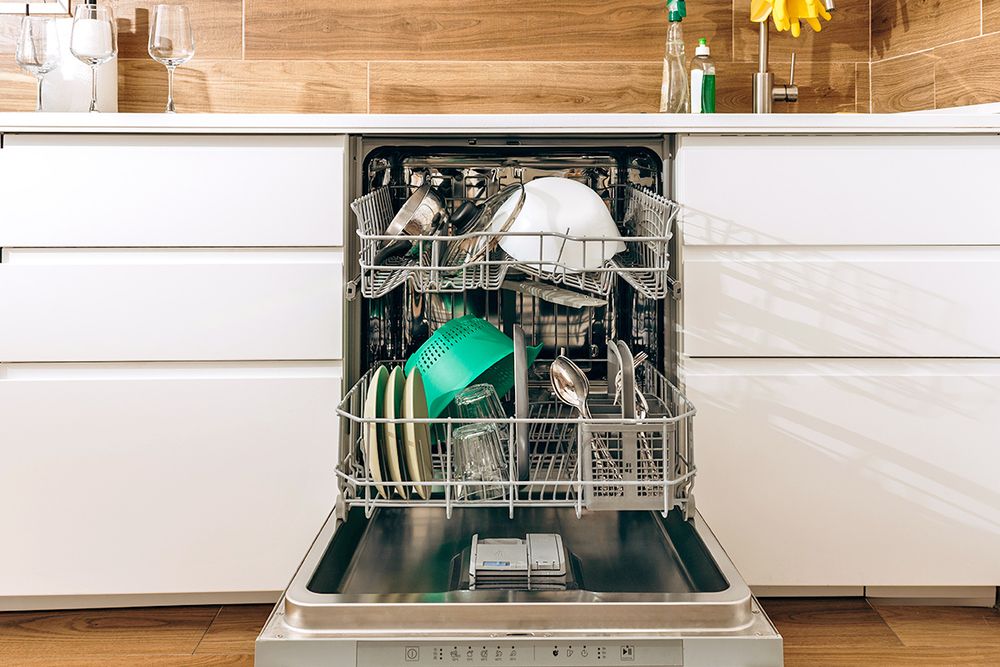
Most people run their dishwasher after whipping up a delicious homemade dinner. However, some argue that you should run your dishwasher even earlier, as the appliance is said to be a surprisingly effective mechanism for cooking salmon and other types of fish that benefit from low heat and plenty of moisture — think trout, cod, haddock, halibut, and mahi-mahi.

All featured products and deals are selected independently and objectively by the author. House Outlook may receive a share of sales via affiliate links in content.

Most people run their dishwasher after whipping up a delicious homemade dinner. However, some argue that you should run your dishwasher even earlier, as the appliance is said to be a surprisingly effective mechanism for cooking salmon and other types of fish that benefit from low heat and plenty of moisture — think trout, cod,…

We know this sounds perplexing, especially when you have a perfectly good stovetop and oven right there. But some home cooks have successfully tried cooking salmon in the dishwasher, and the positive results are hard to deny. Here’s how this unusual cooking tip works, in case you’d like to try it yourself.

Not Your Typical Recipe

Cooking salmon in the dishwasher is comparable to the sous vide method, where food is vacuum-sealed and then submerged in a temperature-controlled water bath. The heat and moisture inside the dishwasher are said to have a similar effect. To try out this unusual hack, you’ll need a defrosted salmon filet, a dishwasher, and aluminum foil. A 6-ounce piece of fish, about 1 to 2 inches thick, is best.

Related: A Foolproof Method for Perfectly Crispy Fish Skin

If you’re nervous about attempting this trick, you could remove dirty dishes from the dishwasher beforehand and forego detergent. Yes, a few brave souls — including the senior recipe editor of The Kitchn — have cooked the salmon and washed their dishes at the same time. Remarkably, they reported that no fishy smells emanated from the dishwasher, and no remnants of detergent were found on the filets.

Advertisement

How To Cook Dishwasher Salmon

Tear off two sheets of aluminum foil, making each piece about 12 inches long. Place your salmon filet atop the first sheet of aluminum foil and season it how you normally would with salt, pepper, lemon, dill, and so on. Lay the second sheet of foil directly over the salmon. Then, use your fingers to tightly fold and crimp the two sheets of foil together, creating a secure, watertight seal that’s snug against the filet.

Now it’s time to cook — place the wrapped salmon on the top rack of the dishwasher and run a normal wash cycle. You don’t need to choose a special cycle, as the heat from a normal cycle should be more than enough to cook the fish. Once the cycle is complete, open the door and give it a whiff. If you wrapped the salmon tightly, the dishwasher should smell like a normal dishwasher, without any fishy notes.

Now, unwrap the salmon and put it on a plate. You might notice a little moisture, but that’s just from the fish cooking (assuming you wrapped it tightly). Before eating, give it a quick whiff to make sure you can’t smell any detergent, and use an instant-read thermometer to confirm it’s cooked to an internal temperature of 145 degrees Fahrenheit. Assuming it is, the salmon filet should be moist and ready to be enjoyed — as odd as this all sounds.

Advertisement

The Risks Involved

This hack has been making the rounds since 1975, when actor Vincent Price demonstrated it on The Tonight Show Starring Johnny Carson. That said, there are several risk factors to consider. If the fish does not reach the USDA’s safe minimum internal temperature, you face the danger of food poisoning. Additionally, not all dishwasher models reach the same temperature or have the same run time on the normal cycle. Detergent can also seep into foil packets if they are improperly sealed or hit with a powerful jet, causing cross contamination. Needless to say, dishwasher manufacturers do not recommend using these appliances for cooking because they were not designed for such a purpose.

Advertisement
Featured Image Credit:  Andrey Shevchuk/ iStock | Updated  Nov 18, 2025 |
Bennett Kleinman
Staff Writer
Bennett Kleinman is a New York City-based staff writer for Inbox Studio, covering topics for several brands including House Outlook and Better Report. He previously contributed to television programs such as "Late Show With David Letterman" and "Impractical Jokers," and digital publications like The Onion. Bennett is also a devoted New York Yankees and New Jersey Devils fan, and thinks plain seltzer is the best drink ever invented.
This article is for general informational purposes only.
Featured Image Credit:  Andrey Shevchuk/ iStock | Updated  Nov 18, 2025 |
Advertisement
Cleaning 3m read
0

Burping Your Home — What It Is and Why You Should Try It

We all know why burping a newborn is important, but what about burping your home? As funny as it sounds, it’s a simple practice worth adding to your daily chores, since it can make a big difference in your home’s health — and your own health, too. This one small act helps prevent condensation, mold, and unpleasant odors, especially during the fall and winter months when homes are typically sealed tight. Your home and your lungs will thank you.

All featured products and deals are selected independently and objectively by the author. House Outlook may receive a share of sales via affiliate links in content.

We all know why burping a newborn is important, but what about burping your home? As funny as it sounds, it’s a simple practice worth adding to your daily chores, since it can make a big difference in your home’s health — and your own health, too. This one small act helps prevent condensation, mold,…

What Is Burping Your Home?

“Burping” your home means opening your windows wide for about 10 minutes to allow stale, humid air to escape and to draw fresh air in. The concept is rooted in the German practice of Stoßlüften, which translates to “shock ventilation.” It’s quick, effective, and surprisingly energy-efficient.

This method uses brief air exchanges to give stale, stuffy rooms a much-needed refresh while preventing the buildup of moisture and pollutants. It’s particularly helpful in the winter, when closed windows can trap humidity from activities such as cooking and showering. If it’s freezing outside, try opening just a few windows at once so your home doesn’t lose excessive heat.

Related: Why Your Home Feels Colder Than It Should

Why Burping Your Home Is Important

Burping your home helps eliminate condensation, a key culprit behind mold growth. Mold thrives in damp environments with stagnant air; bathrooms, kitchens, and basements are common locations. Mold becomes even more of a problem as seasons change, since homes aren’t experiencing the constant airflow from heat vents or air conditioners. By circulating fresh air every day, you lower humidity levels and make those spaces far less inviting for spores to spread.

Advertisement

Worried about losing expensive heat? Here’s the good news: Better air quality can actually make your home feel warmer. Damp air feels clammy and cool because water conducts heat better than dry air. When cold, damp air touches your skin, it draws heat away from your body faster than dry air at the same temperature, prompting you to crank up the thermostat. Drier air, however, feels warmer because it doesn’t wick away heat as quickly; instead, it acts as an insulator, allowing the warmth from your furnace to remain in close contact with your body. As a result, your heat source doesn’t have to work as hard. If you live in a colder climate, however, open just a few windows at a time to minimize heat loss.

Feel Versus Fact

You might be thinking, “Wait, don’t people use humidifiers in winter to make their homes feel warmer?” And while that’s true, we must distinguish between feeling warmer and heating the air itself. Humid air does hold onto heat longer, but reaching that desired temperature requires more energy from your furnace. That’s why burping your home works: The furnace heats fresh, drier air — which it can do more efficiently — making your indoor environment feel comfortable with less output from your heating system.

How To Burp Your Home

• Open your windows wide for five to 10 minutes every day.

• Create a cross-breeze by opening windows on opposite sides of your home.

• Focus your efforts on high-moisture areas such as bathrooms and kitchens.

• On especially cold days, open just a few windows at a time to limit heat loss.

Advertisement
Featured Image Credit:  Johnce/ iStock | Updated  Nov 18, 2025 |
Megan McCarty
Writer
Megan McCarty is a Los Angeles-based writer who covers the fun stuff: design, travel, wellness, beauty, and fashion. She has written for publications including Domino, The Spruce, MyDomaine, Bustle, and Rue Magazine. Her life rules include, but are not limited to, zipper when merging, contribute to your IRA, and do the nice thing.
This article is for general informational purposes only.
Featured Image Credit:  Johnce/ iStock | Updated  Nov 18, 2025 |
Advertisement
Food & Drink 3m read
0

Turn Dinner Scraps Into Delicious Homemade Stock

With grocery prices on the rise, a lot of us are feeling the need to stretch our budget further. One simple solution is avoiding food waste wherever possible and finding ways to use scraps and leftovers that might otherwise be discarded. Making soup stock is one of the easiest (and tastiest) ways to do this, and homemade stock can upgrade your meals in countless ways. Best of all, it’s easy enough for anyone to do, regardless of your skill level in the kitchen.

All featured products and deals are selected independently and objectively by the author. House Outlook may receive a share of sales via affiliate links in content.

With grocery prices on the rise, a lot of us are feeling the need to stretch our budget further. One simple solution is avoiding food waste wherever possible and finding ways to use scraps and leftovers that might otherwise be discarded. Making soup stock is one of the easiest (and tastiest) ways to do this,…

Turn Trimmings and Leftovers Into Soup Stock

Think of the things you usually discard when preparing vegetables: the peels of carrots and root vegetables, onion ends and skins, seedy cores of sweet peppers, herb stems, and celery leaves, just to name a few. All of those scraps are packed with flavor and nutrition, and they can go right into your soup pot. You’ll want to avoid anything in the brassica family (cabbage, broccoli, cauliflower), though, because they can make your stock bitter. And obviously, avoid moldy spots and wash off any actual dirt.

Related: This Thanksgiving Leftovers Hack Is Borderline Genius

To turn your scraps into stock, put those unwanted leftover bits into a decent-sized pot. You can make an all-vegetable stock or add bones and leftover pieces of meat. Either way, aim for a ratio of about two parts water to one part other ingredients, measured by weight. While it’s easiest to measure the scraps with a kitchen scale, eyeballing the amounts works fine. You want the water to just barely cover the other ingredients.

Advertisement

Cooking Your Homemade Stock

The next step is to bring your pot of ingredients to a gentle simmer, and settle in. Vegetable stock needs to simmer for only 30 to 40 minutes. For stock with meat and bones, plan on simmering for at least two to three hours (chicken or turkey bones), or up to six hours (big beef bones). Alternatively, use your Instant Pot (or another pressure cooker) for meaty stocks; the 25-minute “soup” setting will get the job done quickly and extract more flavor from the bones. Remember to use the natural pressure release for clear stock that’s easy to strain; the agitation caused by quick release will make the liquid cloudy. Cloudy stock is perfectly safe to eat, but many home cooks prefer the look and cleaner consistency of clear stock. Once the stock has finished simmering, strain out the solids and then refrigerate it.

Use your stock as a base for soups and sauces, or substitute it for water when you cook rice and other grains. It’ll even improve instant ramen. 

Advertisement
Featured Image Credit:  oska25/ iStock | Updated  Nov 11, 2025 |
Fred Decker
Writer
Fred Decker is a trained chef and former restaurateur. Since closing his restaurants over a decade ago he has been a prolific freelance writer, publishing several thousand articles on dozens of high-volume websites including Taste Of Home, Hunker, Tasting Table, Week&, eHow, and GOBankingRates. He lives on a rural acreage shared with a big garden, chickens, rabbits, and grandkids.
This article is for general informational purposes only.
Featured Image Credit:  oska25/ iStock | Updated  Nov 11, 2025 |
Advertisement
Food & Drink 3m read
0

No Roasting Rack? This Foil Trick Saves the Day

One of the most iconic seasonal images is a big, golden, perfectly roasted holiday turkey grandly displayed on a serving platter (the “Norman Rockwell moment,” if you will). Every year around Thanksgiving, you’ll see a slew of articles on thawing the bird, fixing dinner disasters, and, of course, what to do with the leftovers. Surprisingly, there’s little focus on how to get that perfectly crisp skin on your roasted turkey. If you’re firmly in the “that’s the best part!” camp, you can set yourself up for success by using a pan with a roasting rack. But if your roaster doesn’t have a rack — perhaps it’s misplaced, or you’re using a disposable pan — plain old aluminum foil will save the day.

All featured products and deals are selected independently and objectively by the author. House Outlook may receive a share of sales via affiliate links in content.

One of the most iconic seasonal images is a big, golden, perfectly roasted holiday turkey grandly displayed on a serving platter (the “Norman Rockwell moment,” if you will). Every year around Thanksgiving, you’ll see a slew of articles on thawing the bird, fixing dinner disasters, and, of course, what to do with the leftovers. Surprisingly,…

Roasting a Turkey for Crisp Skin

Here’s the thing about roasting pans: They’re actually not ideal for roasting your bird. Their deep shape and solid side walls trap moisture and prevent air circulation. This means the bird’s underside steams, rather than roasting and browning. That’s why many newer pans come with a rack, which lifts the bird out of the drippings and allows air to circulate around its entire surface. Not only does the rack help the skin to brown all over, but it also helps the bird cook more evenly.

Related: 7 Fixes for Common Thanksgiving Dinner Problems

Here’s how to DIY a rack if you don’t have one: Pull out a long sheet of aluminum foil — at least 3 to 4 feet — and cut it. Next, starting at one end, crumple and squeeze the foil into a long rope or “snake.” Place this rope on a flat surface and bend it into an “S” shape or a question mark. Make sure the shape fits inside your pan but is large enough to support the turkey. Position the foil in the pan, then carefully place the turkey on top. Ensure the turkey sits neatly on the foil rope and won’t fall off when you lift and move the pan.

Advertisement

Airflow Makes for a Perfect Turkey

You might be wondering why making an “S” shape or question mark is necessary. Why not just a ring? Well, the whole point is to allow air to circulate around and under the turkey, and you don’t get that with a closed shape such as a ring. These curved lines create pockets for airflow underneath the bird, which is exactly what you want.

You should also use a roaster with low sides, similar to the shallow rectangular pans you often see in restaurants, rather than a traditional deep roaster (though if that’s all you have, the foil trick still helps). In a pinch, you’re better off using a sheet pan, as its low sides won’t block airflow. Just be sure to choose one with enough of an edge to keep the drippings from spilling over.

Advertisement
Featured Image Credit:  alvarez/ iStock | Updated  Nov 21, 2025 |
Fred Decker
Writer
Fred Decker is a trained chef and former restaurateur. Since closing his restaurants over a decade ago he has been a prolific freelance writer, publishing several thousand articles on dozens of high-volume websites including Taste Of Home, Hunker, Tasting Table, Week&, eHow, and GOBankingRates. He lives on a rural acreage shared with a big garden, chickens, rabbits, and grandkids.
This article is for general informational purposes only.
Featured Image Credit:  alvarez/ iStock | Updated  Nov 21, 2025 |
Advertisement
Cleaning 3m read
0

The Hosting Hack That Keeps Your Kitchen Sink Clear

It doesn’t take long for the kitchen to become a disaster area during a dinner party. Often, even before the meal is over, the sink gets filled up with dishes teetering in precarious stacks, waiting to crash. And somehow there’s always a rogue spoon that inevitably needs to be fished out of the garbage disposal.

All featured products and deals are selected independently and objectively by the author. House Outlook may receive a share of sales via affiliate links in content.

It doesn’t take long for the kitchen to become a disaster area during a dinner party. Often, even before the meal is over, the sink gets filled up with dishes teetering in precarious stacks, waiting to crash. And somehow there’s always a rogue spoon that inevitably needs to be fished out of the garbage disposal.

What if one small hosting hack could save you serious cleanup time? Try this trick: Place a small bin of soapy water in your kitchen for guests to drop their used silverware into. It keeps the sink free of tangled forks and makes your postparty cleanup a little easier.

Related: The Secret to Effortless Hosting? These 12 Items

Why a Silverware Bin Works

Even if you have a dishwasher, the sink will inevitably attract dirty dishes. When it’s filled to the brim, it’s nearly impossible to begin attacking sticky cocktail glasses or soaking a saucepan. A simple bin of soapy water solves this: Guests can drop in their used silverware, keeping it out of the way and presoaked for later.

The visual cue helps too — seeing a few utensils already in the bin signals exactly what it’s for. By the time you’re ready to hand wash or load the dishwasher, the silverware will have already been soaking, so any stuck-on food slips right off. When the last guest leaves, just dump the water and transfer the utensils straight into the dishwasher or sink. No more scavenger hunts for missing knives buried under serving bowls

This system keeps your countertops clear and sink space open for more essential tasks, such as washing bigger pots and pans, all while giving you a head start on the final cleanup.

Advertisement

How To Set Up a Silverware Bin

1. Choose a small but sturdy aluminum or plastic tub. It should be deep enough to hold many layers of utensils, yet shallow enough to easily move.

2. Fill it with warm water and a few drops of liquid dish soap, then swirl the soapy water to create a light lather.

3. Place the bin on the counter near the sink, where guests will instinctively go to drop dirty dishes. Consider making a small sign that says, “Place used silverware here.”

4. Keep an eye on the bin throughout the party. If it gets too full, move some of the silverware to the dishwasher or hand-wash them early.

Bonus Hack: Double-Bag Your Trash Bin

Before guests arrive, line your trash can with two bags instead of one. When the first fills up, pull it out as usual and — voilà — the next is already in place. This way, you don’t need to noisily shake out a backup mid-party.

Advertisement
Featured Image Credit:  MaloriMay/ iStock | Updated  Nov 11, 2025 |
Megan McCarty
Writer
Megan McCarty is a Los Angeles-based writer who covers the fun stuff: design, travel, wellness, beauty, and fashion. She has written for publications including Domino, The Spruce, MyDomaine, Bustle, and Rue Magazine. Her life rules include, but are not limited to, zipper when merging, contribute to your IRA, and do the nice thing.
This article is for general informational purposes only.
Featured Image Credit:  MaloriMay/ iStock | Updated  Nov 11, 2025 |
Advertisement
Organizing 3m read
0

Why Every Home Needs a ‘House Handbook’

There are a few necessities every household should have — including a first aid kit, a fire extinguisher, and a secret place to keep your personal stash of snacks. But most homes are lacking one thing that could make any homeowner’s life easier: a house handbook. This idea is inspired by TikTok creator @ameliagoebel, who showed what compiling such a handbook entails and why it’s so beneficial.

All featured products and deals are selected independently and objectively by the author. House Outlook may receive a share of sales via affiliate links in content.

There are a few necessities every household should have — including a first aid kit, a fire extinguisher, and a secret place to keep your personal stash of snacks. But most homes are lacking one thing that could make any homeowner’s life easier: a house handbook. This idea is inspired by TikTok creator @ameliagoebel, who…

What Is a House Handbook?

Homeowners know that over time, appliances stop working, walls need repainting, and other inevitable headaches pop up around the house. And when these issues arise, you may not be entirely prepared to deal with them. Let’s say your stove conks out — do you have any idea where you put the instructional manual back when you bought it? Or if you need to repaint the living room, can you recall the exact shade of white you used?

The best way to prepare for these problems is to put together a house handbook filled with necessary information, all in one convenient place. This includes instruction manuals, paint swatches, flooring samples, spare keys, and so on. Keeping these items organized will go a long way toward solving any unexpected issues.

Related: 10 Lifesaving Home Safety Tips You’ve Probably Never Heard

Assembling Your House Handbook

To create your house handbook, you’ll need to gather a few supplies. Purchase a three-ring binder (the kind you used in school) and a pack of sheet protectors. You should also pick up some Ziploc bags — they’re perfect for storing tiny parts and tools.

Advertisement

Now it’s time to build your house handbook. There’s no right or wrong way to customize it, but here are a few suggestions for what you might want to include:

• Instruction manuals for each current appliance

• Details about paint, flooring, or carpet that may need replacing

• A copy of your deed and home insurance policy

• Spare keys for every door, plus your car

• Extra screws, nails, and other tools or bits of hardware

Keep your handbook up to date with each new purchase. Swap out old manuals when you buy a new appliance, and add updated chips or swatches when you paint the powder room a new color. Again, what you include is entirely up to you. The idea is just to stop shoving those instruction manuals into random drawers and start organizing your home and life with your new house handbook.

Advertisement
Featured Image Credit:  nirat/ iStock | Updated  Nov 11, 2025 |
Bennett Kleinman
Staff Writer
Bennett Kleinman is a New York City-based staff writer for Inbox Studio, covering topics for several brands including House Outlook and Better Report. He previously contributed to television programs such as "Late Show With David Letterman" and "Impractical Jokers," and digital publications like The Onion. Bennett is also a devoted New York Yankees and New Jersey Devils fan, and thinks plain seltzer is the best drink ever invented.
This article is for general informational purposes only.
Featured Image Credit:  nirat/ iStock | Updated  Nov 11, 2025 |