Before you stack another box, think twice about using these seven spots for household storage.
1. Under the Kitchen Sink
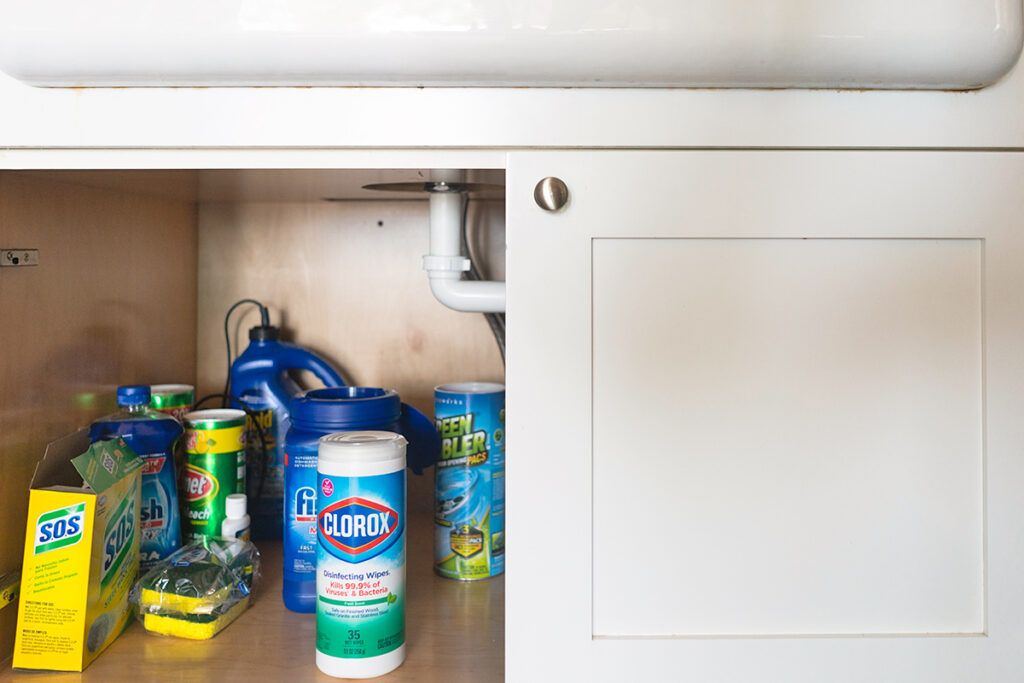
The cabinet beneath the kitchen sink is one of the most-used storage spots in any home, and one of the most problematic. The space sits directly around the drain pipe, the water supply lines, and, in many homes, the garbage disposal — all of which are prone to slow leaks, condensation, and dampness that may go unnoticed for weeks or months. Cardboard boxes disintegrate, paper products grow mold, and cleaning supplies degrade amid high humidity and temperature fluctuations.
There’s also a ventilation issue: The space is small and enclosed, and any cleaning chemicals stored together, such as bleach near ammonia-based products, can off-gas or spill accidentally in a confined area. This is both a respiratory concern and, in some cases, a fire risk. If you do use this cabinet, limit it to frequently used items such as dish soap, dishwasher pods, noncompostable trash bags, and unopened sponges.
2. Near the Water Heater or Furnace
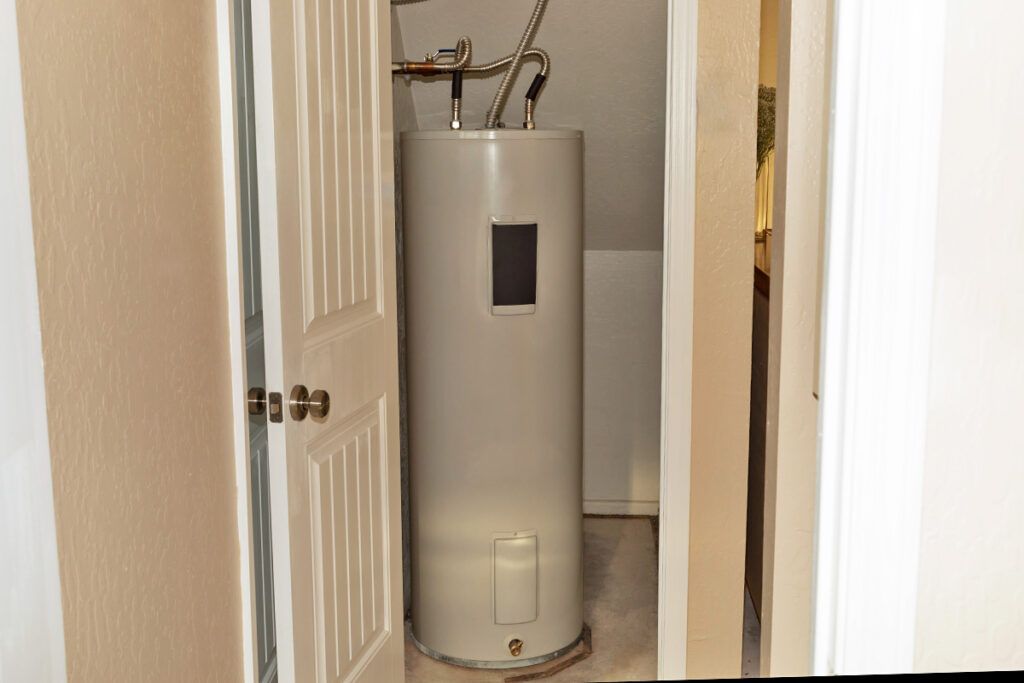
These appliances generate significant heat and, in the case of gas-powered units, an open flame. Storing anything flammable nearby, including cardboard, paper, fabric, cleaning products, paint, or aerosol cans, creates a genuine fire risk. Most local fire codes and appliance manufacturers specify a clearance zone around water heaters and furnaces — typically 18 to 30 inches of unobstructed space.
More from our network
House Outlook is part of Inbox Studio, which publishes content that uplifts, informs, and inspires.



3. The Unfinished Attic
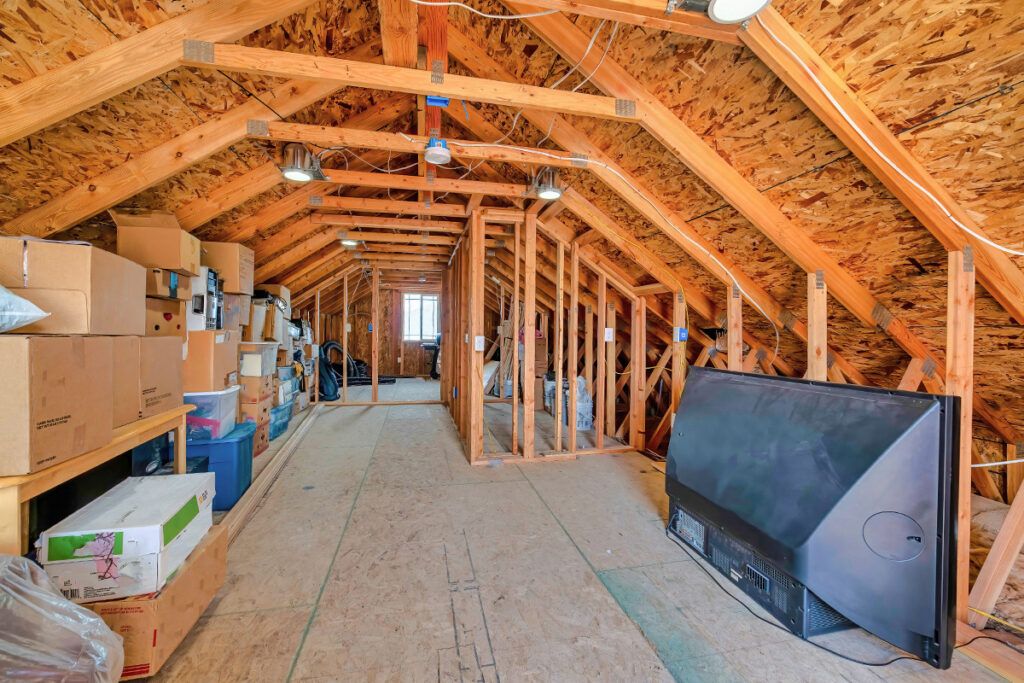
As tempting as it is to store anything and everything in this space, an unfinished attic is often one of the harshest environments in the house. Without a vent or adequate insulation, temperatures can exceed 130 degrees Fahrenheit in summer and plunge well below freezing in winter. That kind of thermal cycling destroys almost everything: Candles melt, photographs yellow and stick together, electronics fail, wood cracks, and fabrics fade and become brittle. If your attic isn’t climate-controlled, treat it like the outdoors.
4. A Damp or Unfinished Basement
Concrete walls and floors are naturally porous, and basement air tends to stay damp year-round. These conditions are ideal for mold and mildew growth, which can begin on organic materials such as cardboard, fabric, paper, and wood within 24 to 48 hours of sustained moisture exposure.
The risk isn’t just to your belongings. Moldy boxes stored against a basement wall can contribute to broader mold growth in the home, which becomes a health problem and an expensive remediation project. If you use the basement for storage, keep boxes off the floor on shelving, use plastic bins rather than cardboard, and run a dehumidifier to keep the relative humidity below 50%.
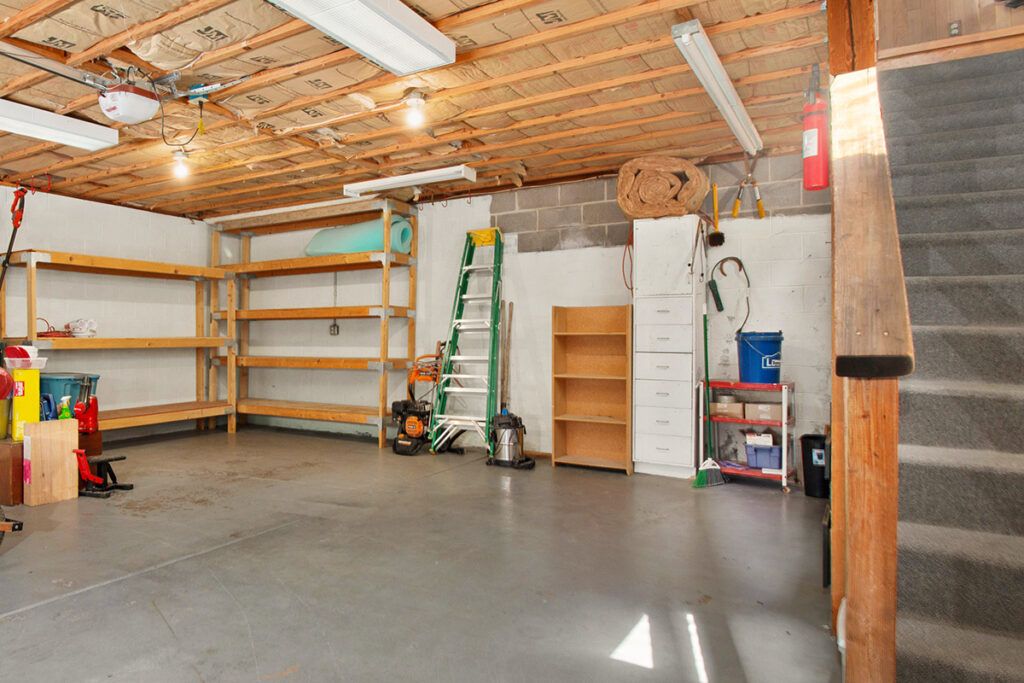
5. The Garage
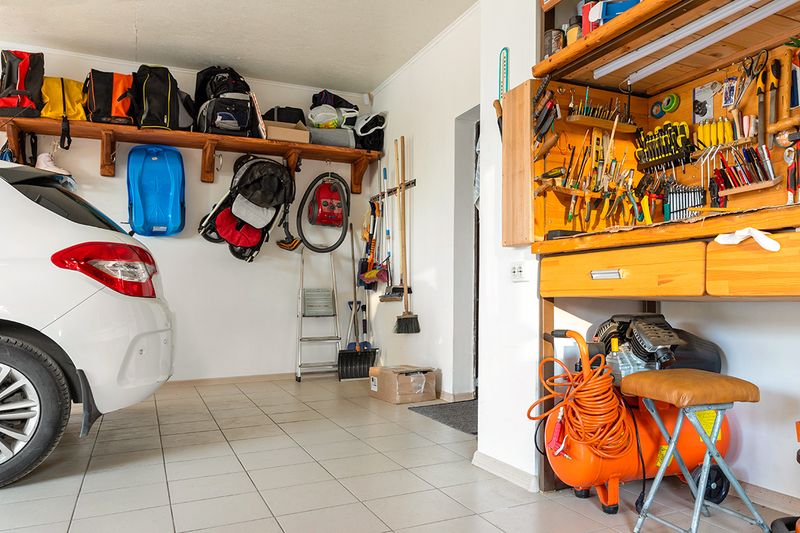
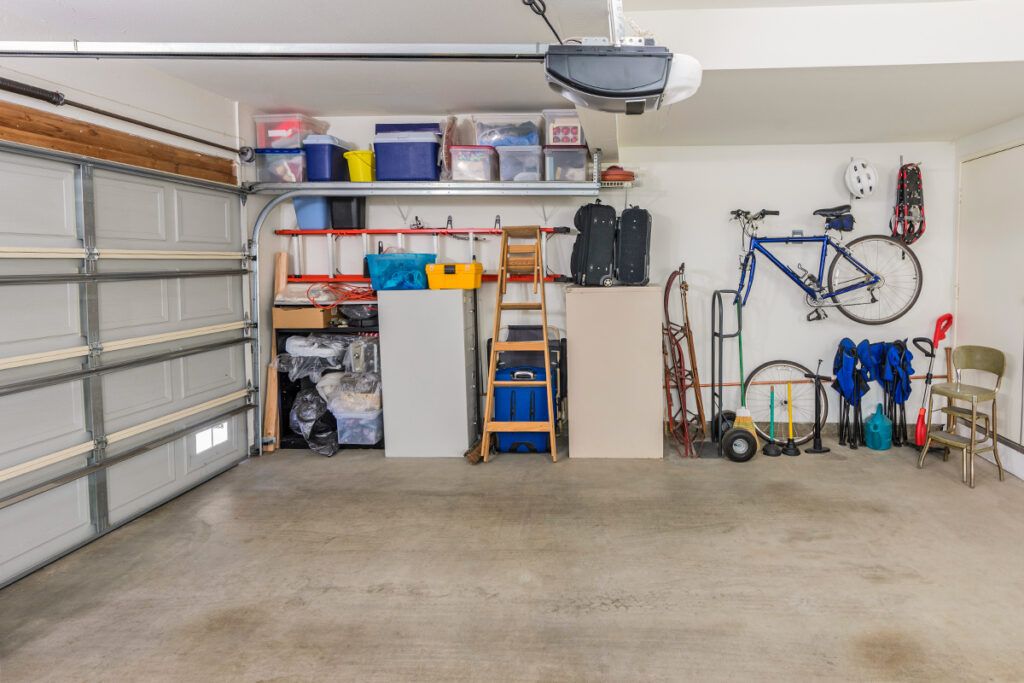
The garage is subject to extreme temperature swings and tends to collect moisture. The categories of items most commonly ruined in garages include wooden furniture (which warps and cracks), electronics (which fail in temperature extremes), canned food (which can freeze, expand, and rupture), wine (which cooks), and anything housed in cardboard (which mold and pests readily colonize). Paint stored in an uninsulated garage may freeze or be exposed to extreme heat or moisture, making it unusable. And propane tanks, even partially empty ones, are a serious fire hazard and should always be kept outdoors in a well-ventilated area.
6. Near Electrical Panels
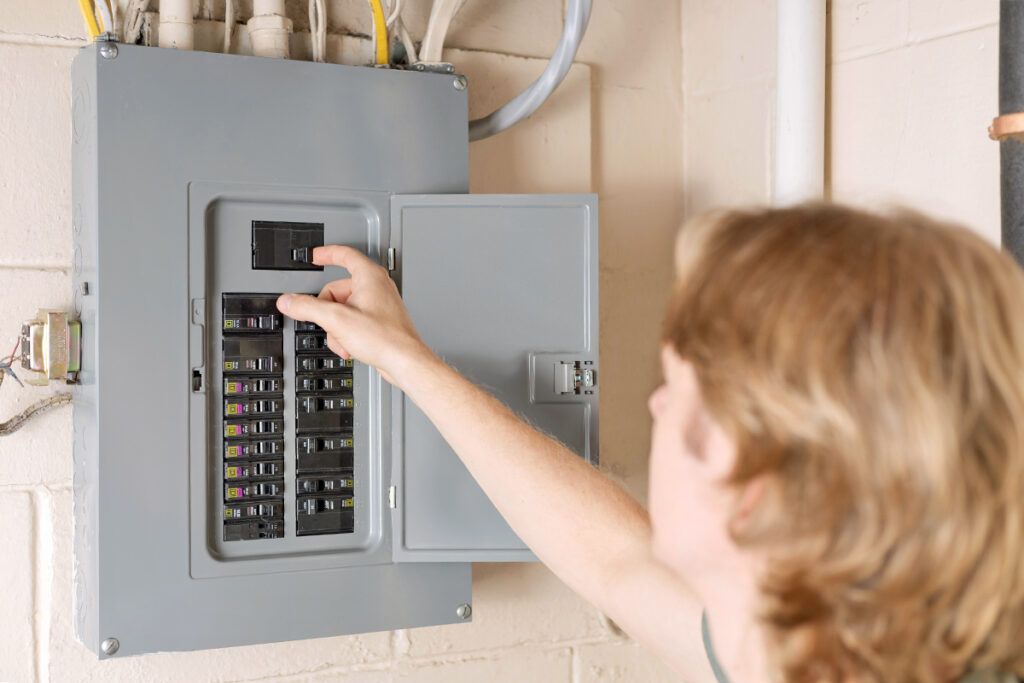
The area in front of and around your home’s electrical panel should remain clear at all times, not just for safety reasons, but also because the National Electrical Code requires it. The standard clearance is 36 inches of unobstructed space in front of the panel, with at least 30 inches of working width, and 78 inches (6.5 feet) of vertical clearance from the floor.
If there’s an electrical emergency, or a breaker needs to be reset during a crisis, every second of fumbling past stacked storage matters. Beyond accessibility, electrical panels generate heat, and surrounding them with stored materials, especially flammable ones, is a fire risk.
7. In Front of Vents and Air Returns
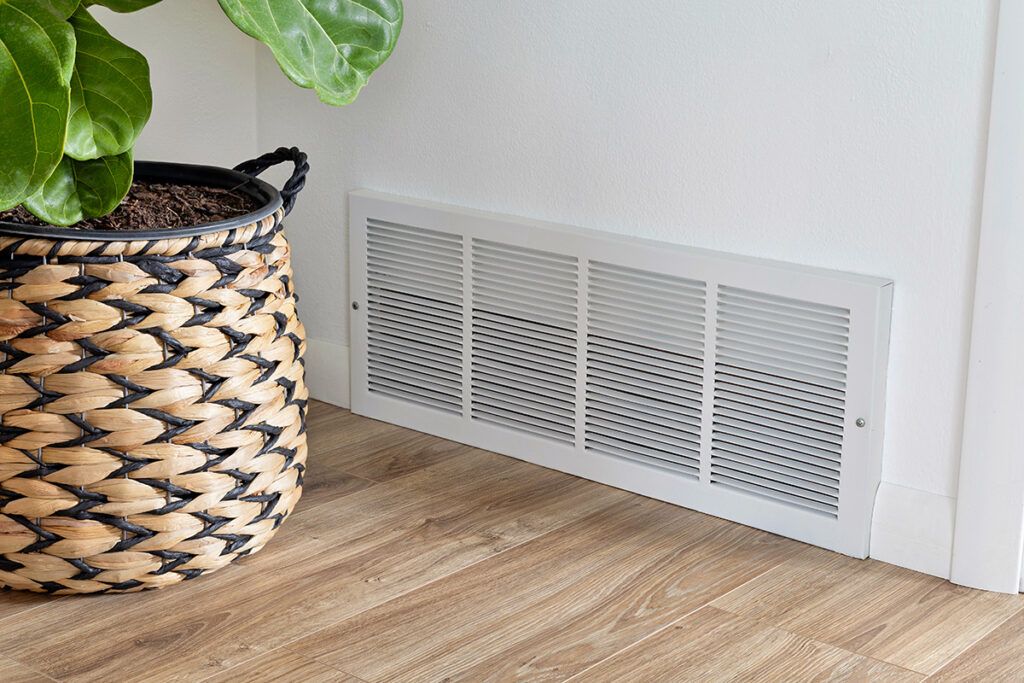
Blocking HVAC vents and return-air grilles with furniture or storage boxes forces your heating and cooling system to work harder, reduces airflow to rooms, and causes the furnace to overheat or the air conditioning coils to freeze over time. Return-air vents, in particular, need to draw freely from the room. Block them, and you’re effectively starving the system of the air it needs to circulate. Keep a clear perimeter of at least 1 foot around any vent or return grille.
The Underlying Rule
Before claiming a new storage spot, it’s worth asking: What is this space actually like? Not just today, but in July, in February, and after a heavy rain. The answer usually tells you whether your belongings will survive it.