While some everyday items simply lose their effectiveness, others can become messy, damaged, or flat-out dangerous. Before you use that bright windowsill as extra storage, here are a few things worth moving elsewhere.
1. Aerosol Cans
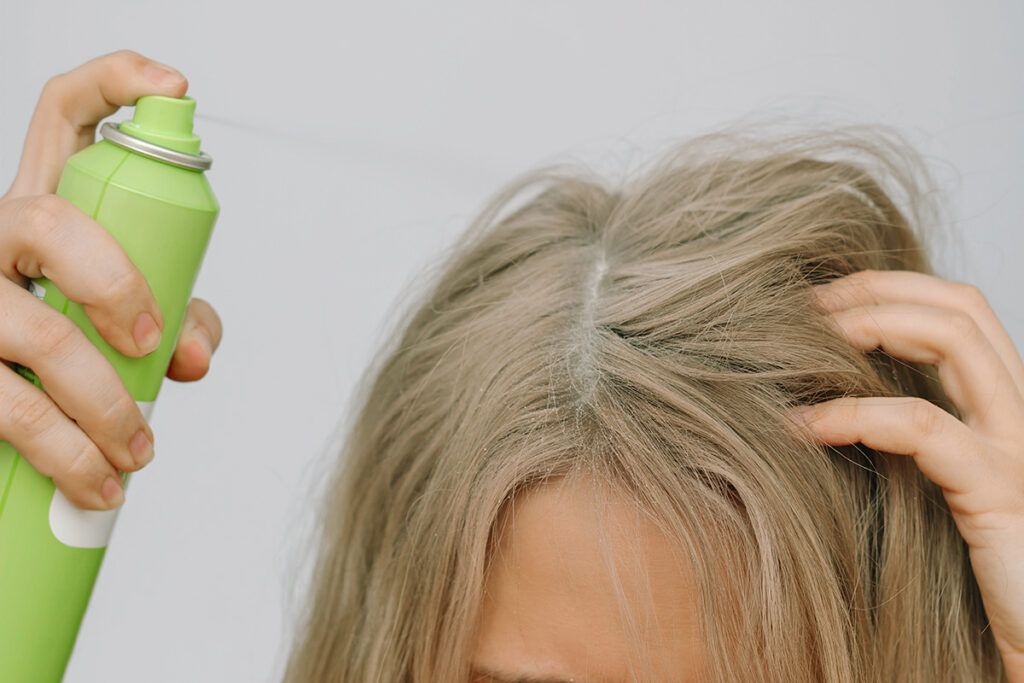
Items such as hairspray, spray sunscreen, cooking spray, dry shampoo, and air fresheners are pressurized, which means high temperatures can cause the contents inside to expand.
That doesn’t mean your dry shampoo is guaranteed to explode, but aerosol cans can rupture or leak when exposed to extreme heat. Most labels specifically say to store these products below 120 degrees Fahrenheit. In the summer, a car parked in direct sunlight can easily surpass this threshold, causing your aerosol can of SPF 50 to burst.
2. Bleach and Cleaning Products
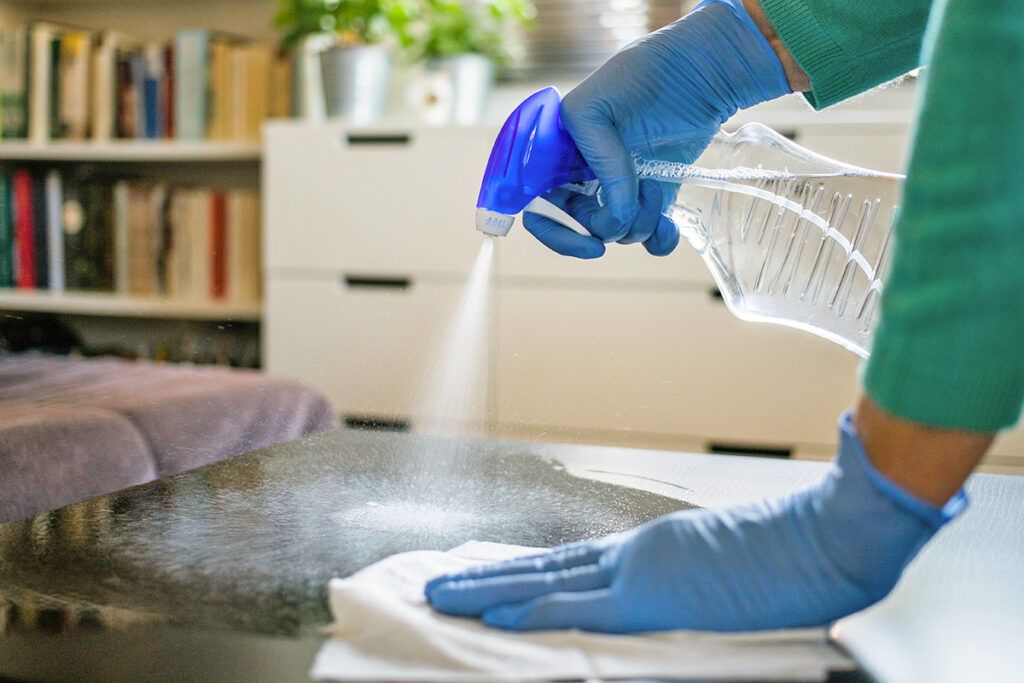
Heat and sunlight can break down the active ingredients in bleach over time, making it less effective when you actually need it. Other household cleaners can also degrade when left in hot conditions, particularly anything stored in thinner plastic bottles. Containers can warp, labels peel off, and formulas may separate or lose potency. A cool, dark space such as a hallway closet is a much better storage option for your cleaning supplies.
More from our network
House Outlook is part of Inbox Studio, which publishes content that uplifts, informs, and inspires.



3. Batteries
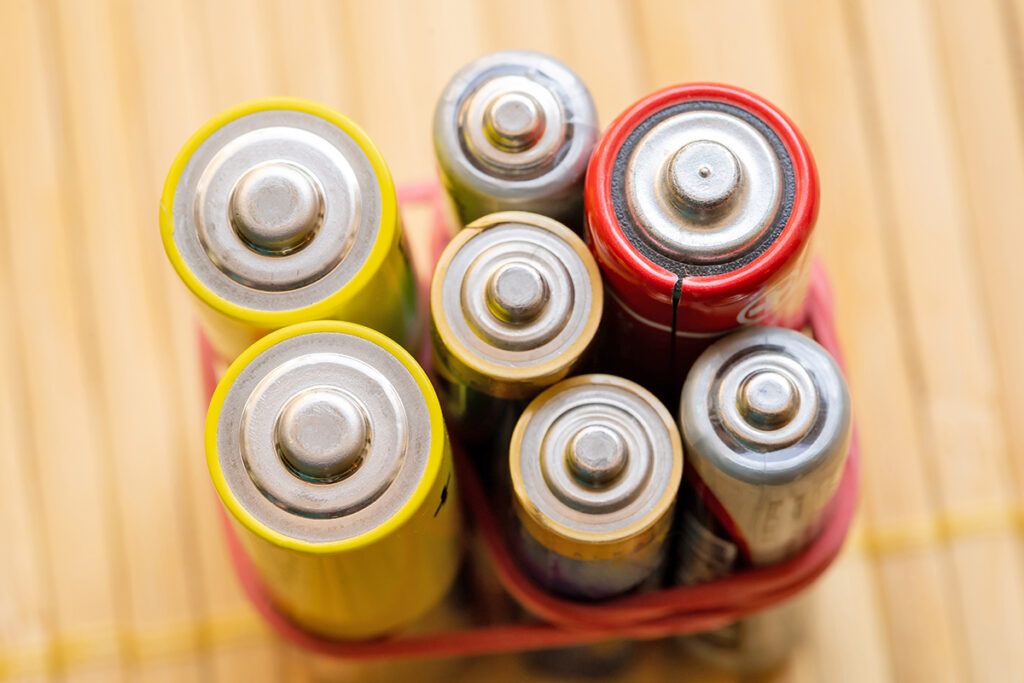
Loose batteries should stay far away from direct sunlight. Heat can shorten battery life, increase the risk of leakage, and damage the battery casing. Rechargeable batteries are especially sensitive to high temperatures and can, in extreme cases, present a fire hazard. Leaving a pack of AA batteries on a bright windowsill for weeks might not seem like a big deal until you go to use them and realize they’re either dead or leaking corrosive residue.
Junk drawers aren’t safe for storing loose batteries either, so stash them in a dedicated storage container in a room-temperature space.
4. Remote Controls and Small Electronics
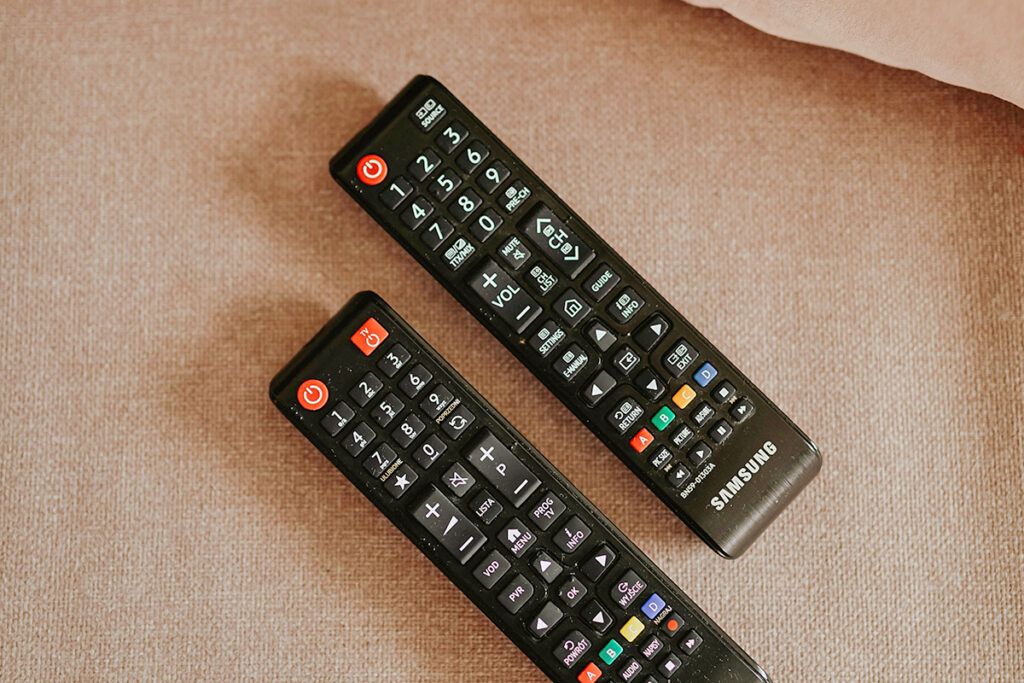
TV remotes, gaming controllers, wireless keyboards, and other small electronics don’t tolerate heat any better than your laptop. Direct sunlight can warp the plastic, fade buttons, and weaken internal battery performance over time. In extreme heat, adhesives used inside electronics can also degrade. It’s not usually instant damage, but repeated exposure adds up.
Keep these items tucked inside a closed media console, a drawer, or an opaque storage bin with a lid to protect them from direct sunlight.
5. Skin Care Products
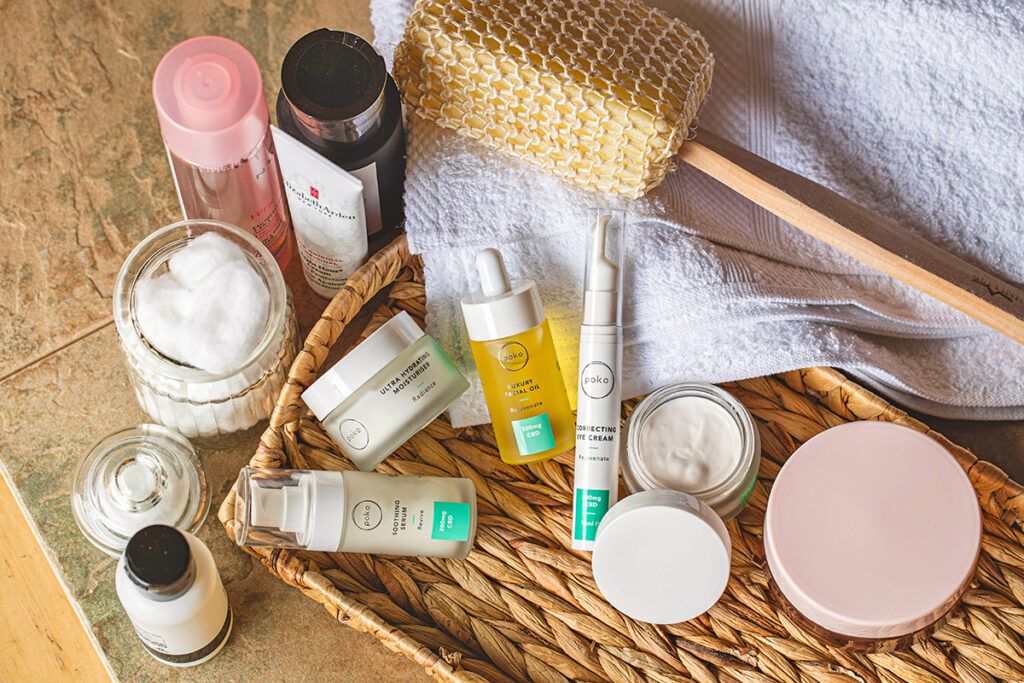
Many skin care ingredients are light-sensitive, especially products with retinol, vitamin C, benzoyl peroxide, and SPF formulas. Heat and UV exposure can destabilize ingredients, making products less effective long before their expiration date. Store your expensive products in a bedroom drawer, a linen closet, or even a mini fridge to prevent the formulas from breaking down.
6. Perfume
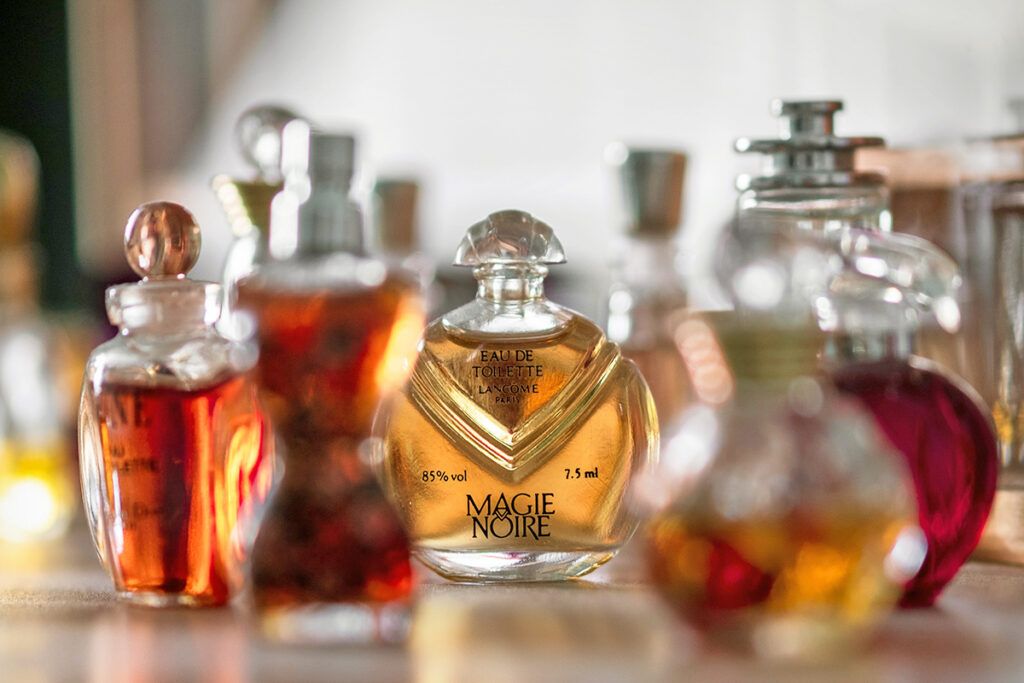
Perfume bottles look nice displayed on a vanity tray, but sunlight slowly works against them. Heat and UV rays can alter fragrance notes, change the scent, and shorten shelf life. A dark, cool storage spot is a much better choice.
7. Cooking Oils
Olive oil, avocado oil, sesame oil, and other cooking oils can go rancid faster when exposed to heat, light, and air. Once oils oxidize, the flavor changes — and not in a subtle way. Store them in a cool, dark pantry or cabinet instead.

8. Medication
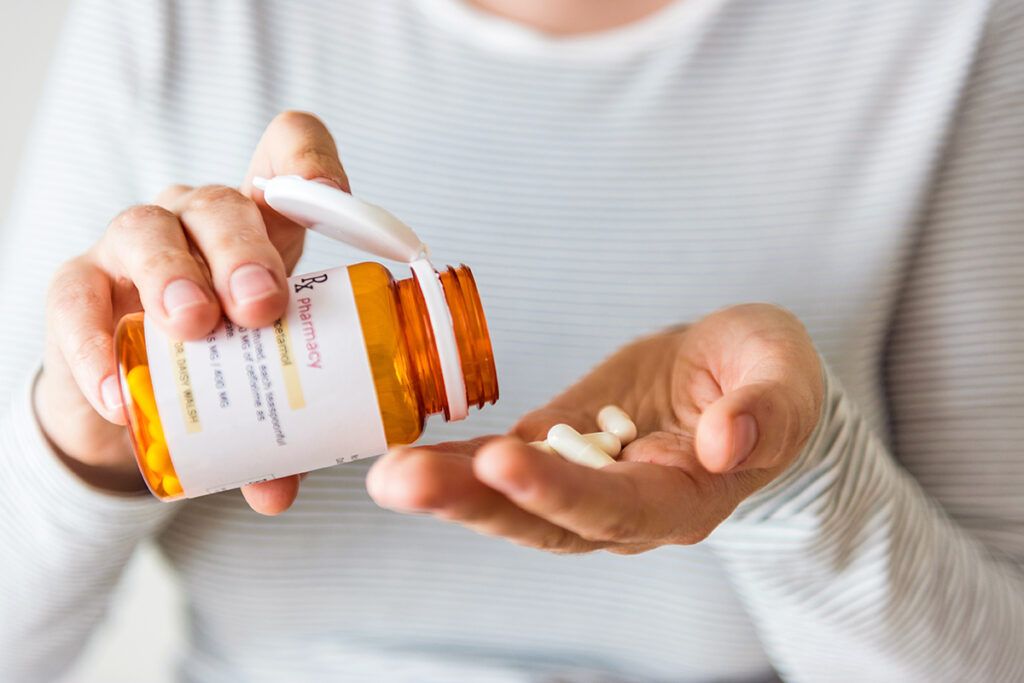
Prescription bottles, vitamins, and over-the-counter medications should never be stored in direct sunlight.
Heat can reduce potency, alter chemical stability, and in some cases make medications unsafe or ineffective. Bathrooms aren’t ideal either, thanks to humidity. Instead, opt for a dry, dark location with a temperature that hovers between 68 and 77 degrees Fahrenheit. If you have pets or children in the home, consider using a medicine lock box stored on a high shelf.
9. Plastic Water Bottles
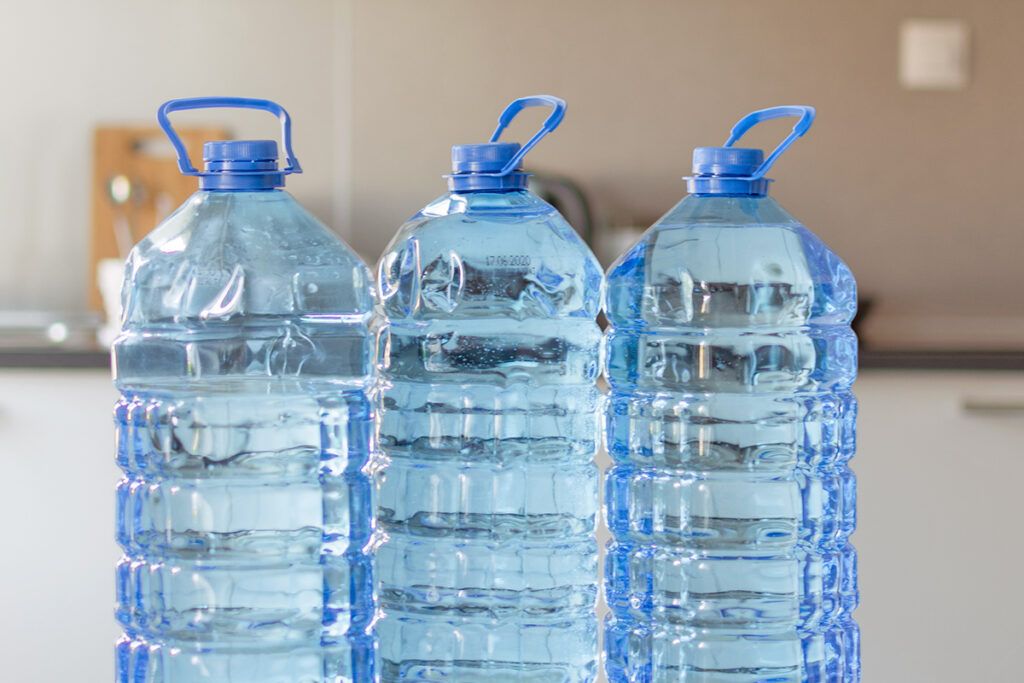
Leaving a single-use plastic water bottle in direct sunlight isn’t doing the bottle — or the water inside — any favors. Heat can cause plastic to degrade faster, warp the bottle, and make the water taste noticeably unpleasant and unsafe to drink. As the material breaks down, trace amounts of chemicals and microplastics can leach into the water. The risk is low in most everyday situations, but a clear water bottle can also act as a lens that concentrates sunlight. Should that focused beam land on a combustible material, it could generate enough heat to smolder or ignite. Reusable insulated bottles are a better choice if you tend to leave drinks sitting around.
What It Comes Down To
Sunlight makes a room feel warm and inviting, but it also damages a host of everyday items. If a product contains chemicals, fragrance, pressurized contents, batteries, delicate ingredients, or plastic, there’s a strong chance it shouldn’t be left in direct sunlight for an extended period.