Washing machines have changed, fabrics have evolved, and detergents are far more concentrated than they used to be. Yet a lot of us are still doing laundry like it’s 1998. If your clothes fade too quickly, come out stiff, hold on to odors, or seem worn out before their time, your routine might be to blame.
Here are the outdated laundry habits worth breaking now.
1. Using Too Much Detergent
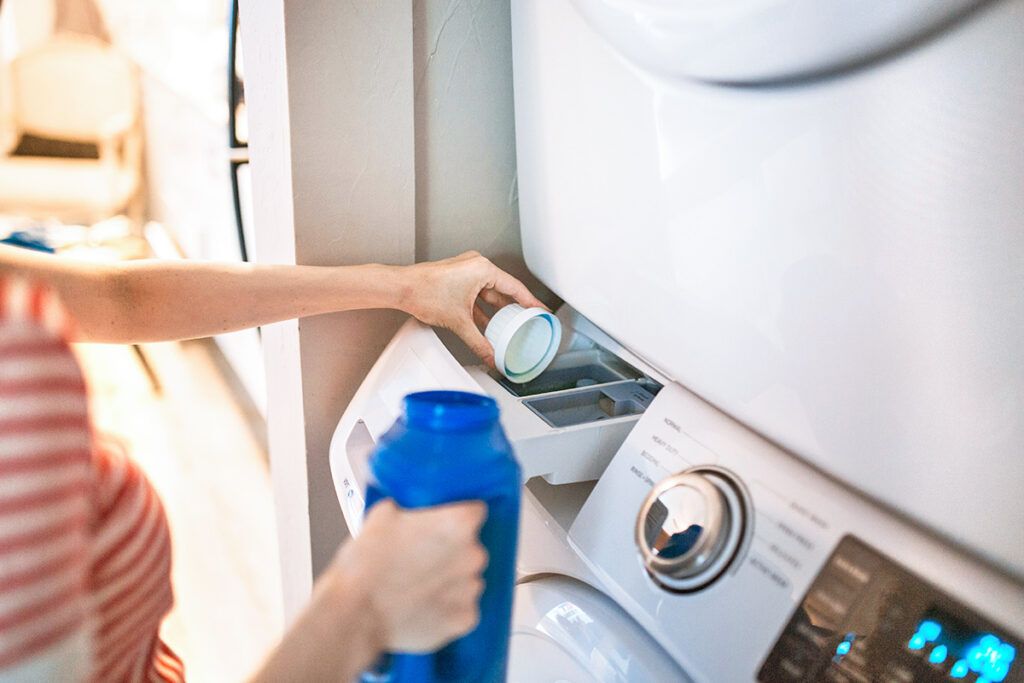
More detergent doesn’t mean cleaner clothes; it usually means the opposite. Modern formulas are highly concentrated, meaning extra soap leaves residue on fabrics. That buildup traps dirt, skin oils, and bacteria — which is why towels sometimes smell musty even after washing. Over time, it also causes clothes to feel stiff or look dull.
If you eyeball detergent straight from the bottle cap, you’re likely using too much. Most regular loads require far less soap than people think — typically 1 to 2 tablespoons — especially in high-efficiency machines. Instead of following the lines on the cap, check your washing machine’s manual for the recommended amount and use an adjustable measuring spoon.
More from our network
House Outlook is part of Inbox Studio, which publishes content that uplifts, informs, and inspires.



2. Washing Everything in Hot Water
Hot temperatures can shrink fabrics, fade dark colors, weaken elastic, and wear down fibers faster. Your favorite black T-shirt that turned grayish after six months? Hot water was probably the culprit.
Cold water works well for everyday laundry because modern detergents are formulated with enzymes that activate in low temperatures. It’s also gentler on clothes, keeps colors vibrant, and uses less energy. Reserve hot water cycles for items that need to be sanitized, such as heavily soiled work clothes or bedding used during an illness.
3. Using Fabric Softener or Dryer Sheets With Everything
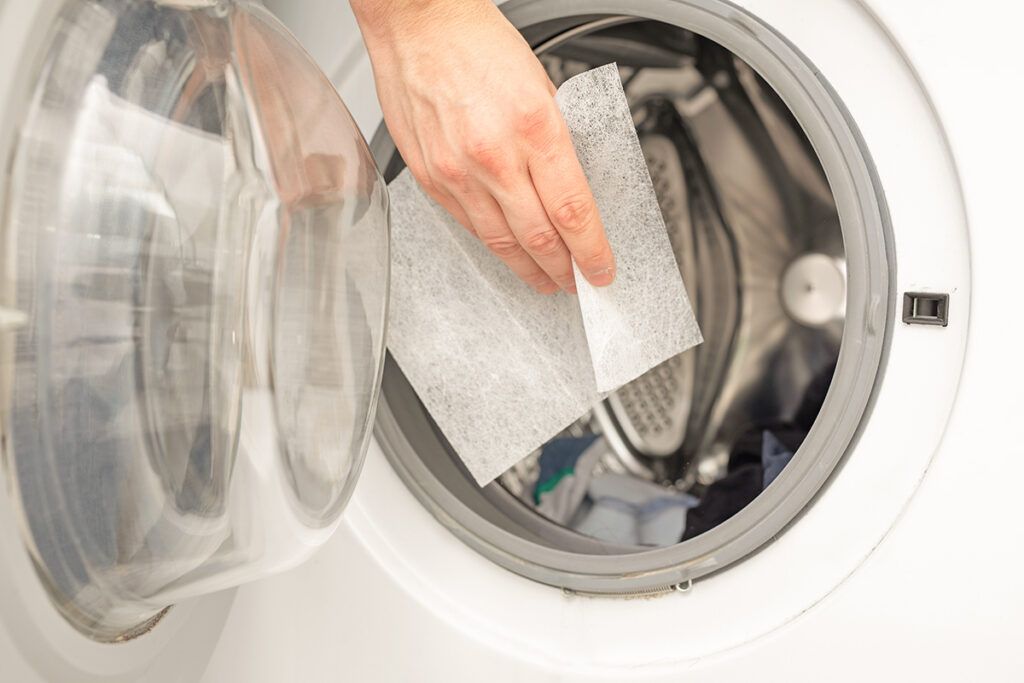
Fabric softener and dryer sheets have long been marketed as the shortcut to fluffy towels and softer clothes. However, they may do more harm than good. These products work by coating fabrics with a waxy layer that reduces absorbency and traps residue. Your towels may feel softer initially, but they will eventually lose their ability to actually absorb water.
This coating is also harmful for moisture-wicking activewear, microfiber cloths, swimwear, and stretchy materials. Wool dryer balls are a simple alternative. They separate clothes in the drum, reduce drying time, and soften fabrics naturally without leaving a residue.
4. Using Chlorine Bleach as a Fix-All
Chlorine bleach is highly corrosive and weakens fabric fibers over time, especially with repeated use. It also reacts poorly with synthetic materials and sweat stains, causing permanent yellowing and fiber damage instead of brightening your whites.
For everyday whitening, oxygen bleach is a much safer alternative. It lifts stains gently without degrading the integrity of the fabric, making it better suited for regular maintenance.
5. Overloading the Washing Machine
When the drum is packed too tightly, clothes can’t move around enough to get properly cleaned or rinsed. This leads to trapped detergent residue, lingering odors, and half-washed items.
Overloading also puts extra strain on your machine’s motor and suspension. Yes, doing fewer loads sounds great in theory, but a better approach is to leave enough room for clothes to tumble freely.
6. Leaving Wet Clothes Sitting Too Long
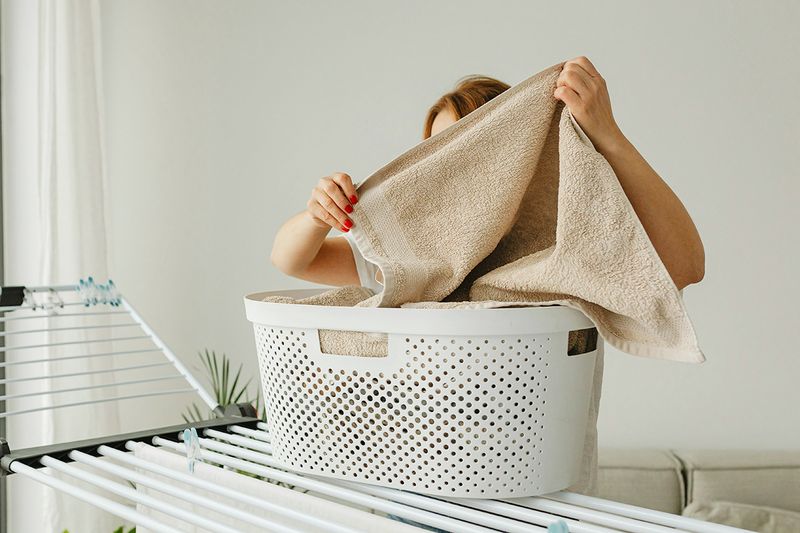
Leaving wet laundry sitting in the washer for too long creates the perfect damp environment for mildew and sour odors to thrive. As a rule of thumb, damp clothes left sitting for less than eight hours are typically fine to move straight to the dryer. Anything beyond that timeline usually requires a rewash, especially if the load has started to develop an odor. Once that telltale musty smell sets into the fibers, it can be annoyingly persistent and difficult to wash out.
If you regularly forget loads, set a timer or a phone reminder. It’s not groundbreaking advice, but it’s the easiest way to save your clothing from a rewash.
Final Thoughts
Laundry doesn’t need to be complicated, but small daily habits add up. A few routine tweaks will help fabrics last longer, feel softer, and come out cleaner without much extra effort — which, for a chore that almost nobody genuinely enjoys, is about as good as it gets.