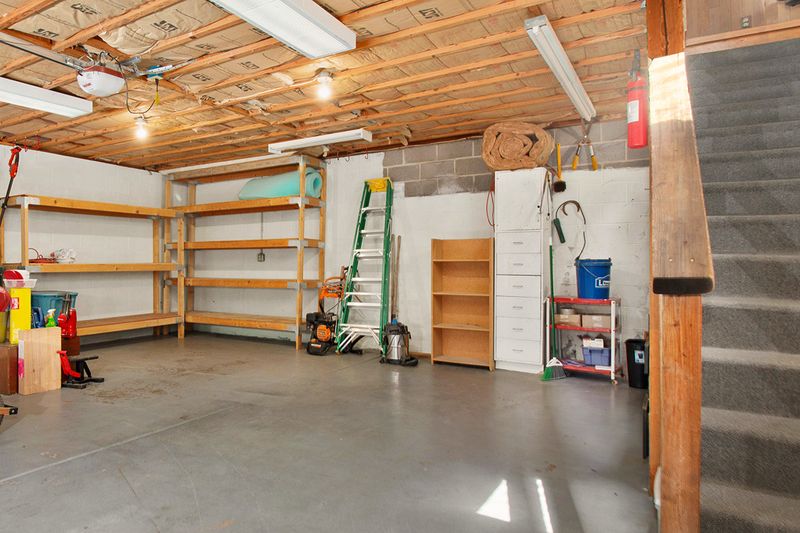
Because of that, it’s easy for a basement to become a dumping ground for random belongings. But not everything should get stashed away downstairs. In fact, many items you think belong in the basement can quickly get damaged or attract pests.
Here are 12 things you should never store in the basement, no matter its condition.
1. Documents
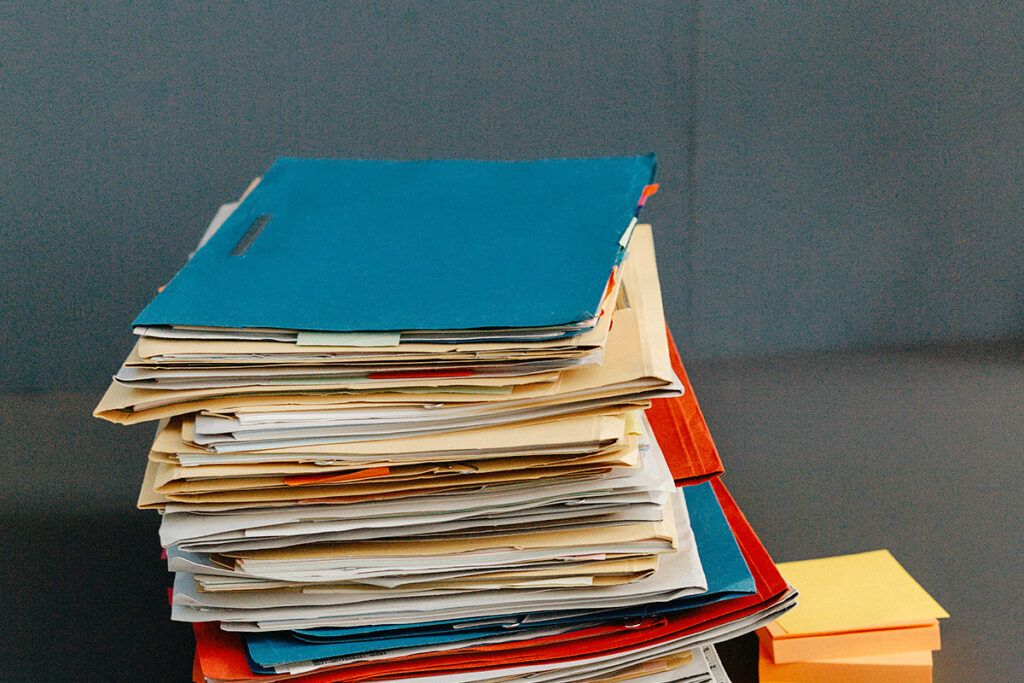
Even a finished basement is prone to excess moisture, which is why you should never store papers — especially important documents — in this space. High humidity wreaks havoc on paper, causing ink to bleed, pages to wrinkle, and mold to grow. It’s best to store important documents in a climate-controlled environment, preferably tucked away inside a fireproof and waterproof safe.
2. Family Photo Albums
Sentimental items like family photo albums and loose pictures do not belong in a basement. Damp air can cause images to stick together and fade, and pests — particularly rodents — love to chew through old album bindings, which were often made with animal-based glues or starch-based pastes that are appealing to hungry mice. Instead, keep your precious photos in a climate-controlled space, such as a closet or under the bed, preferably packed inside acid-free archival boxes.
More from our network
House Outlook is part of Inbox Studio, which publishes content that uplifts, informs, and inspires.



3. Vinyl Records
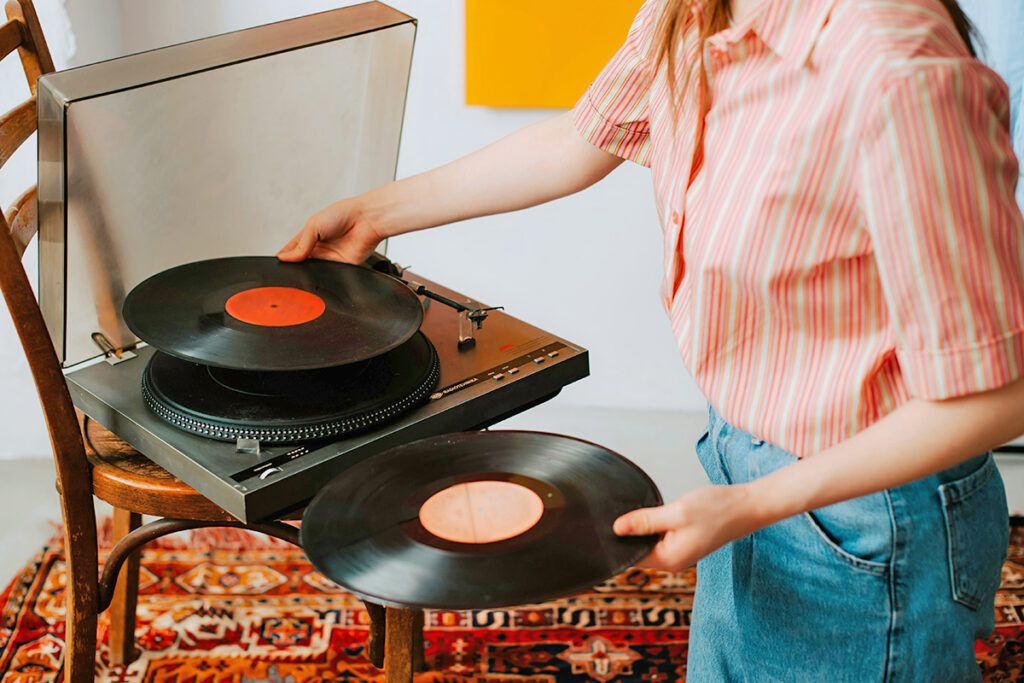
Basements are susceptible to flooding, high humidity, and fluctuating temperatures, making them poor storage spaces for vinyl records. Temperature swings can warp the vinyl, while excess moisture can result in mold growth on the cardboard jackets. A better solution is to store them on the main floor in a dedicated record crate, making sure they sit vertically rather than stacked, which contributes to warping over time.
4. Electronics
A basement’s high humidity can quickly corrode the metal components inside your electronics, including circuit boards and wiring. To protect your gear, always store electronics upstairs in a climate-controlled room. You may want to add a few silica gel packets to their storage bins to absorb excess moisture.
5. Food
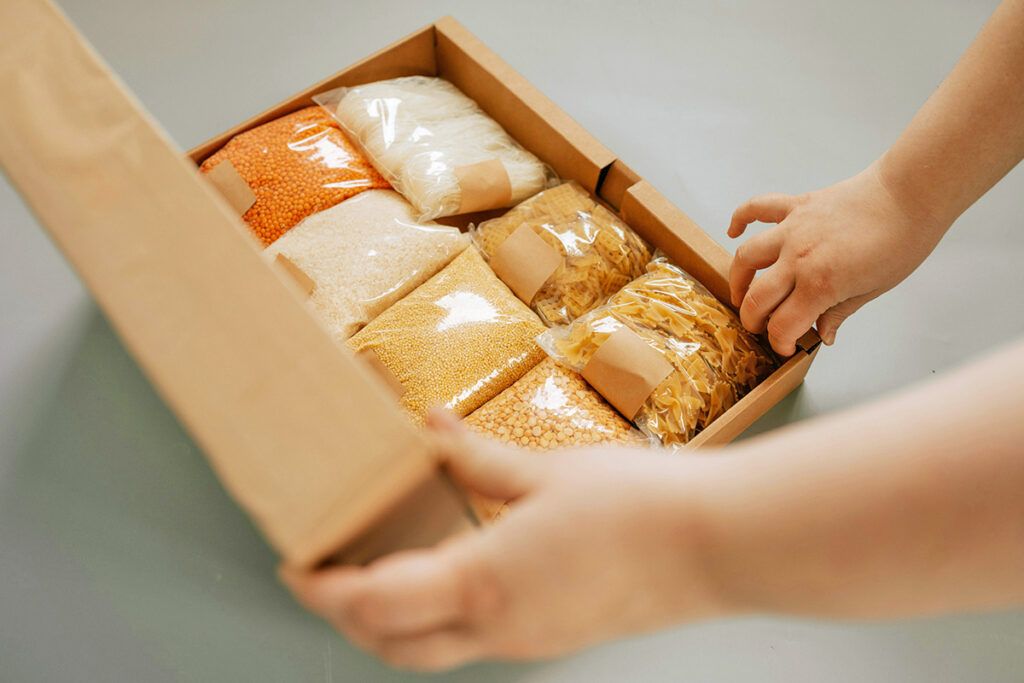
Food should never be stored in a basement. Bulk dry goods such as pasta, cereal, and flour draw in moisture from the damp environment, causing them to spoil, clump, or mold. These food items can also attract mice and insects. Keep your overflow pantry staples in a cool, dry kitchen cabinet or a hallway closet. Decanting dry goods into airtight containers also helps to lock out moisture and deter pests.
6. Paint and Wood Stains
Stash your DIY supplies somewhere else. Water-based latex paint will spoil and clump in a damp basement, while oil-based stains, paints, and chemicals like gasoline or propane are serious fire hazards. If your basement has a furnace or a water heater with a pilot light, trapped chemical vapors could trigger a fire or an explosion. We recommend storing your paints and stains in a climate-controlled closet or a detached garden shed. Fuels and propane tanks should be kept outdoors or in a well-ventilated, detached garage.
7. Household Chemicals
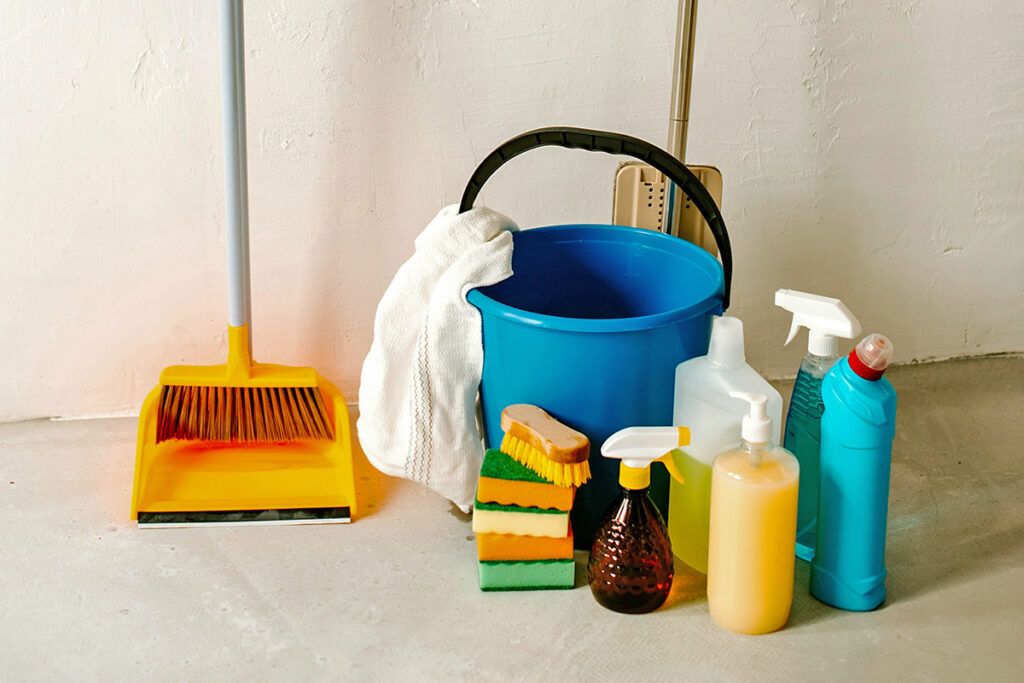
While most household cleaning products aren’t flammable, they still don’t belong in a stuffy basement. In these poorly ventilated spaces, chemical vapors can easily accumulate, potentially corroding the metal parts of a nearby furnace or water heater. Instead, stow your cleaning supplies upstairs in a utility closet or on a high shelf, away from children and pets.
8. Books
Similar to photo albums, books are at risk of ruin if stored in a basement. A basement’s high humidity levels can cause pages to warp and mold, while pests will happily chew through spines and covers. To protect your collection, house books in a temperature-regulated space. If you need to store them long-term, pack them flat (to protect their spines) inside airtight plastic bins.
9. Delicate Garments
High humidity and pests can easily ruin your most delicate garments. If you’re concerned about moths or musty smells, keep your wool, cashmere, and silk items upstairs. Instead of stuffing them into plastic containers, hang the pieces in breathable, moth-resistant garment bags in a bedroom closet. Folded items can be tucked into a linen drawer with cedar blocks or lavender sachets, which help repel closet pests.

10. Wood and Upholstered Furniture
Storing extra furniture downstairs is a risky move. Fluctuating humidity can cause solid wood to warp and crack, while upholstered pieces such as sofas and ottomans will act like a sponge for musty odors and mold. If you don’t have room elsewhere in the house for these items, consider renting a climate-controlled storage unit and wrapping upholstered furniture in breathable covers.
11. Sentimental Items
Irreplaceable items, such as family heirlooms and childhood keepsakes, simply don’t belong downstairs. With so much risk caused by excess moisture, shifting temperatures, and the threat of indoor flooding, basements are a no-go zone for sentimental items.These treasures should instead be stored upstairs in a dedicated closet or under a guest bed. Consider using airtight plastic bins in lieu of cardboard boxes, which are more susceptible to pests and moisture.

12. Cardboard
Since it’s made from highly porous organic wood pulp, cardboard should never see the inside of a basement. Cardboard shipping and storage boxes are prone to warping and growing mold due to excess moisture. Swap out these boxes for heavy-duty plastic storage totes with locking lids.
Ultimately, knowing what not to store in a basement does more than protect your belongings — it also forces you to think about what you’re holding on to. (Do you really need that old computer monitor?) This makes it easier to clear the clutter downstairs, too.