Avoid Storing These Items Under Your Sink
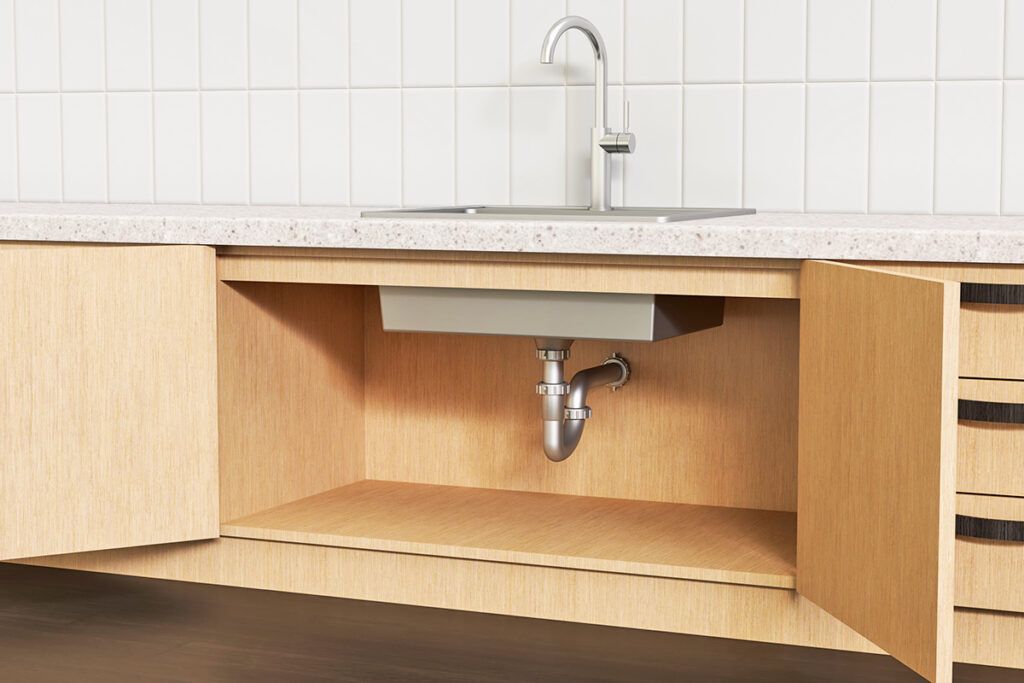
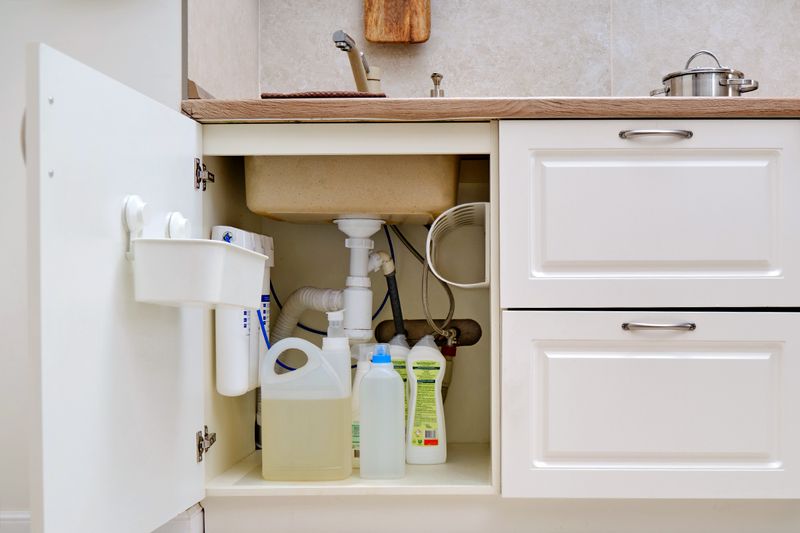
Whether you’re housing a backstock or everyday essentials, there are plenty of misconceptions about what actually belongs under the sink — and at least one of these will likely surprise you. Regardless of the room, here are the items you should never stash in an under-sink cabinet.
1. Backstock Paper Towels
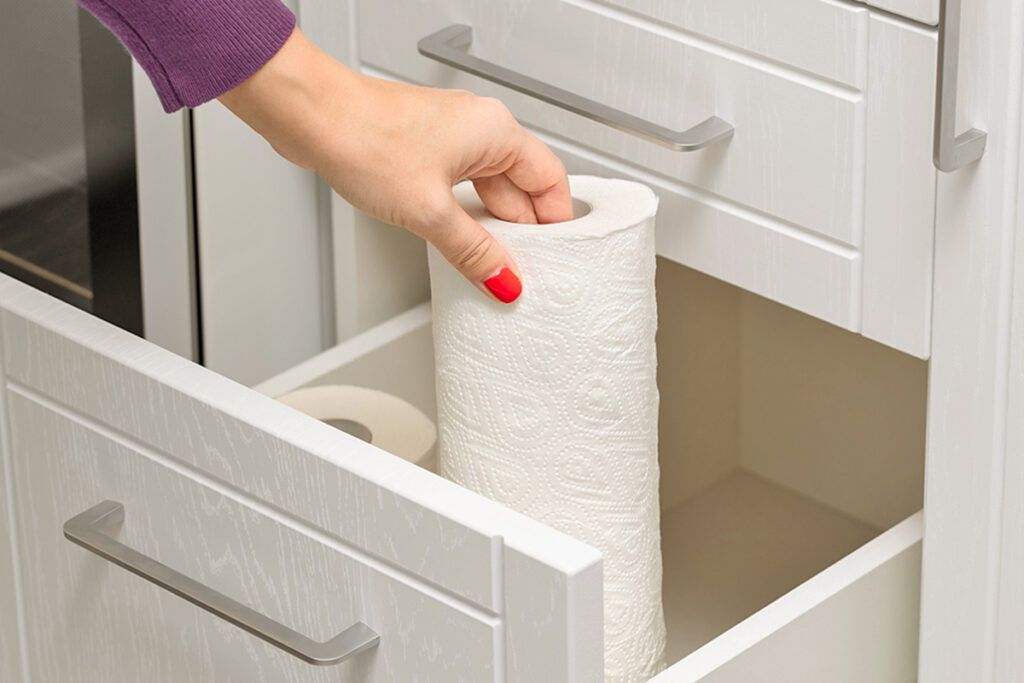
Buying paper towels in bulk saves money in the long run, but it often leads to a storage headache. While it’s tempting to tuck those extra paper towels under the sink, they’re actually better off in a pantry or hall closet. The cabinet under your sink is often too damp and can damage the rolls before you even use them.
2. Brown Paper Grocery Bags
If you reuse brown paper grocery bags, do your future self a favor and keep them out from under the sink. Because this area is susceptible to moisture, even minor dampness can compromise the integrity of the paper or cause the bags to disintegrate.
3. Cleaning Products
The cabinet under the sink is a popular spot for cleaning supplies, but many of these products belong elsewhere. Most household cleaners require climate-controlled environments with proper ventilation to prevent them from degrading. Plus, if they aren’t sealed properly, these chemicals can leak and create hazardous fumes within the cabinet that vent into your kitchen.
More from our network
House Outlook is part of Inbox Studio, which publishes content that uplifts, informs, and inspires.



4. Extra Sponges and Dish Towels
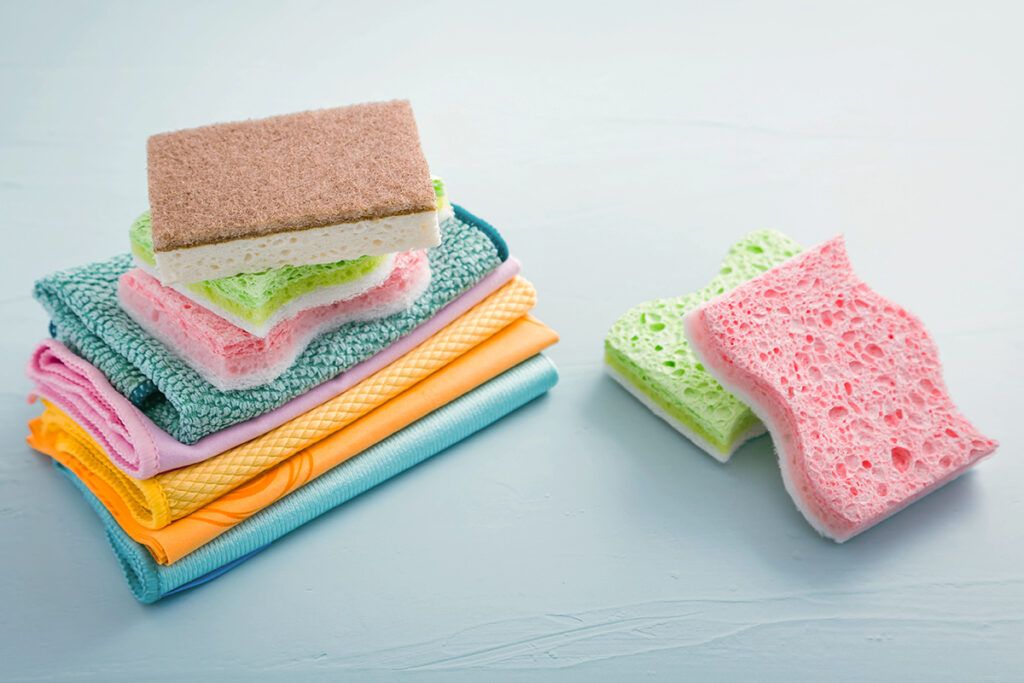
This might surprise you, but extra sponges and dish towels belong in a linen closet or another cool, dry location. While having them nearby is convenient, porous sponges can absorb excess moisture under the sink and develop mildew over time. If you must store sponges here, ensure they remain sealed in their original plastic packaging to prevent any issues. If you don’t have a linen closet, kitchen towels can be stored in a dedicated drawer or a labeled basket in the pantry.
5. Tools
Household tools such as wrenches and hammers should never be stored under the sink. The humidity in this area can quickly cause metal tools to rust or corrode, shortening their lifespan. To keep your toolkit in top shape, store it in a dry closet, garage, or workshop.
6. Dog Poop Bags
While you might be tempted to use the under-the-sink area for your backstock of dog poop bags, check the packaging first. If you’re using compostable bags, store them in a cool, dry place. Because they’re designed to break down when exposed to heat and humidity, stowing them in a damp cabinet can cause the bags to degrade and tear.
7. Compostable Trash Bags
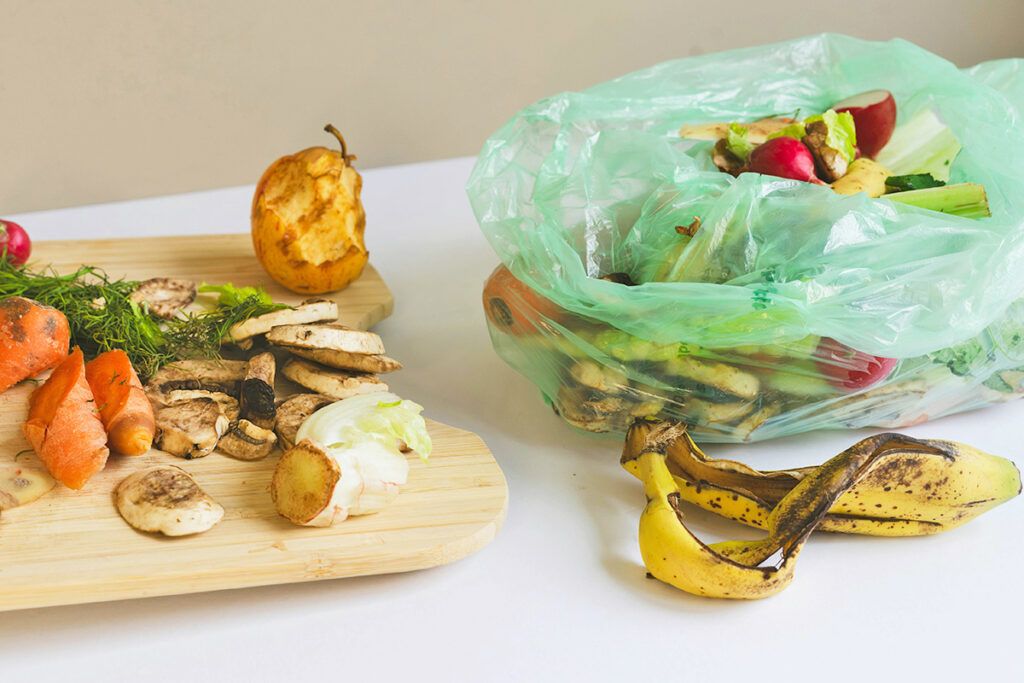
Similarly, compostable trash bags should find a home elsewhere. While these bags won’t break down right away, the backstock can lose its structural integrity over time if exposed to excessive moisture. To prevent the liners from weakening or tearing, store them in a climate-controlled area like a pantry.
8. Batteries
Don’t store batteries or battery-operated devices, such as flashlights, in the under-sink cabinet. When subjected to high humidity, batteries can corrode or short-circuit. To maintain their shelf life and performance, place these items in a cool, dry area of the home.
9. Pet Food
Bags of pet food don’t belong under the sink for several reasons. For one, if cleaning products are kept in the same cabinet, a spill could seep into the bag and contaminate your pet’s food. Additionally, storing pet food in this dark, enclosed area is an open invitation for mice and other household pests to feast on the kibble.
10. Small Appliances
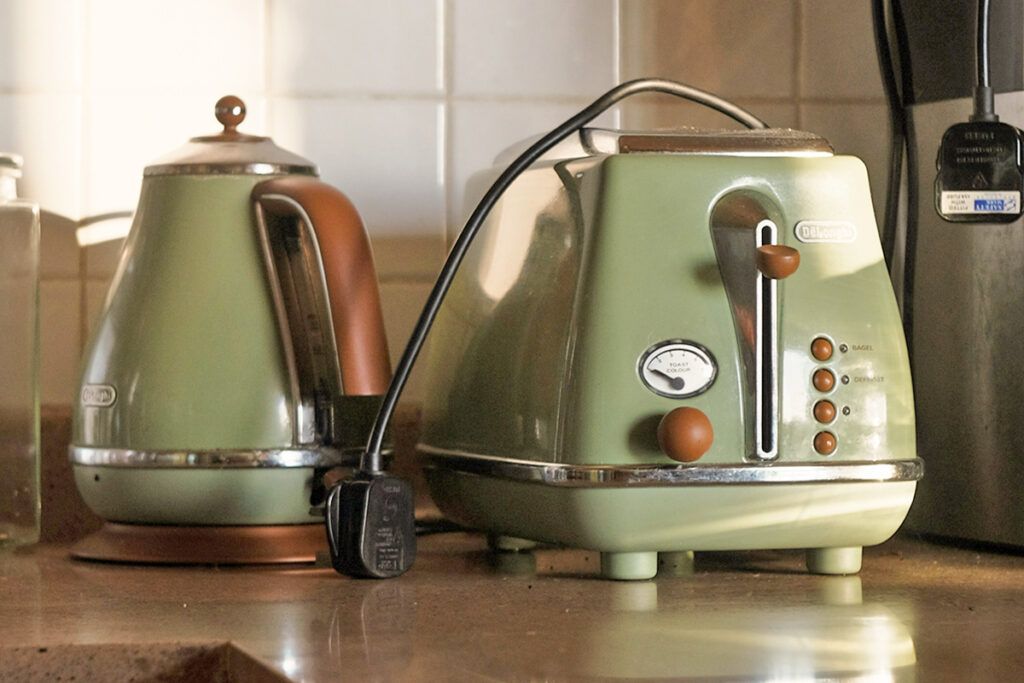
Countertop appliances such as blenders, toasters, and rice cookers aren’t meant for moist areas. Should your sink ever develop a leak, the water can easily damage these devices. Beyond the risk of a plumbing mishap, consistent moisture or humidity can damage internal electrical components and lead to rust.
11. Kitchen Wraps
It’s best to keep kitchen wraps and parchment paper far away from the dampness of the under-sink cabinet. The cardboard boxes they come in can absorb moisture and become mildewy. To prevent your aluminum foil from oxidizing and your parchment paper from soaking up musty smells, store these rolls in a dry kitchen drawer or pantry.
12. Flammable Substances
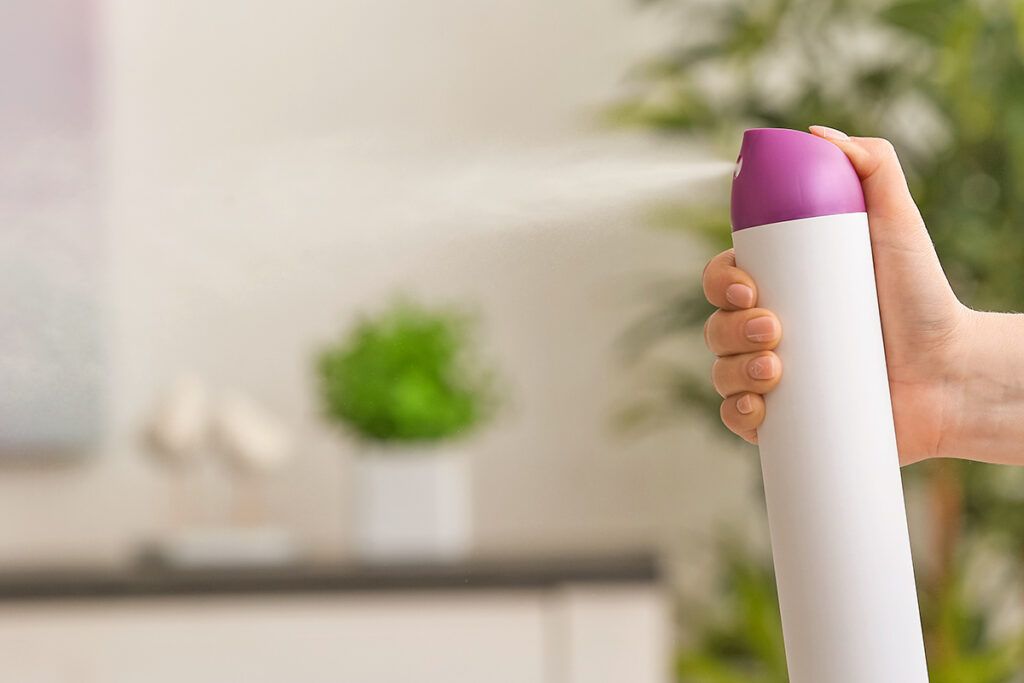
Any flammable substance should also stay away from the area under the sink. Items such as paint, oil-based polishes, and aerosol sprays can degrade when exposed to heat. More importantly, these products present a significant fire hazard; if a leak occurs, vapors can ignite if they come into contact with heat or sparks generated by a garbage disposal motor.
13. Glass Vases
If you have a collection of glass vases, it’s probably better to store them in higher cabinets rather than under the sink. This area is often dark and cramped, making it difficult to clean up shards if a vase accidentally shatters. Moving fragile glassware to an upper cabinet or storage closet also protects it from vibrations caused by plumbing and nearby foot traffic.
14. Light Bulbs
Finding the right spot for extra light bulbs can be tricky, but don’t resort to the cabinet under your sink. Because these areas are dark and small, storing any type of glass there is hazardous; the bulbs can easily shatter and leave hard-to-see shards everywhere. Instead, light bulbs should be kept in a pantry, junk drawer, or a labeled plastic bin in a low-traffic area.
15. Bulky Items
Since the area under your sink is typically more compact than other cabinets and closets, it’s worth finding a different home for bulkier items — even if they’re technically considered safe for this space. Removing oversized items keeps your cabinets clutter-free and ensures you have a clear view of your plumbing, making it easier to spot potential leaks before they cause serious damage.