The culprit is leaching, a process in which chemical compounds in plastic, including BPA, phthalates, and other additives, migrate into food when triggered by heat, acidity, fat, or strong pigments. The results can range from an orange-tinted container to food that’s absorbed chemicals you’d rather not consume. Here’s what to keep out of plastic and instead store in glass or stainless steel containers.
1. Tomato Sauce
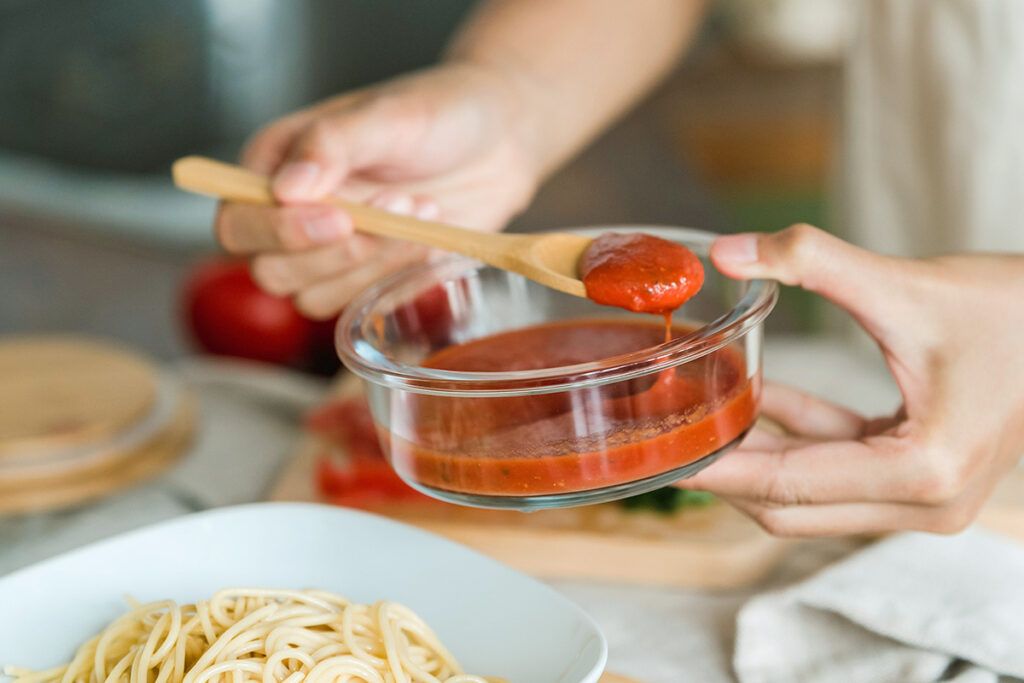
This is the most notorious offender because tomatoes are highly acidic, and that acidity acts like a solvent, breaking down the surface of plastic containers over time and making it easier for chemicals to leach into your food. The deep red pigments in tomatoes — known as lycopene — are also intensely fat-soluble, which means they don’t rinse away. They embed themselves into the container walls, leaving behind that familiar orange tint that no amount of dish soap fully removes.
2. Citrus-Based Foods and Juices
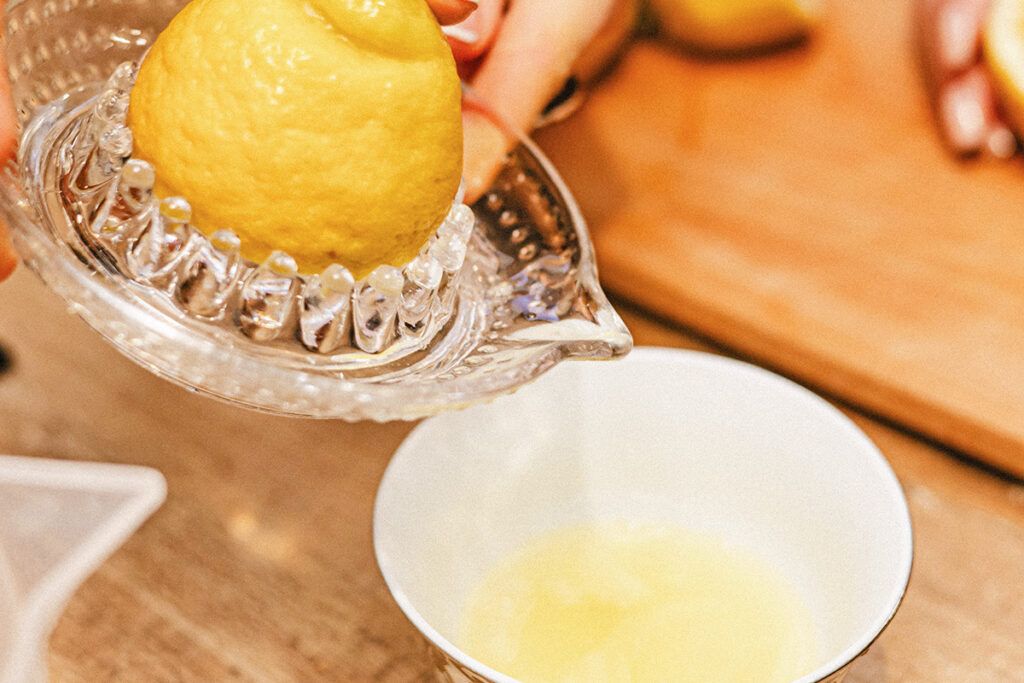
Anything with a high citric acid content should stay out of plastic — think freshly squeezed juice, cut fruit, and marinades. This applies to lemons, limes, grapefruits, oranges, pineapple, and even some berries.
Citrus compounds, particularly d-limonene from peels and citric acid from the juice, are corrosive to plastics at a molecular level, especially with prolonged contact.
More from our network
House Outlook is part of Inbox Studio, which publishes content that uplifts, informs, and inspires.


Even a brief time in the refrigerator is enough for citrus to begin interacting with plastic containers. Opt for glass food storage containers instead.
3. Hot Foods
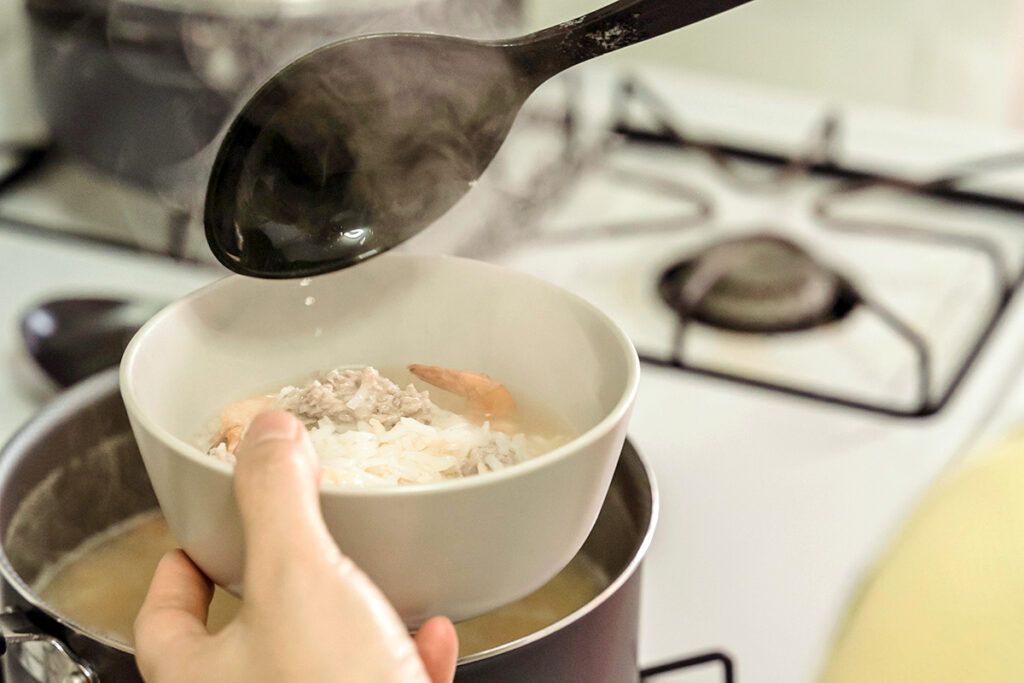
One of the most common kitchen mistakes is pouring a steaming bowl of soup directly into a plastic container. Heat dramatically accelerates chemical leaching. When plastic is exposed to high temperatures — whether you’re pouring hot liquid directly into it or reheating it in a microwave — its polymer structure loosens, allowing additives to migrate into food at a much higher rate. Let hot foods cool to room temperature before transferring to plastic, or better yet, use a glass or ceramic container from the start.
4. Curries
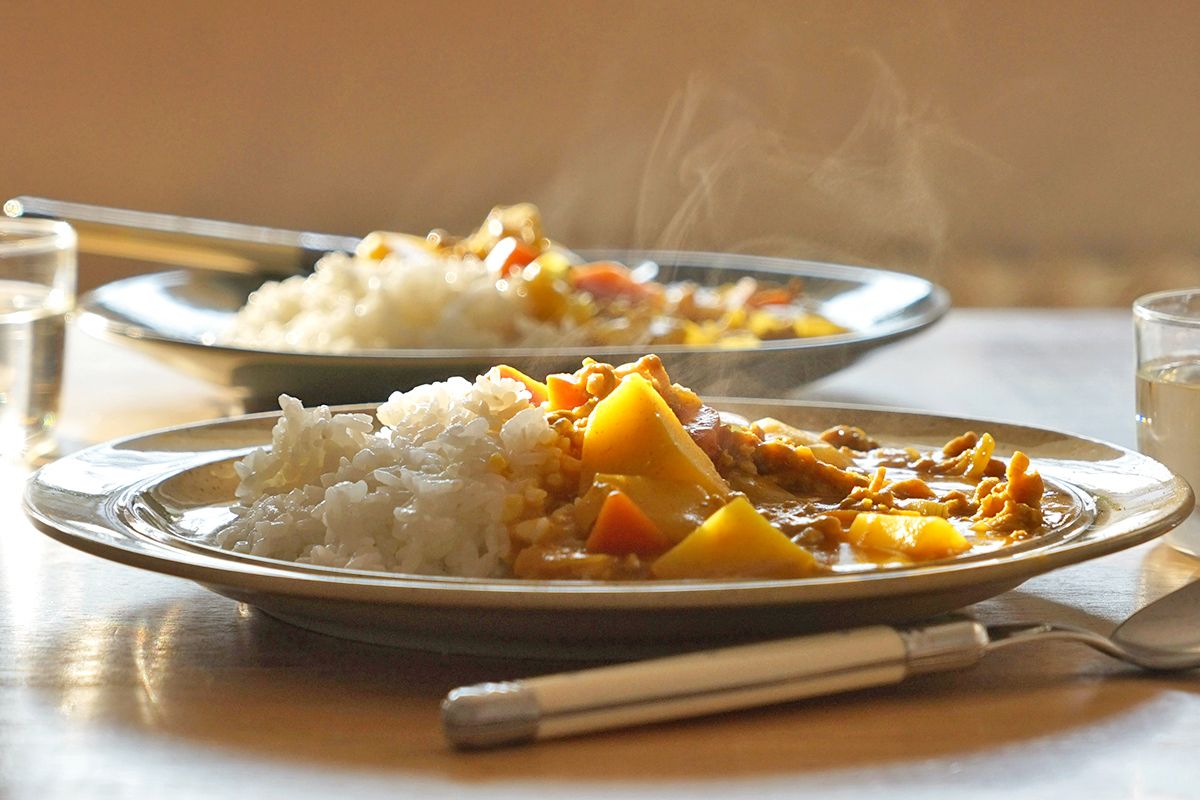
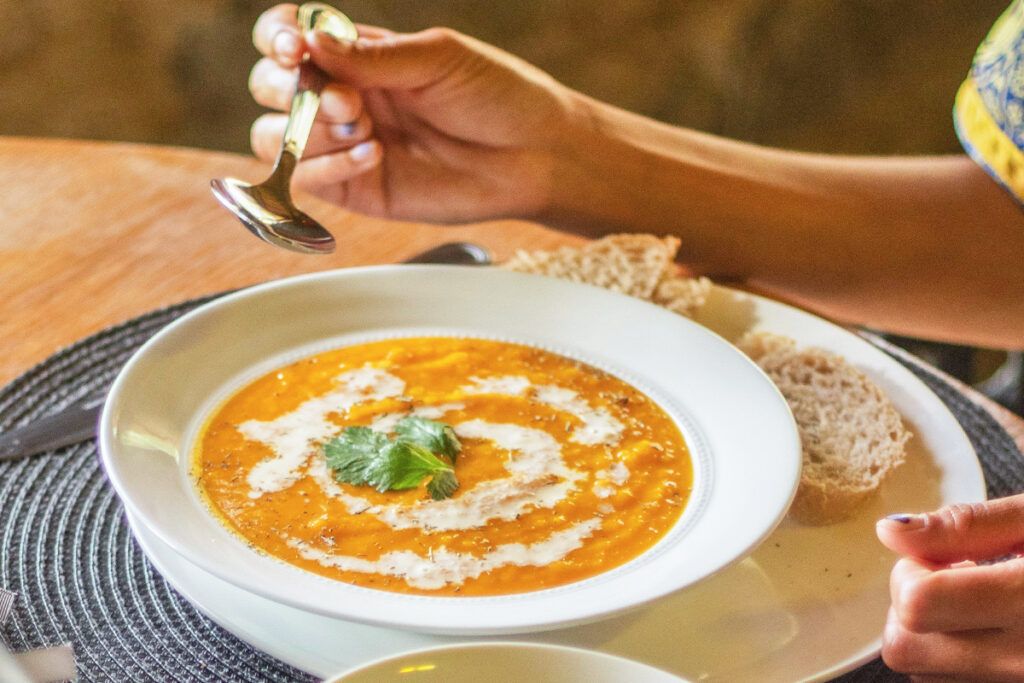
A rich curry, whether a tomato-based tikka masala, a coconut milk korma, or a turmeric-heavy dal, contains nearly everything that degrades plastic: acids, fats, heat, and deeply saturated pigments. Turmeric in particular is one of the most aggressive staining agents in the kitchen, and curcumin (the compound responsible for its golden hue) bonds to plastic with remarkable tenacity. If you’ve ever tried to scrub a curry-stained container clean, you know exactly how permanent this gets.
5. Mayonnaise and Creamy Emulsions
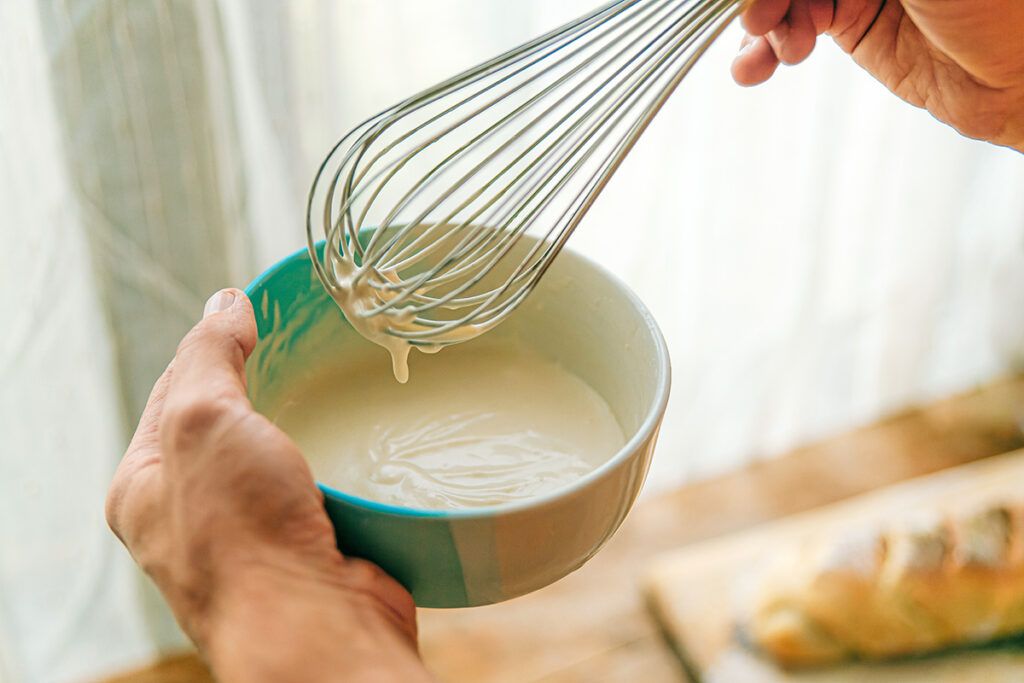
This one is a bit confusing because most mayonnaise brands package their products in plastic containers. However, its high fat and oil content can dissolve plastic additives over time, causing them to seep into the condiment. Ranch, aioli, Caesar, and similar dressings behave the same way. Studies on fatty foods stored in plastic have shown higher levels of plasticizer migration compared to water-based foods.
Consider buying smaller containers of these condiments so they are used up faster, or transfer them to glass containers when you get home from the grocery store.
6. Soft Cheeses
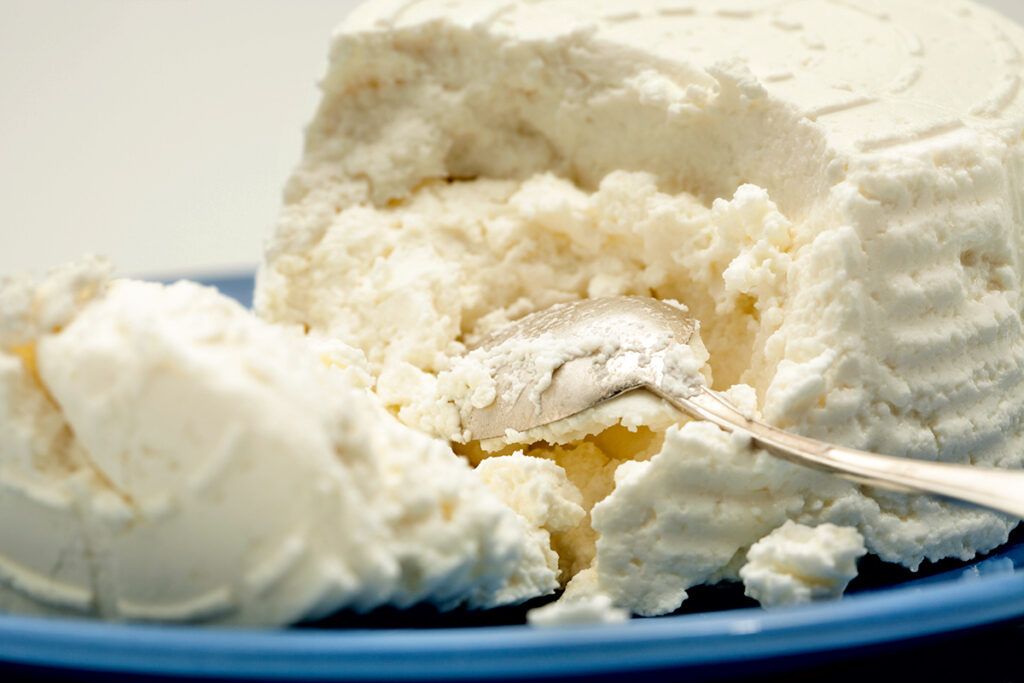
Soft cheeses, such as brie, ricotta, fresh mozzarella, and mascarpone, are high in fat and often slightly acidic, making them susceptible to absorbing flavors and odors from plastic. Plastic is porous enough to allow some gas exchange, and soft cheeses are delicate enough to absorb odors in their environment, including the smell of the plastic itself or other aromas from the fridge.
7. Alcohol-Based Foods and Vanilla Extract
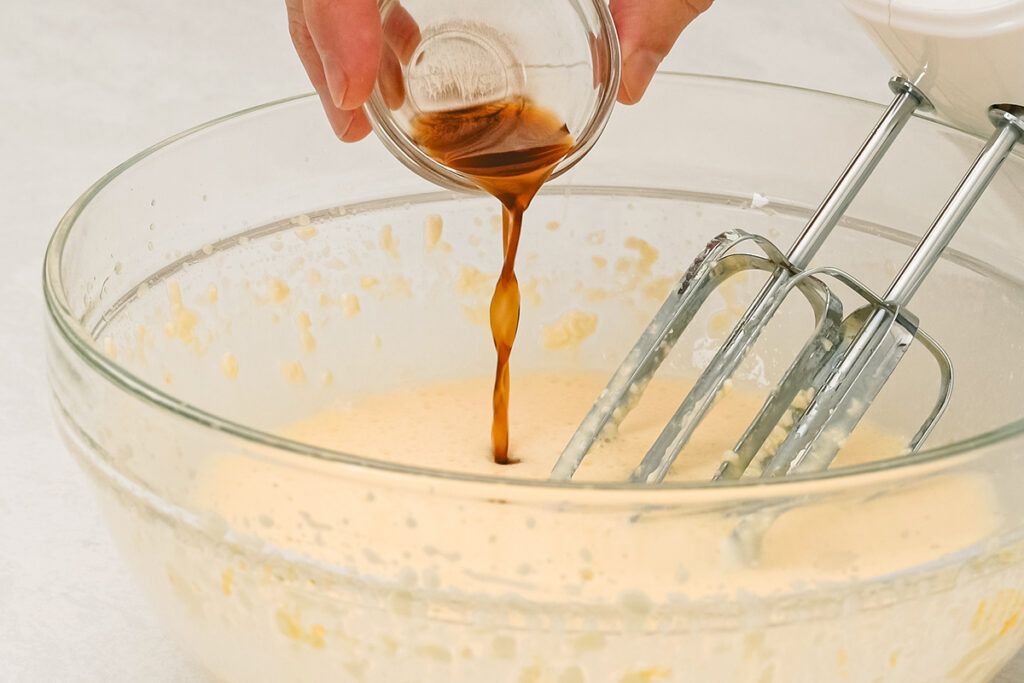
This one surprises people. High-proof alcohols, including vanilla extract, certain vinegars, and wine-based reductions, are effective solvents that can break down the compounds in plastic. Vanilla extract stored in a plastic bottle, for example, can subtly degrade both the container and the extract itself over time.
What To Use Instead
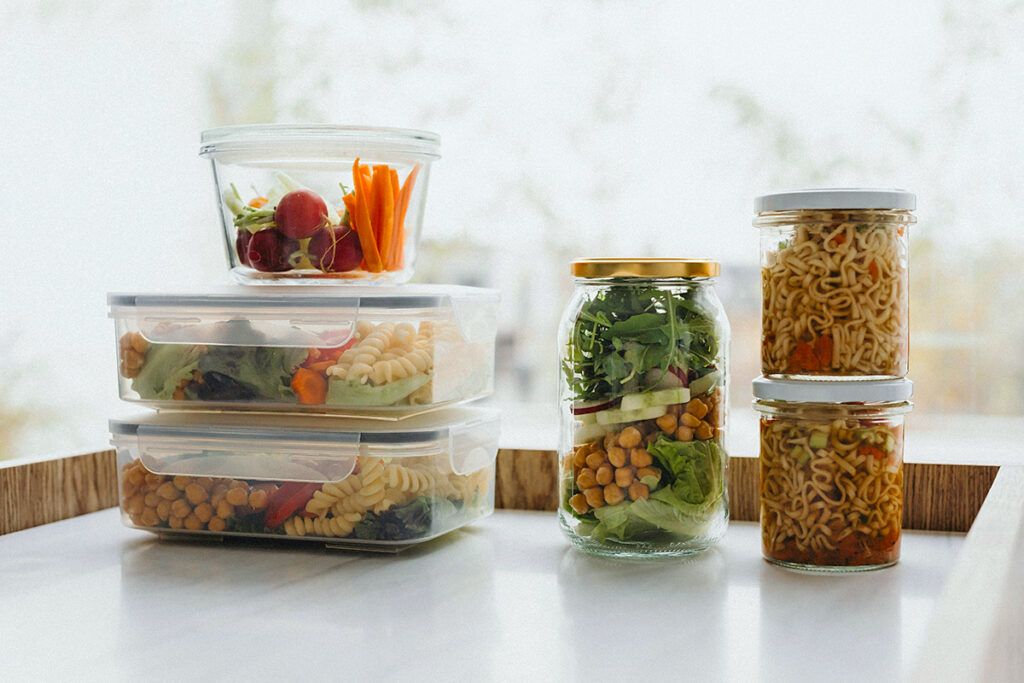
The good news is that switching away from plastic doesn’t require a total kitchen overhaul. Glass containers with locking lids, like those from Pyrex or OXO, are the gold standard for acidic and fatty foods. Stainless steel containers work well for curries, and silicone bags are a good option for foods that don’t involve heat or prolonged contact. And for soft cheeses, cheese storage bags or parchment paper offer a breathable, plastic-free alternative.