Advertisement
Home Improvement 13m read
5,272

32 Genius Life Hacks Using Only Things From Your Pantry

You don’t need a cart full of specialty cleaners, pricey gadgets, or viral must-haves to make your home run smoother. In fact, some of the smartest life upgrades are already sitting on your pantry shelves.

All featured products and deals are selected independently and objectively by the author. House Outlook may receive a share of sales via affiliate links in content.

You don’t need a cart full of specialty cleaners, pricey gadgets, or viral must-haves to make your home run smoother. In fact, some of the smartest life upgrades are already sitting on your pantry shelves.

Here’s a mix of 32 clever, easy-peasy pantry hacks to help you tackle everything from cleaning and cooking to gardening and DIY home improvements.

Cleaning Hacks

1. Use Baking Soda To Remove Coffee Mug Stains

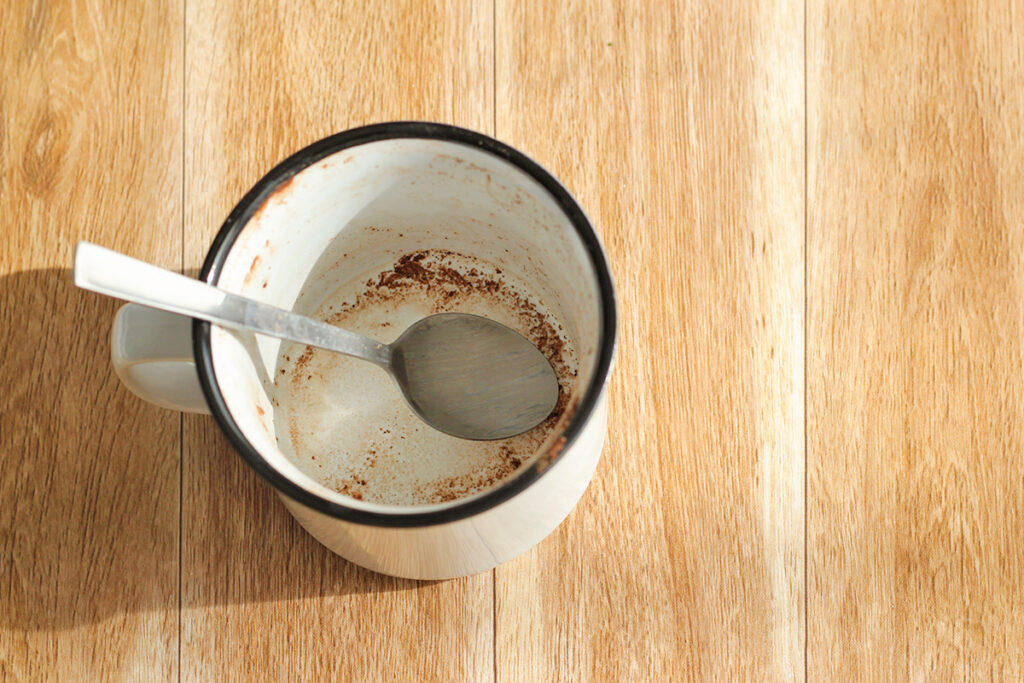
Sprinkle baking soda into tea- or coffee-stained mugs, add a splash of water, and gently scrub with an old toothbrush or rag. The baking soda’s mild abrasiveness is tough on discoloration but safe for ceramic. This hack works especially well on older, set-in stains.
Related: This Cheap Pantry Staple Will Make Your Stained Coffee Mugs Sparkle Again
Credit: ELENA ARA OLIVER/ iStock

2. Use Baking Soda and Vinegar To Clean Your Garbage Disposal

Pour a quarter cup of baking soda into the disposal and follow with 1 cup of distilled white vinegar. Let it fizz for five to 10 minutes and then flush with cold water. This helps break down residue and neutralize lingering odors. Run the disposal briefly during the final rinse.

Related: Garbage Disposal Cleaning Hacks That Actually Work

3. Use Aluminum Foil To Make Silverware Shine in the Dishwasher

Toss a small ball of tightly crumpled aluminum foil into the utensil basket to help reduce dullness during the wash cycle. The chemical reaction between the foil and detergent lifts tarnish from silver and minimizes water spots on stainless steel. Replace the foil every few washes.

Related: Why You Should Put a Ball of Aluminum Foil in the Dishwasher

4. Use Olive Oil To Remove Smudges From Stainless Steel

A few drops of olive oil on a soft cloth will buff away fingerprints and restore shine to stainless steel surfaces. Always wipe in the direction of the grain to avoid streaks. Note: This hack is not recommended for matte finishes.

Related: This Pantry Staple Helps Keep Stainless Steel Smudge-Free
Advertisement

5. Use Baking Soda To Deodorize Your Mattress

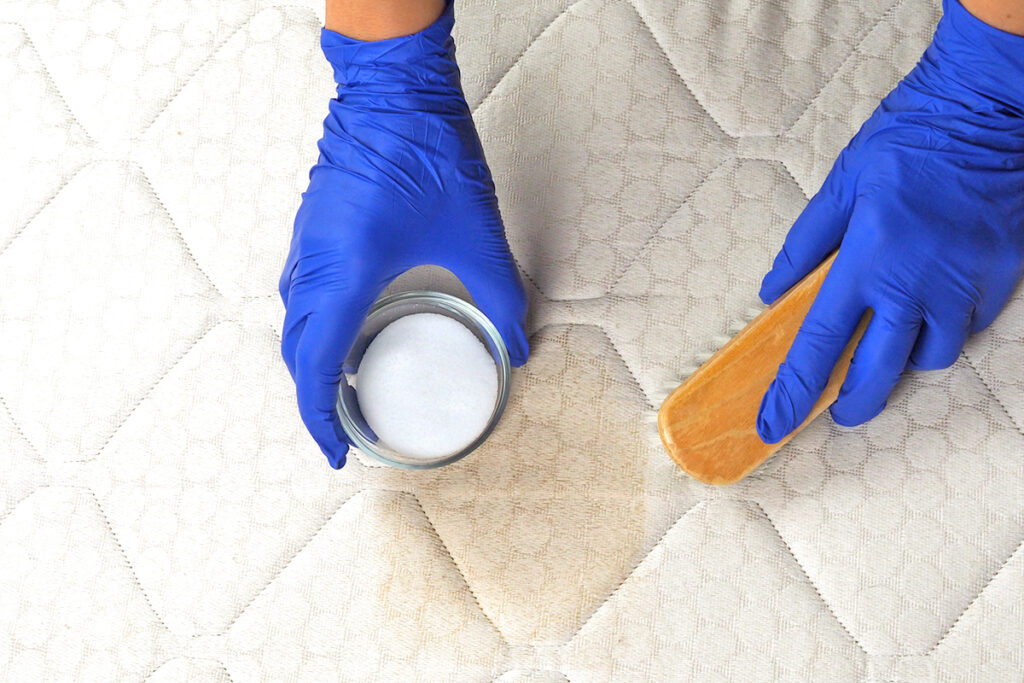
Combine 1 cup of baking soda with 10 drops of your favorite essential oil. Sprinkle the mixture evenly across the top of your mattress, let it sit for one hour, then vacuum thoroughly. Since baking soda can clog vacuum filters, it’s best to use an old or inexpensive model. This miracle powder absorbs moisture and odors without harsh chemicals. Do this twice a year to help reduce the buildup of sweat, body oils, and other grime.
Related: The Best Way To Clean Your Mattress
Credit: Andrei Zonenko/ iStock

6. Use Vinegar To Eliminate Lingering Cooking Smells

Simmer 1/2 cup of distilled white vinegar and 1 cup of water on the stove for 10 to 15 minutes to quickly neutralize strong food odors. This method is especially helpful after frying or cooking fish. Ventilate the space afterward.

Related: A Quick Fix for Lingering Cooking Smells

7. Lift Oil Stains From Clothes With Cornstarch

Sprinkle a generous amount of cornstarch over the oil stain, ensuring that it’s completely covered. Let it sit for at least 15 minutes (a couple of hours is even better), brush off the cornstarch, and launder the garment as usual.

Related: 3 Clever Ways To Clean With Cornstarch

8. Use Kosher Salt To Clean Cast-Iron Cookware

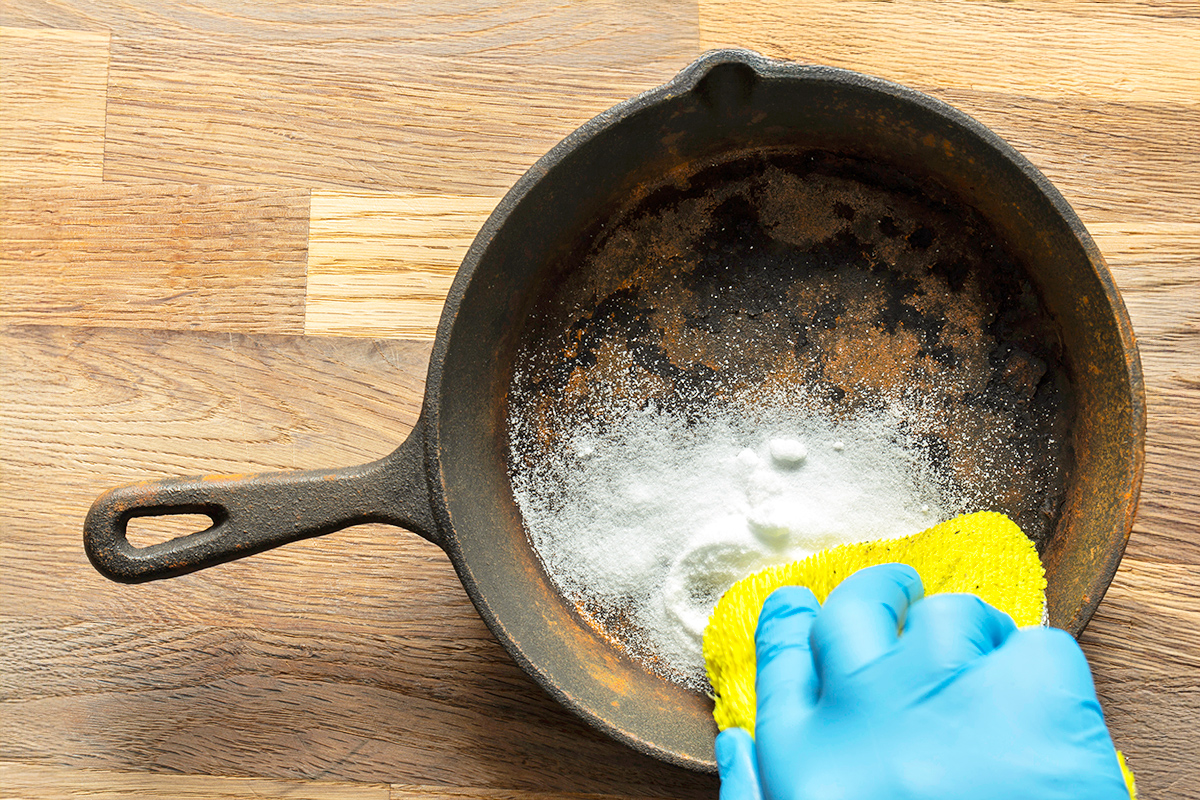
Coarse salt scrubs away stuck-on food without damaging seasoning. While the cast-iron skillet is still warm, use a nonscratch pad and warm water to get rid of any loose food particles. Rinse quickly and dry thoroughly, then pour 2 to 3 tablespoons of kosher salt onto the cooking surface. Use a paper towel to work the salt into the pan, then discard the salt, rinse again, dry completely, and oil the skillet lightly.

Related: A Natural Cleaning Hack for Your Cast-Iron Skillet

9. Use Sliced Bread To Safely Clean Up Broken Glass

Press a slice of soft bread over tiny glass shards to pick them up without cutting your hands. Dispose of the bread immediately, then follow up with a damp paper towel to catch any remaining pieces.

Related: The Kitchen Staple That Cleans Up Broken Glass Like Magic
Advertisement

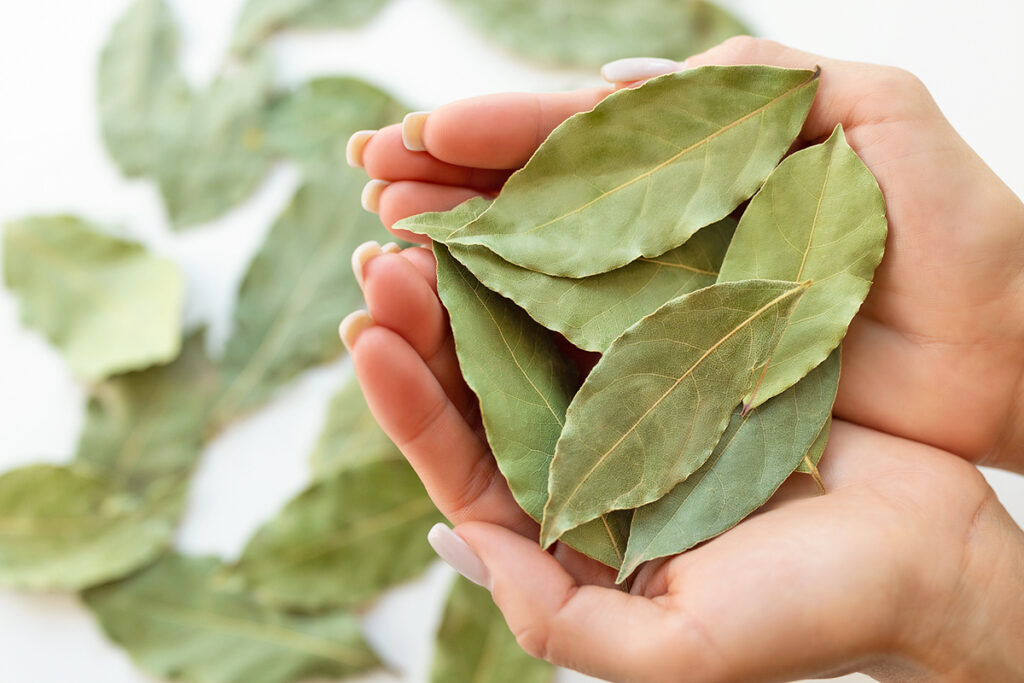
10. Use Bay Leaves To Deter Pantry Pests

Tuck whole bay leaves — even stale ones — into pantry shelves and food containers to naturally deter insects such as moths, cockroaches, and weevils. Replace them every two to four months as the scent fades.
Related: This One Ingredient Wards Off Pantry Pests
Credit: bymuratdeniz/ iStock

11. Use Rice To Remove Cloudiness From Glassware

Uncooked rice acts as a mild abrasive to loosen residue in narrow-necked bottles and vases. Fill a cloudy piece of glassware halfway with warm water, a few drops of dish soap, 1 to 2 tablespoons of distilled white vinegar, and up to 1 cup of uncooked rice. Cover the top and shake vigorously to scrub the interior. Dispose of the rice, rinse thoroughly with warm water, and dry with a microfiber cloth.

Related: Clean Cloudy Glassware With This Pantry Staple

12. Use Ketchup To Shine Stainless Steel

The mild acidity in ketchup helps lift tarnish and restore shine to stainless steel. Apply an even layer and let it sit for 30 minutes. Wipe it away, rinse the surface thoroughly, and dry with a microfiber cloth. Spot-test a hidden area first to prevent potential staining.

Related: Want Shiny Stainless Steel? Reach for This Condiment

Food & Drink Hacks

13. Use Cornstarch To Make Roasted Potatoes Extra Crispy

For every half-pound of baby potatoes, combine 2 tablespoons of cornstarch and 1/2 cup of water in a large bowl. Microwave in 20-second increments until the mixture forms a gooey paste. Toss the potatoes in the paste, then place them cut-side down on a sheet pan coated in cooking spray and a neutral oil. Roast for 15 minutes at 425 degrees Fahrenheit, remove the foil, and continue roasting for 20 minutes more. You’ll get incredibly crispy potatoes with light, fluffy interiors.

Related: The Secret to Super Crispy Oven-Roasted Potatoes

14. Use Baking Soda To Brown Ground Beef Better

To encourage even browning, use a baking soda solution on your raw ground beef. For every pound of meat, dissolve 1/4 to 1/2 teaspoon of baking soda in 1 tablespoon of water. Mix the solution into the raw ground beef and let it rest on the counter for 15 to 30 minutes before cooking as you normally would to achieve restaurant-quality browning.

Related: The Secret Ingredient for Better-Browned Ground Beef
Advertisement

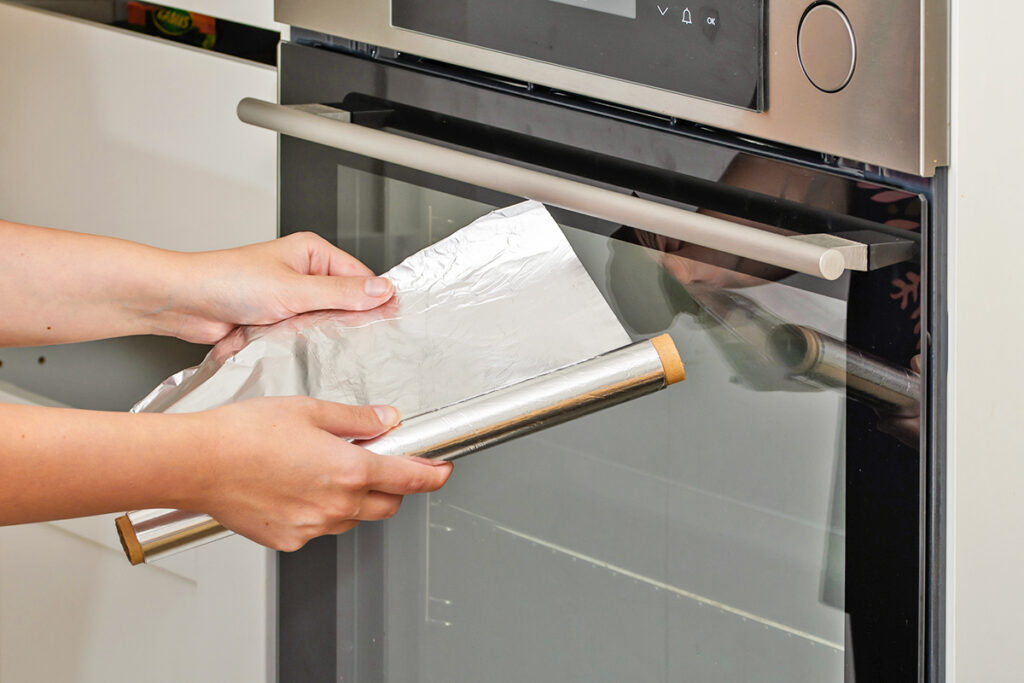
15. Use Aluminum Foil To Replace a Roasting Rack

Rolled foil coils lift meat off the pan, allowing heat to circulate underneath to prevent a soggy bottom. Pull out a sheet of aluminum foil at least 3 to 4 feet long and crumple it into a tight “snake.” Bend the foil into an S-shape or a question mark that fits inside your pan, then position the bird on top, ensuring it’s stable before roasting. Discard the foil after use for an easy cleanup.
Related: No Roasting Rack? This Foil Trick Saves the Day
Credit: Pawel Kacperek/ iStock

16. Use Instant Mashed Potatoes To Thicken Soup

Thicken soup instantly with potato flakes to avoid the gumminess of cornstarch or the raw flavor and clumps of flour. This hack works best for creamy soups; stir in a spoonful at a time until the liquid reaches your desired thickness. Because the potatoes are already cooked, they add body without overpowering flavor.

Related: The Surprising Pantry Item Chefs Use To Thicken Soup

17. Use Aluminum Foil To Keep Celery Crisp Longer

Wrapping celery in aluminum foil helps regulate moisture better than plastic wrap, keeping it crunchy for two weeks to a month. Wrap the bunch of celery in a large sheet of foil, leaving the ends slightly open. This traps moisture while allowing ethylene gas to escape, which slows the ripening process. Store the foil-wrapped celery in your refrigerator’s crisper drawer.

Related: How To Store Celery So It Stays Super Crisp

18. Use Cooking Spray To Measure Sticky Ingredients Easily

A light coat of nonstick cooking spray helps honey, syrup, and nut butters slide right out of measuring cups and spoons. Any oil — such as avocado, olive, or canola — will work. This hack allows you to measure multiple ingredients without stopping to wash and dry your tools.

Related: A Mess-Free Way To Measure Sticky Ingredients

19. Use Marshmallows To Prevent Brown Sugar From Clumping

To keep brown sugar soft and scoopable, toss two or three marshmallows into the container. This method rehydrates clumped brown sugar in a day or two and works better than bread slices, which can mold. Replace the marshmallows once they begin to harden.

Related: How To Keep Brown Sugar From Clumping
Advertisement

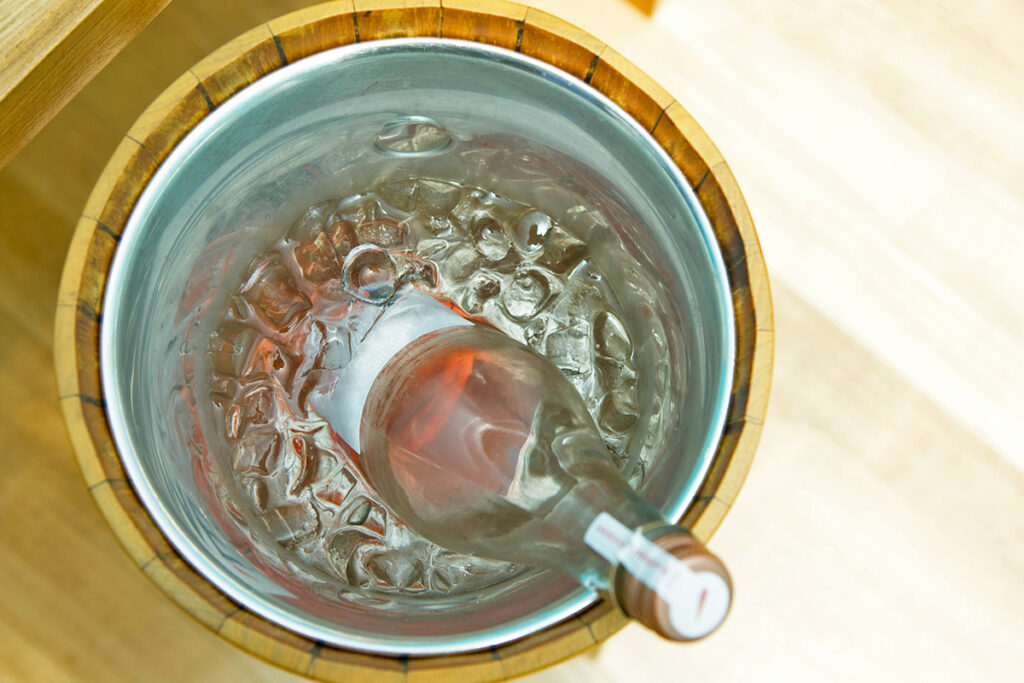
20. Use Salt and Ice Water To Chill Wine Faster

Salt lowers the freezing point of water, chilling bottles faster than ice alone. Dissolve 1 cup of salt in a gallon of lukewarm water inside a bucket or cooler. Add plenty of ice, submerge your wine bottle, and rotate it every few minutes for an even chill. This method works in about 10 minutes.
Related: 3 Ways To Chill Wine Fast When You’re in a Pinch
Credit: webphotographeer/ iStock

Gardening Hacks

21. Use Tea Bags To Fertilize Plants

Turn used tea bags into nitrogen-rich plant food by drying the leaves and working them into the top layer of your plant’s soil. Aerate the soil with a fork or chopstick, add a pinch of the dried tea leaves, and mix until well blended. Because tea is slightly acidic, this hack is best for plants that prefer a low pH.

Related: Why You Should Never Throw Away Used Tea Bags

22. Use Aluminum Foil To Keep Birds Out of Gardens

Hanging shiny strips of aluminum foil reflects sunlight and creates movement to deter birds. Use fishing line or clothespins to attach the foil, or simply mold it around the branches. Move the strips occasionally to maintain effectiveness.

Related: How To Stop Birds From Destroying Your Garden

23. Use Cinnamon To Eliminate Soil Mold

A light sprinkle of cinnamon on soil acts as a natural antifungal to combat mold. As a bonus, it also deters fungus gnats. Use a thin layer — about 1/8 inch — and pay close attention to problem spots.

Related: This Spice Is a Natural Fungicide for Houseplants

24. Use Leftover Coffee Grounds as Fertilizer

Turn used coffee grounds into a nitrogen-rich liquid fertilizer by mixing them with room-temperature water to create a thin slurry. Water your plants with this mixture no more than once a week to give them a nutrient boost and deter pests. Because the mixture is slightly acidic, avoid using it on plants that prefer alkaline soil.

Related: Plant Parents, Don’t Toss Your Used Coffee Grounds
Advertisement

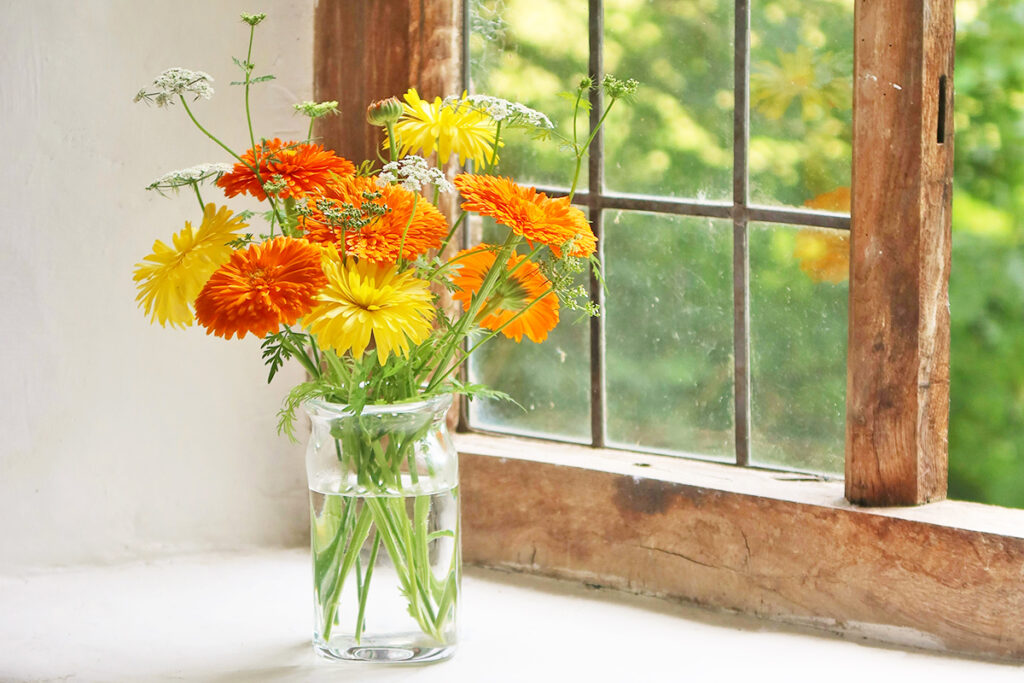
25. Use Clear Sugary Soda To Make Flowers Last Longer

Extend the life of your bouquet by adding a splash of lemon-lime soda to your vase. The sugar serves as food while the citric acid lowers the water’s pH, helping stems with water uptake and inhibiting the growth of harmful microbes. Trim stems at a 45-degree angle before placing them in the mixture, and remember to change the water regularly to keep it fresh.
Related: This Ingredient Is the Secret to Longer-Lasting Flowers
Credit: Chris Linnett/ Unsplash

Home Improvement Hacks

26. Use Wax Paper To Fix Sticky Drawers

Fix sticky drawers by rubbing wax paper along the wooden runners and edges. The paper transfers a thin layer of wax to the wood, restoring smooth movement. Reapply the wax as needed and always exercise caution to avoid splinters.

Related: 3 Ways To Make Sticky Drawers Slide Again

27. Use Aluminum Foil To Adapt AAA Batteries to AA Slots

Use a AAA battery in a AA slot by wedging a small ball of aluminum foil between the battery’s flat, negative end and the terminal spring. The foil, which is conductive, fills the empty space so electricity can flow from the battery to the device. (Just keep in mind that the smaller AAA won’t last as long as a regular AA, so you’ll need to replace it eventually.) This hack should only be used in low-power electronics. Keep the foil away from the positive terminal to avoid a dangerous short circuit.

Related: Out of AA Batteries? Try This Quick Fix

28. Use Baking Soda and Vinegar To Clear Minor Clogs

Clear minor clogs by pouring 1/2 cup of baking soda followed by 1/2 cup of distilled white vinegar down the drain. Plug the drain with a rag for 30 to 60 minutes to trap the carbon dioxide gas, which creates pressure to loosen buildup. Finish by flushing with boiling water for best results.

Related: This Easy Hack Clears Minor Clogs Without a Plumber

29. Use Salt and Vinegar To Remove Rust From Tools

Remove rust from old tools by submerging them in distilled white vinegar and adding a thick layer of table salt to the affected areas. Soak for 24 hours to break down corrosion naturally, then use a wire brush to scrub away any loosened flakes. Dry the tools completely and finish with a spray of WD-40 to seal the metal and prevent future rust.

Related: Bring Your Rusty Tools Back to Life
Advertisement

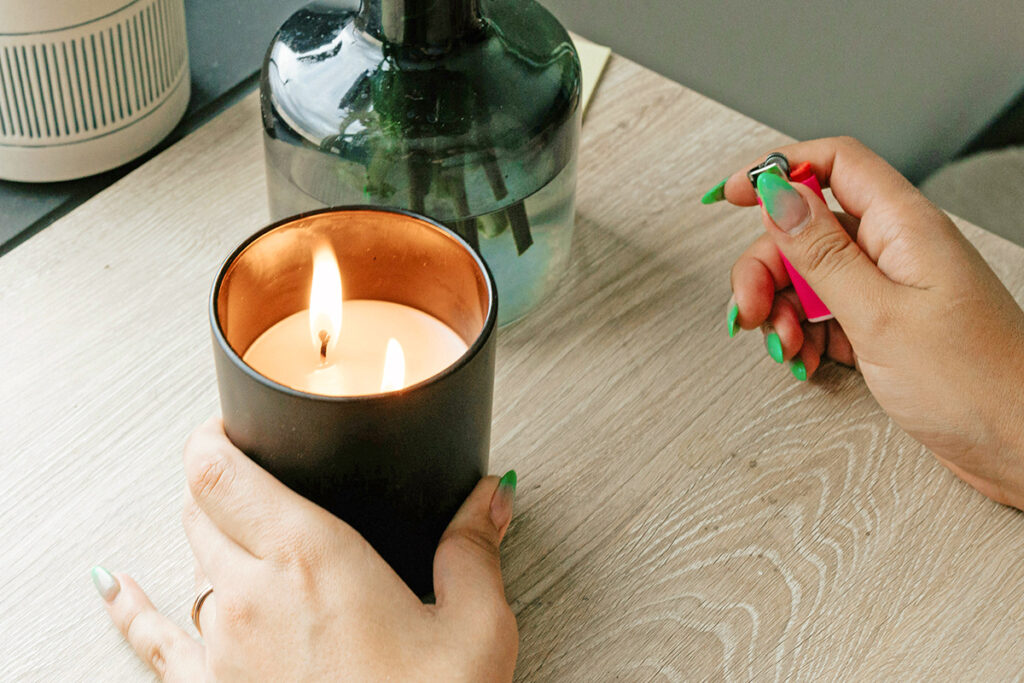
30. Use Aluminum Foil To Prevent Candle Tunneling

Fix candle tunneling by wrapping aluminum foil around the rim to create a cone with a 1-inch opening at the top. Let it burn for about an hour until the melted wax reaches the edges of the vessel. This will ensure an even burn moving forward, extending the candle’s lifespan.
Related: How To Prevent and Fix Tunneling Candles
Credit: Ivana Cajina/ Unsplash+

Organizing Hacks

31. Use Parchment Paper To Plan Drawer Organizers

Create a custom blueprint for your drawers by tracing the interior dimensions onto a sheet of parchment paper. (You might have to tape multiple pieces together to get the exact width and length, but that’s OK.) Bring this template to the store and arrange the organizers directly on the paper to ensure a perfect fit and avoid wasted space.

Related: Don’t Shop for Drawer Organizers Without Doing This First

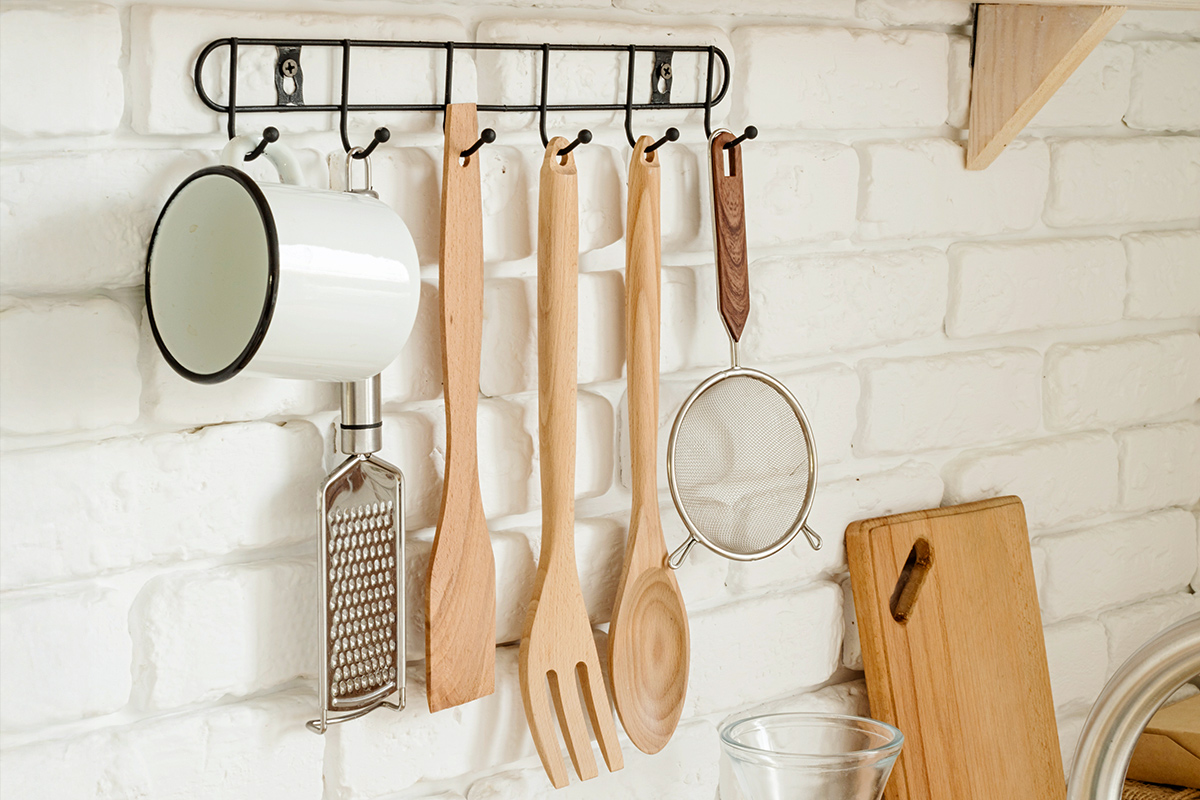
32. Use Soda Can Tabs To Double Closet Space

Instantly create more room in a crowded closet by using soda can tabs to link hangers vertically. Slide the top hole of a metal tab over the neck of one hanger, then hook a second hanger through the bottom hole. This hack allows you to hang multiple garments in the width of a single hanger, and it’s perfect for organizing entire outfits or matching sets.
Related: This Hack Doubles Your Closet Space Instantly
Advertisement
Featured Image Credit:  Christian/ Adobe Stock | Updated  Jan 21, 2026 |
Jill Layton
Writer
Jill Layton started writing professionally when she realized her emails and texts were kinda funny. She’s an affiliate shopping writer and lifestyle contributor for Scary Mommy, Bustle, Mic, and Best Products. She’s the mom of two alarmingly witty kids and the world’s most perfect dog.


This article is for general informational purposes only.
Featured Image Credit:  Christian/ Adobe Stock | Updated  Jan 21, 2026 |
Advertisement
Food & Drink 6m read
15,173

Costco Dupes That Are Better Than the Real Thing

There’s a special kind of thrill in tossing a Kirkland Signature product into your oversized Costco cart, especially when you know it’s quietly outshining the pricier name-brand version it’s modeled after. While the warehouse giant is known for its bulk buys and budget-friendly finds, the real magic lies in its Kirkland Signature line — aka the “dupes” that give the big-name labels a run for their money.

All featured products and deals are selected independently and objectively by the author. House Outlook may receive a share of sales via affiliate links in content.

There’s a special kind of thrill in tossing a Kirkland Signature product into your oversized Costco cart, especially when you know it’s quietly outshining the pricier name-brand version it’s modeled after. While the warehouse giant is known for its bulk buys and budget-friendly finds, the real magic lies in its Kirkland Signature line — aka…

Costco is rumored to abide by a 1% better policy, where its private-label offerings must “meet or exceed whatever the industry leader is,” according to a Reddit user with insider knowledge. While some Kirkland Signature products are manufactured by the very brands they’re “duping,” others are simply just as good (if not better) because of this mandate. Best of all, they’re almost always cheaper than the national brands — often by 20% or more.

Here are the Costco dupes fans swear by and why they deserve a permanent spot in your shopping cart.

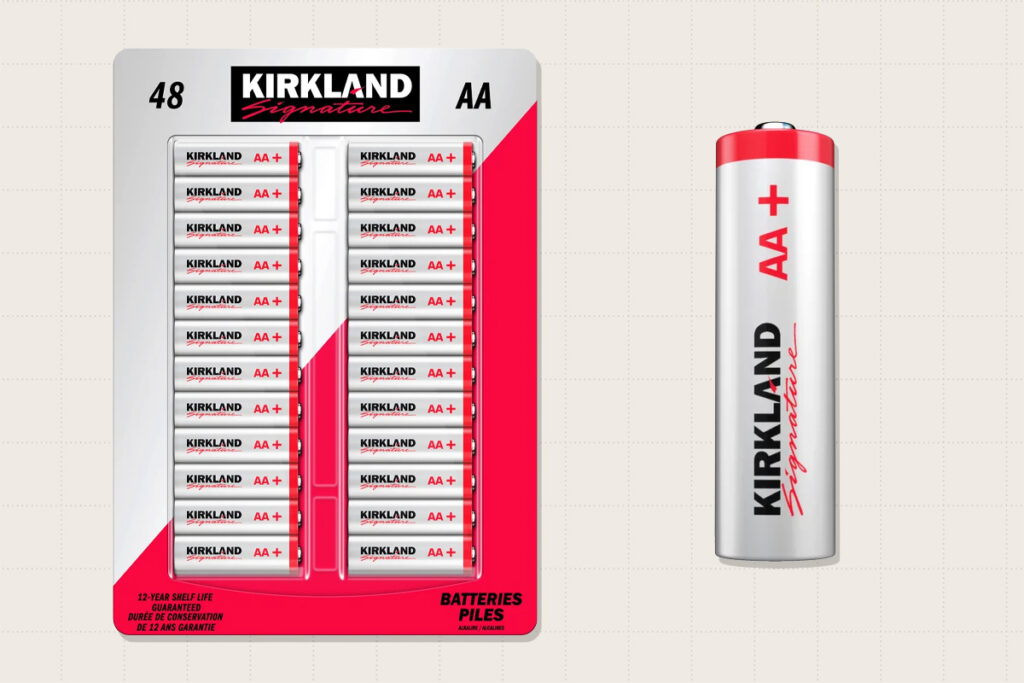
1. Kirkland Signature Alkaline AA Batteries (Dupe for Duracell)

These Kirkland AA batteries last just as long as Duracells in most household gadgets, but at a fraction of the cost. If your home is filled with remotes and battery-hungry devices, stocking up on these will save you serious money over time.

Credit: Image Courtesy of Costco
Advertisement

2. Kirkland Signature Lightly Breaded Chicken Breast Chunks (Dupe for Chick-fil-A Nuggets)

These chicken breast chunks deliver the same lightly breaded, slightly sweet, tender bite that Chick-fil-A fans crave, minus the drive-thru line. Toss them in the air fryer and you’ve basically recreated a fast-food favorite at home.

Credit: Image Courtesy of Costco

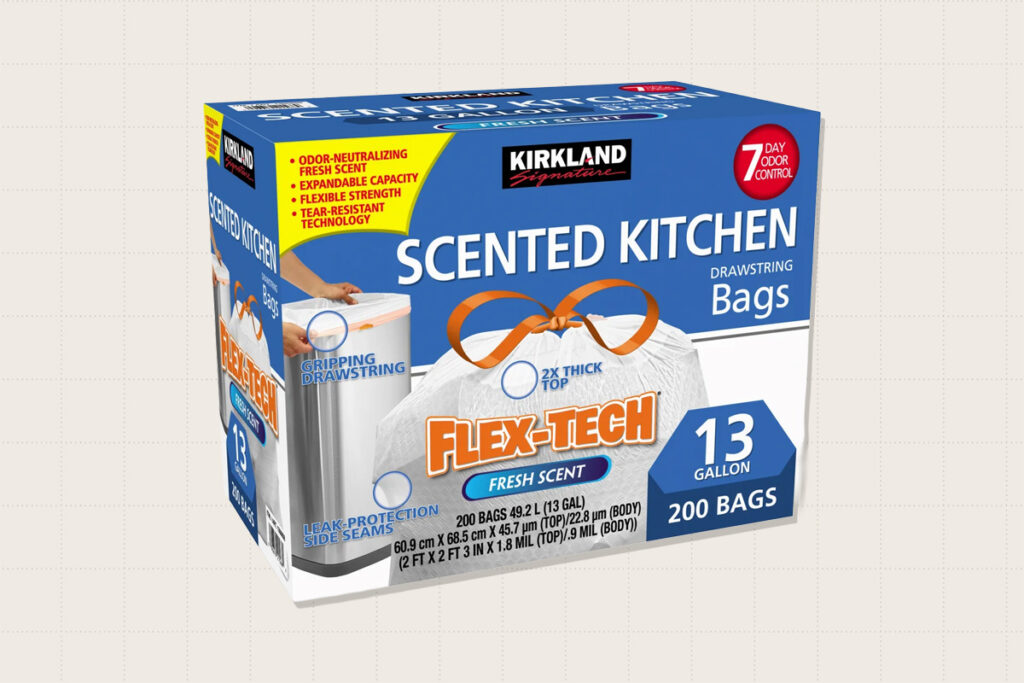
3. Kirkland Signature Flex-Tech 13-Gallon Kitchen Trash Bags (Dupe for Glad)

Kirkland’s Flex-Tech line holds its own against Glad’s stretchable bags, featuring drawstrings that won’t snap and sides that expand without ripping. They’re durable, dependable, and noticeably cheaper.

Credit: Image Courtesy of Costco

4. Kirkland Signature American Vodka (Dupe for Grey Goose)

This is one of Costco’s most famous dupes, and for good reason — it’s believed to be produced in the same region, using the same water source, as Grey Goose. Whether or not that’s true, the taste is clean and smooth enough to fool most vodka drinkers. When mixed into cocktails, it’s virtually indistinguishable from the real thing.

Credit: Image Courtesy of Costco
Advertisement

5. Kirkland Signature Uncured Bacon and Gouda Egg Bites (Dupe for Starbucks Egg Bites)

If you love Starbucks egg bites but want to skip the drive-thru, the Kirkland version is a game changer. They’re smoky, cheesy, and have that same custardy texture that makes the originals so addictive. Stash a box in your freezer for a quick breakfast that comes together in the air fryer in just a few minutes.

Credit: Image Courtesy of Costco
Related: 10 Things You Should Never Buy at Costco

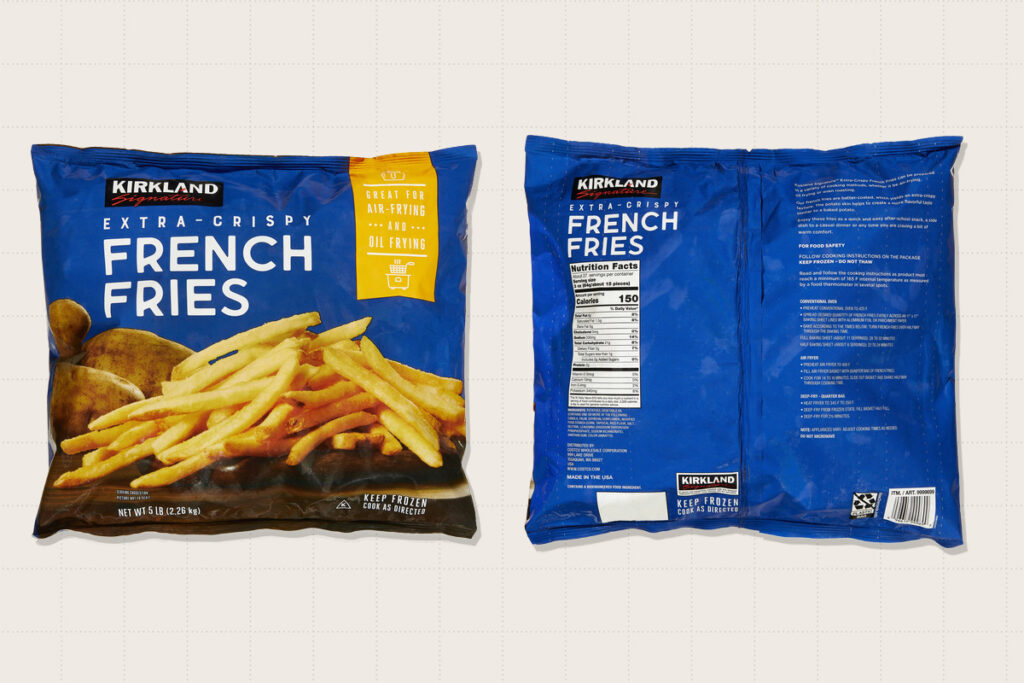
6. Kirkland Signature Extra Crispy French Fries (Dupe for Ore-Ida)

These french fries crisp up beautifully while staying fluffy inside, tasting more like a restaurant-quality side than something pulled from your freezer. These are the closest you’ll get to authentic, double-fried french fries from your oven or air fryer.

Credit: Image Courtesy of Costco

7. Kirkland Signature Krinkle Cut Kettle Chips, Himalayan Salt (Made by Kettle Brand)

This is one of those glorious open secrets: Kettle Brand actually makes these chips. If you look closely, you’ll find their logo right on the bag. They’re virtually identical to the original — super crunchy with that thick-cut texture — but at a lower price per ounce.

Credit: Image Courtesy of Costco
Advertisement

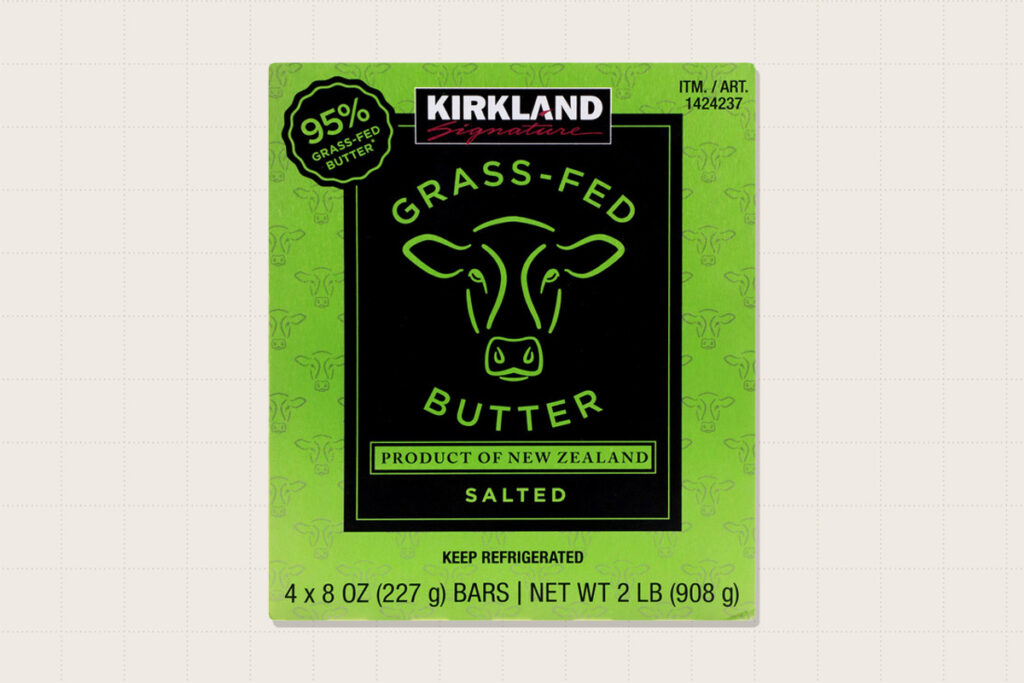
8. Kirkland Signature Grass-Fed Butter (Dupe for Kerrygold)

Kirkland’s take on grass-fed butter is rich and smooth, with that hint of creaminess Kerrygold lovers look for. It’s lower in salt than its competitor, which makes it more suitable for cooking.

Credit: Image Courtesy of Costco

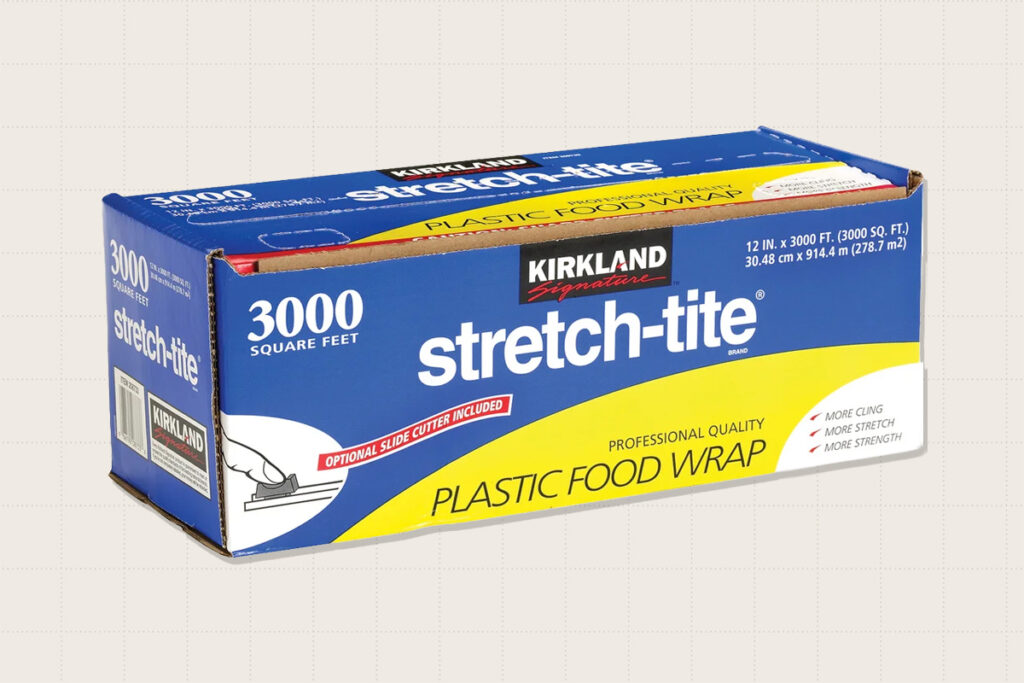
9. Kirkland Signature Stretch-Tite Plastic Wrap (Dupe for Saran Wrap)

Stretch-Tite clings, stretches, and seals better than almost any name-brand food wrap. Plus, the dispenser box is far sturdier, a detail that seems trivial until you’ve ripped a flimsy cardboard cutter halfway through a roll.

Credit: Image Courtesy of Costco

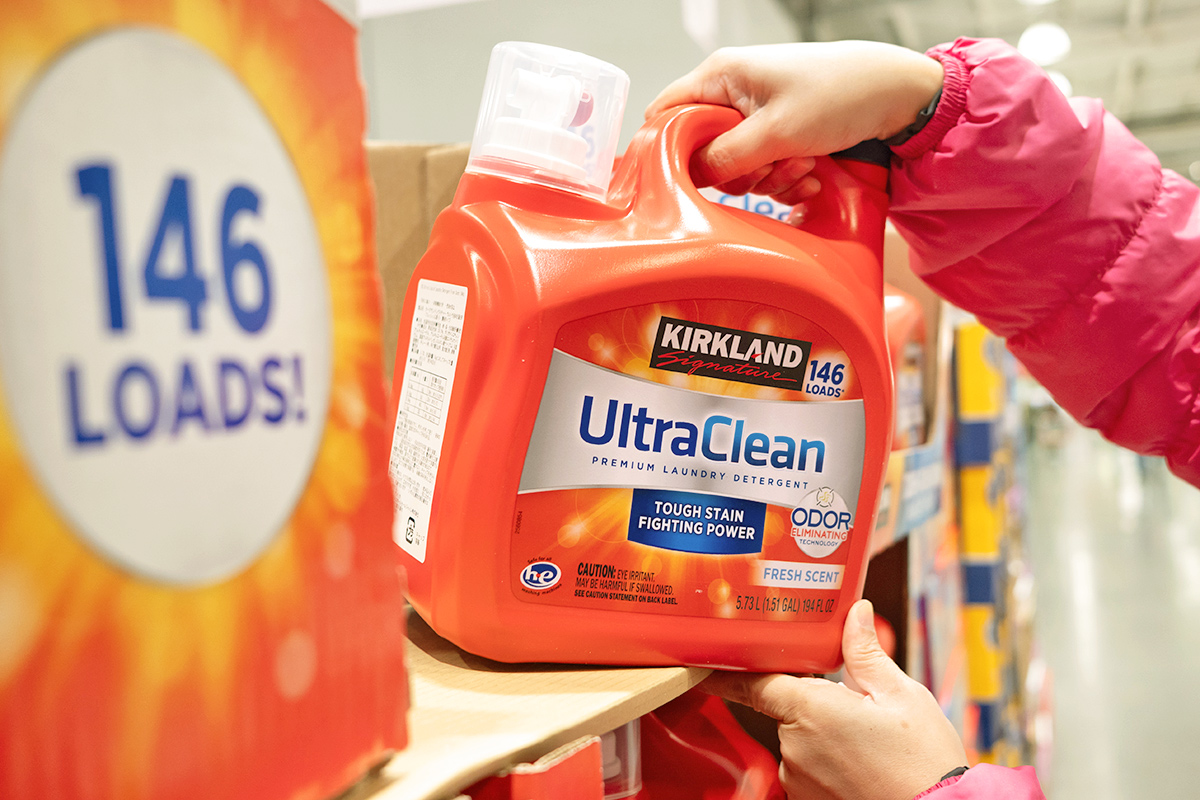
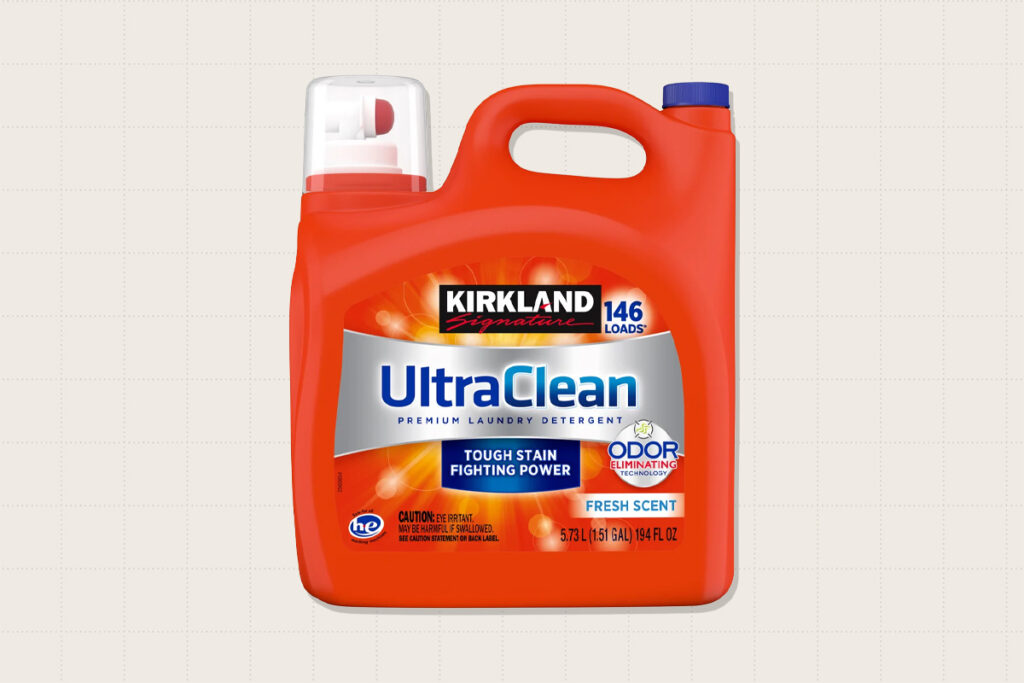
10. Kirkland Signature Ultra Clean HE Liquid Laundry Detergent (Dupe for Tide)

Tide-level cleaning power without the Tide-level price tag? Costco delivered. Its Ultra Clean HE formula tackles odors, stains, and everyday grime impressively well. Consumer Reports ranked this as one of its top five detergents, awarding it the title of “Best Value.”

Credit: Image Courtesy of Costco
Advertisement

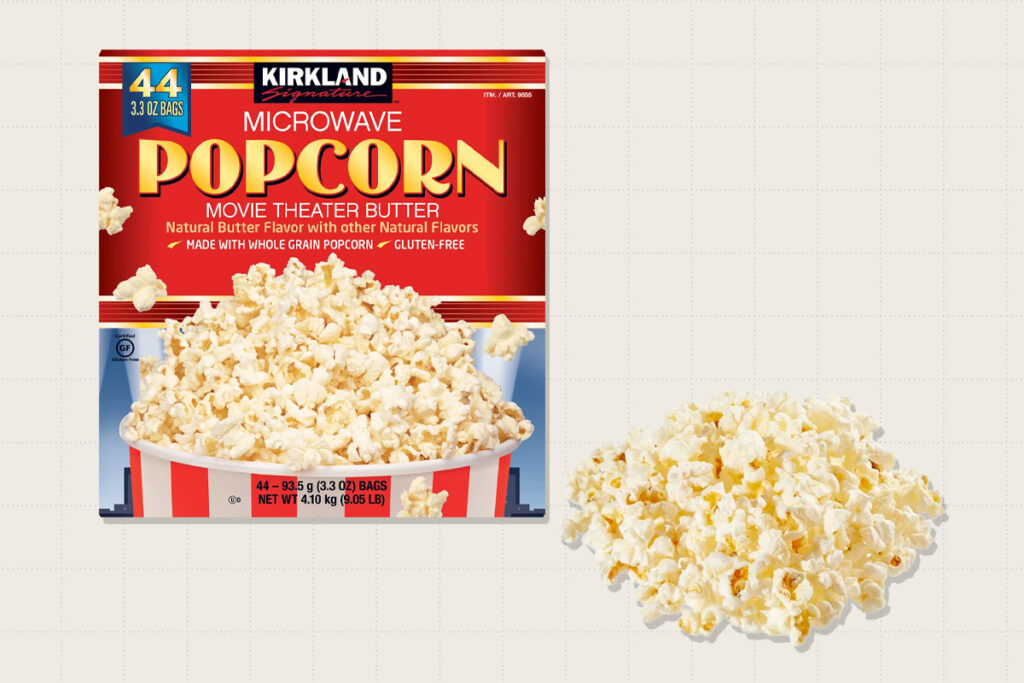
11. Kirkland Signature Microwave Popcorn (Dupe for Act II Movie Theater Butter)

If you want authentic theater-style popcorn at home, this is your ticket. The Kirkland version pops up light and fluffy with a rich, buttery coating that isn’t greasy or bland.

Credit: Image Courtesy of Costco

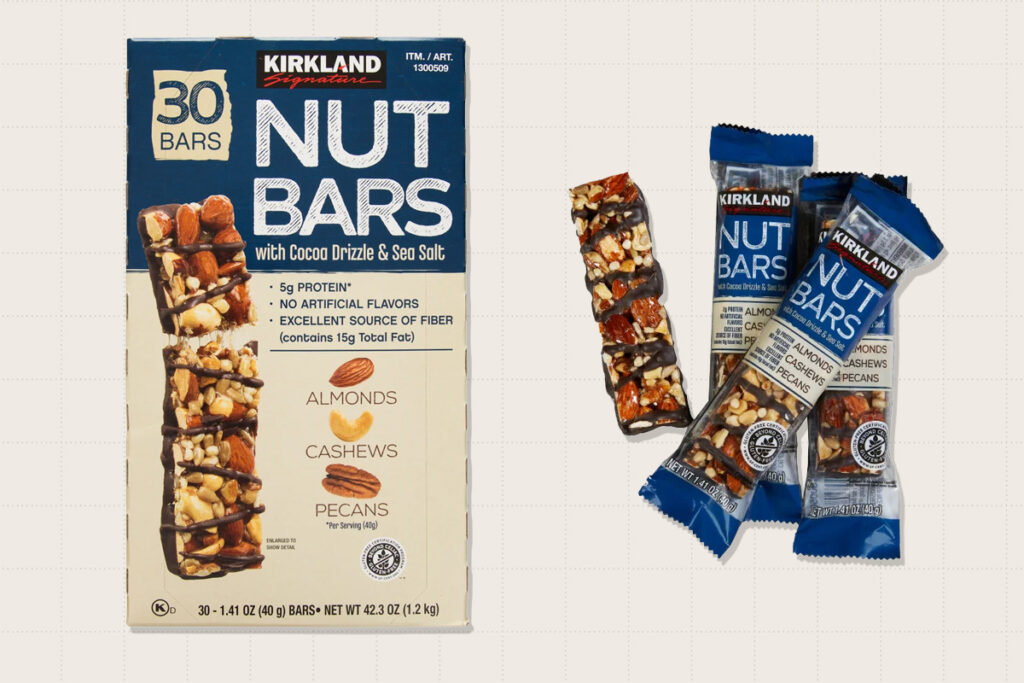
12. Kirkland Signature Nut Bars (Dupe for KIND Bars)

Kirkland managed to recreate the satisfying crunch and nut-heavy texture of KIND bars while trimming the price. Just keep in mind that unlike KIND bars, the Kirkland variety contains dairy — though it does offer a wider assortment of nuts and seeds.

Credit: Image Courtesy of Costco

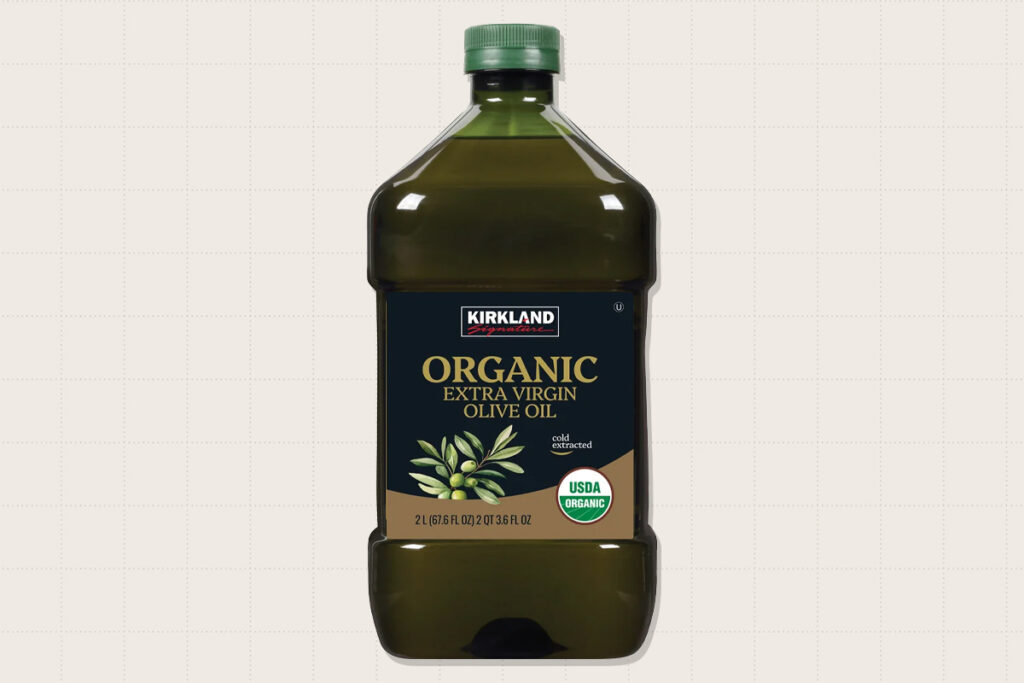
13. Kirkland Signature Organic Extra-Virgin Olive Oil (Dupe for California Olive Ranch)

Costco’s EVOO is popular for its fresh, peppery flavor. Many shoppers prefer it over more expensive bottles because it delivers a complex, full-bodied profile without the boutique markup.

Credit: Image Courtesy of Costco
Advertisement

14. Kirkland Signature Prosecco (Dupe for La Marca)

This bottle is often compared to La Marca prosecco, and while the notes are similar — crisp, lightly fruity, and not too sweet — it’s the price difference that really seals the deal.

Credit: Image Courtesy of Costco
Related: The Secret Code To Understanding Costco Price Tags

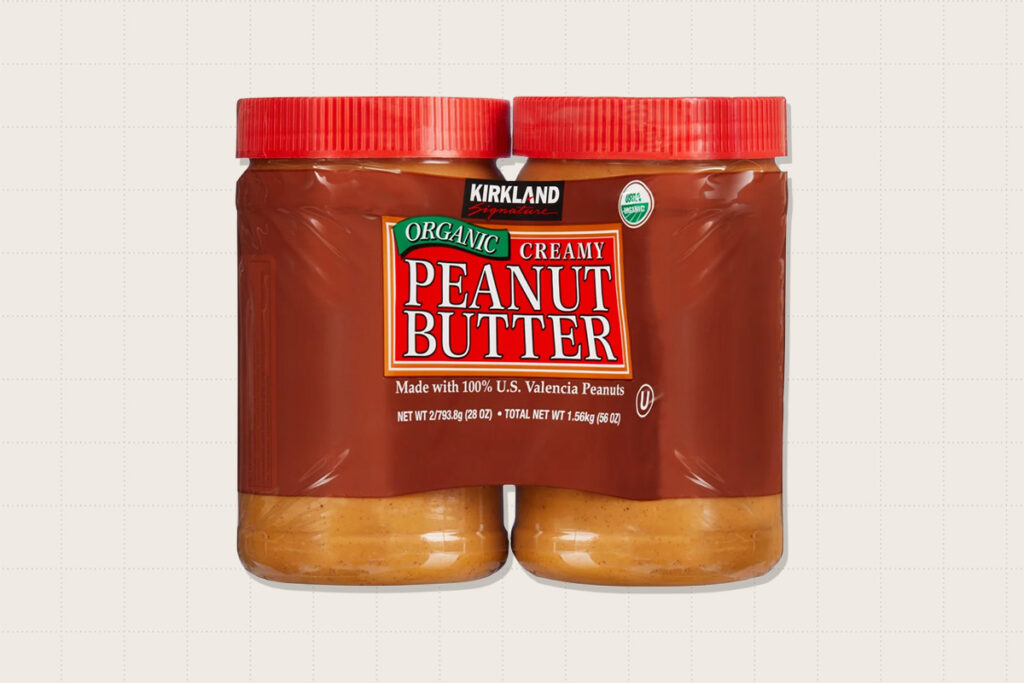
15. Kirkland Signature Organic Peanut Butter (Dupe for Jif)

Made with only dry-roasted peanuts and sea salt, this organic peanut butter delivers a clean, rich flavor. It’s simple, smooth, and tastes purer than many mainstream brands. Since there are no added sugars, stabilizers, or oils, the natural peanut oil will separate — a quick fix is to store the jar upside down in the refrigerator.

Credit: Image Courtesy of Costco

Why These Dupes Deserve the Hype

Costco’s Kirkland Signature line didn’t become legendary by accident. These products consistently deliver quality comparable to — or better than — the name brands they mimic, and the savings add up fast. Whether you’re stocking the pantry, the cleaning cabinet, or your snack stash, these Kirkland standouts prove you don’t have to spend big to get the good stuff.

Advertisement
Featured Image Credit:  pimpampix/ Adobe Stock | Updated  Jan 22, 2026 |
Jill Layton
Writer
Jill Layton started writing professionally when she realized her emails and texts were kinda funny. She’s an affiliate shopping writer and lifestyle contributor for Scary Mommy, Bustle, Mic, and Best Products. She’s the mom of two alarmingly witty kids and the world’s most perfect dog.
This article is for general informational purposes only.
Featured Image Credit:  pimpampix/ Adobe Stock | Updated  Jan 22, 2026 |
Advertisement
Decorating 3m read
139

Is Your Furniture Too ‘Leggy’? Here’s the Fix

If Goldilocks had grown up to be an interior designer, she wouldn’t just be picky about porridge. She’d survey your living room and immediately notice when something feels off — a sofa that reads too heavy, a coffee table that skews too light. The goal, as in the fairy tale, is achieving a “just right” balance of visual weight.

All featured products and deals are selected independently and objectively by the author. House Outlook may receive a share of sales via affiliate links in content.

If Goldilocks had grown up to be an interior designer, she wouldn’t just be picky about porridge. She’d survey your living room and immediately notice when something feels off — a sofa that reads too heavy, a coffee table that skews too light. The goal, as in the fairy tale, is achieving a “just right”…

If a room in your home — be it the living area, dining room, or bedroom — feels inexplicably flat, the issue might not be paint color or furniture layout. Instead, consider the furniture’s visual weight and how those weights interact with one another. According to TikTok creator and interior designer Hans Lorei, compelling interiors come from contrast. By pairing solid, grounded pieces with lighter, more delicate ones, you create a sense of balance. That tension is what makes a space feel effortless and lived-in, rather than staged or bland. 

Why Visual Weight Matters

Visual weight refers to how heavy a piece looks — not necessarily how many friends you bribed with pizza to help you move it inside. If every element in a room sits on spindly legs, the space can feel fragile or unfinished. But fill that same room with low, blocky silhouettes, and it can appear dense and overwhelming. 

Design-minded folks instinctively mix the two: A solid oak dining table looks more inviting when complemented by cane-backed chairs on tapered legs. A chunky sofa becomes more dynamic when balanced with a leggy side table, a sculptural floor lamp, or a glass-topped coffee table. That contrast creates a design that feels equally energetic and comfortable.

Advertisement

How To Mix Chunky and Light Pieces

Every room can benefit from intentional weight contrast. In a dining room, a delicate dining table can be anchored by a set of chunky chairs, or vice versa. Moving to the bedroom, a solid upholstered or wooden bed frame shines when accented by long-legged nightstands and a bench that reveals the floor underneath. Prefer the opposite look? A four-poster bed reads more grounded when flanked by solid side tables and a weighty bench at the foot. 

Related: The Interior Design Trends Set To Take Over in 2026

Living rooms especially benefit from this mix. Consider pairing a slim-legged sofa with a solid stone coffee table, or offsetting a large sectional with an open-base accent chair. Even decor accents can get in on the action, since light-catching accessories like ceramics and airy baskets can subtly shift the visual balance. 

Advertisement
Featured Image Credit:  Unsplash+ via Getty Images | Updated  Jan 21, 2026 |
Megan McCarty
Writer
Megan McCarty is a Los Angeles-based writer who covers the fun stuff: design, travel, wellness, beauty, and fashion. She has written for publications including Domino, The Spruce, MyDomaine, Bustle, and Rue Magazine. Her life rules include, but are not limited to, zipper when merging, contribute to your IRA, and do the nice thing.
This article is for general informational purposes only.
Featured Image Credit:  Unsplash+ via Getty Images | Updated  Jan 21, 2026 |
Advertisement
Cleaning 2m read
83

Why You Shouldn’t Clean Windows on Sunny Days

There’s something about a bright, sunny day that puts a little pep in your step. For many, it’s the perfect time to get productive and cross a few items off the to-do list. When it comes to cleaning the house, you might feel inspired to open the windows, dust off shelves, or shake out the rugs. But there are a few cleaning tasks you should actually avoid on sunny days, and washing your windows is one of them.

All featured products and deals are selected independently and objectively by the author. House Outlook may receive a share of sales via affiliate links in content.

There’s something about a bright, sunny day that puts a little pep in your step. For many, it’s the perfect time to get productive and cross a few items off the to-do list. When it comes to cleaning the house, you might feel inspired to open the windows, dust off shelves, or shake out the…

Sunny Skies, Streaky Windows

If you’ve caught the cleaning bug on a sunny day, you’ll want to skip the windows — or more specifically, the glass. While sunlight is a powerful tool for removing stains, disinfecting, and deodorizing, it’s far less helpful when it comes to window washing. When direct sunlight heats the glass, cleaning solutions evaporate too quickly. This results in streaks and spots, rather than a crystal-clear view.

The Best Time To Clean

Now that we know the worst time to clean windows, when is the best? Cloudy, overcast days are ideal for achieving that streak-free result. During the warmer months, you can also aim for early mornings or early evenings when the sun is low and the temperature is a bit cooler.

Advertisement
Related: Cleaning Your Mirrors This Way Will Prevent Bathroom Fog

How To Clean Windows

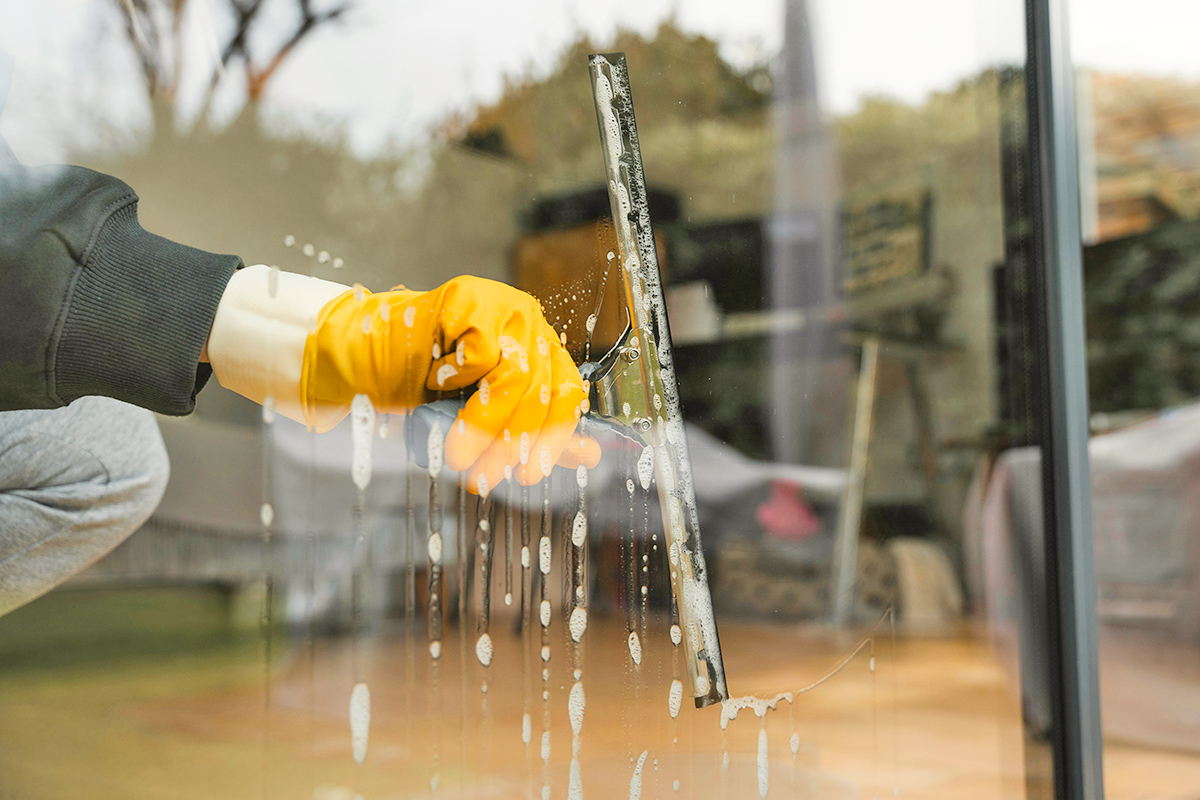
It takes only a few easy steps to get your windows sparkling. First, start with a surface that’s as dust-free as possible. Give the window a quick once-over with a dry cloth to remove any loose debris. Next, grab your preferred window cleaner or a DIY solution of equal parts water and distilled white vinegar. (For extra-dirty windows, a drop of dish soap helps to cut through the grime.) Spray the glass and wipe it down quickly with a microfiber cloth or a coffee filter. For a professional, streak-free finish, try using a squeegee.

Advertisement
Advertisement
Cleaning 3m read
157

The Weird Household Item That Makes Sofa Cleaning Easy

You don’t need to lug out your vacuum or portable spot cleaner every time your sofa needs a refresh. For surface-level stains that don’t require the “big tools,” this helpful hack will have your furniture looking brand-new in just a few minutes.

All featured products and deals are selected independently and objectively by the author. House Outlook may receive a share of sales via affiliate links in content.

You don’t need to lug out your vacuum or portable spot cleaner every time your sofa needs a refresh. For surface-level stains that don’t require the “big tools,” this helpful hack will have your furniture looking brand-new in just a few minutes.

A Quick Cushion Refresh

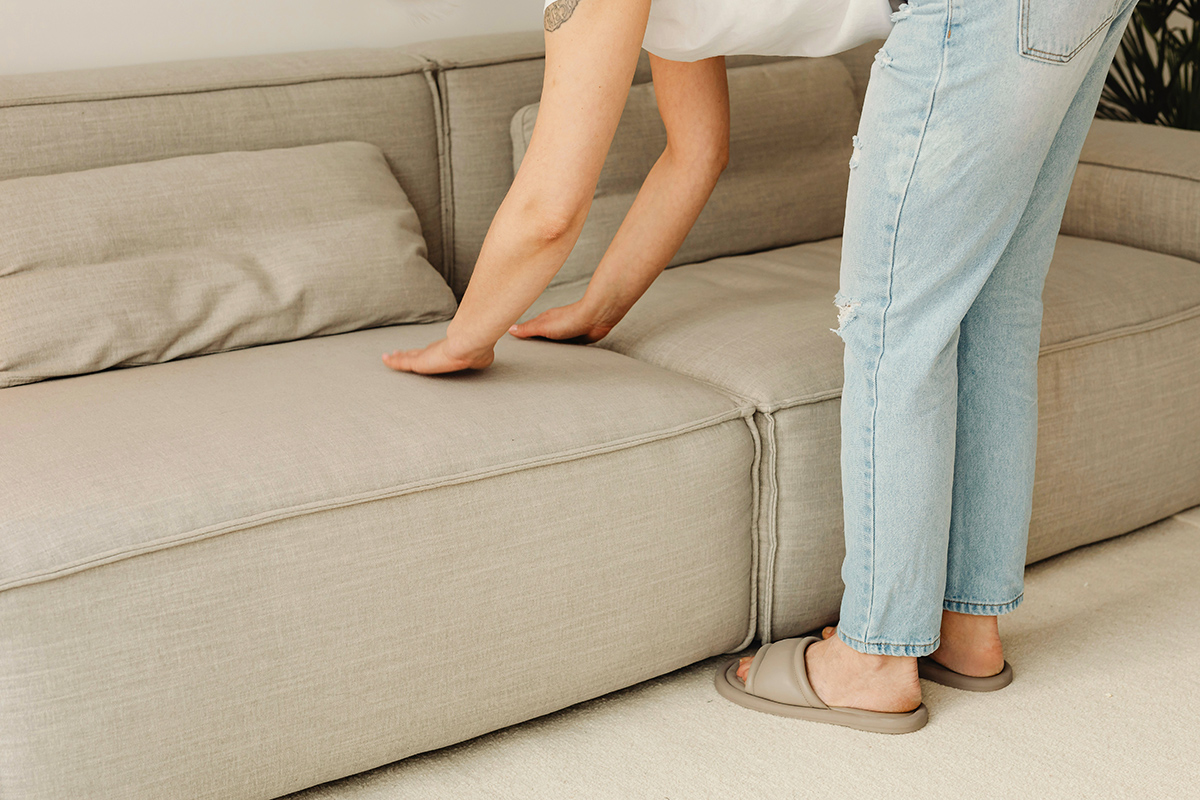
To clean your cushions in record time, you’ll first need to gather a few household supplies: a large bowl, warm water, liquid laundry detergent, a microfiber cloth, and a pot lid with a handle. The lid should be small enough to be fully wrapped in the cloth, creating a flat, handheld scrubber.

Now, let’s get to cleaning: Start by removing any debris or surface dust from the fabric. You can give your cushions a quick once-over with a vacuum attachment, or a few passes with a lint roller if you’re dealing just with crumbs or pet hair. Next, mix about 1 teaspoon of liquid detergent with 2 to 3 cups of warm water in a wide bowl.

Related: 5 Essential Tips for Cleaning Smarter, Not Harder

Submerge the cloth in the soapy water and wring it out before wrapping it around your pot lid. To do this, lay the cloth flat and place the pot lid in the center with the handle facing up. Gather the corners toward the middle, securing them with your fingers or tying a knot if there is enough excess fabric.

Advertisement

Scrub the cushions using long, overlapping strokes, applying even pressure for a consistent clean. Depending on the size of your furniture, you’ll likely need to repeat this process — rinsing the cloth in clean water and resoaking it whenever it starts to dry out or look grimy.

The original hack doesn’t call for it, but a secondary rinse with a clean, damp cloth will ensure no soapy residue is left behind. Finally, allow the furniture to dry completely before use.

Why Does It Work?

By using a pot lid instead of a wet rag, you create a flat, even surface that lifts dirt without oversaturating the cushions. Every inch of your fabric is agitated consistently, pulling grime out onto the cloth instead of pushing it deeper into the upholstery.

Keep in mind that this hack is best for light surface stains. If you’re dealing with deep-set stains, you’ll want to use a portable spot cleaner, such as the Shark StainStriker or the Bissell Little Green.

Advertisement
Advertisement
Home Improvement 2m read
7,848

3 Clever Ways To Reuse Plastic Bags at Home

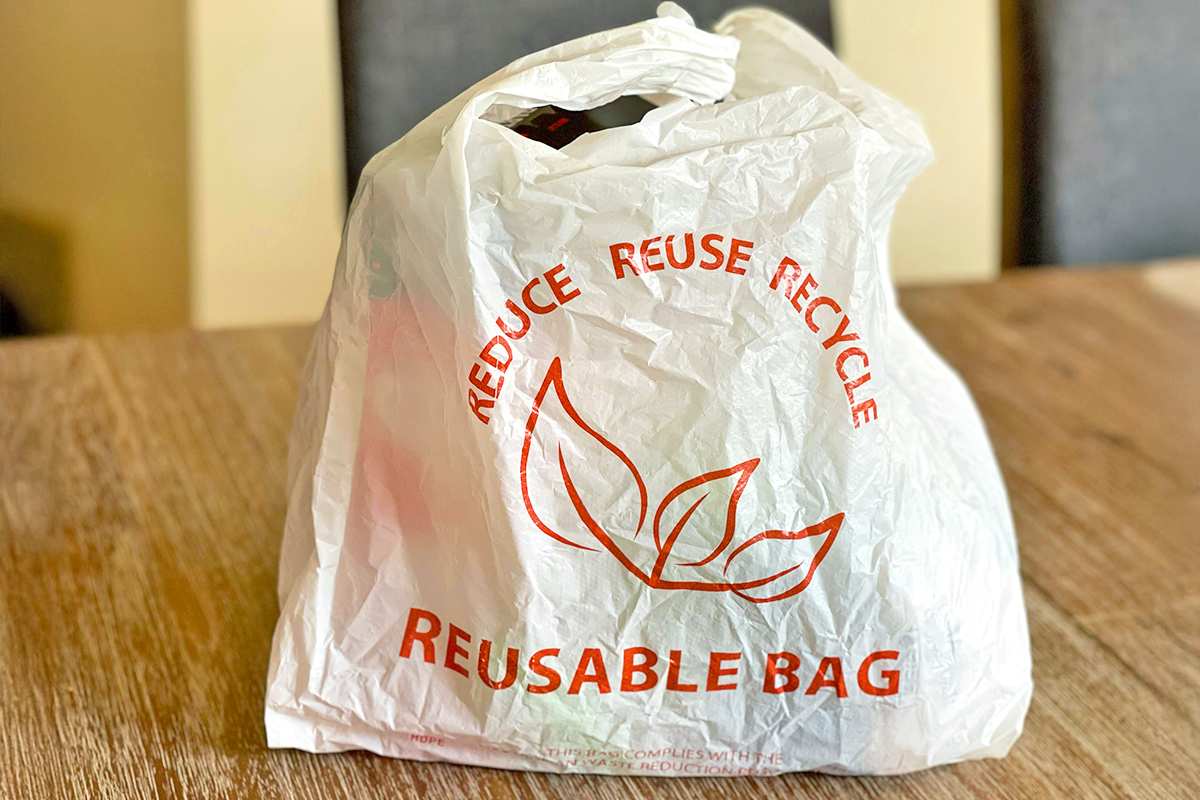
A growing number of states are phasing out plastic bags in favor of paper or reusable bags. Yet, between takeout orders, produce bags, and purchases from retailers excluded from the bans, they still manage to clutter up our drawers. Aside from using them as wastebasket liners, how can you put them to good use? As it turns out, there are a few ways to give plastic bags a second life.

A growing number of states are phasing out plastic bags in favor of paper or reusable bags. Yet, between takeout orders, produce bags, and purchases from retailers excluded from the bans, they still manage to clutter up our drawers. Aside from using them as wastebasket liners, how can you put them to good use? As…

1. Line a Paint Tray

Paint trays don’t have to be a single-use item. If you have an old one with dried-on paint, just line it with a plastic bag to get more uses out of it. It beats struggling to chip away at old paint or tossing the tray in the trash. You can also use this hack for new trays, keeping them fresh for longer and saving you the cost of store-bought liners.

Related: 3 Surprising Uses for Tennis Balls Off the Court

2. Keep Your Knees Clean When Gardening

As relaxing as gardening can be, it can also be messy and — quite literally — a pain. Fortunately, you can reuse plastic bags to help with both problems. To keep your knees clean and lightly cushioned while you work, try tying plastic bags around them, spreading out the plastic to provide extra protection from the damp ground.

Advertisement

3. Waterproof a Tote Bag

Much like the paint tray trick, you can use a plastic bag to waterproof the interior of a tote bag or backpack. This is perfect for shielding your essentials from the rain or for safely transporting wet items, such as a bathing suit or a dripping umbrella.

When in Doubt, There’s Always Recycling

Having a few plastic bags stored away will come in handy eventually, but if your collection is getting out of control, you can always recycle them. Since most curbside recycling programs won’t accept them, look up local drop-off points or specialized recycling centers that can process them for you. Many big-box stores and grocery stores, including Walmart, Target, Lowe’s, Kroger, Safeway, and Whole Foods, also offer drop-off bins for plastic bag recycling.

Advertisement
Advertisement
Cleaning 2m read
645

Do You Really Need To Separate Laundry?

Like using animal fat as detergent, separating clothing by color was once considered a laundry-day essential. But thanks to technological improvements, we’ve realized this habit may no longer be the necessity it once was for our parents and grandparents. Sure, there are plenty of us who still separate our loads into lights and darks — old habits die hard — but is it actually required? Apparently, the answer is no.

All featured products and deals are selected independently and objectively by the author. House Outlook may receive a share of sales via affiliate links in content.

Like using animal fat as detergent, separating clothing by color was once considered a laundry-day essential. But thanks to technological improvements, we’ve realized this habit may no longer be the necessity it once was for our parents and grandparents. Sure, there are plenty of us who still separate our loads into lights and darks —…

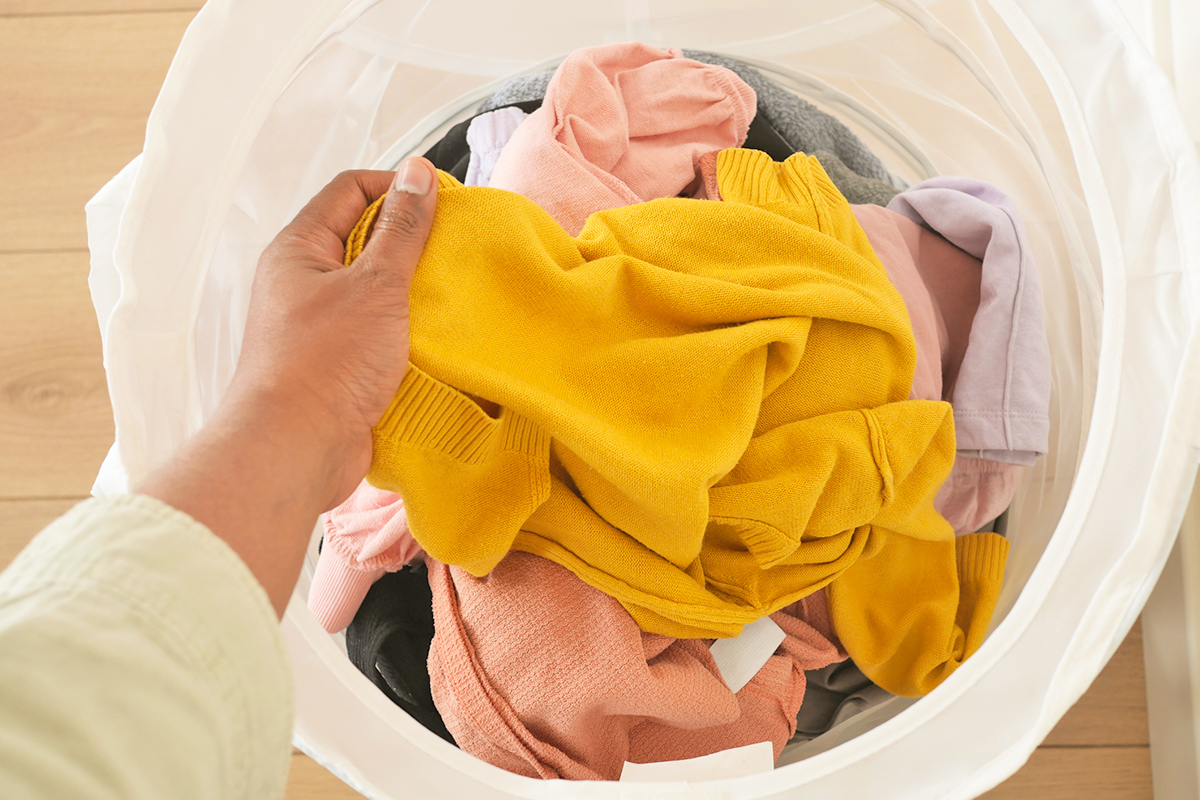
The textiles we surround ourselves with today are a lot different from those of previous generations. Because many modern garments are colorfast or prewashed, dye bleeding is rarely a concern. Detergent formulas have also evolved, making separating laundry almost entirely unnecessary — especially if you wash in cold water. While laundering whites with darks can still cause fabrics to dull over time, it’s no longer the hard-and-fast rule it once was.

Related: How To Pick the Right Water Temperature for Every Load of Laundry

Mastering the Mixed Load

Before you throw everything into a single load, here are a few important things to keep in mind:

Stick to cold cycles: Washing on cold is the best way to reduce color transfer and prevent garments from fading. Plus, it safeguards against fiber damage and shrinking.

Advertisement

Use a color-catcher: Color-catching sheets, such as Shout Color Catchers, are an effective fail-safe against bleeding or fading, and they’re so much easier than physically sorting your laundry.

Wash whites separately: If you’re worried about specific white garments getting dingy, wash them separately. But don’t fuss over the small stuff like socks, underwear, or sleepwear.

Sort by fabric, not color: Instead of separating clothing by color, it’s often more beneficial to sort by fabric. Materials like cotton, silk, and terry cloth have specific washing needs that are easily overlooked when we’re too focused on the color of the garment.

Advertisement
Featured Image Credit:  towfiqu ahamed/ iStock | Updated  Jan 21, 2026 |
Jessie Quinn
Writer
Jessie Quinn is a Los Angeles-based lifestyle journalist with words published in PEOPLE, StyleCaster, Apartment Therapy, The Spruce, Byrdie, and more. She has a Bachelor's Degree in fashion journalism from Academy of Art University and her work spans across many categories, including style, beauty, home, health, crafts, and more.
This article is for general informational purposes only.
Featured Image Credit:  towfiqu ahamed/ iStock | Updated  Jan 21, 2026 |
Advertisement
Home Improvement 2m read
51

The Quick Fix That Makes Icy Walkways Safer

The only thing worse than face-planting on an icy walkway is having your fall caught on camera and ending up on an episode of America’s Funniest Home Videos. To prevent slippery paths and driveways, many people turn to salt or other chemical melting agents. While effective, these methods are often wasteful and can damage adjacent foliage. Instead, consider a more sustainable alternative — one that reduces slips and falls, but is also reusable and environmentally safe.

All featured products and deals are selected independently and objectively by the author. House Outlook may receive a share of sales via affiliate links in content.

The only thing worse than face-planting on an icy walkway is having your fall caught on camera and ending up on an episode of America’s Funniest Home Videos. To prevent slippery paths and driveways, many people turn to salt or other chemical melting agents. While effective, these methods are often wasteful and can damage adjacent…

A Dandy, Sandy Solution

Sand is a highly effective tool when it comes to creating traction on icy walkways. And the best part is that you don’t need to remove every trace of ice to make a pathway safe. A much simpler approach is to focus on adding traction. This can be accomplished by shoveling away the top layer of snow and sprinkling sand over the remaining ice. The grittiness ensures your boots stay firmly on the ground rather than slipping out from under you.

Why Sand Beats Salt

There are several reasons to use sand over salt and other chemical deicers. First, while chemicals are corrosive, sand is much gentler and won’t harm nearby vegetation. It’s also safe for outdoor surfaces — such as concrete, stone, brick, metal, and wood — that are otherwise susceptible to chemical damage. Additionally, while salt washes away, sand is reusable. When the snow melts, the sand remains, allowing you to sweep it up and save it for the next snowfall.

Advertisement
Related: Stop Snow From Clinging to Your Shovel With This

Instead of spending $25 or more on a single-use bag of deicing salt, you can pick up a 7-pound bag of sand for less than $7. Given that sand can be used over and over, it’s not only the greener choice but also the more affordable one.

Advertisement
Featured Image Credit:  Vieille Prune/ Adobe Stock | Updated  Jan 21, 2026 |
Bennett Kleinman
Staff Writer
Bennett Kleinman is a New York City-based staff writer for Inbox Studio, covering topics for several brands including House Outlook and Better Report. He previously contributed to television programs such as "Late Show With David Letterman" and "Impractical Jokers," and digital publications like The Onion. Bennett is also a devoted New York Yankees and New Jersey Devils fan, and thinks plain seltzer is the best drink ever invented.
This article is for general informational purposes only.
Featured Image Credit:  Vieille Prune/ Adobe Stock | Updated  Jan 21, 2026 |
Advertisement
Food & Drink 2m read
39

Extend Your Bananas’ Shelf Life in Seconds

Have you ever reached for a banana to snack on, only to find it turned an unappetizing brown color when you weren’t looking? While bananas get a bad rap for having an incredibly short shelf life, that reputation isn’t exactly accurate. Brown bananas are still completely safe to eat and are actually ideal for baking, where they lend a deep sweetness to breads and cakes. However, it’s true they’re only perfect for snacking during that short period of time between their underripe and overripe stages.

All featured products and deals are selected independently and objectively by the author. House Outlook may receive a share of sales via affiliate links in content.

Have you ever reached for a banana to snack on, only to find it turned an unappetizing brown color when you weren’t looking? While bananas get a bad rap for having an incredibly short shelf life, that reputation isn’t exactly accurate. Brown bananas are still completely safe to eat and are actually ideal for baking,…

Why Do Bananas Brown So Quickly?

The peel and the fruit of the banana change color for different reasons. For the peel, the culprit is ethylene gas — a natural ripening agent found in bananas, along with many other fruits and vegetables. This gas breaks down the green chlorophyll and acids into sugars, transforming the color of the peel from green to yellow, and later to brown. The fruit itself browns through a separate process called oxidation, which begins the moment the inside of the fruit is exposed to the air.

How To Slow Down Browning

Try this simple trick to slow down the browning process: Wrap your banana stems in aluminum foil, plastic wrap, or a sustainable alternative such as compostable cling wrap. The stems are a major release point for ethylene gas; by covering them, you contain some of that gas and prevent it from triggering the ripening process in the rest of the fruit. With the ethylene flow restricted, you can extend the shelf life of your bunch. While wrapping the stems won’t completely stop the bananas from browning, it will give you an extra three to five days to use them up.

Advertisement
Related: 5 Tips for Ripening Your Favorite Fruits Faster

Keep in mind that bananas aren’t the only type of produce affected by ethylene gas. Apples, peaches, pears, mangoes, melons, tomatoes, avocados, and potatoes are all ethylene producers. That’s why you should never store them together; their proximity can speed up the ripening process and cause them to brown even faster. Providing ample space between them ensures everything stays fresh for as long as possible.

Advertisement
Advertisement
Cleaning 3m read
33

3 Ways To Fix the ‘Dead Air Zones’ in Your Home

Does your room feel stuffy, even with the fan running? You’re likely dealing with a “dead air zone.” Don’t worry, though — it’s not as scary as it sounds. You can get the air circulating again with just a few simple tweaks.

All featured products and deals are selected independently and objectively by the author. House Outlook may receive a share of sales via affiliate links in content.

Does your room feel stuffy, even with the fan running? You’re likely dealing with a “dead air zone.” Don’t worry, though — it’s not as scary as it sounds. You can get the air circulating again with just a few simple tweaks.

What’s a Dead Air Zone?

A dead air zone is a spot where air stops moving. This happens when an air current hits an obstacle, such as a wall or bulky furniture. The lack of an outlet forces the air to curl backward or upward rather than moving through the room. This is why you’ll often find hot air trapped at the ceiling and cold air settled in corners or near the floor, leaving the room feeling unevenly heated.

3 Quick Fixes To Get Dead Air Moving Again

It makes sense for air to feel still in a closed space, but it’s frustrating when you already have a fan, an HVAC vent, or an open window letting in air. When dealing with dead air, the issue isn’t where the air comes from — it’s where it gets stuck. So, what can you do? Here are three easy ways to get things moving.

Related: 9 Forgotten Household Filters You Need To Clean or Replace

Open some windows: Opening your windows wide for five to 10 minutes every day can do wonders for your room’s airflow. Even better, try opening windows on opposite sides of the room to create a cross-breeze. Be sure to keep any doors open as well; this gives the fresh air a clear path to move along, preventing it from getting bottled up in the room.

Advertisement

Rearrange your room: While you can’t move a bay window or an open closet, you can change how your furniture interacts with these features. Look for potential air traps, like the gap behind a heavy sofa or the space under a loft bed. If floor-length curtains or a desk are covering up a vent, move them out of the way so air can enter the space. Finally, try “floating” your furniture by pulling it a few inches away from the wall. This creates a narrow corridor for air to travel through, preventing it from getting stuck.

Put your fans to work: Fans are foolproof if you position them strategically. If your room has a built-in exhaust — like in a bathroom or kitchen — run it to pull out stagnant, humid air. For larger spaces, use box fans to create cross-ventilation: Set up one to blow fresh air into the room, and place another across the space to suck the old air away.

Ceiling fans can also be helpful for breaking up dead air zones, provided they’re spinning in the right direction. In the summer, set it to spin counterclockwise to push air down and keep you cool. In the winter, switch it to clockwise at a low speed; this will draw cool air up from below, displacing the warm air trapped at the ceiling. This circulation clears away trapped air and makes the temperature more comfortable.

Advertisement