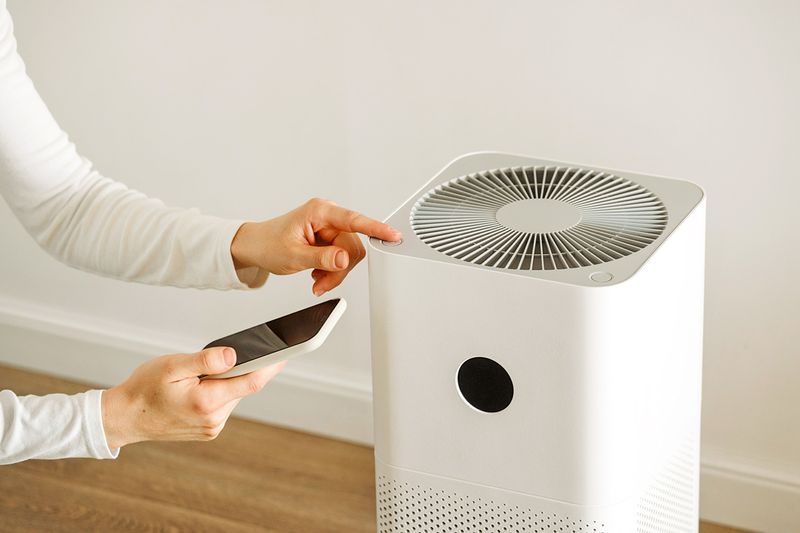
Here are practical tips to measurably improve your home’s air quality.
1. Place Purifiers Where You Need Them Most
The first step to cleaner air isn’t buying the biggest or most expensive unit — it’s placing the unit where it will make the most impact.
Think high-traffic and problem areas:
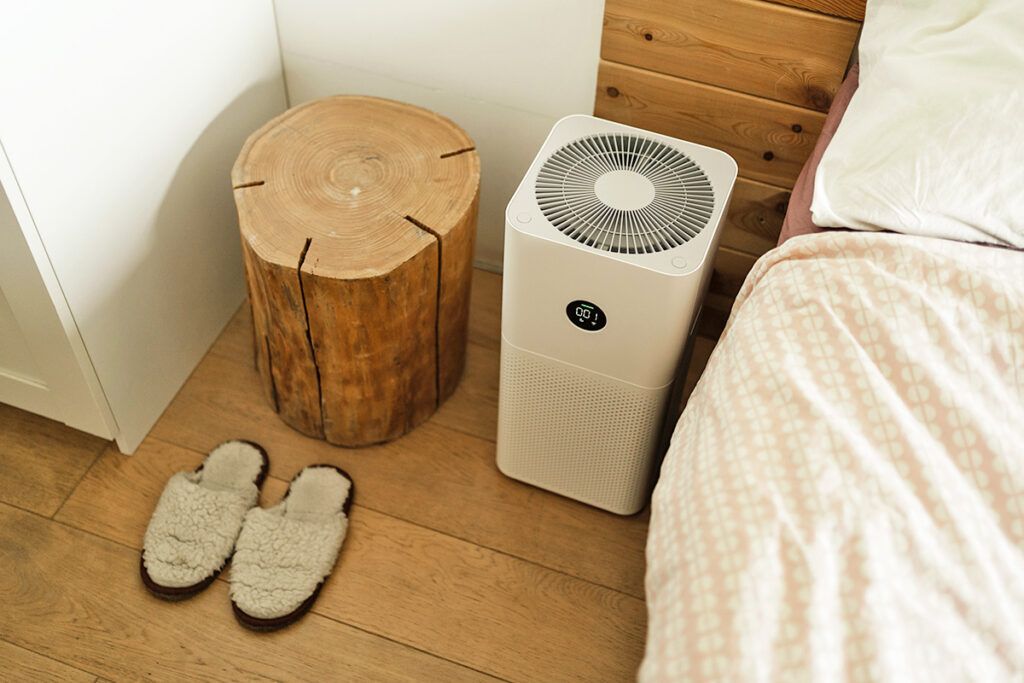
Bedrooms: Since we spend nearly a third of our lives sleeping, clean air here can significantly impact health and sleep quality.
More from our network
House Outlook is part of Inbox Studio, which publishes content that uplifts, informs, and inspires.



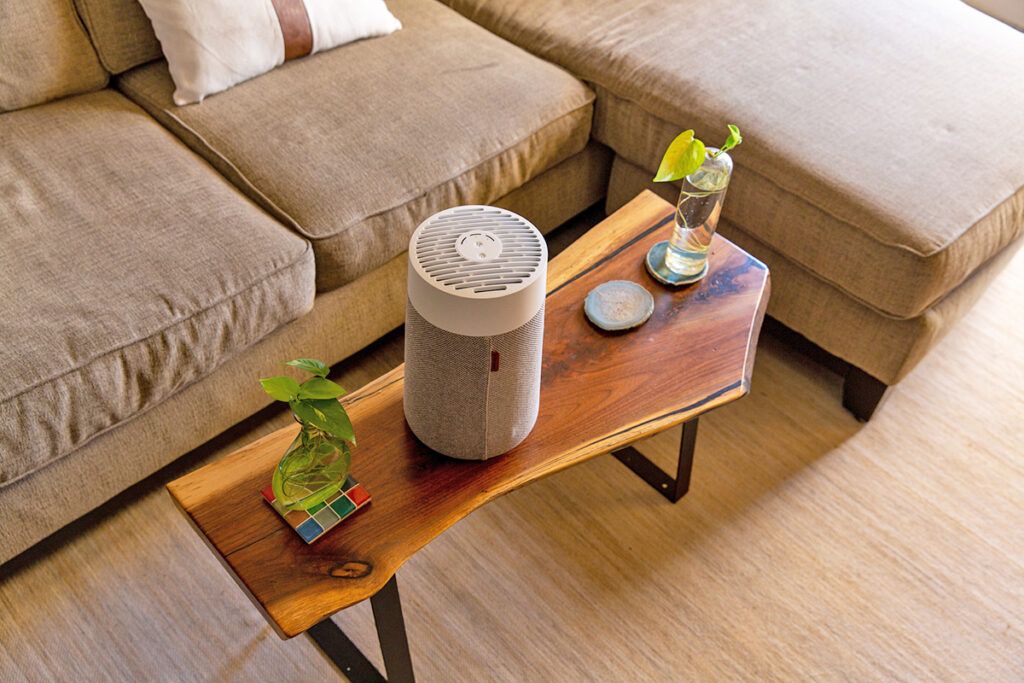
Living rooms and family spaces: These areas are where pollutants from pets, cooking, and outdoor air tend to accumulate.
Near pollutant sources: If you cook frequently, a purifier near the kitchen can help capture fumes and neutralize odors.
2. Understand How Many Units You Actually Need
A common misconception is that one large air purifier can clean an entire home. That’s rarely true.
Air purifiers are room-specific devices — their efficiency depends on the Clean Air Delivery Rate (CADR) relative to the size of the space. A unit that works for a bedroom may be underpowered in a spacious living room.
Heed these general guidelines:
• Use one unit per main living space (living room, primary bedroom, etc.).
• For open-plan layouts, choose a purifier with a high CADR that matches the total square footage.
• If someone in the home has severe allergies or asthma, additional units may be necessary.
3. Match Purifier Size to Room Size
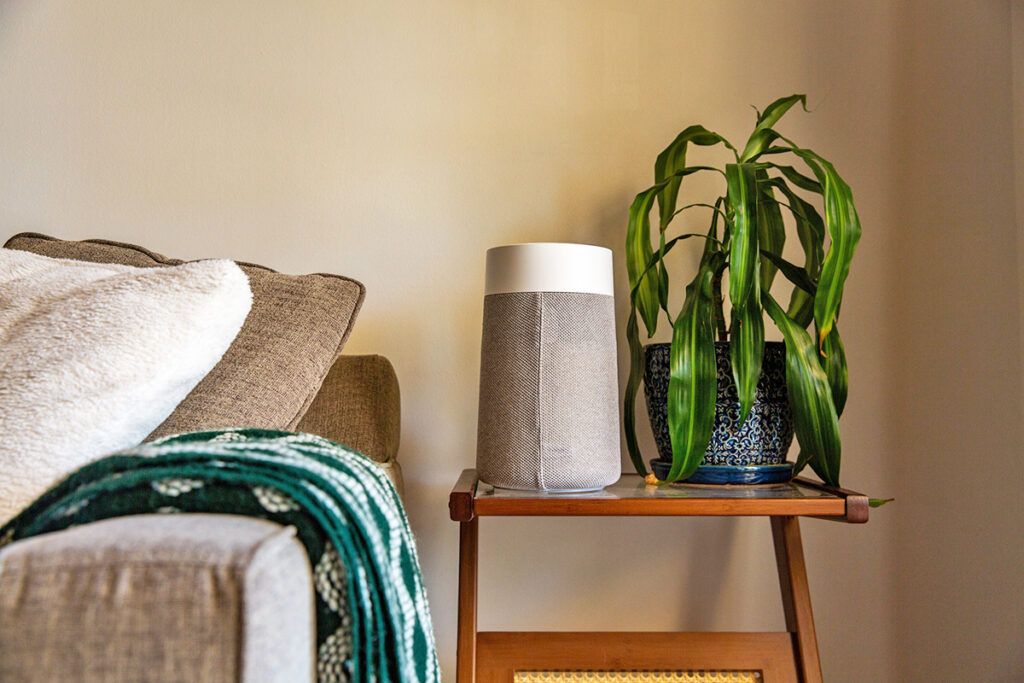
Manufacturers list recommended room sizes on their products, but choosing the right one requires a bit of math.
Here’s what to consider:
Measure the space: Multiply the room’s length by its width to get the square footage.
Match CADR ratings: The unit’s CADR should align with or exceed the room’s dimensions.
A purifier that’s too small will run all day with little effect, but one that’s correctly sized will cycle the air multiple times per hour, significantly reducing contaminants.
4. Keep Filters Clean and Replace Them on Schedule
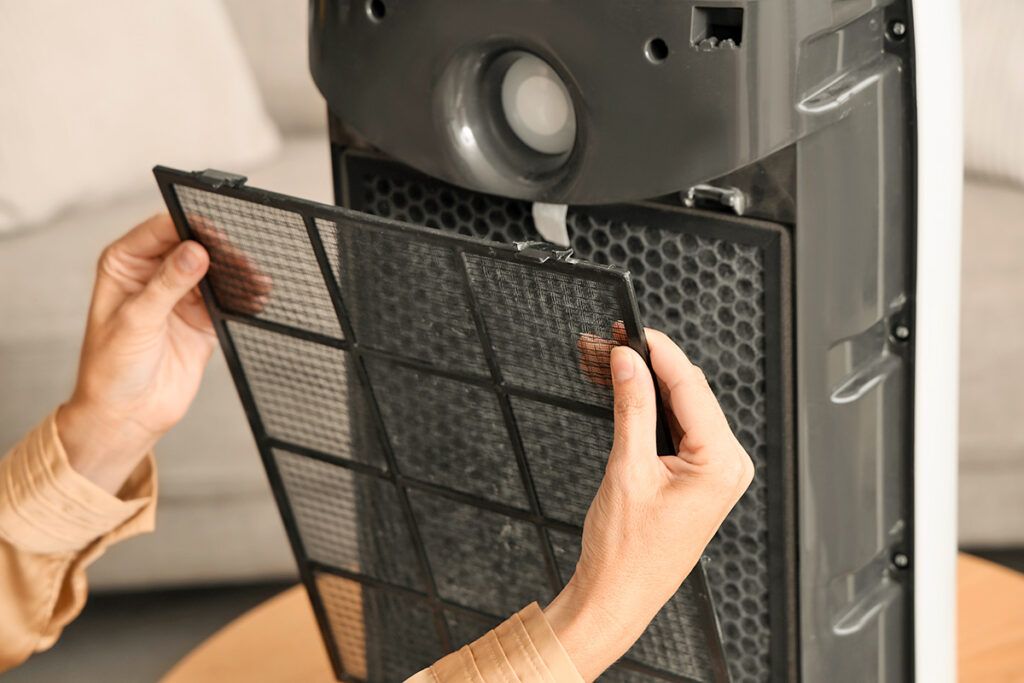
Air purifiers don’t clean the air — their filters do. And because filters clog over time, regular upkeep is a must.
Follow these filter maintenance tips:
• Check filters monthly. Most units have an indicator light, but a manual inspection is still helpful.
• Replace HEPA filters every six to 12 months, or as the manufacturer recommends.
• Prefilters can often be vacuumed or washed, which helps prolong the life of the main HEPA filter.
Dirty filters not only reduce efficiency but can also become sources of pollutants themselves. Treat filter care like changing HVAC filters: It’s essential maintenance, not an elective task.
5. Run Your Purifier Continuously
Turning a purifier on only when the air feels “bad” isn’t sufficient. Many pollutants are invisible: VOCs from plastics, formaldehyde from new furniture, and fine particles from cooking or outdoor air.
Run purifiers continuously, especially if:
• You have pets.
• Someone in your household has allergies or respiratory issues.
• You’re in wildfire or high-pollen season.
Most modern air purifiers are energy-efficient, quiet, and designed for 24/7 use, so leaving them on is a strategic move, not a wasteful one.
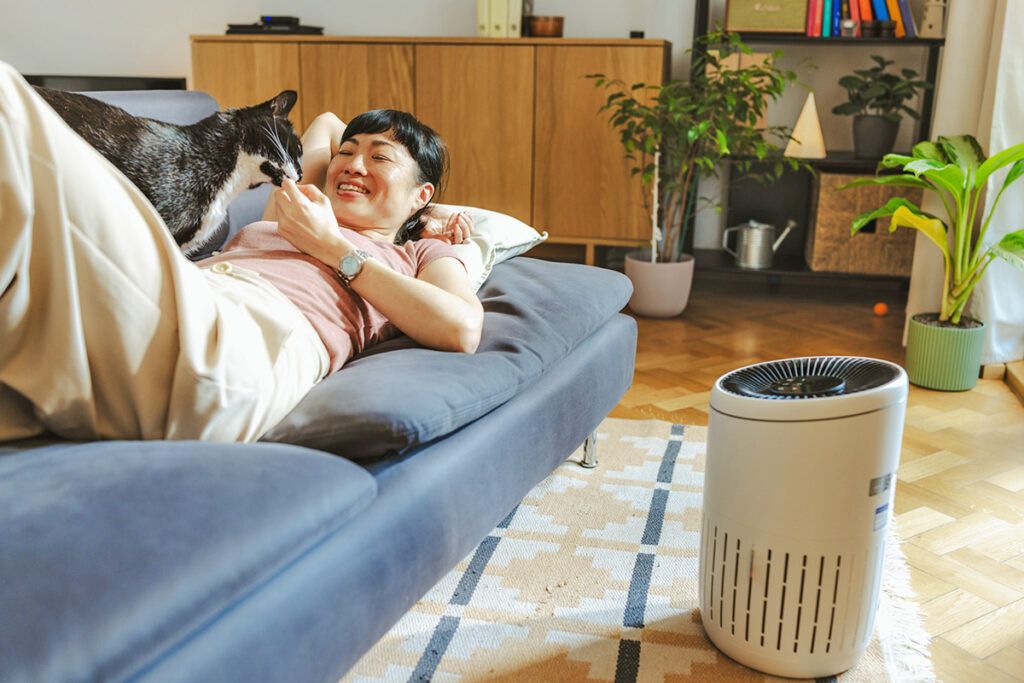
6. Position for Airflow, Not Aesthetics
Placement is about more than just finding a spot; it’s about maximizing airflow. Purifiers draw air in and push it out. If that flow is disrupted, efficiency drops.
Adopt these best practices for better performance:
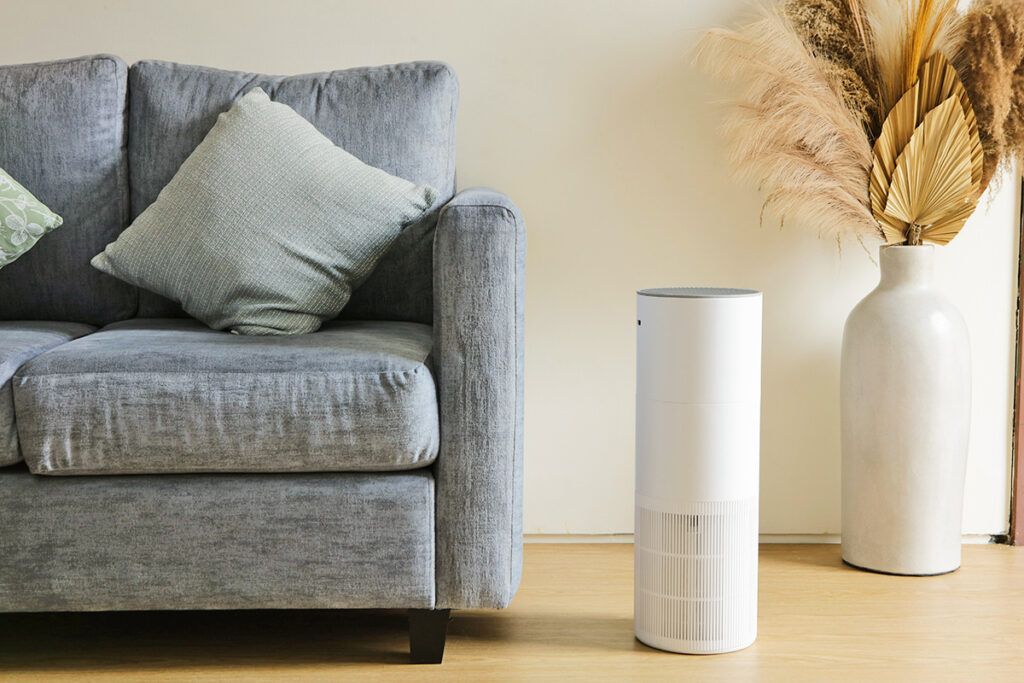
• Place purifiers at least 2 to 3 feet from walls.
• Avoid corners that trap stagnant air.
• Keep purifiers away from direct sunlight and moisture, which can damage filters.
7. Pair Purifiers With Other Healthy-Home Habits
Air purifiers are powerful, but they’re only one piece of the clean-air puzzle:
Ventilate: Open windows when outdoor air quality is good.
Vacuum: Use a vacuum with a HEPA filter regularly to suck up dust and dander.
Control humidity: Keep moisture levels steady to prevent mold growth.
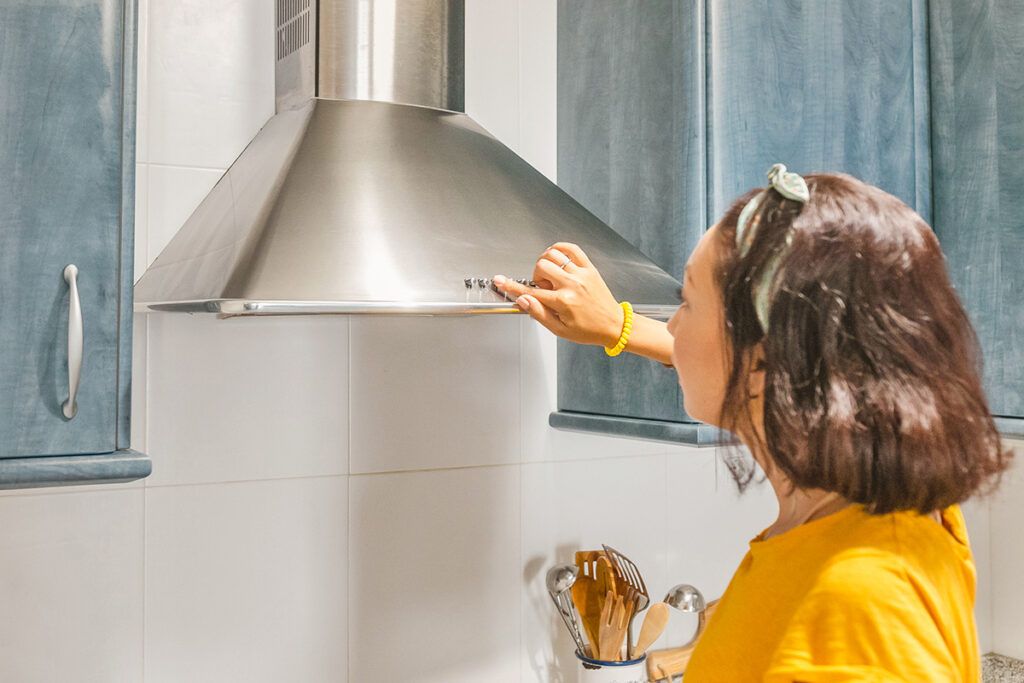
Limit indoor pollutants: Avoid smoking indoors and always use exhaust fans while cooking.
These habits reduce the pollutant load so your purifier doesn’t have to work overtime.
Air purifiers are more than gadgets; they’re essential tools that improve health and comfort. But like any tool, their impact depends on how you use them. With the right placement, maintenance, and usage habits, you’ll notice cleaner, fresher air — and perhaps even better sleep and fewer allergy symptoms.