1. Not Having a Vision Before Starting Renovations
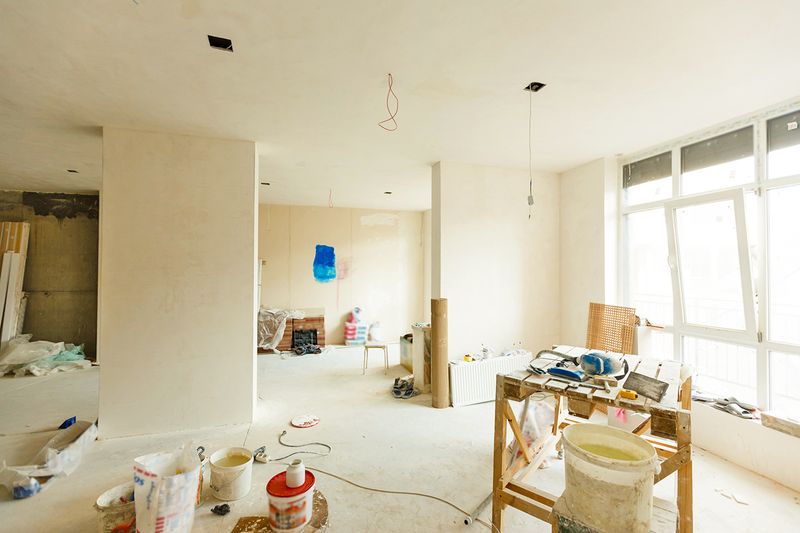
Knocking down walls without a clear, finalized plan is one of the most expensive moves you can make. “Many times, when people start a renovation, they’re excited to ‘go, go, go’ and don’t take the time to finalize their vision and design,” says Miles Smith, architect and senior industry growth and strategy manager at Graphisoft, a software company that provides specialized tools for architects and design professionals. The result? You might replace flooring right after moving in, only to decide a few months later that you want to redo the kitchen or remove a wall — forcing you to rip up or patch that brand-new floor.
Interior designer Jeannine Bogart of Epic Interiors has witnessed the same pattern play out with finishes. Homeowners pick paint, wallpaper, and materials before the layout is truly resolved. “Once everything is installed, the space doesn’t look the way they expected,” she says.
The fix is straightforward: Work with a designer or contractor from the start to lock in your floor-to-ceiling vision — materials, layout, finishes — before anything is ordered or built.
2. Choosing Materials in Isolation
If you don’t consider the big picture, a tile that wowed you in a showroom can fall flat once installed. “A tile or cabinet color might look great individually, but if it doesn’t fit well and looks unrelated to the rest of the house, the room can feel off,” Bogart says. By the time you notice, it’s often too late.
More from our network
House Outlook is part of Inbox Studio, which publishes content that uplifts, informs, and inspires.



This is why professionals increasingly use 3D renders and even virtual reality walk-throughs before construction begins. That level of preview can prevent expensive do-overs driven purely by an aesthetic mismatch.

3. Underestimating What’s Hiding Behind the Walls
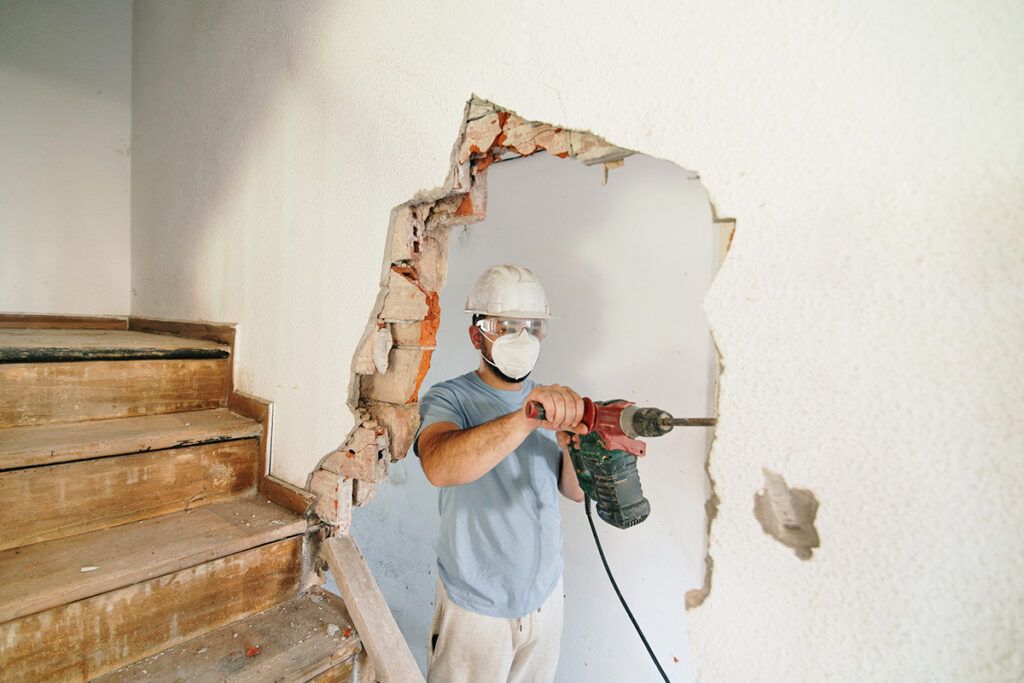
What you intend to be a simple remodel can turn into something far bigger once the walls open up. “On older homes especially, what looks like a straightforward remodel can turn into plumbing updates, electrical corrections, framing repairs, or water damage that no one could see at the start,” says Maksim Sauchanka, owner of BMR Belmax Remodeling.
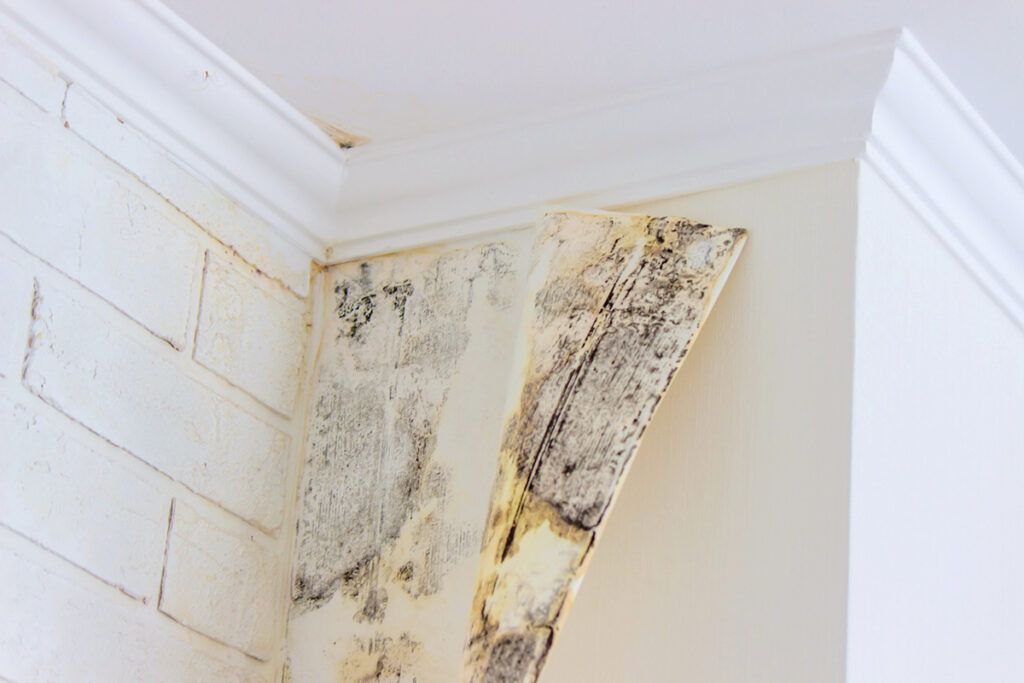
Rees Brodersen and Jonathan Cisnero of LA Handy Construction echo the warning, noting that hidden conditions — rot, mold, water damage, outdated wiring — must be addressed before finishing work can even begin. “It’s not an option,” Cisnero says.
The safest approach is to budget a 10% to 20% contingency from the start and mentally prepare yourself for the unexpected. If nothing goes wrong, you have a pleasant cushion; if it does, your project isn’t entirely derailed.
4. Focusing on Aesthetics Over Function
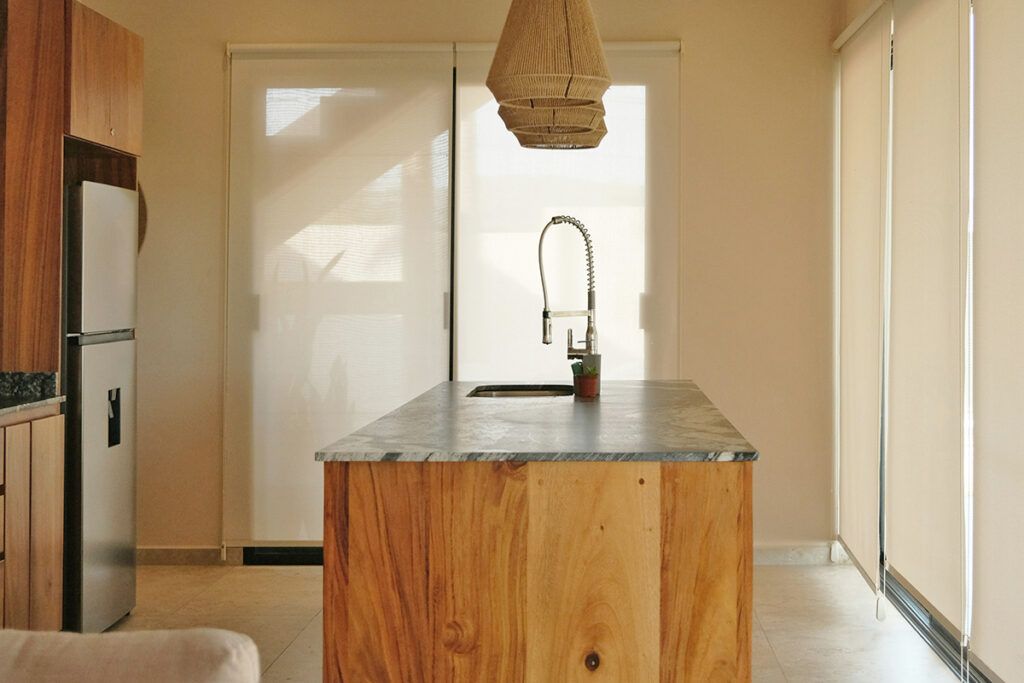
Remember: function first. If a room is beautiful but doesn’t work for how you actually live, it’s a costly renovation mistake. “A homeowner may approve a layout, choose all the right-looking materials, and still end up frustrated later because the kitchen workflow feels off, the island clearance is too tight, or the bathroom doesn’t move comfortably once everything is installed,” Sauchanka says.
Smith warns against renovating halfway. Installing a new countertop on 20-year-old cabinets may sound like a quick, budget-friendly refresh, but the space will likely still look dated. If you decide to replace the cabinets later, you’ll have to replace the countertop again too. Addressing form and function together from the start is nearly always the more economical path.
5. Trying To Save Money in the Wrong Places
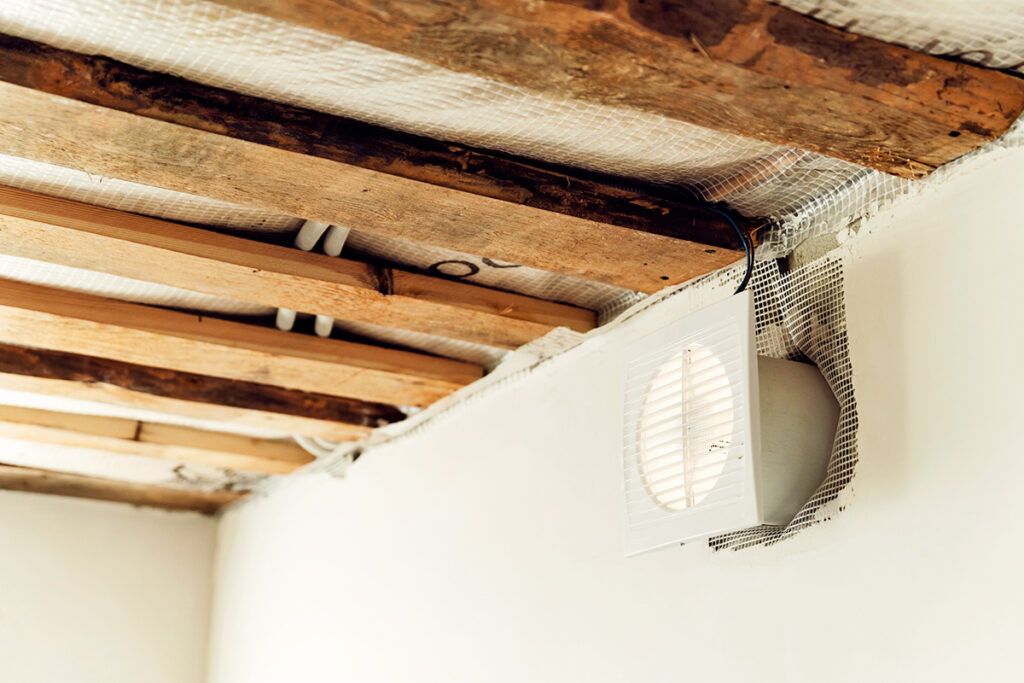
Cutting costs is smart; cutting them in the wrong places is expensive. Sauchanka warns that the problem isn’t splurging on luxury finishes, but skimping on the invisible stuff, such as waterproofing, ventilation, and installation quality. “Those are exactly the things that determine whether the renovation still feels good five years later,” he says.
Brodersen adds that small jobs carry baseline costs regardless of size: Setup, mobilization, protection, demolition, cleanup, and trade coordination all add up. Expecting a small task to come cheap — and budgeting accordingly — is a recipe for being caught off guard.
6. Making Changes Midproject
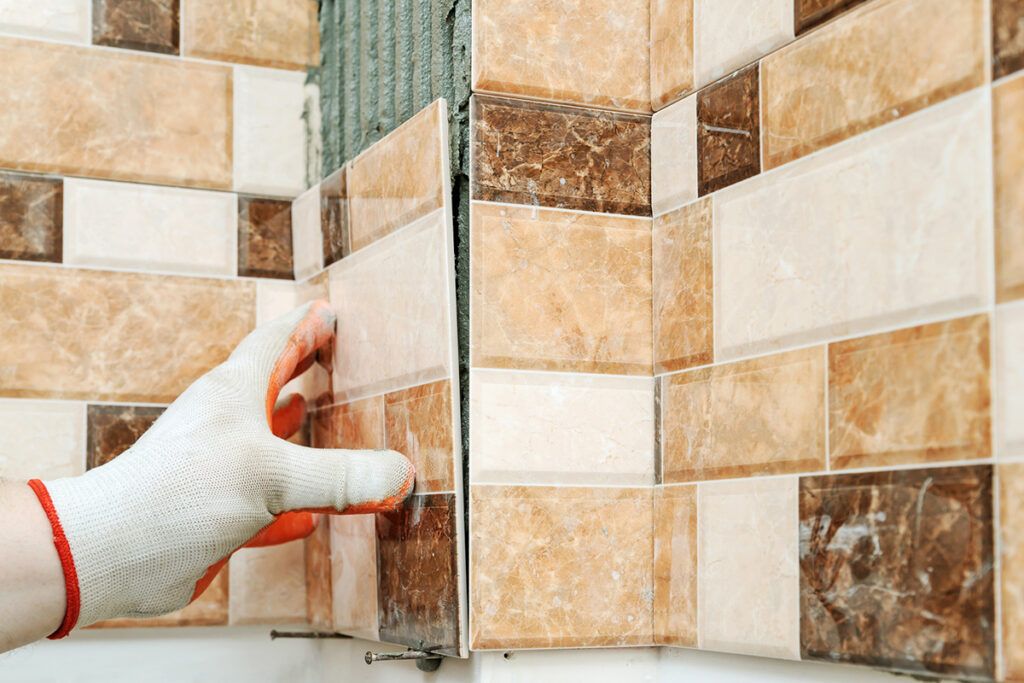
Once a renovation is underway, even small changes can cascade in ways that feel disproportionate. “A change that sounds small — shifting plumbing, changing tile layout, upgrading a material late, moving a wall a little — can affect labor, schedule, and other trades faster than people expect,” Sauchanka says.
Brodersen and Cisnero call these midproject alterations “change orders,” noting that they pile up and are always more expensive than doing it the correct way the first time. The moral: Finalize every decision you possibly can before work begins.
7. Forgetting the Costs You Can’t See on the Estimate
There are certain expenses that reliably blindside homeowners, even on well-planned projects. According to Brodersen and Cisnero, the list includes disposal and dump fees, delivery and freight charges, and the labor involved in matching existing finishes — which typically requires more work than expected. Permit requirements and related code upgrades are another consistent surprise.
Smith adds that even material prices can shift significantly between the time you get a quote and when work actually begins. Some contractors specify that estimates are valid for only 30 days for exactly this reason.
8. Not Communicating With Your Contractor
Finally, a mistake that has nothing to do with materials or money: not speaking up when you don’t like something. “If something doesn’t look right, don’t let the frustration build,” Smith says. Addressing an issue midproject, even if it feels uncomfortable or inconvenient in the moment, is far better than finishing a renovation and living in a space you’re unhappy with.
The best renovations, nearly every pro agrees, come down to a combination of preparation and communication — a clear plan from the start, realistic expectations about what might come up, and an open channel with your contractor throughout. Get those right, and most of the costly mistakes on this list become avoidable.