Ditch Dust With a Damp Cloth
Microfiber cloths are great for dusting because they generate a slight electrostatic charge as you wipe. As the name suggests, the material is made up of millions of tiny synthetic polyester or nylon fibers. These fibers are split to be thinner than a human hair, increasing their surface area so they can trap and hold dust. The friction caused by wiping also creates a static charge that helps pull dust into the cloth.
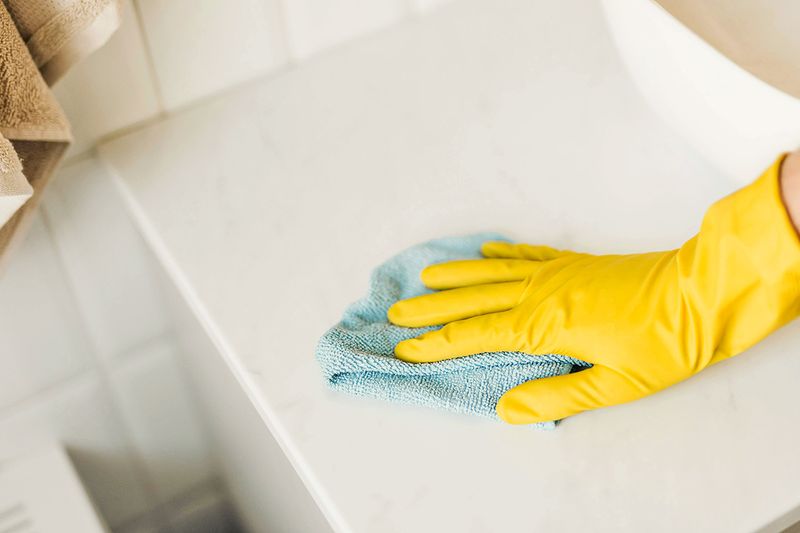
Sometimes, however, dry dusting seems to only push debris around, especially if it’s been a while since you last cleaned or if there’s heavy buildup of pet hair and grime. In these cases, dampen your cloth with clean water, wring it out well, and wipe whatever surfaces need cleaning. This ensures that dust and allergens are picked up by the fibers rather than kicked up into the air to resettle elsewhere.
Microfiber cloths are renowned for their ability to capture dust through static, but they are equally impressive when damp. They can hold over five times their weight in water, making them the perfect tool for tackling tough messes, such as sticky food spills, stubborn soap scum, and grease-laden cabinets.
Keeping Your Cloths Clean
Want to extend the lifespan of your microfiber cloths? Whether you prefer using them damp or dry, you can guarantee years of use from them with proper washing. Avoid using bleach or fabric softener, as these chemicals can damage the superfine fibers that make these cloths so effective. Bleach degrades the structural integrity of the fibers, while softeners leave behind a waxy residue that reduces their ability to trap dust or absorb liquid.
More from our network
House Outlook is part of Inbox Studio, which publishes content that uplifts, informs, and inspires.



Instead, clean your cloths in a solution of warm water and your choice of either 3% hydrogen peroxide, distilled white vinegar, or an oxygen-based bleach alternative, such as OxiClean Odor Blasters. (Warning: Never mix hydrogen peroxide and vinegar together in the same container, as this causes a chemical reaction that can irritate the eyes, skin, and respiratory system.) Soak the microfiber cloths in the solution for 15 to 30 minutes, then rinse them thoroughly with clean water. It’s best to air dry them whenever possible, but if you must use a dryer, opt for a low-heat setting and skip the dryer sheets.