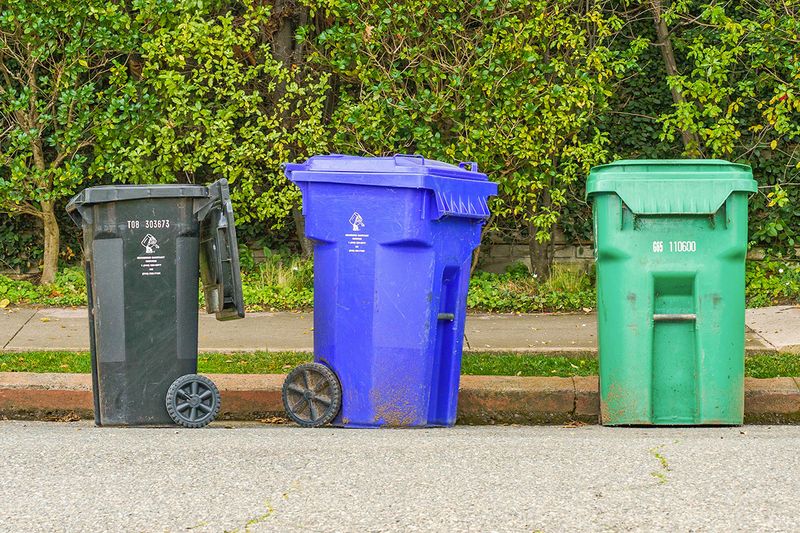
1. Pizza Boxes Covered in Grease
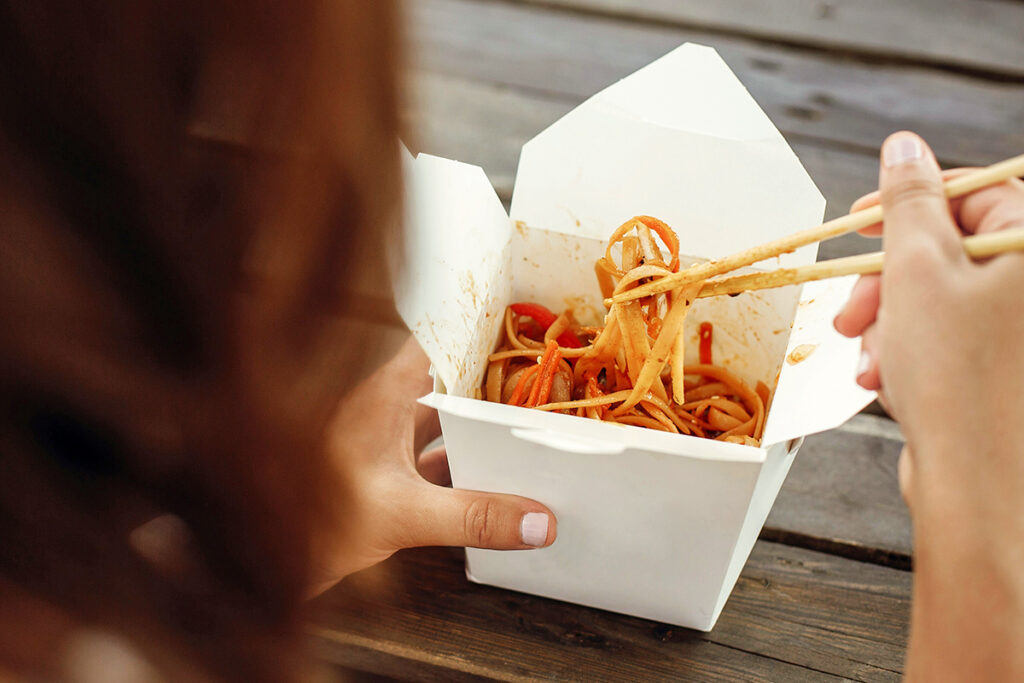
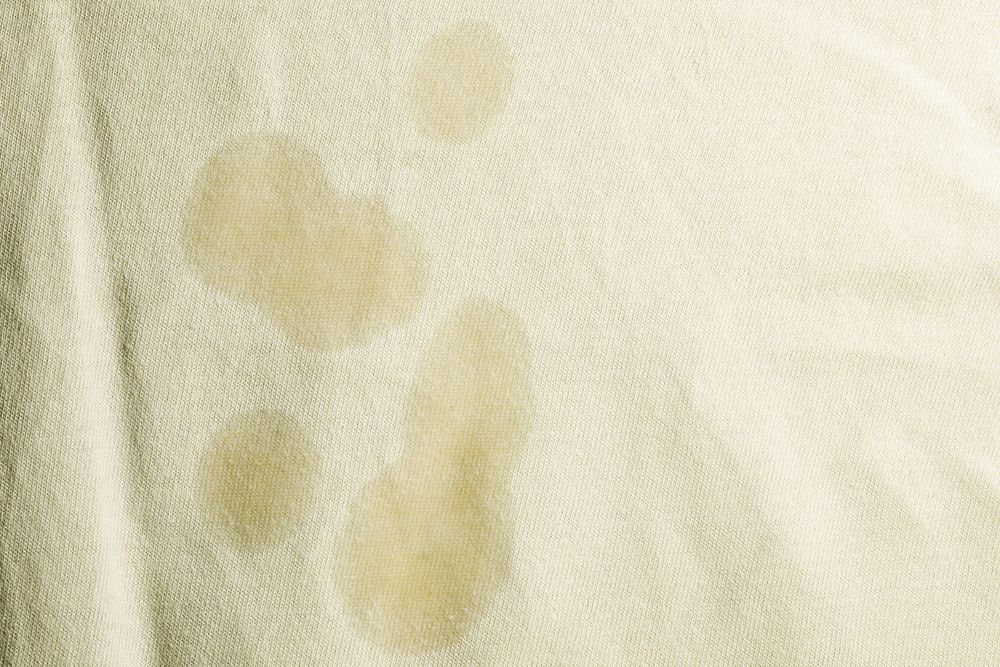
Cardboard is one of the easiest materials to recycle — until oil gets into it. Grease soaks into the cardboard fibers, making them difficult to separate during the pulping process.
If only part of the box is greasy, tear off the clean lid and recycle that instead. The greasy bottom can go in the trash or a compost bin.
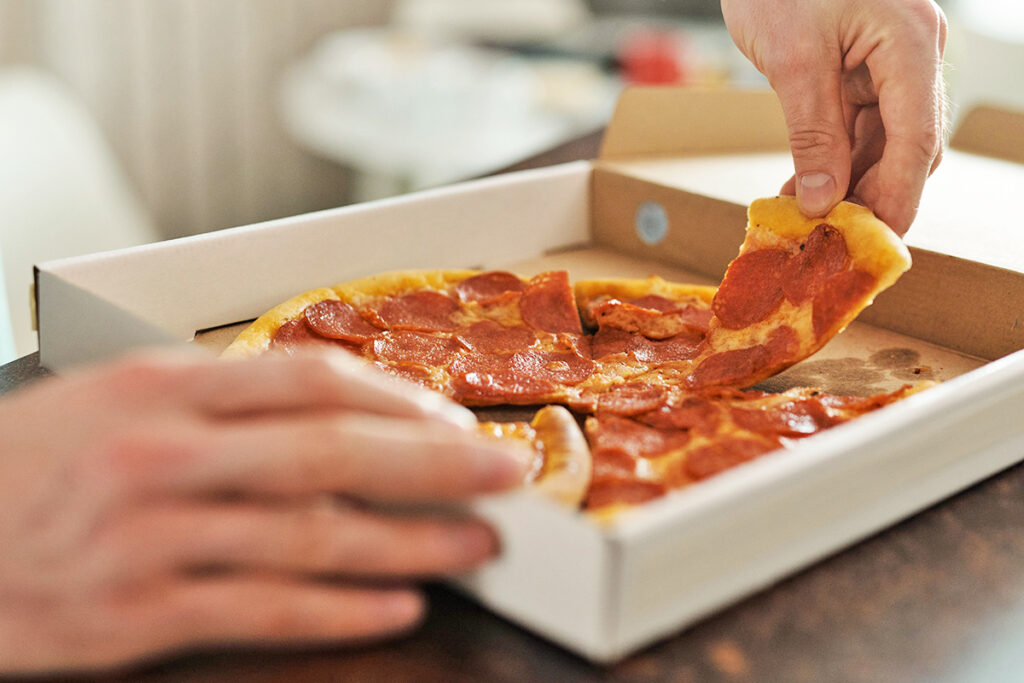
2. Plastic Bags
Plastic bags are enemy No. 1 at most sorting facilities. Workers compare them to a bowl of noodles — the thin plastic film wraps around spinning augers and conveyor gears until someone has to climb in and cut it loose with a knife. Just a few bags can bring an entire line to a halt for hours.
Even if a bag has a recycling symbol stamped on it, don’t put it in your curbside bin. Many grocery stores collect clean plastic bags and flexible plastic film, so that’s usually the better drop-off point.
More from our network
House Outlook is part of Inbox Studio, which publishes content that uplifts, informs, and inspires.



3. Paper Towels and Napkins
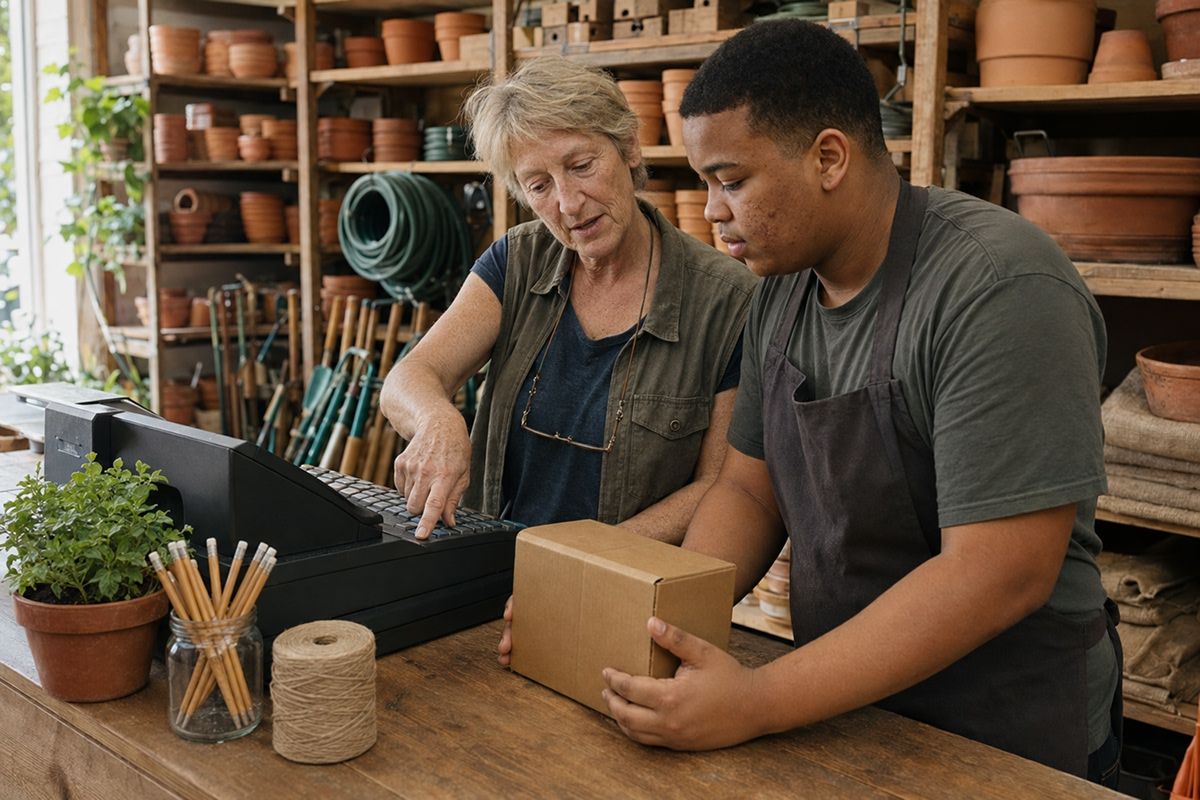
Not all paper products are created equal. Every time paper is recycled, its fibers shorten — and paper towels and napkins are made from fibers already too short to survive another cycle. Add food grease or cleaning residue to the mix, and there simply isn’t enough usable fiber left to recycle.
Clean, unused paper towels may be compostable in some communities, but used ones generally belong in the trash.
4. Disposable Coffee Cups
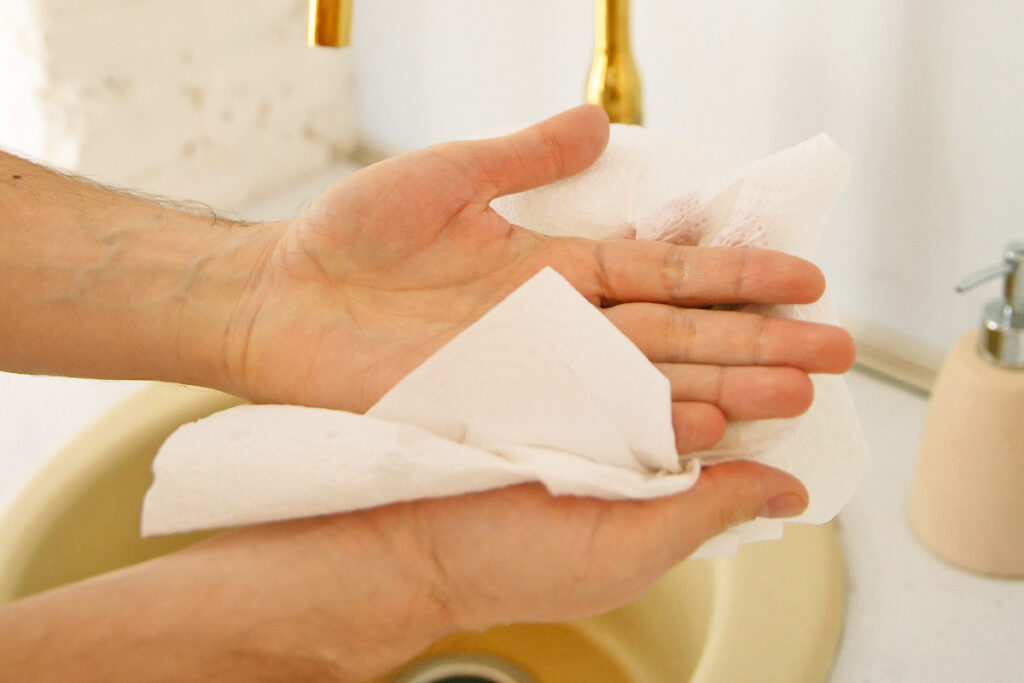
Most disposable coffee cups have a thin plastic lining fused to the paper to keep liquid from soaking through — and that lining is why standard paper recycling equipment can’t process them. Separating the two materials requires specialized machinery that most facilities don’t have.
Paper coffee cups and their plastic lids are usually better off in the trash, making reusable travel mugs the most environmentally friendly option.


5. Broken Glass
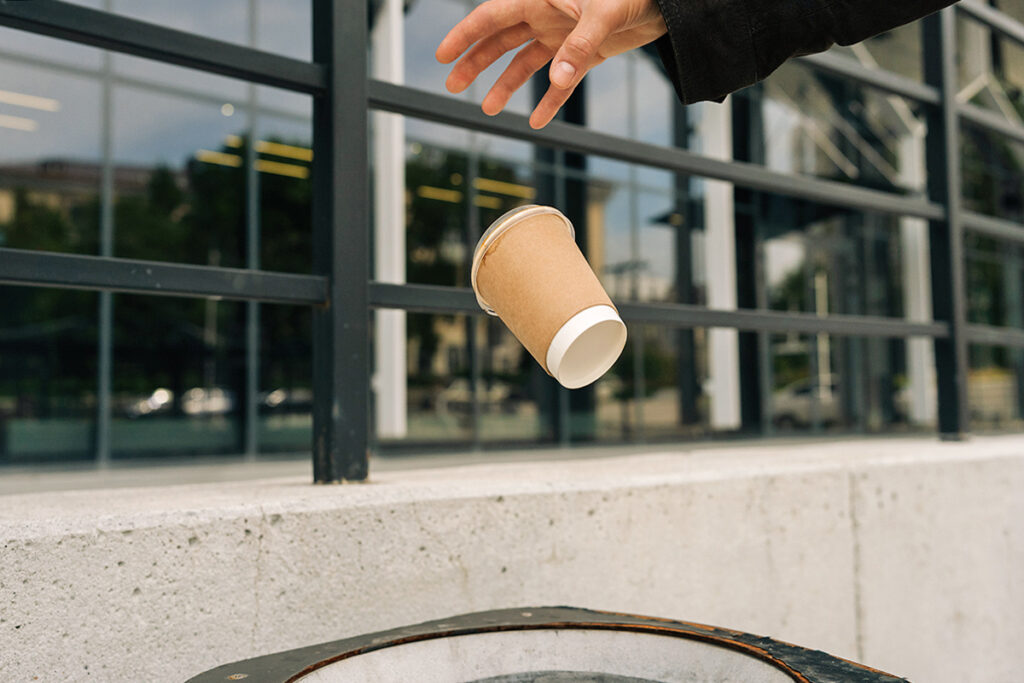
Glass bottles and jars are recyclable, but drinking glasses, mirrors, and window panes are not. Noncontainer glass is manufactured differently and melts at different temperatures, so even a few stray pieces can ruin an entire batch. Loose broken glass in a recycling bin also poses an injury risk for workers sorting recyclables.
Wrap sharp pieces carefully before tossing them in the trash, or check whether your local waste facility offers a special disposal program for glass.
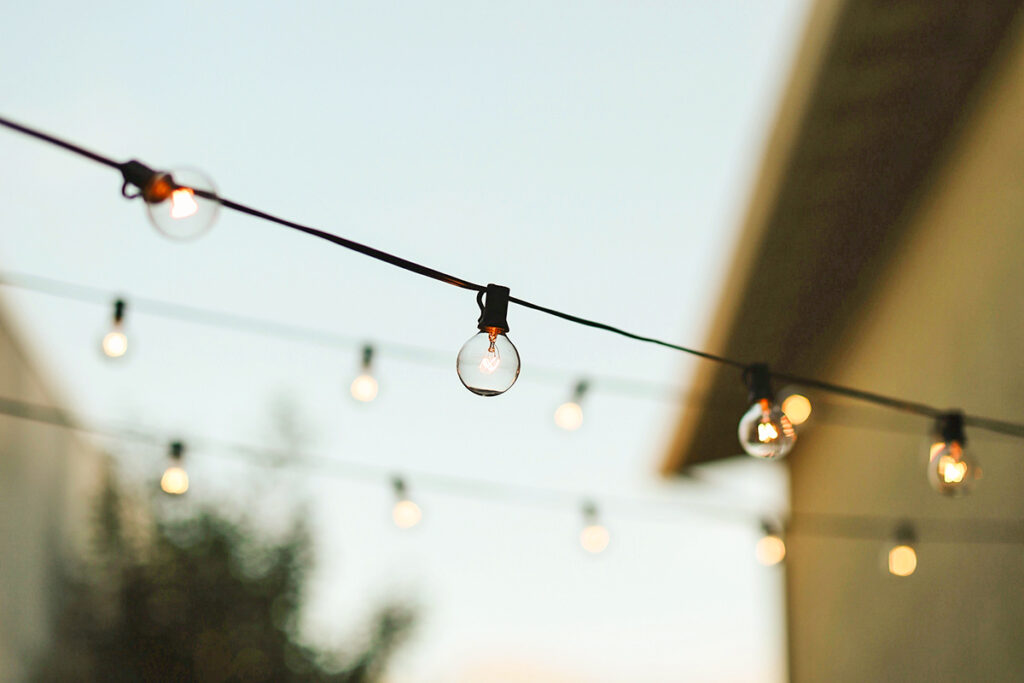
6. Garden Hoses, Cords, and String Lights
If it’s long, flexible, and ropelike, it doesn’t belong in the bin. Hoses, extension cords, and string lights wind around rotating machinery almost instantly, and untangling them often means shutting down the line entirely.
Some scrap metal recyclers or electronics recycling programs will accept cords and lights. However, garden hoses almost always belong in the trash.
7. Batteries
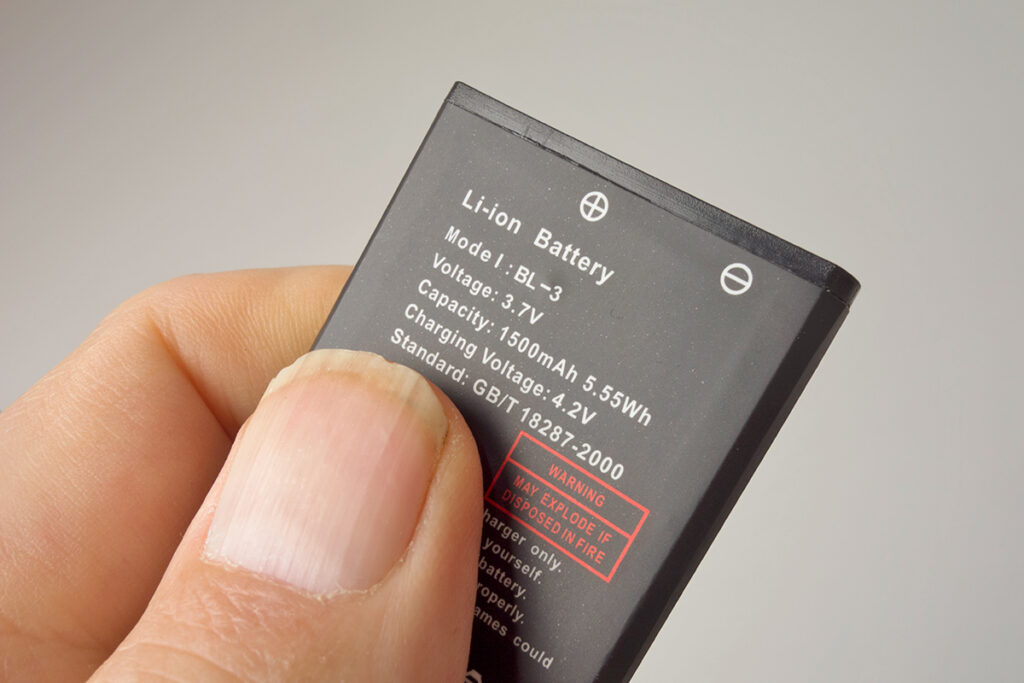
Batteries aren’t just unrecyclable in a curbside bin — they’re a fire hazard. Lithium-ion batteries in particular can ignite when crushed or punctured by sorting equipment, and battery fires at waste facilities are now common enough that many cities run public warning campaigns about them.
Bring dead or unwanted batteries to a designated collection site or a participating retailer instead. Home Depot, Lowe’s, and Staples locations often have battery take-back bins.
8. Clothing and Textiles
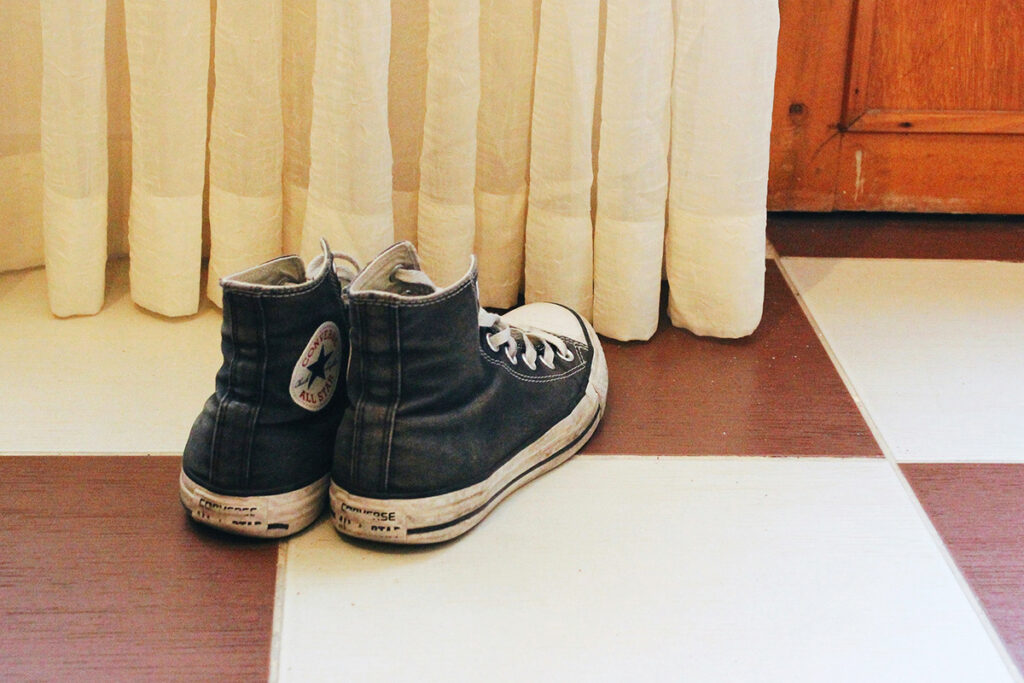
Worn-out clothes, towels, and shoes can feel recyclable because they’re fabric, but municipal recycling equipment isn’t built to process textiles at all. Fabric gets caught in machinery the same way plastic bags do.
If the items are still usable, donate them. Many communities also have textile recycling programs that turn worn fabrics into insulation, cleaning rags, or other products.
9. Foam Packaging
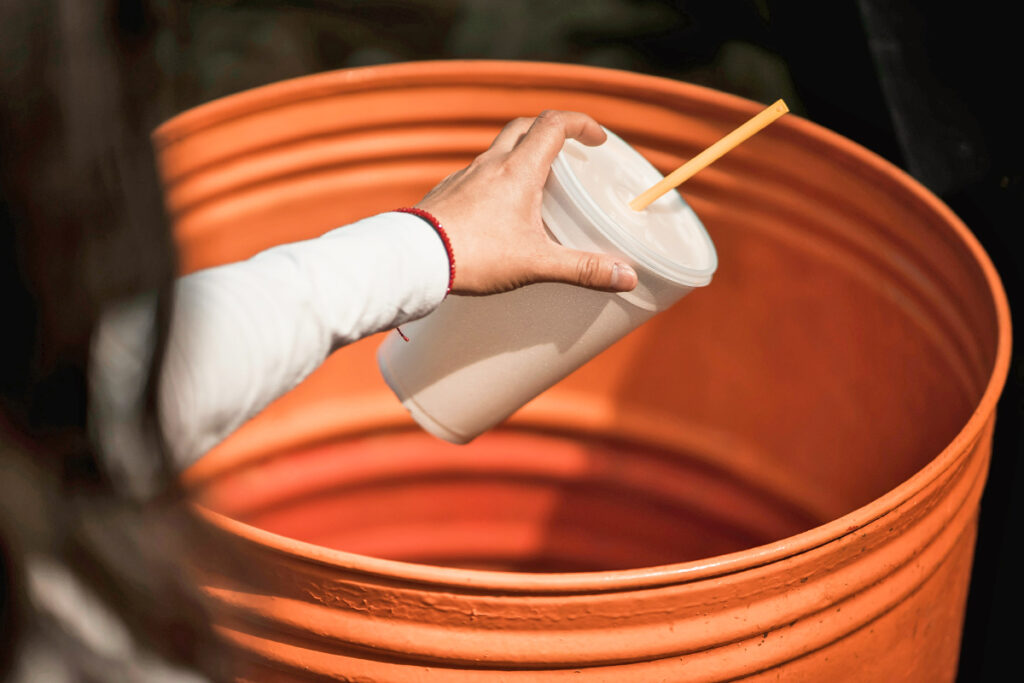
Foam packaging — technically expanded polystyrene — is mostly air, making it bulky and expensive to transport for recycling. It also crumbles into tiny pieces that stick to everything else in the bin, which is why most curbside programs reject it outright.
Some specialty recycling centers do collect foam packaging, though, so it’s worth checking if one exists near you.
10. Food Waste
Food scraps end up in recycling bins constantly, usually still stuck to the container they came in. Leftover food soaks into cardboard, gunks up plastic, and attracts pests before the truck even arrives.
Give bottles, jars, cans, and containers a quick rinse before tossing them in. They don’t need to be spotless — just empty, clean, and dry enough that they won’t ruin the batch.