As a former chef and restaurateur myself, I can tell you that managing food costs can make or break a restaurant, and minimizing food waste is an important part of that. I grew up in a household where food just wasn’t wasted (“Waste not, want not!”), which proved to be beneficial training for my professional work. Based on my own lifelong habits and learned experience, here are 22 kitchen scraps you should never throw away.
1. Clean Vegetable Peels and Trim
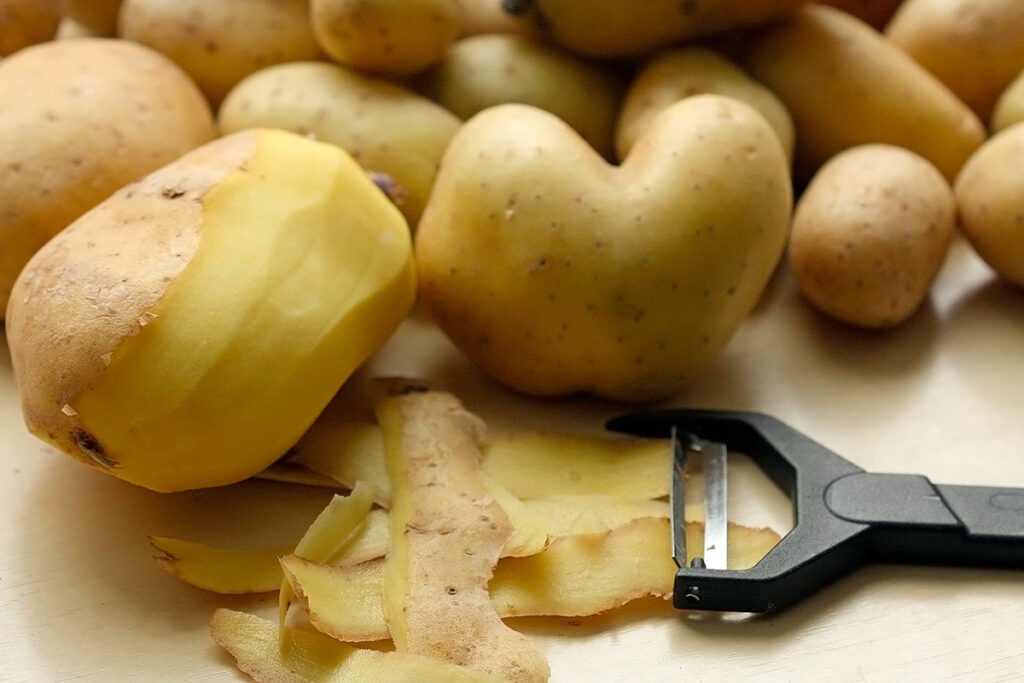
I always take a moment to wash the peels of fruits and vegetables prior to peeling them. It’s partly for food safety reasons and partly because I like to use the peels and trim. Carrot peels, for example, can join trimmed celery and onion ends as a mirepoix base for soups and broths. Clean potato peels can be fried or air-fried and salted into faux potato chips. Even onion skins, as long as they’re clean and mold-free, add a subtle onion flavor and golden-brown color to soups and sauces. As a bonus, some kitchen scraps will even regrow into fresh, usable ingredients.
2. Citrus Peels
The peels from lemons, limes, and oranges are packed with flavor and make great ingredients in their own right. Grate zest from large pieces to freeze or dry for future recipes — dried zest adds a sharp brightness to dry rubs. Use a peeler to create ribbons of zest for cocktails. For smaller pieces, cut them into strips (pith and all) and simmer them in sugar syrup. Dip the dried peels in dark chocolate for a decadent treat, or dice the candied peels for your holiday baking. You can also freeze them until you have enough to make marmalade.
More from our network
House Outlook is part of Inbox Studio, which publishes content that uplifts, informs, and inspires.





3. Leftover Herbs and Stems
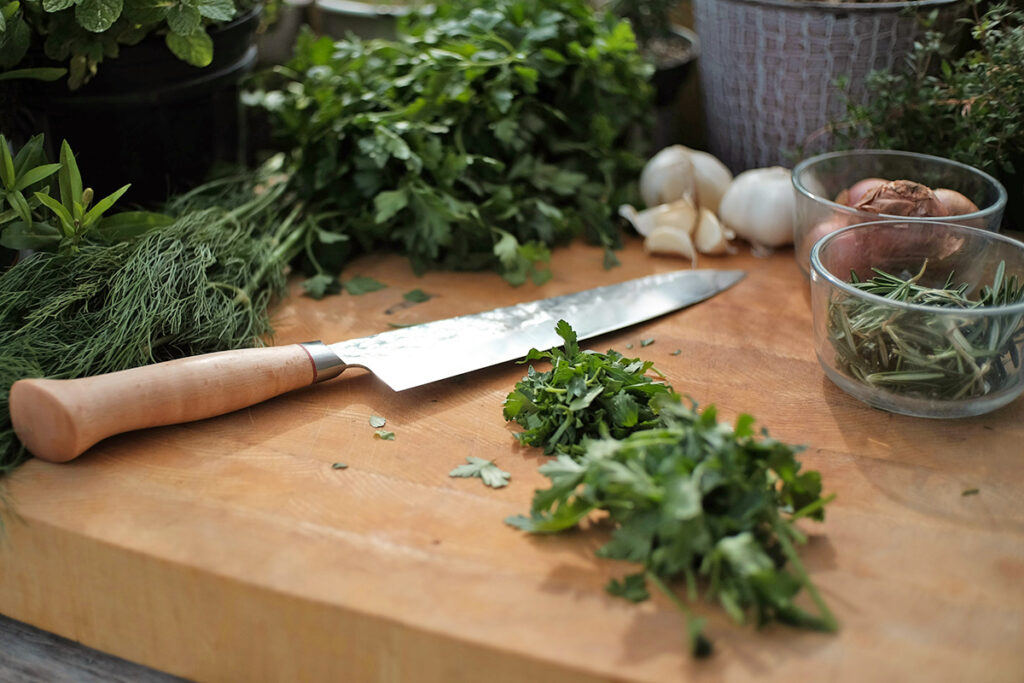
Have you ever bought a big bunch of herbs for a single recipe and then had to deal with the leftovers? Ideally, you’d do what you can to keep them fresh for longer. But if you know you won’t use them before they spoil, dry or freeze them. If you don’t have a food dehydrator, you can dry herbs on a sheet pan in a low oven (170 degrees Fahrenheit for about 30 minutes), or puree them with just enough oil to make a paste, which you can then freeze in ice cube trays (or pressed flat in a freezer bag) to cook with later. I also like adding the puree to mayonnaise for a quick and easy herb aioli.
4. Celery Leaves and Hearts
An odd rumor frequently circulates that celery leaves are toxic. That’s simply not true; they’re completely safe to eat and taste just like the celery itself. I like to dry the larger, darker leaves to crumble into soups when I don’t have fresh celery, while the paler inner leaves are great in salads or chopped like parsley for a garnish. The stumpy “heart” of the bunch can regrow new leaves or be thinly sliced for use in soups or salads.


5. Vegetable Greens
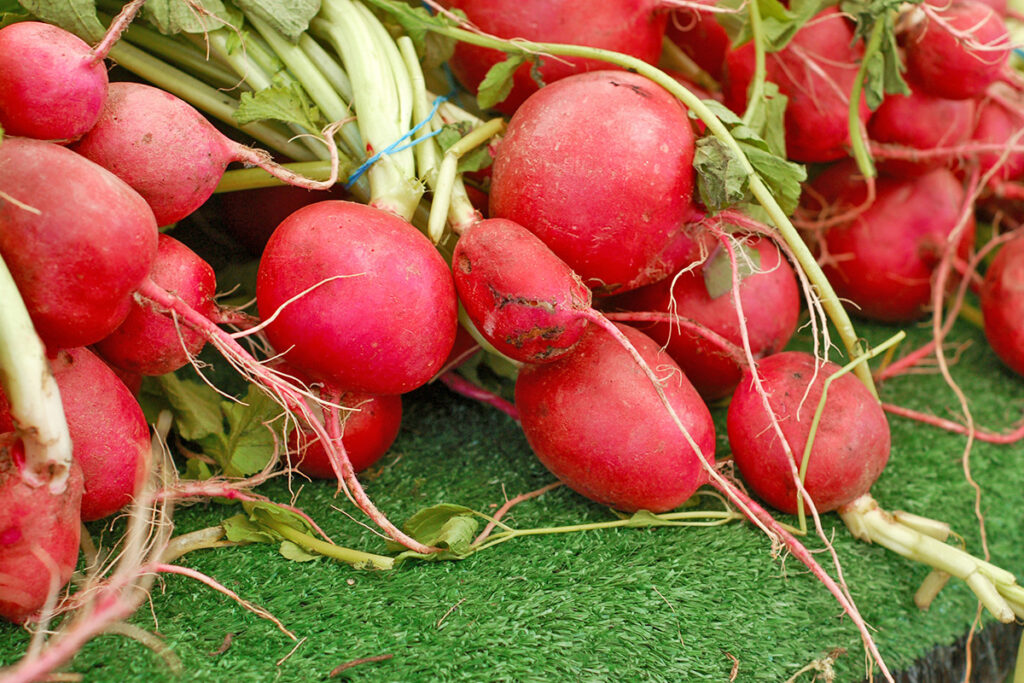
It breaks my heart when I see home cooks removing and discarding the green leaves from vegetables such as beets, turnips, and radishes. They’re perfectly edible and delicious — assuming you like greens — and packed with nutrients. I like to parcook them briefly in boiling water, then sauté them with garlic and onions to be eaten as a side dish. Once cooked, they’re delightful in omelets and frittatas. Carrot leaves are also edible and can be chopped fresh for salads or dried and used as a carroty-tasting herb to sprinkle over dishes.
6. Cabbage Hearts
Cabbage is an underrated vegetable — inexpensive year-round and packed with nutrition. The outer leaves, unless yellowed or damaged by pests, can be shredded and served as cooked greens. And while the dense core, or heart, is usually discarded, it shouldn’t be. I like to slice it thinly and eat it as is with a light sprinkle of salt, but it’s also great in stir-fries, salads, and slaws.
7. Watermelon and Squash Seeds
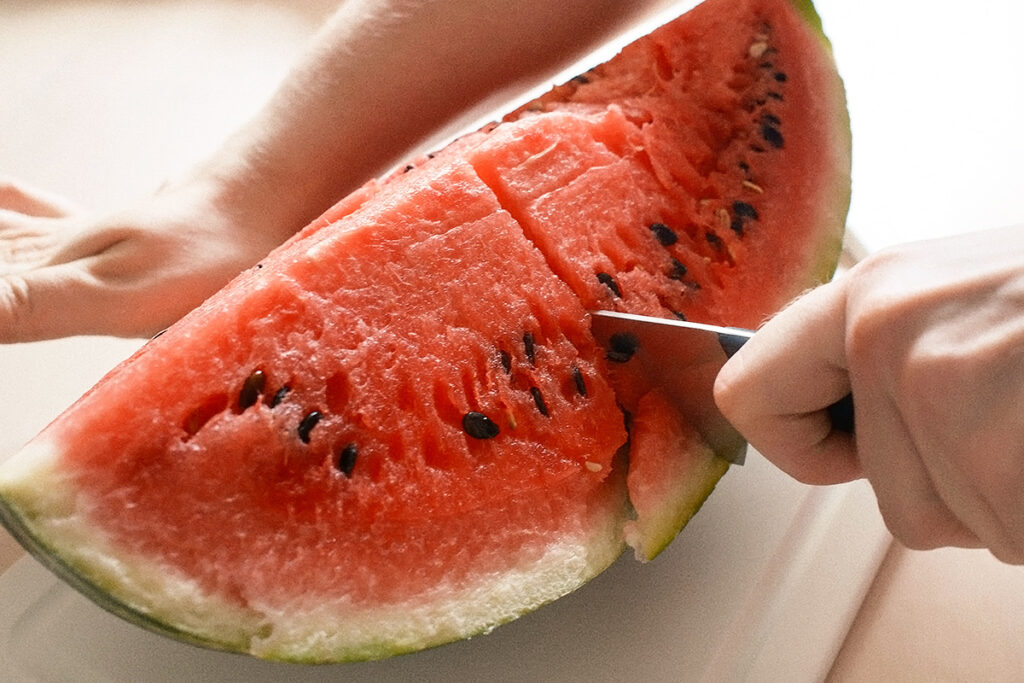
The seeds from winter squash are interchangeable with pumpkin seeds — which you can buy already roasted and salted — so it’s a no-brainer to make them into a snack rather than letting them go to waste. You can do the exact same with watermelon seeds — another reason to buy the old-school, seeded watermelons, which many people say taste better anyway. Their leftover rinds make fantastic homemade pickles, too.
8. Broccoli and Cauliflower Stems
You can’t imagine how I yelped the day I saw one of my prep cooks lop off the stems from a big bunch of broccoli and discard them. Underneath that tough skin, broccoli stems are tender, juicy, and sweet. The peel pulls right off if you grip it between your thumb and a paring knife. From there, just slice or shred the stems for steaming, stir-fries, or slaw — I use them for all three. I also use the central stem of the cauliflower, left over from cutting off the florets. It doesn’t even need peeling.
9. Coffee Grounds
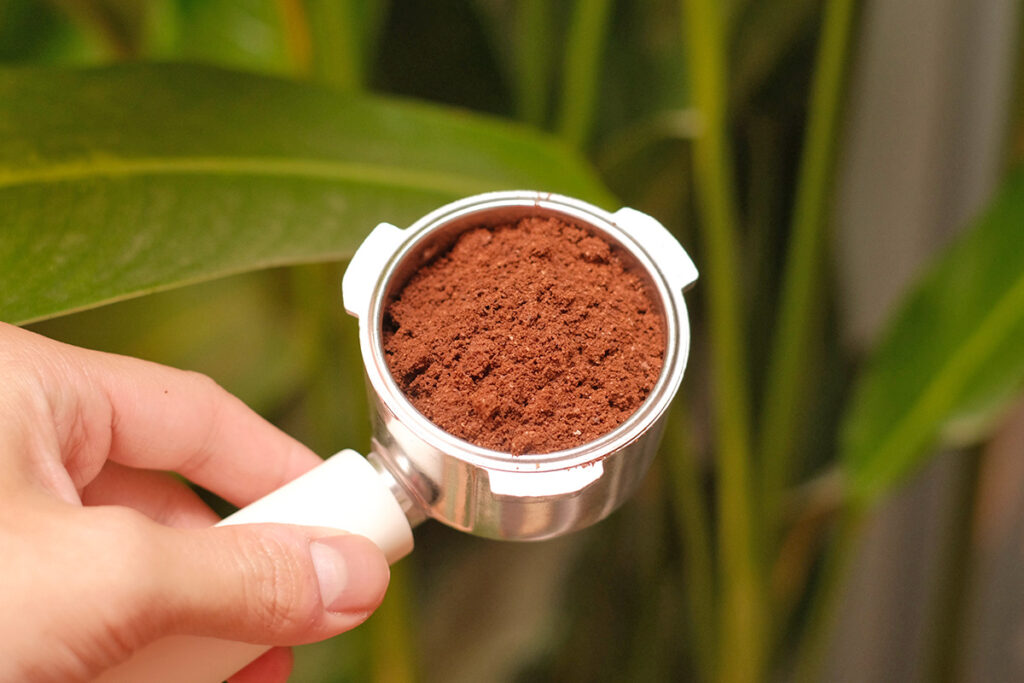
I’m not going to recommend you use your grounds a second time for brewing coffee, but soaking them creates a mild liquid fertilizer for your indoor or outdoor plants. You can feed it to acid-loving plants such as begonias, cyclamens, Christmas cactus, jade, and blueberries. Dried coffee grounds also make an effective DIY deodorizer or a nitrogen-rich additive for your compost pile.
10. Parmesan Rinds
The rinds from Parmesan and other hard, aged cheeses are usually discarded, but they shouldn’t be. Like the cheese itself, they’re packed with umami, and in Italy, Parmesan rinds are traditionally used to add rich flavor to sauces and soups. Plus, once you’ve taken as much cheese as possible from the rinds (leaving them 1/8 to 1/4 inch thick), you can air-fry, bake, or microwave them to make puffy, crispy, cheesy snacks.
11. Puff Pastry or Pie Crust
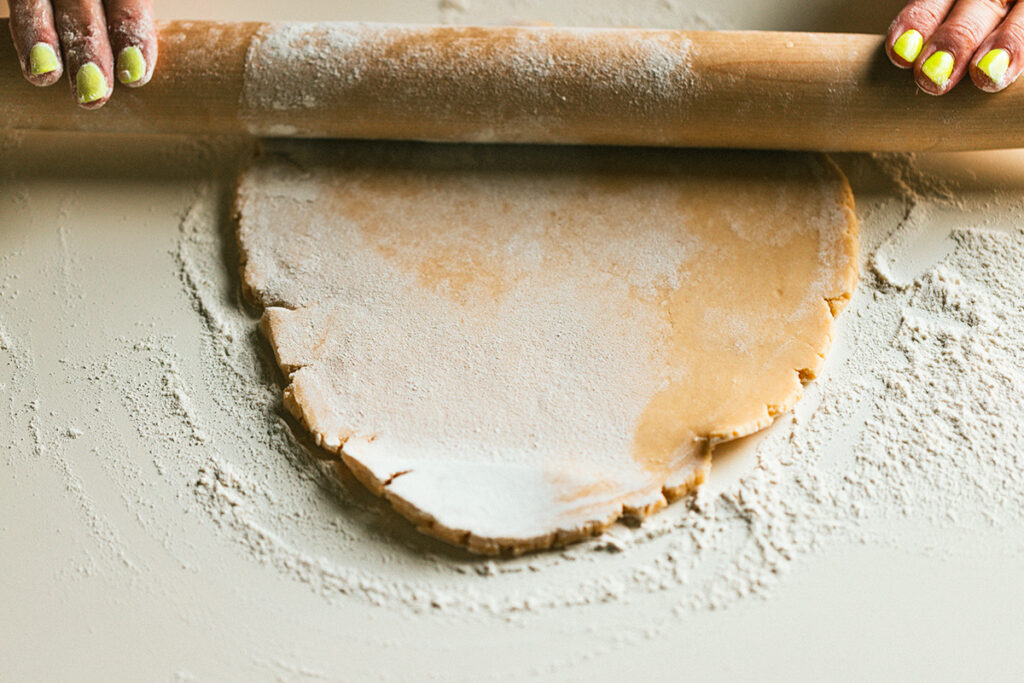
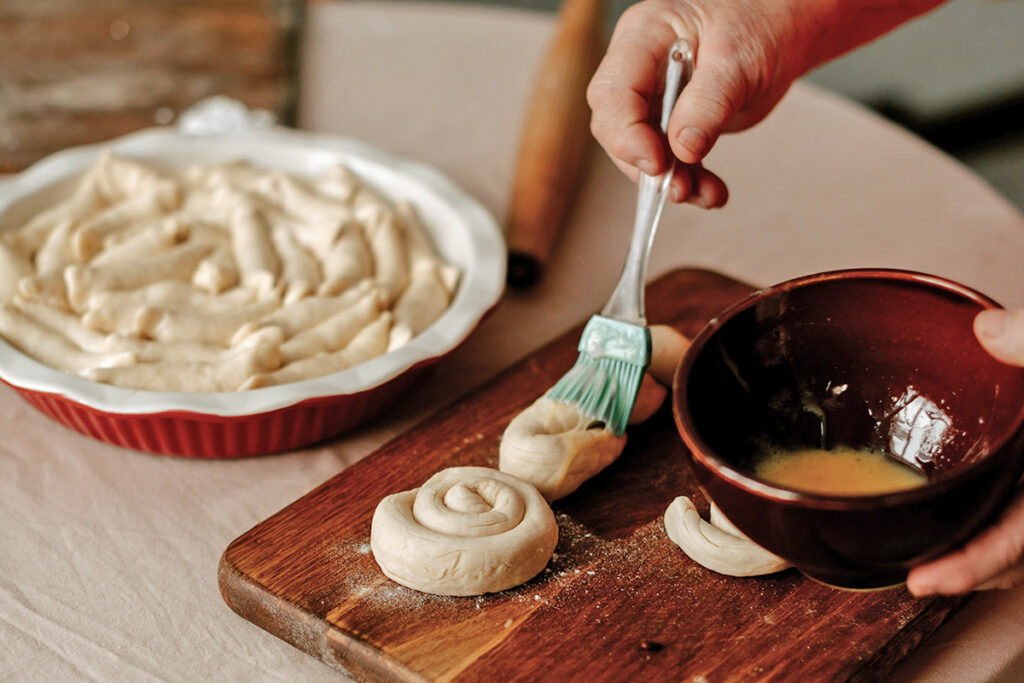
I always keep a sheet or two of store-bought puff pastry in my freezer for convenience, even though I can make it from scratch. But I hate wasting the trim. To keep the delicate layers intact, stack the scrap pieces flat on top of each other before rerolling them. I like to cut the dough into strips and bake them with a savory garlic-Parmesan or sweet cinnamon-sugar topping for a quick snack. They’re also great for turning random leftovers or ripe fruit into easy hand pies. (The same goes for leftover pie crust scraps.)
12. Leftover Cake
I was my own pastry chef at my restaurant and ran an in-store bakery for a while, so I have plenty of uses for leftover cake. If it isn’t frosted (or if you scrape the icing off), strips of cake can be toasted in the oven and eaten like biscotti or used in place of ladyfingers in desserts like tiramisu. Toasted cake “croutons” make a great add-in for ice cream or pudding.
You can also layer cake with custard for a classic trifle, or roll crumbs into cake pops and “truffles.” And here’s a secret pastry chef hack: Sprinkling fine cake crumbs over buttered sheets of phyllo dough keeps the layers separate so they bake up extra crisp and flaky.
13. Stale Bread or Crackers
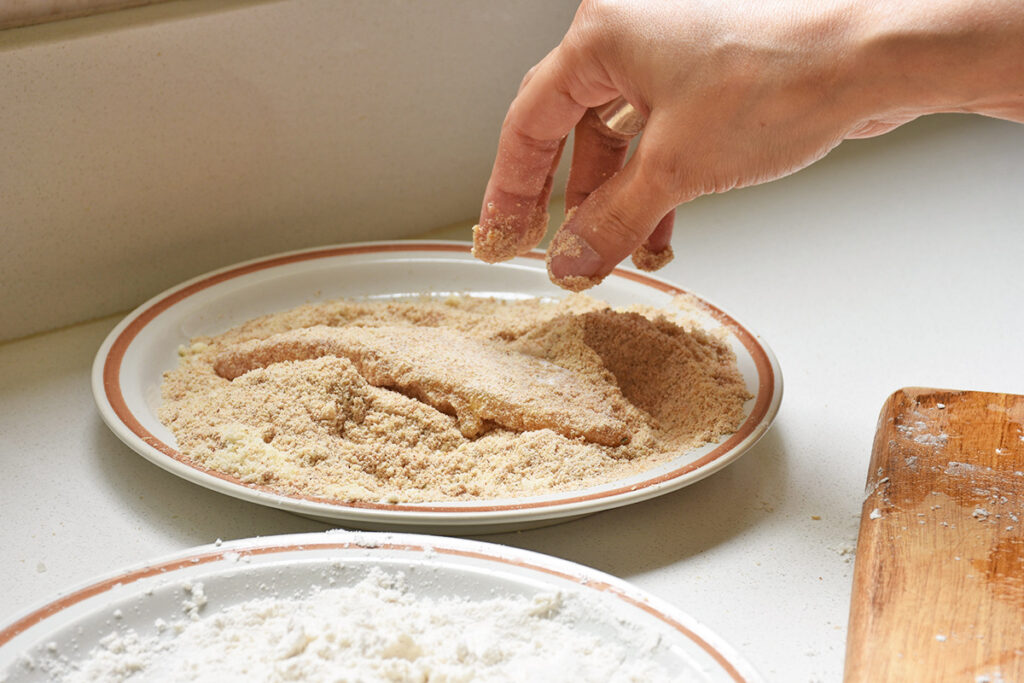
Stale bread (including hot dog and hamburger buns) and crackers are just as versatile as leftover cake, if not more so. To begin with, you can usually revive stale crackers and breakfast cereal by putting them in a low oven for a few minutes. Stale bread, meanwhile, can be diced, seasoned, and toasted to make salad croutons, or crushed into breadcrumbs for coating fried chicken or fish.
The possibilities are endless. Float a slice of toasted stale bread in your bowl of soup to make it heartier, or use it as a topper — think croûtes for French onion soup or rouille croutons for bouillabaisse. You can also use it to make a sweet, custardy bread pudding for dessert, baked French toast, or a savory strata filled with eggs, cheese, cured meats, herbs, or vegetables.
14. Bones and Shells
Outsiders wouldn’t believe how much mileage chefs get from the bones and shells of meat, poultry, fish, and shellfish. Combined with vegetable scraps, they make delicious homemade stock or bone broth. Fish bones, fish heads, and shellfish shells need only 30 to 40 minutes of simmering. Poultry, beef, or pork bones take longer, though I use my electric pressure cooker to speed up the process while extracting maximum flavor and collagen.
Use the stock for soups and sauces, swap it for water when cooking rice and other grains, or sip it plain as a warm, caffeine-free pick-me-up. Broth also makes a rich gravy base, a flavor-boosting braising liquid for meats and beans, or even a low-oil addition to vinaigrettes.
15. Eggshells
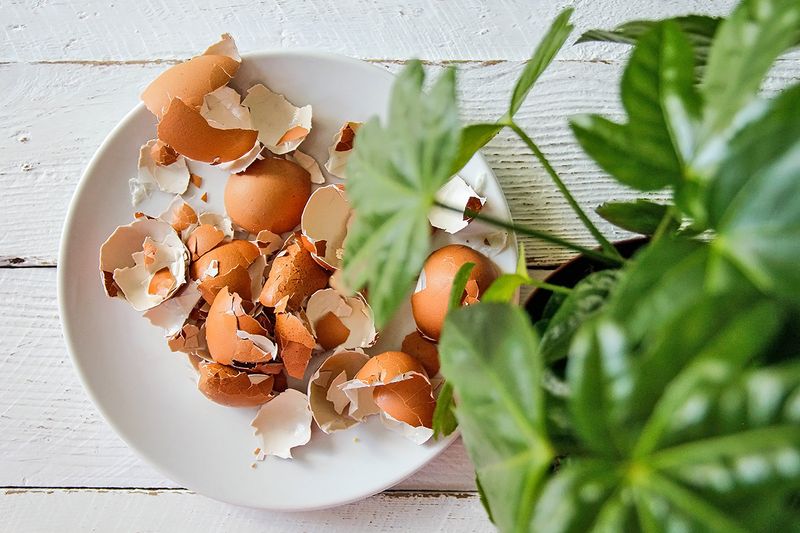
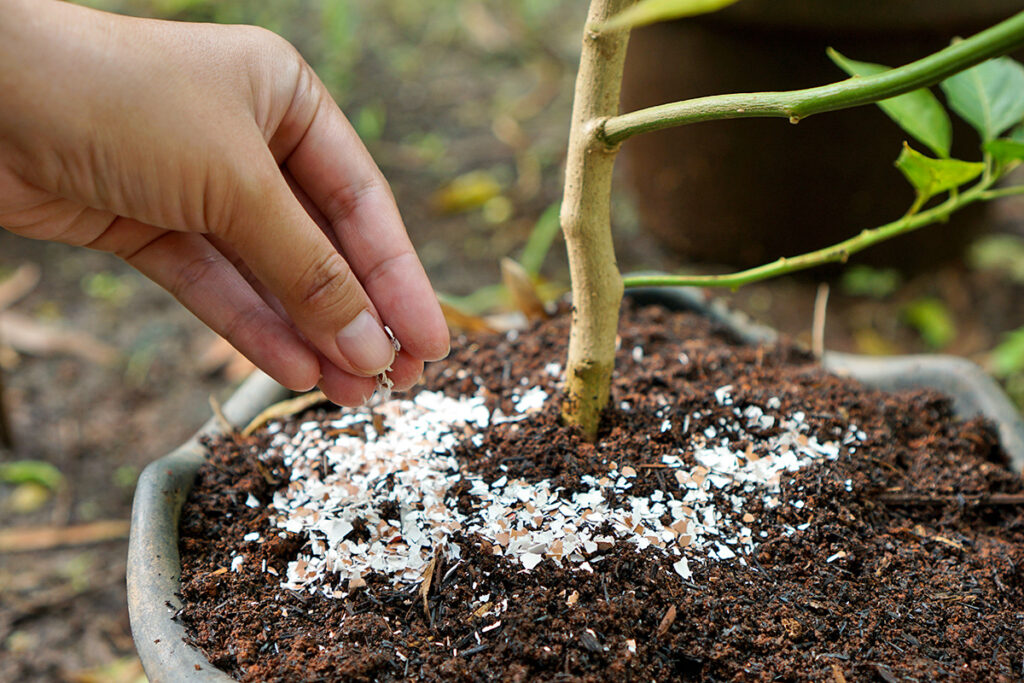
The bones and shells I mentioned above don’t include eggshells, which are in a category of their own. I raise chickens and quail, so I have a lot of eggshells. I don’t have any direct culinary uses for them, but they’re great for gardens. They add calcium to the soil, help lower its acidity, and loosen heavy clay soils. Plus, many gardeners swear by crushed eggshells as a natural slug barrier.
16. Pickle Brine
If you like pickles, leftover brine is definitely worth hanging on to. My grandkids are fond of “pickle-sicles” — pickle brine frozen on a stick to enjoy on hot days. Like lemonade, its cool acidity helps make hot, muggy days more tolerable. I also add it to potato salad, dressings, and marinades for extra flavor, or save it up until I have enough to make a batch of refrigerator pickles. (If cucumbers are out of season, this also works for pickling eggs, zucchini spears, or anything else you want to experiment with.)
17. Used Vanilla Beans
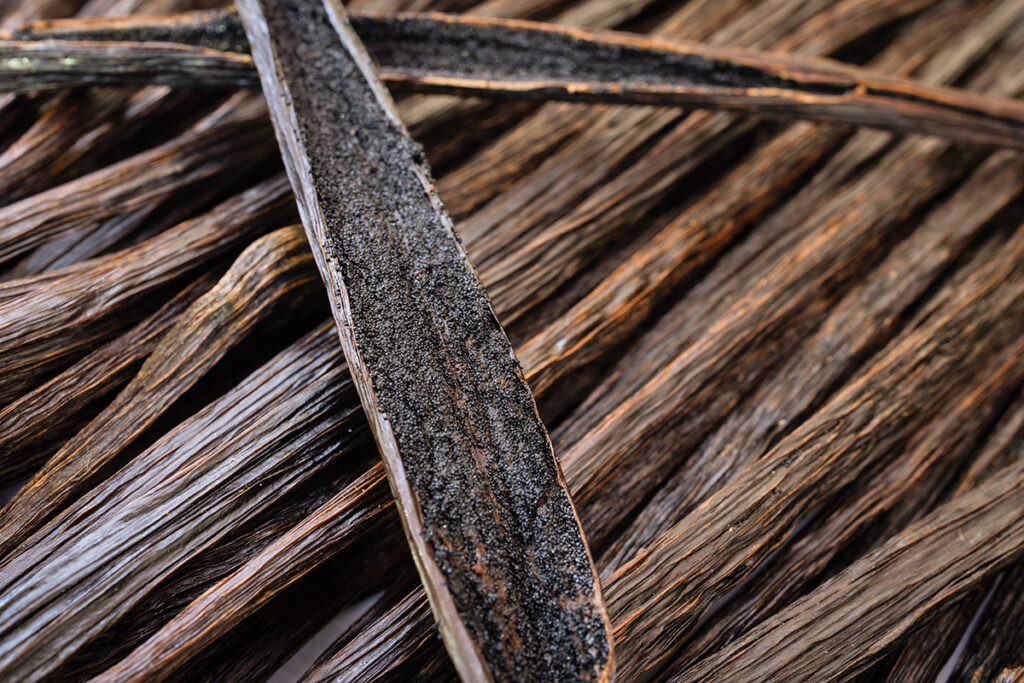
The best-tasting desserts call for whole vanilla beans rather than vanilla extract. But after I’ve used a vanilla bean, I never discard it. Instead, I rinse and dry it, because the pod still holds plenty of rich flavor. I keep a jar of sugar in my pantry with several used beans in it, giving me an endless supply of vanilla sugar for baking (topped up as needed, of course). You can safely keep the beans in the jar indefinitely, as long as they’re completely dry before going in. Alternatively, you can drop spent beans into a jar of high-proof vodka or bourbon to make your own vanilla extract.
18. Bean Cooking Liquid
I eat a lot of beans, and from what I’ve seen on social media, they’re definitely having a moment. While most recipes tell you to drain your cooked beans, I always save that water. The “muddy” liquid is packed with flavor and nutrients, making it a great base for soups or for cooking rice and other grains. Even the thick liquid from canned beans — especially chickpeas, known as aquafaba — is a surprisingly useful substitute for egg whites if you’re vegan or allergic to eggs.
19. Leftover Egg Whites or Yolks
If you’re an avid baker, you know that many recipes leave you with extra egg whites or yolks. Both are useful in many ways. Some people enjoy egg-white omelets as a high-protein breakfast, while others use whites for meringues or fold them into pancake or waffle batter to lighten it. I like to freeze mine throughout the year for later use in holiday baking. You can even use egg whites to clarify a cloudy broth.
As for leftover yolks, I love working them into homemade pasta (it’s easier than you think) or adding them to cake batter in place of whole eggs (using three yolks per whole egg). You can also beat yolks with a splash of water for an egg wash that gives baked goods a glossy, golden sheen. Finally, dropping a yolk or two into a hot bowl of ramen adds a rich, velvety finish.
20. Dried-Up Cheese Scraps
I live under the same roof with grandkids, so it’s not uncommon to find a block of cheese left on the counter or in the fridge with one end uncovered and rapidly hardening. Those scraps are still perfectly usable if grated or finely chopped and added to dishes like casseroles, where heat and moisture help them soften and melt.
Another good option is to gather all of your cheese odds and ends, chop or shred them, and douse them with enough leftover white wine to moisten them well. After a few days in the fridge, you’ll have a spreadable paste the French call fromage fort, or “strong cheese,” for its bold flavor. It’s fantastic on toast, crackers, or canapés.
21. Trimmed-Off Meat Fat
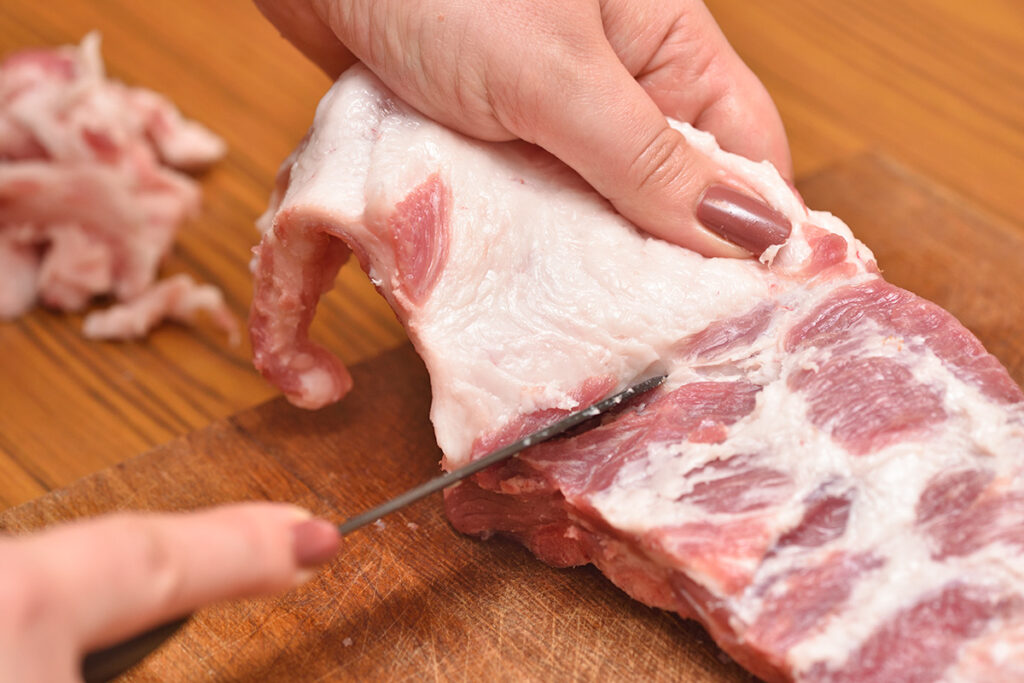
The thick rind of fat around a steak or chop, or the fat pockets inside a chicken’s cavity, rarely make it onto the dinner plate. Instead, they’re usually lopped off and discarded — or, at best, given to the dog as an occasional treat. To our ancestors, that would be shocking.
These fats can be rendered over gentle heat on the stovetop or in the oven and used for everyday cooking or baking. You can use them as is or infuse them with onions, herbs, or garlic, depending on how you plan to feature them. The leftover crunchy bits make for an addictive snack, a textural salad topping, or a savory addition to pancakes and casseroles.
22. Leftover Wine
No doubt some of you will jokingly ask, “Is that a thing?” But most of us end up with leftover wine on occasion. While you can buy gadgets to preserve a bottle, it’s usually easier — and tastier — to just use it up. Mix it with soda water for a quick DIY wine spritzer, or freeze your leftovers until you have enough for a pitcher of sangria.
You can also freeze leftover wine in ice cube trays to drop into marinades and sauces. I like to pour a splash of leftover wine into the pan after cooking meat, fish, or poultry to deglaze it (scraping up all those flavorful browned bits) and make a simple pan sauce. Add a sprig of fresh herbs, then whisk in a few pads of cold butter to enrich and temporarily thicken the juices.