)


Despite this, there are still plenty of freezer-friendly foods that most people overlook. Here are 16 examples of foods you may never have thought to freeze (but should).
Potato Chips
Potato chips pose a dilemma for cost-conscious snackers: Buy the small bag that you know you’ll finish in one sitting, or get the larger one for a better value, only to throw out half the bag when it gets stale?
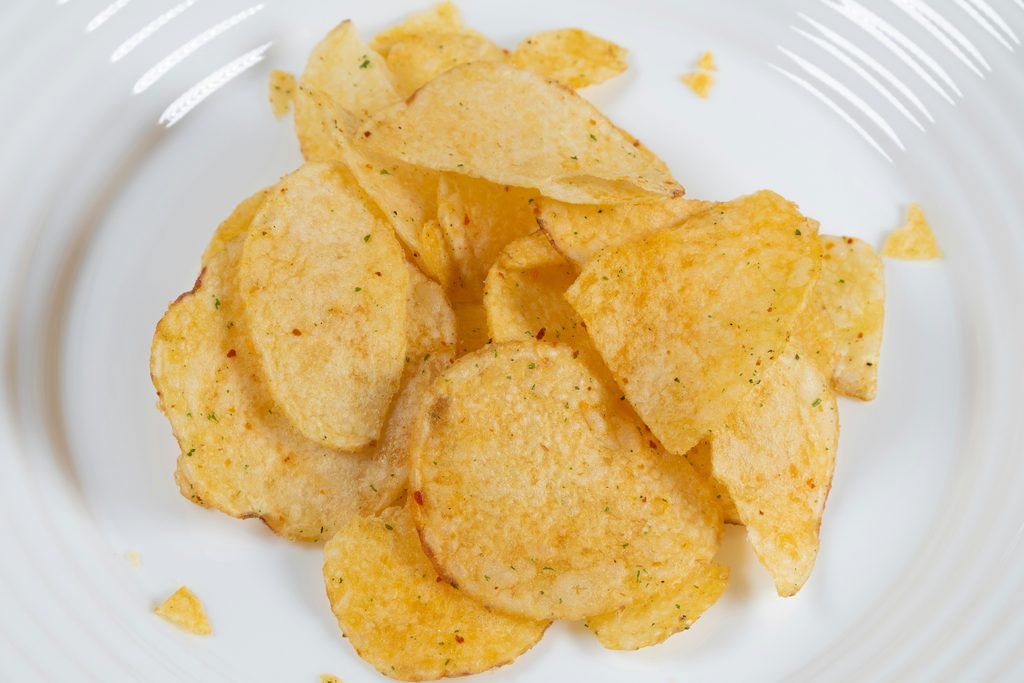
Sealing an open bag with a chip clip helps keep humid air out — but throwing your clipped bag in the freezer works even better. Because cold air holds less moisture, the freezer is one of the driest spots in your house, so any chips you store there will stay crisp longer. This works for other crunchy snacks too, such as corn chips and toasted pita chips.
Mushrooms
Frozen mushrooms are available at supermarkets and widely used in the food service industry, so this entry shouldn’t come as a surprise. That said, freezing mushrooms at home can be complicated.
More from our network
House Outlook is part of Inbox Studio, which publishes content that uplifts, informs, and inspires.



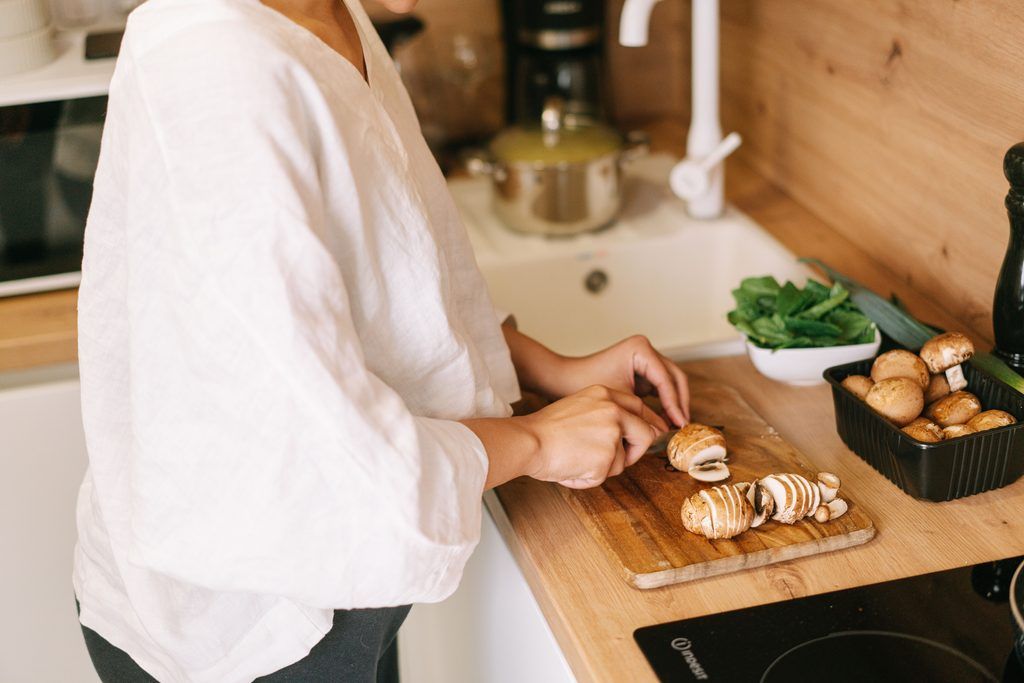
If you find yourself with a surplus of mushrooms after taking advantage of a good sale, you have a couple of options. One is to steam them (whole, halved, or quartered) for a few minutes, then allow them to cool before bagging them. Kept unseasoned and barely cooked, they’ll be ready to use in any dish. Another option is to saute them with onion and garlic; that way, you can add them directly to most recipes without further prep. Either way, package them in portions that make sense for the recipes you use and the size of your household. And never stick them in the freezer raw: The freezing and thawing process will leave you with a mushy, unappealing texture.
Pancakes
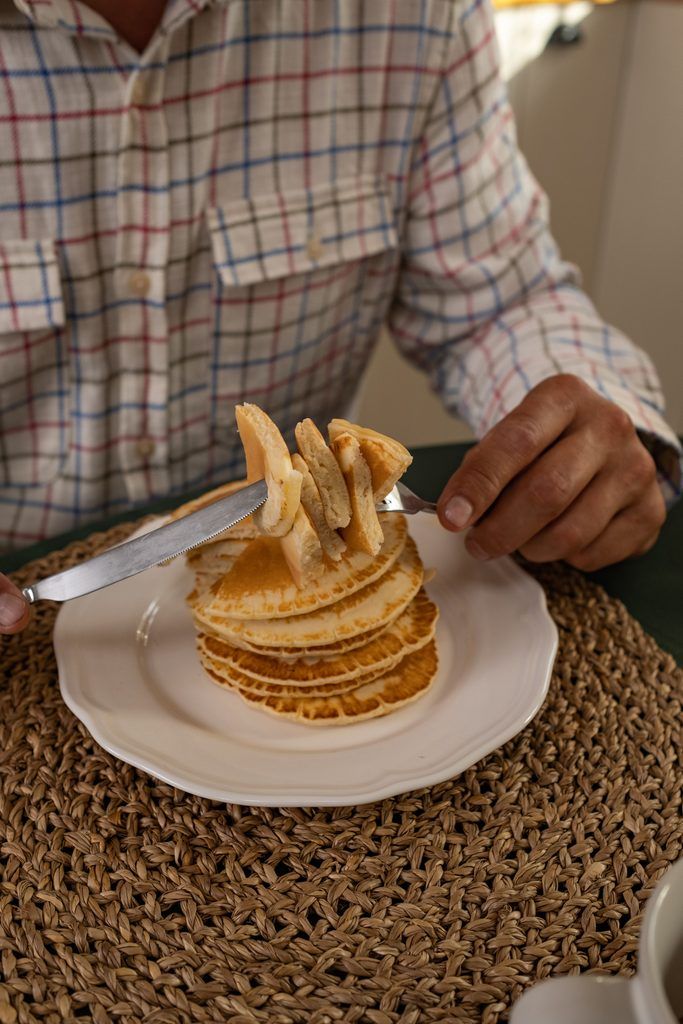
Frozen waffles are a staple of every supermarket’s freezer section, so it’s no surprise that you can freeze your own homemade waffles as well. But have you thought about freezing pancakes? The next time you have leftovers after breakfast, pack them into a bag or container and freeze them. You can also do this ahead of time as part of a food-prep project.
Then when breakfast time rolls around, take out as many pancakes as needed and reheat them in your toaster or toaster oven. In just a minute or two, you’ll have a quick and easy breakfast that’s perfect for those busy weekday mornings.
Fresh Eggs
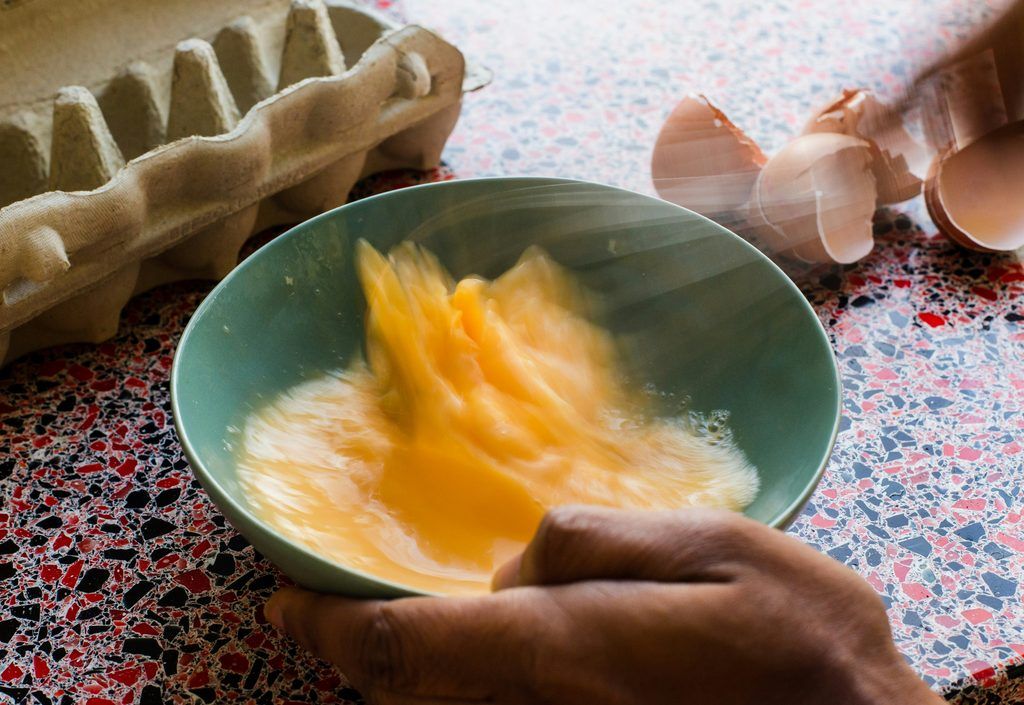
Since the COVID pandemic, the soaring cost of eggs has demonstrated how hard inflation can squeeze the average food budget. So buying eggs in bulk, or stocking up when you see a good sale, is one obvious way to save money. Because whole, in-shell eggs are good for only a month or so in the fridge, freezing your surplus is a good way to keep them food-safe.
However, you can’t freeze eggs in their shell, as they’re prone to cracking and bursting. Instead, crack the eggs into a bowl and freeze them either as whole beaten eggs or as separate whites and yolks. Yolks may become weirdly grainy when frozen, but you can prevent this by adding 1/2 teaspoon of salt or 1 1/2 tablespoons of sugar per cup of eggs before you freeze them. The same goes for beaten yolks, but egg whites don’t need the salt or sugar.
Ice cube trays are a great way to portion your frozen eggs for later use. A standard large egg is 3 tablespoons when beaten, so pour that amount into each of the compartments. For yolks, use 1 tablespoon per cube; for whites, use 2 tablespoons. Just thaw them as needed for cooking or baking.
Flour
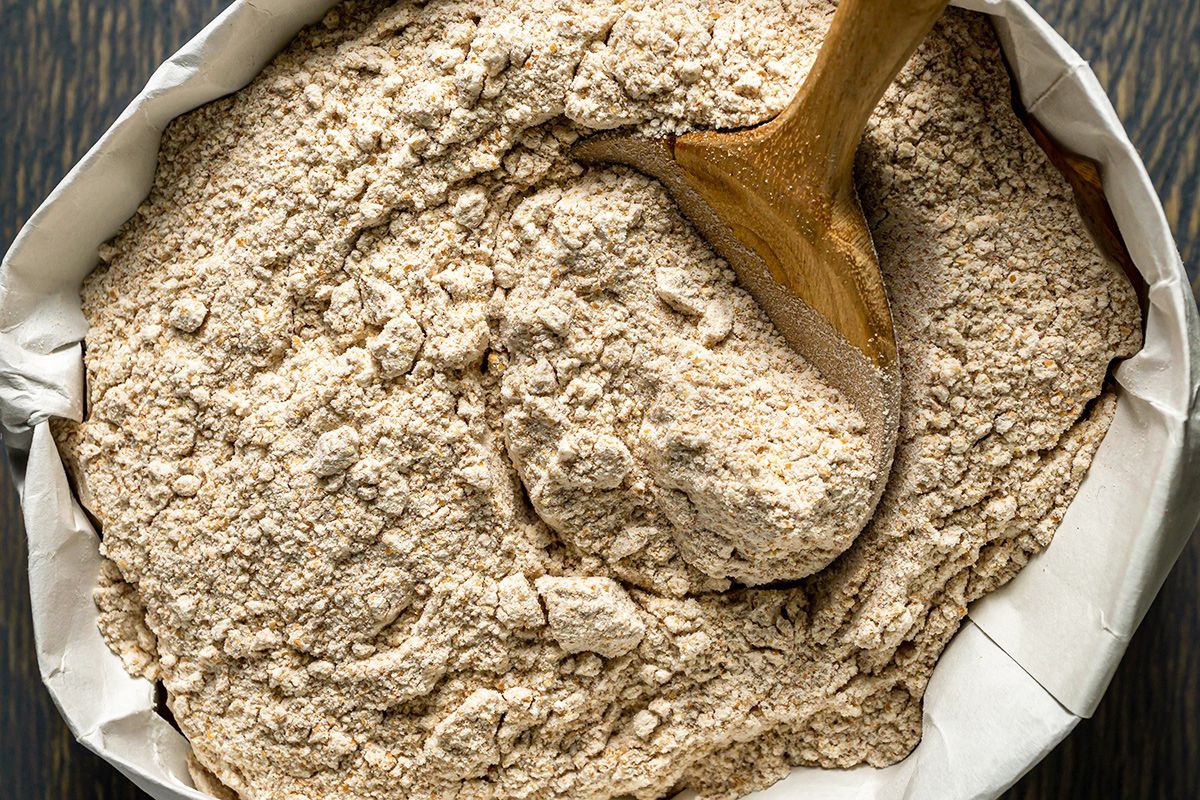
Flour is one of those pantry staples people buy and forget about until they need it. But it does have a shelf life, and it’s not as long as you might think. Ordinary white flour can be good for a year or so stored in a cool, dry place, but only if it’s in a container that keeps out moisture and bugs. Self-rising flour can lose its oomph in just a few months in a humid climate; because it contains baking powder, the air’s moisture slowly erodes its ability to rise.
The situation is more urgent in the case of whole-grain flour (and whole grains, generally). They contain the grain’s bran and germ, and the oils inside them can quickly go rancid. If you’ve never liked whole-grain baked goods because they taste “off” or bitter to you, this might be why. So your freezer is the best place for flour you won’t use up in a couple of months, especially if it’s whole grain.
Bones, Shells, and Vegetable Trimmings
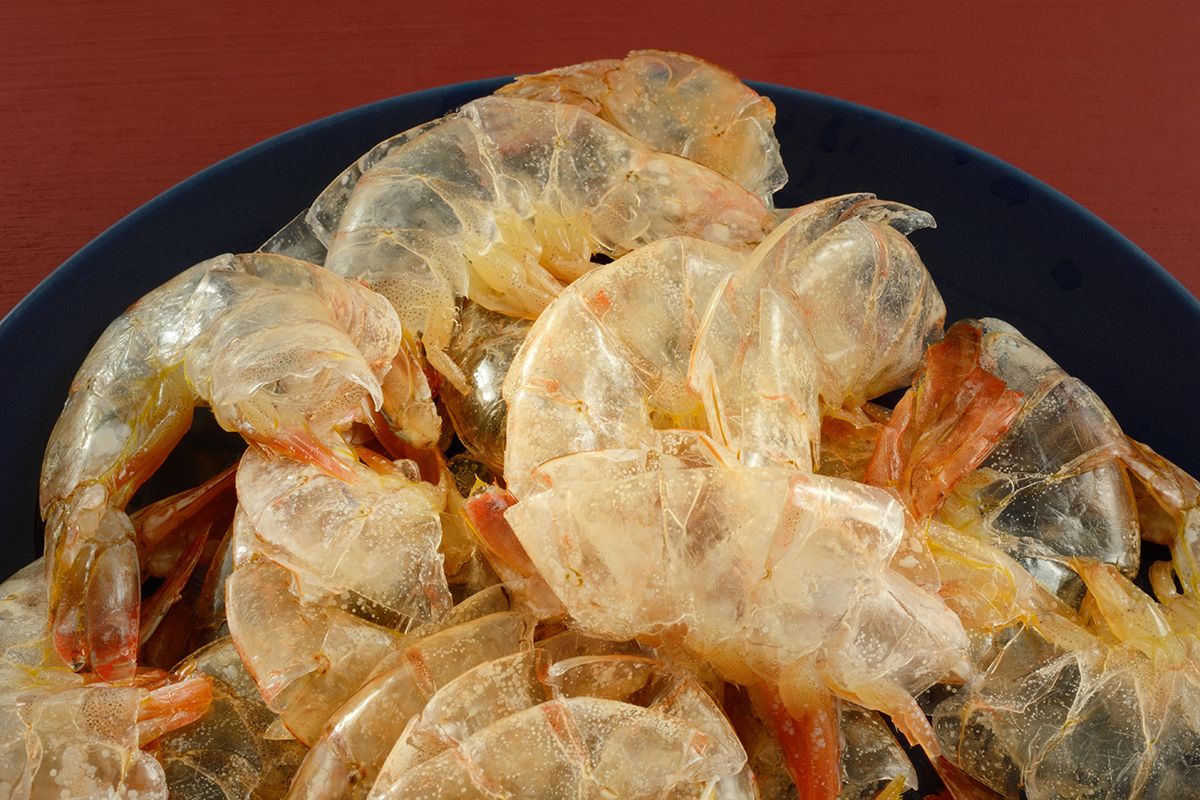
If you look in almost any chef’s freezer, at work or at home, you’ll likely find bags of bones. Though it may look morbid, it’s the first step toward making a delicious homemade broth. In home kitchens, accumulating enough bones to make a decent batch takes time, so putting them in your freezer until you have enough is just good sense.
The same holds true for flavor-packed crab, lobster, or shrimp shells, which can be used to make a broth that’s an excellent base for chowders and sauces. Fish bones and heads (from lean white fish, nothing fatty) lend themselves to a great broth as well. Even your vegetable scraps — such as carrot tops and peels, or the root ends and leaves from your celery — can be frozen and used to flavor your broth. Once it’s made, you can also freeze the finished product: Package it in 1- or 2-cup batches for soup, or in smaller containers (like ice cube trays) for quick sauces.
“Unbaked” Goods
If you’re a baker, you may already use the freezer for things like leftover half-pies, extra muffins, or maybe a cake layer or two that can be pulled out on short notice when company’s coming. But a lot of baked goods don’t hold up well if you freeze them after baking, so consider freezing “unbaked” goods as well.
Lots of us keep a bucket or log of cookie dough in the freezer for sudden cravings, but that’s not the only unbaked good that’s suitable for freezing. If you freeze an unbaked pie in a metal or disposable pan, for example, it can go straight from the freezer to the oven. You can also make up small pastries (sweet or savory) and freeze them raw to pull out and bake as needed.
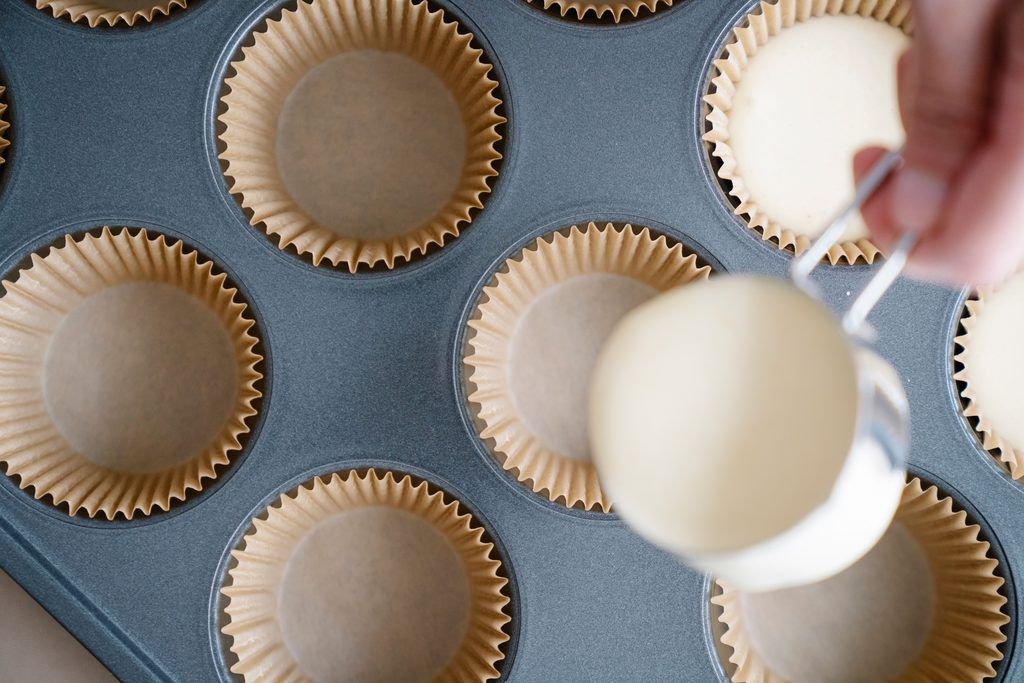
Unbaked muffins or cupcakes in paper cups are another great addition to your freezer. After mixing the batter, fill the cups and freeze them on a sheet pan. Once they’re frozen, you can transfer them into bags or containers for smarter freezer storage. Then, when you want one or two, you can just pull them out, drop them in a pan, and bake them in your oven, toaster oven, or air fryer.
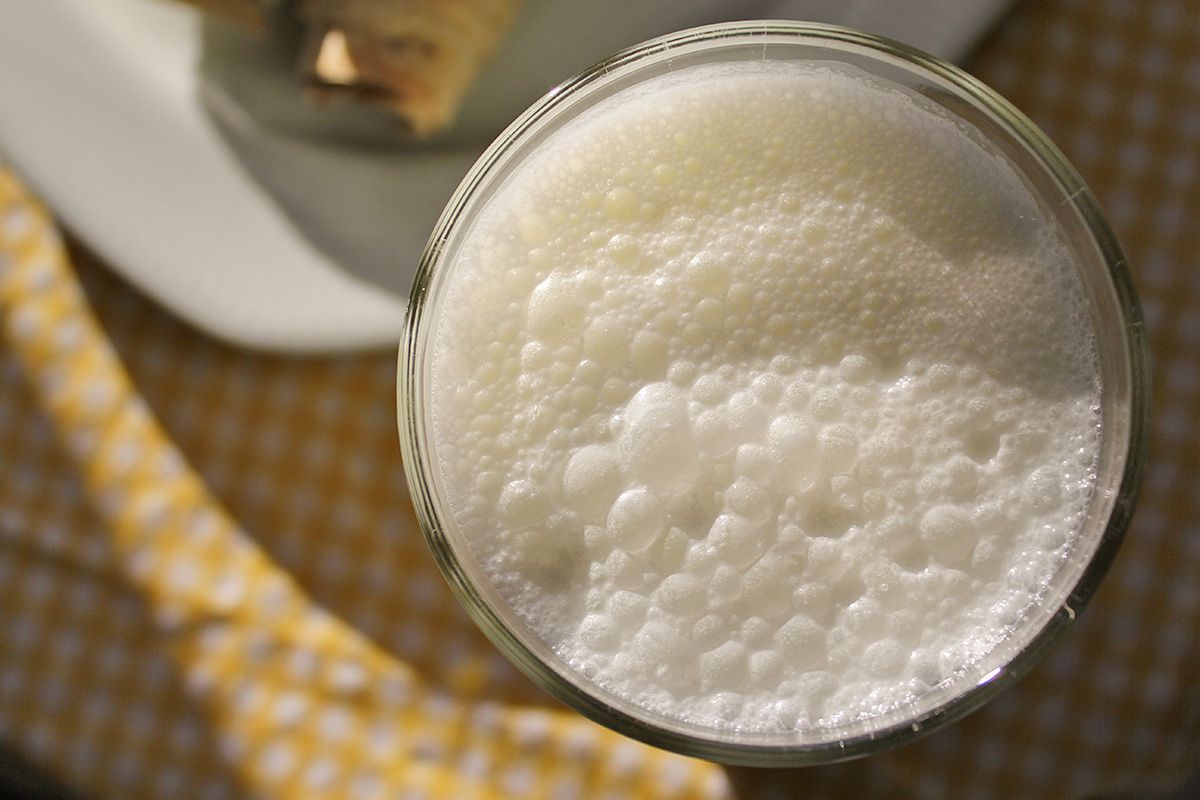
Buttermilk
Many recipes call for a cup or less of buttermilk. Buttermilk, of course, comes in a quart-size (or litre in Canada) carton, which means there will usually be a lot left over. Rather than racing to use it up before the expiration date, I like to portion it into useful sizes (1/2 cup, 2/3 cup, 1 cup, or whatever your favorite recipes call for) and keep it in the freezer. That way, when I’m craving biscuits or buttermilk waffles, I already have one of the most important ingredients on hand.
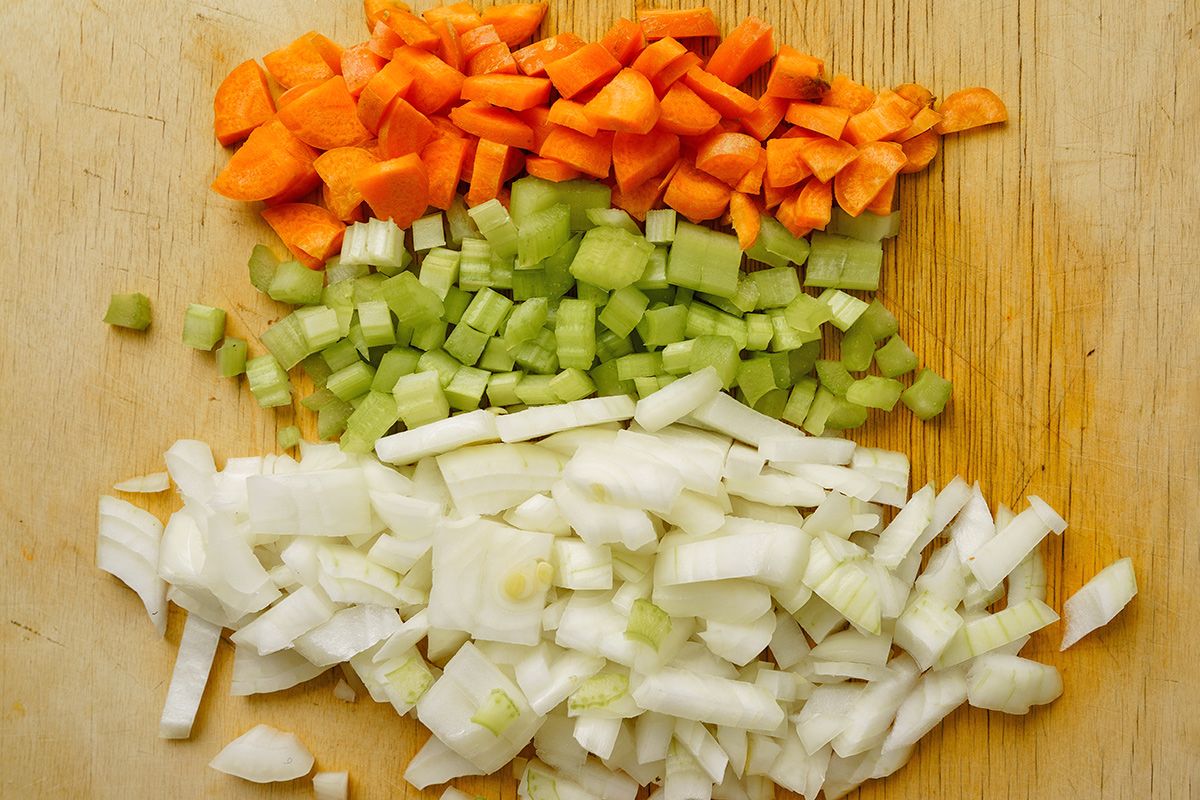
Mirepoix, Soffritto, and Their Cousins
Many classic dishes start by gently sauteeing a mix of diced aromatics, such as celery, carrot, and onion. This blend is known as mirepoix in France, soffritto in Italy, and the “Holy Trinity” in Louisiana. The ingredients vary, but the idea is the same: By starting your dish with this mixture, you’re providing a base of savory flavors to build on.
Of course, that takes time — something many home cooks lack. So I often make an extra-large batch and freeze the excess for later. That way, if I’m pressed for time on another occasion, I can just pull out my frozen mirepoix (or soffrito, etc.) and get a helpful head start.
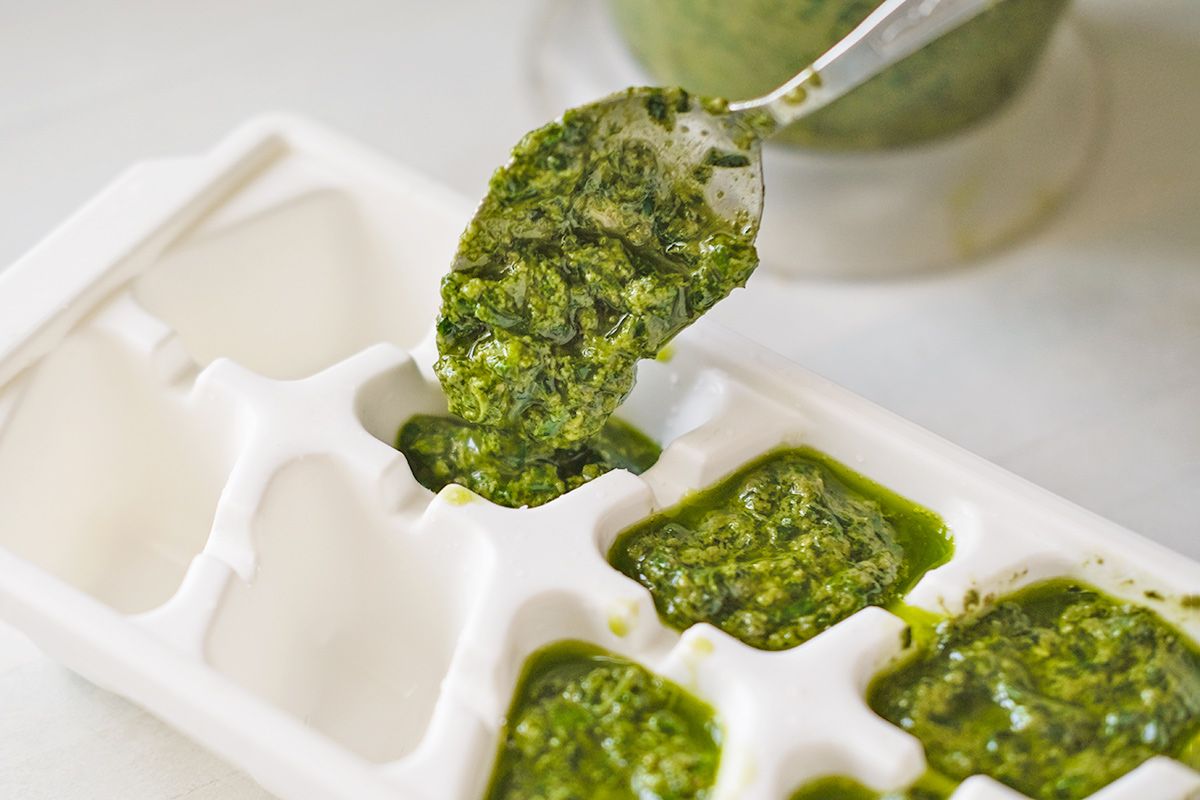
Pesto
Whether it comes store-bought from a jar or freshly made from your herb garden, pesto does a great job of capturing and enhancing that summer-fresh basil flavor. Unfortunately it does lose its brightness fairly rapidly once it’s made or opened.
Instead of leaving it in the fridge to get moldy, I like to spoon mine into a freezer bag and flatten it into a thin square. Then, when I need a spoonful or two of pesto to liven up a dish, I can just break off a piece and return the rest to the freezer. It doesn’t taste quite as good as freshly made pesto, but it’s still better than one that’s been in the fridge for a few weeks.
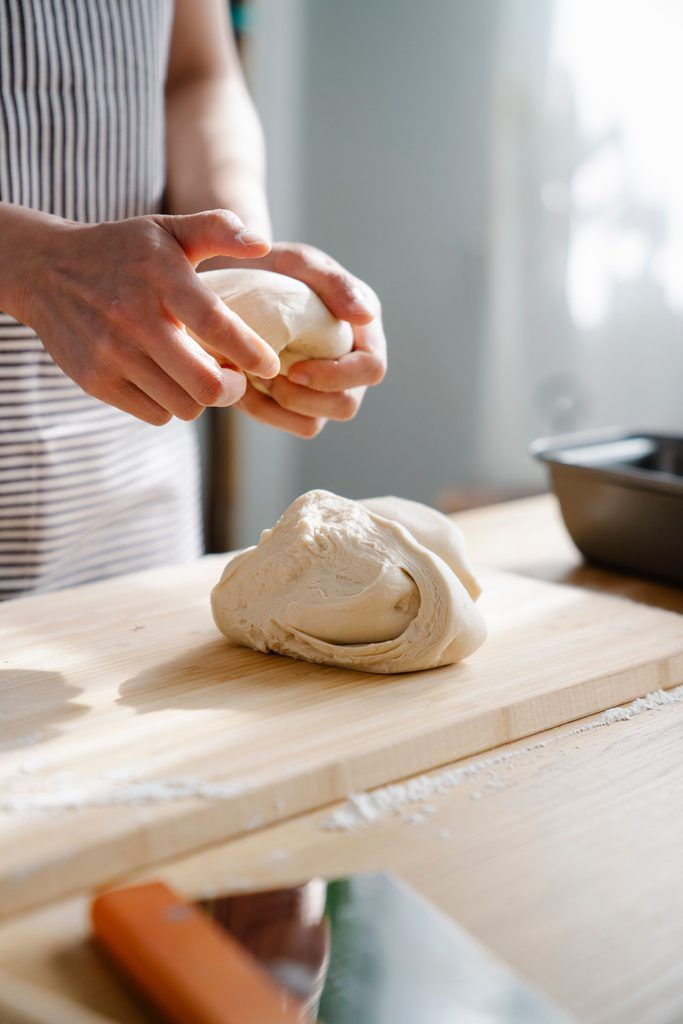
Bread Dough
Even if you’re a dedicated bread baker, it’s handy to have some dough in the freezer for those days when there’s no time to bake from scratch. Wait until the bread dough is mixed and has had its first rise. Punch down your dough as usual, then separate and shape one or more loaves. Lightly dust the dough with flour and slide it into a freezer bag, then put the dough (bag and all) into a loaf pan and pop it into the freezer. Once it’s frozen, you can remove the pan.
Whenever you want fresh bread, pull the bag from your freezer, put the preshaped loaf back into a pan, and put it in a warm place to thaw and rise again. Once it reaches full size, you can bake it as usual.
Grated Cheese
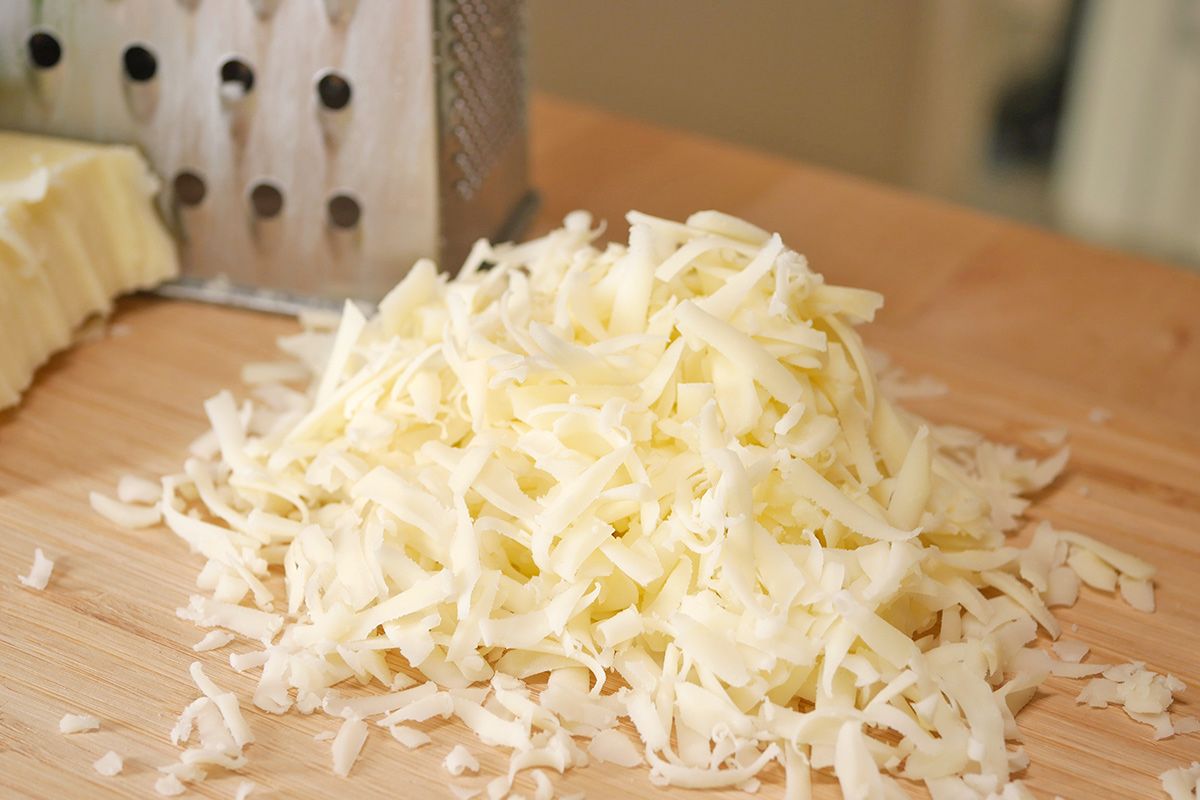
There are many reasons to shred your own cheese at home and store it in the freezer. The pre-grated kind is tossed with an anti-clumping ingredient (usually cellulose) to help keep it from sticking together in a solid lump, so it doesn’t melt as smoothly when you cook with it. Also, grated cheese (whether home-grated or pre-grated) has a lot of exposed surface area, which makes it prone to mold.
Instead of leaving it in your fridge’s dairy compartment, freeze your shredded cheese. Whether you’re making a batch of nachos or topping a casserole, you can just pull out what you need and put the rest back for another day — no mold, no thawing, no problem.
Avocados
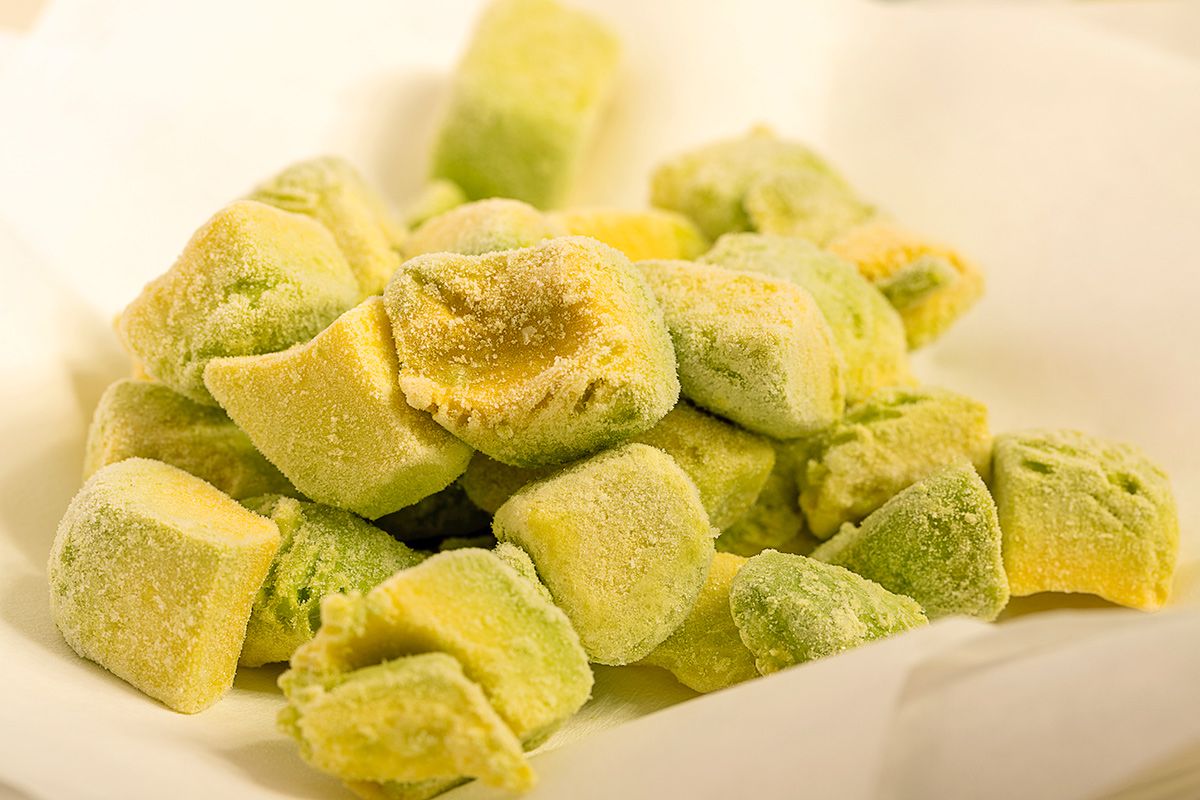
Enjoying an avocado at peak ripeness requires careful planning. Usually you buy them when they’re hard and unripe, wait a few days for them to soften, and then try to use them up before they’re overripe, mushy, and dark.
One alternative is to freeze your avocados once they hit that point of perfection. Halve your avocados and remove the pits, then use a tablespoon to scoop the fruit from its rind. You can freeze them like this, or cut them into slices or chunks if you prefer. Either way, it’s helpful to dip the pieces in diluted lemon juice (or some other acidic liquid) to slow browning before you pack them into bags.
Buttercream Icing
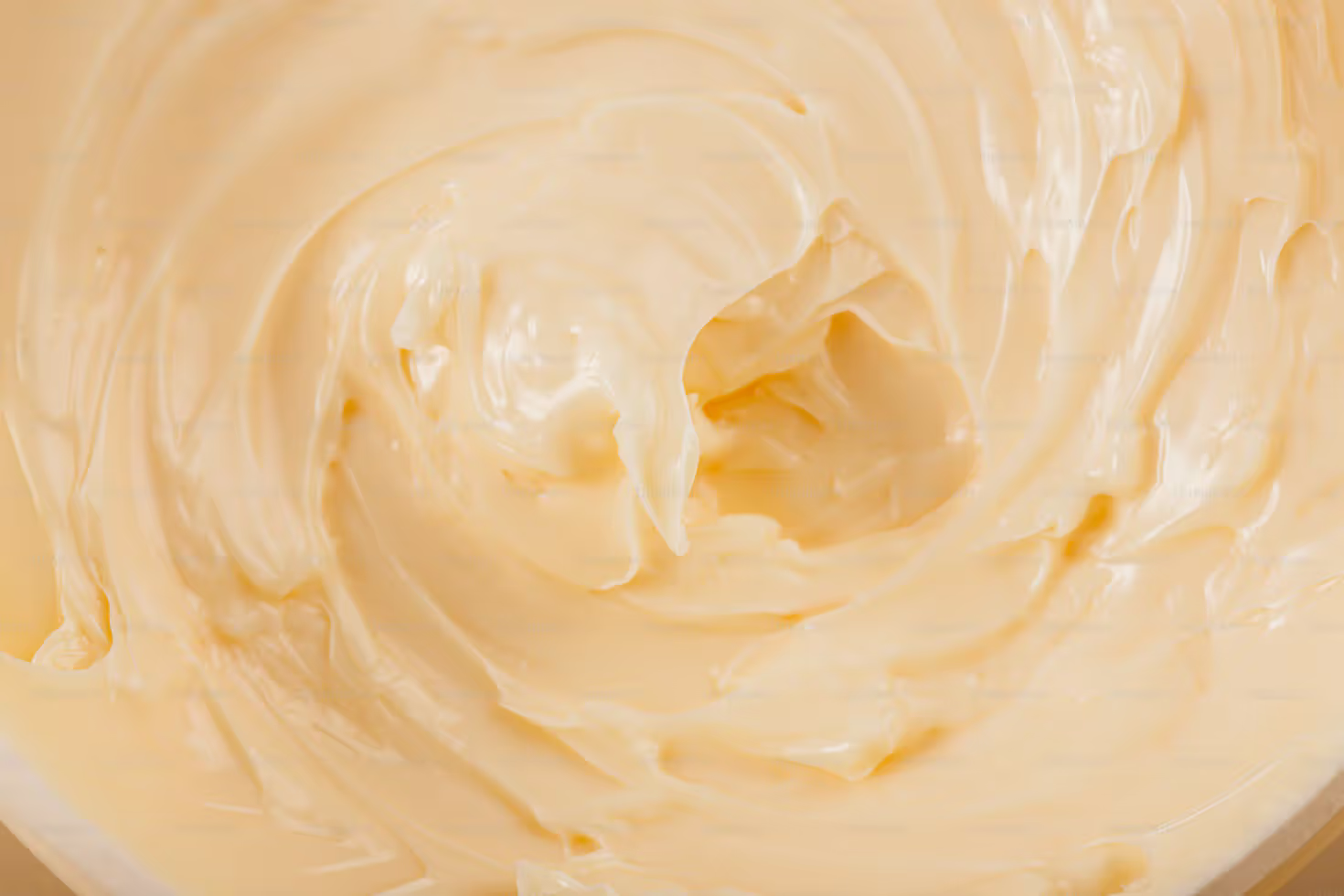
If you do store baked (or unbaked) goods in the freezer for unexpected company, make sure you do the same with buttercream icing. I’m partial to the French- and Italian-style buttercreams made with eggs, but even the quick kind with just butter and icing sugar freezes well.
Make a batch or two of vanilla or chocolate buttercream, or set aside any leftover icing from something you’d have baked anyway. Pack it into a freezer-safe container, pressing plastic wrap against the icing’s surface to protect it from contact with the air, and then freeze it for when you need it. I’ve even frozen icing in a disposable pastry bag, with a star tip already installed for convenience.
Tomato Paste or Puree
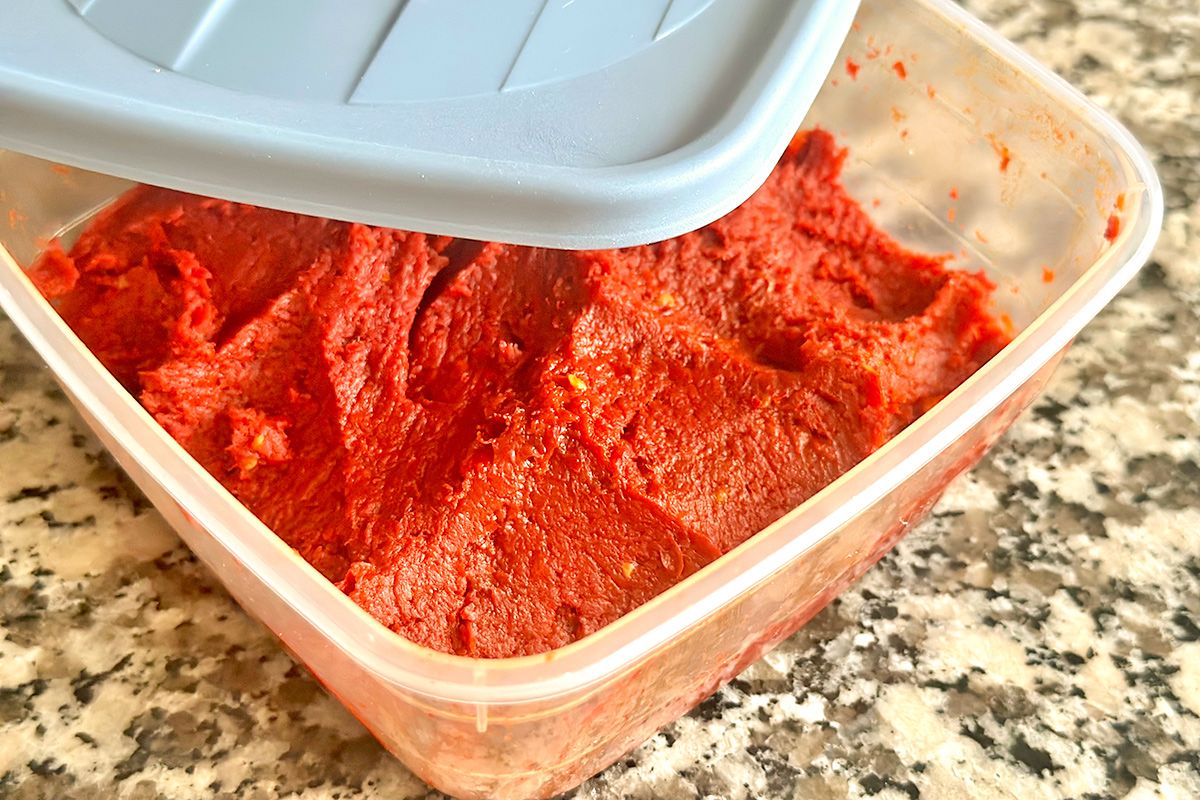
I generally try to buy my tomato paste in a squeeze tube rather than a can, as most recipes call for just a spoonful or two. Tubes are easy to seal and refrigerate, while a can is more likely to sit in the fridge until it gets green and fuzzy. My solution for storing leftover tomato paste that’s not in a tube is to put it in a small freezer bag and press it flat. That way I can break off what I need for a given recipe and put the rest back.
The same holds true for tomato puree, homemade or store-bought. With puree I usually measure it into 1- or 2-cup portions before freezing — that way I can pull out the exact amount a recipe calls for.
Lemon Juice and Zest
Lemons are highly useful in the kitchen, bringing their distinctive tart flavor and refreshing aroma to beverages, baked goods, sauces, and more. But as versatile as they are, it can be difficult to use all the lemons on your counter before they shrivel up or get moldy.
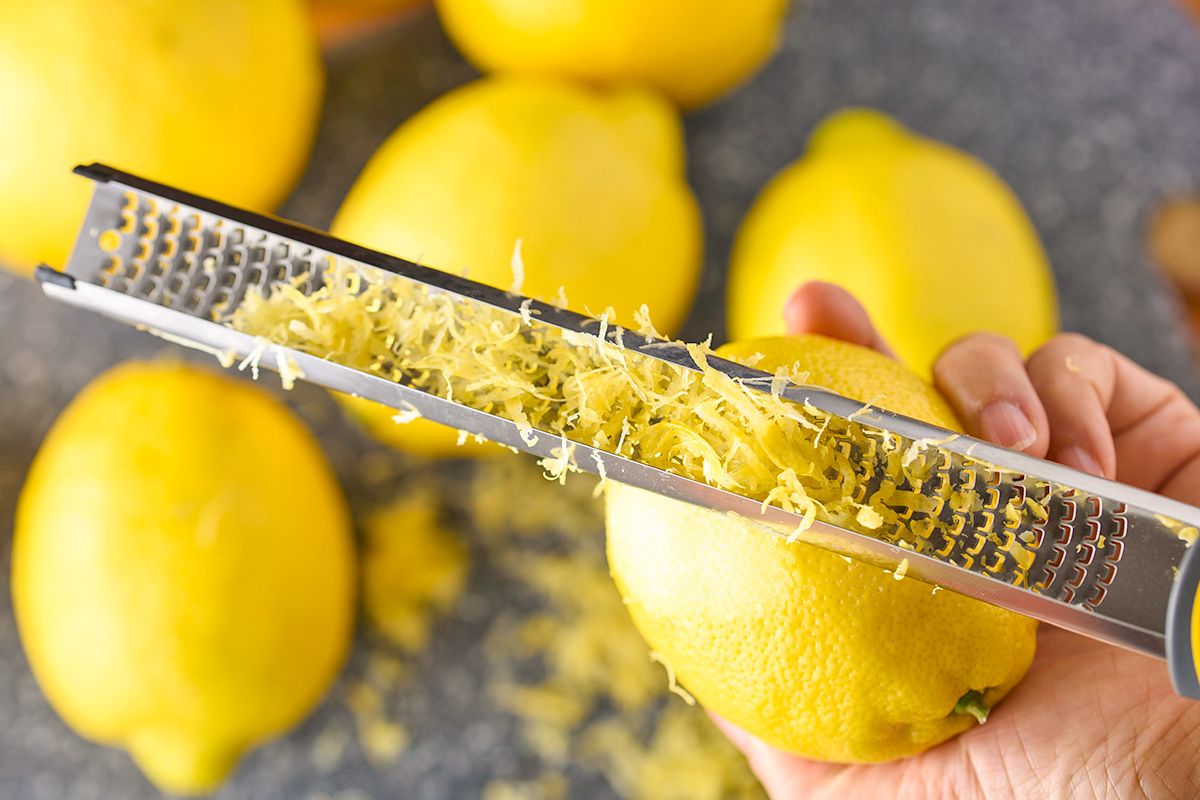
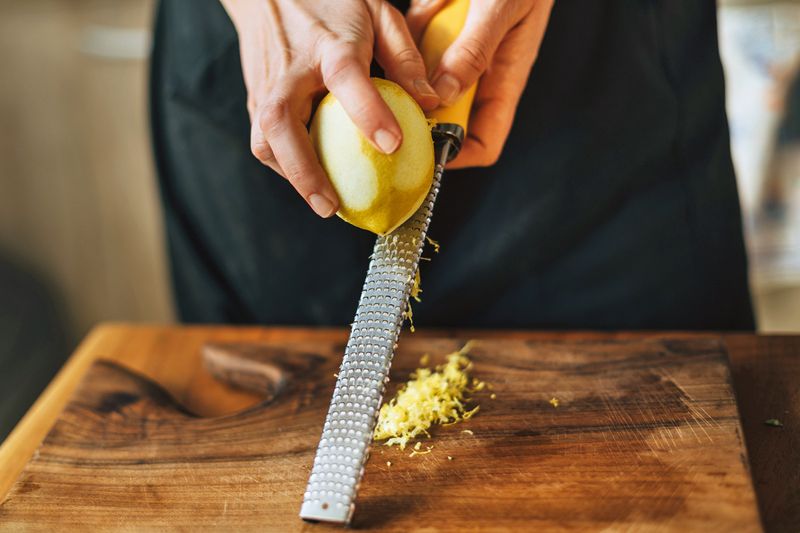
My favorite solution for excess lemons (or limes) is to freeze the juice and zest. A microplane zester does a great job of creating light, fluffy zest, as does the fine side of a regular box grater. If you like wide strips of zest, a vegetable peeler works, too. Because recipes typically call for “the zest and juice of one lemon,” I usually combine the zest and juice of each fruit in separate small bags. The juice helps keep the zest zesty, so to speak, by protecting it from contact with any air inside the bag. When I need to bake with it, I just pull out a bag to thaw while I collect my other ingredients.