1. Running Cords Under Rugs or Carpets
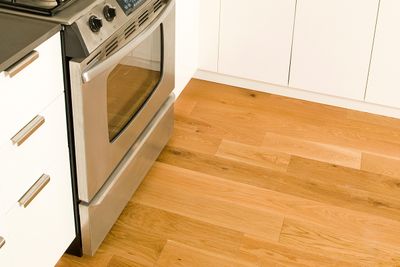
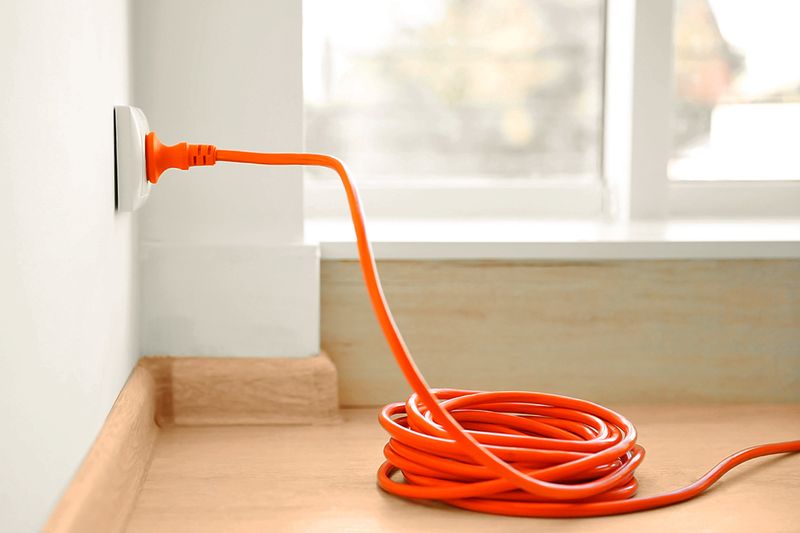
It’s the easiest way to hide an ugly extension cord, but it’s also among the most dangerous things you can do with one. Cords need airflow to keep from overheating, and a rug traps that heat instead of letting it escape. Over time, the cord’s protective plastic insulation begins to soften and degrade. Constant foot traffic also crushes the cord, eventually tearing through the weakened insulation and exposing live wires that could spark and ignite the rug.
2. Overloading a Single Cord
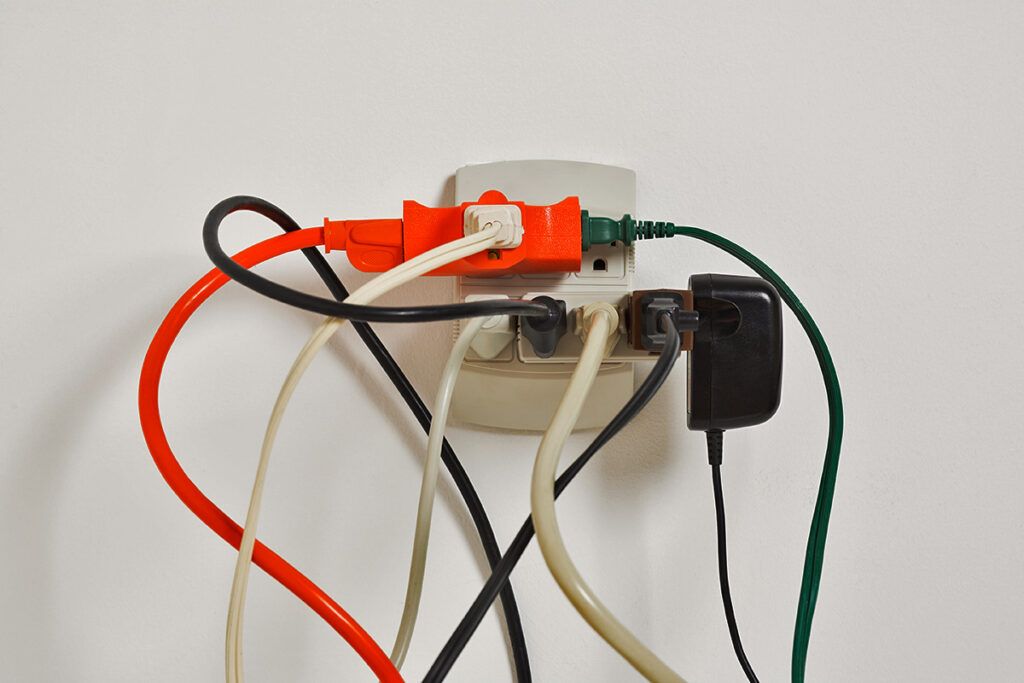
Just because an extension cord has multiple outlets doesn’t mean it’s safe to fill them all. Every cord has a maximum current rating, and plugging in too many devices — or even a single high-draw appliance — pushes it past that limit. The internal wires heat up, the insulation softens, and you have a real fire risk on your hands.
3. Using an Indoor Cord Outside
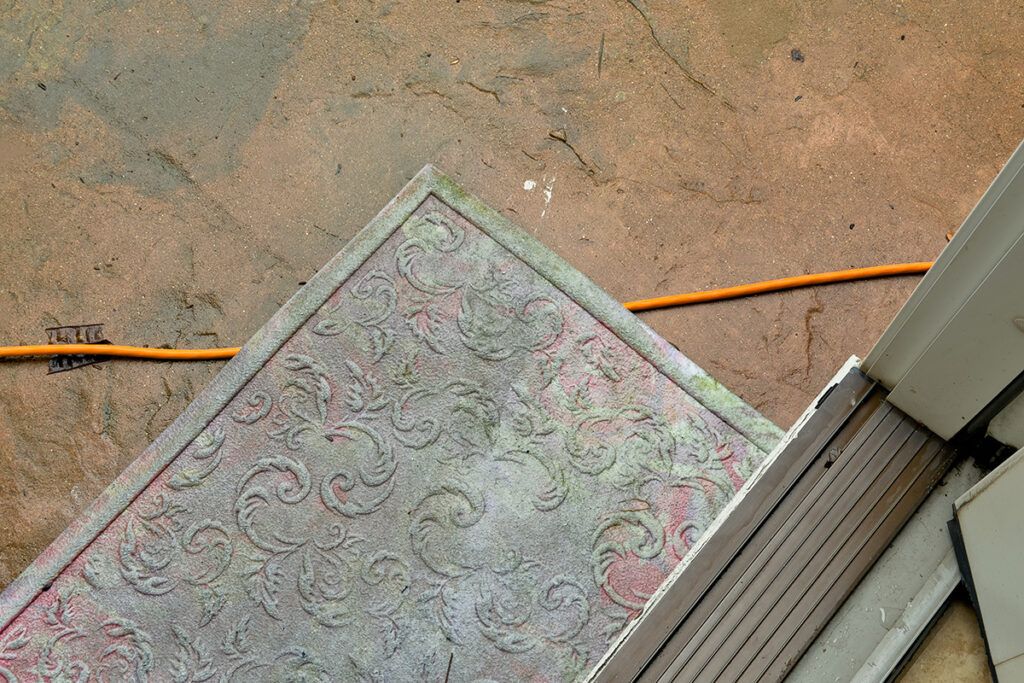
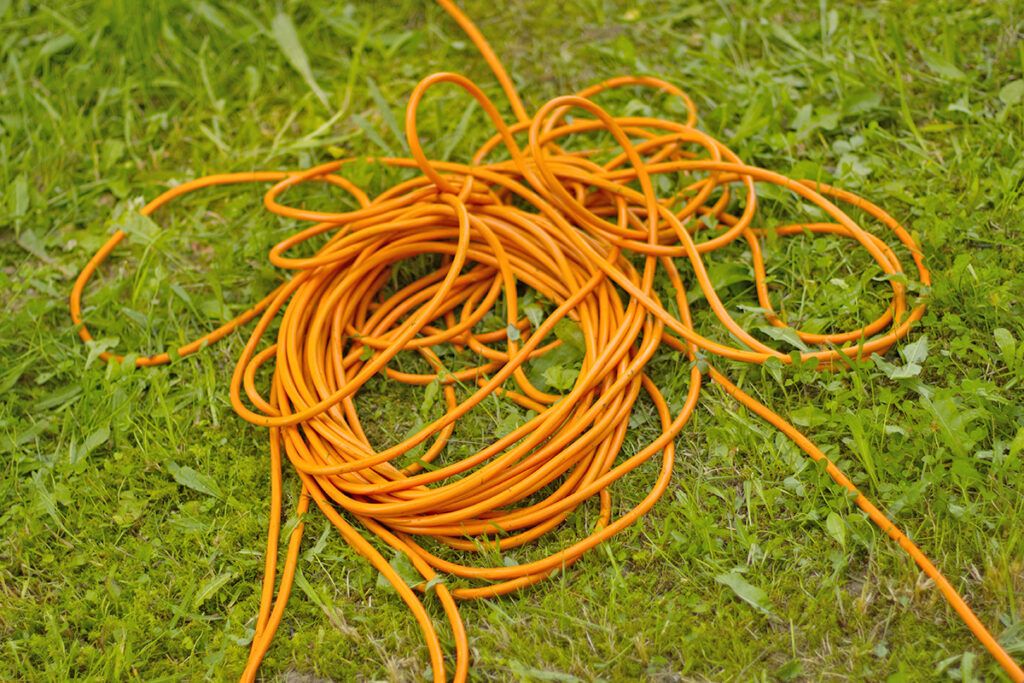
Indoor and outdoor extension cords aren’t interchangeable, even for a quick job. Most indoor cords are ungrounded two-prong models that lack a third wire to protect against electrical shocks. Outdoor-rated cords also feature thick outer jackets built to withstand moisture, freezing temperatures, and UV exposure that would quickly crack an indoor cord’s insulation. If a cord is going anywhere near rain, snow, or a sprinkler, it needs a grounded plug and a “W” on the label, which stands for “weather-resistant.”
4. Ignoring Visible Damage
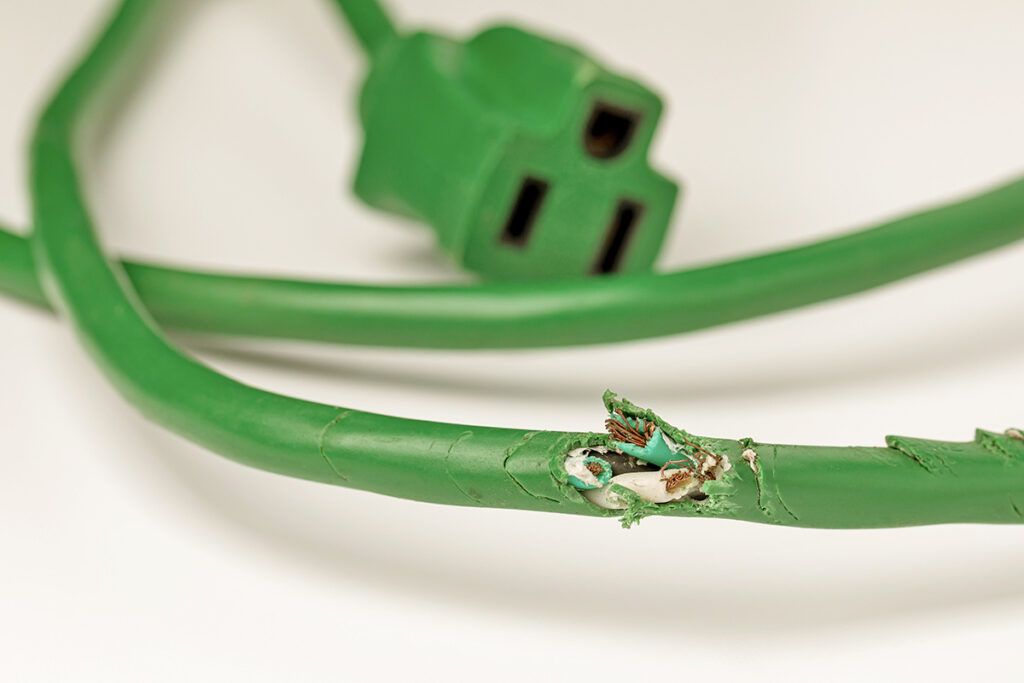
A cord with a nick, crack, or exposed wire isn’t something you should patch with electrical tape and keep using. Damaged insulation is a leading cause of extension cord fires, and once the wire underneath is exposed, there’s really no safe fix. The cord simply needs to be replaced.
More from our network
House Outlook is part of Inbox Studio, which publishes content that uplifts, informs, and inspires.



5. Treating Cords Like Permanent Wiring
Extension cords are meant to solve a temporary problem, not stand in for an outlet you don’t have. Continuous long-term use leads to insulation breakdown, physical wear and tear, and electrical aging. If a cord has been powering the same lamp or appliance in the exact same spot for weeks, it’s doing a job it wasn’t built for. That’s usually a sign it’s time to call an electrician about installing a real outlet.

6. Plugging in High-Draw Appliances
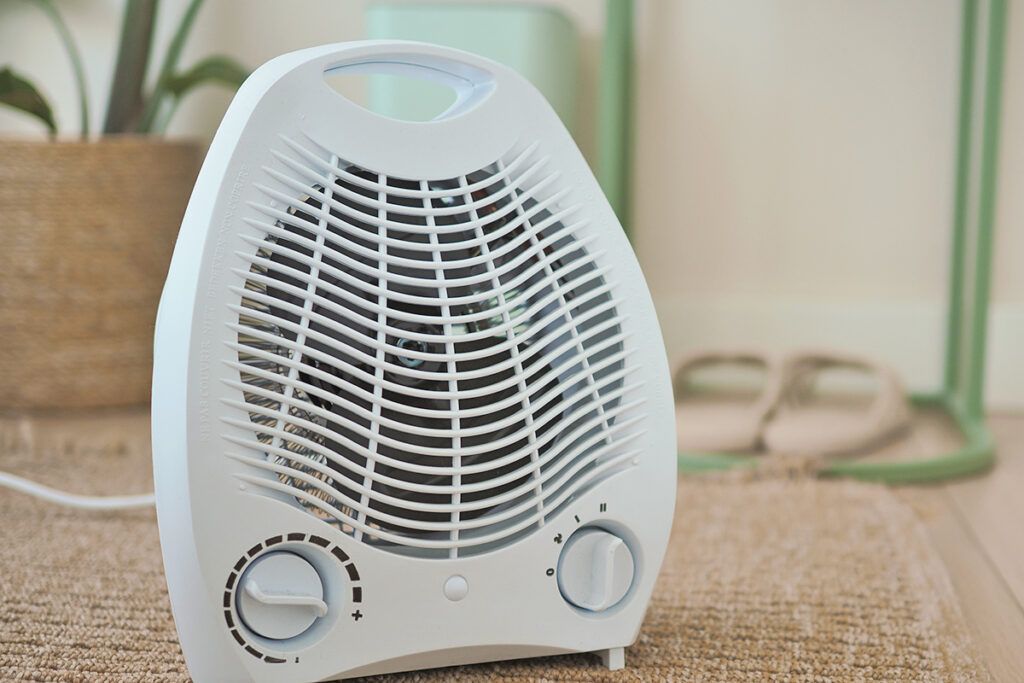
Space heaters, air conditioners, and other appliances that draw a lot of current should always be plugged directly into a wall outlet. Extension cords simply aren’t built to carry that kind of sustained load, and using them in this way is one of the fastest ways to overheat a cord.
7. Skipping the Gauge and Amperage Check
It’s tempting to grab whatever cord is closest in the drawer, but not all of them are built for the same electrical load. A cord’s gauge is its wire thickness — and counterintuitively, a lower gauge number signals a thicker wire. Thicker wires safely carry higher amperage, which is the amount of current a device draws. This means the higher your device’s amperage, the lower the cord’s gauge number needs to be. If you plug a high-draw appliance into a thin, high-gauge cord, the wire can’t handle the flow and will heat up shockingly fast, sometimes in minutes.
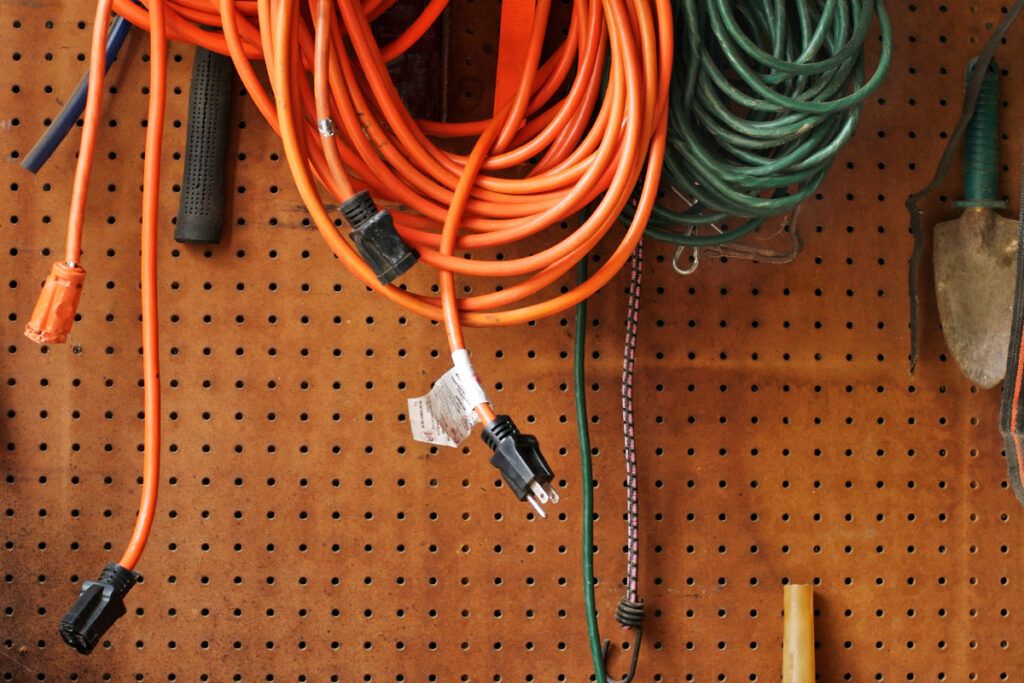
You can typically find the gauge stamped on the cord’s outer coating. Look for a number followed by “AWG” or a combination such as “14/3” or “12/3,” where the second number indicates the number of internal conductors. To determine the cord’s amperage capacity, examine the plug end; it’s usually molded into the rubber or plastic. Scan for text like “15A 125V” or “13A 125V” — the “A” stands for amps (the unit used to measure amperage) and the “V” for volts. Always ensure the extension cord’s amp rating equals or exceeds the amperage draw of the device you are plugging into it. You can also check the safety tag near the plug for the cord’s maximum amps, volts, and watts, as well as an outdoor rating (marked with a “W”).
8. Running Cords Through Doors or Windows
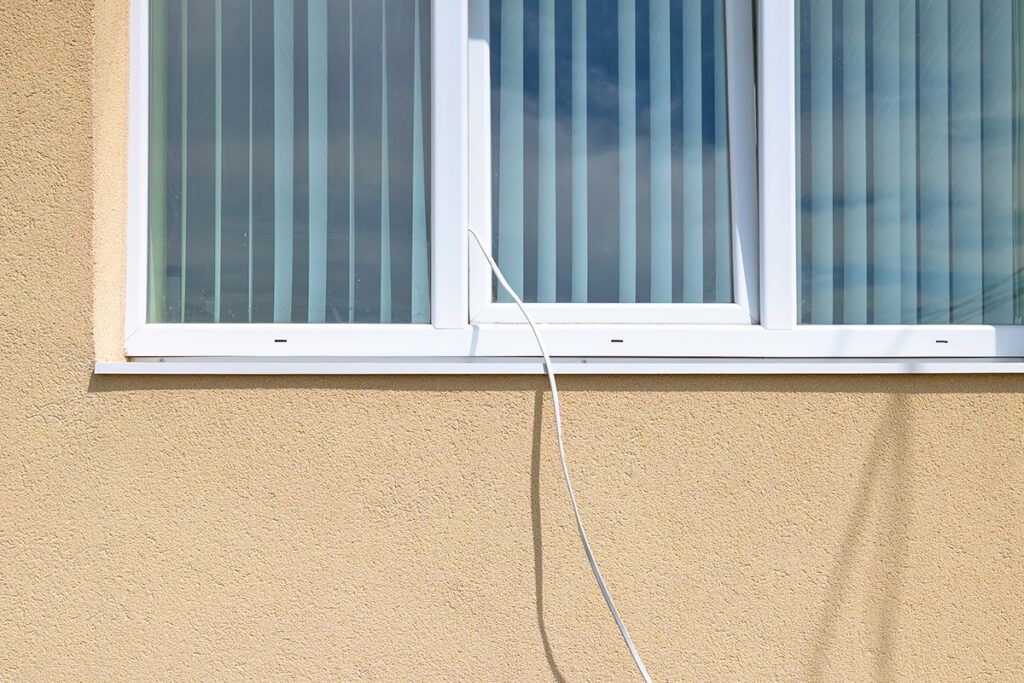
It seems like a quick fix for a fan or an outdoor generator, but closing a door or window onto an extension cord wears down the insulation over time — usually somewhere you can’t see it happening. That hidden damage is exactly what makes it such a major fire risk.
9. Coiling or Bundling a Cord While It’s in Use
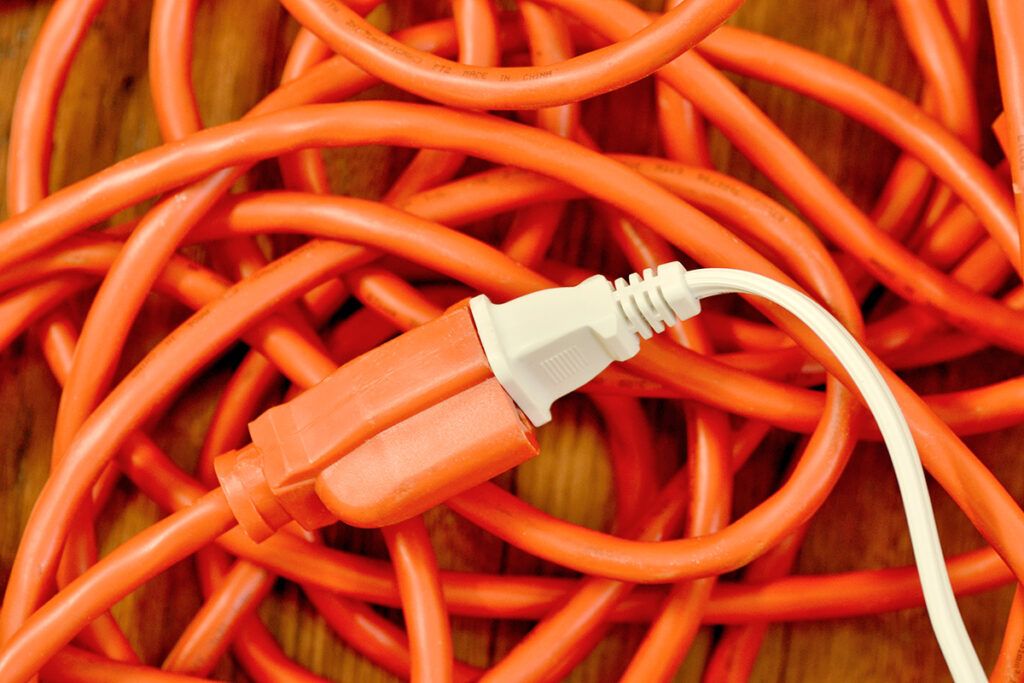
A cord that’s tightly wound or bundled can’t get rid of heat the way an uncoiled one can. The same cord that runs safely stretched out across a room can easily overheat if it’s left bundled while in use.
10. Removing the Grounding Pin
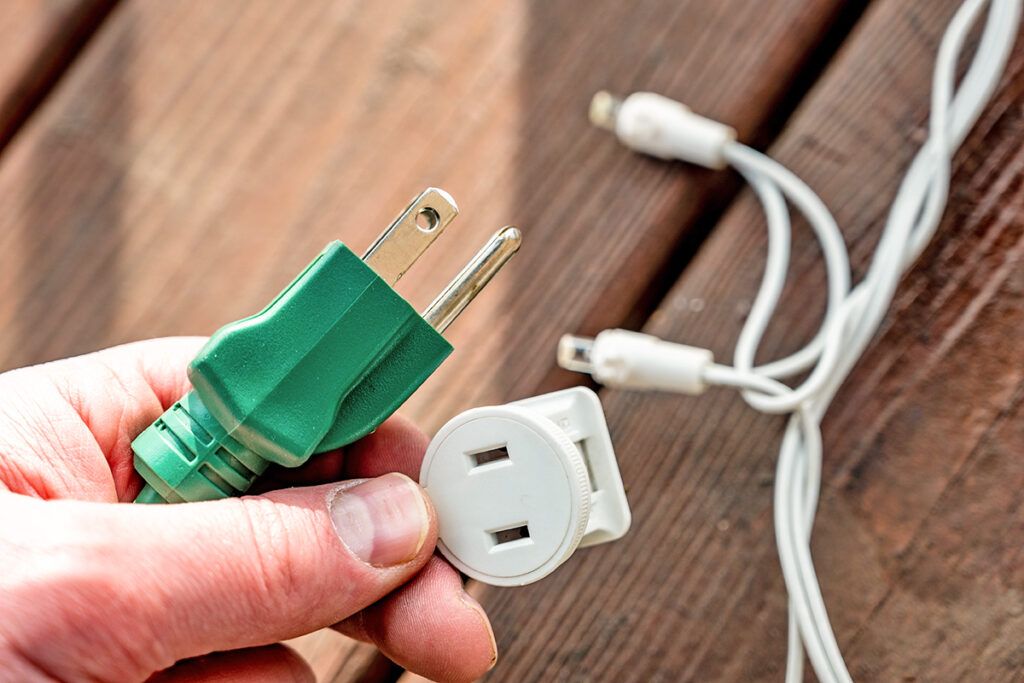
That third prong isn’t decorative. It’s there to protect you if something shorts out. For example, if a wire comes loose inside an appliance, the ground pin redirects that stray electricity into the earth so it won’t shock you. Snapping or filing it off to fit an old two-prong outlet gets rid of that protection completely. It’s a dangerous work-around that’s never worth the risk.
Power Down the Risk
None of these habits takes much time or effort to correct. Give your cords a quick look before plugging them in, match the cord to the job, and let them breathe instead of tucking them out of sight. It sounds like common sense, but these minor details are easy to miss in a busy household — and paying attention to them makes all the difference in keeping your home safe.