Advertisement
Organizing 3m read
0

Why You Need a Freezer Inventory List

If you’ve ever discovered a frosty container of soup from three seasons ago or a bag of mystery meat shoved under a slew of frozen veggies, you’re not alone. Freezers have a way of becoming black holes for food. Unless you have a system in place, things get lost, forgotten, and eventually tossed. That’s where a freezer inventory list comes in — it’s your secret weapon for smarter shopping, less waste, and stress-free meal planning.

If you’ve ever discovered a frosty container of soup from three seasons ago or a bag of mystery meat shoved under a slew of frozen veggies, you’re not alone. Freezers have a way of becoming black holes for food. Unless you have a system in place, things get lost, forgotten, and eventually tossed. That’s where…

What’s In Your Freezer?

A freezer inventory list is exactly what it sounds like: a running record of everything sitting behind that chilled door. You can keep it old school with a piece of paper taped to the freezer, or go digital with a simple note on your phone. The key is to keep it updated and organized. Breaking items into categories, such as meat and fish, veggies, leftovers, and ready-to-eat meals, makes it easier to glance at what you have and what you’re running low on.

Related: This Freezer Hack Eliminates Bulky Boxes

Save Money, Save Time, Save Food

First and foremost, a freezer inventory list saves you money. No more buying a second bag of frozen broccoli only to find three more at home. It also cuts down on food waste because you’re less likely to forget about that batch of chili you froze last month. Plus, knowing exactly what’s available makes planning dinner a whole lot easier. Instead of staring blankly into the freezer at 6 p.m., you can quickly scan your list and put together a hassle-free meal — without even having to open the freezer until you’re ready to cook.

Advertisement

Another bonus: Grocery shopping becomes faster and more efficient. Before heading to the store, check your list to see what’s already stocked. It’s like taking a mini-inventory without having to pull every last item out of the freezer. Finally, if you’re someone who meal preps, the list helps you easily keep track of what’s ready to grab on busy weeknights.

Updating your list doesn’t have to be complicated. Cross off items as you use them, and add new ones right after you stash them away. This simple system keeps everything accurate with minimal effort.

A freezer inventory list is a small organizational hack with big payoffs. It helps you save money and waste less food, and it makes dinnertime decisions infinitely easier. Consider it the freezer upgrade you didn’t know you needed.

Advertisement
Featured Image Credit:  StefaNikolic/ iStock | Updated  Nov 4, 2025 |
Jill Layton
Writer
Jill Layton started writing professionally when she realized her emails and texts were kinda funny. She’s an affiliate shopping writer and lifestyle contributor for Scary Mommy, Bustle, Mic, and Best Products. She’s the mom of two alarmingly witty kids and the world’s most perfect dog.
This article is for general informational purposes only.
Featured Image Credit:  StefaNikolic/ iStock | Updated  Nov 4, 2025 |
Advertisement
Cleaning 3m read
0

This Dryer Trick Reduces Wrinkles and Energy Bills

Whether it’s aging skin or freshly washed clothes, wrinkles are a common frustration. But while there’s no stopping the inexorable march of time, there are ways to prevent wrinkles in the laundry room. Even better, there’s one easy method that not only cuts down on unsightly creases but also cuts back on energy costs. Here’s how to use your dryer to reduce wrinkles and limit energy consumption at the same time.

Whether it’s aging skin or freshly washed clothes, wrinkles are a common frustration. But while there’s no stopping the inexorable march of time, there are ways to prevent wrinkles in the laundry room. Even better, there’s one easy method that not only cuts down on unsightly creases but also cuts back on energy costs. Here’s…

The Fluff and Hang Method

Dryer cycles average 30 to 45 minutes, but this hack slashes that time to just 15 minutes. This is where the energy savings come in, as you end up using the dryer for at least 50% less time. Of course, 15 minutes isn’t long enough to fully dry your clothing, let alone prevent wrinkles from forming. That brings us to step two of this helpful hack: hanging the clothes to dry afterward and using gravity to your benefit. Here’s a step-by-step explainer of how it works.

Related: 3 Easy Ways To Dewrinkle Clothes Without an Iron

Start by putting the wet clothing into the dryer for about 15 minutes on whatever heat setting you typically use. This is essential for fluffing and heating your clothing, which helps relax the fibers and reduce wrinkles off the bat. As soon as the 15 minutes are up, immediately remove the warm, damp garments from the dryer, and transfer them to hangers to finish air-drying. During this stage, gravity will gently tug at the fibers, pulling them downward to reduce wrinkles even further.

Advertisement

Keep in mind that it’s important to immediately transfer your clothing to hangers while it’s slightly wet and warm, as the fibers are still malleable then. If you let the clothes cool down in the dryer, using gravity to pull out the wrinkles won’t be as effective. Once the clothing has air-dried, you should notice significantly fewer wrinkles.

Besides reducing wrinkles and lowering energy costs, this method helps extend the life of your clothing. Tumbling around in a hot dryer can wear down fibers and cause colors to fade over time. By reducing the time spent in the dryer and finishing with air-drying, you’re ensuring that your favorite outfits will last longer before showing any wear.

Advertisement
Featured Image Credit:  Suthida/ Adobe Stock | Updated  Nov 4, 2025 |
Bennett Kleinman
Staff Writer
Bennett Kleinman is a New York City-based staff writer for Inbox Studio, covering topics for several brands including House Outlook and Better Report. He previously contributed to television programs such as "Late Show With David Letterman" and "Impractical Jokers," and digital publications like The Onion. Bennett is also a devoted New York Yankees and New Jersey Devils fan, and thinks plain seltzer is the best drink ever invented.
This article is for general informational purposes only.
Featured Image Credit:  Suthida/ Adobe Stock | Updated  Nov 4, 2025 |
Advertisement
Food & Drink 2m read
0

Are You Cracking Eggs the Right Way?

Basic tasks are often the hardest to master. Many of us can’t recall how many eggs we’ve cracked over the years, but we can tell you how many we’ve cracked perfectly: very few. Having recently learned about the best way to do so, however, we can feel comfortable telling ourselves that this decades-long problem isn’t our fault — we simply haven’t been taught properly.

Basic tasks are often the hardest to master. Many of us can’t recall how many eggs we’ve cracked over the years, but we can tell you how many we’ve cracked perfectly: very few. Having recently learned about the best way to do so, however, we can feel comfortable telling ourselves that this decades-long problem isn’t…

Avoid the Rim

First and most importantly, stop using the edge of a bowl or frying pan. If your cracking technique is too soft or too hard, and bits of shell slide out along with the yolk, you aren’t just applying the wrong amount of force — you’re using the wrong surface. Cracking an egg on a rim ruptures its delicate membrane and forces bits of shell up into the whites and yolk. This method also risks breaking the yolk, ruining your plans for sunny-side up eggs.

Keep It Flat

Instead, crack the egg on something flat, such as the kitchen counter (after cleaning it, of course), a cutting board, or the bottom of a pan. Hold the egg horizontally and give it one firm tap on the flat surface. Once the egg is cracked, hover it over your pan or bowl. Then, lightly press both thumbs into the opening until the membrane breaks and gravity pulls the contents out. This is much more likely to result in a single clean break, keeping the membrane intact and the shell out of your scramble.

Advertisement
Related: Does the Egg Float Test Really Determine Freshness?

Cracking an egg on a flat surface might feel unintuitive at first, especially if you’ve been using a different technique for most of your life, but you’ll be surprised how quickly it starts to feel natural — and how much more satisfying your eggs taste.

Advertisement
Advertisement
Decorating 3m read
0

This DIY Hack Beats Buying Wreaths for Every Season

Think of your front door as the first impression of your home — a glimpse into the warmth and one-of-a-kind charm found inside, even if it’s mostly admired by passing neighbors and postal workers. While a wreath is a natural choice for a decoration, fresh ones are costly and short-lived, while faux ones can look cheesy and take up precious storage space.

All featured products and deals are selected independently and objectively by the author. House Outlook may receive a share of sales via affiliate links in content.

Think of your front door as the first impression of your home — a glimpse into the warmth and one-of-a-kind charm found inside, even if it’s mostly admired by passing neighbors and postal workers. While a wreath is a natural choice for a decoration, fresh ones are costly and short-lived, while faux ones can look cheesy…

It’s time for a stylish, affordable alternative. Consider a front door basket, a versatile accent that can be refreshed season after season. Instead of hanging different wreaths throughout the year, simply fill a woven or metal basket with faux stems and greenery to give your entryway an instant, nearly effortless update.

If you’re wondering what separates a regular basket from its front door counterpart, it’s this: The latter typically features a flat backside that sits flush against the front door and includes a sturdy handle to hang from an over-the-door hanger or a damage-free hook. It can be any size or material, but opt for something weather-resistant if your doorway is uncovered.

Related: This One Styling Trick Will Transform Your Space Every Season

Why You Should Hang a Front Door Basket

A front door basket offers a flexibility that wreaths can’t match. Its open design encourages your inner florist to shine, allowing you to layer new blooms, textures, and colors as the seasons change. Picture pink peonies and eucalyptus in the spring, vibrant zinnias in the summer, mini pumpkins in the fall, and pine branches with red berries for the holidays.

Baskets also are a welcoming focal point that feel equally curated and casual. Choose a neutral style such as wicker, grapevine, or black wire, as these will complement your door color and hardware all year long.

Advertisement

No-Fail Floral Combinations for Each Season

Spring: Celebrate spring’s arrival with faux tulips, ranunculus, or peonies. Arrange them with soft lamb’s ear or fern fronds for texture, then add a pastel ribbon or a small bird’s nest to really lean into the season.

Summer: Go bold with zinnias, daisies, or hydrangeas in bright hues. Mix in grass sprays for movement and olive branches for timeless greenery.

Autumn: Embrace fall’s palette with sunflowers, mini pumpkins or gourds, and eucalyptus. For a farmhouse feel, add a burlap or plaid ribbon.

Winter: Deconstruct a traditional winter wreath into a basket filled with pine branches, red berries, pinecones, and frosted eucalyptus. Style it with a few small ornaments for an extra festive touch.

Advertisement
Featured Image Credit:  Albuquerque/ iStock | Updated  Oct 28, 2025 |
Megan McCarty
Writer
Megan McCarty is a Los Angeles-based writer who covers the fun stuff: design, travel, wellness, beauty, and fashion. She has written for publications including Domino, The Spruce, MyDomaine, Bustle, and Rue Magazine. Her life rules include, but are not limited to, zipper when merging, contribute to your IRA, and do the nice thing.
This article is for general informational purposes only.
Featured Image Credit:  Albuquerque/ iStock | Updated  Oct 28, 2025 |
Advertisement
Gardening 3m read
0

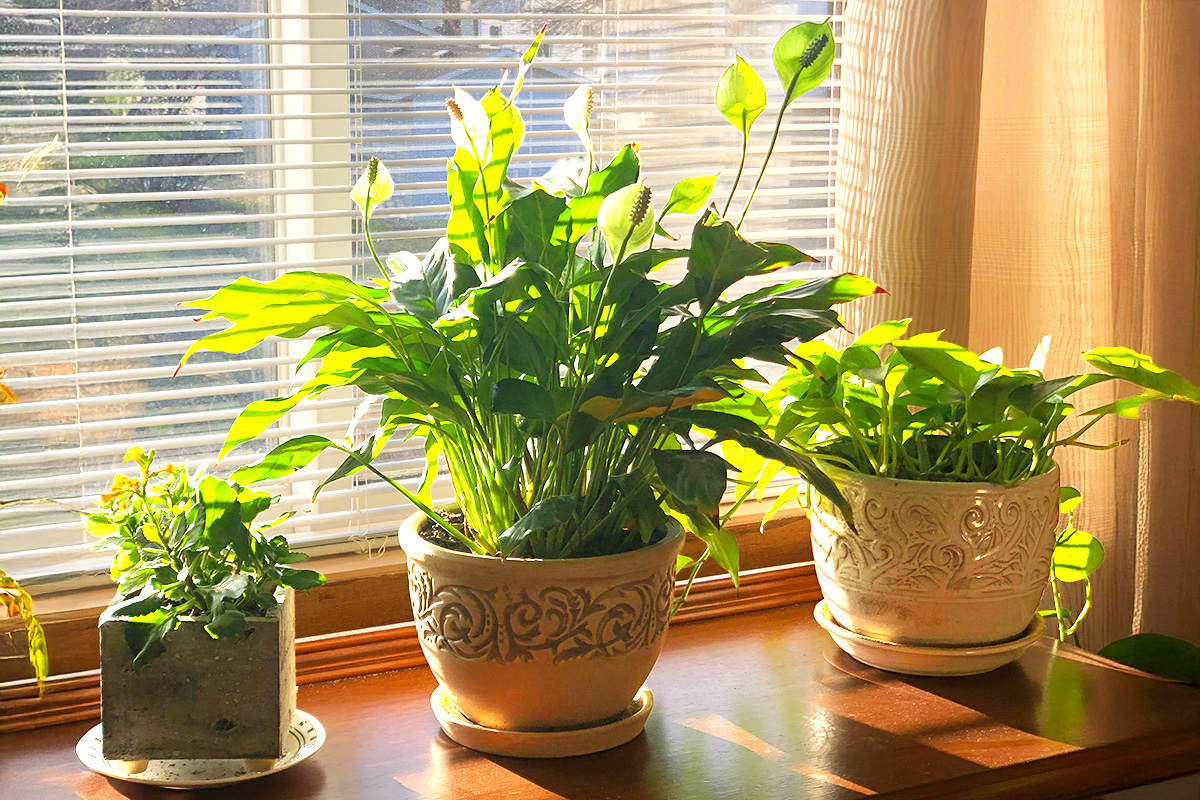
How Milk Can Make Your Houseplants Shine

Houseplants can make any room more inviting. Not only are they pleasing to look at, but they’re also great for curbing stress and anxiety, boosting concentration and productivity, and improving overall mental well-being, according to several academic studies.

All featured products and deals are selected independently and objectively by the author. House Outlook may receive a share of sales via affiliate links in content.

Houseplants can make any room more inviting. Not only are they pleasing to look at, but they’re also great for curbing stress and anxiety, boosting concentration and productivity, and improving overall mental well-being, according to several academic studies.

Over time, however, our plants can end up looking a little dingy, as dust particles and pet hair settle onto their leaves. Fortunately, that’s nothing a quick cleaning can’t fix. Here’s a useful hack that will not only restore some shine to your plant’s leaves but also nourish them with essential vitamins and minerals.

Why Are My Plant’s Leaves Looking Lackluster?

Even the cleanest houses collect dust over time. We remember to wipe down our electronics, our tables, and even our baseboards, but houseplants are often overlooked. Outdoor plants benefit from natural cleaning elements, such as wind and rain, but those living indoors need some assistance.

Related: The Hack That Helps Plants Grow Stronger and Healthier

An Easy Milk Mixture for Plants

Help your plants’ stalks and leaves find their shine by mixing equal parts milk and water in a bowl. Dip the corner of a soft towel in the mixture and gently wipe the leaves with it, taking care not to leave any excess behind. Alternatively, you can apply the solution with a spray bottle, but be sure to immediately wipe the leaves with a clean, dry towel to prevent spots, uneven distribution, or buildup. You can also invest in microfiber dusting gloves to clean the leaves with ease.

Advertisement

Any type of dairy milk will work (except chocolate, of course), but we recommend using skim milk if you plan to use this hack often. This is because 2% and whole milk have higher concentrations of fats and oils, which can clog the leaves’ pores over time. This makes it harder for the plant to take in air and photosynthesize.

What makes this hack so effective? Milk is packed with vitamins, including vitamin A and B12, which have been shown to reduce disease in some plant varieties. It also delivers essential minerals, such as calcium, magnesium, phosphorus, and potassium — all of which improve plant and soil health.

Other Shiny Solutions

Not into using milk to help your green friends glisten? No worries — oils such as coconut oil, olive oil, and neem oil are great alternatives. Just be sure to use a super thin layer and don’t overdo it. Applying fatty oils too often can lead to residue on the leaves. Another option is to use plain old soapy water and a soft cloth to safely remove dust and other buildup.

Advertisement
Advertisement
Cleaning 3m read
0

Why a Salad Spinner Belongs in Your Bathroom

If there’s one room that’s a constant struggle to maintain, it’s the bathroom. As one of the most frequently used rooms in a home, it sees heavy foot traffic. Adding to this is the never-ending battle of keeping a space that’s wet and humid dry. Otherwise, you run the risk of mildew, mold, and everything in between.

All featured products and deals are selected independently and objectively by the author. House Outlook may receive a share of sales via affiliate links in content.

If there’s one room that’s a constant struggle to maintain, it’s the bathroom. As one of the most frequently used rooms in a home, it sees heavy foot traffic. Adding to this is the never-ending battle of keeping a space that’s wet and humid dry. Otherwise, you run the risk of mildew, mold, and everything…

Luckily, there are plenty of ways to mitigate the problem. You can use a dehumidifier, turn on the exhaust fan, prop open a window, and even squeegee your shower walls. But there’s one unlikely way to keep your bathroom essentials dry that we think is pure genius — and we bet you’ll agree.

Kitchen Essential Turned Bathroom Must-Have

We are all for multipurpose items, and the clever hacks that come with them — think using Pine-Sol to freshen laundry or Tang to descale a dishwasher. Our latest discovery comes from Apartment Therapy contributor Ciéra Cree, who asserts that a salad spinner deserves a place in your bathroom. We know, we know. How could a salad spinner possibly help keep your bathroom clean? Turns out, quite a bit.

Why You Need a Salad Spinner in Your Bathroom

The logic is simple: Just as a salad spinner quickly dries your lettuce, it can dry other items, too. In the bathroom, a salad spinner can be used to remove excess moisture from smaller items — anything from hand towels to hair scrunchies. This is especially helpful since these things are bound to get wet between humid showers and frequent hand washing.

Advertisement

This hack is perfect for items such as shower loofahs and mesh poufs. While they typically air-dry just fine, tossing them in a salad spinner can speed up the process and prevent water from pooling underneath them. It’s also incredibly useful for facecloths. Instead of letting them sit in a damp pile in your laundry basket and risking a musty smell, why not take them for a spin? Other items that are well suited to this hack include makeup sponges, reusable cleansing rounds, microfiber cleaning cloths, and kids’ bath toys.

Related: 8 Things You Should Never Store in Your Bathroom

When it comes to the bathroom, the sooner things dry, the better. Any hack that helps fight moisture is one worth trying. So, go ahead and get yourself a designated bathroom salad spinner — you’ll be glad you did.

Advertisement
Advertisement
Home Improvement 3m read
0

3 Ways To Make Sticky Drawers Slide Again

Some drawers simply don’t slide in and out as easily as they should. This could be due to wear and tear, a lack of lubrication, or — if you believe in mythology — tiny little elves pulling back against you. Whatever the case, you’re left either tugging at the drawer to get it open or putting all your body weight behind it to slam it closed. Well, it’s time to say goodbye to annoying, sticky drawers and hello to ones that slide smoothly. Try one of these three simple fixes that use common household objects.

All featured products and deals are selected independently and objectively by the author. House Outlook may receive a share of sales via affiliate links in content.

Some drawers simply don’t slide in and out as easily as they should. This could be due to wear and tear, a lack of lubrication, or — if you believe in mythology — tiny little elves pulling back against you. Whatever the case, you’re left either tugging at the drawer to get it open or putting…

Bar of Soap

Start by removing the sticky drawer and placing it on a flat surface with the bottom side facing up. Then, take a bar of basic, fragrance-free soap such as Dial or Dove. Rub it along the bottom edges of the drawer and the sliding mechanism itself. The soap should lubricate any problem areas, reducing friction and allowing the drawer to slide more smoothly. Once finished, return the drawer to its original spot; you should immediately notice it sliding easier than before.

Related: Revive Dull Wood Furniture Without Refinishing It

Paraffin or Beeswax Candle

The wax from a candle also makes for an effective lubricant. Remove the drawer, and then grab an unscented paraffin or beeswax candle (a taper candle works well) to rub along its edges and tracks. This technique should help smooth out any potential problem areas, allowing the drawer to glide in and out with ease.

Advertisement

Wax Paper

If you’re worried about applying too much soap or wax, wax paper might be the perfect solution. Your standard wax paper found in any kitchen has a thin coating that can be transferred onto wood. Grab a piece of wax paper, fold it into a square, and then rub it along the wooden edges like you would sandpaper. Just be extra cautious with your hands to avoid getting any splinters.

In all of these cases, it takes just a little bit of lubrication to help those old drawers start sliding in and out as if they were new. Be careful not to leave any clumps of soap or wax behind, as that could potentially cause the drawer to jam once the substance hardens.

Advertisement
Featured Image Credit:  jtairat/ iStock | Updated  Oct 27, 2025 |
Bennett Kleinman
Staff Writer
Bennett Kleinman is a New York City-based staff writer for Inbox Studio, covering topics for several brands including House Outlook and Better Report. He previously contributed to television programs such as "Late Show With David Letterman" and "Impractical Jokers," and digital publications like The Onion. Bennett is also a devoted New York Yankees and New Jersey Devils fan, and thinks plain seltzer is the best drink ever invented.
This article is for general informational purposes only.
Featured Image Credit:  jtairat/ iStock | Updated  Oct 27, 2025 |
Advertisement
Food & Drink 3m read
0

How To Save Time Peeling Lots of Garlic

Garlic is an essential ingredient in countless dishes. Across cultures, it serves as a crucial building block for making food flavorful. But when you’re cooking for a crowd (or preparing a pasta that calls for 40 cloves), removing those skins can quickly become too time-consuming. So, what’s the best way to peel a lot of garlic?

All featured products and deals are selected independently and objectively by the author. House Outlook may receive a share of sales via affiliate links in content.

Garlic is an essential ingredient in countless dishes. Across cultures, it serves as a crucial building block for making food flavorful. But when you’re cooking for a crowd (or preparing a pasta that calls for 40 cloves), removing those skins can quickly become too time-consuming. So, what’s the best way to peel a lot of…

Shake Your Way To Peeled Cloves

Luckily, there’s a simple, time-saving hack: Shake your garlic in a glass jar. First, separate the desired amount of cloves from the bulb, making sure they are all loose. Next, remove the outer, papery white peel that covers the entire bulb. Place the garlic cloves in a glass jar, close the lid tightly, and shake the jar vigorously until you see the peels separate.

The time this takes depends on how many cloves you’re shaking, the jar size, and how hard you shake. For a standard 16-ounce glass jar, 15 to 20 garlic cloves is likely the maximum you can efficiently peel at one time.

More Ways To Peel Garlic in Bulk

Another technique is to slightly warm the garlic, which makes it easier to peel. You can achieve this by briefly microwaving it or by steeping it in hot water.

For the microwave method, cut off the top of the whole garlic bulb, and put it in the microwave for 10 to 20 seconds (depending on the strength of your appliance). When you remove the garlic bulb, you should be able to peel it easily.

Advertisement

To use hot water, put your separated cloves into a heatproof bowl and pour hot (but not boiling) water over them. Let them steep for up to one minute, then remove and peel.

With both heat-related methods, it’s best to use the garlic right away to avoid oxidation. Be especially careful with the hot water method: If the water is too hot or the cloves steep too long, the garlic will cook slightly and affect the flavor.

Alternatively, you can buy silicone garlic peelers. These have the added benefit of protecting your hands from that strong garlic smell, and they’re ultra-easy to use.

Advertisement
Advertisement
Cleaning 3m read
0

Burnt Pans? This Cleaning Trick Does the Work for You

Whether you’re a professional chef or someone who struggles to boil water, it takes only a few distracted moments for the food in your Dutch oven to start burning. Over time, this leads to discoloration in your pots and pans, as the charred residue can be quite difficult to remove. But instead of tossing out your old kitchenware and purchasing a new set, try this simple and straightforward way to restore some life to those old burnt pans.

All featured products and deals are selected independently and objectively by the author. House Outlook may receive a share of sales via affiliate links in content.

Whether you’re a professional chef or someone who struggles to boil water, it takes only a few distracted moments for the food in your Dutch oven to start burning. Over time, this leads to discoloration in your pots and pans, as the charred residue can be quite difficult to remove. But instead of tossing out…

Why You Should Clean Burnt Residue

Keeping your pots and pans clean is essential for more than just aesthetic reasons. Burnt residue is unhygienic because charred bits of old food can flake off into what you’re cooking. Additionally, that layer of remnants can interfere with the heating process, preventing your pan from distributing heat evenly.

Simmer and Scrape

This cleaning hack is safe to use on most cookware, including stainless steel, nonstick materials, ceramic coatings, aluminum, and enameled cast iron.

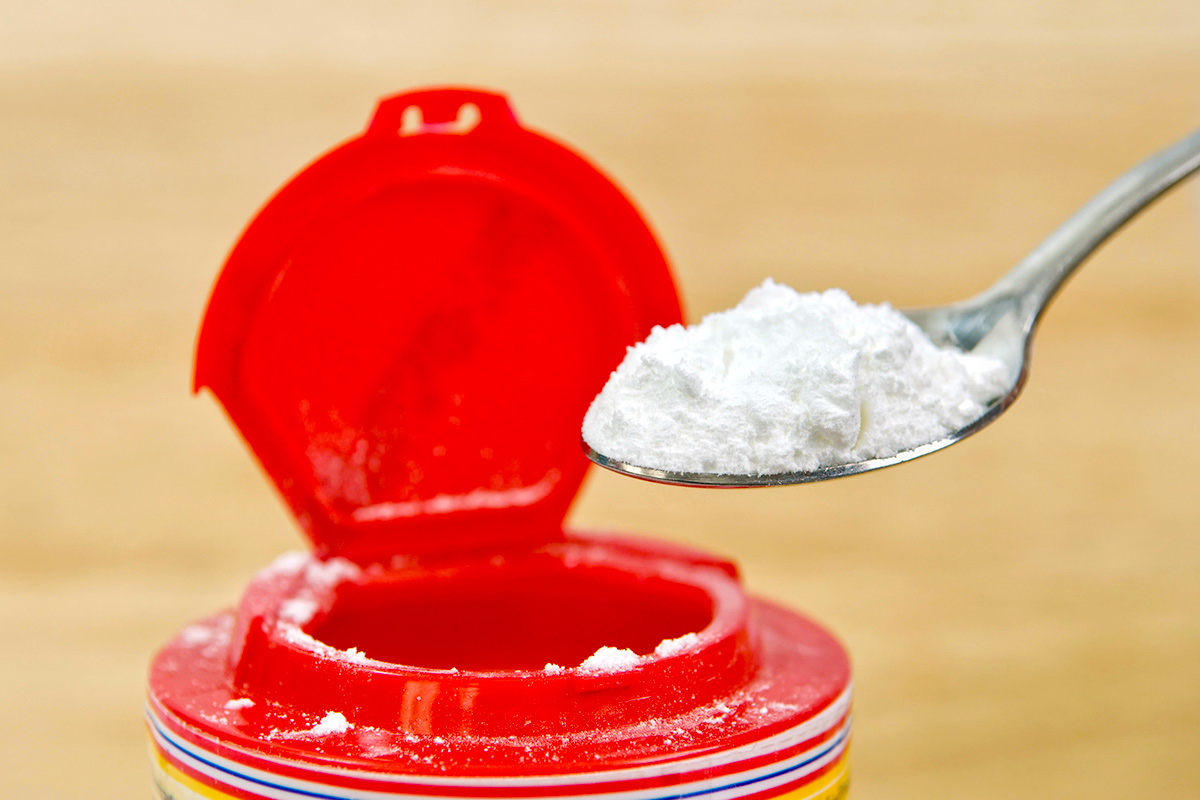
To get those burnt pots or pans looking as good as new, fill the cookware with roughly 1 to 2 inches of water and add 2 tablespoons of baking soda. Place the pan on the stovetop and set the heat to low until the mixture begins to simmer. Once it’s simmering, let it sit for 15 minutes before removing it from the heat. Safely set the pan on a heat-resistant surface, then scrape off any burnt residue from the bottom using a wooden spoon or spatula.

Related: A Natural Cleaning Hack for Your Cast-Iron Skillet

It’s important to use wooden utensils for scraping instead of metal ones, or you risk scratching and damaging the cookware itself. After a few minutes of applying elbow grease, you should notice the burnt bits begin to disappear. If any residue remains, simply repeat the process.

Advertisement

A Supercharged Alternative

For tougher stains, consider swapping the water for distilled white vinegar. Keep in mind, however, that vinegar and baking soda will chemically react, causing a vigorous fizz. To avoid making a mess, fill the pan with about a half inch of white vinegar and simmer it for a few minutes. Remove the pan from the heat and place it on a heat-safe surface before carefully adding 1 cup of baking soda. Once the fizzing dies down, dump the liquid down the drain and begin scrubbing away the burnt bits.

Another alternative is using lemon juice instead of water or vinegar. Its acidity also helps break down stains, though as with vinegar, this method may lead to fizzy spillage if combined with baking soda.

Tip: Avoid boiling acidic liquids, including vinegar and lemon juice, when cleaning nonstick, ceramic-coated, or aluminum cookware. Doing so may damage the coatings on the nonstick and ceramic pans, or cause pitting or discoloration in aluminum.

Advertisement
Featured Image Credit:  andreygonchar/ iStock | Updated  Oct 27, 2025 |
Bennett Kleinman
Staff Writer
Bennett Kleinman is a New York City-based staff writer for Inbox Studio, covering topics for several brands including House Outlook and Better Report. He previously contributed to television programs such as "Late Show With David Letterman" and "Impractical Jokers," and digital publications like The Onion. Bennett is also a devoted New York Yankees and New Jersey Devils fan, and thinks plain seltzer is the best drink ever invented.
This article is for general informational purposes only.
Featured Image Credit:  andreygonchar/ iStock | Updated  Oct 27, 2025 |
Advertisement
Gardening 3m read
0

Keep Flower Bulbs Safe From Hungry Pests

Some of home gardeners’ favorite flowers come in the form of bulbs, which are planted in the fall for spring blossoms, or in the spring for summer blooms. Autumn-planted bulbs, for example, are often among the final tasks to complete in your garden as you get ready for next year. Unfortunately, whether you plant them in spring or fall, flower bulbs are magnets for garden pests. After all, they’re an energy-rich food source, and raccoons or squirrels don’t care that the energy is meant for future flowers.

All featured products and deals are selected independently and objectively by the author. House Outlook may receive a share of sales via affiliate links in content.

Some of home gardeners’ favorite flowers come in the form of bulbs, which are planted in the fall for spring blossoms, or in the spring for summer blooms. Autumn-planted bulbs, for example, are often among the final tasks to complete in your garden as you get ready for next year. Unfortunately, whether you plant them…

If you’re tired of investing time and money into filling your beds (or pots) with blooms, only to see them excavated and eaten, we have good news. There’s a very effective way to keep the little beasts away from your bulbs, and it’s inexpensive, environmentally sound, and cruelty-free. Here’s how it works.

Chicken Wire Is Your Bulbs’ Best Friend

The secret weapon here is wire mesh. It’s nearly invisible once it’s in place, yet it effectively stops burrowing critters from digging or chewing through it. There are two kinds you can use: chicken wire or a large-mesh hardware cloth (usually sold in 1/4-inch or 1/2-inch square mesh, though 1-inch is also available). Chicken wire works well because its openings are big enough to accommodate most flowers’ leaves or stems. If you opt for the sturdier hardware cloth, use the 1/2-inch size for smaller flower bulbs and the 1-inch size for larger ones.

The standard planting depth for bulbs is three times their height, meaning a 1-inch bulb should go 3 inches into the ground. First, cut a piece of wire mesh to fit the shape and size of your bed, leaving a generous allowance around the edges to deter clever critters. Next, plant your bulbs and cover them with soil up to, in this example, a 2-inch depth. Lay the mesh over the soil, then cover it and the bulbs with the remaining inch of soil, adding mulch if desired. That’s all there is to it, although if you have landscaping staples on hand, you can use them to pin down the wire’s edges for extra security.

Advertisement
Related: 12 Things To Do This Fall To Prepare Your Garden for Next Year

Protecting Flower Bulbs in Pots

You can use this hack to protect flower bulbs in pots, too. Start by cutting a piece of mesh sized just large enough to cover the entire soil surface of the pot. Once you’ve tested it for size, remove the mesh and plant your bulbs normally. Cover them with two-thirds of the necessary soil, lay the mesh on top, and then add the remaining soil. The mesh will keep your bulbs safe until spring, and you’ll get to enjoy all the blooms you paid for.

Advertisement
Featured Image Credit:  OlgaPonomarenko/ iStock | Updated  Nov 3, 2025 |
Fred Decker
Writer
Fred Decker is a trained chef and former restaurateur. Since closing his restaurants over a decade ago he has been a prolific freelance writer, publishing several thousand articles on dozens of high-volume websites including Taste Of Home, Hunker, Tasting Table, Week&, eHow, and GOBankingRates. He lives on a rural acreage shared with a big garden, chickens, rabbits, and grandkids.
This article is for general informational purposes only.
Featured Image Credit:  OlgaPonomarenko/ iStock | Updated  Nov 3, 2025 |