Advertisement
Food & Drink 3m read
0

Get Dinner Ready Sooner With This Defrosting Hack

Frozen food was one of the great innovations of the 20th century. Of course, that convenient new preservation method came with a corresponding inconvenience: having to thaw things before we cook them. The USDA endorses three defrosting methods: in the fridge overnight, in the microwave, or in cold water. While all three are effective, there’s a defrosting hack for quick meals that holds its own against those officially recognized methods.

All featured products and deals are selected independently and objectively by the author. House Outlook may receive a share of sales via affiliate links in content.

Frozen food was one of the great innovations of the 20th century. Of course, that convenient new preservation method came with a corresponding inconvenience: having to thaw things before we cook them. The USDA endorses three defrosting methods: in the fridge overnight, in the microwave, or in cold water. While all three are effective, there’s…

The Two-Pan Hack To Defrost Meat

Here’s how it works:

• Take one metal skillet (or other shallow metal pan) and place it upside down on your counter.

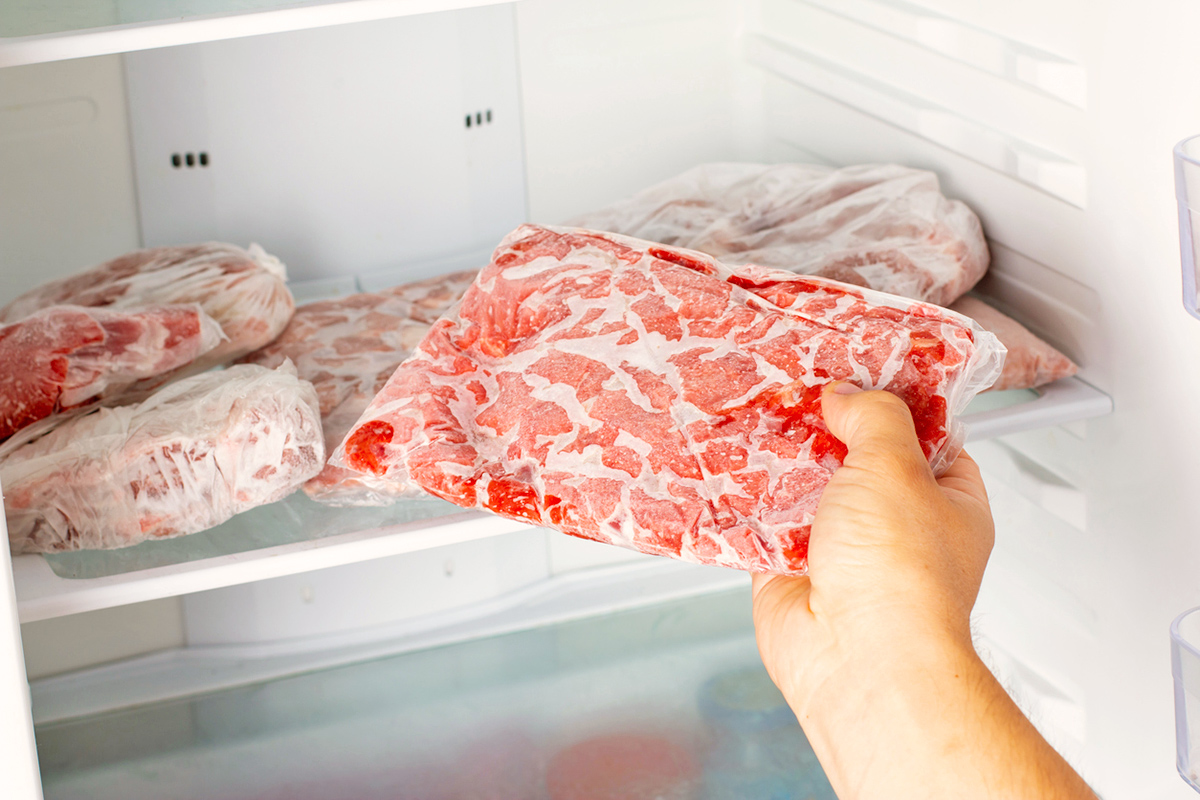
• Lay the package of food you want to defrost (meat, poultry, etc.) on top of the first pan.

• Put a second metal pan on top of the food, right side up.

• Give it about an hour or so to thaw.

Tip: This hack works best with meat that’s packaged as flat as possible. Consider portioning the meat into freezer bags and using a rolling pin or an empty wine bottle to compress it.

Related: The Secret Ingredient for Better-Browned Ground Beef

You can speed things up by putting a bit of weight in the top pan, such as a can of vegetables or a cup or two of water. This is optional, but that added weight helps make sure there’s good contact between the meat and the metal.

Advertisement

Now that you know how it works, you probably want to know why it works. Well, it’s basic science: Heat always moves from a warmer spot to a colder spot. When you cook, your skillets transfer the stove’s heat to your food; this thawing hack is just a slower version of that process, using the room’s ambient temperature as the heat source.

But What About Food Safety?

Quick weeknight meals are important, but food safety is even more important, of course. That’s why the USDA emphasizes overnight thawing in your refrigerator: It ensures your food always stays at a safe temperature. This skillet method falls into the same category as thawing in cold water: Only use it for food you plan to cook right away since it will get warmer than the safe range for storage. Still, it beats microwave thawing (which is uneven and gives you partially cooked spots) and water thawing (which can be messy and risks waterlogging your food).

This method won’t work for all cuts, of course. It’s best for things like thin steaks and chops, or packages of sliced or ground meat — especially if they’ve been packed flat to save thawing time and storage space. For larger items, such as a roast or a whole chicken, you’ll still need to use another defrosting method. They’re simply too large to thaw completely within a food-safe time frame, and their irregular shape means the top pan would just slide off.

Advertisement
Featured Image Credit:  Qwart/ iStock | Updated  Nov 23, 2025 |
Fred Decker
Writer
Fred Decker is a trained chef and former restaurateur. Since closing his restaurants over a decade ago he has been a prolific freelance writer, publishing several thousand articles on dozens of high-volume websites including Taste Of Home, Hunker, Tasting Table, Week&, eHow, and GOBankingRates. He lives on a rural acreage shared with a big garden, chickens, rabbits, and grandkids.
This article is for general informational purposes only.
Featured Image Credit:  Qwart/ iStock | Updated  Nov 23, 2025 |
Advertisement
Home Improvement 3m read
0

Forget This Winter Task and You Could Face Burst Pipes

There’s a well-known saying that the only two certainties in life are death and taxes. That’s true — but there are also a handful of other things that, while not as inevitable, seem to crop up year after year. Every January, for example, a horde of people search the internet for “best workout routines for beginners.” Similarly, once the winter cold sets in, searches for information on frozen pipes predictably spike.

All featured products and deals are selected independently and objectively by the author. House Outlook may receive a share of sales via affiliate links in content.

There’s a well-known saying that the only two certainties in life are death and taxes. That’s true — but there are also a handful of other things that, while not as inevitable, seem to crop up year after year. Every January, for example, a horde of people search the internet for “best workout routines for…

There’s no reason you should be one of them. To quote another well-known saying, “An ounce of prevention is better than a pound of cure.” Here’s the simple routine you need to winterize your outdoor faucet and avoid burst pipes before the next big freeze hits.

How To Avoid Burst Pipes

As the weather gets colder, your need to water the lawn and garden largely goes away. While a good watering can certainly help protect your plants from frost, you can use a bucket if necessary. So, once temperatures drop below freezing, it’s time to shut down your outdoor faucet for the winter. Here’s what to do:

1. Disconnect your hose from the outdoor faucet, drain it, and store it away for the winter in a sheltered spot.

2. Locate the indoor shut-off for the faucet (if you have one) and turn it off. Then, run the outside faucet until the water stops. Skip this step if you don’t have an indoor shut-off valve.

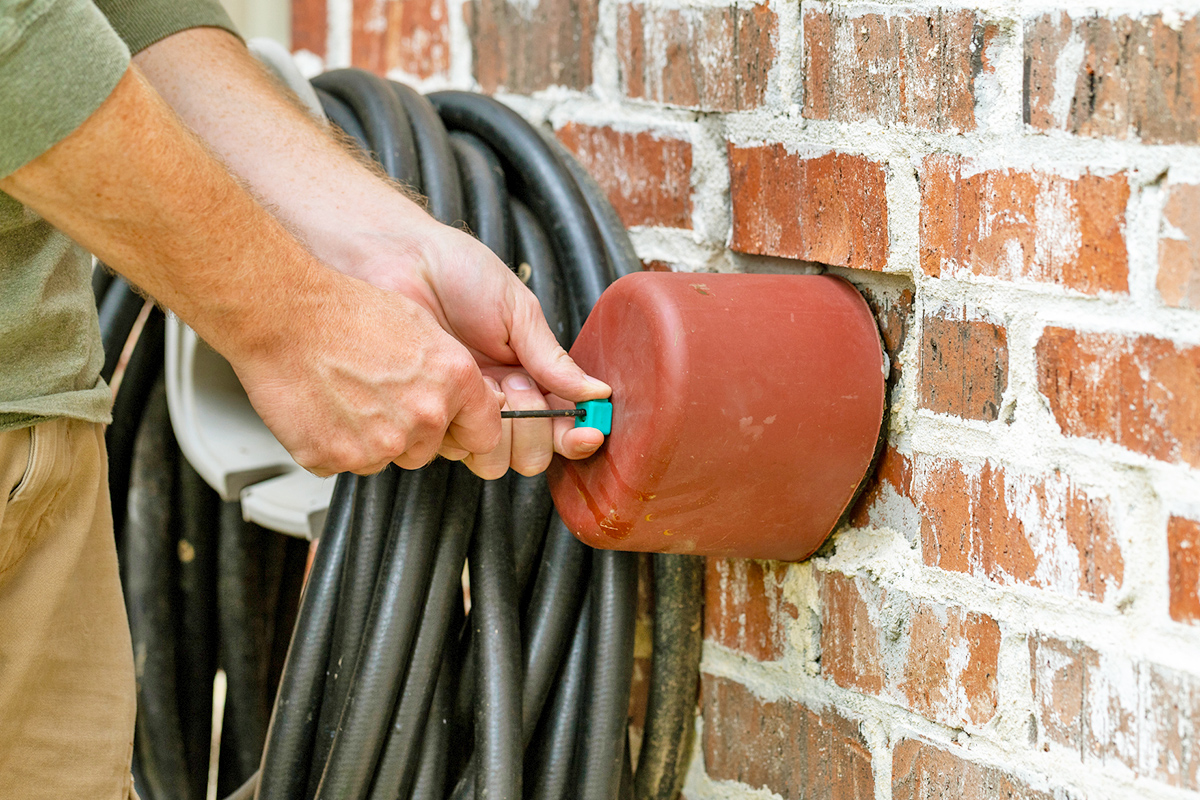
3. Place an insulated cover over the outdoor faucet. These are inexpensive and readily available at most hardware stores or online retailers.

That’s usually enough to do the job, but there are a few other things to consider if you experience severe winters.

Advertisement

More Tips for Colder Climates

If you live in a climate with cold winters (especially if you’re new to the area or your house), there are a few extra precautions worth taking.

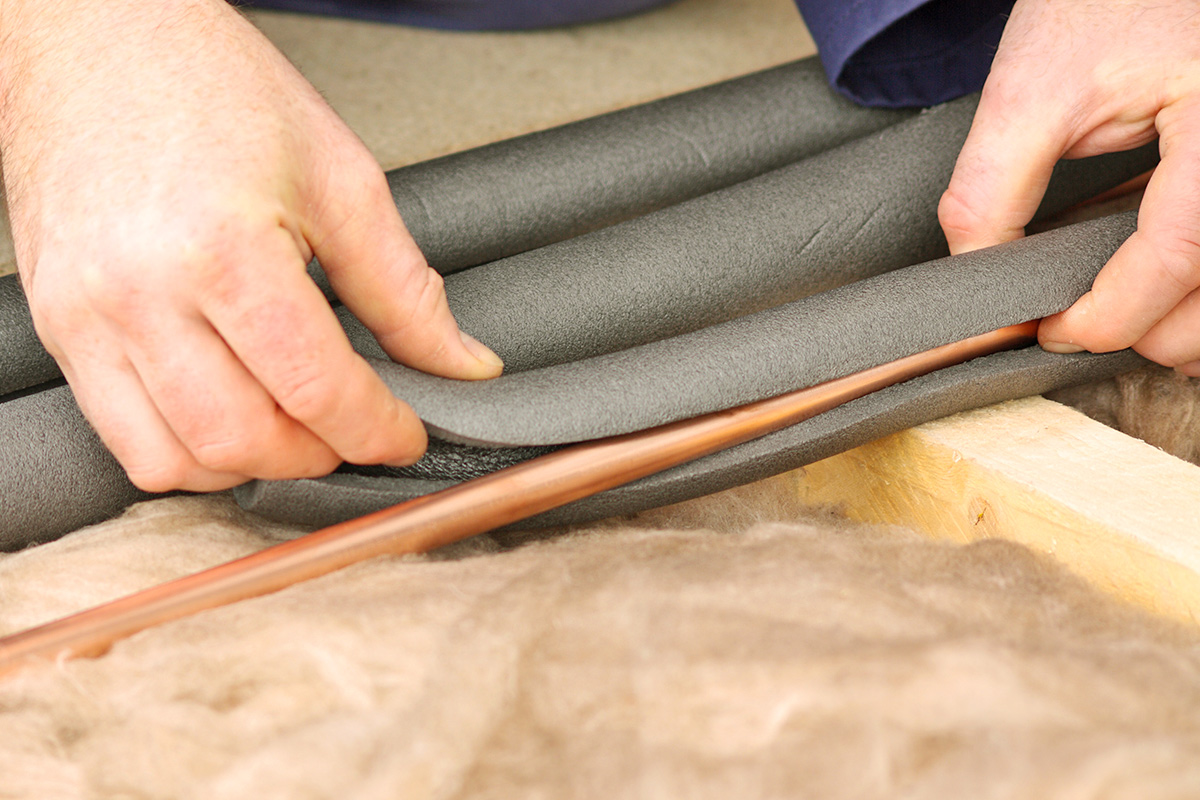
Look inside your basement or buildup and locate the pipe that runs to your outdoor faucet. If it runs up an uninsulated wall in an unheated area, that section of the water line could freeze in an unusually harsh cold spell. You can prevent this by placing insulation between the wall and the pipe, or by buying the wrap-around insulation specifically meant for water lines. 

Related: Do This Once a Year To Save Your Home From Rot

If you want to be really sure, or if the neighbors warn you that frozen pipes are a common issue where you live, you can also wrap the water line with low-voltage heating tape. This is inexpensive as well, and means you’ll be able to sleep soundly (and so will your plumber) even during the worst cold snaps.

Advertisement
Featured Image Credit:  CRobertson/ iStock | Updated  Nov 23, 2025 |
Fred Decker
Writer
Fred Decker is a trained chef and former restaurateur. Since closing his restaurants over a decade ago he has been a prolific freelance writer, publishing several thousand articles on dozens of high-volume websites including Taste Of Home, Hunker, Tasting Table, Week&, eHow, and GOBankingRates. He lives on a rural acreage shared with a big garden, chickens, rabbits, and grandkids.
This article is for general informational purposes only.
Featured Image Credit:  CRobertson/ iStock | Updated  Nov 23, 2025 |
Advertisement
Cleaning 3m read
0

Clean Your Curtains Without Ever Taking Them Down

Cleaning curtains easily ranks near the top of many people’s “most annoying chores” list. Wrestling with the rod, bumping your head in the process, and then trying to stuff bulky fabric into your washing machine — or worse, hauling it to the dry cleaner — is nobody’s idea of fun. It’s no wonder this chore gets postponed again and again. Unfortunately, it must be done, as curtains quietly collect dust, allergens, pet hair, and the occasional mystery stain.

All featured products and deals are selected independently and objectively by the author. House Outlook may receive a share of sales via affiliate links in content.

Cleaning curtains easily ranks near the top of many people’s “most annoying chores” list. Wrestling with the rod, bumping your head in the process, and then trying to stuff bulky fabric into your washing machine — or worse, hauling it to the dry cleaner — is nobody’s idea of fun. It’s no wonder this chore…

Here’s the good news: There’s an easier way to get your curtains clean, and you don’t even have to take them down.

Start With a Good Shake and a Vacuum

Think of your curtains like a delicate, hanging rug. Instead of beating the dirt out, shake the curtains gently while they’re still on the rod to loosen any settled dust and debris. (A step stool will be helpful here.) It’s best to shake them from the top so everything falls downward, ideally out an open window.

Related: How To Clean Window Screens Without Taking Them Out

Next, grab your vacuum. Using the soft brush attachment, glide it from top to bottom, paying special attention to folds and pleats where dust loves to hide. Finish by giving the floor a quick once-over with the vacuum too.

Advertisement

Steam Away the Stale

Once the surface dust is gone, it’s time to take out the secret weapon: a steamer. A handheld garment steamer will smooth out wrinkles, lift away any lingering dust, neutralize odors, and even eliminate bacteria and dust mites — all without you ever having to take the curtains down.

After heating, move the steamer slowly in vertical strokes, keeping a couple of inches between the nozzle and the fabric. Use the gentlest setting, especially if your curtains are made of natural materials, such as cotton or linen, or delicate sheer fabric. Don’t worry about moisture, either; the curtains will be only slightly damp and will dry within minutes.

Fresh Air Does Wonders

After steaming, let Mother Nature take over. Open your windows, if possible, to let in a breeze. This airflow will help whisk away any lingering odors and keep mildew at bay, all while speeding up the drying process.

Advertisement
Featured Image Credit:  Deagreez/ iStock | Updated  Nov 23, 2025 |
Megan McCarty
Writer
Megan McCarty is a Los Angeles-based writer who covers the fun stuff: design, travel, wellness, beauty, and fashion. She has written for publications including Domino, The Spruce, MyDomaine, Bustle, and Rue Magazine. Her life rules include, but are not limited to, zipper when merging, contribute to your IRA, and do the nice thing.
This article is for general informational purposes only.
Featured Image Credit:  Deagreez/ iStock | Updated  Nov 23, 2025 |
Advertisement
Organizing 2m read
0

A Recycling Bin Fix for Unruly Wrapping Paper Rolls

Choosing festive wrapping paper is almost as fun as shopping for the gifts themselves. Keeping that gift wrap stored in a neat and tidy manner, however, is an entirely different matter. Whether you choose specific wrapping paper for each family member, have dedicated Santa wrapping paper, or stick with neutral wrapping paper (hello, brown Kraft paper) versatile enough for holidays, birthdays, baby showers, and other gift-giving traditions, chances are, you’ll always have a little left over. Storing opened wrapping paper is tricky, often resulting in an unruly situation that makes the next gift-wrapping session overwhelming.

All featured products and deals are selected independently and objectively by the author. House Outlook may receive a share of sales via affiliate links in content.

Choosing festive wrapping paper is almost as fun as shopping for the gifts themselves. Keeping that gift wrap stored in a neat and tidy manner, however, is an entirely different matter. Whether you choose specific wrapping paper for each family member, have dedicated Santa wrapping paper, or stick with neutral wrapping paper (hello, brown Kraft…

A Free Fix for Unraveling Rolls

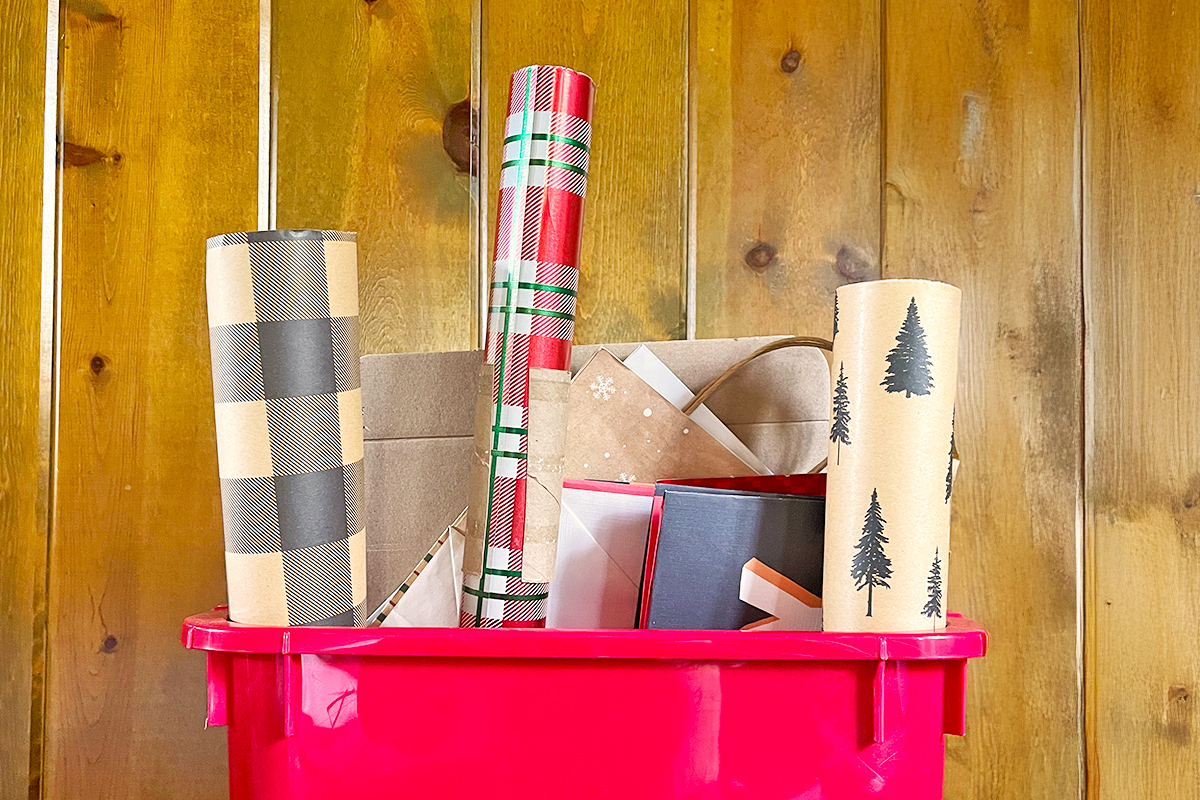
Fortunately, there is a simple hack for fixing unraveling wrapping paper. Best of all, it doesn’t require you to go out and buy any fancy organizers or innovative clips (though, if you are planning to buy something, we swear by the Little ELF storage tote). Instead, dig into your recycling and grab a few empty toilet paper and paper towel rolls.

Related: 3 Easy Hacks for Flawless Gift Wrapping

Cut a vertical slit down the center of the cardboard roll so it opens when pulled apart, but closes (mostly) back up when left alone — sort of like a cuff. Wrap this cuff around your opened wrapping paper roll, and it will hold everything neatly in place. When you’re ready to use the wrapping paper, simply remove the cuff, cut what you need, and then replace the cuff to secure the roll again. In addition to toilet paper and paper towel rolls, empty wrapping paper rolls cut into 6-inch tubes also work well for this hack.

Advertisement

Another Snappy Solution

If you don’t have any empty rolls on hand, a slap bracelet is another unique way to keep everything in place. You can purchase slap bracelets specifically designed for holding wrapping paper, such as these silicone snap bands. Or you can just order a pack of Christmas slap bracelets, such as these or these. Slap bracelets also happen to make great gift toppers or stocking stuffers.

Advertisement
Featured Image Credit:  Image courtesy of Kelsey Morrison | Updated  Nov 23, 2025 |
Jessie Quinn
Writer
Jessie Quinn is a Los Angeles-based lifestyle journalist with words published in PEOPLE, StyleCaster, Apartment Therapy, The Spruce, Byrdie, and more. She has a Bachelor's Degree in fashion journalism from Academy of Art University and her work spans across many categories, including style, beauty, home, health, crafts, and more.
This article is for general informational purposes only.
Featured Image Credit:  Image courtesy of Kelsey Morrison | Updated  Nov 23, 2025 |
Advertisement
Food & Drink 2m read
0

The Secret Ingredient for Better-Browned Ground Beef

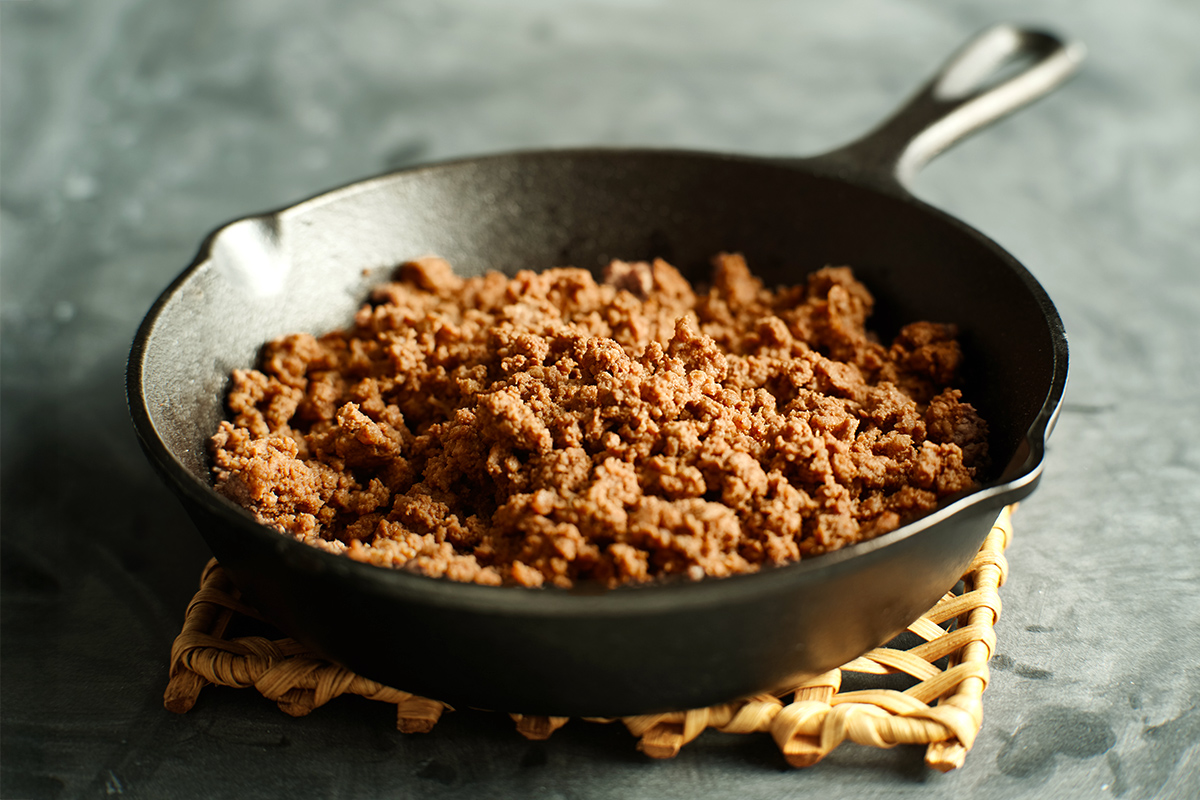
Ground beef is a staple protein in many American households for a reason. Not only is it incredibly versatile — used in everything from hamburgers to tacos to casseroles — but it’s also widely available and relatively inexpensive. However, ground beef has one annoying quality: It releases a significant amount of liquid when cooked, and it never seems to brown the way you want it to. If you’ve ever spent an at-home Taco Tuesday wondering why your ground beef doesn’t look as nicely browned as it does in restaurants, you’re not alone. Luckily, there’s a simple way to fix this, and the solution is something you probably already have in your pantry: baking soda.

All featured products and deals are selected independently and objectively by the author. House Outlook may receive a share of sales via affiliate links in content.

Ground beef is a staple protein in many American households for a reason. Not only is it incredibly versatile — used in everything from hamburgers to tacos to casseroles — but it’s also widely available and relatively inexpensive. However, ground beef has one annoying quality: It releases a significant amount of liquid when cooked, and it…

Mix, Rest, and Cook

Here’s what to do: For every pound of meat you’re cooking, dissolve 1/4 to 1/2 teaspoon of baking soda in 1 tablespoon of water. Add the solution to the raw ground beef, mixing thoroughly until it’s distributed evenly. Then, allow the meat to rest on the counter for 15 to 30 minutes before cooking. After that, you can simply cook your beef as you normally would.

Why Does Baking Soda Help Brown Ground Beef?

Baking soda is something of a miracle ingredient when it comes to ground beef. It works by raising the pH of the beef’s surface, which alters the charge on the muscle filaments so they repel each other instead of coming together. This repelling action keeps the filaments a very small distance apart and allows them to retain more moisture. (Without this, the muscle filaments collapse and release a large amount of liquid — that’s the runoff you see when you cook ground beef without baking soda.) This method also works on thin slices of meat and is commonly used in Chinese stir-fry recipes.

Advertisement
Related: The Meat-Freezing Hack That Saves Time and Storage Space

Beyond browning, baking soda also tenderizes the meat. The same chemical process described above helps the meat stay tender by locking moisture inside. Since the meat isn’t releasing all that liquid into the pan, it won’t dry out and develop a chewy texture.

Advertisement
Advertisement
Cleaning 3m read
0

A Low-Effort Hack for Cleaner Kitchen Cabinets

You’ve wiped the counters, scrubbed the cooktop, sanitized the sink, and mopped the floors, but there’s one spot in your kitchen you’ve almost certainly forgotten: the tops of your kitchen cabinets. Many people use them for storage (that oversized serving platter has to go somewhere), but since they’re rarely seen, keeping them clean isn’t a priority for most of us. However, this overlooked spot is a magnet for cooking grease and dust, which forms into a sticky, stubborn residue over time.

All featured products and deals are selected independently and objectively by the author. House Outlook may receive a share of sales via affiliate links in content.

You’ve wiped the counters, scrubbed the cooktop, sanitized the sink, and mopped the floors, but there’s one spot in your kitchen you’ve almost certainly forgotten: the tops of your kitchen cabinets. Many people use them for storage (that oversized serving platter has to go somewhere), but since they’re rarely seen, keeping them clean isn’t a…

Once those cabinet tops are thoroughly cleaned (a mix of distilled white vinegar and warm water should do the trick), you’ll be happy to know there’s a simple way to prevent airborne grime from ever coating them again.

Clean Cabinets in One Step

The buildup on your cabinet tops may not accumulate as quickly or heavily as it would in a high-traffic area, such as the floor space beneath your fridge, but it certainly adds up over time. These surfaces don’t just collect dust; they also get seriously grimy, mostly due to cooking humidity combined with oil splatter and other minor kitchen messes.

So, how can you keep the tops of kitchen cabinets clean with minimal effort? You line them with aluminum foil. (You can also use parchment paper, newspaper, or wax paper if you have it on hand — any disposable liner works.) Simply measure and cut pieces of foil to fit the size and shape of each cabinet top. Then, lay the sheets flat across the surface with a slight overlap to prevent any gaps. Once in place, the foil can be left there for weeks or months — replacing it is the only cleaning required.

Advertisement
Related: The Easiest Way To Clean Kitchen Cabinets

What Makes Aluminum Foil a Top Choice?

Why foil? For starters, you can easily mold it to fit the contours of any cupboard top with minimal cutting or folding. You can also quickly wipe it down if it gets dirty. When it’s time to replace the foil, scrunch it into a ball and toss it in the recycling bin, or hang it outside to keep birds and other pests away from your garden.

Advertisement
Advertisement
Home Improvement 3m read
0

Do This Once a Year To Save Your Home From Rot

There’s one simple yearly habit that can protect your home from a surprisingly expensive problem: rot. The good news is, it doesn’t involve climbing on your roof or crawling under your house — just a walk around the exterior with a sharp eye and a tube of caulk.

All featured products and deals are selected independently and objectively by the author. House Outlook may receive a share of sales via affiliate links in content.

There’s one simple yearly habit that can protect your home from a surprisingly expensive problem: rot. The good news is, it doesn’t involve climbing on your roof or crawling under your house — just a walk around the exterior with a sharp eye and a tube of caulk.

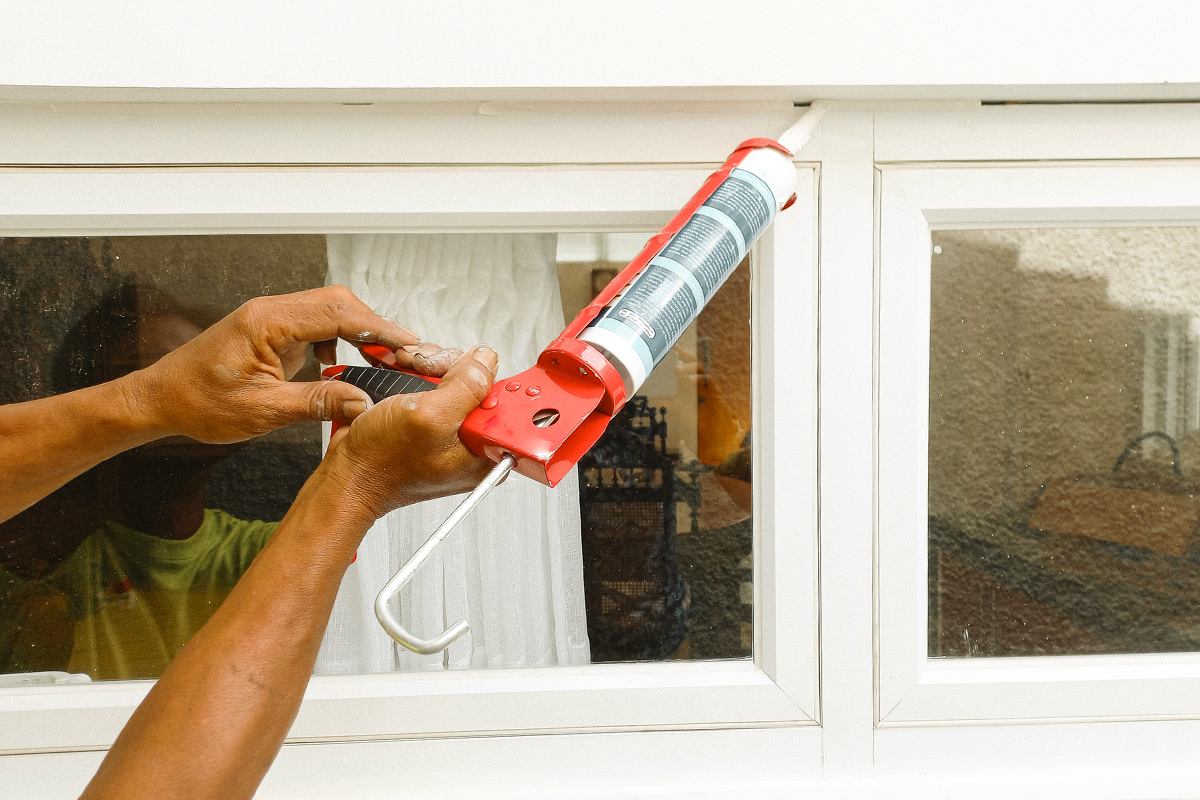
Meet the “caulk audit.” Once a year, usually in the spring or fall, take a slow lap around your home and inspect any place where two materials meet, such as around windows and doors, along siding seams, and where exterior trim meets masonry. Over time, caulking can crack, shrink, or pull away from surfaces, especially after a year of sun, rain, and temperature swings. When that happens, even a tiny gap can invite moisture inside your walls.

And moisture is the enemy. Left unchecked, water can lead to wood rot, mold growth, and damage that spreads until it’s suddenly a major repair job. A five-minute fix today could save you thousands later.

Here’s how to do your caulk audit like a pro:

1. Walk the Perimeter

Closely inspect all joints and seams, paying special attention to areas under eaves, around vent pipes, and along window and door frames. Use a flashlight to help spot any hairline cracks.

Related: 10 Lifesaving Home Safety Tips You’ve Probably Never Heard

2. Test the Seal

If you notice gaps, if the caulk looks dried out, or if it crumbles when pressed, consider that a red flag indicating the seal has failed.

Advertisement

3. Clean Before Resealing

Remove old, flaking caulk with a scraper or utility knife, then wipe the area clean of any dirt, dust, or mildew.

4. Choose the Right Caulk

For most exterior applications, a high-quality polyurethane or silicone-based caulk works best. The product should be labeled “exterior” and “paintable.”

5. Seal It Up

Apply the caulk in a smooth, continuous line. Then, immediately run a damp finger or a specialized tool along the bead to create a neat finish.

It’s not glamorous, but a caulk audit is an essential homeowner ritual that pays off big time. It keeps your home dry, protects your paint job, and prevents your siding from quietly decaying.

So before you hang those holiday lights or fire up the grill this year, grab your caulk gun and take a lap. Your future self — and your home — will thank you for it.

Advertisement
Featured Image Credit:  Yori Meirizan/ iStock | Updated  Nov 23, 2025 |
Jill Layton
Writer
Jill Layton started writing professionally when she realized her emails and texts were kinda funny. She’s an affiliate shopping writer and lifestyle contributor for Scary Mommy, Bustle, Mic, and Best Products. She’s the mom of two alarmingly witty kids and the world’s most perfect dog.
This article is for general informational purposes only.
Featured Image Credit:  Yori Meirizan/ iStock | Updated  Nov 23, 2025 |
Advertisement
Decorating 3m read
0

The One Simple Adjustment That Makes Your Ornaments Look Better

There’s something special about unpacking Christmas ornaments. Whether they’re treasured family heirlooms or a brand-new set of shimmery bulbs, pulling them out of storage marks the start of a magical holiday season ahead — that is, unless the ornaments hang awkwardly on your tree.

All featured products and deals are selected independently and objectively by the author. House Outlook may receive a share of sales via affiliate links in content.

There’s something special about unpacking Christmas ornaments. Whether they’re treasured family heirlooms or a brand-new set of shimmery bulbs, pulling them out of storage marks the start of a magical holiday season ahead — that is, unless the ornaments hang awkwardly on your tree.

An ornament with a too-long loop can drag the branch down and ruin the intended look. Luckily, there’s a simple, two-second fix. This clever hack from TikTok creator @designsbydylanp is a tree decorating game changer. Instead of letting the ornament droop, wrap the hanging loop around the tree branch as many times as necessary so the ornament sits flush beneath it.

Related: An Inexpensive Storage Hack for Christmas Ornaments

Aim for a snug fit. This creates tension, anchoring the ornament securely in place — no dangling strings to spoil your sparkling tree. The result will be a more polished holiday tree, since the eye will be drawn to the ornaments themselves instead of the hanging hardware. You’ll also gain more control when arranging, allowing you to tuck some ornaments deeper into the tree for depth and to position favorites (a Christmas pickle, perhaps?) closer to the branch tips for visibility.

Advertisement

This trick is especially useful for larger or heavier ornaments, which tend to pull branches down. Best of all, it requires no extra hooks, ties, or tools. Just a quick wrap of each ornament’s string gives your tree a cleaner, more cohesive design. This makes it easy to layer ornaments thoughtfully and achieve a perfectly styled tree. Even Santa will be impressed. 

Bonus Hack: Bundle Ornaments With Pipe Cleaner

For an entirely fresh take on a traditional Christmas tree, forget about buying new lights or ornaments — all you need are a few pipe cleaners. TikTok creator @whatlololikes recommends using them to bundle two, three, or more ornaments of varying sizes together into small clusters. This simple technique allows for precise placement and spacing, ensuring a full, balanced look for your tree — a designer-approved finish for your festive display.

Advertisement
Featured Image Credit:  Iuliia Zavalishina/ iStock | Updated  Dec 4, 2025 |
Megan McCarty
Writer
Megan McCarty is a Los Angeles-based writer who covers the fun stuff: design, travel, wellness, beauty, and fashion. She has written for publications including Domino, The Spruce, MyDomaine, Bustle, and Rue Magazine. Her life rules include, but are not limited to, zipper when merging, contribute to your IRA, and do the nice thing.
This article is for general informational purposes only.
Featured Image Credit:  Iuliia Zavalishina/ iStock | Updated  Dec 4, 2025 |
Advertisement
Cleaning 3m read
0

Stop Guessing — Here’s the Correct Way To Load a Dishwasher

Everyone seems to have their own “right” way to load a dishwasher — and their own opinion about how wrong yours is. But there actually is a correct method, and it makes a noticeable difference in how clean your dishes get. Plus, it’s a system that just makes sense.

Everyone seems to have their own “right” way to load a dishwasher — and their own opinion about how wrong yours is. But there actually is a correct method, and it makes a noticeable difference in how clean your dishes get. Plus, it’s a system that just makes sense.

Load Back to Front

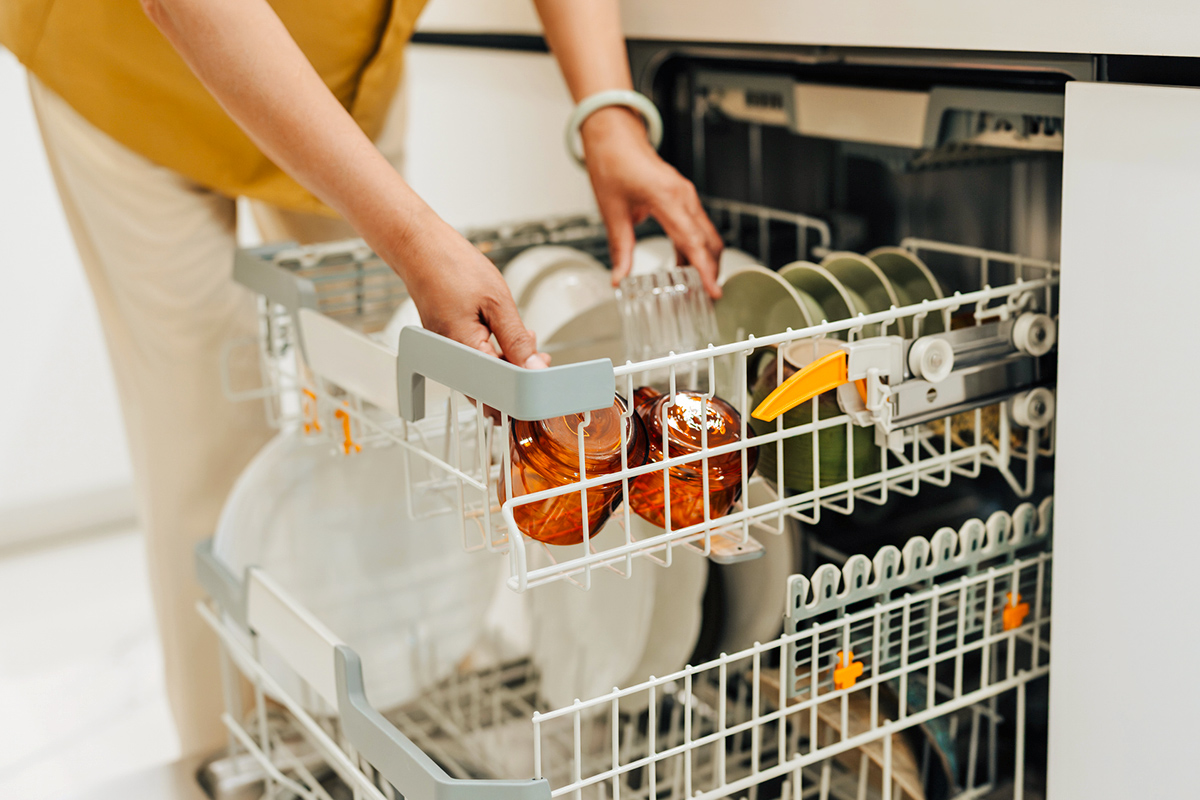
In the restaurant world, which is where this pro advice comes from, dish racks are filled from the back to the front. Why, exactly? When you place items at the front first, you may have to move them and risk knocking into other things each time you add something new. The folks who’ve done dish duty know this instinctively.

Group Plates by Size and Place Large Items at the Back

When it comes to plates, the trick is to line up those of the same size next to each other. That means all the dinner plates together and all the salad bowls together; this speeds up the unloading process and makes it more organized.

Related: The One Thing You Should Do Before Turning on the Dishwasher

Always put large bowls, casserole dishes, and any tall or bulky items toward the back of the rack. This ensures they won’t block other dishes or the appliance’s spray arms. If an item does end up blocking the spray arms, you should wash it by hand rather than risk everything else in the load remaining dirty.

Advertisement

The Top Rack Is for Delicates

Cups, glasses, mugs, and smaller bowls belong on the top rack. The water pressure here is gentler, which helps prevent chipping and etching. Remember to angle cups slightly so water doesn’t pool on top.

Plastic items also go on the top rack to avoid warping, especially if your dishwasher has an exposed heating element at the bottom.

Organize Your Silverware Basket

To keep things efficient for unloading, group like silverware together: spoons with spoons, forks with forks, and knives with knives. To prevent nesting, which hinders a thorough clean, place spoons and forks in alternating directions. Crucially, for safety reasons, knives should always be inserted blade-down. It’s also a good idea to make use of the silverware basket’s slots: this separation ensures a better clean and helps prevent unsightly water marks.

Advertisement
Featured Image Credit:  Asia-Pacific Images Studio/ iStock | Updated  Dec 3, 2025 |
Jill Layton
Writer
Jill Layton started writing professionally when she realized her emails and texts were kinda funny. She’s an affiliate shopping writer and lifestyle contributor for Scary Mommy, Bustle, Mic, and Best Products. She’s the mom of two alarmingly witty kids and the world’s most perfect dog.
This article is for general informational purposes only.
Featured Image Credit:  Asia-Pacific Images Studio/ iStock | Updated  Dec 3, 2025 |
Advertisement
Food & Drink 3m read
0

Turns Out Morton Salt Lids Have a Secret Feature

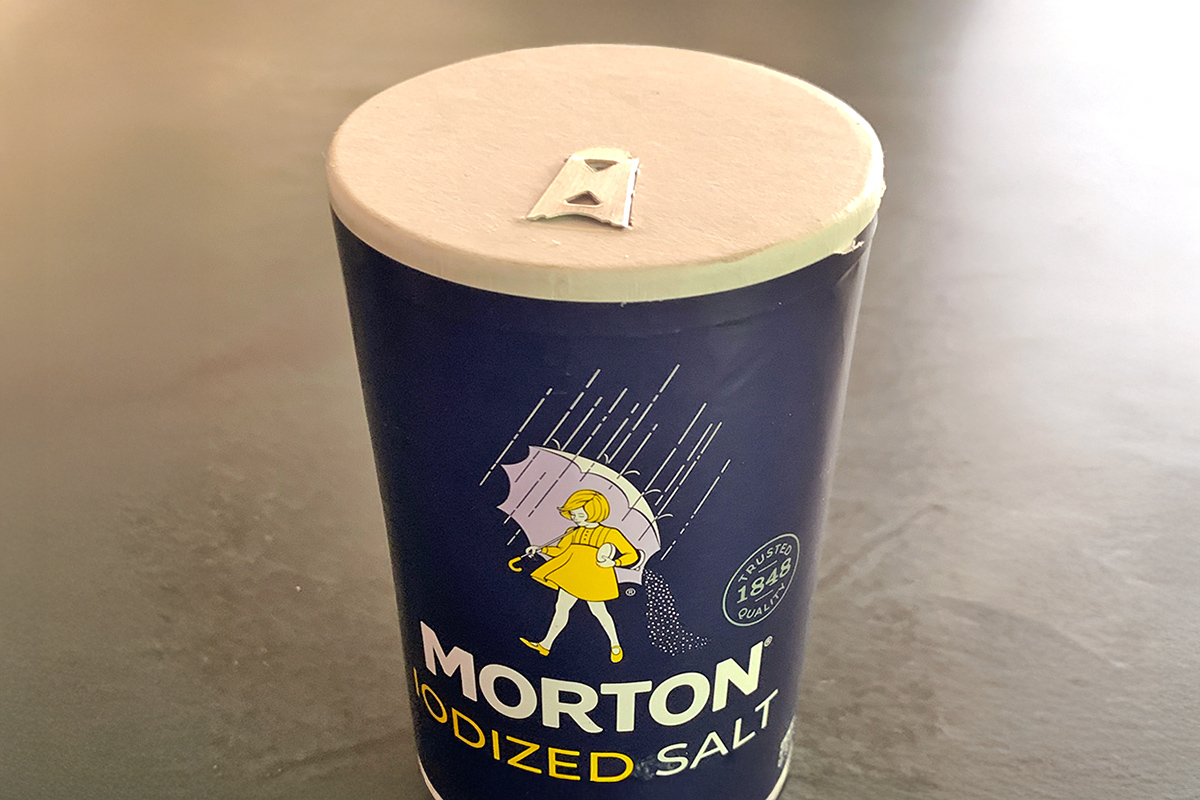
It’s safe to say that nearly everyone in the United States has had at least some level of interaction with Morton table salt. The stalwart salt brand has been around for over 100 years and is instantly recognizable from its logo, “the Morton salt girl,” with her iconic umbrella shielding her from a salt downpour.

All featured products and deals are selected independently and objectively by the author. House Outlook may receive a share of sales via affiliate links in content.

It’s safe to say that nearly everyone in the United States has had at least some level of interaction with Morton table salt. The stalwart salt brand has been around for over 100 years and is instantly recognizable from its logo, “the Morton salt girl,” with her iconic umbrella shielding her from a salt downpour.

A Salty Secret

It seems unlikely that there would be something new to learn about the brand in 2025, but a secret trick has recently emerged on the internet: You can sprinkle small amounts of salt directly from the container. Most people tear the paper off the metal spout, open it up, and pour salt into their hands before seasoning their food. But that last step is entirely optional. Every 26-ounce container of Morton table salt has two shaker holes on the flat surface of the metal spout. These holes are visible only after peeling off the top sticker. After doing so, close the spout back into the container. You’ll see the two holes that act as a salt shaker, disseminating small amounts of salt and generally eliminating the need to pour it into your hand first.

Related: Your Spice Jar Lid Has a Hidden Hack

When we attempted this hack ourselves, we had to peel back a bit of paper from the underside of the spout, too. Fortunately, the spout itself can be completely removed, making it easier to access and deal with the paper. However, if that’s too much work, or if you want to limit the amount of salt that shakes out, you can simply poke a few holes through the paper with a toothpick or fine-tip scissors.

Advertisement

Tips, Tricks, and Cautions

The secret salt shaker is exclusive to 26-ounce canisters of Morton table salt (not other sizes or containers), so keep that in mind while grocery shopping.

It is also worth noting that many chefs recommend always pouring salt into your hand first, no matter the size of the container. This technique allows for easier control over the amount of salt you add to any given dish. Remember: You can always add more, but you can’t take it out.

Lastly, table salt is not the best kind of salt for every recipe. Some dishes explicitly call for the large, coarse flakes of Kosher salt, which is typically sold in boxes. Using the “wrong” kind of salt isn’t going to ruin a recipe, but it’s a good thing to keep in mind if you’re a serious home cook.

Advertisement