Advertisement
Home Improvement 3m read
1,489

Stop Snow From Clinging to Your Shovel With This

Winter is full of fun activities, from skiing down the slopes to making snow angels, but it’s also a time for painstaking chores. Perhaps none is more grueling than shoveling snow. Unless you own a snowblower — or know a teenager who’s willing to help you shovel in exchange for a few bucks or some pizza — you’ll probably end up clearing all the pathways yourself. Here’s a tip to make this difficult task a little easier — all you’ll need is a staple found in nearly every kitchen.

All featured products and deals are selected independently and objectively by the author. House Outlook may receive a share of sales via affiliate links in content.

Winter is full of fun activities, from skiing down the slopes to making snow angels, but it’s also a time for painstaking chores. Perhaps none is more grueling than shoveling snow. Unless you own a snowblower — or know a teenager who’s willing to help you shovel in exchange for a few bucks or some…

The Solution? Cooking Spray

Getting snow stuck to the shovel is a far too common occurrence. And as snow freezes to the metal or plastic, it prevents you from scooping up a full load, making shoveling the driveway a lengthier and more arduous process.

Enter cooking spray: Much like it keeps food from sticking to a pan, it can also help prevent snow from sticking to your shovel. If you don’t have any cooking spray available, vegetable oil and wax are suitable alternatives. (Think candle wax, car wax, or even ski and snowboard wax, which is formulated for freezing conditions.)

Related: Defrost Your Windshield in Seconds With This Life-Changing Hack

Before heading outside, coat both sides of the blade with cooking spray. As you toil away, you’ll notice the snow sliding off with relative ease. This keeps your shovel operating at maximum efficiency, so you won’t have to waste time whacking it against the ground to unstick frozen snow. Reapply the cooking spray every 30 minutes or as needed.

Advertisement

Know the Limitations

Despite the usefulness of this hack, there are a number of important caveats. First, if you leave the shovel outside in the freezing cold the night before shoveling, the cooking spray will do little to help. The oil isn’t powerful enough to prevent sticking if the shovel itself is too cold to begin with. This is why you should always store shovels inside a garage, foyer, or any location where temperatures remain above freezing.

Second, this hack works only with slightly slushy snow that has started to melt and would otherwise stick to the blade. If you’re dealing with dry, hard snow, that type won’t stick anyway, which makes applying cooking spray redundant.

Advertisement
Featured Image Credit:  Unsplash+ via Getty Images | Updated  Dec 16, 2025 |
Bennett Kleinman
Staff Writer
Bennett Kleinman is a New York City-based staff writer for Inbox Studio, covering topics for several brands including House Outlook and Better Report. He previously contributed to television programs such as "Late Show With David Letterman" and "Impractical Jokers," and digital publications like The Onion. Bennett is also a devoted New York Yankees and New Jersey Devils fan, and thinks plain seltzer is the best drink ever invented.
This article is for general informational purposes only.
Featured Image Credit:  Unsplash+ via Getty Images | Updated  Dec 16, 2025 |
Advertisement
Organizing 3m read
181

How To Keep Your Kitchen Clutter-Free Year-Round

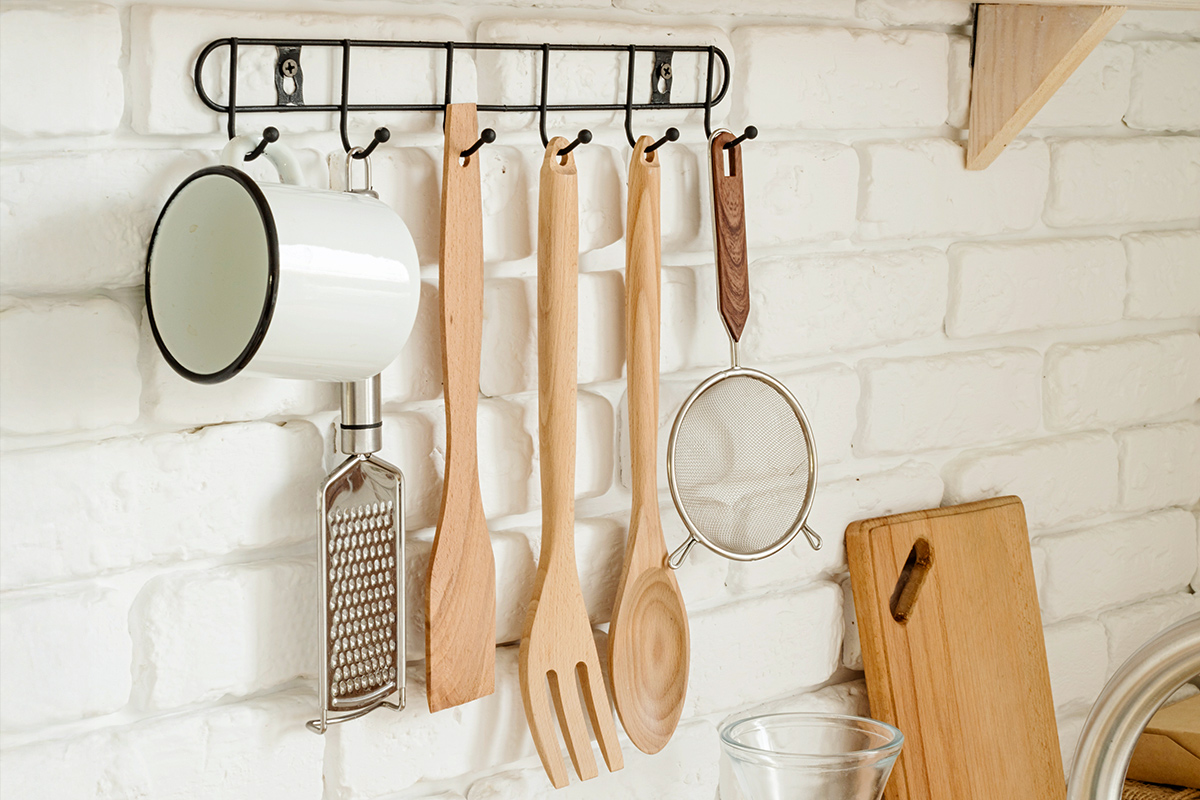
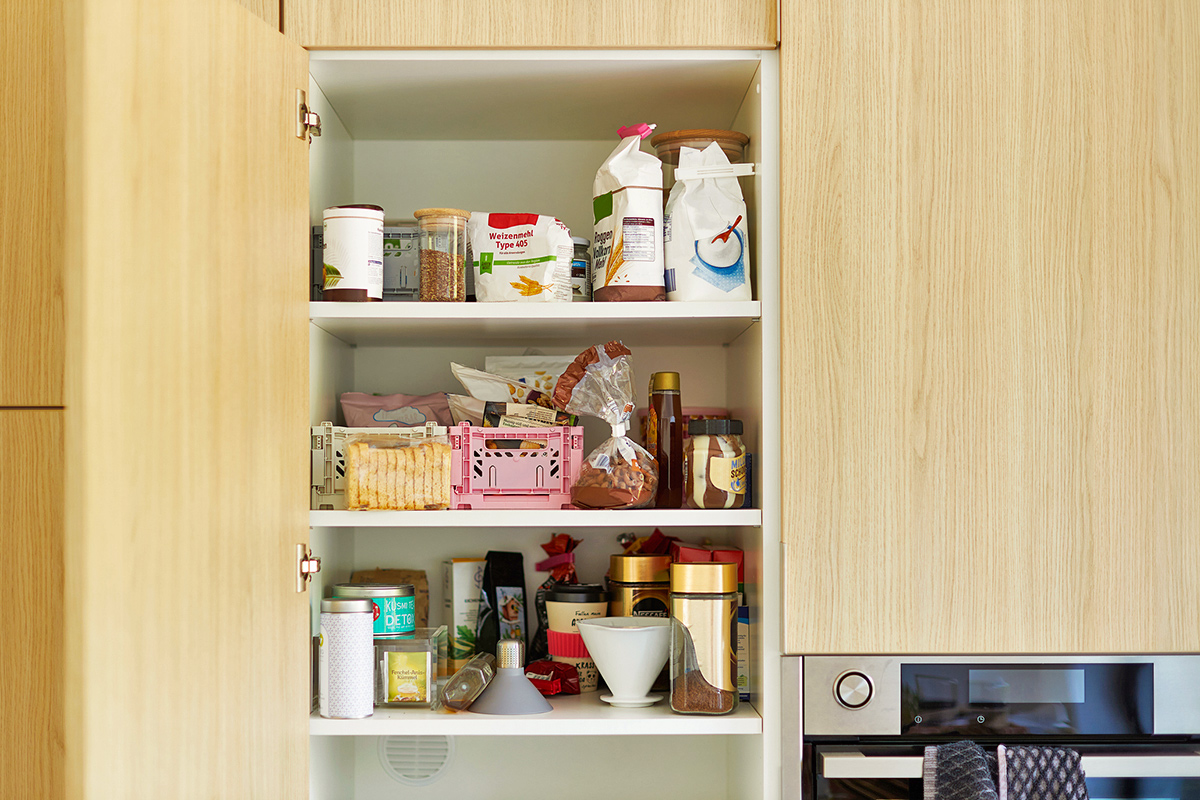
Keeping your kitchen clutter-free year-round doesn’t require a full renovation; it just takes a smart seasonal mindset and a few practical steps. Think of it like your wardrobe: You wouldn’t keep your winter coats front and center in August, so why should seldom-used kitchen gear occupy prime real estate? By rotating your kitchen items with the seasons, you can make your space work smarter, not harder.

Keeping your kitchen clutter-free year-round doesn’t require a full renovation; it just takes a smart seasonal mindset and a few practical steps. Think of it like your wardrobe: You wouldn’t keep your winter coats front and center in August, so why should seldom-used kitchen gear occupy prime real estate? By rotating your kitchen items with…

Audit and Categorize

Start by opening all your cabinets and drawers and pulling everything out. Identify three categories: daily essentials, seasonal/occasional items, and never or rarely used. Daily essentials — such as the coffee maker, your favorite frying pan, and frequently used dishes — should stay within easy reach. Seasonal or occasional items (large roasting pans, festive mugs, and specialty baking supplies) should go into a storage box or a less accessible location, perhaps alongside your holiday decorations.

Items that are never or rarely used should be decluttered and donated. If you simply can’t part with something, like the fondue set you inherited from your grandmother, find a dedicated storage spot for it outside of the kitchen. This seasonal swap helps reclaim precious kitchen space.

Related: Declutter 100 Items in 10 Days Using This Simple Method

Choose Better Spots for Less-Used Items

Once you’ve identified your seasonal or occasional items, give them a designated, off-to-the-side spot. This could be a shelf above the cabinets, a storage closet, or even the garage. Consider storing items that show up only once or twice a year — think holiday cookie cutters, themed serveware, and specialty appliances — in these less busy locations so your everyday zones stay clear.

Advertisement

Swap the Lineup as Seasons Change

When the seasons change or a major holiday concludes, take a few minutes to handle the swap. Move the summer grilling gear out after Labor Day. Bring in the holiday baking tools in November, and put them away early in the new year. The key is to use the seasonal transition as your trigger for decluttering and restocking the daily zone. This simple check-in helps prevent “back-of-the-cupboard” surprises, like finding a forgotten Santa mug at the bottom of a drawer.

Label and Maintain

Label storage boxes with their contents so you don’t have to rummage through six tubs looking for the gravy boat. Before storing, inspect items for damage, clean them thoroughly, and make sure they’re dry. Checking everything carefully before tucking it away will help you avoid potential pest or moisture damage issues.

Enjoy the Result

Once the seasonal rotation is complete, your cabinets and counters will feel breathable, your tools will be easier to find, and your entire kitchen will operate efficiently. A clutter-free kitchen isn’t only peaceful; it makes cooking, entertaining, and cleaning far more enjoyable.

Ultimately, a clutter-free kitchen isn’t about having less stuff — it’s about keeping the right stuff in the right place at the right time. With a seasonal swap, your kitchen can stay organized and efficient year-round.

Advertisement
Featured Image Credit:  2K Studio/ iStock | Updated  Dec 16, 2025 |
Jill Layton
Writer
Jill Layton started writing professionally when she realized her emails and texts were kinda funny. She’s an affiliate shopping writer and lifestyle contributor for Scary Mommy, Bustle, Mic, and Best Products. She’s the mom of two alarmingly witty kids and the world’s most perfect dog.
This article is for general informational purposes only.
Featured Image Credit:  2K Studio/ iStock | Updated  Dec 16, 2025 |
Advertisement
Food & Drink 3m read
3,058

Are You Still Shredding Meat by Hand? Try This Instead

Whether you’re an avid barbecuer or tearing up some chicken for a hearty bowl of soup, you may find yourself shredding meat by hand from time to time. But doing so can be a tedious process, and handling meat fresh off the grill can be painfully hot. However, we’ve found a solution that not only keeps hands clean and avoids burns but also shreds meat with maximum efficiency in just a few seconds flat.

All featured products and deals are selected independently and objectively by the author. House Outlook may receive a share of sales via affiliate links in content.

Whether you’re an avid barbecuer or tearing up some chicken for a hearty bowl of soup, you may find yourself shredding meat by hand from time to time. But doing so can be a tedious process, and handling meat fresh off the grill can be painfully hot. However, we’ve found a solution that not only…

Mixing Things Up

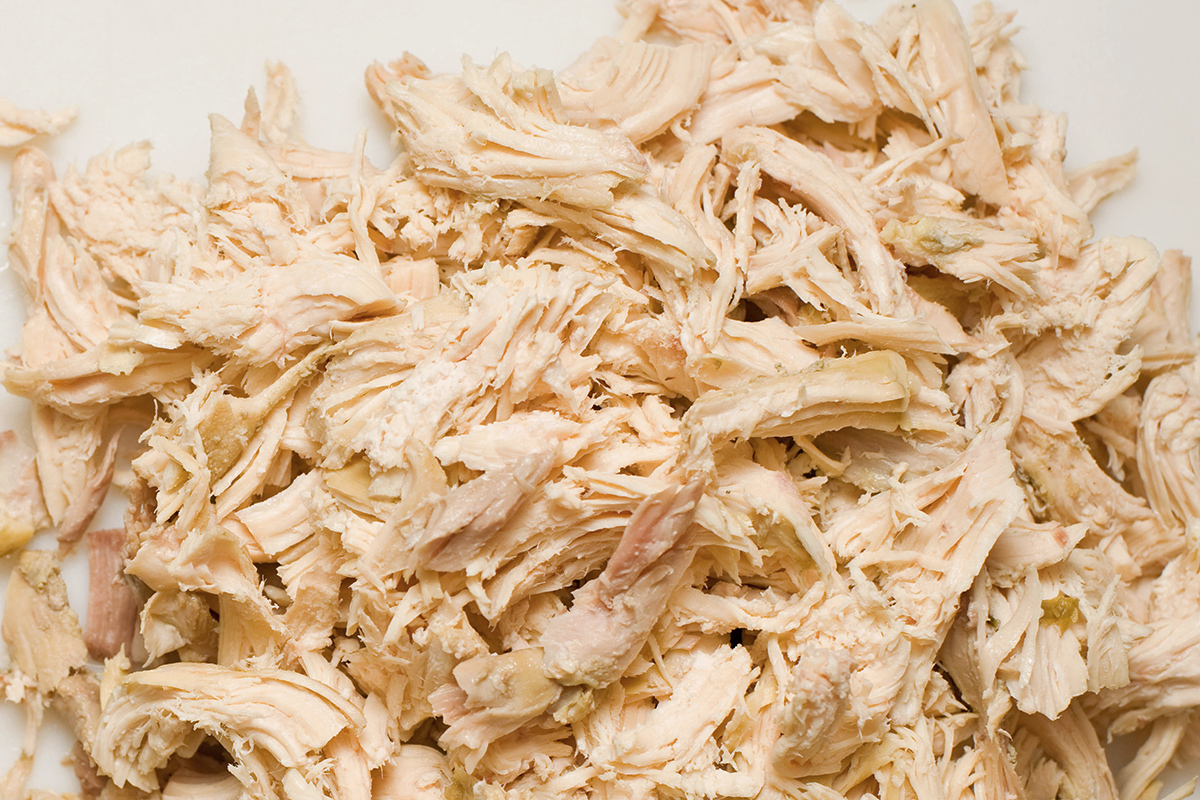
A stand mixer is the tool you never knew you needed for shredding meat. The key is to use the appliance’s paddle attachment (aka flat beater), as it results in uniform shreds and effectively contains the mess. Other attachments, such as the wire whip or dough hook, won’t be much help. If you don’t own a stand mixer, you can use a hand mixer with a beater attachment on the lowest speed setting. (Beaters are the standard attachments most models come with; they are teardrop-shaped with two loops of twisted metal.)

Once you’ve attached the paddle to your stand mixer, break the meat into large chunks and add it into the bowl. Turn the mixer to its lowest speed setting, and watch how quickly the paddle works its magic. The entire process may take only about 10 seconds (assuming the meat is tender and still warmed through).

Hot Tip

It’s always a good idea to shred meat while it’s hot, or at least warm, as the heat helps the muscle fibers separate cleanly. This results in long, fine shreds with a fluffier texture.

Advertisement

Once the meat is shredded, stop the mixer, add in your favorite barbecue sauce (if desired), and run the appliance for five more seconds to mix everything together. At this point, your meat should be evenly sauced and ready to serve.

Related: You Don’t Need To Cook Chicken as Long as You Think

One-Bowl Wonder

Not only does the mixer do a better job of shredding than hands ever could, but the bowl captures juices that would have otherwise been lost on the cutting board. You can then use these captured juices to make a sauce or help keep the meat moist. The bowl also serves as the perfect vessel for combining messy ingredients, such as pulled pork and coleslaw when preparing sandwiches.

This mixing method saves you a good chunk of time and makes cleanup a breeze, since the entire mess stays contained within the bowl and on the paddle, rather than spreading all over the countertop. The faster you finish cleaning, the sooner you can get to enjoying the delicious meal in front of you.

Advertisement
Featured Image Credit:  Brigette Supernova/ Alamy Stock Photo | Updated  Dec 19, 2025 |
Bennett Kleinman
Staff Writer
Bennett Kleinman is a New York City-based staff writer for Inbox Studio, covering topics for several brands including House Outlook and Better Report. He previously contributed to television programs such as "Late Show With David Letterman" and "Impractical Jokers," and digital publications like The Onion. Bennett is also a devoted New York Yankees and New Jersey Devils fan, and thinks plain seltzer is the best drink ever invented.
This article is for general informational purposes only.
Featured Image Credit:  Brigette Supernova/ Alamy Stock Photo | Updated  Dec 19, 2025 |
Advertisement
Gardening 3m read
717

The First Thing You Must Do With Every New Plant

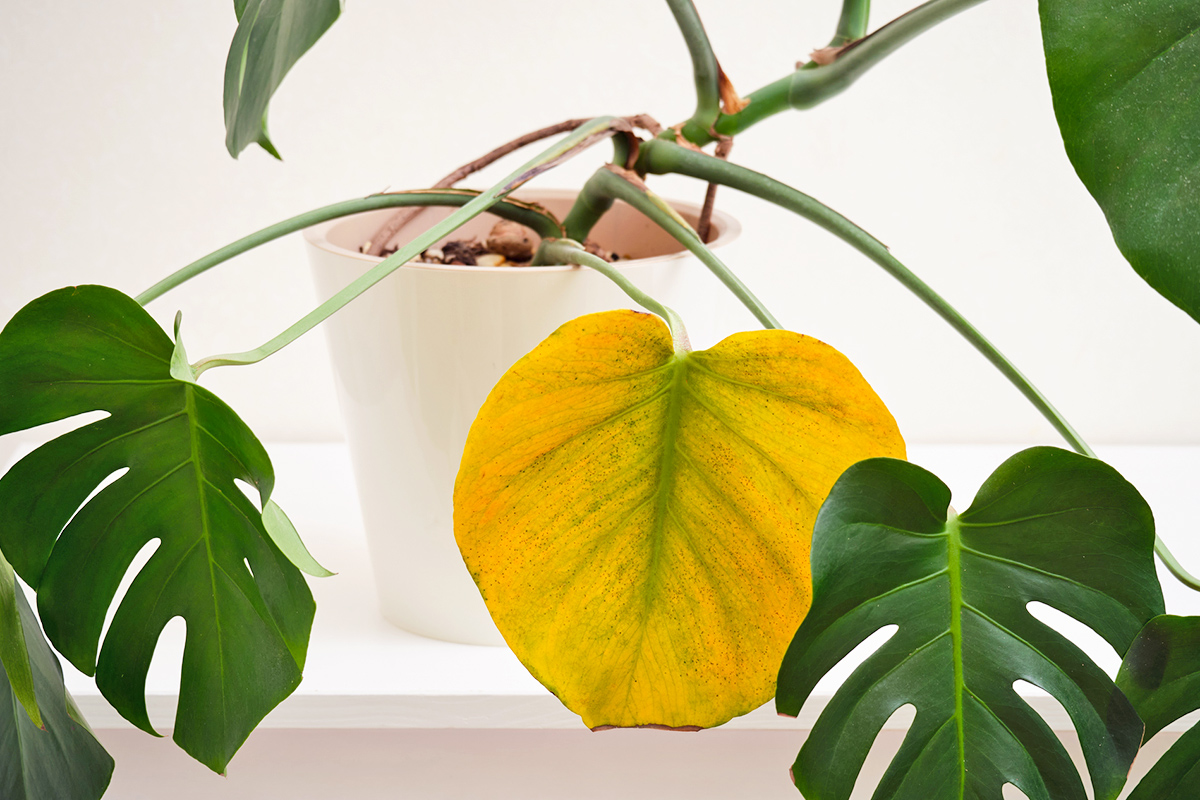
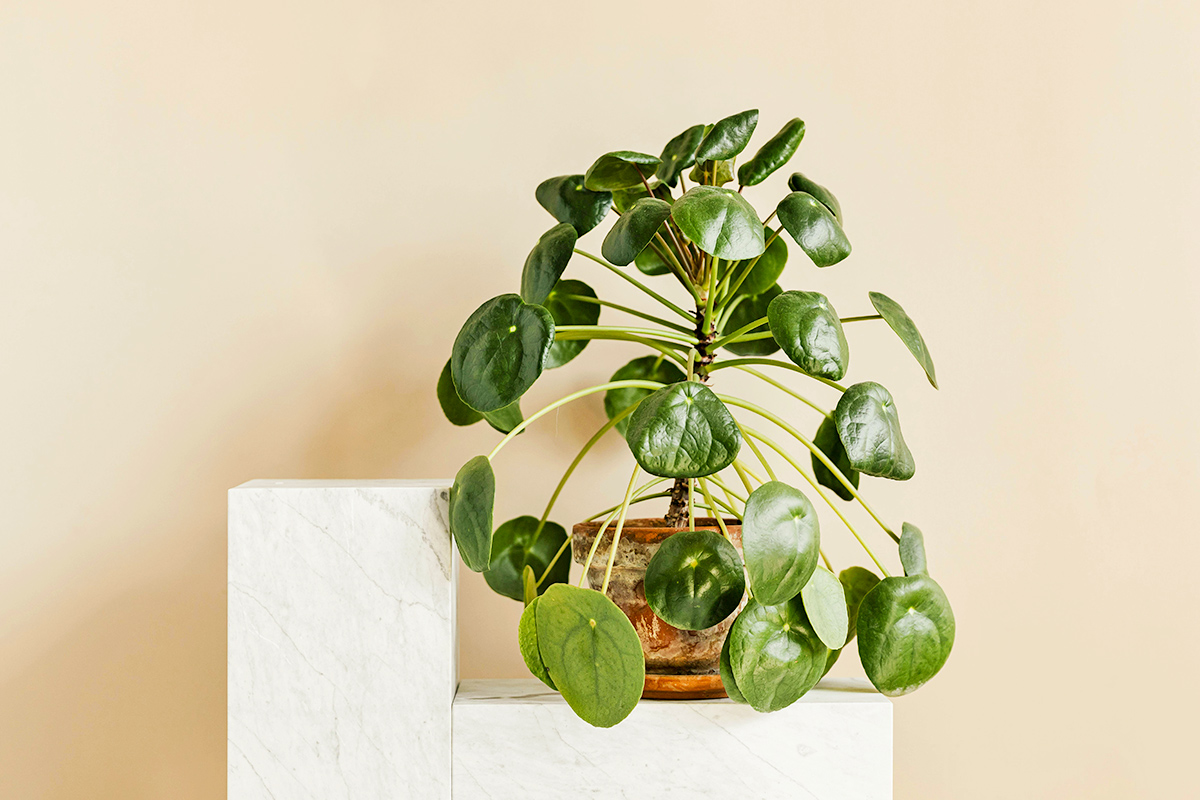
Becoming a “plant parent” is a crash course in plant care. Like any other living thing in your home — whether it’s a puppy or a sourdough starter — houseplants need a little nurturing. Unlike with a puppy or sourdough, however, it takes a while for their problems to become obvious. That’s how issues with one plant can spread to others before you ever realize what’s going on. If you want to avoid that and keep your existing plants healthy, it’s absolutely essential to quarantine any new plants you add to your household.

Becoming a “plant parent” is a crash course in plant care. Like any other living thing in your home — whether it’s a puppy or a sourdough starter — houseplants need a little nurturing. Unlike with a puppy or sourdough, however, it takes a while for their problems to become obvious. That’s how issues with…

Why Quarantining New Plants Is a Must

When you bring new houseplants into your home, you’re placing a great deal of trust in the supplier. Whether it comes from a store, a nursery, a friend, or a family member, always use discretion. Some sources are inherently better than others: A successful, reputable nursery, for example, is usually better than a supermarket, department store, or hardware store.

Related: 20 Essential Hacks Every Plant Parent Needs To Know

Still, no matter how trustworthy the source, don’t just plop a new plant down in the middle of the ones you’re already growing. The last thing you want is to infest your entire collection with aphids, spider mites, or some ghastly fungal or bacterial infection. A “time out” in quarantine should always be your starting point.

Advertisement

Managing the Quarantine

Picking a spot to isolate your new plant is the first step. This can be a challenge if every well-lit area in your house already has a plant or two. Ideally, the quarantine area should be in a room with no other plants. If that’s not possible, then place it as far away from your other plants as you can, specifically in a spot where air circulation won’t run from the new plant to your existing ones. If you must use a dark corner, plan on giving your new plant supplemental light from a grow light.

Next, give your new plant a thorough inspection. Look closely for curled leaves, spots, bumps, browning edges, wilting, or other signs of distress. Don’t forget to check the soil for larvae or insects as well. If you find any of these issues, consult the nursery or an online resource to determine the problem and treat it appropriately, whether with a pesticide, fungicide, or maybe just a good, deep watering. Then, continue to monitor the plant for about a week to see how it responds (and always wash your hands after handling it). When you’re confident that the problems are either nonexistent or resolved — and only then — you can move it to its permanent location.

Advertisement
Featured Image Credit:  Karola G/ Pexels | Updated  Dec 16, 2025 |
Fred Decker
Writer
Fred Decker is a trained chef and former restaurateur. Since closing his restaurants over a decade ago he has been a prolific freelance writer, publishing several thousand articles on dozens of high-volume websites including Taste Of Home, Hunker, Tasting Table, Week&, eHow, and GOBankingRates. He lives on a rural acreage shared with a big garden, chickens, rabbits, and grandkids.
This article is for general informational purposes only.
Featured Image Credit:  Karola G/ Pexels | Updated  Dec 16, 2025 |
Advertisement
Organizing 5m read
871

The Best Organizers To Tame Car Clutter

Since our cars are practically second homes — given how much time we spend driving — it’s no wonder that clutter tends to accumulate seemingly out of nowhere. Whether it’s the essential items you keep in your trunk, the kids’ toys and entertainment to keep them occupied on long drives, or your backup sunglasses that migrate endlessly from the cup holder to the door pocket, these items need designated spots that go beyond your car’s built-in storage. Fortunately, Amazon has every car organizer you can imagine.

All featured products and deals are selected independently and objectively by the author. House Outlook may receive a share of sales via affiliate links in content.

Since our cars are practically second homes — given how much time we spend driving — it’s no wonder that clutter tends to accumulate seemingly out of nowhere. Whether it’s the essential items you keep in your trunk, the kids’ toys and entertainment to keep them occupied on long drives, or your backup sunglasses that migrate…

Get your car clutter under control once and for all with the best car organizers. We scoured the online marketplace for everything from glove compartment and trunk organizers to mini trash cans and seat gap fillers. Here are our top picks.

1. TRUNKCRATEPRO Trunk Organizer

Whether you’re bringing groceries home or have a collection of essentials that end up getting tossed around while you drive, you need this trunk organizer. It’s available in three sizes and features an assortment of compartments for things like small tools, sporting equipment, and, of course, your weekly produce pickup.

TRUNKCRATEPRO Trunk Organizer
Price: $39.99
BUY NOW

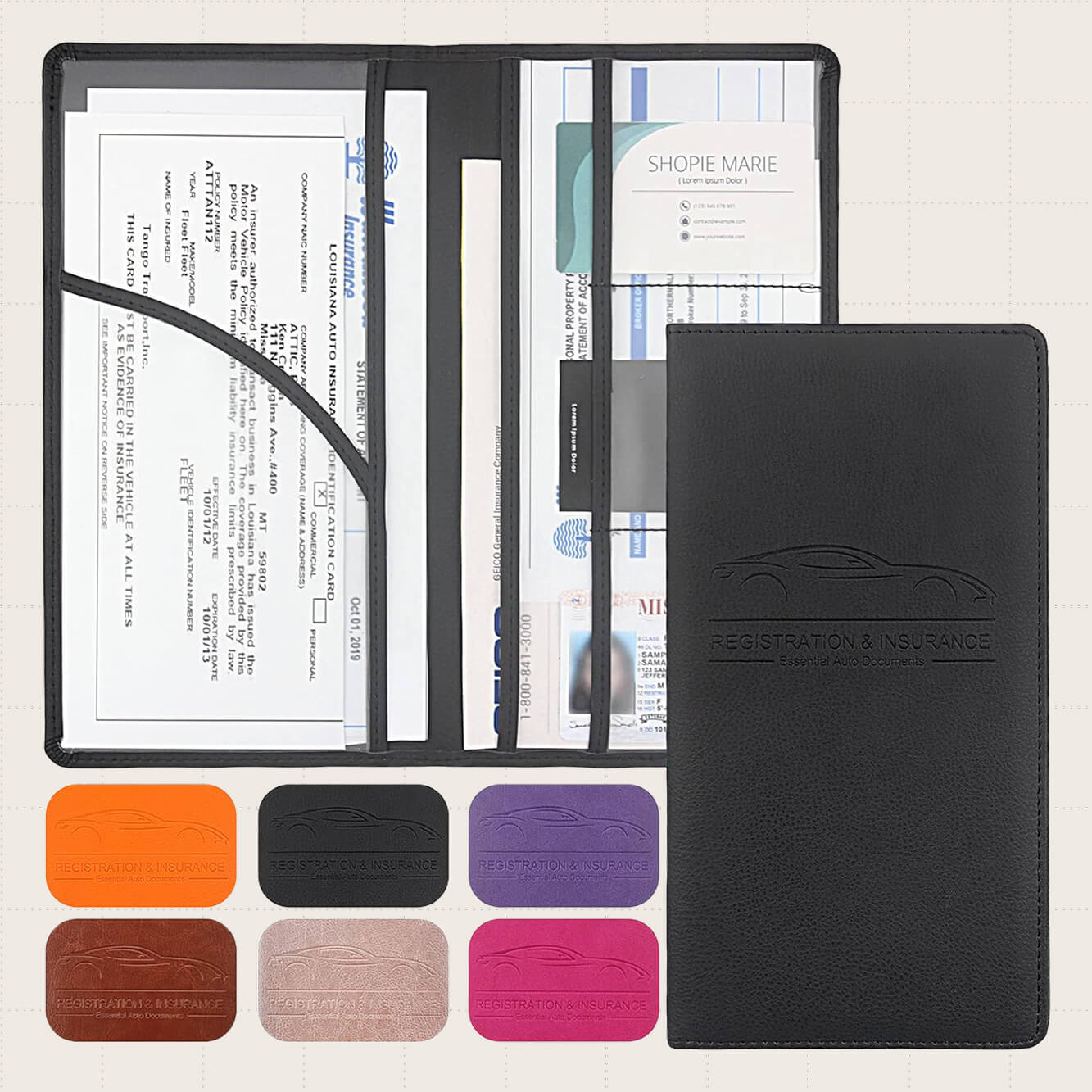
2. LumiMokki Car Registration and Insurance Card Holder

Glove compartments are a major culprit in car disorder and chaos. If you find that yours practically explodes with papers every time you open it, this car registration and insurance card holder is a must-have. The holder boasts a compact, billfold-like design that keeps your important documents neatly tucked away.

LumiMokki Car Registration and Insurance Card Holder
Price: $7.99
BUY NOW
Advertisement

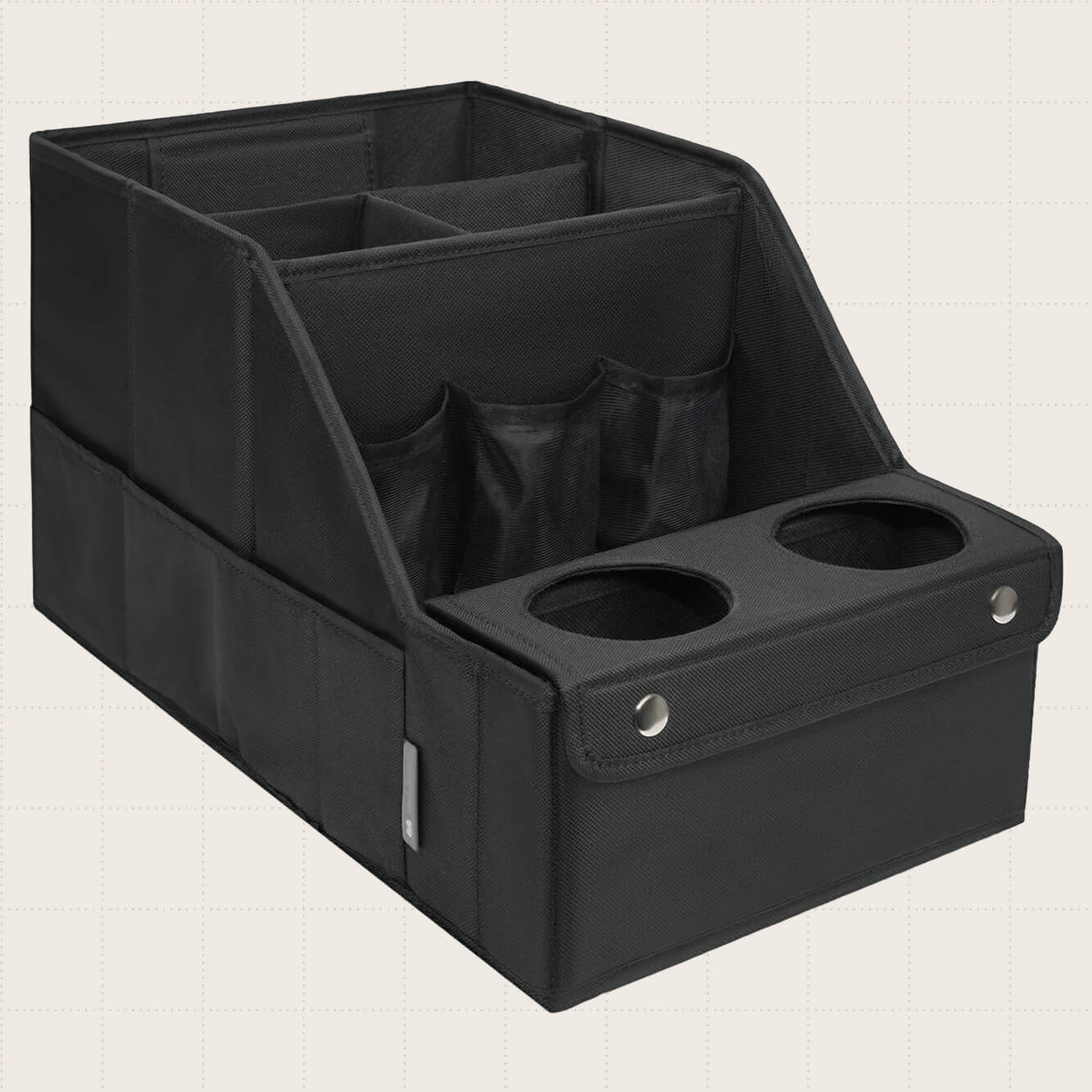
3. MULISOFT Car Seat Organizer

This car seat organizer comes in handy for keeping snacks, toys, and entertainment within easy reach during long road trips. It’s also a great (and much smaller) alternative to a trunk organizer, especially if you prefer to keep your groceries up front in the passenger seat.

MULISOFT Car Seat Organizer
Price: $24.99
BUY NOW
Related: A Gentle Way To Get Bug Splatter Off Your Car

4. Helteko Back Seat Car Organizer, Two-Pack

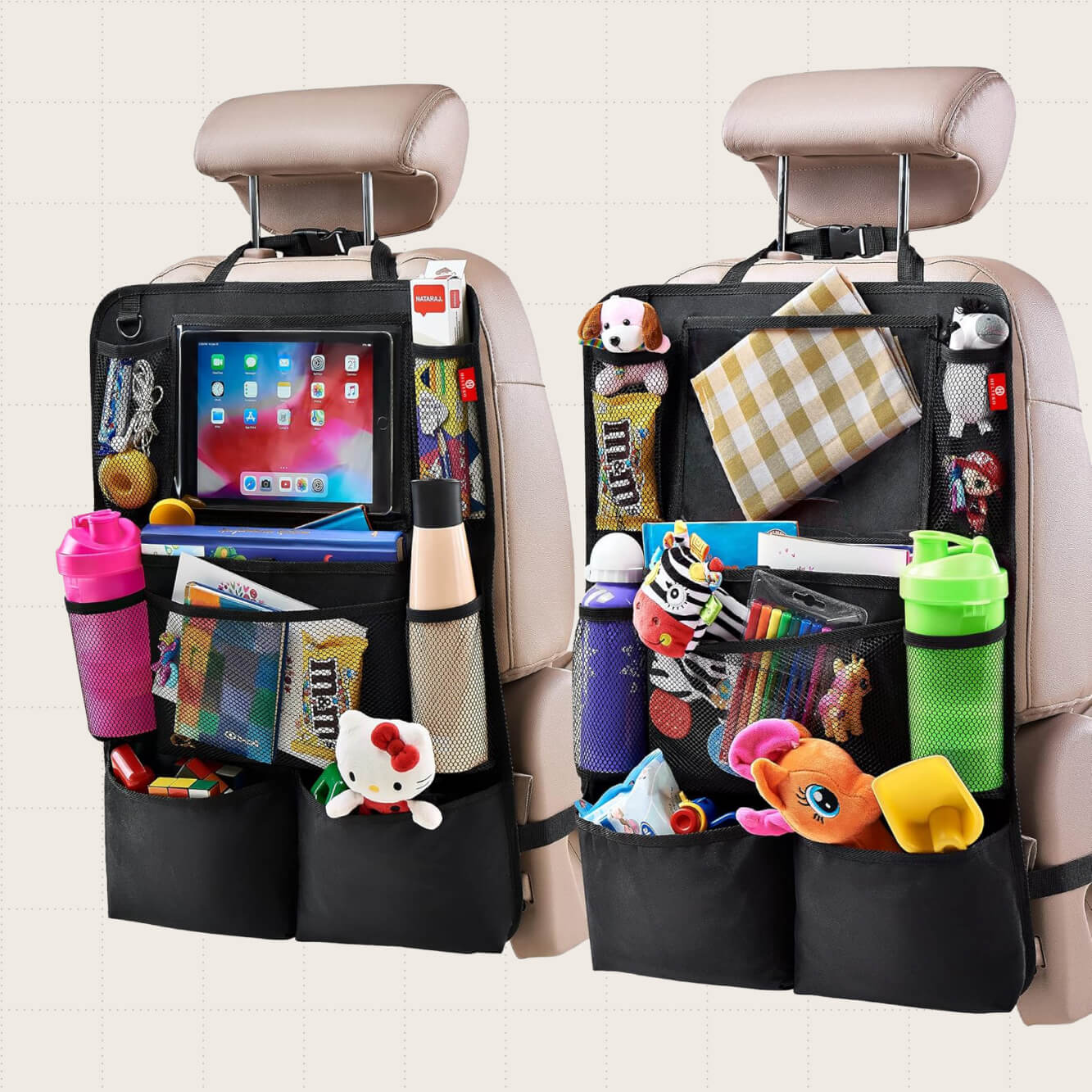
The backs of the driver’s and the front passenger’s seats are prime real estate when it comes to car organization — and we’re not talking about the small seat-back pocket. Make the most of this vertical space with the Helteko back seat car organizer. This item is similar to a behind-the-door organizer, but specifically designed for your car, complete with pockets and pouches for all your essentials.

Helteko Back Seat Car Organizer, Two-Pack
Price: $25.99
BUY NOW
Advertisement

5. Mr. Pen Baby Diaper Caddy

Parents can upgrade their car diaper changes with this convenient diaper caddy. Constructed from a soft felt fabric and featuring carrying handles, the caddy allows you to easily grab it from the back seat and keep it close while changing your baby’s diaper in the trunk of your car. 

Mr. Pen Baby Diaper Caddy
Price: $12.85
BUY NOW

6. HOTOR Car Trash Can

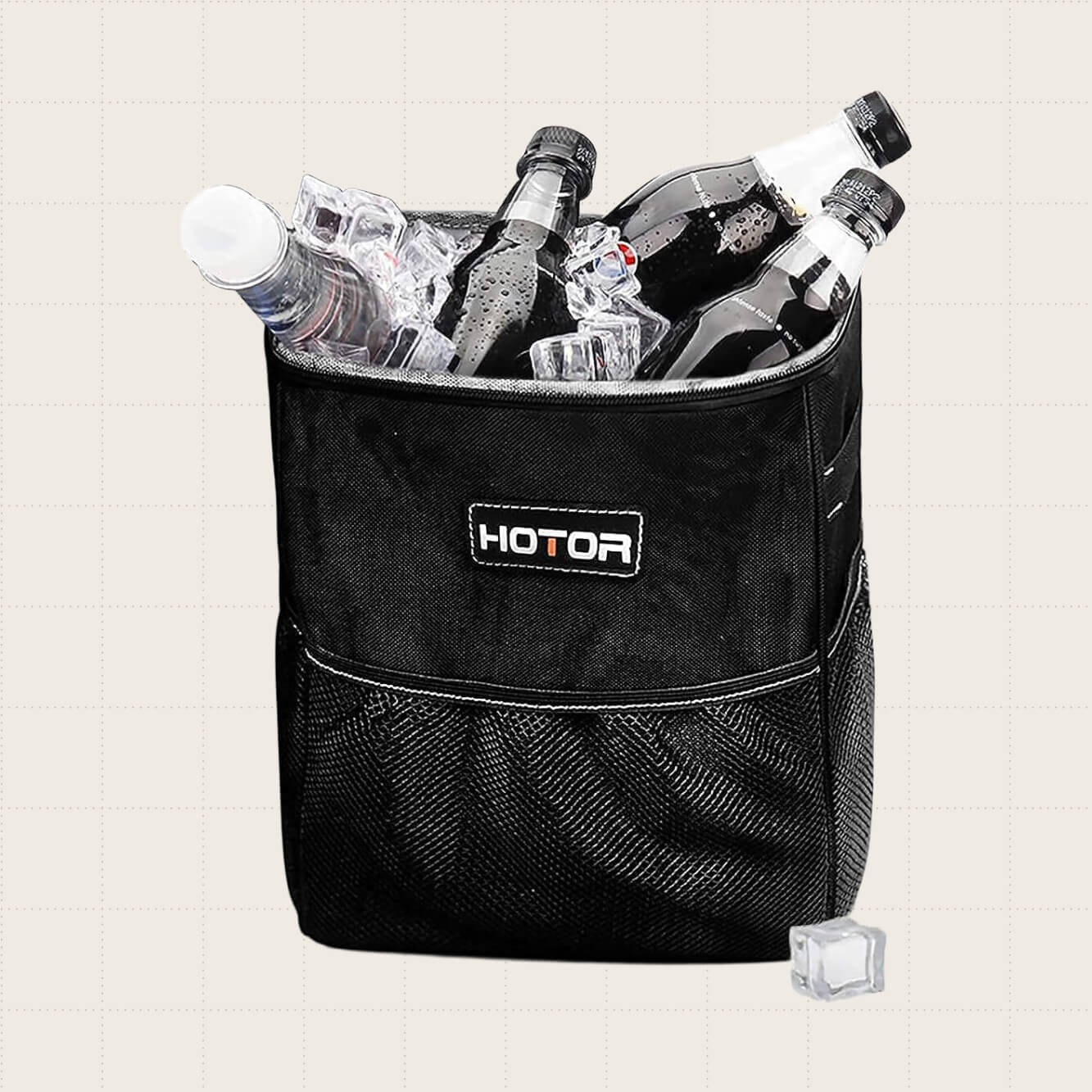
A car trash can is a total level-up for your backseat. Not only does this nifty container ensure you aren’t stashing wrappers and cans in the side of your door, but it also features external mesh pockets. These let you tuck hand sanitizer, wipes, and other personal care products right within reach.

HOTOR Car Trash Can
HOTOR Car Trash Can
Price: $9.99
BUY NOW
Advertisement

7. Amooca Car Seat Headrest Hook, Four-Pack

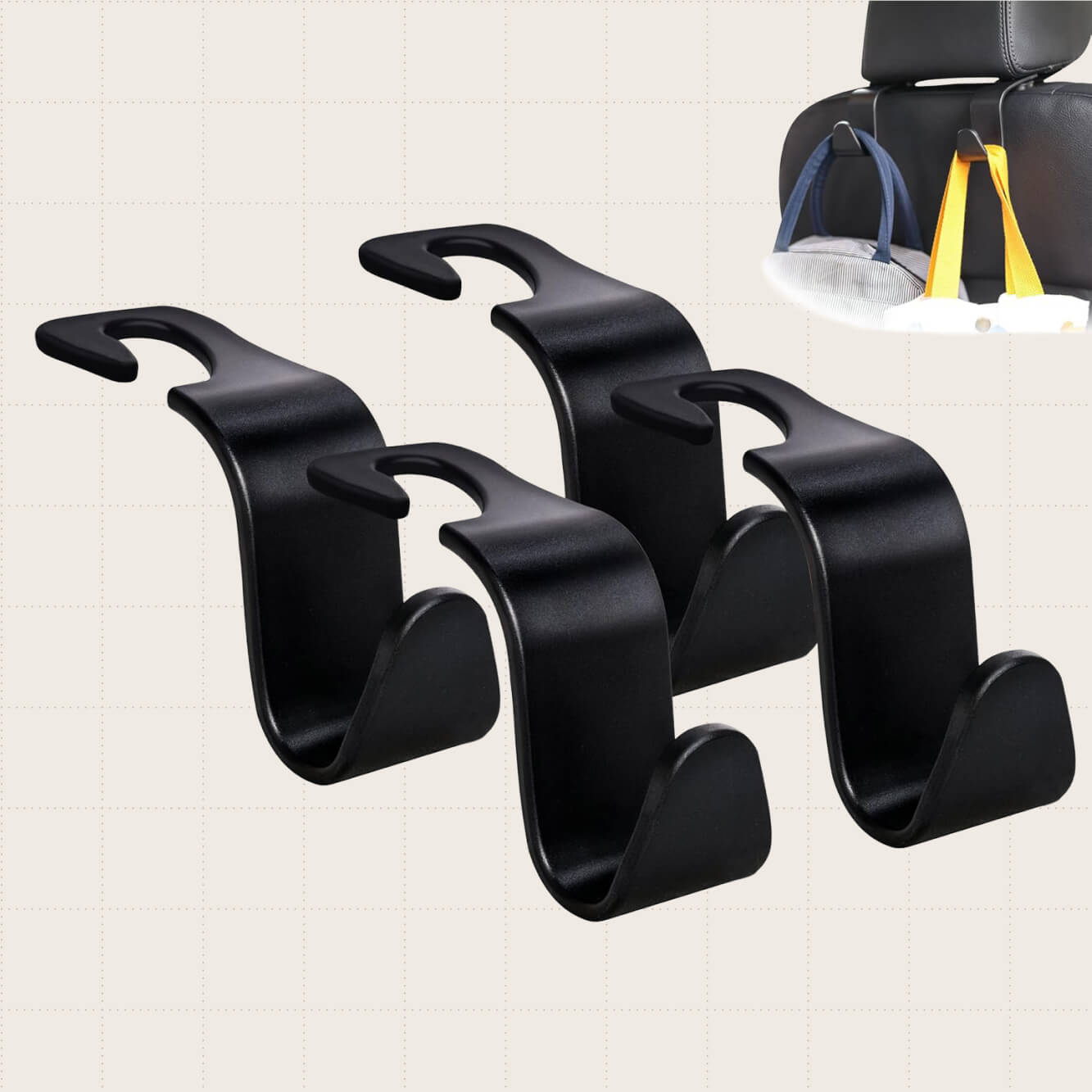
Instead of tossing your reusable shopping bags in the trunk or back seat, invest a few bucks in some headrest hooks. These hooks attach to the back of the headrest and allow you to hang your tote bags, keeping them organized and out of the way. Back seat passengers can also utilize the hooks for backpacks or handbags that they want to keep off the floor.

Amooca Car Seat Headrest Hook, Four-Pack
Price: $6.99
BUY NOW
Related: Create a Clutter-Free Home With These 10 Amazon Organizers

8. Femuar Car Trunk Organizer

If you don’t have the space for a larger trunk organizer, this back seat organizer is a great alternative. Again, it works much like an over-the-door organizer, allowing you to effectively utilize your car’s vertical space. The organizer drapes over the back seat and features plenty of pockets to stash away essentials.

Femuar Car Trunk Organizer
Price: $14.99
BUY NOW
Advertisement

9. Sotfamily Sunglass Holder for Car Visor, Two-Pack

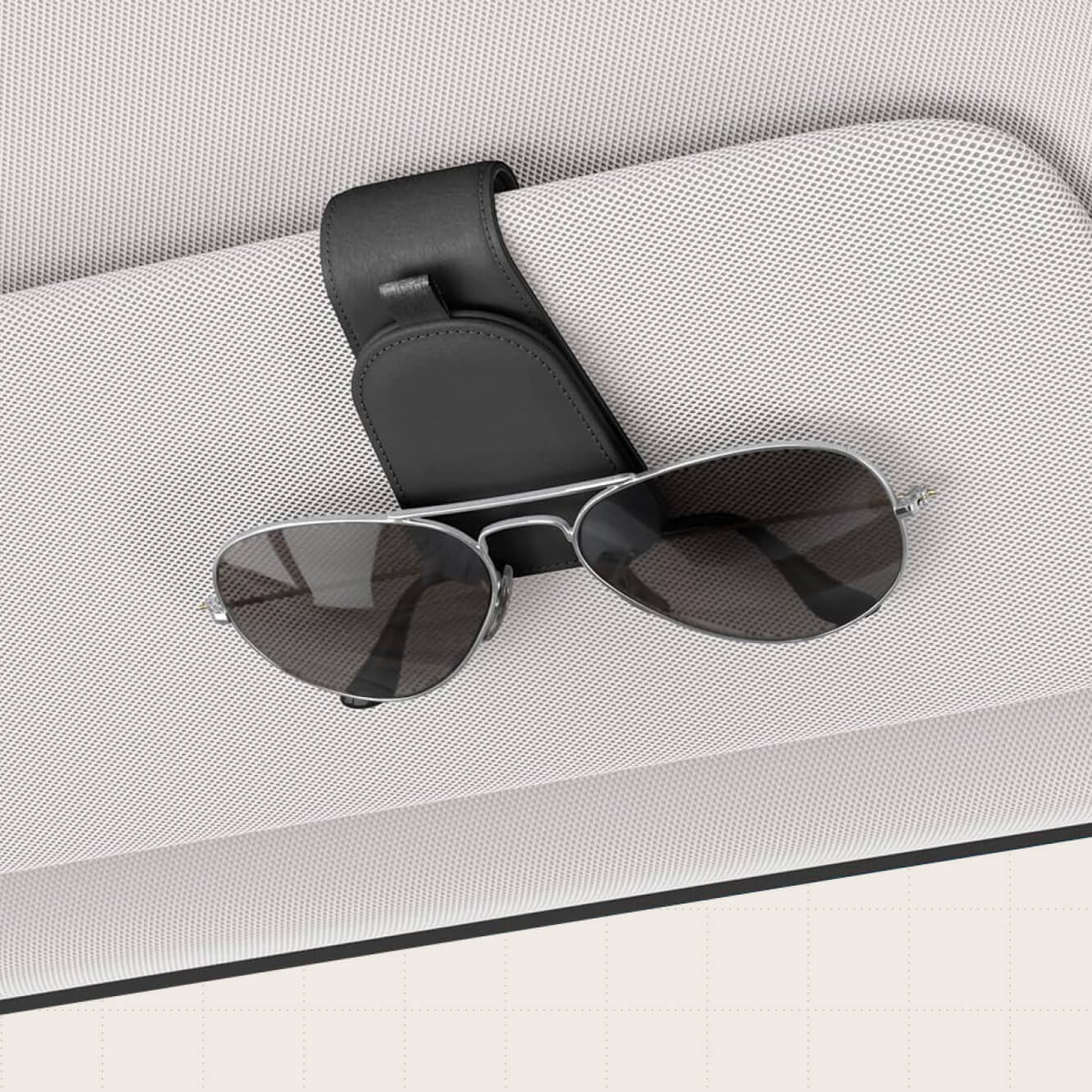
Sunglasses can take up precious cupholder space — or they can get tossed around in the center console and end up scratched. Instead, give those shades a designated spot of their own with these convenient sunglasses clips. The clips attach directly onto the car visor and feature a strong magnet to hold your sunglasses securely in place.

Sotfamily Sunglass Holder for Car Visor, Two-Pack
Price: $9.99
BUY NOW

10. YGDMD Car Seat Gap Filler Organizer, Two-Pack

This car seat gap organizer allows you to close up an area infamous for losing small items (phones, keys, the odd french fry), all while keeping you organized. Despite its small size, the organizer features specific spots for your phone and keys — what more could you need? Your purchase includes two gap fillers: one for the driver’s seat and another for the passenger’s seat.

YGDMD Car Seat Gap Filler Organizer, Two-Pack
Price: $12.99
BUY NOW
Advertisement
Featured Image Credit:  DragonImages/ Adobe Stock | Updated  Jan 26, 2026 |
Jessie Quinn
Writer
Jessie Quinn is a Los Angeles-based lifestyle journalist with words published in PEOPLE, StyleCaster, Apartment Therapy, The Spruce, Byrdie, and more. She has a Bachelor's Degree in fashion journalism from Academy of Art University and her work spans across many categories, including style, beauty, home, health, crafts, and more.
This article is for general informational purposes only.
Featured Image Credit:  DragonImages/ Adobe Stock | Updated  Jan 26, 2026 |
Advertisement
Decorating 2m read
29

Tired of Crooked Frames? Try This Easy Fix

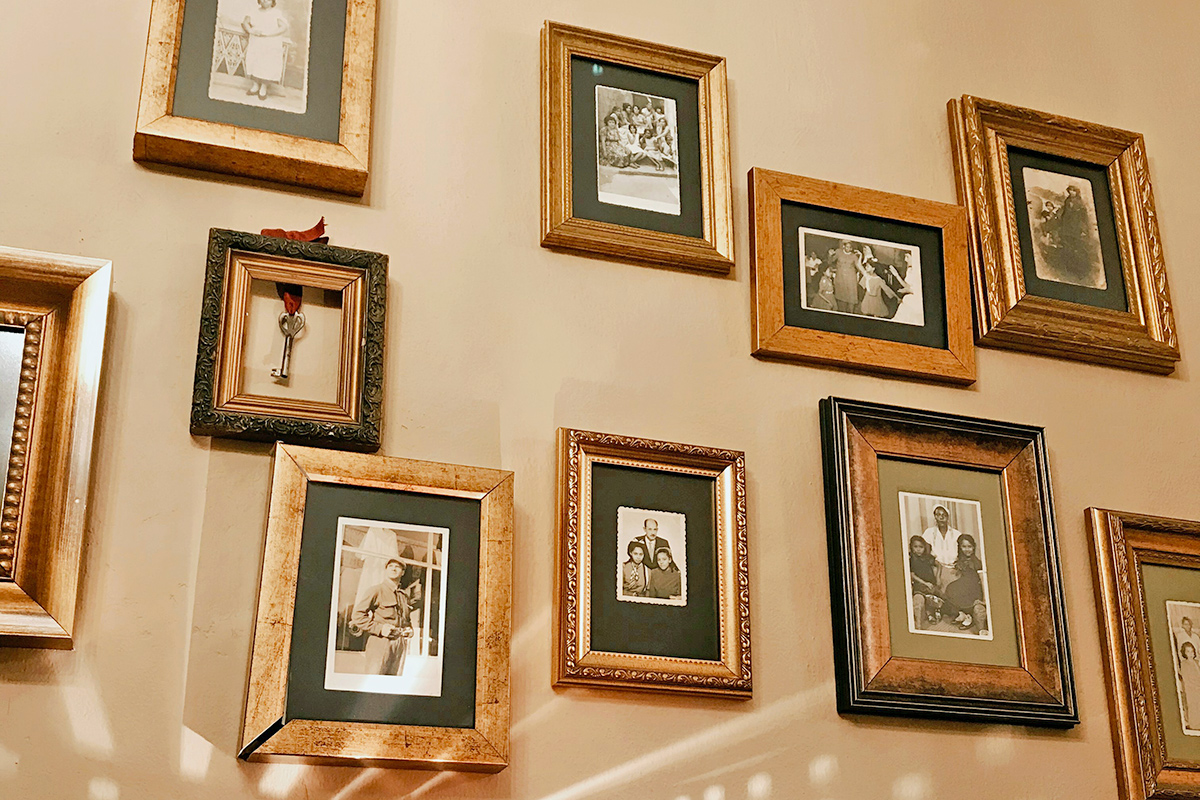
You could spend all day planning where you want to hang your picture and art frames, even making marks on the wall with a pencil, lining spots with painter’s tape, or cutting out pieces of kraft paper to map things out. Yet, when you leave frames hanging for a while — particularly on a wire or string using a single hook, nail, or screw — they can easily become crooked. Whether because of the constant foot traffic in your home or the vibrations from doors opening and closing, a once-leveled frame can tilt and shift over time. Luckily, all you need is some handy museum putty to firmly secure it in place. The fix costs under $10, and it’ll take only a few minutes of your time.

All featured products and deals are selected independently and objectively by the author. House Outlook may receive a share of sales via affiliate links in content.

You could spend all day planning where you want to hang your picture and art frames, even making marks on the wall with a pencil, lining spots with painter’s tape, or cutting out pieces of kraft paper to map things out. Yet, when you leave frames hanging for a while — particularly on a wire…

How To Fix Crooked Picture Frames

Museum gel is a miracle worker for keeping objects from sliding and falling, and its counterpart, museum putty, is just as effective. Museum putty — a thick, opaque, moldable adhesive — can be used to attach the back of a frame to your wall, preventing it from moving or shifting. The putty is designed to be removable and reusable, so you can take it off without damaging any surfaces.

To use museum putty to secure picture frames, pull off a small amount and roll it between your fingers until it softens. Apply a pea-sized ball of putty to each corner on the back of the frame you want to stabilize. Then hang the frame back on its hook, nail, or screw, make sure it’s level, and firmly press the frame against the wall. Now that the frame is anchored to the wall, you won’t have to worry about it going crooked and needing to be readjusted.

Advertisement
Related: 6 Tips for Arranging a Cohesive Gallery Wall

Museum putty is perfect not just for picture frames and wall art, but also for all the other pieces you hang up on your walls. This hack is a great solution for securing mirrors or even small floating shelves that tend to shift and become crooked.

Advertisement
Advertisement
Home Improvement 3m read
129

This Simple Hack Keeps Rodents From Sneaking Inside

Most homeowners have a clearly drawn line regarding which furry creatures are allowed indoors. While pet cats and dogs are OK, wild mice and rats are largely considered rodents non grata. Yet, determined vermin may still find a way to sneak inside, exposing cracks and crevices you might have overlooked. Here’s one hack that could solve this problem and keep pesky pests from entering your home.

All featured products and deals are selected independently and objectively by the author. House Outlook may receive a share of sales via affiliate links in content.

Most homeowners have a clearly drawn line regarding which furry creatures are allowed indoors. While pet cats and dogs are OK, wild mice and rats are largely considered rodents non grata. Yet, determined vermin may still find a way to sneak inside, exposing cracks and crevices you might have overlooked. Here’s one hack that could…

A Solution That’s Sharp as Steel

Rodents are highly intelligent critters with a good sense of smell, and they can easily track down warm air currents. This helps them locate potential entry points into a home, and their compressible bodies allow them to squeeze through the tightest of gaps — including those as small as a dime. We’re talking under baseboards, around pipes, or anywhere else there might be even an inch of open space. And if you fill the gaps with the wrong material, the rodents will simply chew right through it and come inside anyway.

Related: Do This Once a Year To Save Your Home From Rot

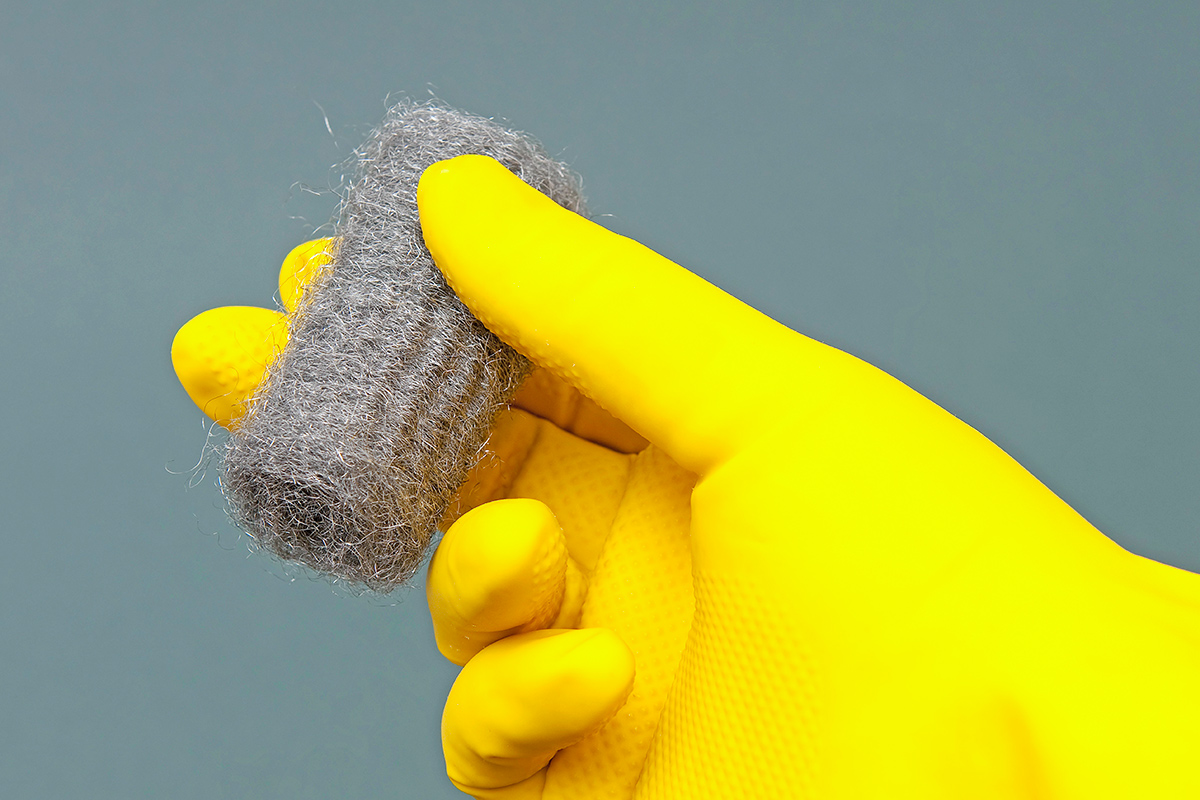
But one material that effectively deters mice and rats is grade 4 steel wool, which has sharp edges that prevent rodents from chewing through it. So if you have a rodent problem, grab some steel wool and fill up all the holes you find. You should use a screwdriver to push the wool into narrow gaps that your fingers may not be able to reach.

Advertisement

Go around the house and firmly lodge the wool below baseboards, around cable entrances, behind appliances, or anywhere else you discover openings. Make sure it’s tightly packed, because if you leave even the slightest gap, a rodent will likely find its way past the wool. For larger holes, use expanding foam alongside steel wool. This creates an airtight seal for added protection. As a bonus, the foam also prevents cold, drafty air from creeping into the home.

It’s important to note that steel wool is prone to rusting and should not be used on any openings exposed to moisture. For outdoor gaps or those around plumbing, use copper mesh instead; it’s rust-resistant and will do just as good a job of keeping vermin from getting inside.

Advertisement
Featured Image Credit:  Sergio Delle Vedove/ Alamy Stock Photo | Updated  Dec 8, 2025 |
Bennett Kleinman
Staff Writer
Bennett Kleinman is a New York City-based staff writer for Inbox Studio, covering topics for several brands including House Outlook and Better Report. He previously contributed to television programs such as "Late Show With David Letterman" and "Impractical Jokers," and digital publications like The Onion. Bennett is also a devoted New York Yankees and New Jersey Devils fan, and thinks plain seltzer is the best drink ever invented.
This article is for general informational purposes only.
Featured Image Credit:  Sergio Delle Vedove/ Alamy Stock Photo | Updated  Dec 8, 2025 |
Advertisement
Gardening 2m read
1,011

Does Adding Rocks to Plant Pots Really Help Drainage?

We love uncovering the best hacks to make your home a happier, more efficient, and more beautiful place to live. But sometimes we come across viral tips that are more urban legend than clever hack. You may have heard, for example, that adding rocks to the bottom of your plant’s pot can help with drainage. We’ve even tried this trick on our own plant babies several times. Unfortunately, it actually has the opposite effect.

All featured products and deals are selected independently and objectively by the author. House Outlook may receive a share of sales via affiliate links in content.

We love uncovering the best hacks to make your home a happier, more efficient, and more beautiful place to live. But sometimes we come across viral tips that are more urban legend than clever hack. You may have heard, for example, that adding rocks to the bottom of your plant’s pot can help with drainage.…

Rocks Invite Root Rot

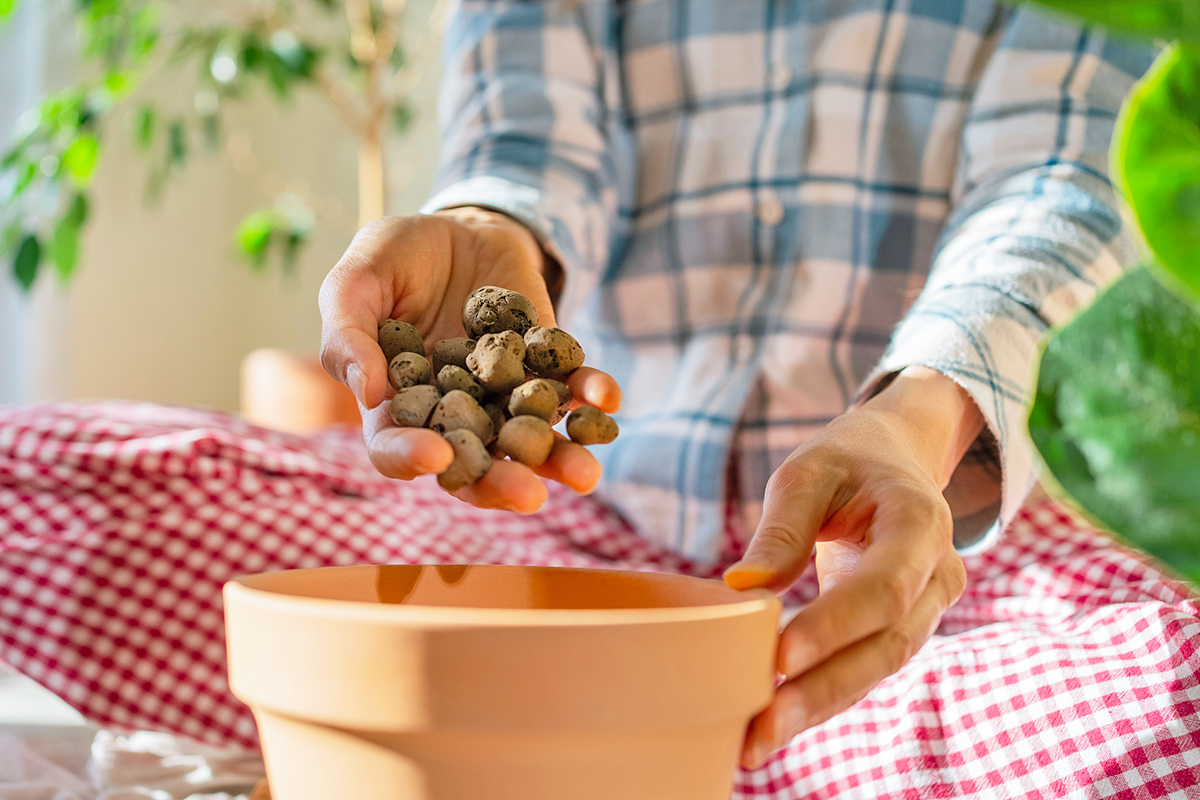
It’s a commonly believed houseplant myth that placing small rocks at the bottom of your plant’s pot promises better drainage. Honestly, we aren’t surprised it’s so well known — we can envision the trickle-down stream as we type this. But the truth is, the rocks create what’s known as a perched water table. This phenomenon causes water to accumulate and fully saturate the soil layer just above the rocks, preventing drainage and often leading to root rot.

Related: Why You Should Shower With Your Plants

Instead of placing a layer of rocks at the bottom of your plant pots, try adding a layer to the surface. Surface rocks can help with drainage and are a great solution for thirsty plants, since they act as a barrier to prevent evaporation and retain moisture. Placing rocks on top of your soil can also keep weeds at bay and provides a nice, clean look.

Advertisement

A Rock-Solid Idea

You can use rocks to create humidity for your plants, too. If you have a tropical houseplant — which most popular ones are — and don’t live in a tropical climate, your plant likely isn’t getting enough year-round humidity. To remedy this, you can get a larger plant saucer (around 3 inches wider than your pot’s base) and fill it with small rocks. Add a shallow layer of water to the tray, then place your pot on top. If your pot has drainage holes (which it definitely should), make sure any exposed roots are sitting above the water level. As the water in the tray evaporates, the plant will absorb the humidity. 

Advertisement
Featured Image Credit:  Elena Perova/ iStock | Updated  Dec 8, 2025 |
Jessie Quinn
Writer
Jessie Quinn is a Los Angeles-based lifestyle journalist with words published in PEOPLE, StyleCaster, Apartment Therapy, The Spruce, Byrdie, and more. She has a Bachelor's Degree in fashion journalism from Academy of Art University and her work spans across many categories, including style, beauty, home, health, crafts, and more.
This article is for general informational purposes only.
Featured Image Credit:  Elena Perova/ iStock | Updated  Dec 8, 2025 |
Advertisement
Decorating 3m read
120

3 Designer Rules for Making a Space Feel Cozy

A white room can feel like a blank canvas — or like you’ve just moved in and haven’t unpacked your personality yet. The good news is that warming up a boring, builder-grade space doesn’t require a major overhaul. According to TikTok creator and interior designer Lily Walters, if a room feels cold, it’s probably because everything inside it is “flat, new, and matching.”

All featured products and deals are selected independently and objectively by the author. House Outlook may receive a share of sales via affiliate links in content.

A white room can feel like a blank canvas — or like you’ve just moved in and haven’t unpacked your personality yet. The good news is that warming up a boring, builder-grade space doesn’t require a major overhaul. According to TikTok creator and interior designer Lily Walters, if a room feels cold, it’s probably because…

You can’t achieve coziness with a single beige throw blanket. Real warmth, as she explained in a recent video, comes from layering texture, mood-setting lighting, and pieces with personal meaning. Here’s how to bring those elements to life.

Layer Accent Lighting

White walls can quickly veer into feeling like a cold doctor’s office, especially when paired with harsh overhead lighting. Instead, build a warmer atmosphere with varied accent lighting. Mix a table lamp with wall sconces, a floor lamp, and even candles to create a soft, layered glow. (If your fixtures are on dimmers — allowing you to customize the light to pair with the mood and sunlight — even better.) Always choose bulbs rated at 2700 Kelvin; that’s the designer-approved sweet spot for warmth.

Make It Touchable With Texture

“Texture is what makes a space feel touchable,” Walters shared. It invites you to sit and stay awhile (unlike, say, your grandma’s plastic-covered couch). The trick is not being afraid to mix materials to add depth. Hang linen window coverings adjacent to a jute rug, add ceramic art pieces atop a wooden side table, or toss velvet throw pillows on a leather couch.

Advertisement

Contrasting with confidence is key. In her TikTok, the Denver-based interior designer suggested playing up contrast by pairing “shiny next to matte, old next to new, rough next to smooth.”

Related: 8 Clever Design Tips for a Cozy Space Without Clutter

Add Meaningful Pieces

Warmth isn’t just visual; it’s also emotional. Layer in meaningful objects that come with a story, such as a framed photo of your childhood dog, a ceramic bowl from a local maker, or artwork you brought home from your honeymoon in Rome. Any piece of decor — the weirder, the better — that makes guests pause and ask, “Where did you get that?” will make a space feel unmistakably yours. These small, personal touches create a one-of-a-kind warmth that no big-box accessory can match.

Advertisement
Featured Image Credit:  xavierarnau/ iStock | Updated  Dec 8, 2025 |
Megan McCarty
Writer
Megan McCarty is a Los Angeles-based writer who covers the fun stuff: design, travel, wellness, beauty, and fashion. She has written for publications including Domino, The Spruce, MyDomaine, Bustle, and Rue Magazine. Her life rules include, but are not limited to, zipper when merging, contribute to your IRA, and do the nice thing.
This article is for general informational purposes only.
Featured Image Credit:  xavierarnau/ iStock | Updated  Dec 8, 2025 |
Advertisement
Cleaning 2m read
1,105

The Right Way To Get Stains Out of Marble

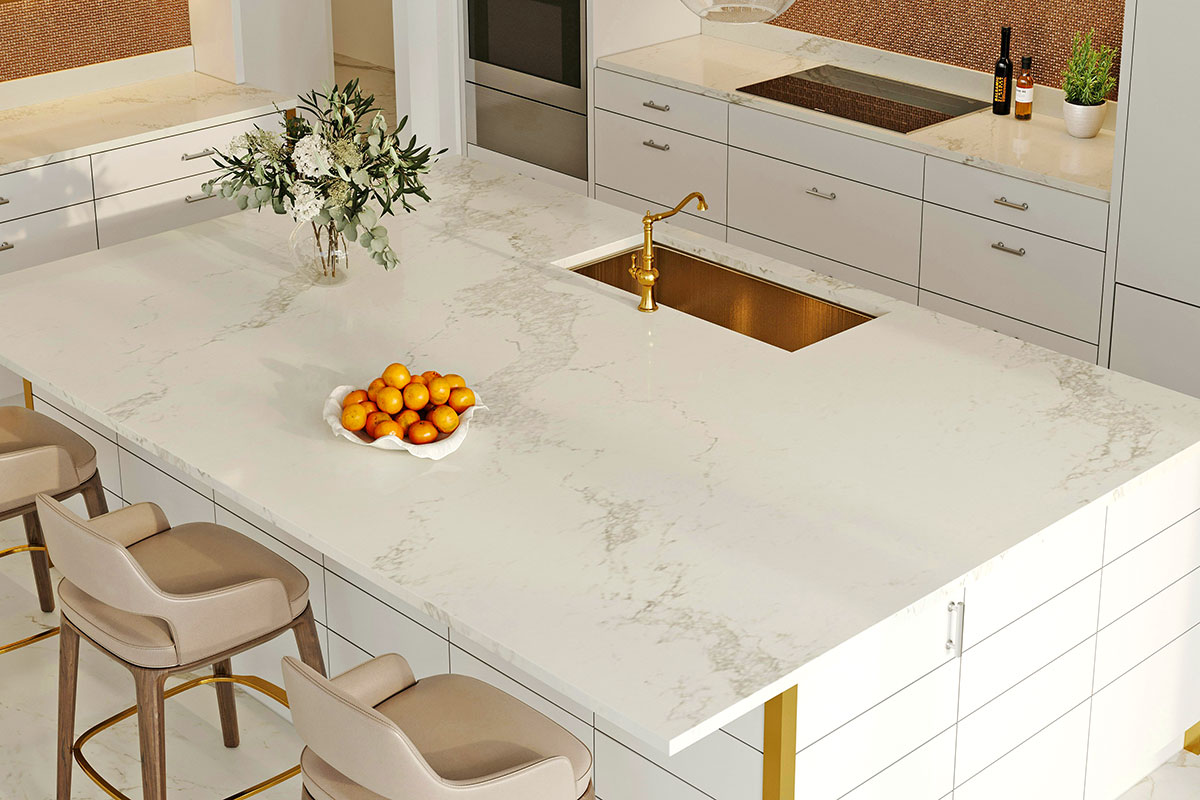
Marble countertops are a staple of luxury design, and for good reason. Whether in a bathroom or a kitchen, they bring a timeless, opulent look to any space. Due to its porous nature, however, marble is susceptible to stains, which is less than ideal considering how expensive it can be. Maybe it’s a spill of your morning coffee or post-dinner wine. Either way, the last thing you want to deal with is an unsightly stain. Accidents happen, though, and messes — especially in the kitchen — are inevitable. Thankfully, three items you likely already own can help remove the stains they leave behind. With a little patience and even fewer materials, your marble will be stain-free in no time.

All featured products and deals are selected independently and objectively by the author. House Outlook may receive a share of sales via affiliate links in content.

Marble countertops are a staple of luxury design, and for good reason. Whether in a bathroom or a kitchen, they bring a timeless, opulent look to any space. Due to its porous nature, however, marble is susceptible to stains, which is less than ideal considering how expensive it can be. Maybe it’s a spill of…

What You’ll Need

• Baking soda

• Plastic wrap

• Water

Related: Regrettable Cleaning Decisions That Damage Your Home

How To Get Stains Out of Marble

When you see a stain on your marble, don’t panic — all you need is baking soda, water, and plastic wrap. Create a poultice by mixing 3 parts baking soda and 1 part water, then evenly cover the stain with the paste and seal it with plastic wrap. Wait about 24 hours (or 48 hours for more stubborn stains). Finally, remove the plastic, wipe away the dried poultice, and the stain should be gone. Cleanup is easy using a cloth dampened with warm water and a pH-neutral dish soap.

Advertisement

How To Prevent Stains on Marble

There are a few ways to prevent stains on marble. First, seal the marble regularly. You can tackle this project yourself using a penetrating sealer formulated for natural stone. Apply a generous, even coat, allow it to penetrate the marble for the recommended time, and then wipe away the excess with a clean microfiber cloth. This creates a protective layer that both deters stains and makes cleanup simpler. While a good rule of thumb is to reseal marble every six to 12 months, you should refer to the product label for the manufacturer’s recommendation. Second, clean spills immediately after they happen. Allowing liquids to sit gives them more time to sink in and permanently stain the surface. Third, try to use coasters, placemats, and cutting boards to protect marble surfaces when preparing food or setting down drinks.

Advertisement