Advertisement
Cleaning 6m read
0

11 Household Items You Can Clean in the Dishwasher

When we think of the dishwasher, most of us picture plates, glasses, and utensils, but this hardworking appliance can do so much more than clean dinnerware. With the right settings and a little common sense, your dishwasher can be a powerful tool for cleaning many household items that are otherwise painstaking to scrub by hand.

All featured products and deals are selected independently and objectively by the author. House Outlook may receive a share of sales via affiliate links in content.

When we think of the dishwasher, most of us picture plates, glasses, and utensils, but this hardworking appliance can do so much more than clean dinnerware. With the right settings and a little common sense, your dishwasher can be a powerful tool for cleaning many household items that are otherwise painstaking to scrub by hand.

Discover surprising things you can safely wash in the dishwasher below. While you should always check the manufacturer’s recommendations, the dishwasher can save you time and elbow grease while delivering sparkling results.

1. Range Hood Filters

Cleaning greasy range hood filters is one of those chores we tend to put off, but you can let your dishwasher do the dirty work for you. Simply remove the metal filters, place them on the bottom rack, and run a normal cycle with your usual detergent. To prevent cross-contamination, wash the filters in their own load. Space them several inches apart and angle them slightly downward to allow the grease to drain.  The hot water and detergent will dissolve the built-up grease and grime, keeping the air in your kitchen cleaner and improving ventilation. Note: Charcoal filters are not dishwasher-compatible; aluminum versions can be washed, but they are prone to discoloration.
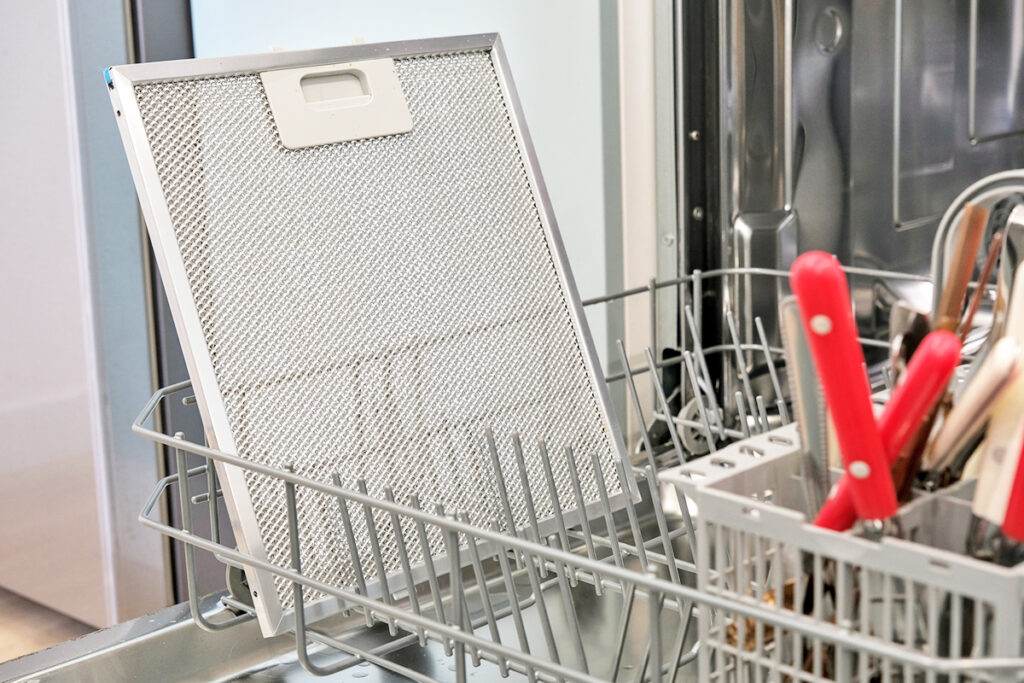
Credit: Igor Paszkiewicz/ iStock

2. Refrigerator Shelves and Bins

Glass shelves and plastic bins from your fridge often get gunky with spills and stains. Rather than scrubbing them in the sink, place removable parts on the bottom rack of your dishwasher. Use a gentle cycle and a mild detergent, and skip the high-heat drying cycle for plastics to avoid warping or melting. Once the cycle ends, just dry them off with a kitchen towel and slide them back in.
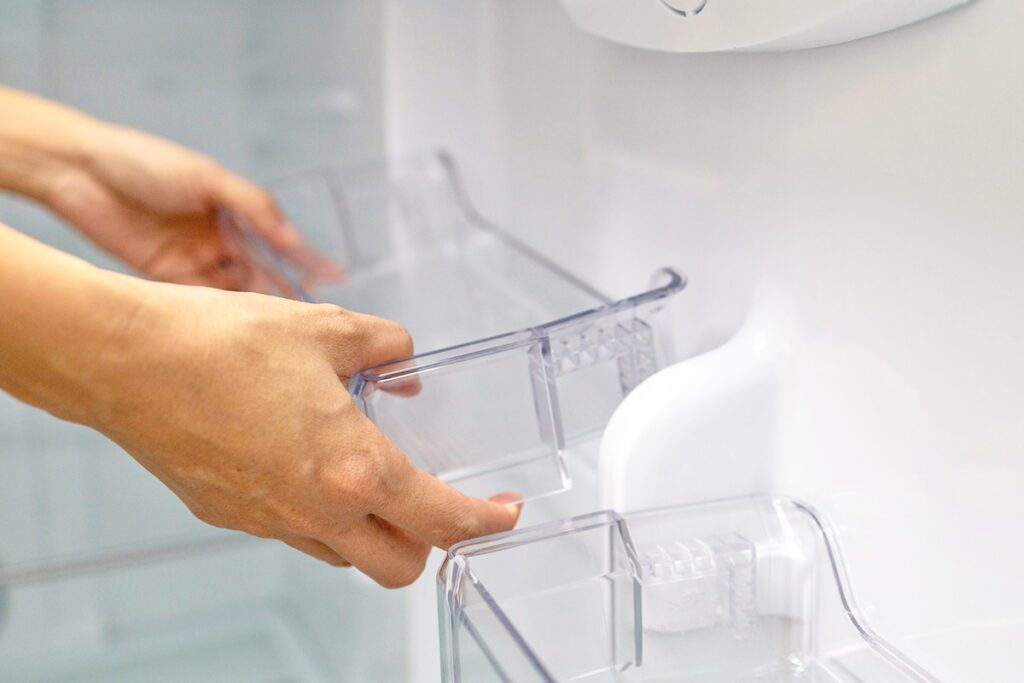
Credit: Thai Liang Lim/ iStock
Advertisement

3. Microwave Turntables and Plates

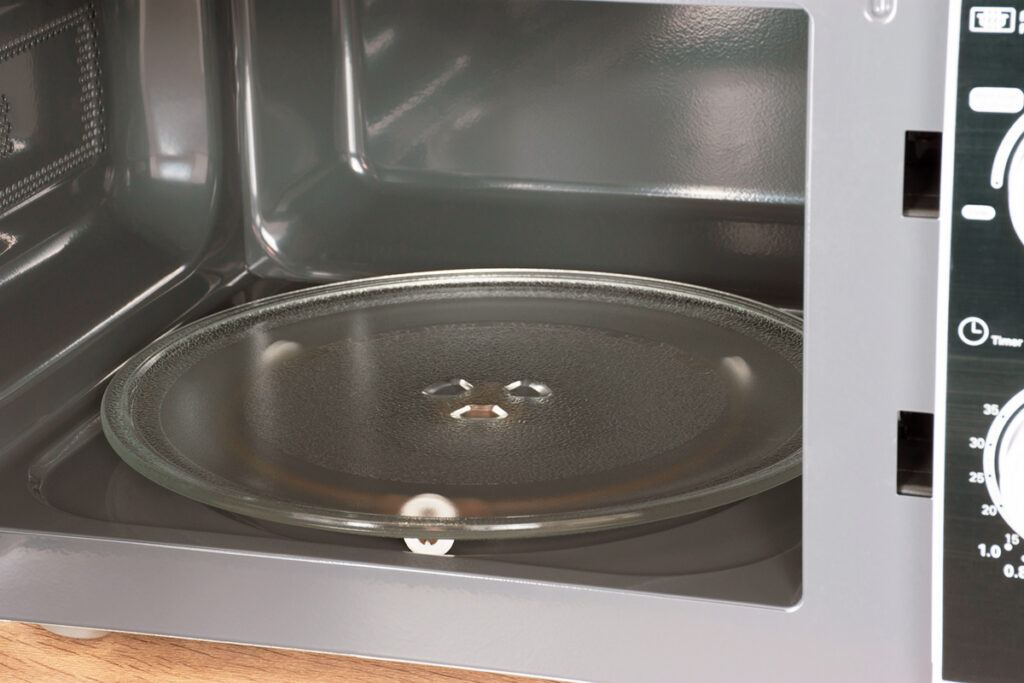
That microwave turntable is a magnet for stains and splatters. Instead of scrubbing it by hand, pop it in the dishwasher and select a normal cycle. It fits perfectly on the bottom rack and usually comes out spotless. If the support ring is also speckled with sauce, toss it in along with the turntable. Just remember to place it on the top rack to keep it secure during the wash cycle.
Credit: Birdlkportfolio/ iStock
Related: 12 Things You Should Never Put in the Dishwasher

4. Glass Light Fixture Covers

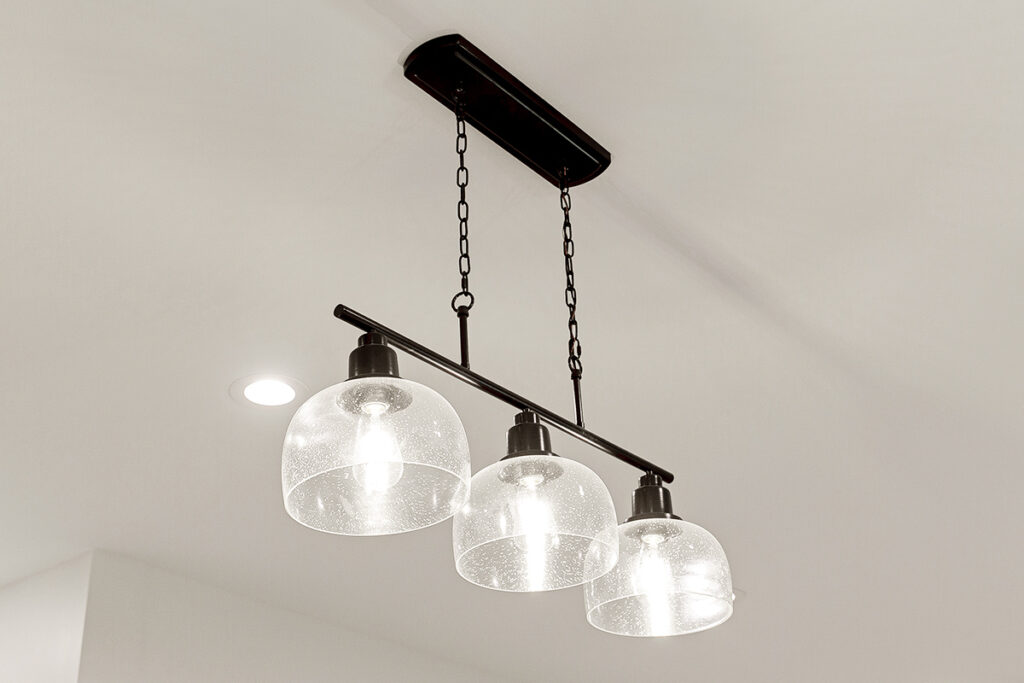
Dusty or sticky glass covers from light fixtures often seem too bulky for the sink and too delicate to scrub. Your dishwasher can handle the grime — just be sure the pieces are made from dishwasher-safe glass and place them carefully on the top rack. To prevent thin glass from cracking, avoid the high-heat drying cycle.

Credit: Bryan Chavez/ iStock
Advertisement

5. Toothbrush Holders and Soap Dishes

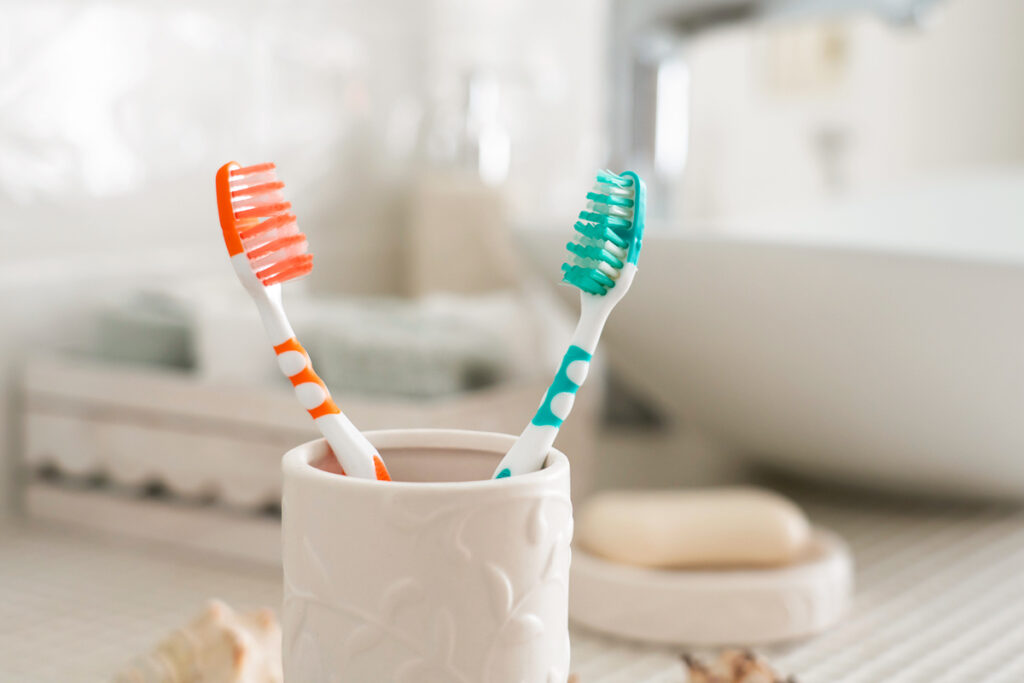
Bathroom accessories can accumulate toothpaste, mildew, and soap scum. Items such as toothbrush holders and soap dishes made from plastic, ceramic, or stainless steel are prime candidates for the dishwasher. Place them upside down on the top rack and let the machine handle the buildup.
Credit: Igor Klyakhin/ iStock

6. Hairbrushes and Combs

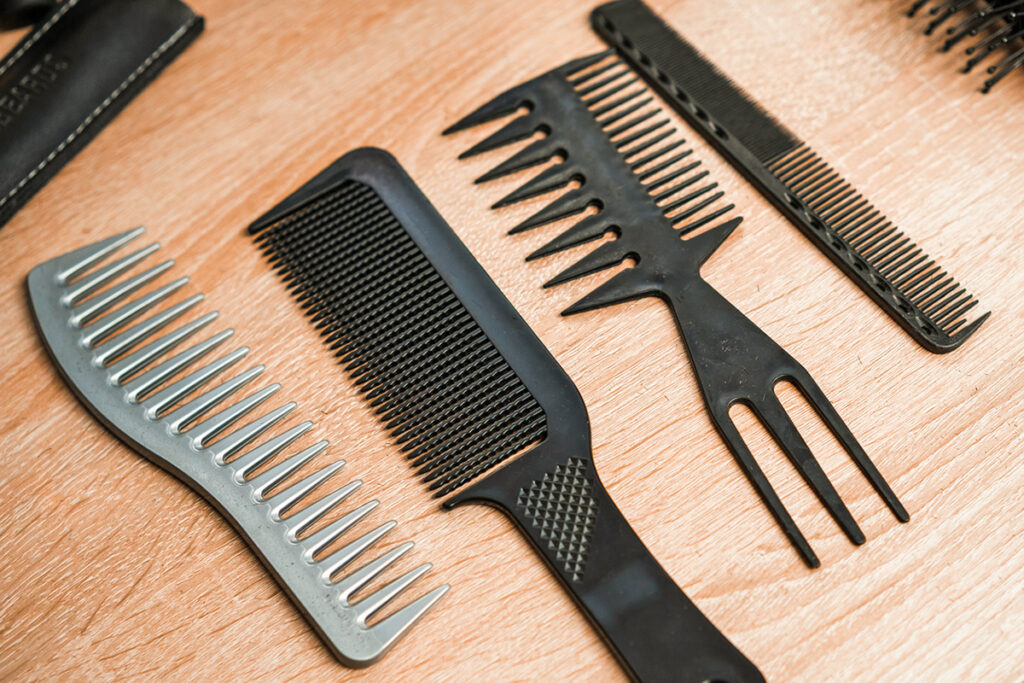
Plastic hairbrushes and combs can go in the dishwasher, but a little prep goes a long way. Remove hair from the bristles first, then place the items on the top rack in a basket to keep them secure. (Avoid using the utensil holder, which sits too close to the heating element on some older models and can melt or warp plastic.) The machine’s warm water and detergent will disinfect the hair tools and dissolve product buildup, leaving them like new. Never put hairbrushes with wooden handles, natural boar bristles, or rubber cushions through a dishwasher cycle, as this can lead to damage or mold growth.
Credit: Volodymyr Kalyniuk/ iStock
Advertisement

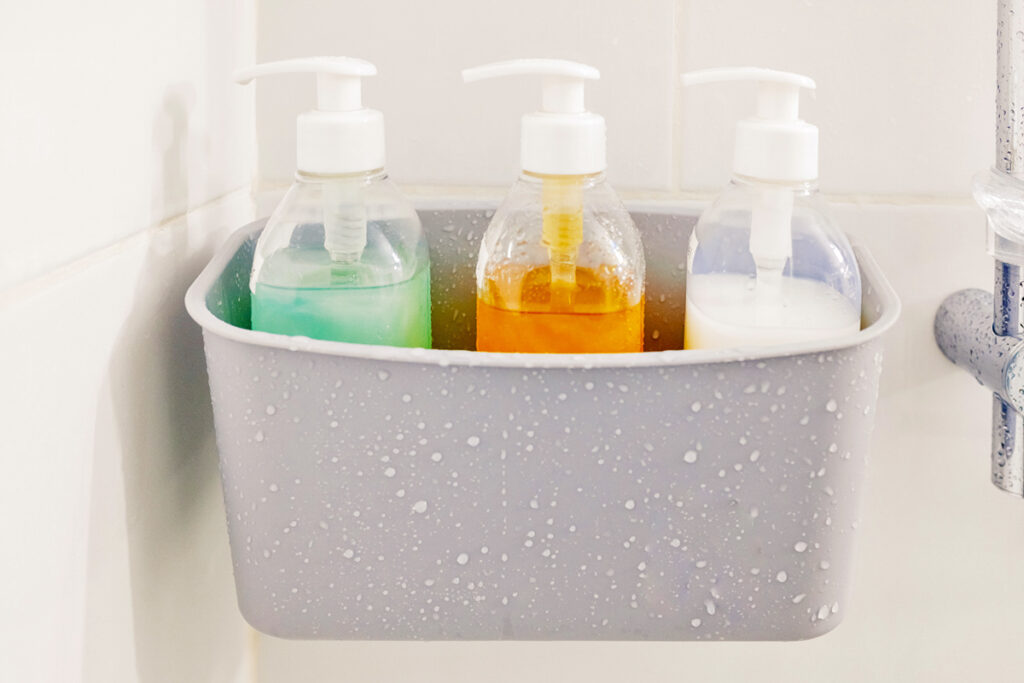
7. Plastic Shower Caddies and Soap Trays

Your shower caddy is a host to soap scum, hard water buildup, and who knows what else. Toss it in the dishwasher’s top rack and run a normal cycle. The hot water and detergent blast away grime better than a spray bottle ever could. While stainless steel, plastic, and silicone caddies are generally dishwasher-safe, skip the chrome-plated versions. Their protective coatings can be stripped by harsh detergents, causing them to rust.
Credit: CorbalanStudio/ iStock

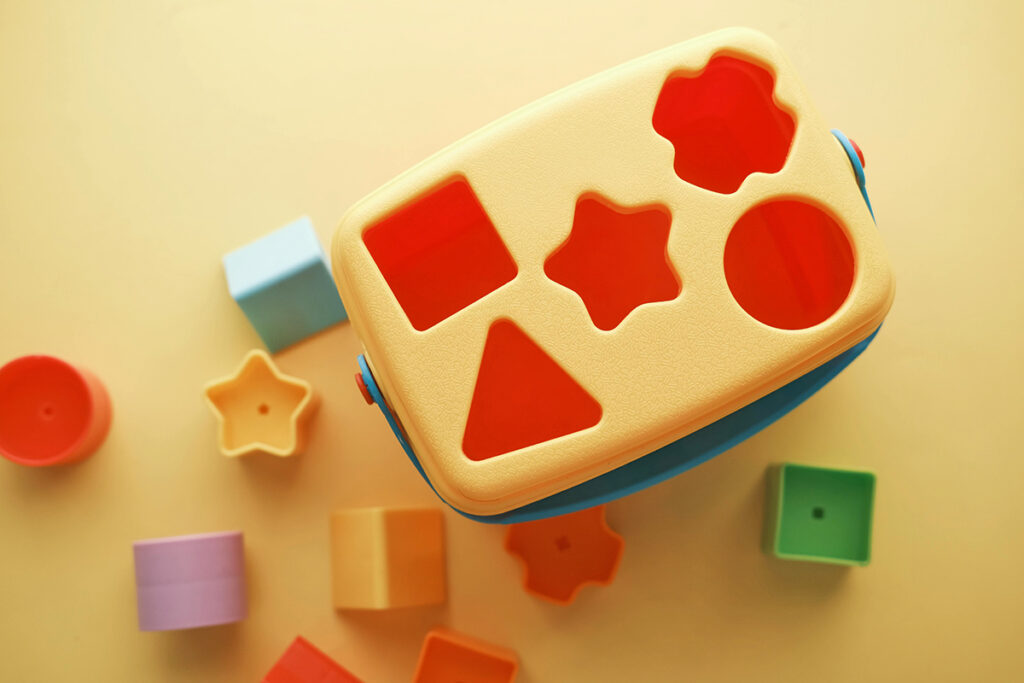
8. Kids’ Plastic Toys

Many plastic children’s toys — without batteries or electronics — can be refreshed in the dishwasher. Place them on the top rack and avoid the heat-dry setting if the plastic is lightweight. For smaller pieces, use a mesh bag or a stainless steel basket to prevent them from falling through the rack. It’s also best to hand-wash any “squeeze” toys, such as rubber ducks, to prevent trapped water from turning into mold.
Credit: Towfiqu barbhuiya/ Pexels
Advertisement

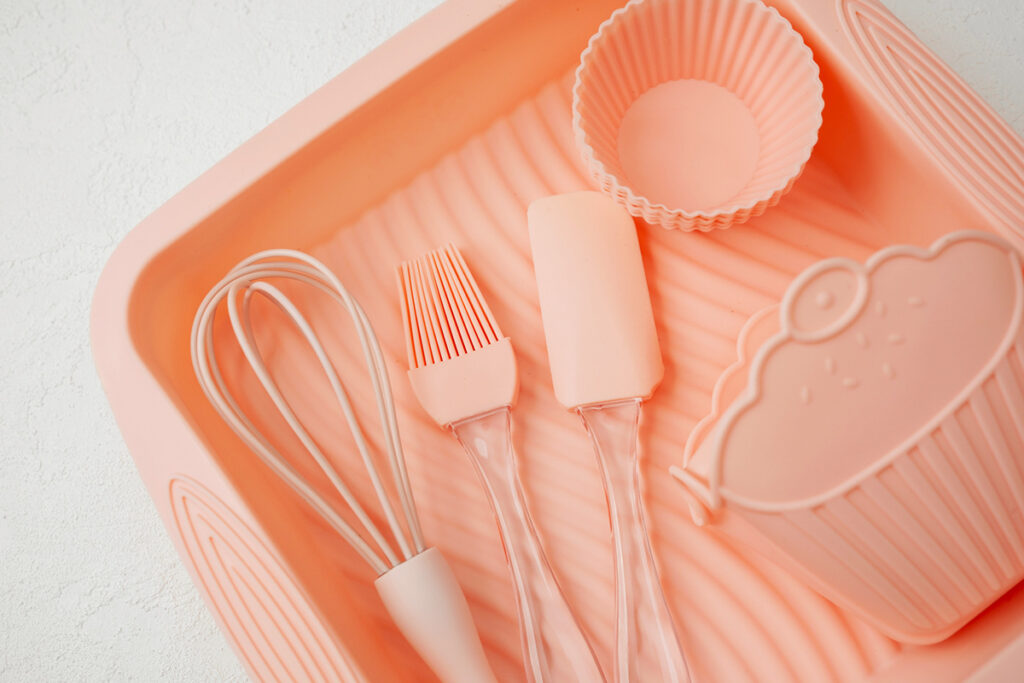
9. Silicone Baking Tools and Utensils

From silicone cupcake liners to spatulas and baking mats, most silicone baking tools are dishwasher-safe. Lay them on the top rack, where the heat and water circulation will reach nooks and crannies more effectively than hand-washing.
Credit: oliakolvitz/ iStock
Related: 9 Forgotten Household Filters You Need To Clean or Replace

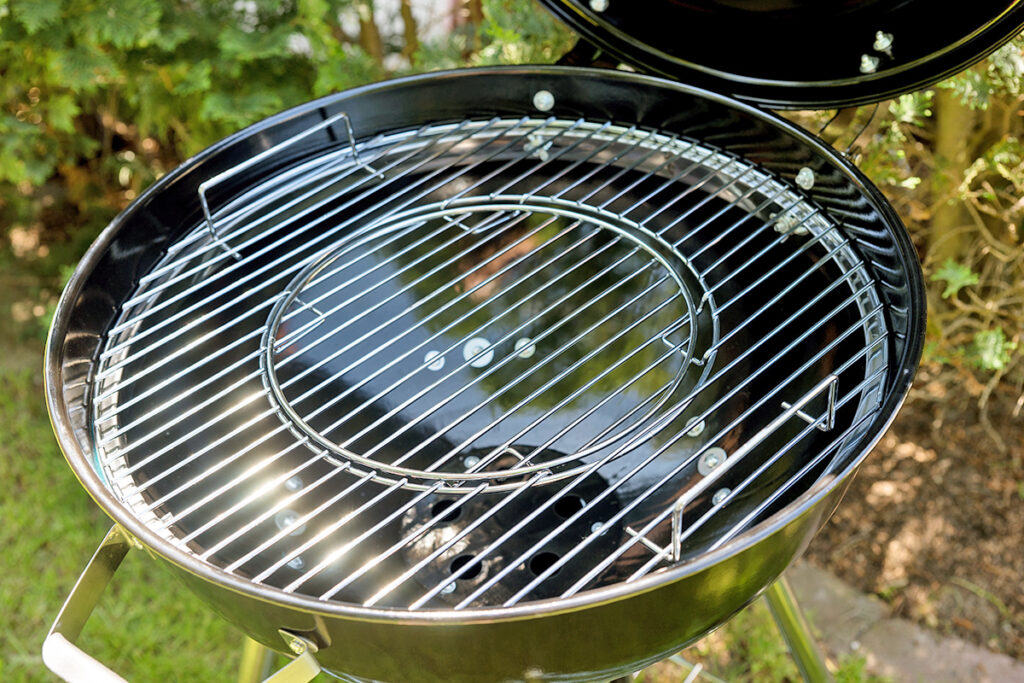
10. Grill Grates and Small Barbecue Parts

For small grill components that fit, the dishwasher can remove cooking grease faster than elbow grease. Place removable stainless steel or porcelain-enameled grill grates on the bottom rack and run a heavy-duty cycle. Avoid this method for cast iron, as the detergent and moisture will strip the seasoning and cause rust.
Credit: kelifamily/ Adobe Stock
Advertisement

11. Small Garden Tools and Pots

Gardening gear made from hard plastic, stainless steel, glazed ceramic, or rubber is typically dishwasher-safe. After rinsing off any visible dirt that could clog the filter, position your small hand tools, planters, saucers, seed starting trays, watering cans, and other equipment on the top rack. It’s best to wash these in a dedicated load and follow up with a quick empty cycle to keep dirt away from your dinnerware. Avoid the dishwasher when cleaning tools with wooden handles, terra-cotta pots, cast iron items, or copper and chrome-plated instruments.
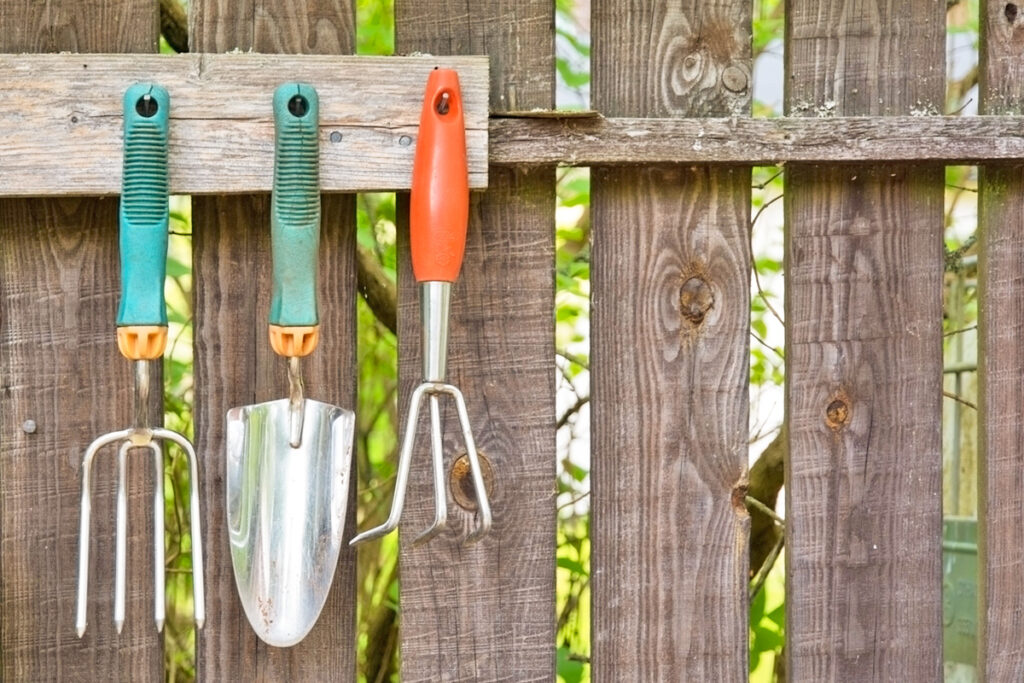
Credit: ArtesiaWells/ iStock

Dishwasher Safety Tips

Before washing nontraditional items:

Check materials: Avoid wood, cast iron, electronics, and anything labeled “hand-wash only.”

Secure small pieces: Use baskets or mesh bags to prevent smaller items from falling through racks.

Skip high heat for plastics: High-heat drying can warp lightweight plastics. Opt for air-dry or low heat settings.

Separate your loads: Run a dedicated cycle for especially greasy or grimy items rather than mixing them with dishes.

Your dishwasher can be one of your best cleaning allies when you know which items are safe to load. Next time you’re about to scrub stubborn grime by hand, consider letting the machine do the heavy lifting for you.
Advertisement
Featured Image Credit:  kunertus/ iStock | Updated  Mar 3, 2026 |
Jill Layton
Writer
Jill Layton started writing professionally when she realized her emails and texts were kinda funny. She’s an affiliate shopping writer and lifestyle contributor for Scary Mommy, Bustle, Mic, and Best Products. She’s the mom of two alarmingly witty kids and the world’s most perfect dog.
This article is for general informational purposes only.
Featured Image Credit:  kunertus/ iStock | Updated  Mar 3, 2026 |
Advertisement
Organizing 2m read
0

Follow the ‘Show vs. Stow’ Rule for a Stress-Free Home

Organization is the key to a stress-free home, but adopting a system that works for your lifestyle is often the hardest part of the process. You can declutter all day, every day, but without a strategy for where you place certain items and why, your space will quickly slip back into its old, chaotic patterns. For a home that stays organized without the need for constant tidying, follow the “show vs. stow” rule.

All featured products and deals are selected independently and objectively by the author. House Outlook may receive a share of sales via affiliate links in content.

Organization is the key to a stress-free home, but adopting a system that works for your lifestyle is often the hardest part of the process. You can declutter all day, every day, but without a strategy for where you place certain items and why, your space will quickly slip back into its old, chaotic patterns.…

The Show vs. Stow Rule

There’s no shortage of organization methods, from “one in, one out” and the 10-10 rule to the “core four.” While many of these focus on decluttering, the show vs. stow method is different. It prioritizes your daily needs, ensuring your most-used items are accessible within your personal setup.

Related: The 5/7 Rule for Cleaner, Clearer Surfaces

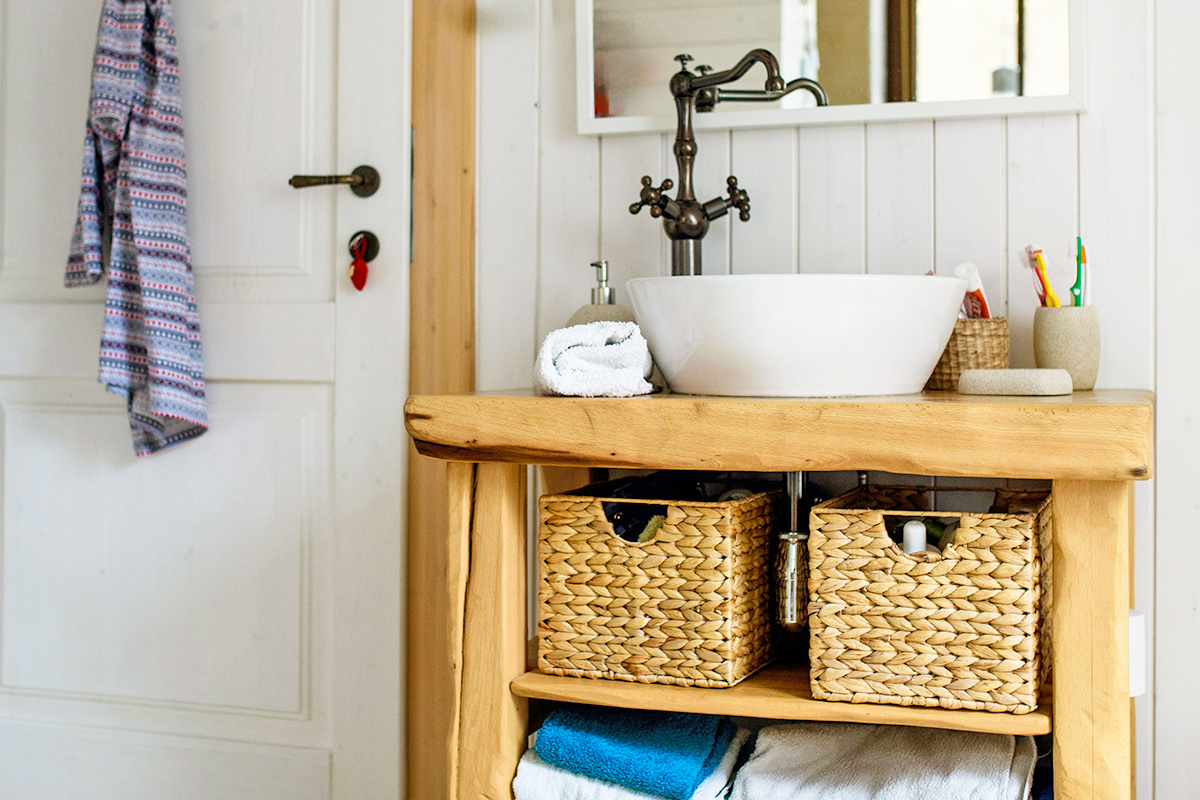
To start, consider the space you want to organize and your most essential needs. When TikTok creator @jenny.for.your.thoughts applied this rule to organize a bathroom, the “shows” included her most frequently used items, such as skin care, makeup, and allergy medications. These items should be front and center for easy access. You can use open shelving or decorative trays to keep your essentials visible yet contained and orderly. When your most-used items are the easiest to put away, a clear countertop — and a clear mind — will follow.

Advertisement

The “stows,” on the other hand, are occasional-use items better kept out of sight. Utilize concealed storage, such as medicine cabinets or vanity drawers. If your bathroom lacks built-ins, opt for freestanding cabinets, woven baskets, or an over-the-toilet storage unit.

Not Just for Bathrooms

While the “show vs. stow” rule works wonders for bathrooms, it can also be applied to other areas of your home. Try it out with the nightstands in your bedroom, the countertops in your kitchen, or the desk in your home office. This method reduces some of the friction that complicates our lives, making daily routines feel more manageable.

Advertisement
Advertisement
Cleaning 3m read
0

The 30-Second Trick for Hotel-Crisp Sheets Without an Iron

Sheets will inevitably wrinkle. Whether they’re fresh out of the dryer or nearing laundry day, the lightweight fabric is prone to wrinkles that can make your bedding look disheveled. Some people iron their linens to achieve hotel-level crispness, but there’s no need to spend 15 minutes at an ironing board when you can get the same results with significantly less time and effort.

All featured products and deals are selected independently and objectively by the author. House Outlook may receive a share of sales via affiliate links in content.

Sheets will inevitably wrinkle. Whether they’re fresh out of the dryer or nearing laundry day, the lightweight fabric is prone to wrinkles that can make your bedding look disheveled. Some people iron their linens to achieve hotel-level crispness, but there’s no need to spend 15 minutes at an ironing board when you can get the…

Ditch the Ironing Board

Instead of wrestling with an ironing board, you can use water and a wrinkle-release spray to achieve the same crispness in 30 seconds or less. It’s best to start with slightly damp fabric — this helps relax the fabric fibers and makes your bottle of wrinkle-release spray go further.

Related: One Little Trick That Makes Changing Sheets Faster

Fill a continuous mist bottle with lukewarm water and mist your bedding evenly until damp (not soaked). A continuous mist bottle works better than a regular spray bottle because it produces a fine, even layer of moisture without leaving behind wet spots. Once the fabric is damp, follow up with a light misting of Downy Wrinkle Releaser or a similar product, then tug the sheets tight from both sides of the bed. Use your hands to smooth out any remaining creases as the fabric settles. You can also use this trick on duvet covers, pillowcases, shams, and bed skirts.

Advertisement

Steam Your Sheets

If you don’t have those two items on hand, you can use your dryer to steam out wrinkles. Add two or three ice cubes to the drum during the last few minutes of a high-heat cycle. The heat of the dryer causes the ice cubes to melt and quickly evaporate, creating a steam effect that relaxes the fabric’s fibers. Remove the sheets from the dryer as soon as the cycle ends, and spread them across the bed while they’re still warm.

Bonus Hack

If you aren’t quite ready for laundry day, use a linen spray to refresh your bedding. While these concoctions are no replacement for a machine wash, they will give your sheets a much-needed boost and a fresher scent.

Advertisement
Featured Image Credit:  Natalia Blauth/ Unsplash | Updated  Mar 3, 2026 |
Jessie Quinn
Writer
Jessie Quinn is a Los Angeles-based lifestyle journalist with words published in PEOPLE, StyleCaster, Apartment Therapy, The Spruce, Byrdie, and more. She has a Bachelor's Degree in fashion journalism from Academy of Art University and her work spans across many categories, including style, beauty, home, health, crafts, and more.
This article is for general informational purposes only.
Featured Image Credit:  Natalia Blauth/ Unsplash | Updated  Mar 3, 2026 |
Advertisement
Food & Drink 2m read
0

A Time-Saving Hack for Perfectly Caramelized Onions

For anyone who loves to cook, the allium family — which includes onions, garlic, chives, leeks, shallots, and more — supplies some of the most fundamental flavors in the kitchen. The pungent, sulfur-based flavor compounds in these foods bring a savory kick to any dish, while a surprising sweetness hides beneath their sharp bite.

For anyone who loves to cook, the allium family — which includes onions, garlic, chives, leeks, shallots, and more — supplies some of the most fundamental flavors in the kitchen. The pungent, sulfur-based flavor compounds in these foods bring a savory kick to any dish, while a surprising sweetness hides beneath their sharp bite.

Caramelizing onions is a popular way to lean into that natural sweetness. They’re great on hamburgers and hot dogs and provide the base for popular dishes like French onion soup. The only downside is that the process takes more time and patience than most of us can muster on a weeknight. If you want that flavor without the endless stirring, there’s a downright brilliant shortcut you need to know.

How To Make Caramelized Onions Quickly

To understand this hack, it helps to know how onions caramelize. The standard technique is to fill a pan with onions and cook them over low heat, stirring constantly. As they wilt, they release juices containing their natural sugars and amino acids, which brown and mellow in the heat of the pan. It takes time, but the result is a batch of sweet, fragrant, and golden-brown caramelized onions.

Advertisement
Related: 3 Proven Hacks for Cutting Onions Without Crying

To speed up the process, just add water. Adding a splash of water (about 2 to 4 tablespoons) to the skillet and covering it with a lid creates steam, which serves two purposes: It keeps the onions from scorching and cooks them much faster than a dry, open pan. Once the onions wilt and release their juices — usually in just a few minutes — remove the lid and let the moisture evaporate as you stir for a few minutes longer. The onions will begin to brown as soon as the liquid reduces, completing the cooking process in record time.

Advertisement
Featured Image Credit:  funkybg/ iStock | Updated  Mar 3, 2026 |
Fred Decker
Writer
Fred Decker is a trained chef and former restaurateur. Since closing his restaurants over a decade ago he has been a prolific freelance writer, publishing several thousand articles on dozens of high-volume websites including Taste Of Home, Hunker, Tasting Table, Week&, eHow, and GOBankingRates. He lives on a rural acreage shared with a big garden, chickens, rabbits, and grandkids.
This article is for general informational purposes only.
Featured Image Credit:  funkybg/ iStock | Updated  Mar 3, 2026 |
Advertisement
Decorating 3m read
0

The One Thing You Must Do Before Lighting a Candle

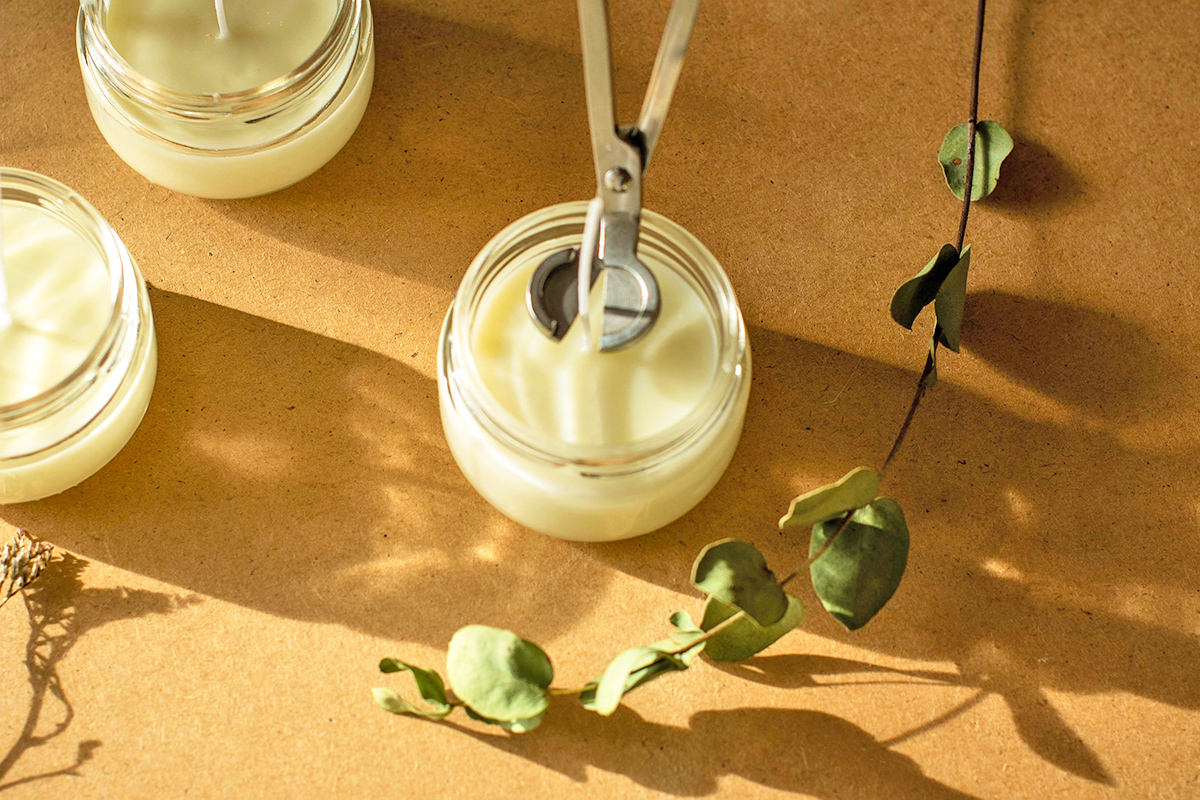
Between the gentle scent and the warm glow, lighting a candle creates an undeniably cozy feeling in your home. But before you strike a match, take a moment for one small step that makes a big difference in the lifespan of your candle: trimming the wick. It may seem like a minor task, but trimming the wick sets the stage for a cleaner, safer, longer-lasting burn. Using a wick trimmer or a petite pair of scissors, cut the wick of new candles to about 1/4 inch with one clean, horizontal snip. 

All featured products and deals are selected independently and objectively by the author. House Outlook may receive a share of sales via affiliate links in content.

Between the gentle scent and the warm glow, lighting a candle creates an undeniably cozy feeling in your home. But before you strike a match, take a moment for one small step that makes a big difference in the lifespan of your candle: trimming the wick. It may seem like a minor task, but trimming…

Read on for four reasons why trimming the wick deserves to be part of your candle-lighting routine, before the first lighting and every burn after.

It Helps Flames Stay Steady

A properly trimmed wick is essential for maintaining a safe flame height. When a wick is too long, the flame can grow tall and flicker wildly, increasing the risk of excess smoke or even a fire. An oversized flame also produces more heat, which can cause the jar to overheat and the wax to melt unevenly.

Trimming the wick to about 1/4 inch ensures a controlled, steady flame that creates an even melt pool across the surface.

Related: A Quick Fix for Leaning Taper Candles

It Helps Your Candle Last Longer

If you skip trimming the wick, carbon buildup can form at the tip — a phenomenon called “mushrooming.” That enlarged tip causes the flame to burn hotter and faster, consuming more wax than necessary. Snipping away that buildup before each lighting helps your candle burn more evenly and slowly, so you can enjoy every last ounce of wax.

Advertisement

It Prevents Soot

A wick that’s too long can lead to a dirty burn, with visible soot and smoke. This can discolor candle jars and even leave faint black marks on nearby walls. Keeping the wick neatly trimmed reduces excess smoke, which is better for both your decor and your air.

It Improves the Scent

When a candle burns at the proper height, the wax warms evenly to the ideal temperature. This allows fragrance oils to disperse more effectively into the air. With a steady, controlled flame, your favorite scent notes — such as bergamot, Frasier fir, or sandalwood — will fill the room consistently rather than fading away.

Advertisement
Featured Image Credit:  Marta Klos/ iStock | Updated  Mar 3, 2026 |
Megan McCarty
Writer
Megan McCarty is a Los Angeles-based writer who covers the fun stuff: design, travel, wellness, beauty, and fashion. She has written for publications including Domino, The Spruce, MyDomaine, Bustle, and Rue Magazine. Her life rules include, but are not limited to, zipper when merging, contribute to your IRA, and do the nice thing.
This article is for general informational purposes only.
Featured Image Credit:  Marta Klos/ iStock | Updated  Mar 3, 2026 |
Advertisement
Home Improvement 2m read
0

Why You Should Keep Clear Nail Polish in Your Glove Box

There are certain essentials every driver should keep in their vehicle. We’re talking jumper cables, a first aid kit, nail polish, a flashlight …. Wait, what was that third thing? It’s true — nail polish is surprisingly useful for more than just creating colorful designs on fingers and toes. The beauty product can also help drivers address a common issue many cars experience. Here’s why you should keep clear nail polish in the glove box and how it can help you out on the road.

All featured products and deals are selected independently and objectively by the author. House Outlook may receive a share of sales via affiliate links in content.

There are certain essentials every driver should keep in their vehicle. We’re talking jumper cables, a first aid kit, nail polish, a flashlight …. Wait, what was that third thing? It’s true — nail polish is surprisingly useful for more than just creating colorful designs on fingers and toes. The beauty product can also help…

Prevent Windshield Cracks From Spreading

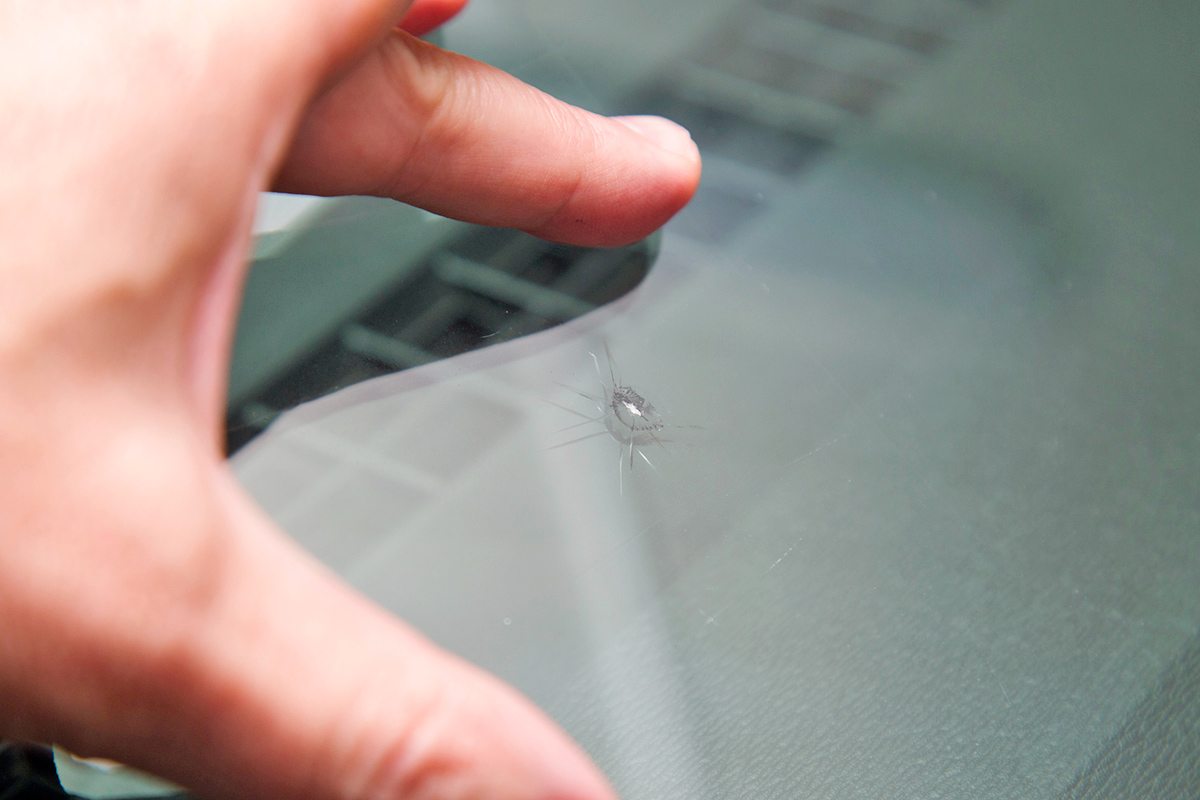
Sometimes a small pebble kicks up from the road and cracks the windshield. While the damage may be tiny at first, it inevitably grows until the vehicle is unsafe to drive and the glass must be replaced. You can delay that spread, however, with a little bit of nail polish.

Always use clear nail polish for this hack. Colored versions create opaque obstructions that can cloud your vision. When a windshield crack forms, safely pull over and grab a microfiber cloth and the nail polish from your glove box.

Related: The Best Organizers To Tame Car Clutter

First, use the cloth to thoroughly clean the cracked area and remove any debris. If the damage affects both the interior and exterior of the glass, wipe down the inside as well. Next, apply the clear nail polish on both sides of the windshield with clear nail polish. (This is a “better safe than sorry” approach as the crack may have depth that’s not visible to the naked eye.) Let it dry for the recommended time on the bottle before getting back on the road.

Advertisement

Why It Works

The idea here is that the nail polish forms a tight, temporary seal, protecting the crack from the elements and keeping it from growing. To be clear, this isn’t a permanent solution — you’ll still need to replace the windshield eventually. However, this allows you to reach your destination safely without the damage spreading. This hack also gives you the flexibility to schedule a repair or replacement on your own timeline instead of dealing with an immediate crisis.

Advertisement
Featured Image Credit:  Aleksandr Potashev/ iStock | Updated  Mar 3, 2026 |
Bennett Kleinman
Staff Writer
Bennett Kleinman is a New York City-based staff writer for Inbox Studio, covering topics for several brands including House Outlook and Better Report. He previously contributed to television programs such as "Late Show With David Letterman" and "Impractical Jokers," and digital publications like The Onion. Bennett is also a devoted New York Yankees and New Jersey Devils fan, and thinks plain seltzer is the best drink ever invented.
This article is for general informational purposes only.
Featured Image Credit:  Aleksandr Potashev/ iStock | Updated  Mar 3, 2026 |
Advertisement
Food & Drink 3m read
0

How To Pulverize Garlic in Just Seconds Using an Immersion Blender

Having garlic on hand is a given for nearly every home cook. It’s a key ingredient in so many dishes worldwide that you couldn’t possibly list them all. But prepping those cloves can be time-consuming. After peeling, you still have to chop them — and because most recipes call for a fine mince, this process can take a long time, especially if you’re cooking for a crowd.

All featured products and deals are selected independently and objectively by the author. House Outlook may receive a share of sales via affiliate links in content.

Having garlic on hand is a given for nearly every home cook. It’s a key ingredient in so many dishes worldwide that you couldn’t possibly list them all. But prepping those cloves can be time-consuming. After peeling, you still have to chop them — and because most recipes call for a fine mince, this process…

Don’t Chop, Pulverize

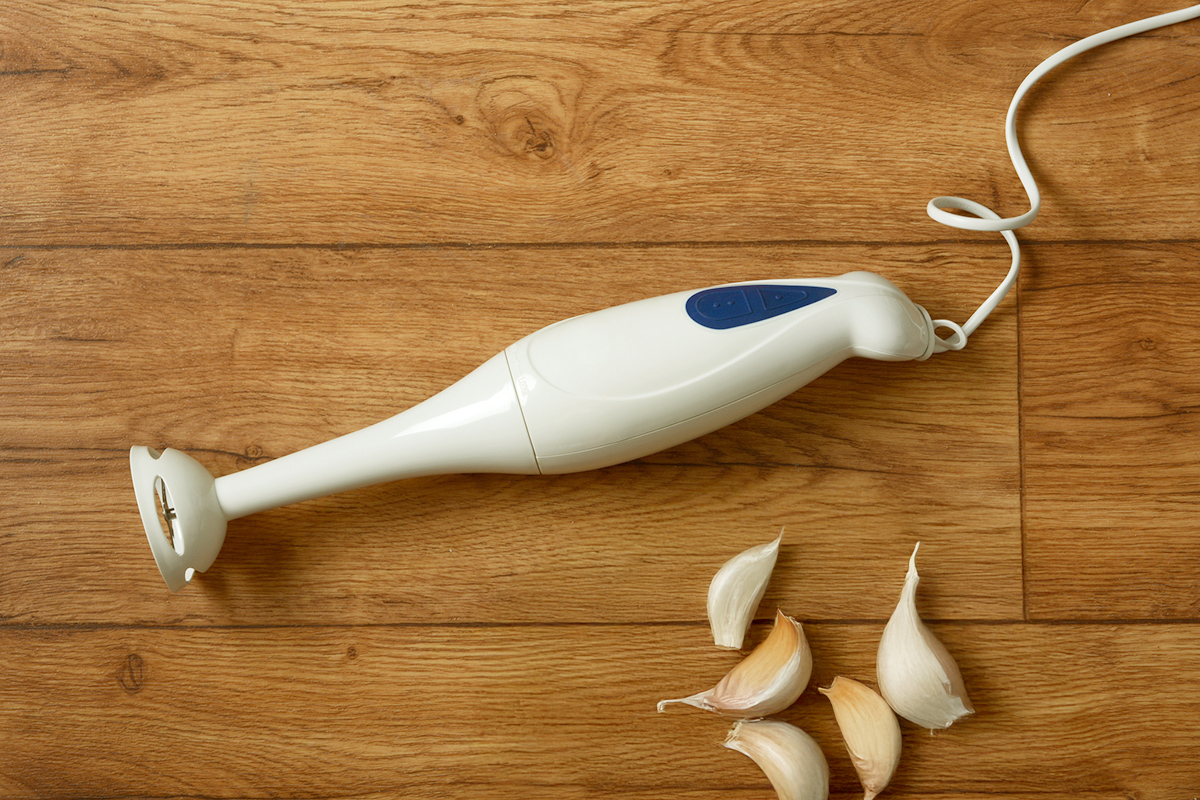
If you own an immersion blender, though, you can whip up minced garlic in mere seconds, saving you the time and effort of chopping it yourself. With the power off for safety, hold your immersion blender with the blades facing up. Place several peeled garlic cloves between the blades, making sure they fit within the bell-shaped blade guard. Cover the entire head of the immersion blender tightly with an open, resealable plastic bag, using one hand to secure it around the shaft. Then, turn on your immersion blender — start with a low setting — and in just a few seconds, your garlic will be pulverized. As a bonus, you won’t have to deal with that persistent garlic smell on your fingers.

Related: How To Save Time Peeling Lots of Garlic

This hack also works for mincing ginger, shallots, and chilies, or for grinding spices such as peppercorns, cumin seeds, coriander seeds, fennel seeds, and mustard seeds. Because the mess is contained in a plastic bag, your favorite aromatics are easy to store and ready to use. 

Advertisement

How To Store Minced Garlic in the Freezer

Looking to save time by prepping garlic in bulk? Mince several bulbs of garlic at once using a food processor (or do multiple rounds of the immersion blender trick). Put the minced garlic into a freezer-safe plastic bag and roll it flat with a rolling pin or your hands. Next, use the back of a knife to draw (not cut) a grid of vertical and horizontal lines across the bag. Place it in the freezer on a flat surface. Once it’s frozen, you’ll have perfectly portioned garlic squares that you can pop out and use as needed whenever you cook.

Advertisement
Advertisement
Cleaning 3m read
0

The Trick to Saving Sweat-Stained Hats

Many people have a favorite ballcap, whether it shows off a sports superfandom, provides sun protection, or hides messy hair. But as you wear that hat, the fabric inevitably develops unsightly sweat stains. While you might think the washing machine is your best option, be careful — that appliance can easily damage the cap’s shape. Here’s a trick to restore vibrancy to any sweaty hat without turning it into a floppy mess.

All featured products and deals are selected independently and objectively by the author. House Outlook may receive a share of sales via affiliate links in content.

Many people have a favorite ballcap, whether it shows off a sports superfandom, provides sun protection, or hides messy hair. But as you wear that hat, the fabric inevitably develops unsightly sweat stains. While you might think the washing machine is your best option, be careful — that appliance can easily damage the cap’s shape.…

A No-Sweat Solution

Creating a homemade cleaning paste is a much safer alternative to the washing machine. To make the solution, mix 1/2 cup of baking soda with 1 tablespoon of fine-grain table salt and 1 tablespoon of 3% hydrogen peroxide. Combine those ingredients in a small bowl, grab a soft-bristled brush (such as an old toothbrush or a laundry stain brush), and you’re ready to begin.

Before applying the mixture, dip your brush into the paste and test it on an inconspicuous part of the hat. This spot test is essential to ensure the solution won’t damage or discolor the fabric. Wait 20 to 30 minutes, or until the paste is completely dry, to check the results.

Once you know that the paste is fabric-safe, slather it on the inside of the hat, focusing on the sweatband and any other problem areas. Use your soft brush to scrub the paste into the fabric with small, circular motions. Let the paste sit for at least 20 minutes. The hydrogen peroxide acts as a color-safe bleach to remove stains, while the baking soda and salt work together to neutralize odors and scrub away oils.

Advertisement

After 20 minutes, submerge the hat in cool water to rinse away the paste — assuming the material is durable enough. While this method works for sturdier modern hats, be cautious with vintage hats made before the 1980s. These may contain cardboard brims that will lose their shape if soaked. For older hats, carefully wipe the paste away with a damp towel instead.

Related: Harness the Sun To Remove Stains Naturally

Molded to Perfection

After removing the paste, let the hat air-dry. To maintain its shape, place the cap on a rounded object that resembles the shape of a human head, such as an upside-down bowl. This helps prevent the hat from flattening, ensuring it’s ready to wear once dry. If any stubborn sweat stains persist, repeat the process until the cap is clean enough for your liking.

Advertisement
Featured Image Credit:  Porechenskaya/ iStock | Updated  Mar 3, 2026 |
Bennett Kleinman
Staff Writer
Bennett Kleinman is a New York City-based staff writer for Inbox Studio, covering topics for several brands including House Outlook and Better Report. He previously contributed to television programs such as "Late Show With David Letterman" and "Impractical Jokers," and digital publications like The Onion. Bennett is also a devoted New York Yankees and New Jersey Devils fan, and thinks plain seltzer is the best drink ever invented.
This article is for general informational purposes only.
Featured Image Credit:  Porechenskaya/ iStock | Updated  Mar 3, 2026 |
Advertisement
Decorating 5m read
81

9 Ways To Make Your Living Room Better for Conversation

Living rooms are the home’s social hub — the space where someone inevitably ends up perched on the arm of a sofa telling a story. But that kind of talkative atmosphere doesn’t just happen by accident. Interior designers say a sociable space comes down to layout, lighting, comfort, and a few subtle psychological cues. Read on for practical adjustments that can turn any living room into a place of connection.

All featured products and deals are selected independently and objectively by the author. House Outlook may receive a share of sales via affiliate links in content.

Living rooms are the home’s social hub — the space where someone inevitably ends up perched on the arm of a sofa telling a story. But that kind of talkative atmosphere doesn’t just happen by accident. Interior designers say a sociable space comes down to layout, lighting, comfort, and a few subtle psychological cues. Read…

1. Remove (or Hide) the TV

Dana Ayala, an interior designer with Southern California’s LoCal Design Studio, says the single biggest conversation killer is also the most common focal point: the television. If removing your TV isn’t realistic, make it visually disappear by opting for a model that looks like art when not in use.

“Having a TV out of view tricks the brain into focusing and relying on other things in the room for entertainment — like each other,” Ayala says.

Credit: Annie Spratt/ Unsplash

2. Give Every Seat a Spot To Set a Drink

Hosting 101: Upon a guest’s arrival, always ask, “Would you like something to drink?” Less obvious, but equally important, is making sure there’s somewhere for them to put that drink. If there’s no place within arm’s reach to set down their glass, it’s hard for them to comfortably settle in. Leave enough open surface area on the coffee table for drinks, or use side tables, nesting tables, and trays to eliminate awkward balancing acts.

Credit: Faruk Tokluoğlu/ Unsplash

3. Arrange Seating Face to Face

Quality conversation thrives on eye contact, so don’t arrange your furniture to accidentally prevent it. “Most people will naturally prioritize screens, but if you have the space, it’s a great idea to have seating that faces each other,” U.K.-based interior designer Lucy Stapylton-Smith says. “A conversation-friendly room usually faces inward, has a clear center, and avoids the ‘everyone in a row’ sofa problem.”

Try facing two sofas toward each other, or place a sofa opposite two chairs, to immediately change how people interact. That way, no one has to twist their body to participate in the conversation.

Credit: Clay Banks/ Unsplash
Advertisement

4. Add Flexible Seating

Jeannine Bogart, owner and principal designer of Chicago-based Epic Interiors, recommends adding adaptable furniture to your living room layout. “Layer in versatile pieces like ottomans for flexible footstools or extra seats — they pull the group together without cluttering,” she says. Poufs, stools, benches, and movable chairs allow guests to form smaller clusters and naturally join conversations.

Credit: Getty Images via Unsplash+
Related: The Interior Design Trends Set To Take Over in 2026

5. Decorate With Conversation Starters

Adding a chess set, a deck of cards, a favorite art book, or a framed personal photo gives guests something to comment on. Artwork serves the same purpose. Pieces that are personal, unexpected, or story-driven give people — especially introverts or those you don’t know well — something to ask about.

Credit: Gui Avelar/ Unsplash

6. Create Cozy Lighting

If you’ve ever spent time in a dated office building or a harsh dressing room, you know that lighting affects how long you want to stay.

“A good conversation room will have warm ambient light, lamps at eye level, and ideally some third lighting source — like fitted shelving lights — that will bring depth to the space,” Stapylton-Smith says. “If the ceiling light is doing all the work, people won’t want to linger.”

Swap overhead lights for sconces or a statement chandelier, and add picture lights to highlight artwork. Whenever possible, put lighting sources on dimmers to put everyone at ease. “Dimming lighting [signals] the circadian rhythm and encourages fight-or-flight to slow down,” Ayala says.

Credit: Interial Co./ Unsplash
Advertisement

7. Consider the Acoustics

A loud atmosphere kills a conversation before it even starts. Hard floors and bare walls bounce sound around the room, while textiles absorb it. Soften the space’s acoustics with rugs, curtains, and upholstered furniture.

Credit: Mesut çiçen/ Unsplash
Related: 25 Hacks Only Interior Designers Know

8. Rethink Mirrors

For high-quality conversation, minimize distractions like mirrors. Instead of placing mirrors directly across from seating, move them to entryways or hallways so guests aren’t catching their reflections while talking.

“People are inherently self-conscious, so avoiding opportunities to remind people of what they look like actually helps,” Ayala says. “You’ll notice more focused, uninhibited conversation in a room where people can let go of their self-absorption.”

Credit: Cat Han/ Unsplash

9. Leave Some Breathing Room

Finally, resist the urge to fill every corner with decor. “Conversation needs space,” Stapylton-Smith says. “Too many objects and you might feel like you’re visiting a showroom.” Create clear walking paths so guests can move around easily without knocking their knees into corners — or each other.

Credit: Clay Banks/ Unsplash
Advertisement
Featured Image Credit:  Collov Home Design/ Unsplash | Updated  Feb 24, 2026 |
Megan McCarty
Writer
Megan McCarty is a Los Angeles-based writer who covers the fun stuff: design, travel, wellness, beauty, and fashion. She has written for publications including Domino, The Spruce, MyDomaine, Bustle, and Rue Magazine. Her life rules include, but are not limited to, zipper when merging, contribute to your IRA, and do the nice thing.
This article is for general informational purposes only.
Featured Image Credit:  Collov Home Design/ Unsplash | Updated  Feb 24, 2026 |
Advertisement
Food & Drink 2m read
1,524

Adding Water to Bacon Sounds Wrong — But It’s Actually Genius

If you’ve ever mustered the courage to attempt classic French dishes such as beef bourguignon or coq au vin, you may have noticed that the recipes take an odd approach to preparing bacon. It’s cut into lardons — relatively thick, inch-long strips — which are then simmered in water to render the fat before being crisped in their own juices. It sounds counterintuitive — after all, water is usually the enemy of crispness — but it actually works beautifully.

If you’ve ever mustered the courage to attempt classic French dishes such as beef bourguignon or coq au vin, you may have noticed that the recipes take an odd approach to preparing bacon. It’s cut into lardons — relatively thick, inch-long strips — which are then simmered in water to render the fat before being…

You can use this chef-style technique for your breakfast bacon, too. Even if you’re skeptical, one try will prove that it’s the secret to the best bacon ever. Here’s a breakdown of how and why it works.

Low Temperature Is the Key to Better Bacon

If your usual approach is to warm up a pan and slap your bacon right in, you’ll still get decent results. (Let’s face it — even mediocre bacon is still pretty good.) The problem is that the pan conducts heat only to the parts of the bacon in direct contact with it. As the meat contracts in the high heat, it wrinkles and curls. This leaves you with corrugated bacon where relatively little of the strip touches the pan.

Advertisement
Related: An Easy Way To Safely Discard Cooking Oil

It’s better to lay out your bacon in a cold pan, then pour about 1/4 cup of cold tap water over the strips before turning up the heat. The water does two things: It keeps the pan’s temperature low, since water can’t exceed 212 degrees Fahrenheit, and it distributes heat evenly to every inch of the bacon. That helps the fat render out more effectively. Once the water evaporates, that rendered fat browns and crisps the bacon perfectly. It takes a few extra minutes, but the results are worth the wait.

Advertisement
Featured Image Credit:  vitalssss/ iStock | Updated  Feb 24, 2026 |
Fred Decker
Writer
Fred Decker is a trained chef and former restaurateur. Since closing his restaurants over a decade ago he has been a prolific freelance writer, publishing several thousand articles on dozens of high-volume websites including Taste Of Home, Hunker, Tasting Table, Week&, eHow, and GOBankingRates. He lives on a rural acreage shared with a big garden, chickens, rabbits, and grandkids.
This article is for general informational purposes only.
Featured Image Credit:  vitalssss/ iStock | Updated  Feb 24, 2026 |