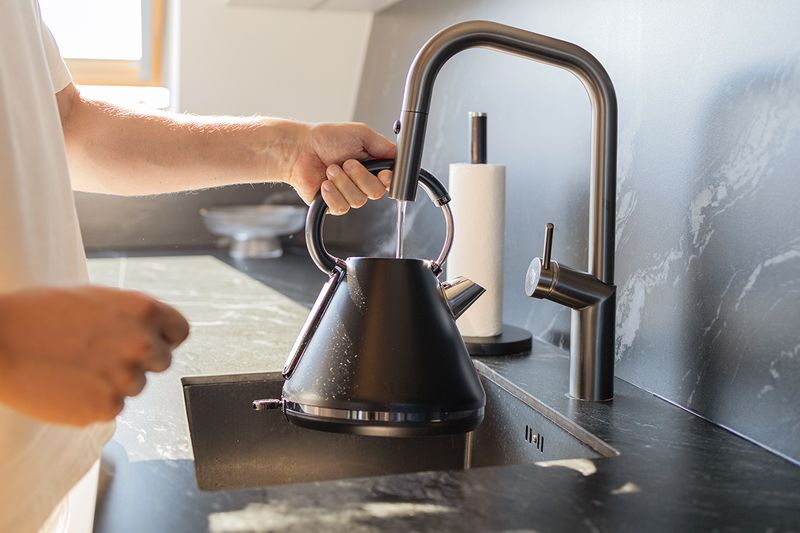
You might think that a thorough cleaning requires the latest floor care appliances or expensive nontoxic cleaners, but you often have exactly what you need right in your pantry — or, in this case, your kitchen faucet (though you may need some help from an electric kettle or cooktop burner).
Boiling water is one of the cheapest and most accessible ways to clean your home. It can cut through grease, sanitize surfaces, and melt away caked-on residue — all without the use of harsh chemicals. Whether you need to disinfect your cooking tools or remove stubborn stains, here are 10 clever cleaning uses for boiling water.
1. Disinfect Plastic Cutting Boards
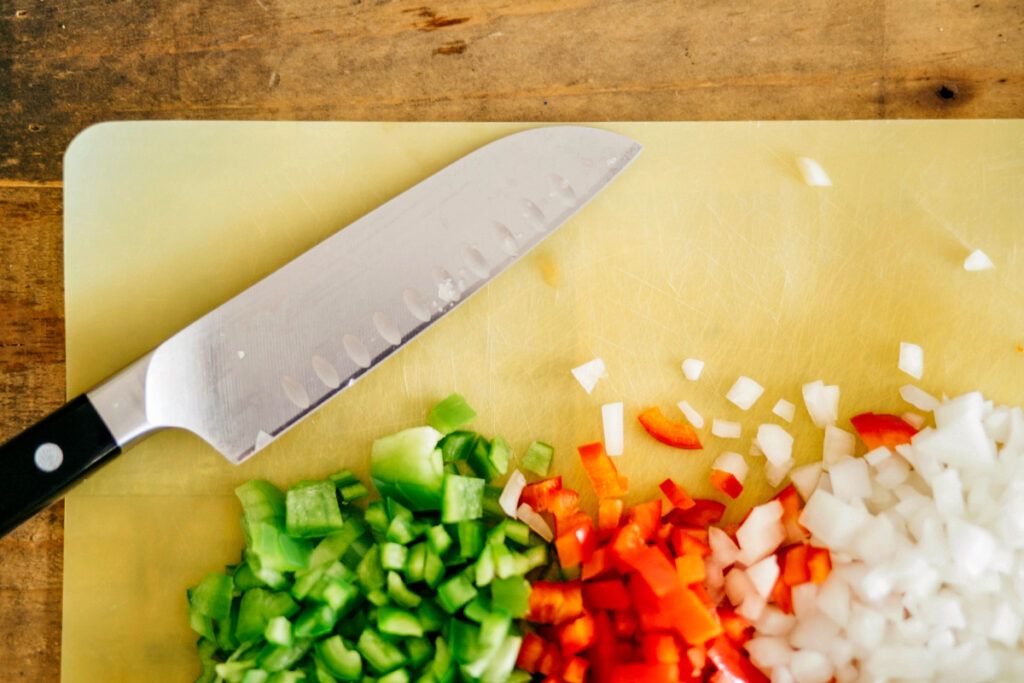
To deep clean plastic cutting boards, first wash them with hot, soapy water. Next, slowly pour boiling water over the surface for 10 to 15 seconds to disinfect. While running cutting boards through the dishwasher is another good option, this slow pour works as a faster, manual alternative for killing bacteria and preventing cross-contamination. Avoid this method with thin plastic cutting mats, as scalding temperatures can easily warp them.
2. Remove Grease Stains
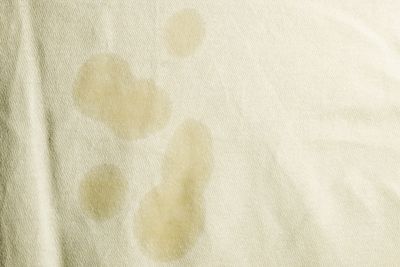
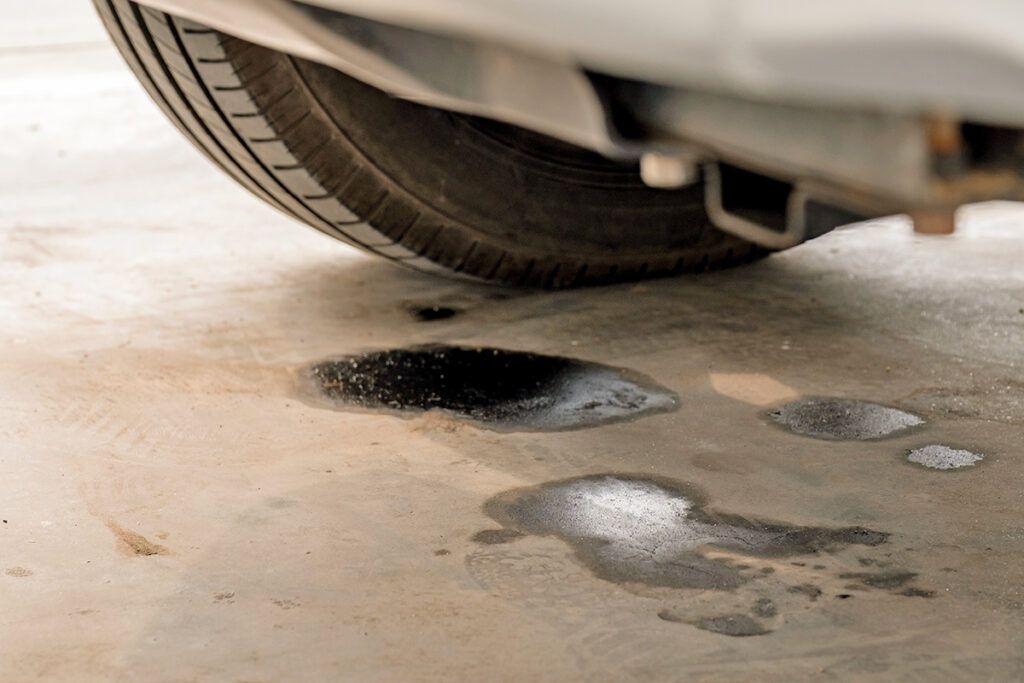
If your driveway or garage floor has grease stains from your car, pour boiling water mixed with a few drops of dish soap over them to loosen things up. The high temperature melts the grease while the soap breaks it down, making it easier to scrub away. For older, stubborn stains, let the soapy mixture sit for a few minutes before working it in with a stiff bristle brush and rinsing clean.
More from our network
House Outlook is part of Inbox Studio, which publishes content that uplifts, informs, and inspires.



3. Sterilize Jars
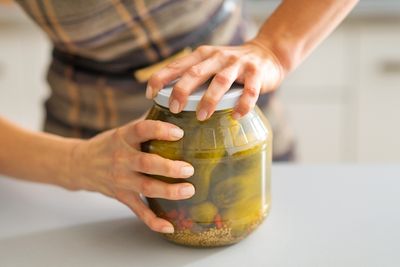
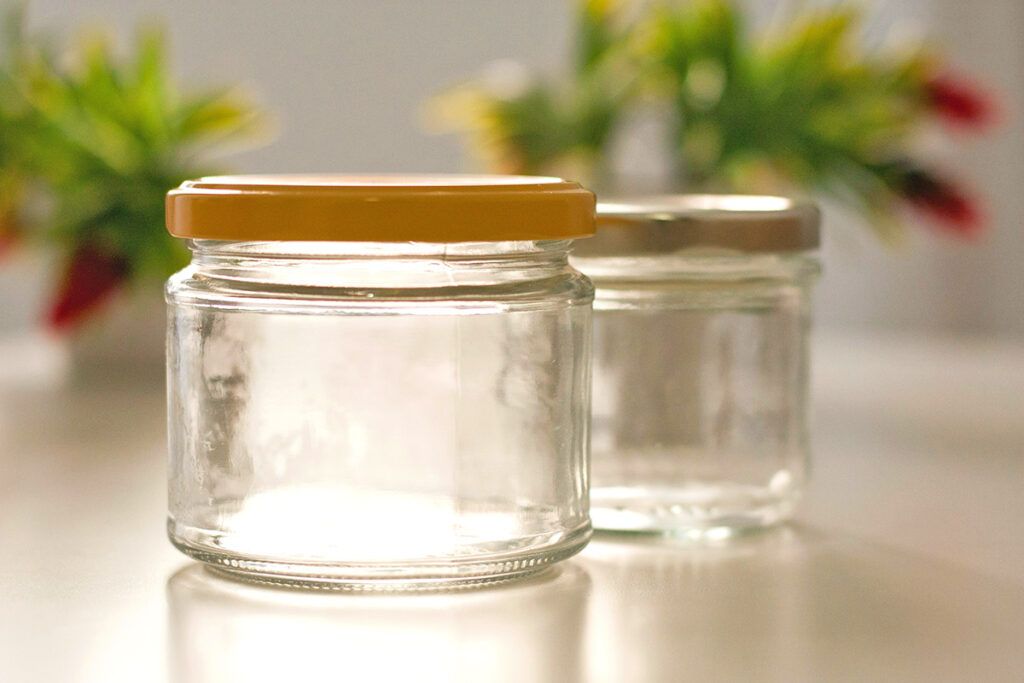
Boiling water is commonly used for sterilizing jars before canning. Whether you’re making homemade jam or preserving pickles, start with freshly washed Mason jars, stand them upright in a stockpot, and cover them with water so the level sits at least 1 inch above the jar rims. Bring the pot to a rolling boil for 10 minutes to kill any lingering bacteria before filling the jars with your desired contents.
4. Melt Wax
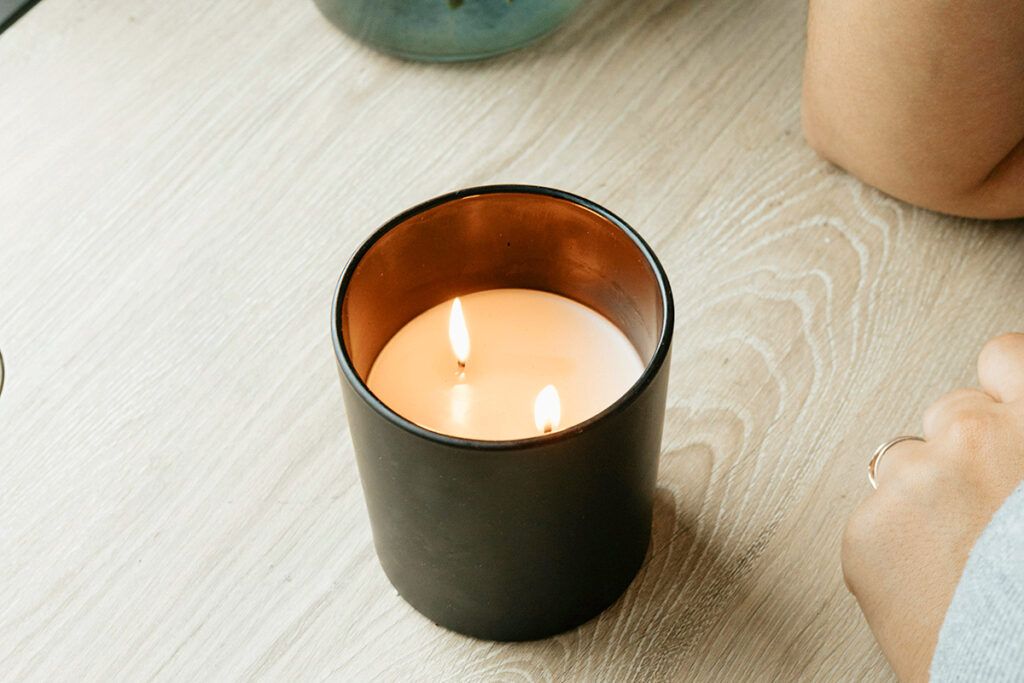
If you want to reuse an old candle jar as a plant pot or pencil holder, boiling water is the easiest way to remove leftover wax. Carefully pour boiling water into the container, leaving 1 to 2 inches of space at the top. (It’s best to do this inside the sink in case the glass isn’t tempered and cracks or shatters.) The heat melts the wax and makes it rise to the surface, and once the water cools completely, the wax hardens into a floating disc that you can pop right out. You can either toss the remaining wax in the trash or save the pieces to use in a fragrance warmer.
5. Deep-Clean Dish Rags
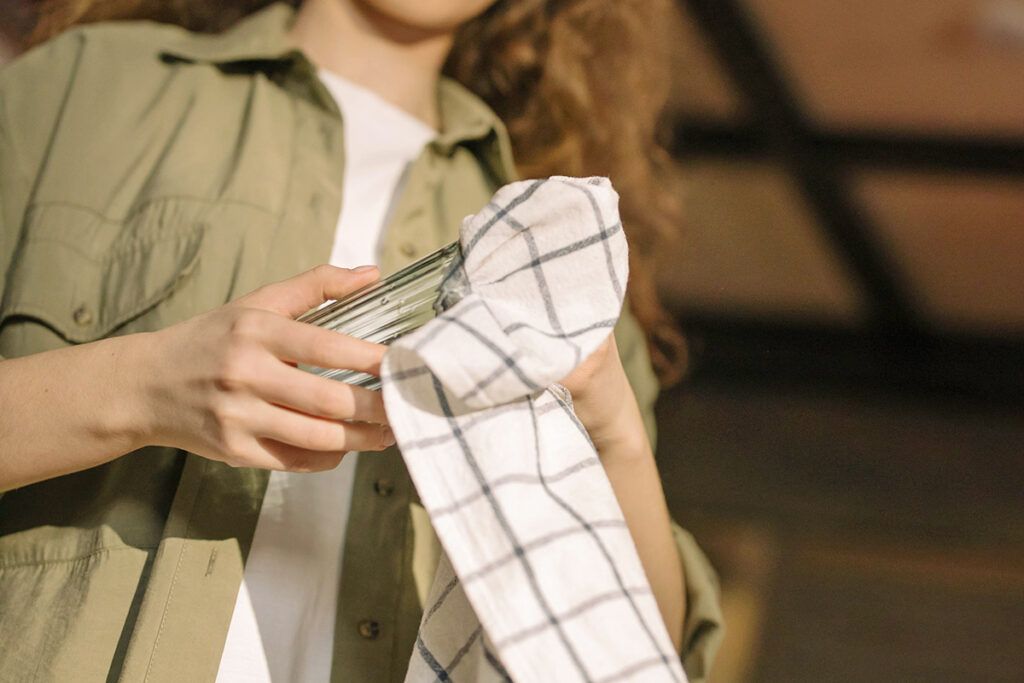
Dish rags soil quickly, but a presoak makes laundry day more effective. Soak gross dish rags in a heat-safe bowl of boiling water for 10 minutes to kill odor-causing bacteria and loosen greasy buildup before running them through a sanitizing cycle in the washing machine. Allow the hot water to cool completely before you transfer them to the wash, or use a pair of tongs so you don’t burn your hands.
6. Get Rid of Mug Stains
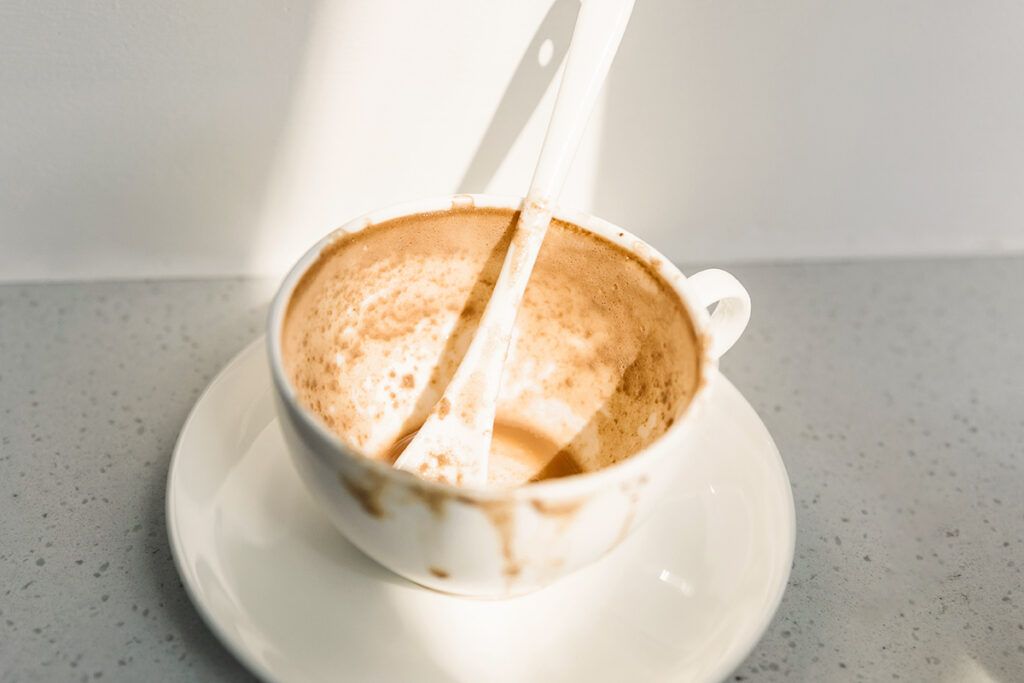
Coffee and tea put our mugs through the wringer, often leaving behind dark stains that seem impossible to remove. But a little bit of baking soda and some boiling water can work wonders. Add 1 tablespoon of baking soda to the bottom of a stained mug, then fill it to the brim with boiling water. Let it sit for 30 minutes before pouring out most of the liquid, scrubbing the inside with a soft sponge, and rinsing clean.
7. Polish Silver
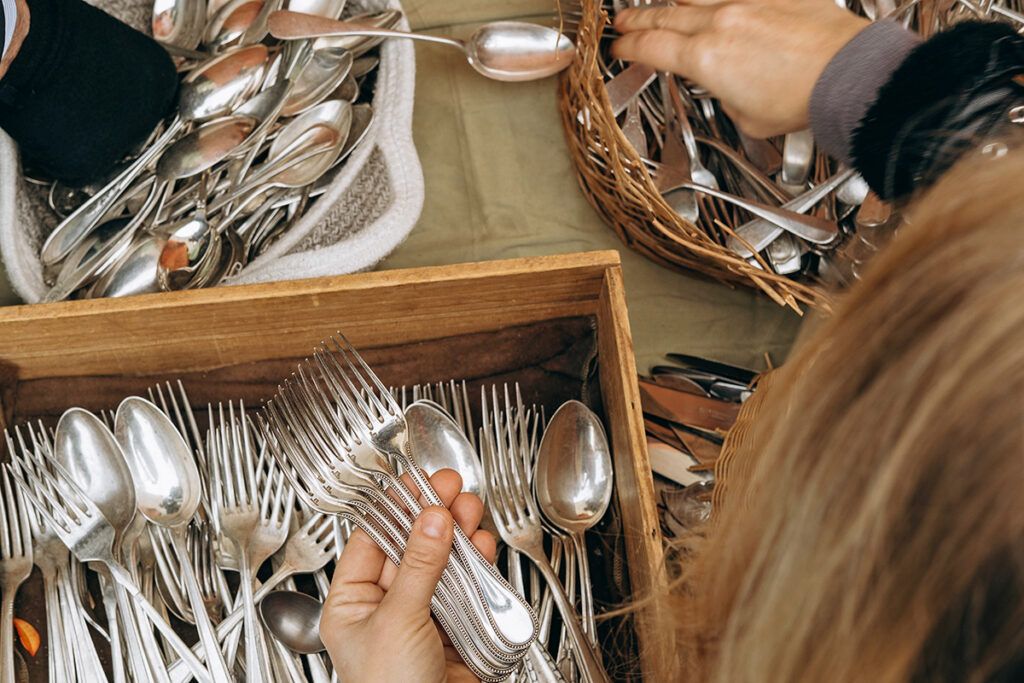
If your real silverware or silver serving dishes look tarnished, a quick dunk in boiling water can polish them in a pinch. Line a baking dish with aluminum foil, add 1 tablespoon of baking soda and 1 tablespoon of fine table salt, then fill it with boiling water. Let the silver items soak for one to three minutes while the tarnish transfers to the foil, then carefully remove them, rinse with clean water, and buff dry with a soft cloth.
8. Clean the Microwave
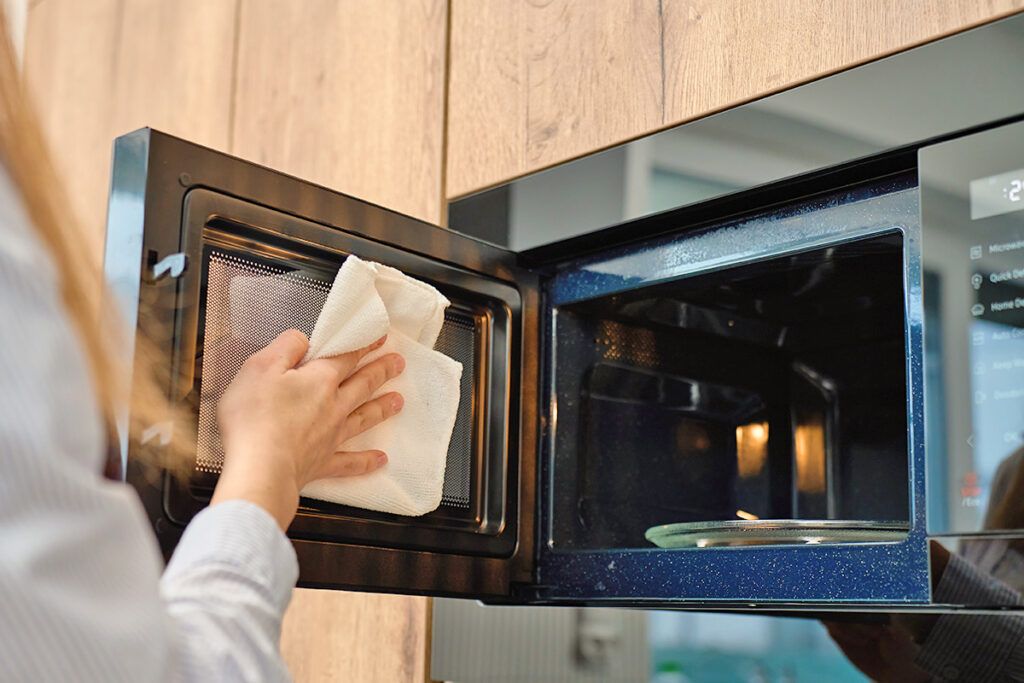
Giving your microwave a steam bath makes getting rid of stubborn food splatters and stains a whole lot easier. Fill a microwave-safe bowl with 1 cup of water and a few lemon slices. (The citrus is important because it provides physical surfaces that break the water’s surface tension, allowing steam bubbles to form safely and preventing superheating.) Microwave on high for three to five minutes until the liquid boils, then leave the door shut for another five minutes so the steam can loosen any cooked-on grime. Carefully remove the hot bowl with oven mitts and wipe the interior clean with a damp sponge or cloth.
9. Remove Calcium and Lime Buildup in Kettles
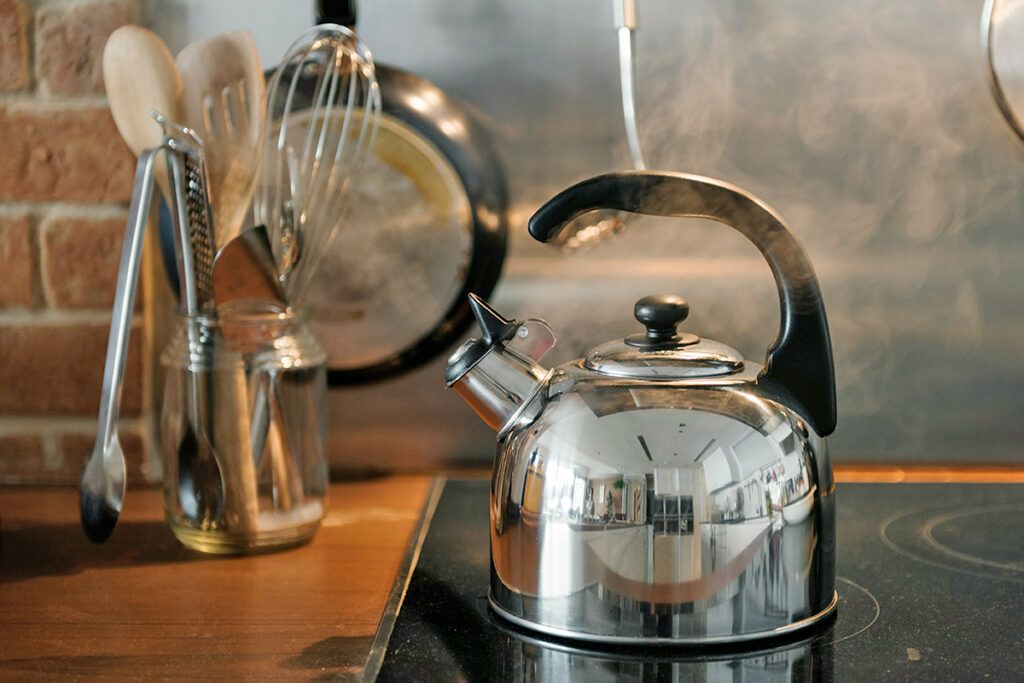
Hard water can wreak havoc on tea kettles, leaving behind chalky calcium and lime buildup. To dissolve it, fill the kettle with equal parts water and distilled white vinegar, then bring the mixture to a boil. Turn off the kettle (or remove it from the burner) and let it sit for 15 to 20 minutes so the acid can dissolve the mineral deposits. Pour out the liquid, rinse the kettle thoroughly, and boil a fresh batch of water to remove any lingering vinegar taste.
10. Unclog Drains
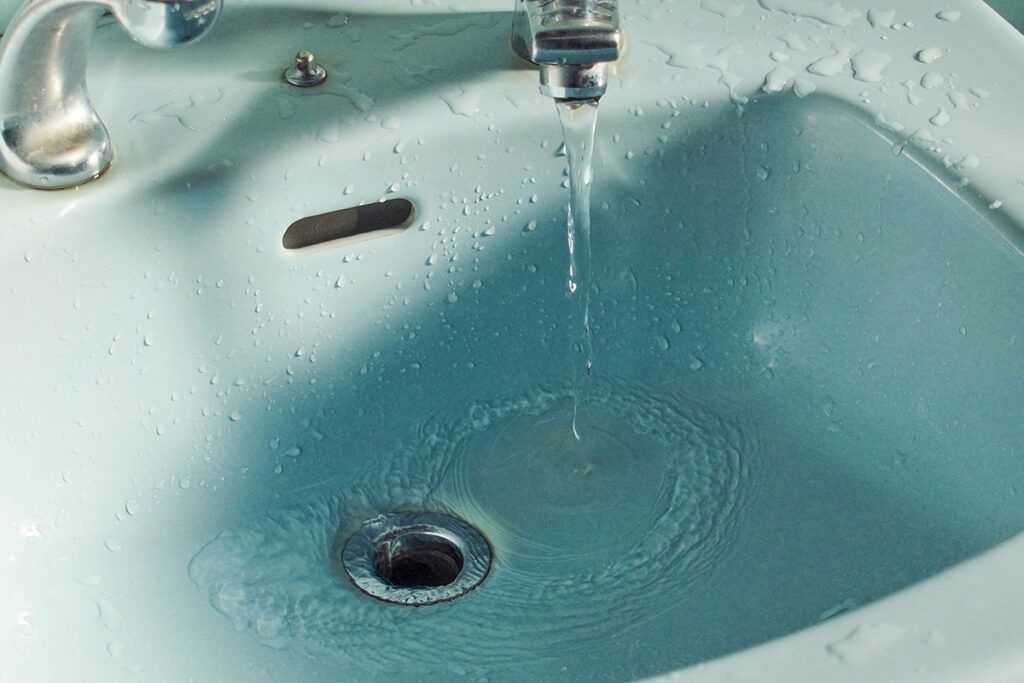
If you have metal pipes, you don’t need expensive chemical cleaners to fix a sluggish sink. Pouring boiling water down the drain effectively dissolves grease, fat, and soap scum buildup. Squirt a few drops of dish soap down the drain, then slowly pour in a kettle of boiling water, pausing occasionally to let the heat to melt through the blockage. (Note: If you have PVC pipes, it’s best to use hot tap water instead of boiling water, as the latter can warp plastic and melt pipe glue.)
Boiling water is one of the easiest — not to mention cheapest — ways to clean a variety of items, stains, and spills in your home. It saves you valuable time and elbow grease while reducing the need for harsh chemicals.