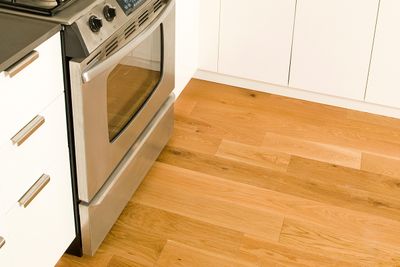
“Fresh paint, beautiful furniture, and trendy finishes can distract from costly underlying issues like water damage, foundation problems, outdated electrical systems, or aging HVAC equipment,” says Cheryl Eisen, CEO and founder of the luxury staging firm IMG. “I always tell clients to look beyond the aesthetics and pay attention to the bones of the house.”
We asked Eisen and other real estate agents which warning signs make them — and their clients — second-guess a property. Here are 10 red flags to watch out for.
1. Uneven or Sloping Floors
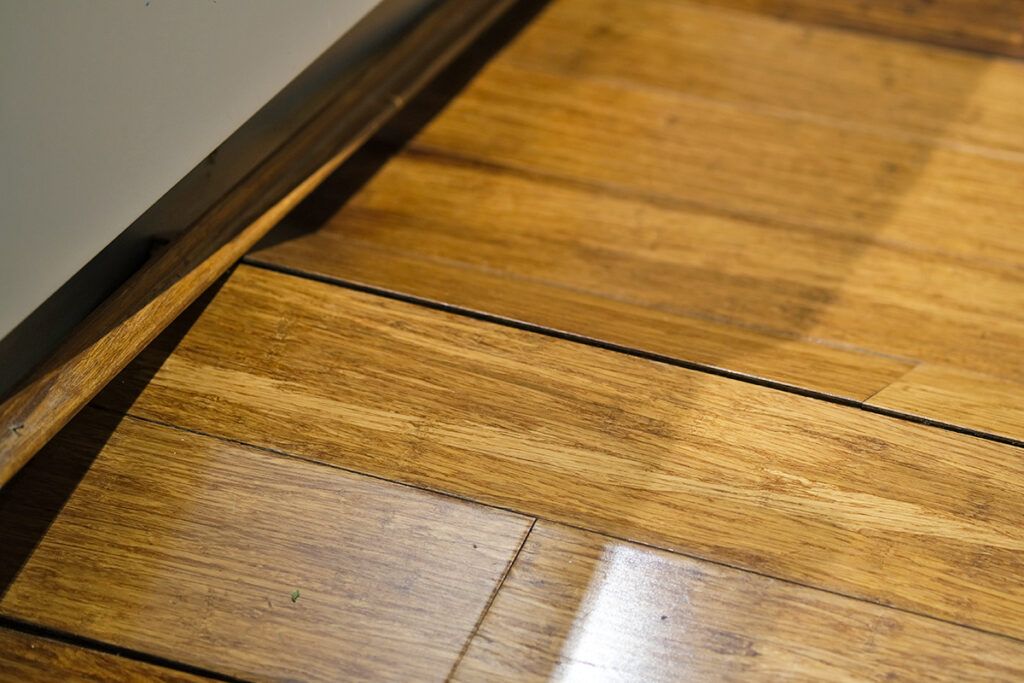
“Few things make buyers more uneasy than a floor that doesn’t feel solid beneath their feet,” says Michelle Schwinghammer, a Denver-based real estate agent with West + Main Homes. “Warps, slopes, and soft spots immediately raise concerns about structural issues and costly repairs lurking out of sight.” If a home’s flooring feels anything less than firm and level, it’s worth investigating before throwing in an offer.
2. Sloppy DIY Repairs
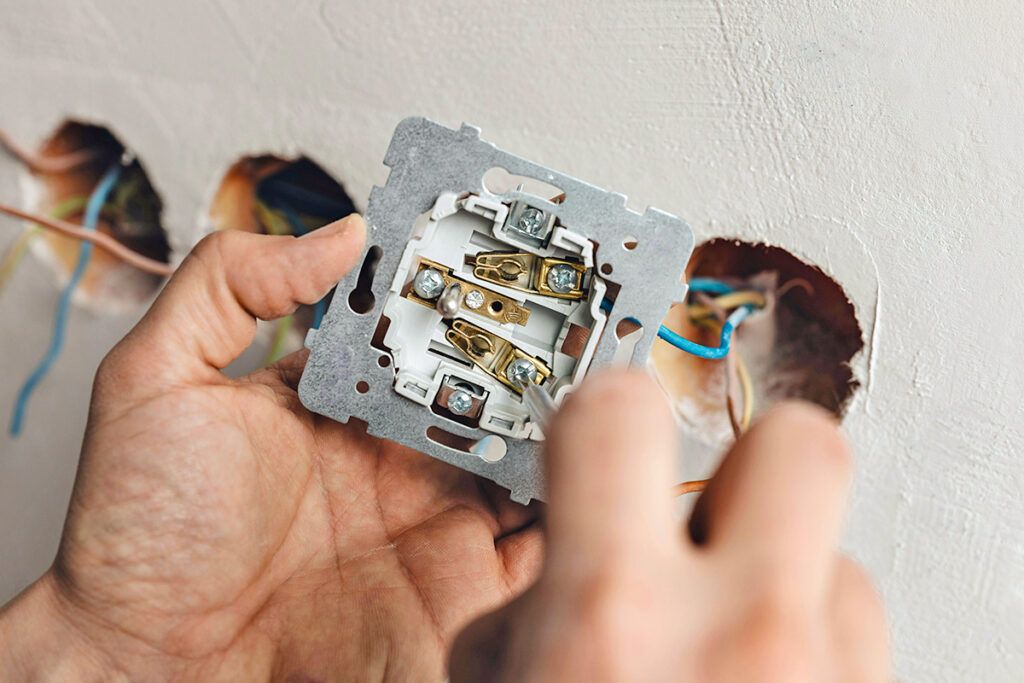
Buyers don’t need to be home repair professionals to spot an amateur fix. “If they open a cabinet and find a Homer Simpson plumbing repair or wrestle with light switches that control random parts of the house, they’ll start doing the math,” Schwinghammer says. “If the visible repairs were done this poorly, what bigger problems are hiding behind the walls?” That mental math often ends with a buyer walking away rather than taking the risk.
More from our network
House Outlook is part of Inbox Studio, which publishes content that uplifts, informs, and inspires.



3. Windows That Stick
A window that won’t glide open might seem like a minor annoyance, but Eisen views it as a clue worth following. Sticking windows often point to shifting framing, foundation settlement, or hidden humidity issues inside the walls.

4. Musty or Damp Smells
Odor is one of the fastest ways a house talks itself out of a sale. “A damp or musty odor raises immediate questions about water intrusion, mold, and expensive repairs,” Schwinghammer says. “Buyers don’t need to see visible damage. Their noses do the work first.”

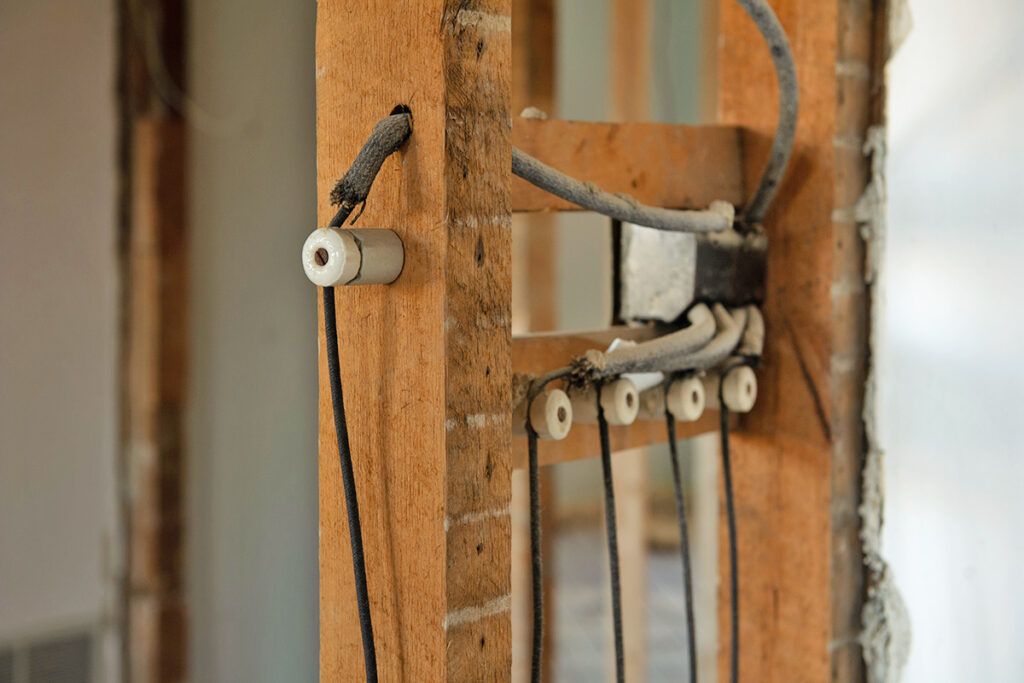
5. Outdated Electrical Systems
Older homes, particularly those built before the 1950s, may still have knob-and-tube wiring — an ungrounded system that poses a serious fire risk as its cloth insulation degrades. It’s also a red flag for home insurers, many of whom refuse to write a policy until the system is completely rewired.
6. Foundation Issues
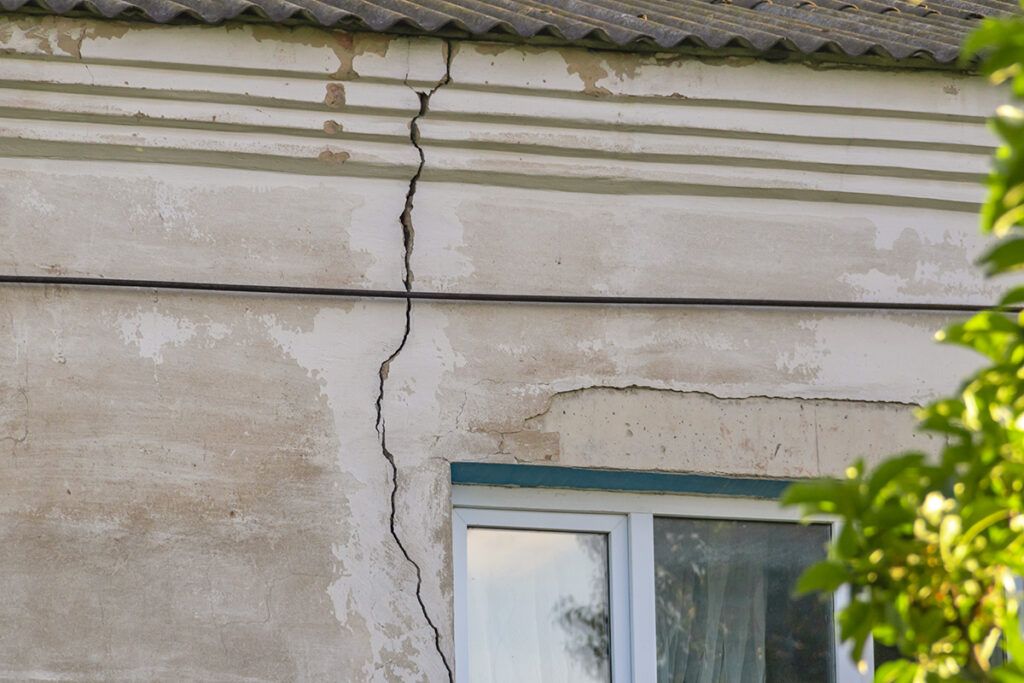
Cracks in concrete, doors that won’t close properly, or gaps around window frames can all point to a shifting foundation — one of the most expensive problems a buyer can inherit. Any hint of structural movement warrants a closer look from a licensed structural engineer before closing.
7. Water Staining
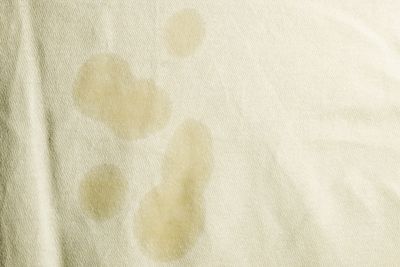
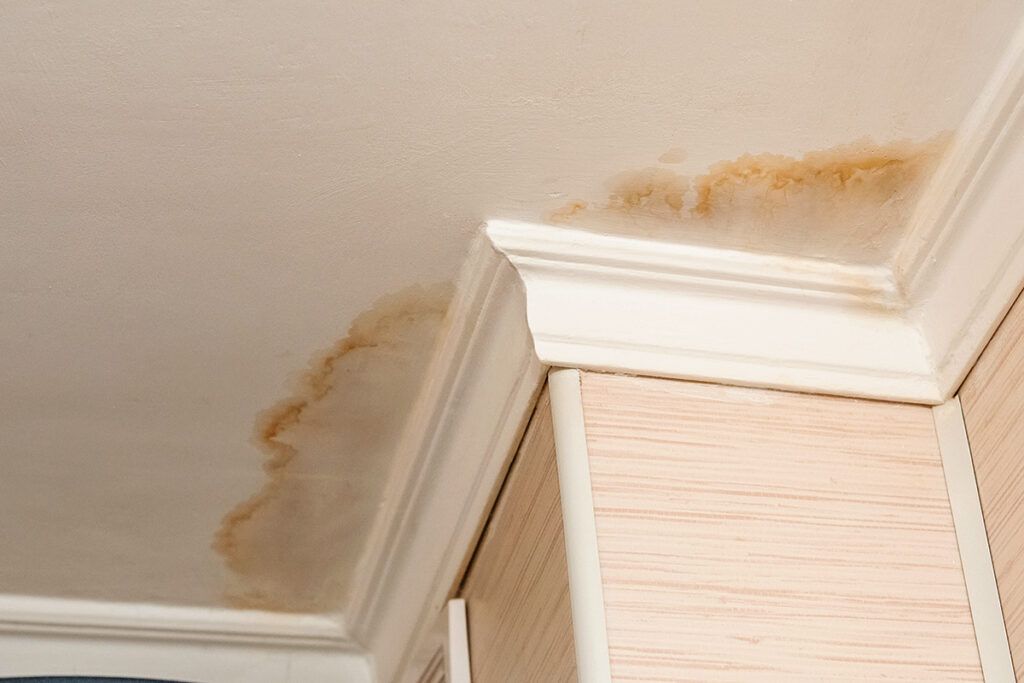
Repeated water staining on ceilings or walls is a signal Eisen never ignores. That’s especially true when stains appear near a suspiciously fresh patch of paint — a classic sign a seller tried to cover up a leak rather than fix the root problem.
8. Unpermitted Work
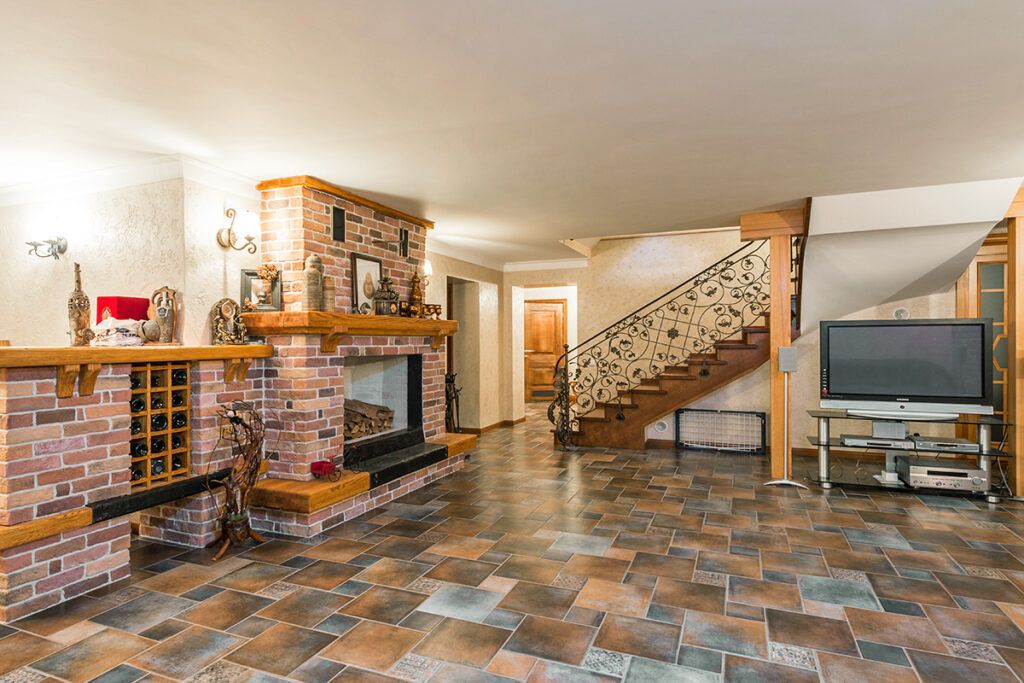
A finished basement, a converted garage, or an addition may be a bonus, but if that work wasn’t permitted, it can turn into a legal and financial headache down the line. Unpermitted work may not meet current building codes, which can complicate insurance claims, resale, and future renovations. Buyers should always pull municipal permit history and compare it against any visible renovations in the house.
9. An Aging Roof
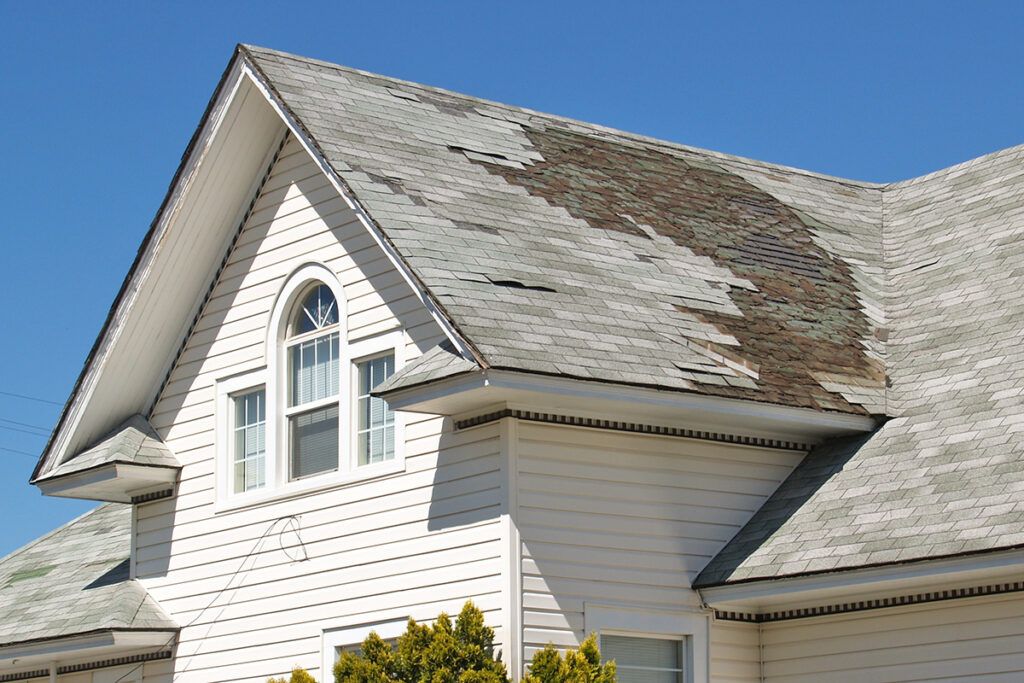
Potential homebuyers hear alarm bells when learning a roof is near the end of its lifespan. (Asphalt shingles typically last 20 to 30 years.) Missing shingles or sagging sections are signs a full replacement may be closer than the listing lets on. If that’s the case, buyers should request a seller credit or adjust their offer price accordingly.
10. Poor Drainage
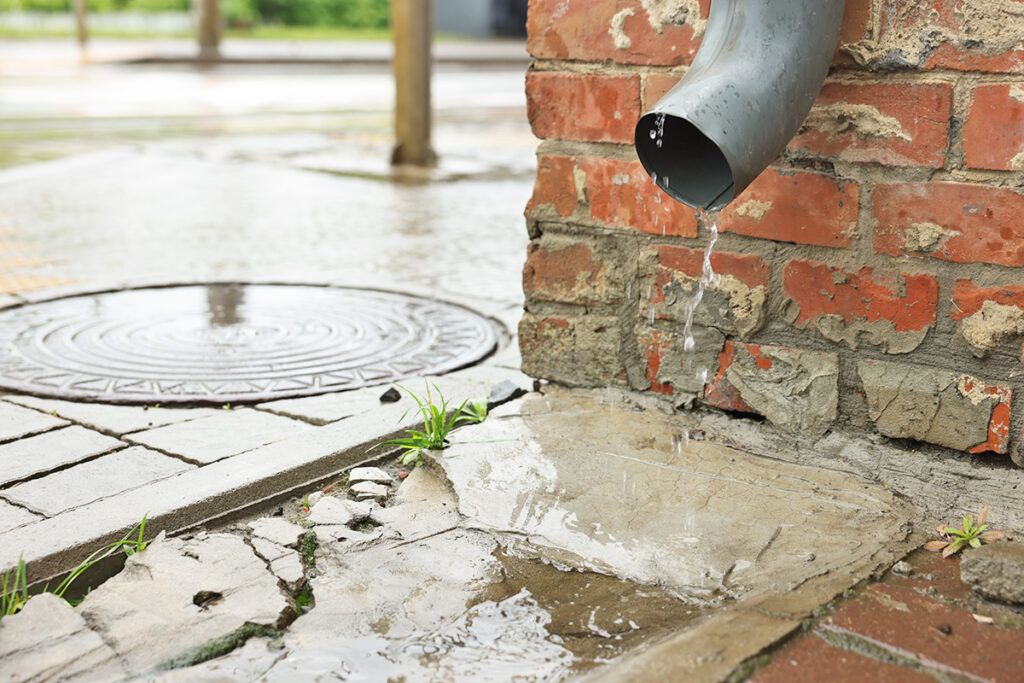
Grading that slopes toward the house or gutters that dump runoff right against the foundation are both red flags. Poor drainage can lead to chronic moisture problems, basement flooding, and eventually structural damage. It’s an easy detail to miss on a sunny showing day, but a critical one to check after it rains.
While no single red flag is necessarily a dealbreaker, a pattern of them should give any buyer pause. “The quickest way to turn a home into a financial headache is overlooking the signs of poor maintenance,” says Melissa Olson, a New York City-based real estate agent with Douglas Elliman.
“I always encourage buyers to invest in a thorough home inspection to investigate how well a property has been cared for over the years,” Olson adds. “The inspector will test the ceilings, floors, doors, walls, and HVAC systems, as these can all lead to unexpected expenses after closing. It’s one of the best ways to understand exactly what you’re purchasing before you commit.”