1. Reusable Water Bottles
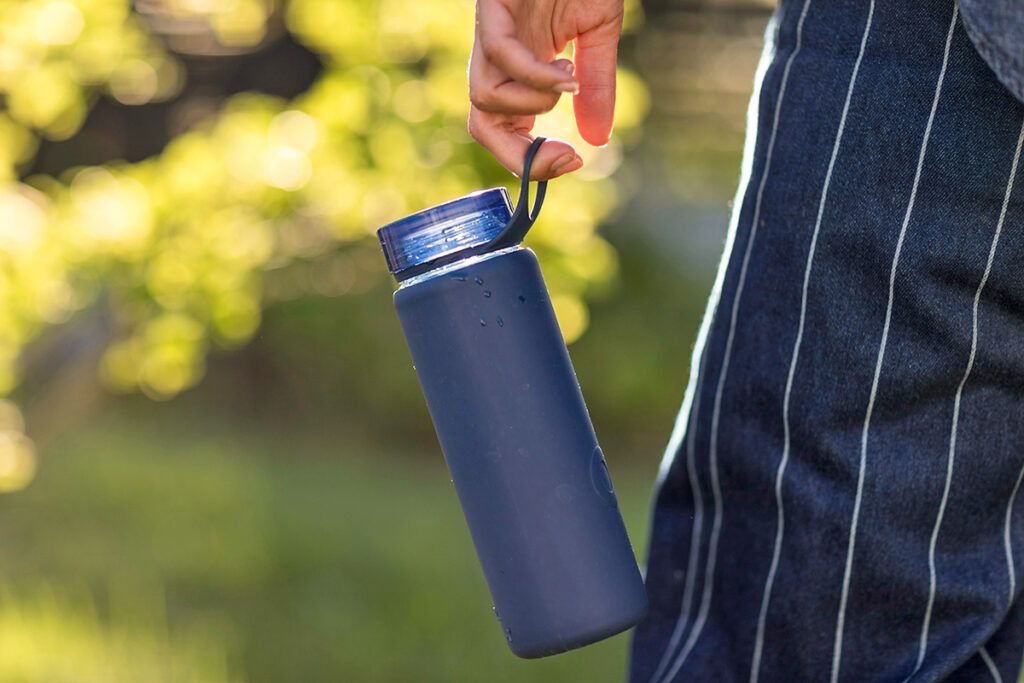
The inside of a brand-new water bottle is an easy place for dust, chemical residue, or microparticles to settle during manufacturing. Fill it with warm, soapy water, scrub it out with a bottle brush if you have one, and rinse well before using it. The same goes for reusable straws.
2. Cutting Boards
Wood and plastic cutting boards pick up sawdust, packaging residue, and warehouse dust before they land in your kitchen. That’s not something you want mixing into your next salad. A wash with hot, soapy water gets rid of all of it, and a light coat of food-safe mineral oil afterward helps seal wooden boards.

3. Bath Towels
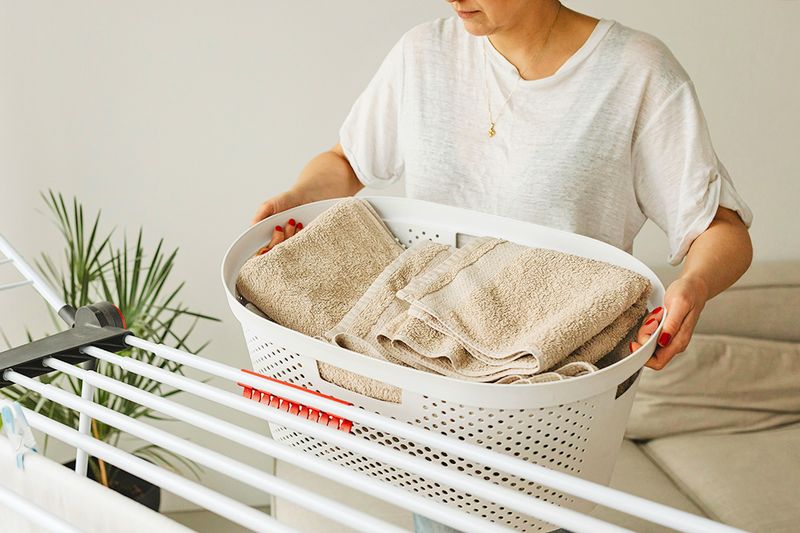
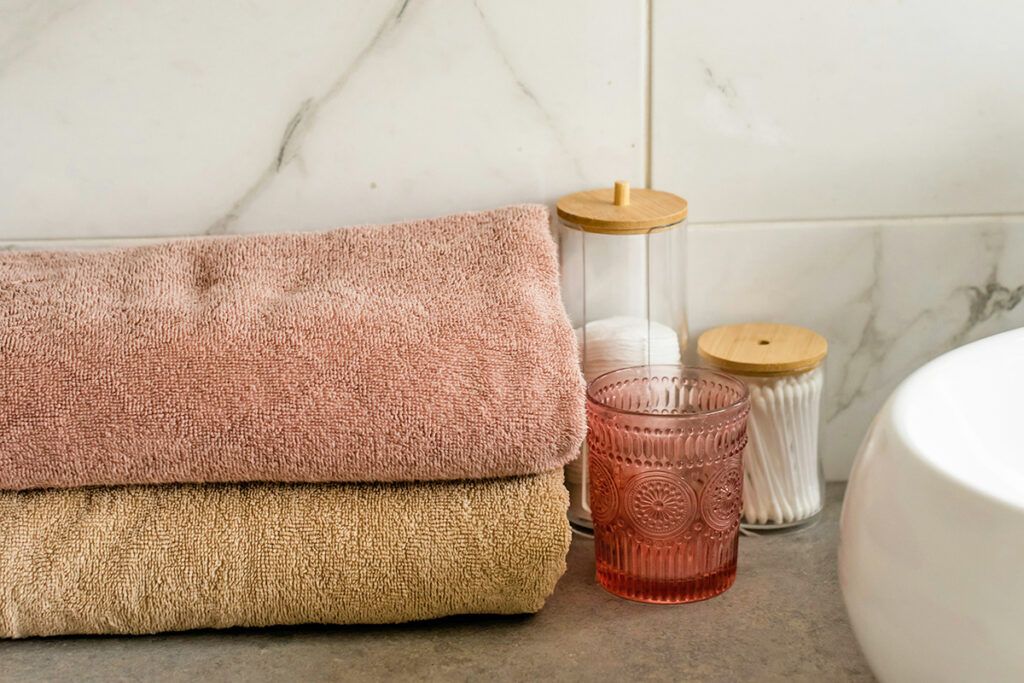
New towels are often treated with a starchy finishing agent to keep them looking crisp and fluffy on the shelf. It’s not something you want against your skin, and it actually keeps the fabric from absorbing water properly until it’s washed out. One run through a warm wash cycle solves both problems.
4. Reusable Grocery Bags
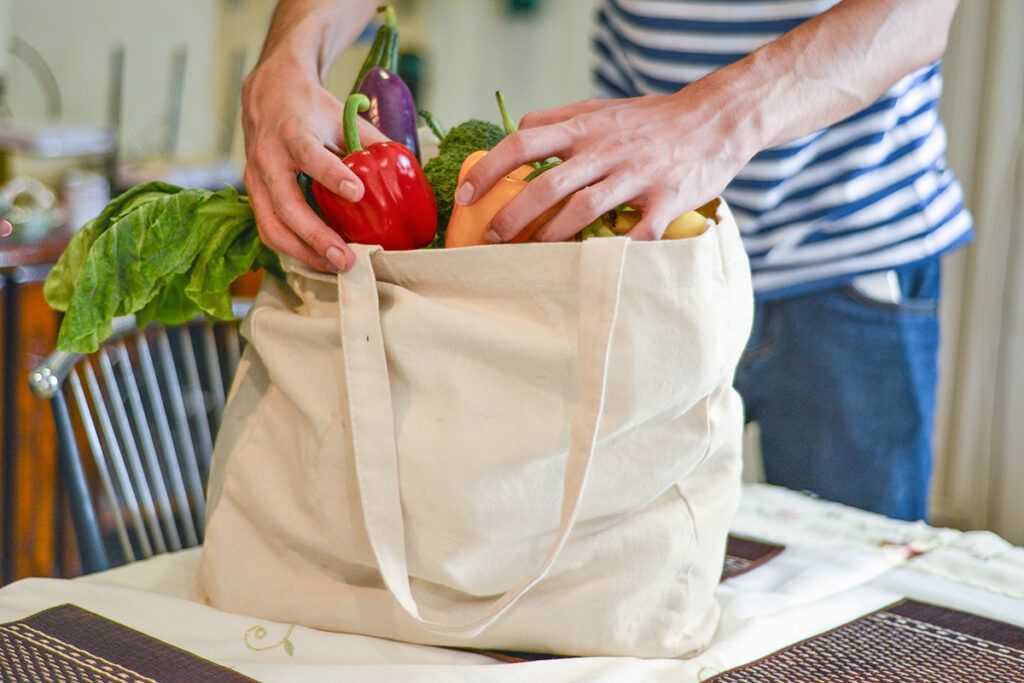
Canvas and fabric grocery bags are frequently treated with a water-resistant or protective coating you probably don’t want touching your produce. Since these bags carry food straight from the grocery store to your kitchen, it’s worth machine-washing canvas versions in warm water or wiping down plastic-lined ones with a disinfecting cloth before the first use.
More from our network
House Outlook is part of Inbox Studio, which publishes content that uplifts, informs, and inspires.



5. Bakeware
New metal bakeware — including muffin tins, cookie sheets, and cake pans — often ship with a thin protective coating to prevent rust or scratching in transit. Left on, it can burn, smoke, or affect the taste of whatever you’re baking the first time the pan gets hot. Wash bakeware with warm, soapy water and dry completely before it goes in the oven.

6. Throw Pillows and Pillow Covers
These sit in stores and warehouses for a long time before anyone buys them, picking up dust and faint chemical smells from packaging. Removable covers can go straight in the wash, while pillows without removable covers can usually handle a gentle cycle in a mesh laundry bag, depending on the fill material. As a rule of thumb, polyester, down, and feather fills can tolerate a gentle machine wash, while cotton, wool, memory foam, and microbead fills should be hand-washed or spot-cleaned.

7. New Sponges and Dish Brushes
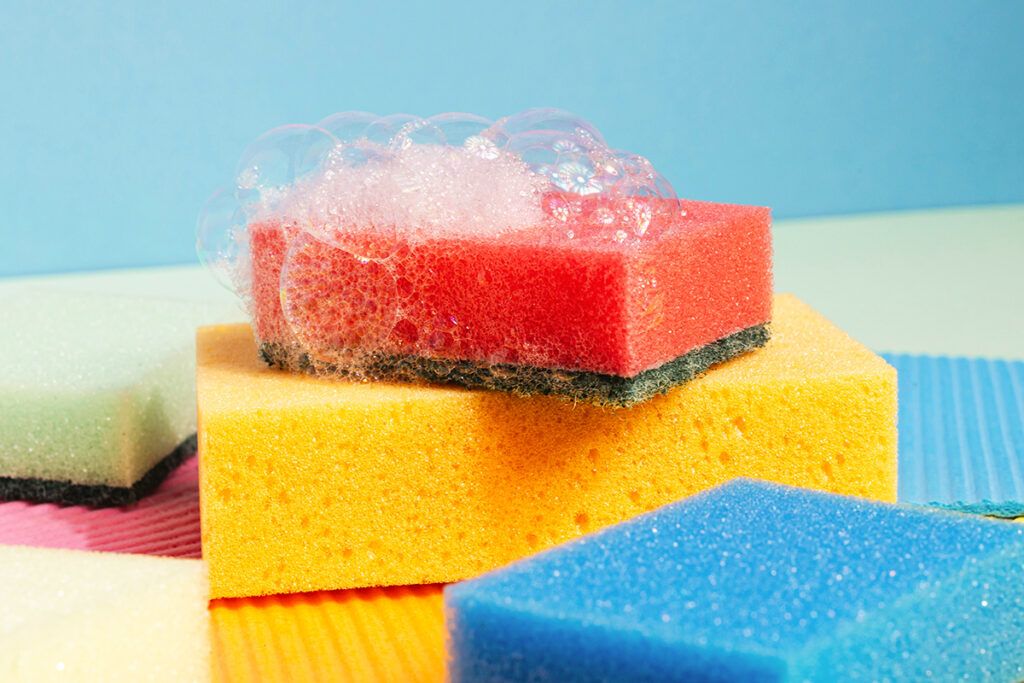
It seems backward to clean a tool meant for cleaning, but new sponges and dish brushes collect manufacturing dust just like any other item. Since they’re designed to trap particles, even a small amount of residue can end up smeared across your dishes the first time you use them. A quick rinse under hot water solves the problem.
8. New Clothing
Clothes accumulate a surprising amount on their journey from the factory to the store to your closet, including dye residue, finishing chemicals, and germs from everyone who tried them on. That matters even more for anything worn close to the skin, such as underwear or activewear. Check the care label, then wash before wearing.

9. Yoga Mats
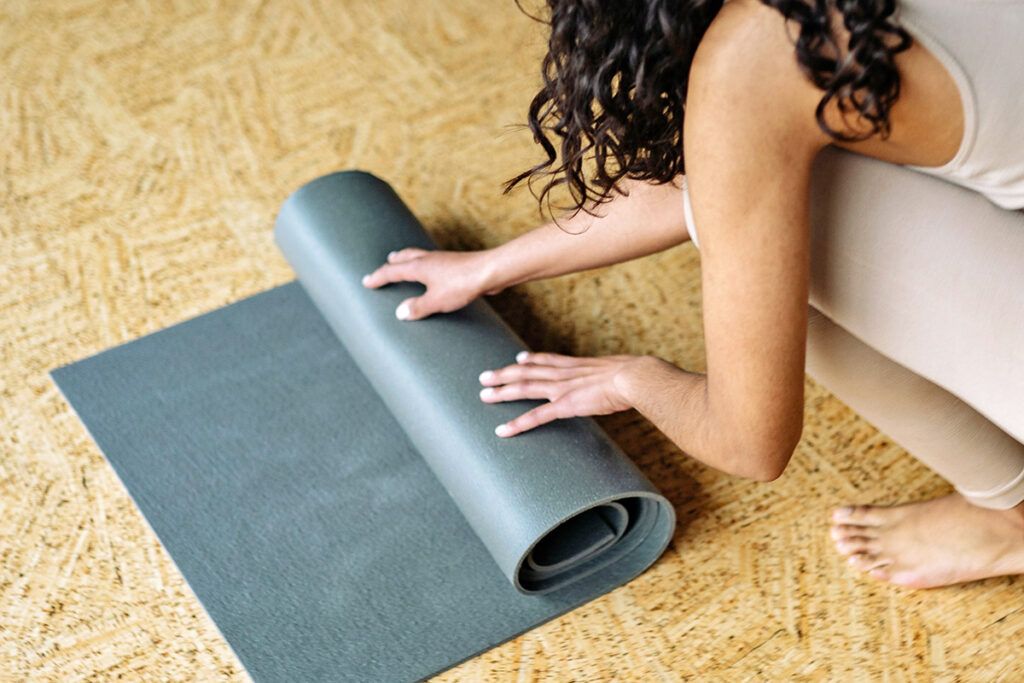
New yoga mats often carry a strong rubber or chemical smell straight out of the packaging, along with dust and residue from manufacturing. Wiping one down with a mix of water and mild soap, then letting it air-dry, cuts down on both the odor and factory residue before you’re lying face-down on it.
10. Area Rugs
New rugs, especially synthetic ones, can carry manufacturing chemicals that give off a noticeable odor when they’re first unrolled. Vacuuming both sides removes loose dust and fibers, while airing the rug out in a well-ventilated room for a day or two helps clear out any lingering smells before you place it.
None of these cleaning tasks takes more than a few extra minutes, but all make a noticeable difference. A quick wash clears away the factory residue, packaging dust, and warehouse germs that come standard with anything new. That way, when you finally use the item, it’s genuinely as clean as it looks.