)


1. Delicates
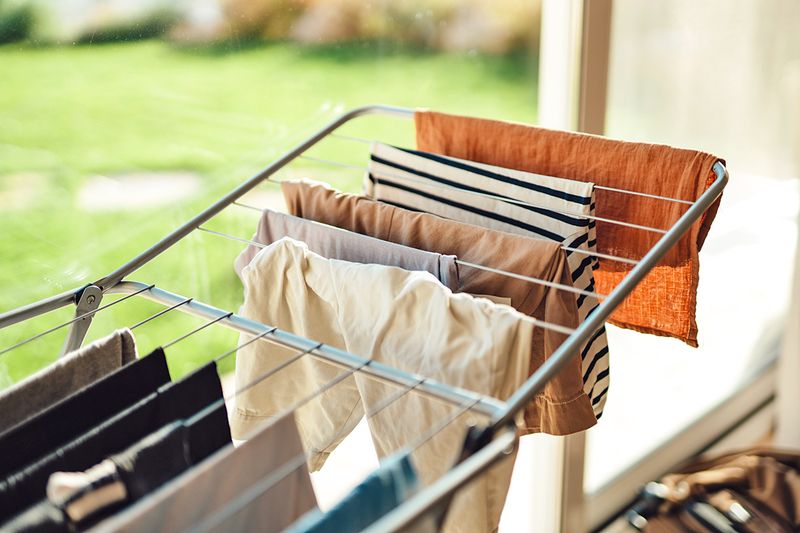
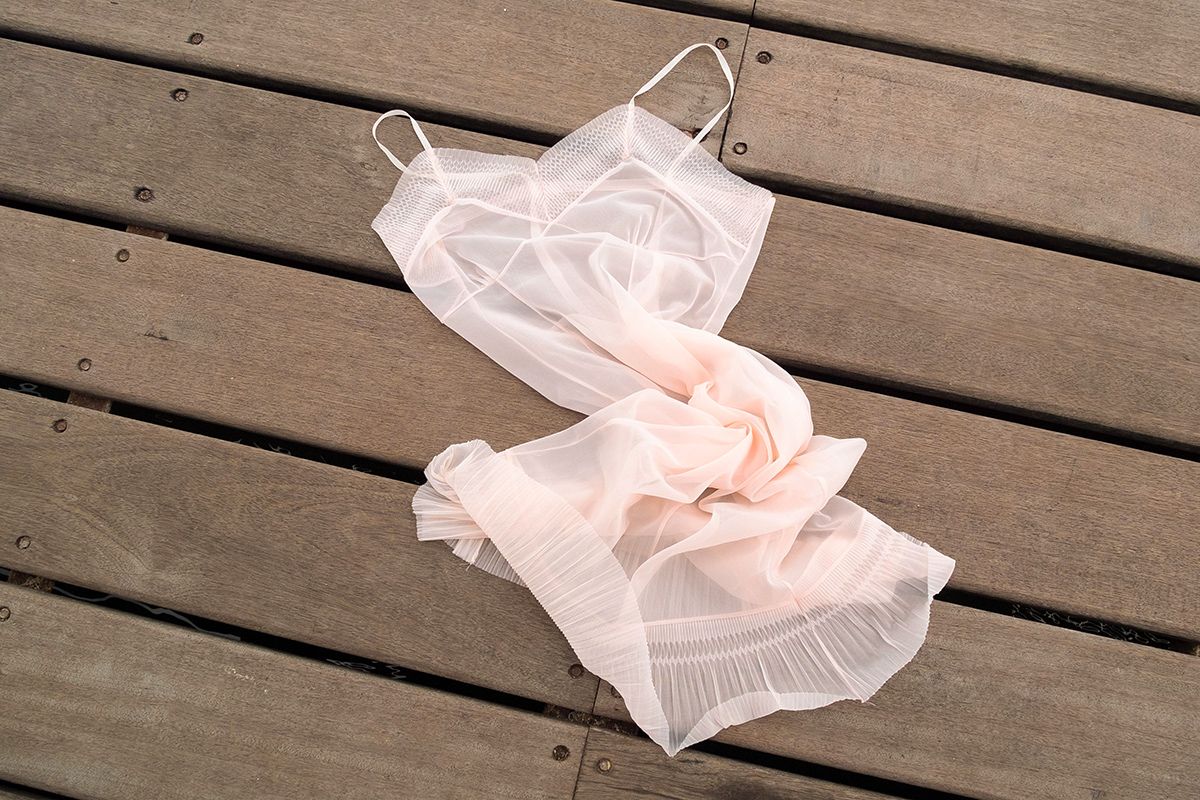
If you want to make your underwear, slips, camisoles, or other delicates last, hand-washing and line-drying is the way to go. This helps them hold their shape without the machine tumbling that pulls at seams and stitching. Plus, these lightweight items usually dry pretty quickly.
2. Swimwear
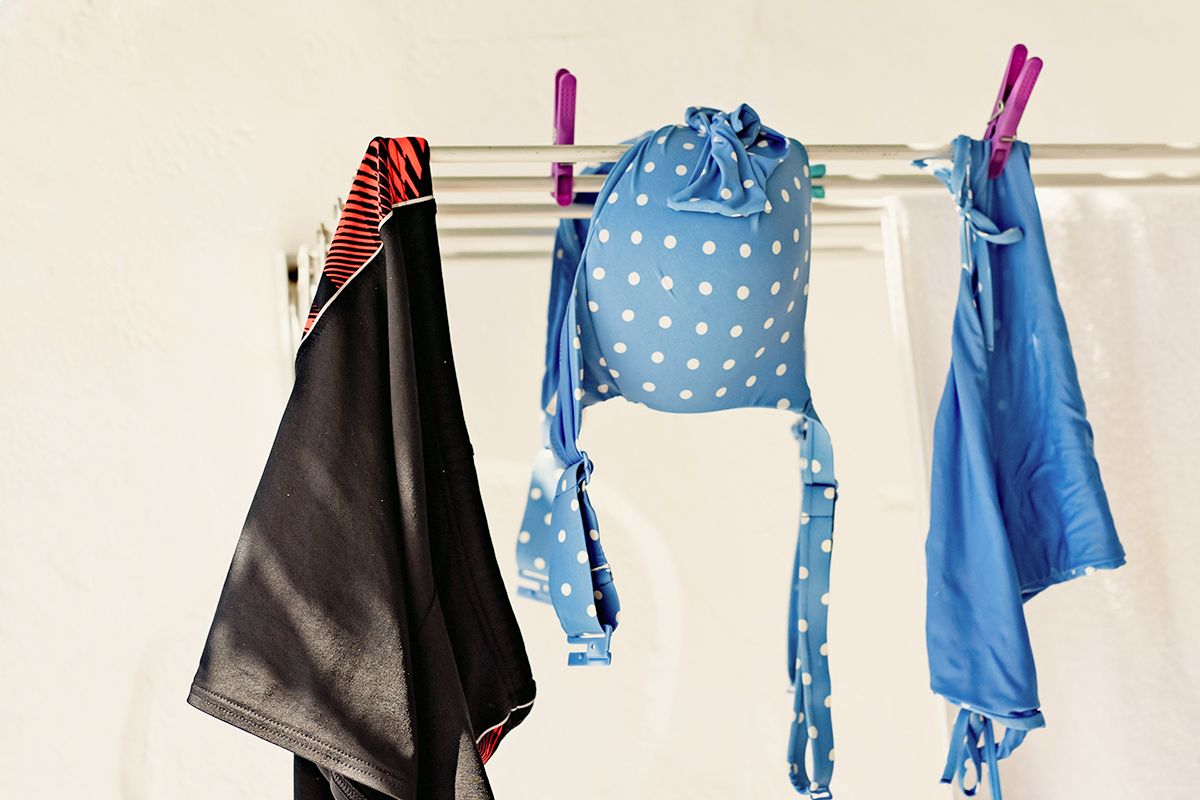
We’ve previously lauded the benefits of rinsing your swimwear in cold tap water as soon as you take it off. But tossing your one-piece in the dryer is arguably worse than leaving it in the hamper to stew in chlorine until laundry day. A dryer will destroy swimwear elasticity over time, so it’s best to rinse your suit in clean, cold water, gently squeeze out excess moisture by rolling it in a towel, and lay it flat to dry — ideally out of direct sunlight.
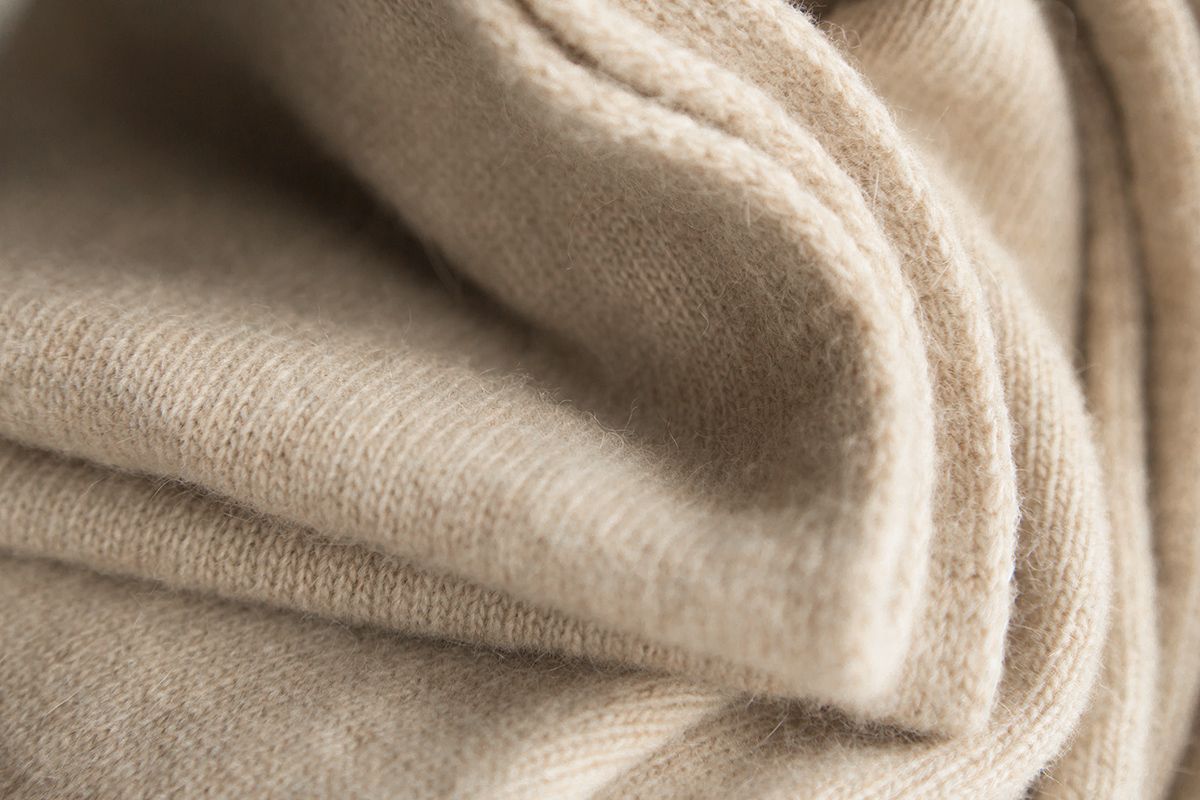
3. Raw Natural Fibers
Air drying is an absolute must for this category; even one dryer cycle can permanently shrink cotton, linen, silk, wool, and cashmere. Stick to cold-water washes or hand-washing for raw natural fibers. When it’s time to dry, hang your cottons, silks, and linens, but always lay wool and cashmere flat to preserve their shape. Note that some natural fiber garments are preshrunk before they hit store shelves to allow for machine drying, so check the care label for terms such as “preshrunk,” “prewashed,” or “sanforized.”
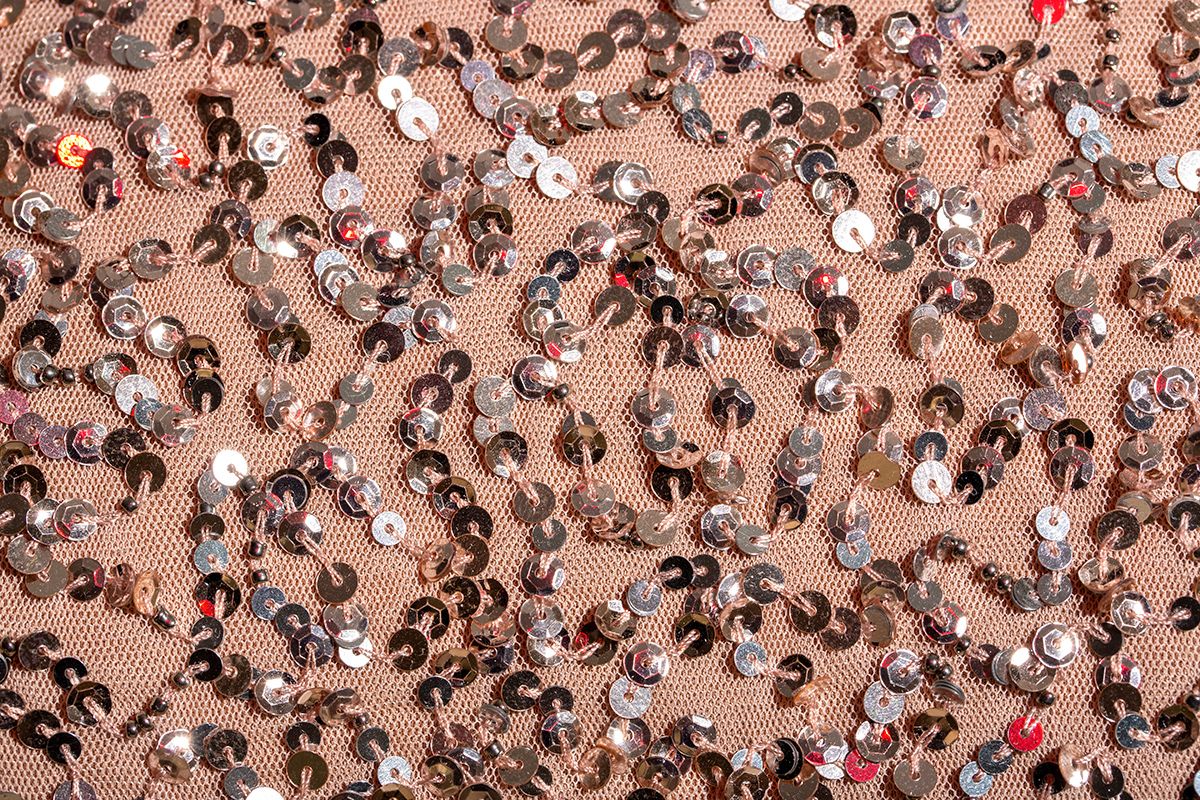
4. Handmade or Embellished Items
Since these items are often one-of-a-kind, protect your investment by letting them air-dry on the line. Beads, sequins, rhinestones, studs, applique, embroidery, and ribbons can come loose even during a low-tumble cycle, so hang them to be safe.
More from our network
House Outlook is part of Inbox Studio, which publishes content that uplifts, informs, and inspires.



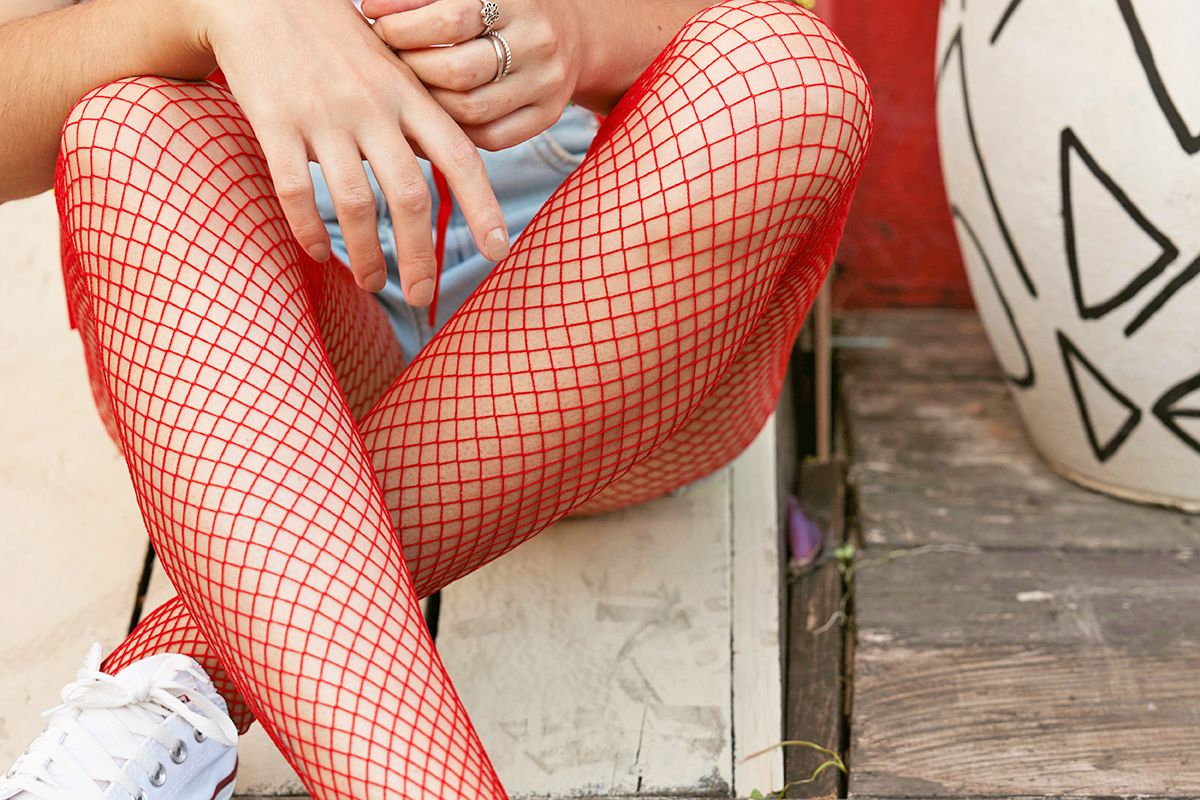
5. Hosiery
Similar to delicates, hosiery and shapewear should be hand-washed and line-dried. This is especially true for items with a delicate stitch, such as fishnet stockings, which snag and catch easily in machine cycles.
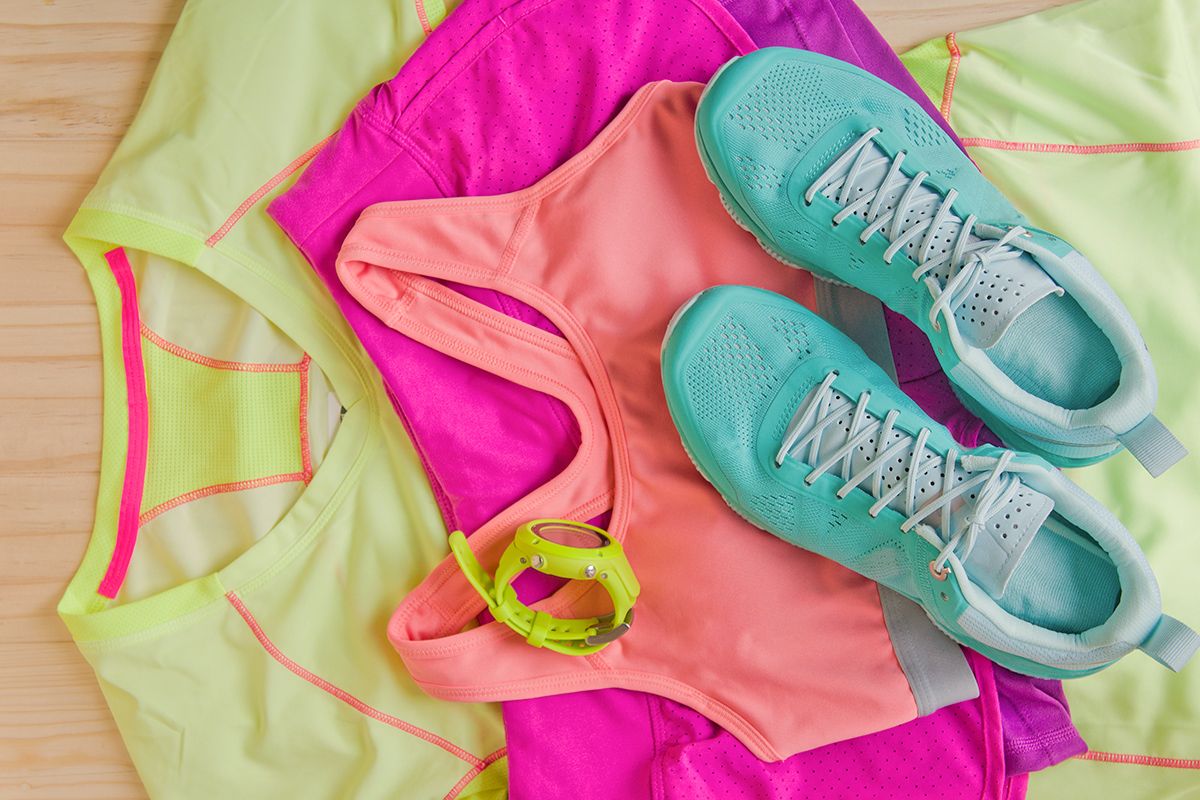
6. Activewear
Quality activewear isn’t cheap, so keeping it out of the dryer is key to making it last. Dryer heat degrades the stretch in leggings, sports bras, and tops over time. To protect workout clothes made with spandex, elastane, or Lycra, avoid the dryer and opt for air-drying instead.
7. Fur
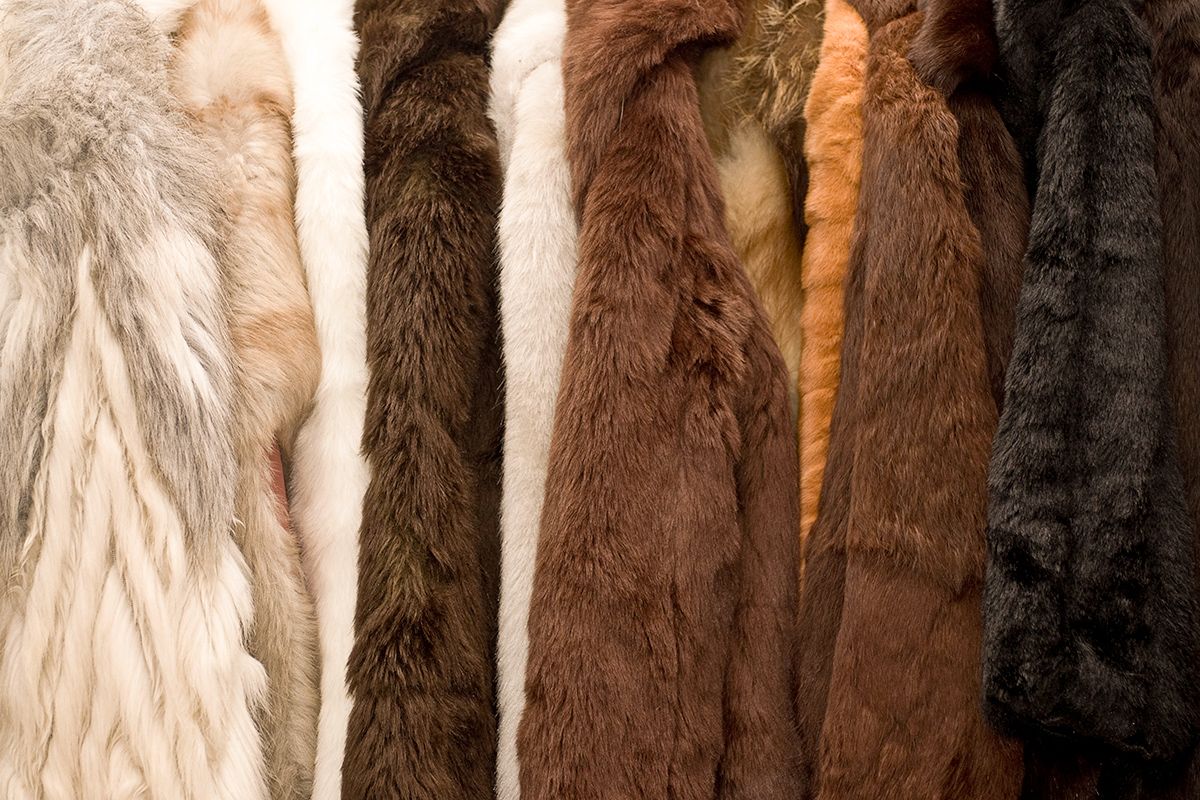
Whether it’s real or faux, do not put it in your dryer. High heat can cause real fur to fall apart or turn synthetic fur frizzy and dull. If you must launder these pieces, hang them on the line where they’ll get plenty of natural airflow. Faux fur is generally safe for dry cleaning and hand-washing, while real fur should be sent off for professional furrier cleaning every one to two years.
8. Shoes
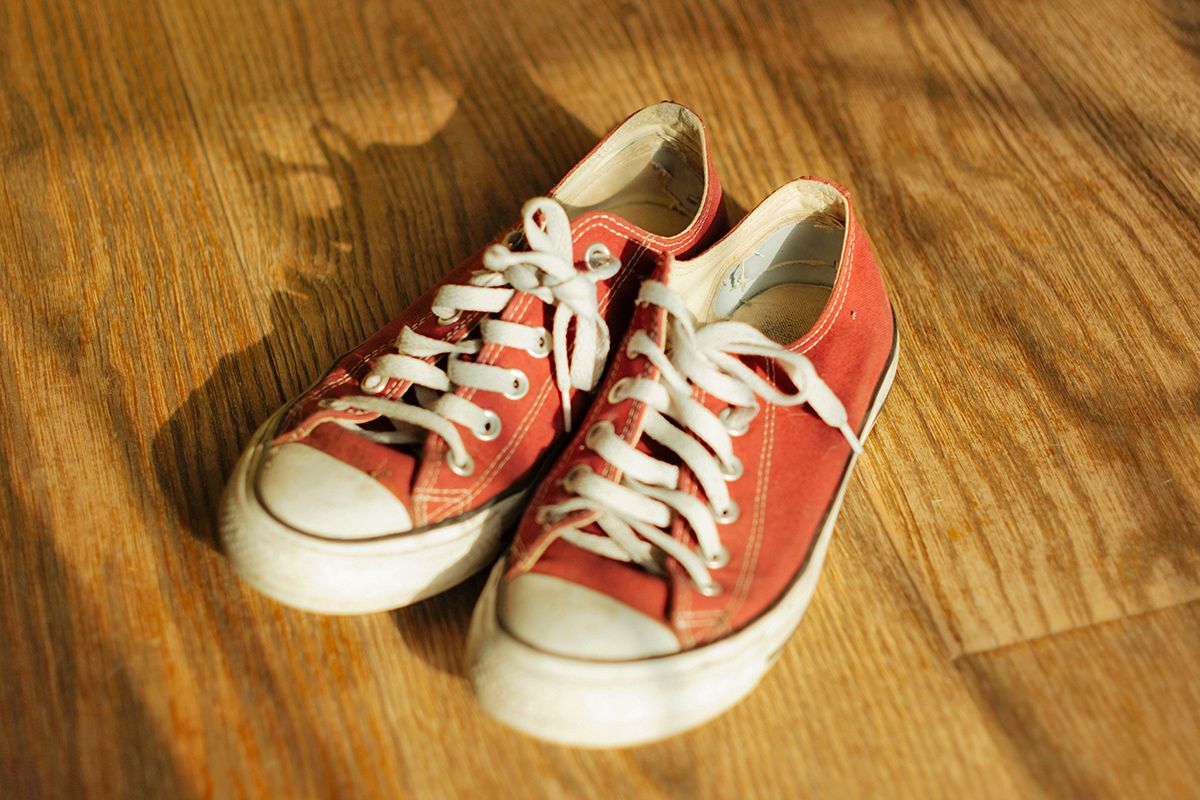
Dryer heat is a quick way to ruin your favorite footwear. It melts adhesives, warps foam insoles, and fades fabrics. What’s more, tossing heavy shoes in the dryer can dent the drum. While canvas shoes can be washed on a delicate cold cycle in a mesh laundry bag, other types of footwear should be spot-cleaned with mild soap. (Remember to remove the laces and insoles first.) To dry, set shoes in warm, indirect sunlight and stuff them with crumpled newspaper to draw out moisture and speed up the process.
9. Hats
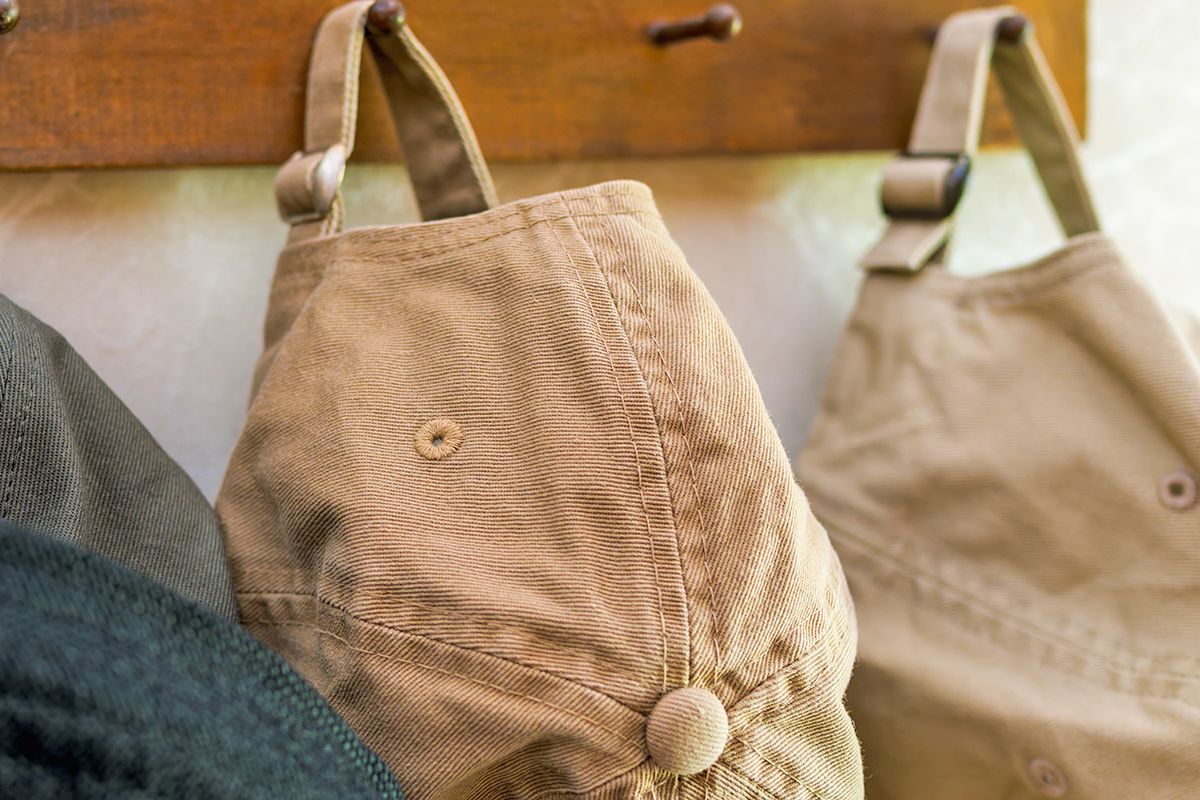
Hats can lose their shape fast, so we don’t generally recommend throwing them in with your other laundry. (Here’s an easy way to remove sweat stains by spot-treating them with just three ingredients.) However, if the brim isn’t cardboard and you own a plastic hat cage, you can machine-wash baseball caps on a cold, gentle cycle using a mild liquid detergent. Once the hat is spot-treated or washed, stuff the crown with a rolled-up towel or leave it in the hat cage (but unzip the mesh for better airflow) so it maintains its shape as it air-dries.
When To Skip the Line
While everything listed below can certainly be air-dried, using a dryer is often the better route. Not only will it get the job done faster and more effectively, but your fabrics will also feel more comfortable when you wear or use them again.
1. Towels
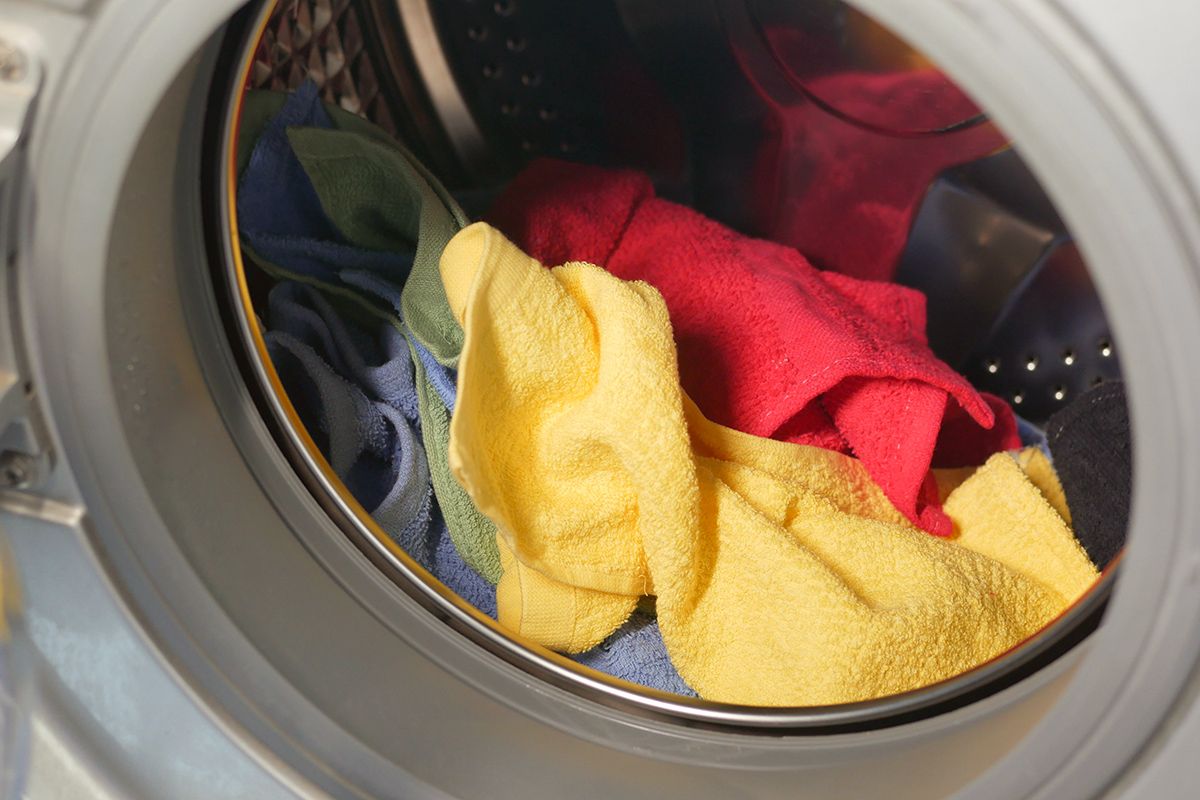
Towels drying on the line is an iconic image, but tossing them in the machine is usually better. It’s not that line-drying won’t get the job done; it just leaves the fabric stiff and scratchy. Tumbling towels in a dryer fluffs up the fabric loops so they come out soft and plush. Tip: Opt for wool dryer balls over dryer sheets, as the latter can wreak havoc on a towel’s absorbency.
2. Sweatshirts and Sweatpants
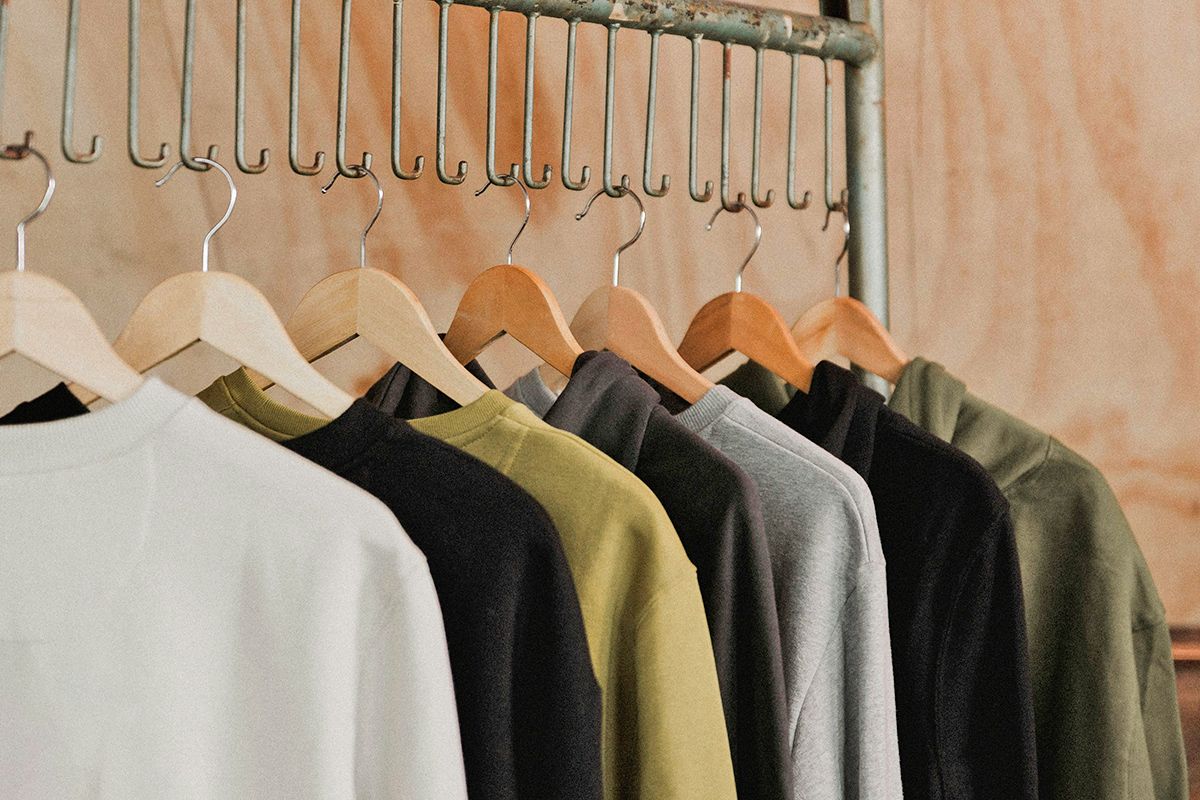
Sweatshirts and sweatpants take a long time to properly air-dry, especially when they’re lined with fleece, sherpa, or other heavy materials. Items like these hold on to moisture much longer than lightweight clothes. Unless you live in a dry climate with full sun, using the dryer is the best way to prevent trapped dampness and mildew.
3. Heavy Denim
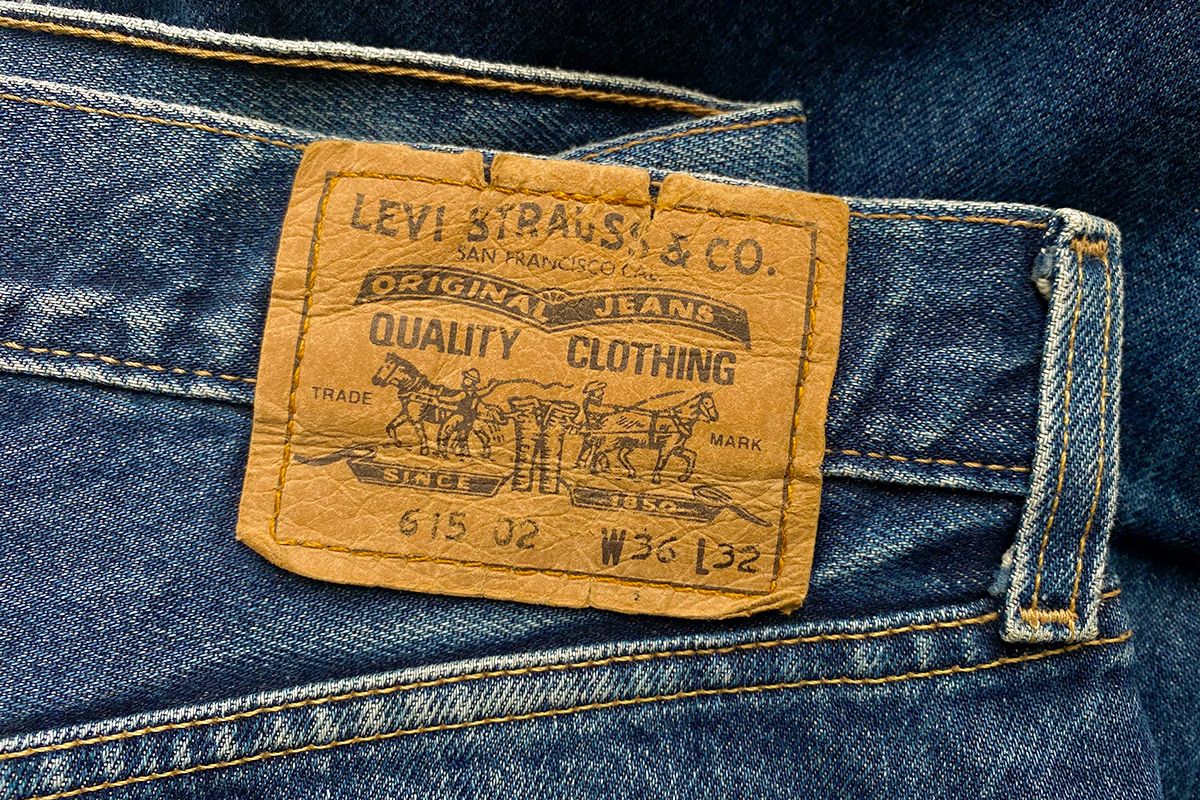
Denim care is polarizing for good reason. Raw denim shrinks in heat, while stretch denim contains elastic fibers that degrade or warp in the dryer — meaning both should be line-dried, even if they end up stiff. But for sturdy, 100% preshrunk cotton jeans, a low-heat dryer cycle averts that cardboard feel and leaves them soft and ready to wear. It’s a good idea to turn your jeans inside out before drying, as friction can cause marbling, leaving permanent white streaks along the seams and folds.
4. Comforters and Duvets
Like hoodies and sweatpants, these linens are often too bulky to air-dry effectively. Moisture easily gets trapped in folds and filling, leading to musty odors. Running comforters and duvets through a low-heat dryer cycle with a few wool dryer balls is your best bet — it helps keep the batting fluffed and fresh.