Takeaway To Keep Away
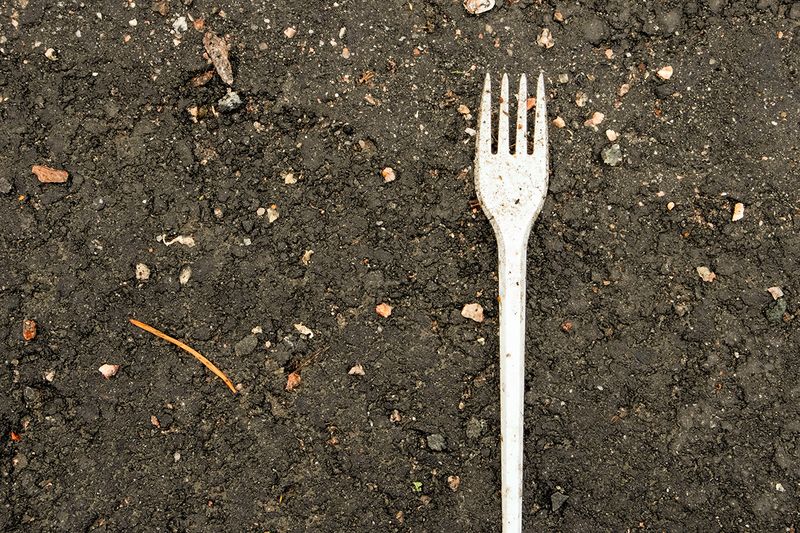
If you’re looking to keep your garden pest-free all season long — and who isn’t? — grab some plastic forks. Those disposable utensils from your takeout orders can help shield your leafy greens from slugs, discourage squirrels from digging up your bulbs, and keep curious neighborhood cats out of your flower beds. This creative solution is quick and easy to execute, offering a humane alternative to pesticides and traps by building a physical barrier around your plants. And the prickly barrier doesn’t just deter animals from chomping on your stems — it can actually prevent them from reaching your plants in the first place.
How To Use Plastic for Pests
Setting up this barricade is easy and requires only plastic forks and a few minutes of your time. Take one fork and place it in the ground, handle-side down. With the prongs sticking up and the handle shoved securely into the dirt, repeat the process until your plants are safely surrounded by their plastic protectors. It’s best to space the forks 2 to 3 inches apart from one another, and about 1 to 2 inches away from the base of the plant to avoid damaging the roots.
While using old takeaway forks makes this hack free, a large garden might require a bulk pack of disposables, which you can reuse year after year.
For bigger intruders, such as deer, pack rats, or groundhogs, you can still go the physical barrier route by covering your crops with mesh garden netting or deer fencing. To combat smaller bugs — think aphids, spider mites, and mealybugs — give your plants a thorough coating of neem oil about once a week, making sure to target the undersides of leaves where they love to hide. You can also discourage these pests by balancing your soil chemistry. High nitrogen levels make plants’ leaves soft and their sap extra sweet, which these insects crave. Tucking a blanket of straw or dried leaves around the base of your plant helps stabilize the soil and keeps those nitrogen spikes in check.
More from our network
House Outlook is part of Inbox Studio, which publishes content that uplifts, informs, and inspires.