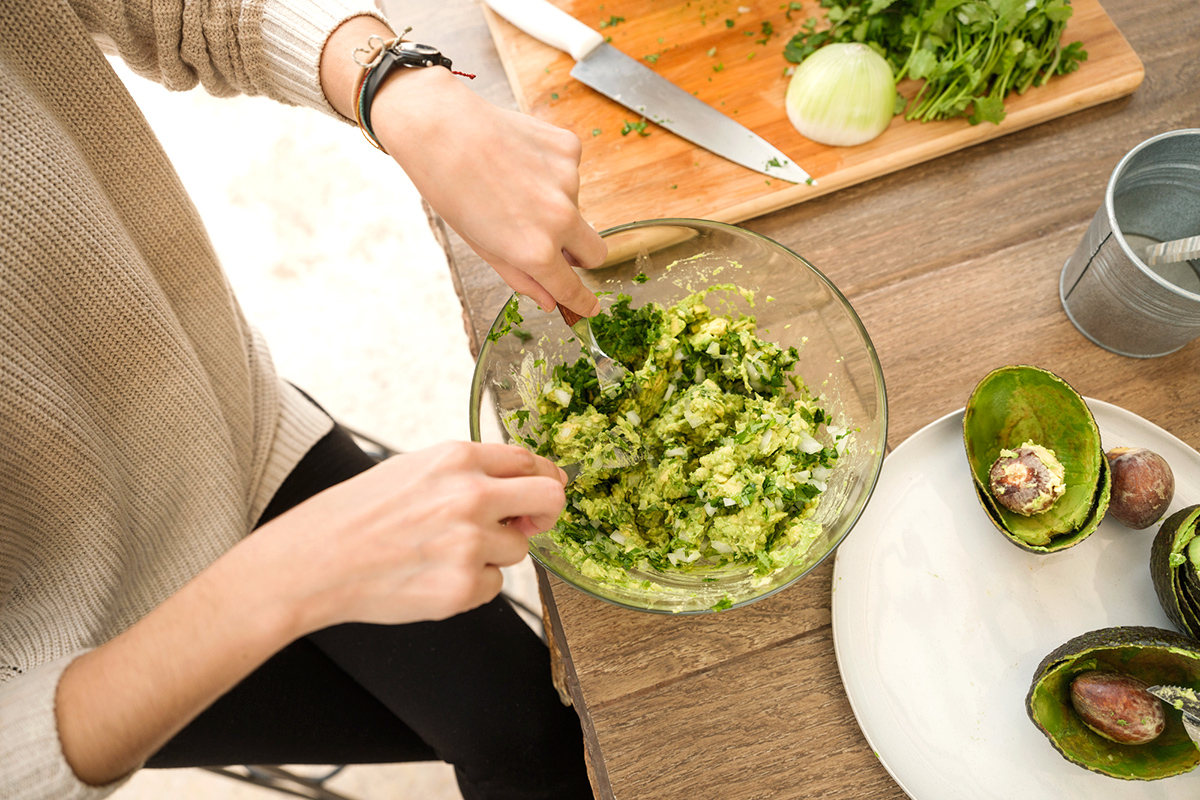
Guacamole is a crowd pleaser in nearly any setting. It can be made in large or small batches, it’s vegan and gluten-free, and it’s packed with healthy fats, fiber, and nutrients. The only real downside is that it’s tricky to make ahead of time. While the dip remains safe to eat for one to three days when properly stored in the refrigerator, it oxidizes within hours, turning an unappetizing brown color. Fortunately, a simple trick preserves guacamole’s bright green hue, even when prepared the day before the big game.
All featured products and deals are selected independently and objectively by the author. House Outlook may receive a share of sales via affiliate links in content.
Guacamole is a crowd pleaser in nearly any setting. It can be made in large or small batches, it’s vegan and gluten-free, and it’s packed with healthy fats, fiber, and nutrients. The only real downside is that it’s tricky to make ahead of time. While the dip remains safe to eat for one to three…
Why Guacamole Turns Brown So Quickly
Avocados (and many other fruits and vegetables) turn brown quickly due to a process called oxidation — essentially, enzymes in the produce chemically react with oxygen in the air. While it’s not harmful to eat oxidized produce, the brown color it produces can be off-putting. Even if you understand the science, it’s hard to get excited about digging into a bowl of guacamole with a sludgy-looking top layer. The problem is the speed of the reaction, as anyone who has left guacamole out for a couple of hours at a party can attest.
Limes offer an easy solution. The citric acid in limes (or lemons, if you prefer) acts as a shield against oxidation, preventing the dip from turning brown. You can achieve this easily — and in an aesthetically pleasing way — by layering thin, round lime slices over your guacamole before covering the bowl with plastic wrap and storing it in the refrigerator.
Since most guacamole recipes already call for lime juice, this won’t interfere with the flavor profile. If you’re a citrus lover, you can squeeze some extra juice over the top first for additional protection.
Bonus Hack: Speed Up Avocado Ripening With a Paper Bag
Need your avocados to soften up quickly? Place them in a paper bag with an apple or a ripe banana. The ethylene gas released by these fruits will be trapped in the bag, speeding up the ripening process. While they won’t achieve instant ripeness, this trick can shave days off the wait. Just check the bag once a day to make sure the avocados don’t overripen.
Decorating a living space isn’t as simple as it sounds. From choosing paint colors and furniture you’ll love for years to come to narrowing down upholstery patterns and meaningful accents, the process can quickly become overwhelming — no matter how many design magazines you flip through or Pinterest boards you create. Even when you’re confident in your personal style, pulling a room together can feel like a risky (and expensive) guessing game.
Decorating a living space isn’t as simple as it sounds. From choosing paint colors and furniture you’ll love for years to come to narrowing down upholstery patterns and meaningful accents, the process can quickly become overwhelming — no matter how many design magazines you flip through or Pinterest boards you create. Even when you’re confident…
Interior designer Nancy Cavaliere relies on a clever, easy-to-follow “3-4-5 rule” for decorating. This simple formula — three patterns, four style influences, and five colors or textures — brings clarity to the chaos of design, helping to create a layered, personality-filled space. Think of it less as a rigid rule and more like a recipe that’s hard to mess up.
Without a framework like the 3-4-5 rule, a room can feel unintentionally random or, conversely, overly matchy-matchy. This approach helps you strike the perfect balance, resulting in a space that feels thoughtfully collected over time, rather than forced or overdesigned.
Cavaliere’s formula is straightforward. To her, a well-designed space should feature three patterns, four style influences, and five colors or textures. Together, these elements serve as the foundation for a creative, confidence-boosting design.
Three patterns: Whether you opt for striped drapery, floral wallpaper, or a zebra-print rug, patterns add movement and energy. The secret is varying the scale and mood of each pattern (so, avoid pairing two small-scale florals), while connecting them through a shared color palette or overall vibe.
Four style influences: This layer grounds a space with character and a sense of history. Instead of committing to a single style, mix pieces that nod to different design eras. For example, pair a contemporary minimalist sofa with a mid-century modern accent chair and a traditional floor lamp. The result feels curated and personal — not like a “room-in-a-box” bought in a single afternoon.
Five colors or texture: A variety of tones and textures ensures a space feels layered, not flat. You can incorporate these through paint, upholstery, and finishes. Don’t underestimate the power of texture, either; bouclé, velvet, wood, stone, and metal all count toward your total. Textures add depth and a tactile quality that makes an ordinary room feel like a place where you can kick up your feet and stay awhile.
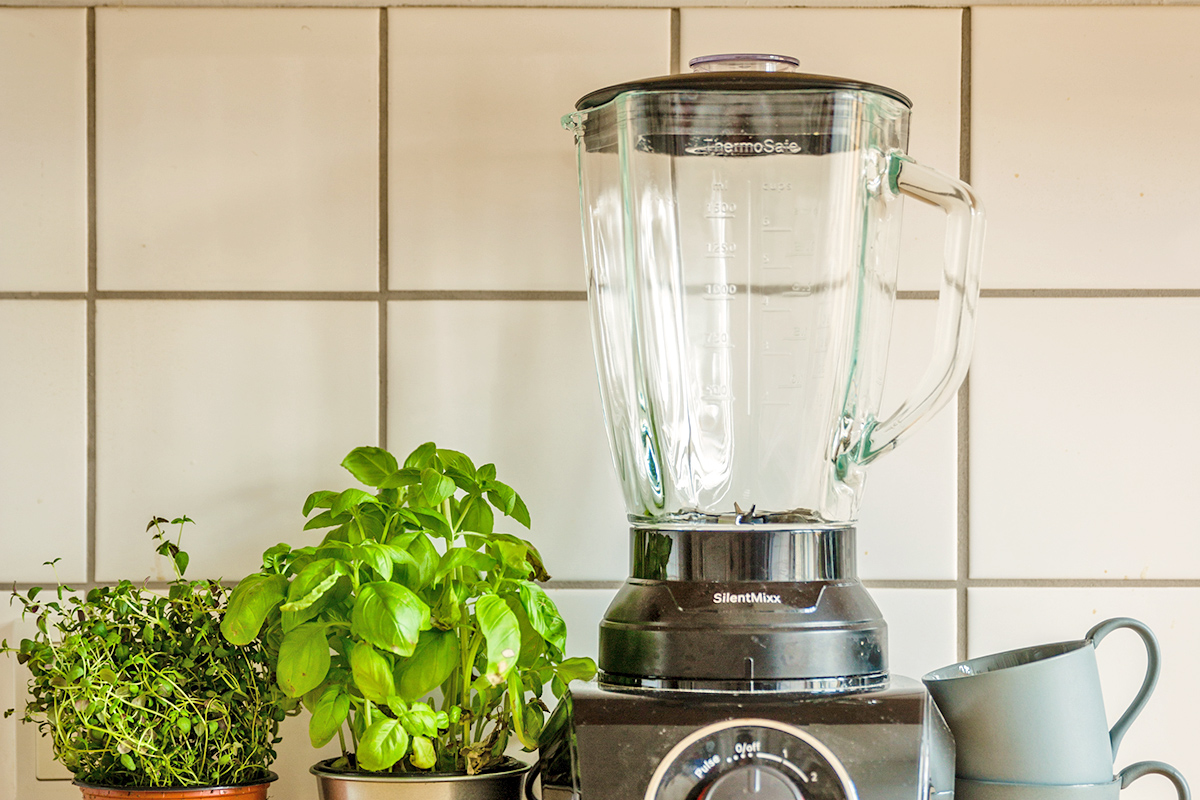
Few kitchen appliances rival the sheer versatility of a blender. It can help you whip up soups, sauces, smoothies, and frozen cocktails in seconds, yet the cleanup is often so much of a hassle that many opt to keep it tucked away in the cupboard. Fortunately, there’s a simple hack to get the pitcher and blades spotless in under a minute — no scrubbing required.
All featured products and deals are selected independently and objectively by the author. House Outlook may receive a share of sales via affiliate links in content.
Few kitchen appliances rival the sheer versatility of a blender. It can help you whip up soups, sauces, smoothies, and frozen cocktails in seconds, yet the cleanup is often so much of a hassle that many opt to keep it tucked away in the cupboard. Fortunately, there’s a simple hack to get the pitcher and…
Scrub-Free Suds
Turning a blender into a self-cleaning machine is as easy as flipping a switch. Instead of scrubbing it by hand and risking a cut from the sharp blades, try this method: Fill your blender halfway with warm water and add a few drops of dish soap. Turn it on high speed for 30 to 60 seconds, allowing the blades to swirl the soapy water around. (Some models have preprogrammed cleaning settings with pulsating rhythms to scrub away stubborn messes.) This vortex will get soap into every corner and under the blades without you having to take the whole thing apart.
Take It to the Next Level
You don’t have to take your blender apart to get a deep clean, but a few simple steps can make this 30-second hack even more effective. First, rinse out as much residue as possible; this will give the water and soap less grime to cut through. Using hot water will also help loosen up any stuck-on food. Most importantly, clean the blender immediately after use to prevent the remnants from drying and hardening.
For particularly stubborn buildup, drop half a lemon (even a squeezed-out one) into the soapy mixture. The citric acid in the juice and the oils in the peel are natural degreasers that help break down fats and neutralize odors. It’s an easy way to boost the cleaning power of this hack while leaving your kitchen with a fresh, citrus scent.
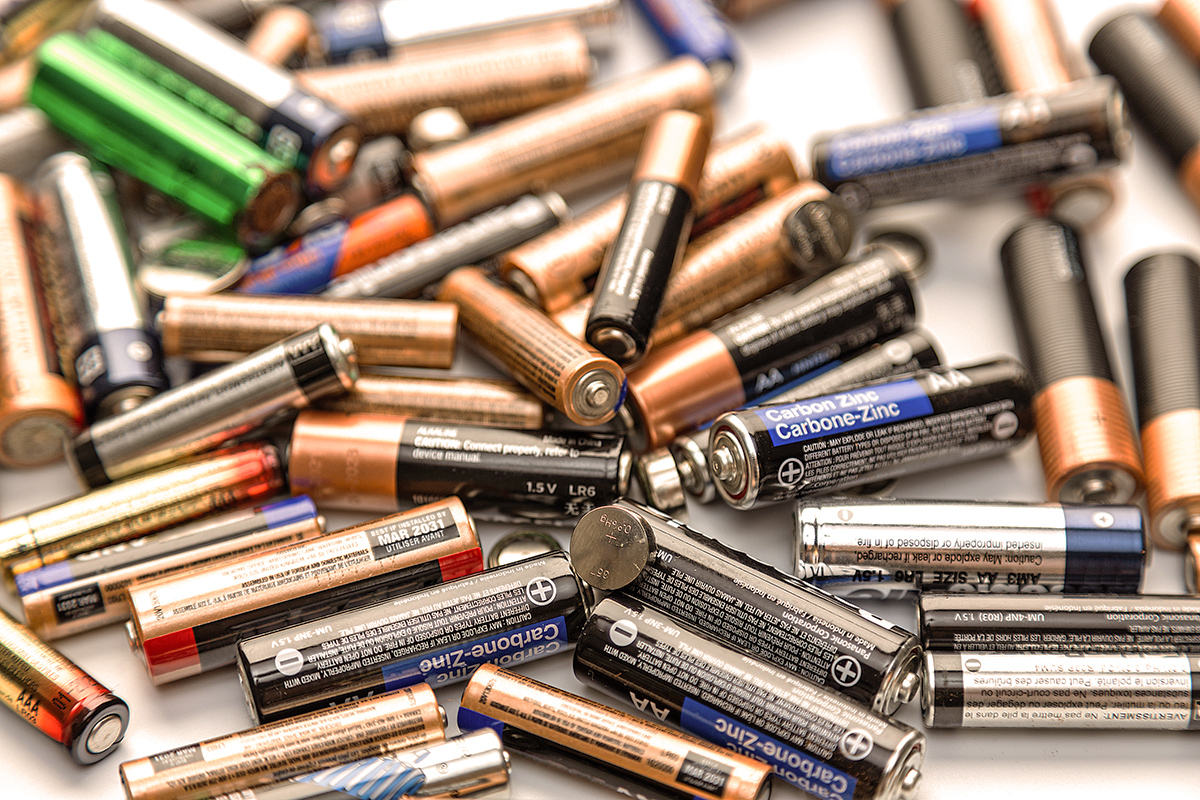
Junk drawers might as well be called battery cabinets, as they’re the most common place to store loose AAs, AAAs, and 9-volts. But despite how convenient it is, this habit is potentially hazardous. While a fire is a rare occurrence, a battery that comes into contact with other metal objects in a junk drawer can short-circuit and ignite. Here’s what to know about the risks of loose battery storage, along with safer alternatives to consider.
All featured products and deals are selected independently and objectively by the author. House Outlook may receive a share of sales via affiliate links in content.
Junk drawers might as well be called battery cabinets, as they’re the most common place to store loose AAs, AAAs, and 9-volts. But despite how convenient it is, this habit is potentially hazardous. While a fire is a rare occurrence, a battery that comes into contact with other metal objects in a junk drawer can…
A Potential Fire Hazard
In addition to batteries, many junk drawers contain conductive metal objects such as keys, coins, and paperclips. If any of those objects touch the positive and negative terminals of a battery at the same time, a short circuit can occur. While the risk is lower for AAs and AAAs — since their terminals are on opposite ends — it’s much higher for 9-volt batteries, where the terminals are located side by side on the same end.
When a battery short-circuits, its stored energy discharges rapidly, which causes internal heating. If this overheated battery comes into contact with a piece of paper (e.g., a notepad, instruction manual, etc.), it may cause the material to ignite. Again, while this is rare, the fire hazard is very real and entirely preventable.
Furthermore, storing loose batteries in a junk drawer may cause them to roll around and bump into each other, which can degrade their outer casings over time. The worse this damage gets, the more likely the battery is to leak chemicals, which can damage or corrode the drawer itself.
Other Storage Methods
Instead of storing loose batteries in a junk drawer, consider using a dedicated battery organizer. These compact, affordable containers keep batteries secure and separated, which helps prevent leaks and extends their shelf life.
Another option is to cover the exposed terminals with electrical tape. While this doesn’t protect the outer casings from damage, it does protect the terminals from coming into contact with other metal objects, reducing the risk of a fire hazard.
Low-carb diets have deeper roots than you might imagine. In the late 19th century — nearly 150 years ago — Union Army doctor James Salisbury (yes, the Salisbury steak guy) became convinced that a meat-heavy diet was the healthiest way to live. Other diets, such as Atkins and Paleo, revolve around a similar theory, and while they aren’t as trendy as they used to be, many of us still pay close attention to our carbohydrate intake.
Low-carb diets have deeper roots than you might imagine. In the late 19th century — nearly 150 years ago — Union Army doctor James Salisbury (yes, the Salisbury steak guy) became convinced that a meat-heavy diet was the healthiest way to live. Other diets, such as Atkins and Paleo, revolve around a similar theory, and while…
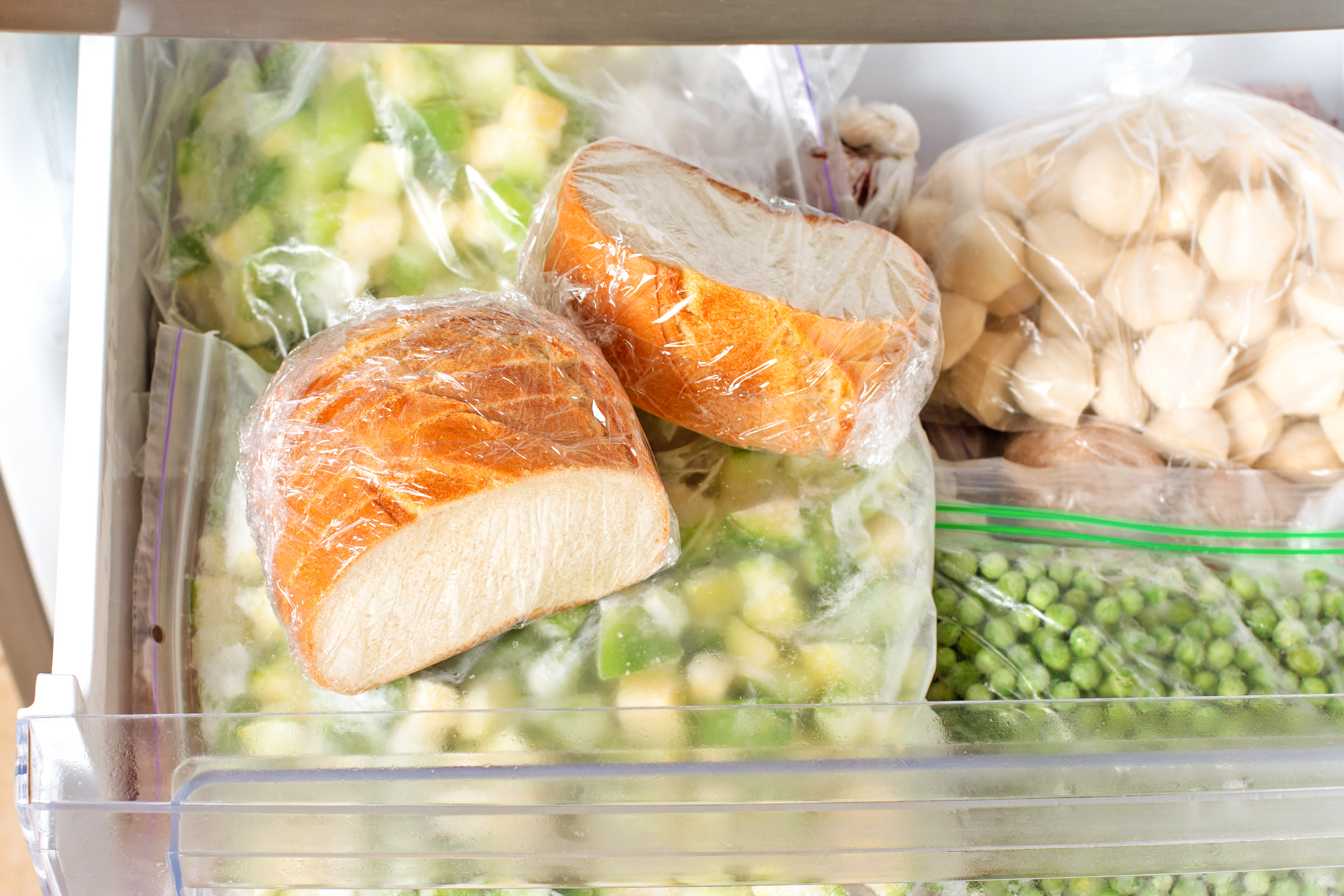
Why? Because quickly digested carbs can cause blood sugar spikes that are dangerous for diabetics and can leave the rest of us feeling sluggish. That’s unfortunate news for bread lovers — especially fans of white bread, which is the classic example of a high-glycemic index (GI) food. But there’s a silver lining: It turns out that freezing bread can actually lower its GI. Here’s the science behind how it works.
Why Freezing Bread Lowers Its GI
The starches in flour are complicated tangles of simple sugars, but our bodies are good at “untying” those knots and turning them back into glucose. This is why your blood sugar spikes after eating bread. So, how does freezing come into the picture? Well, when you bake bread, heating the dough turns those starches soft and gel-like. That’s why a loaf fresh from the oven feels a bit doughy even when it’s perfectly baked. As it cools, the bread loses its doughy texture but stays soft.
But when you freeze that bread, you force the starches to change their structure. They recrystallize into a firmer, more stable form through a process called “retrogradation.” In this new form, the starches resist your body’s attempts to break them down into sugars, which slows their absorption into your bloodstream. These are referred to as “resistant starches.”
How Resistant Starches Change Your Bread
There is a slight catch: Retrogradation makes the bread lose some of its softness and it may feel a bit drier in your mouth. If you’re using it in sandwiches, for example, you’ll want to freshen it up just as you would with stale bread. Toasting it is even better. Not only does it mask the textural change, but a study out of England found that toasting frozen bread actually reduces its GI even further.
Most of us know that fiber is good for gut health. The cool thing about resistant starches is that once they reach your gut, they act much like the heart-healthy soluble fiber found in oats and beans. They’re classified as prebiotics, meaning they’re food for the probiotic microbes in your digestive system. So, while freezing won’t turn bread into a superfood, it does lessen the loaf’s glycemic impact.
You don’t need a cart full of specialty cleaners, pricey gadgets, or viral must-haves to make your home run smoother. In fact, some of the smartest life upgrades are already sitting on your pantry shelves.
All featured products and deals are selected independently and objectively by the author. House Outlook may receive a share of sales via affiliate links in content.
You don’t need a cart full of specialty cleaners, pricey gadgets, or viral must-haves to make your home run smoother. In fact, some of the smartest life upgrades are already sitting on your pantry shelves.
Here’s a mix of 32 clever, easy-peasy pantry hacks to help you tackle everything from cleaning and cooking to gardening and DIY home improvements.
Cleaning Hacks
1. Use Baking Soda To Remove Coffee Mug Stains
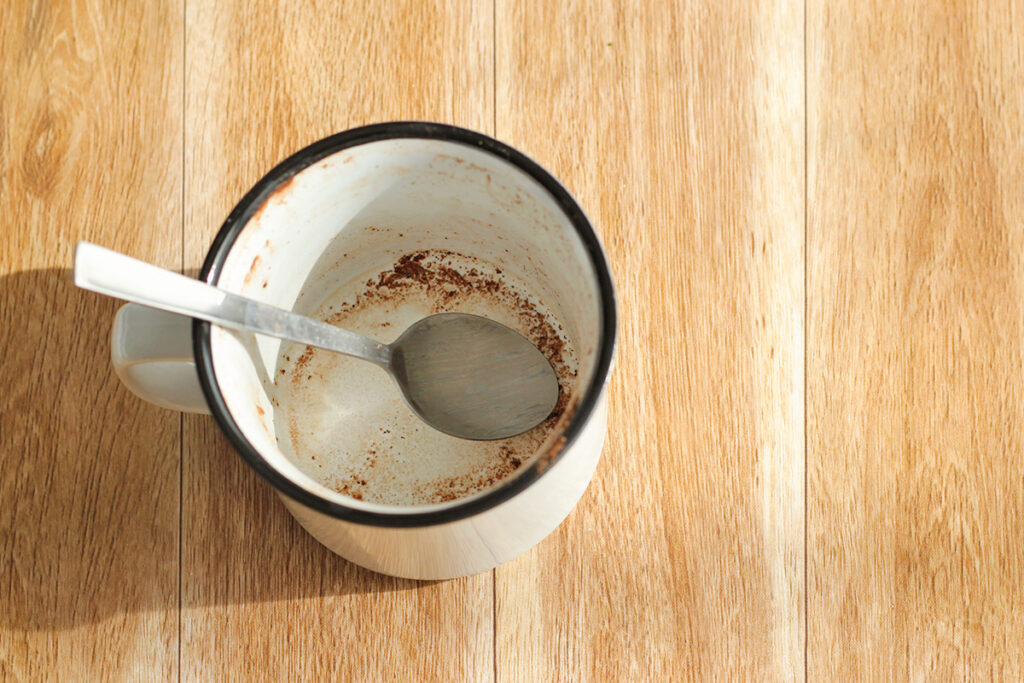
Sprinkle baking soda into tea- or coffee-stained mugs, add a splash of water, and gently scrub with an old toothbrush or rag. The baking soda’s mild abrasiveness is tough on discoloration but safe for ceramic. This hack works especially well on older, set-in stains.
2. Use Baking Soda and Vinegar To Clean Your Garbage Disposal
Pour a quarter cup of baking soda into the disposal and follow with 1 cup of distilled white vinegar. Let it fizz for five to 10 minutes and then flush with cold water. This helps break down residue and neutralize lingering odors. Run the disposal briefly during the final rinse.
3. Use Aluminum Foil To Make Silverware Shine in the Dishwasher
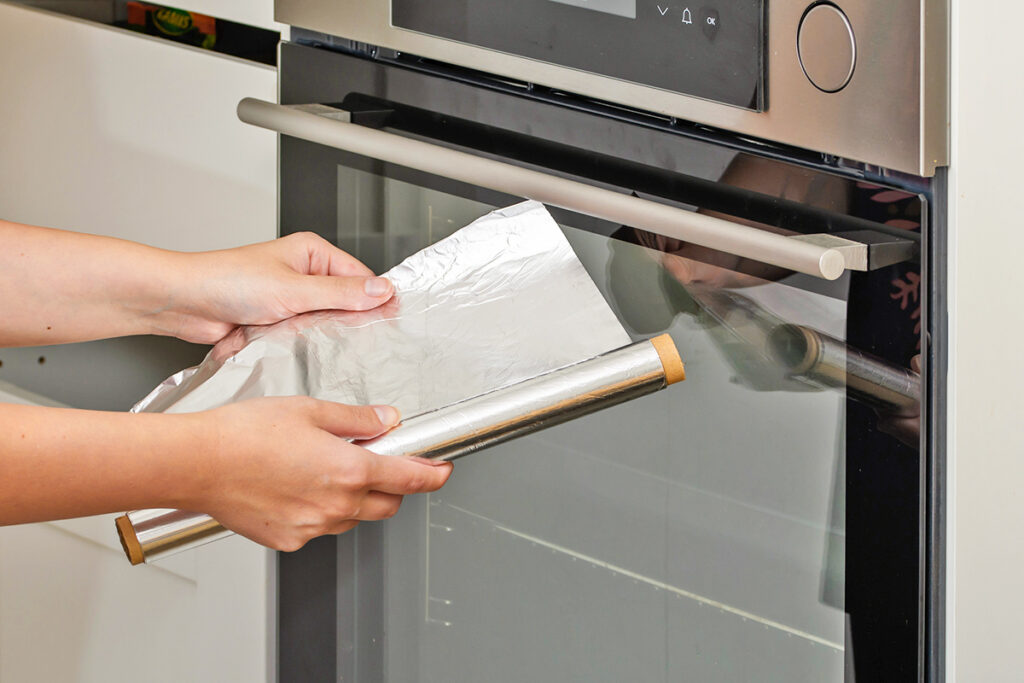
Toss a small ball of tightly crumpled aluminum foil into the utensil basket to help reduce dullness during the wash cycle. The chemical reaction between the foil and detergent lifts tarnish from silver and minimizes water spots on stainless steel. Replace the foil every few washes.
4. Use Olive Oil To Remove Smudges From Stainless Steel
A few drops of olive oil on a soft cloth will buff away fingerprints and restore shine to stainless steel surfaces. Always wipe in the direction of the grain to avoid streaks. Note: This hack is not recommended for matte finishes.
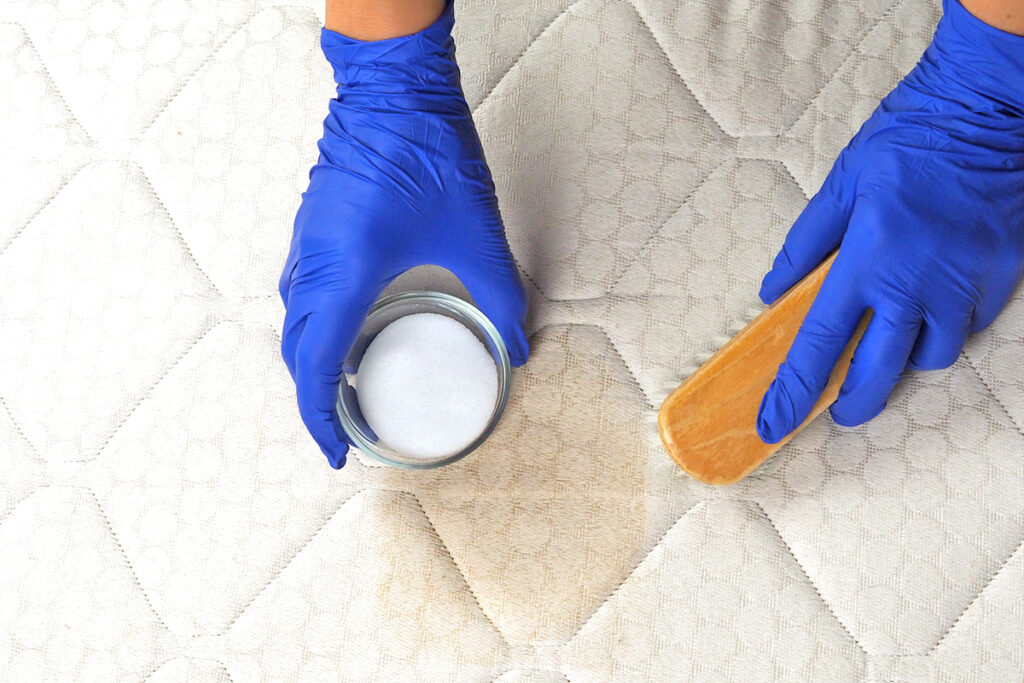
Combine 1 cup of baking soda with 10 drops of your favorite essential oil. Sprinkle the mixture evenly across the top of your mattress, let it sit for one hour, then vacuum thoroughly. Since baking soda can clog vacuum filters, it’s best to use an old or inexpensive model. This miracle powder absorbs moisture and odors without harsh chemicals. Do this twice a year to help reduce the buildup of sweat, body oils, and other grime.
6. Use Vinegar To Eliminate Lingering Cooking Smells
Simmer 1/2 cup of distilled white vinegar and 1 cup of water on the stove for 10 to 15 minutes to quickly neutralize strong food odors. This method is especially helpful after frying or cooking fish. Ventilate the space afterward.
Sprinkle a generous amount of cornstarch over the oil stain, ensuring that it’s completely covered. Let it sit for at least 15 minutes (a couple of hours is even better), brush off the cornstarch, and launder the garment as usual.
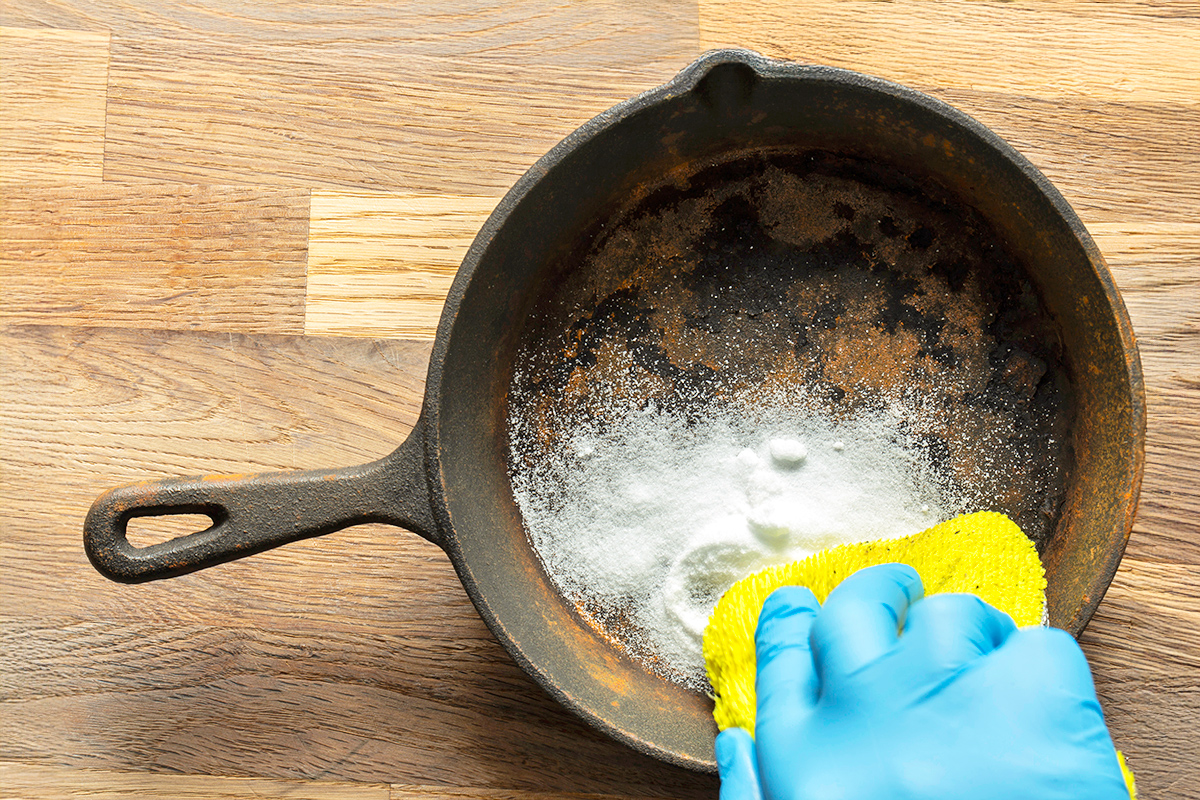
Coarse salt scrubs away stuck-on food without damaging seasoning. While the cast-iron skillet is still warm, use a nonscratch pad and warm water to get rid of any loose food particles. Rinse quickly and dry thoroughly, then pour 2 to 3 tablespoons of kosher salt onto the cooking surface. Use a paper towel to work the salt into the pan, then discard the salt, rinse again, dry completely, and oil the skillet lightly.
9. Use Sliced Bread To Safely Clean Up Broken Glass
Press a slice of soft bread over tiny glass shards to pick them up without cutting your hands. Dispose of the bread immediately, then follow up with a damp paper towel to catch any remaining pieces.
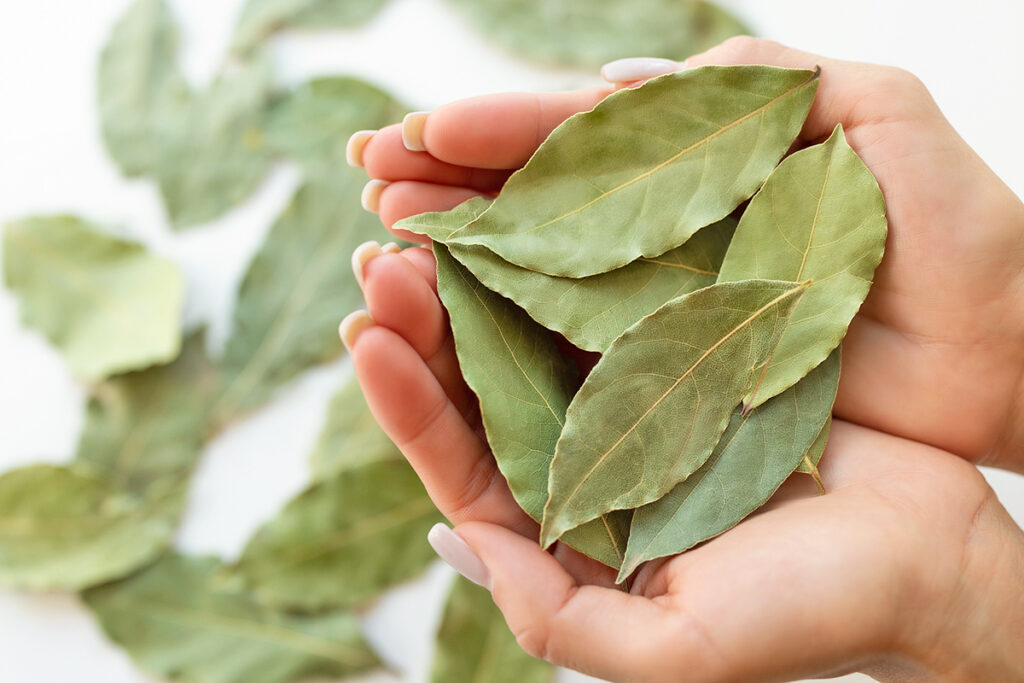
Tuck whole bay leaves — even stale ones — into pantry shelves and food containers to naturally deter insects such as moths, cockroaches, and weevils. Replace them every two to four months as the scent fades.
Uncooked rice acts as a mild abrasive to loosen residue in narrow-necked bottles and vases. Fill a cloudy piece of glassware halfway with warm water, a few drops of dish soap, 1 to 2 tablespoons of distilled white vinegar, and up to 1 cup of uncooked rice. Cover the top and shake vigorously to scrub the interior. Dispose of the rice, rinse thoroughly with warm water, and dry with a microfiber cloth.
The mild acidity in ketchup helps lift tarnish and restore shine to stainless steel. Apply an even layer and let it sit for 30 minutes. Wipe it away, rinse the surface thoroughly, and dry with a microfiber cloth. Spot-test a hidden area first to prevent potential staining.
13. Use Cornstarch To Make Roasted Potatoes Extra Crispy
For every half-pound of baby potatoes, combine 2 tablespoons of cornstarch and 1/2 cup of water in a large bowl. Microwave in 20-second increments until the mixture forms a gooey paste. Toss the potatoes in the paste, then place them cut-side down on a sheet pan coated in cooking spray and a neutral oil. Roast for 15 minutes at 425 degrees Fahrenheit, remove the foil, and continue roasting for 20 minutes more. You’ll get incredibly crispy potatoes with light, fluffy interiors.
To encourage even browning, use a baking soda solution on your raw ground beef. For every pound of meat, dissolve 1/4 to 1/2 teaspoon of baking soda in 1 tablespoon of water. Mix the solution into the raw ground beef and let it rest on the counter for 15 to 30 minutes before cooking as you normally would to achieve restaurant-quality browning.
Rolled foil coils lift meat off the pan, allowing heat to circulate underneath to prevent a soggy bottom. Pull out a sheet of aluminum foil at least 3 to 4 feet long and crumple it into a tight “snake.” Bend the foil into an S-shape or a question mark that fits inside your pan, then position the bird on top, ensuring it’s stable before roasting. Discard the foil after use for an easy cleanup.
Thicken soup instantly with potato flakes to avoid the gumminess of cornstarch or the raw flavor and clumps of flour. This hack works best for creamy soups; stir in a spoonful at a time until the liquid reaches your desired thickness. Because the potatoes are already cooked, they add body without overpowering flavor.
Wrapping celery in aluminum foil helps regulate moisture better than plastic wrap, keeping it crunchy for two weeks to a month. Wrap the bunch of celery in a large sheet of foil, leaving the ends slightly open. This traps moisture while allowing ethylene gas to escape, which slows the ripening process. Store the foil-wrapped celery in your refrigerator’s crisper drawer.
18. Use Cooking Spray To Measure Sticky Ingredients Easily
A light coat of nonstick cooking spray helps honey, syrup, and nut butters slide right out of measuring cups and spoons. Any oil — such as avocado, olive, or canola — will work. This hack allows you to measure multiple ingredients without stopping to wash and dry your tools.
19. Use Marshmallows To Prevent Brown Sugar From Clumping
To keep brown sugar soft and scoopable, toss two or three marshmallows into the container. This method rehydrates clumped brown sugar in a day or two and works better than bread slices, which can mold. Replace the marshmallows once they begin to harden.
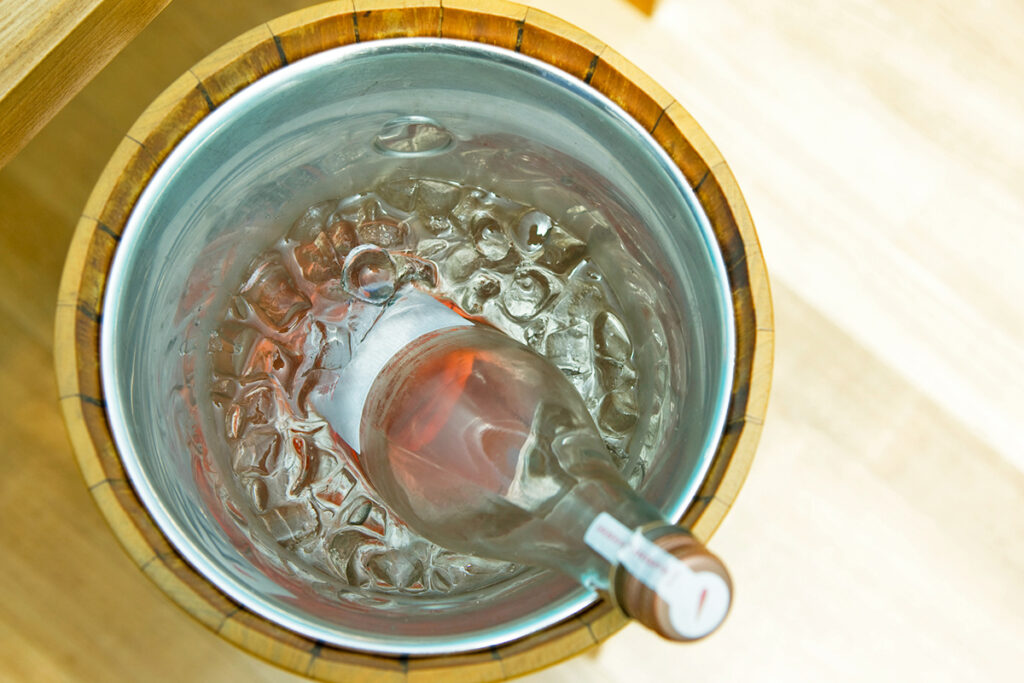
Salt lowers the freezing point of water, chilling bottles faster than ice alone. Dissolve 1 cup of salt in a gallon of lukewarm water inside a bucket or cooler. Add plenty of ice, submerge your wine bottle, and rotate it every few minutes for an even chill. This method works in about 10 minutes.
Turn used tea bags into nitrogen-rich plant food by drying the leaves and working them into the top layer of your plant’s soil. Aerate the soil with a fork or chopstick, add a pinch of the dried tea leaves, and mix until well blended. Because tea is slightly acidic, this hack is best for plants that prefer a low pH.
22. Use Aluminum Foil To Keep Birds Out of Gardens
Hanging shiny strips of aluminum foil reflects sunlight and creates movement to deter birds. Use fishing line or clothespins to attach the foil, or simply mold it around the branches. Move the strips occasionally to maintain effectiveness.
A light sprinkle of cinnamon on soil acts as a natural antifungal to combat mold. As a bonus, it also deters fungus gnats. Use a thin layer — about 1/8 inch — and pay close attention to problem spots.
Turn used coffee grounds into a nitrogen-rich liquid fertilizer by mixing them with room-temperature water to create a thin slurry. Water your plants with this mixture no more than once a week to give them a nutrient boost and deter pests. Because the mixture is slightly acidic, avoid using it on plants that prefer alkaline soil.
25. Use Clear Sugary Soda To Make Flowers Last Longer
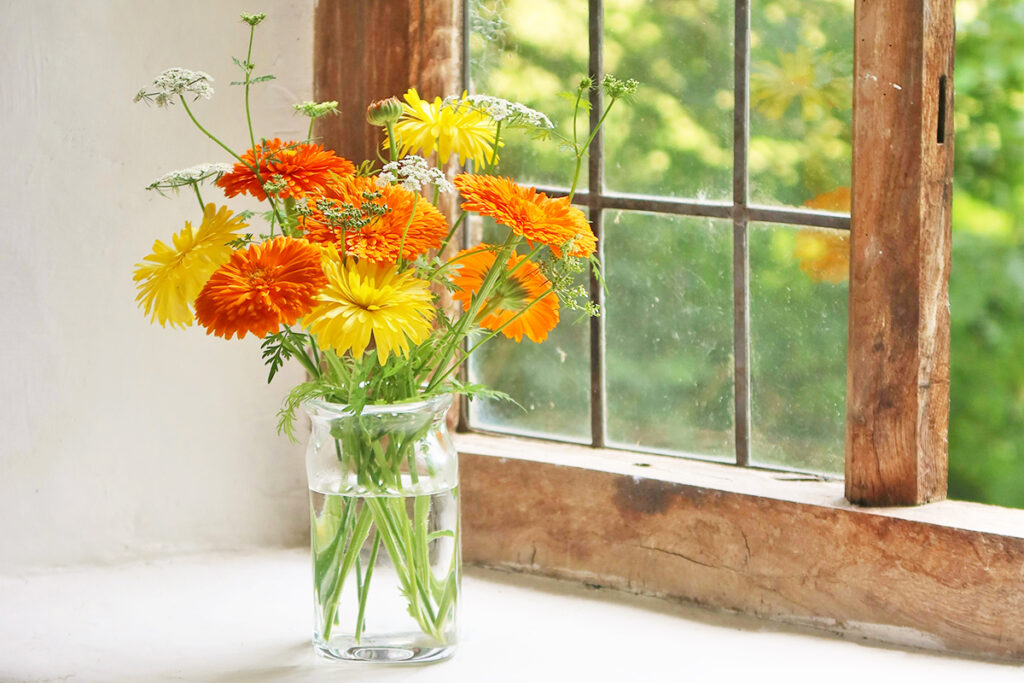
Extend the life of your bouquet by adding a splash of lemon-lime soda to your vase. The sugar serves as food while the citric acid lowers the water’s pH, helping stems with water uptake and inhibiting the growth of harmful microbes. Trim stems at a 45-degree angle before placing them in the mixture, and remember to change the water regularly to keep it fresh.
Fix sticky drawers by rubbing wax paper along the wooden runners and edges. The paper transfers a thin layer of wax to the wood, restoring smooth movement. Reapply the wax as needed and always exercise caution to avoid splinters.
27. Use Aluminum Foil To Adapt AAA Batteries to AA Slots
Use a AAA battery in a AA slot by wedging a small ball of aluminum foil between the battery’s flat, negative end and the terminal spring. The foil, which is conductive, fills the empty space so electricity can flow from the battery to the device. (Just keep in mind that the smaller AAA won’t last as long as a regular AA, so you’ll need to replace it eventually.) This hack should only be used in low-power electronics. Keep the foil away from the positive terminal to avoid a dangerous short circuit.
28. Use Baking Soda and Vinegar To Clear Minor Clogs
Clear minor clogs by pouring 1/2 cup of baking soda followed by 1/2 cup of distilled white vinegar down the drain. Plug the drain with a rag for 30 to 60 minutes to trap the carbon dioxide gas, which creates pressure to loosen buildup. Finish by flushing with boiling water for best results.
29. Use Salt and Vinegar To Remove Rust From Tools
Remove rust from old tools by submerging them in distilled white vinegar and adding a thick layer of table salt to the affected areas. Soak for 24 hours to break down corrosion naturally, then use a wire brush to scrub away any loosened flakes. Dry the tools completely and finish with a spray of WD-40 to seal the metal and prevent future rust.
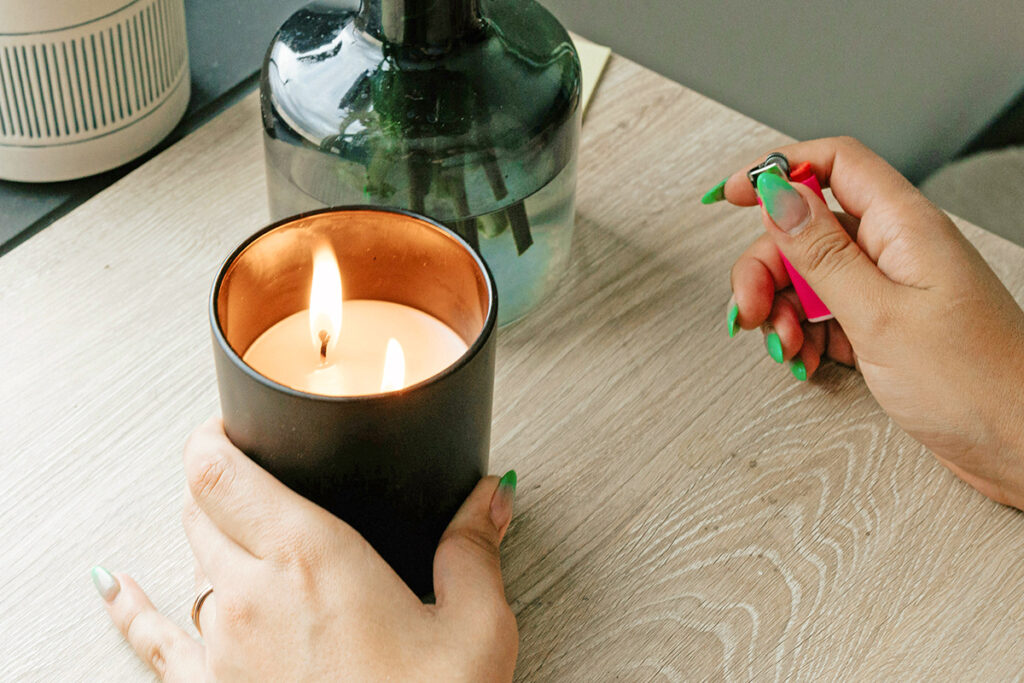
Fix candle tunneling by wrapping aluminum foil around the rim to create a cone with a 1-inch opening at the top. Let it burn for about an hour until the melted wax reaches the edges of the vessel. This will ensure an even burn moving forward, extending the candle’s lifespan.
Create a custom blueprint for your drawers by tracing the interior dimensions onto a sheet of parchment paper. (You might have to tape multiple pieces together to get the exact width and length, but that’s OK.) Bring this template to the store and arrange the organizers directly on the paper to ensure a perfect fit and avoid wasted space.
Instantly create more room in a crowded closet by using soda can tabs to link hangers vertically. Slide the top hole of a metal tab over the neck of one hanger, then hook a second hanger through the bottom hole. This hack allows you to hang multiple garments in the width of a single hanger, and it’s perfect for organizing entire outfits or matching sets.
There’s a special kind of thrill in tossing a Kirkland Signature product into your oversized Costco cart, especially when you know it’s quietly outshining the pricier name-brand version it’s modeled after. While the warehouse giant is known for its bulk buys and budget-friendly finds, the real magic lies in its Kirkland Signature line — aka the “dupes” that give the big-name labels a run for their money.
All featured products and deals are selected independently and objectively by the author. House Outlook may receive a share of sales via affiliate links in content.
There’s a special kind of thrill in tossing a Kirkland Signature product into your oversized Costco cart, especially when you know it’s quietly outshining the pricier name-brand version it’s modeled after. While the warehouse giant is known for its bulk buys and budget-friendly finds, the real magic lies in its Kirkland Signature line — aka…
Costco is rumored to abide by a 1% better policy, where its private-label offerings must “meet or exceed whatever the industry leader is,” according to a Reddit user with insider knowledge. While some Kirkland Signature products are manufactured by the very brands they’re “duping,” others are simply just as good (if not better) because of this mandate. Best of all, they’re almost always cheaper than the national brands — often by 20% or more.
Here are the Costco dupes fans swear by and why they deserve a permanent spot in your shopping cart.
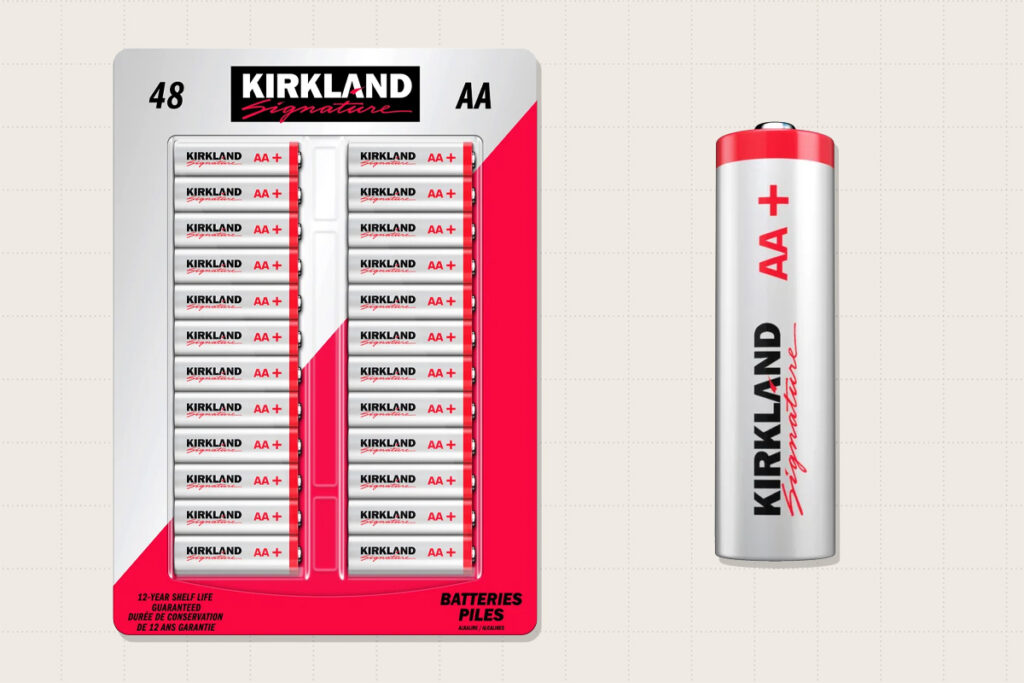
1. Kirkland Signature Alkaline AA Batteries (Dupe for Duracell)
These Kirkland AA batteries last just as long as Duracells in most household gadgets, but at a fraction of the cost. If your home is filled with remotes and battery-hungry devices, stocking up on these will save you serious money over time.
Credit: Image Courtesy of Costco
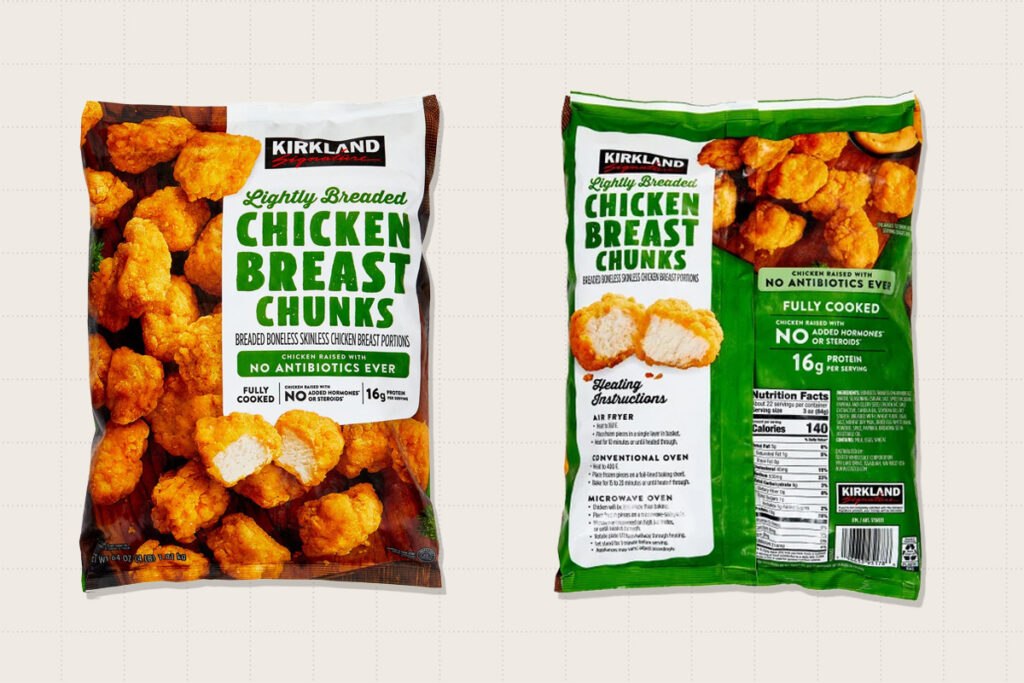
2. Kirkland Signature Lightly Breaded Chicken Breast Chunks (Dupe for Chick-fil-A Nuggets)
These chicken breast chunks deliver the same lightly breaded, slightly sweet, tender bite that Chick-fil-A fans crave, minus the drive-thru line. Toss them in the air fryer and you’ve basically recreated a fast-food favorite at home.
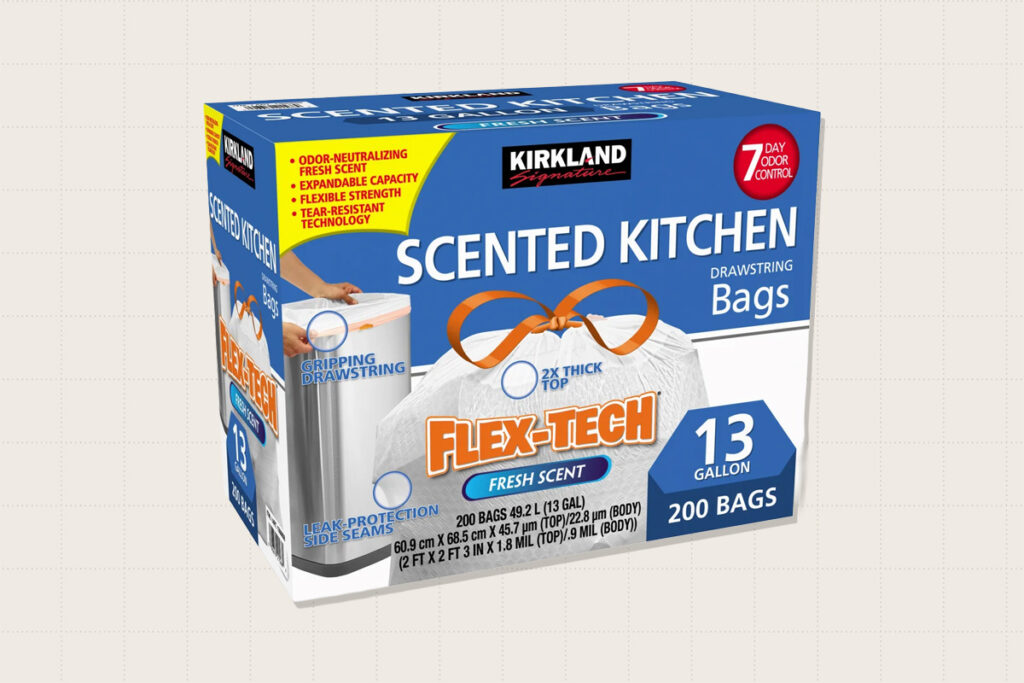
Kirkland’s Flex-Tech line holds its own against Glad’s stretchable bags, featuring drawstrings that won’t snap and sides that expand without ripping. They’re durable, dependable, and noticeably cheaper.
Credit: Image Courtesy of Costco
4. Kirkland Signature American Vodka (Dupe for Grey Goose)
This is one of Costco’s most famous dupes, and for good reason — it’s believed to be produced in the same region, using the same water source, as Grey Goose. Whether or not that’s true, the taste is clean and smooth enough to fool most vodka drinkers. When mixed into cocktails, it’s virtually indistinguishable from the real thing.
Credit: Image Courtesy of Costco
5. Kirkland Signature Uncured Bacon and Gouda Egg Bites (Dupe for Starbucks Egg Bites)
If you love Starbucks egg bites but want to skip the drive-thru, the Kirkland version is a game changer. They’re smoky, cheesy, and have that same custardy texture that makes the originals so addictive. Stash a box in your freezer for a quick breakfast that comes together in the air fryer in just a few minutes.
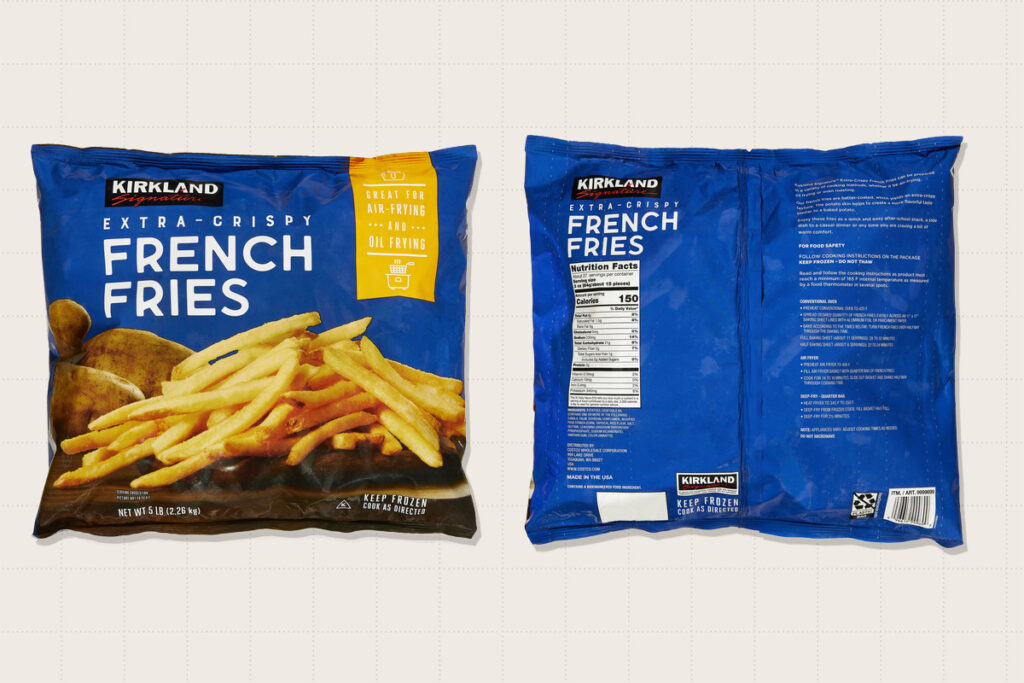
6. Kirkland Signature Extra Crispy French Fries (Dupe for Ore-Ida)
These french fries crisp up beautifully while staying fluffy inside, tasting more like a restaurant-quality side than something pulled from your freezer. These are the closest you’ll get to authentic, double-fried french fries from your oven or air fryer.
Credit: Image Courtesy of Costco
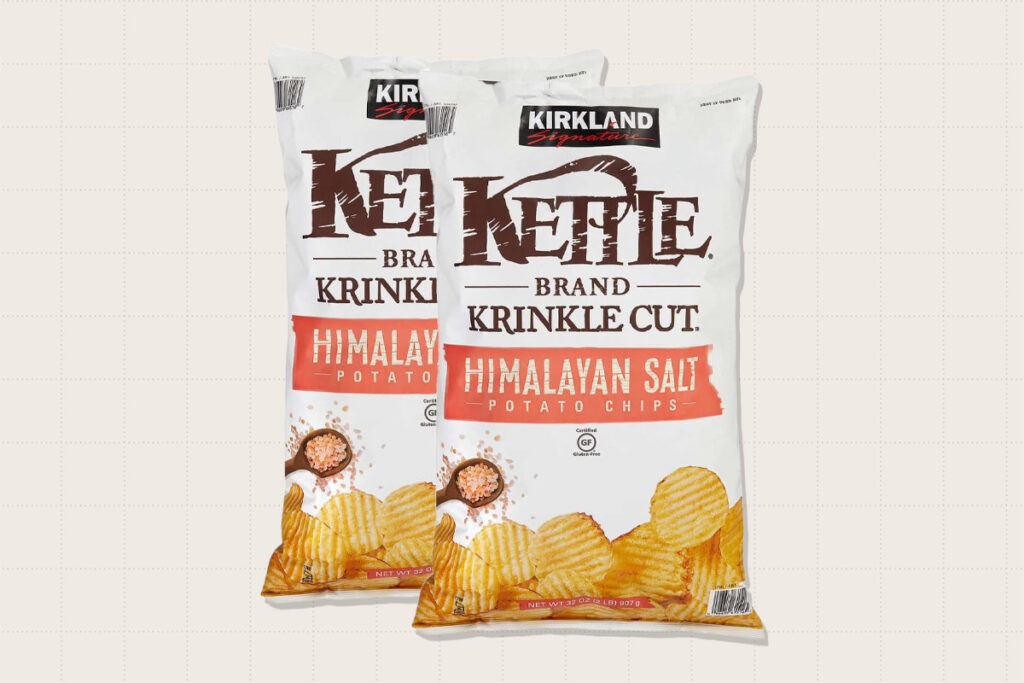
7. Kirkland Signature Krinkle Cut Kettle Chips, Himalayan Salt (Made by Kettle Brand)
This is one of those glorious open secrets: Kettle Brand actually makes these chips. If you look closely, you’ll find their logo right on the bag. They’re virtually identical to the original — super crunchy with that thick-cut texture — but at a lower price per ounce.
Credit: Image Courtesy of Costco
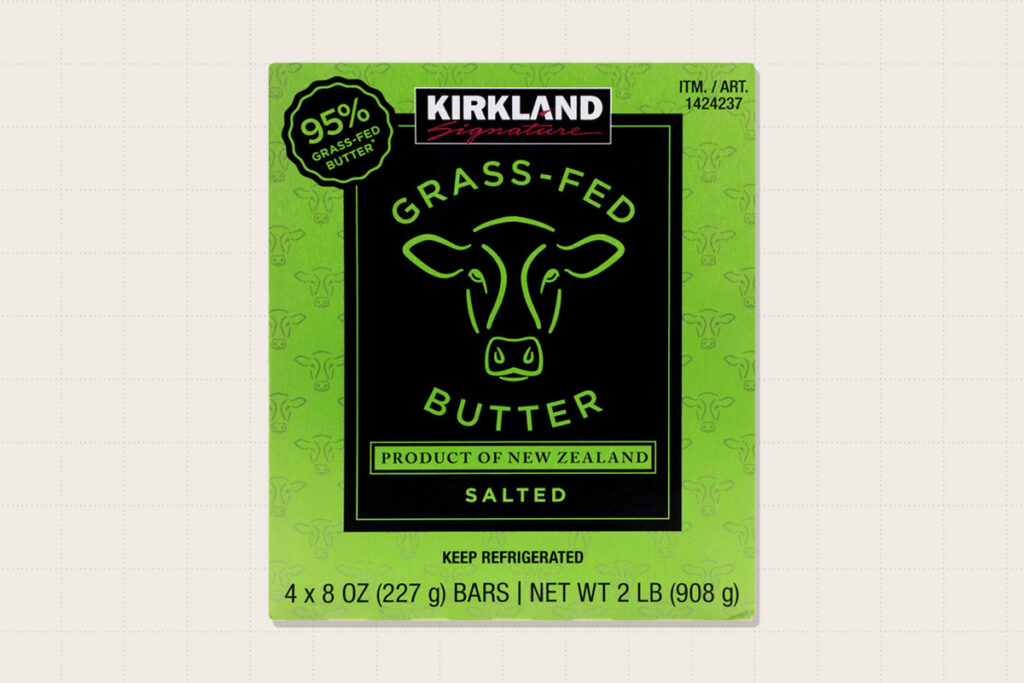
8. Kirkland Signature Grass-Fed Butter (Dupe for Kerrygold)
Kirkland’s take on grass-fed butter is rich and smooth, with that hint of creaminess Kerrygold lovers look for. It’s lower in salt than its competitor, which makes it more suitable for cooking.
Credit: Image Courtesy of Costco
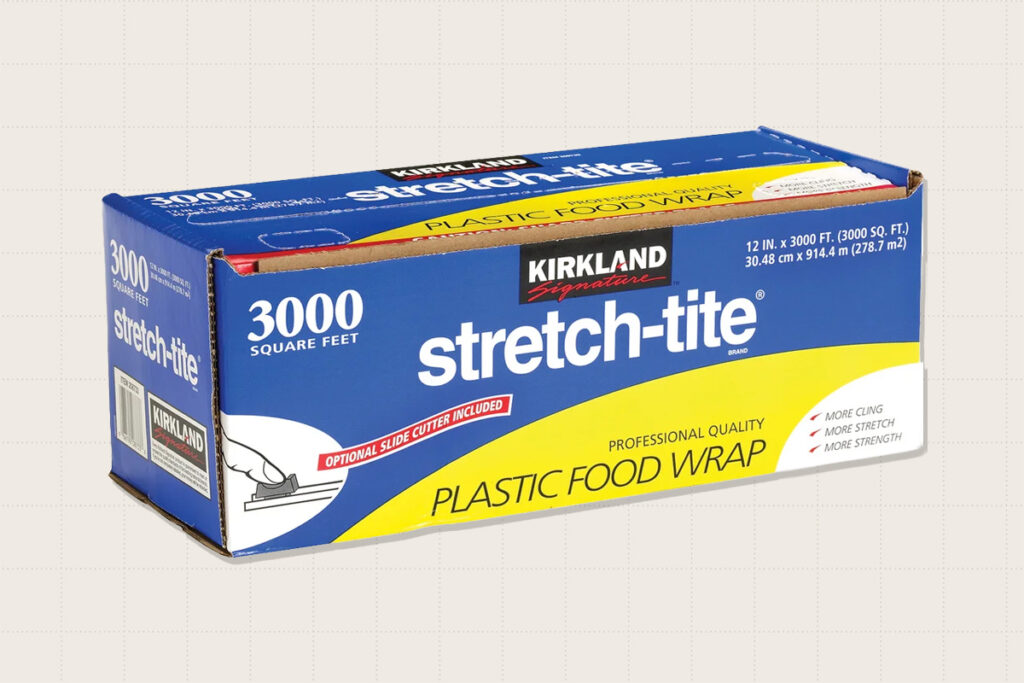
9. Kirkland Signature Stretch-Tite Plastic Wrap (Dupe for Saran Wrap)
Stretch-Tite clings, stretches, and seals better than almost any name-brand food wrap. Plus, the dispenser box is far sturdier, a detail that seems trivial until you’ve ripped a flimsy cardboard cutter halfway through a roll.
Credit: Image Courtesy of Costco
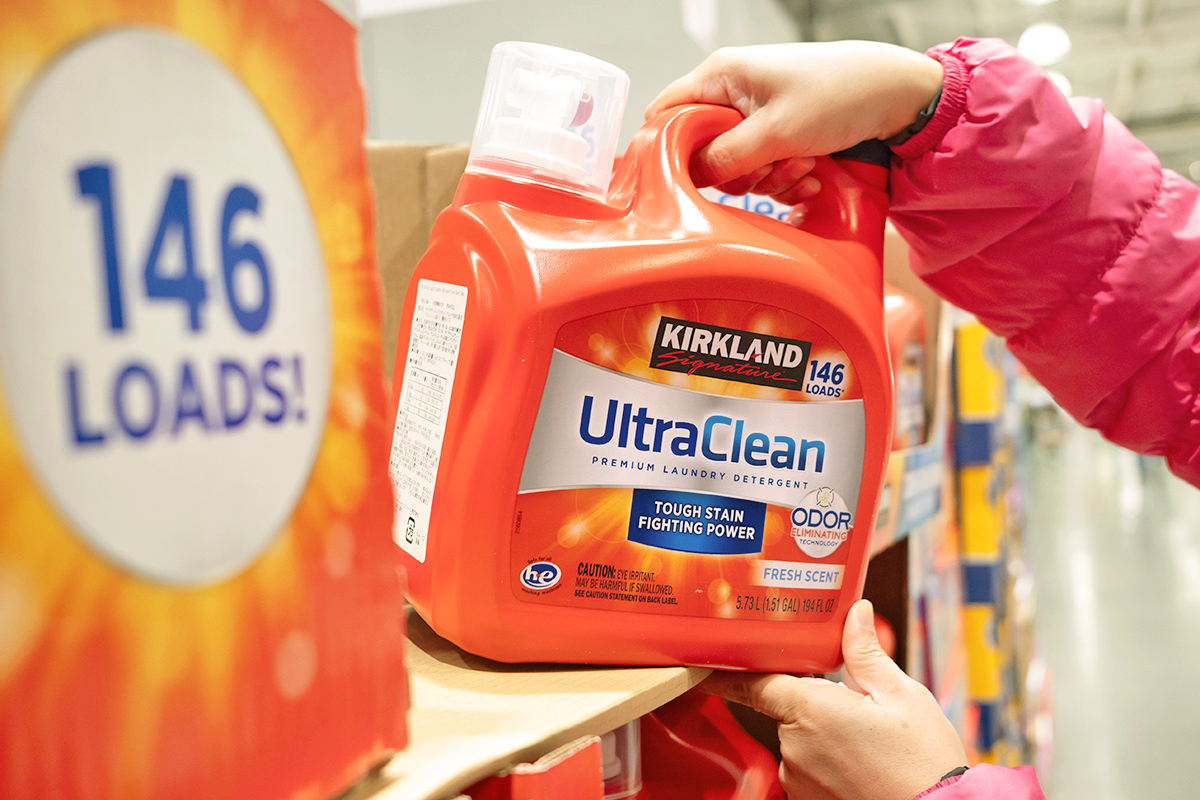
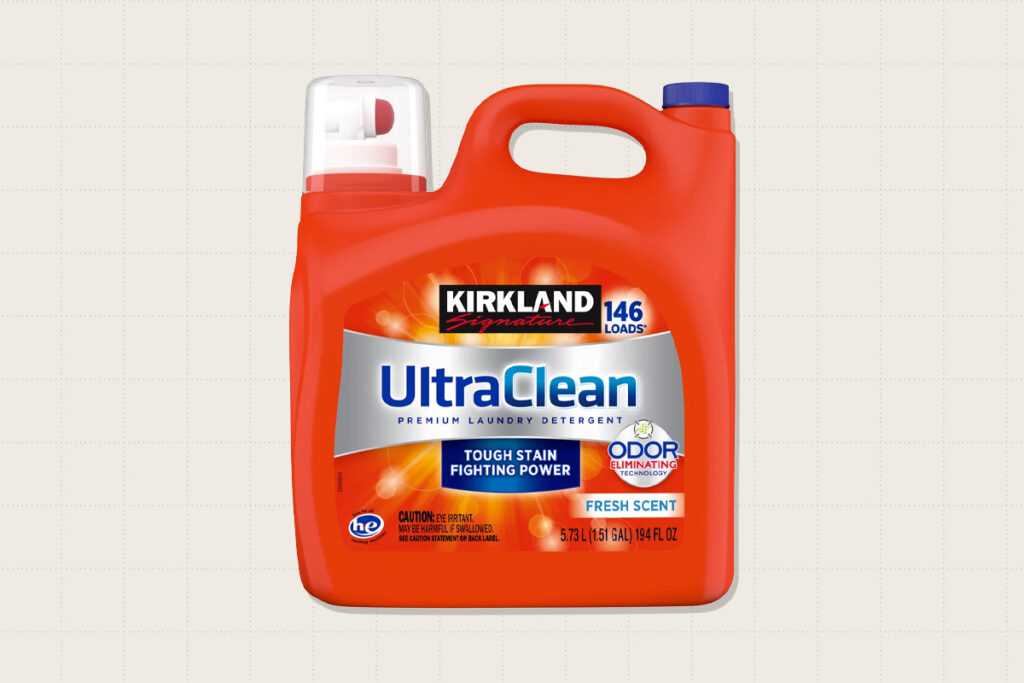
10. Kirkland Signature Ultra Clean HE Liquid Laundry Detergent (Dupe for Tide)
Tide-level cleaning power without the Tide-level price tag? Costco delivered. Its Ultra Clean HE formula tackles odors, stains, and everyday grime impressively well. Consumer Reports ranked this as one of its top five detergents, awarding it the title of “Best Value.”
Credit: Image Courtesy of Costco
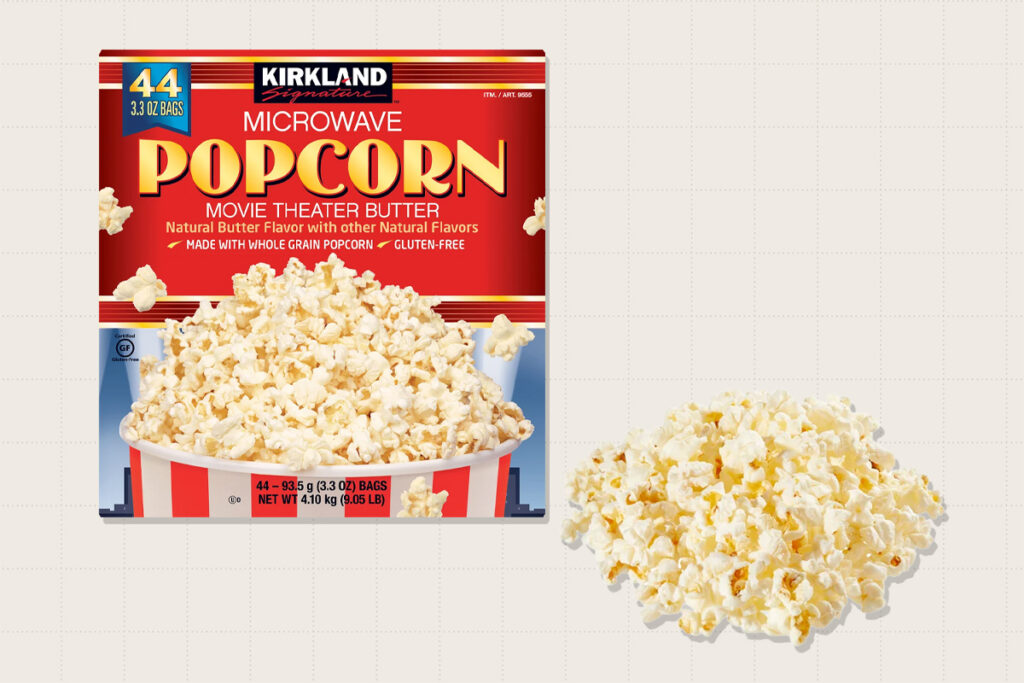
11. Kirkland Signature Microwave Popcorn (Dupe for Act II Movie Theater Butter)
If you want authentic theater-style popcorn at home, this is your ticket. The Kirkland version pops up light and fluffy with a rich, buttery coating that isn’t greasy or bland.
Credit: Image Courtesy of Costco
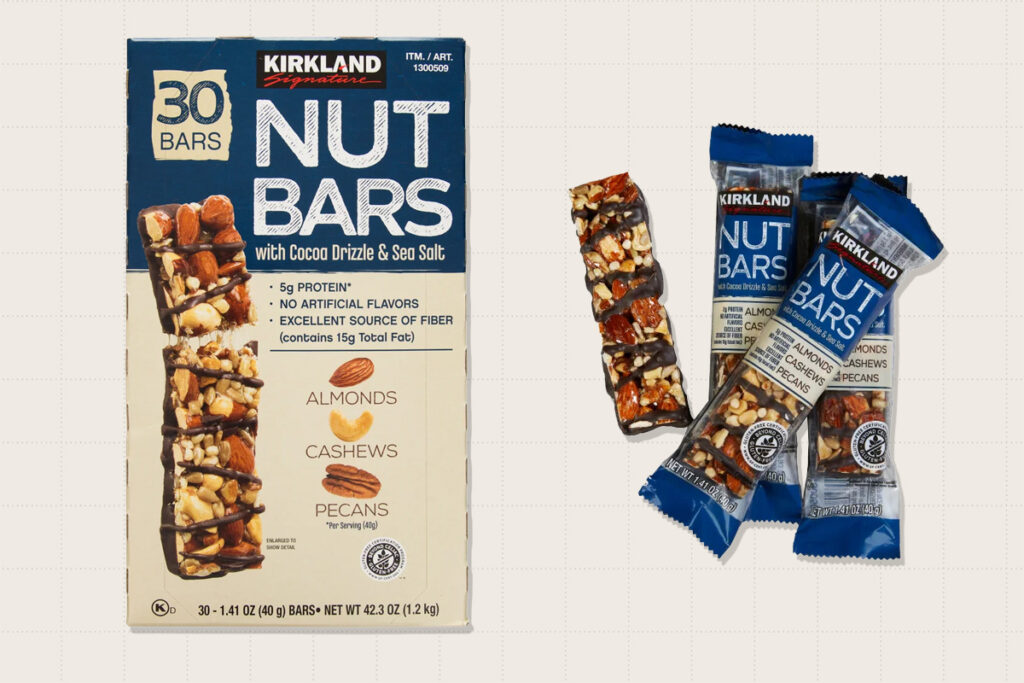
12. Kirkland Signature Nut Bars (Dupe for KIND Bars)
Kirkland managed to recreate the satisfying crunch and nut-heavy texture of KIND bars while trimming the price. Just keep in mind that unlike KIND bars, the Kirkland variety contains dairy — though it does offer a wider assortment of nuts and seeds.
Credit: Image Courtesy of Costco
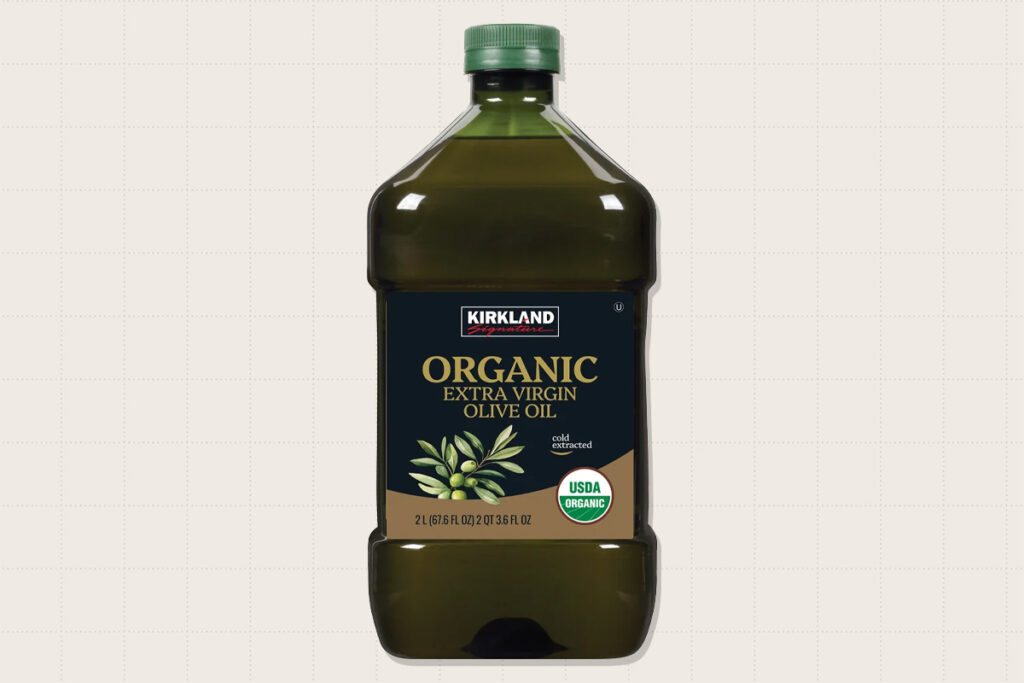
13. Kirkland Signature Organic Extra-Virgin Olive Oil (Dupe for California Olive Ranch)
Costco’s EVOO is popular for its fresh, peppery flavor. Many shoppers prefer it over more expensive bottles because it delivers a complex, full-bodied profile without the boutique markup.
Credit: Image Courtesy of Costco
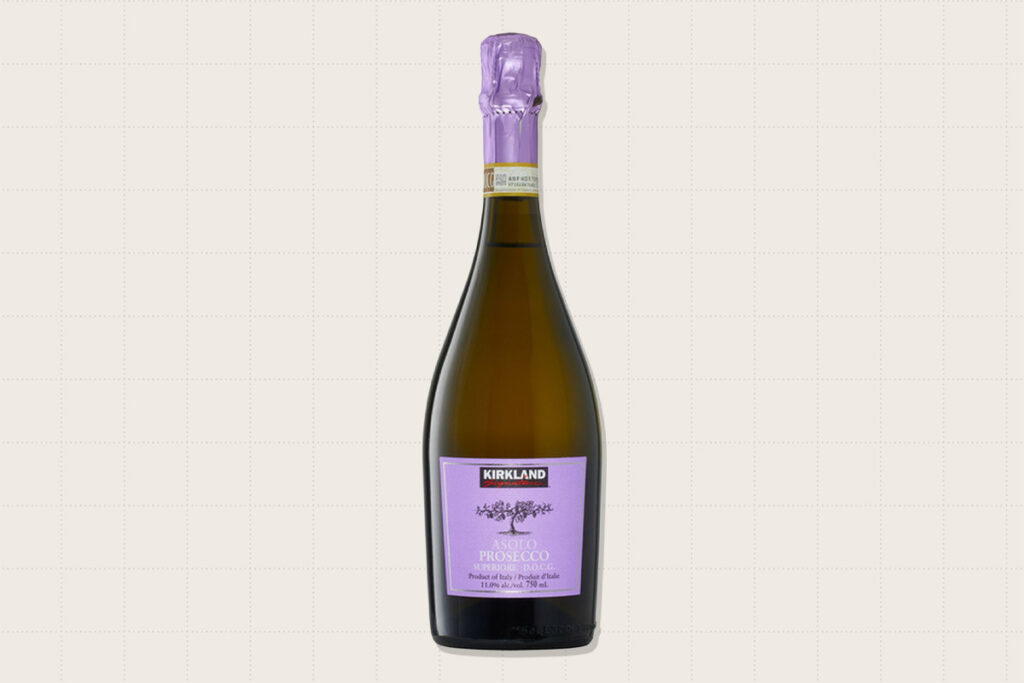
14. Kirkland Signature Prosecco (Dupe for La Marca)
This bottle is often compared to La Marca prosecco, and while the notes are similar — crisp, lightly fruity, and not too sweet — it’s the price difference that really seals the deal.
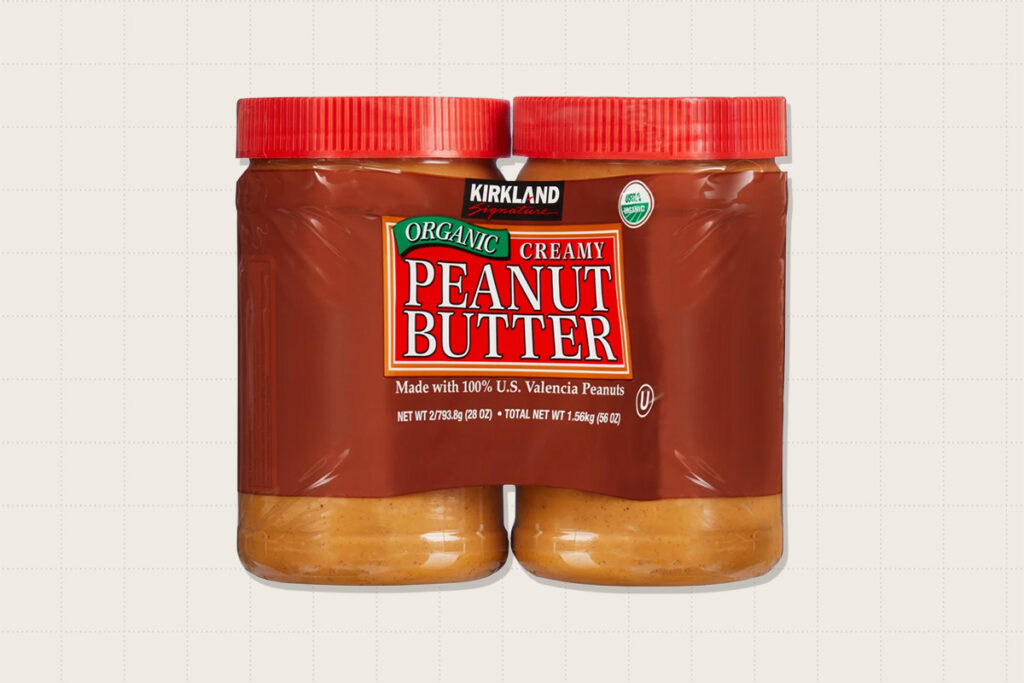
15. Kirkland Signature Organic Peanut Butter (Dupe for Jif)
Made with only dry-roasted peanuts and sea salt, this organic peanut butter delivers a clean, rich flavor. It’s simple, smooth, and tastes purer than many mainstream brands. Since there are no added sugars, stabilizers, or oils, the natural peanut oil will separate — a quick fix is to store the jar upside down in the refrigerator.
Credit: Image Courtesy of Costco
Why These Dupes Deserve the Hype
Costco’s Kirkland Signature line didn’t become legendary by accident. These products consistently deliver quality comparable to — or better than — the name brands they mimic, and the savings add up fast. Whether you’re stocking the pantry, the cleaning cabinet, or your snack stash, these Kirkland standouts prove you don’t have to spend big to get the good stuff.
If Goldilocks had grown up to be an interior designer, she wouldn’t just be picky about porridge. She’d survey your living room and immediately notice when something feels off — a sofa that reads too heavy, a coffee table that skews too light. The goal, as in the fairy tale, is achieving a “just right” balance of visual weight.
All featured products and deals are selected independently and objectively by the author. House Outlook may receive a share of sales via affiliate links in content.
If Goldilocks had grown up to be an interior designer, she wouldn’t just be picky about porridge. She’d survey your living room and immediately notice when something feels off — a sofa that reads too heavy, a coffee table that skews too light. The goal, as in the fairy tale, is achieving a “just right”…
If a room in your home — be it the living area, dining room, or bedroom — feels inexplicably flat, the issue might not be paint color or furniture layout. Instead, consider the furniture’s visual weight and how those weights interact with one another. According to TikTok creator and interior designer Hans Lorei, compelling interiors come from contrast. By pairing solid, grounded pieces with lighter, more delicate ones, you create a sense of balance. That tension is what makes a space feel effortless and lived-in, rather than staged or bland.
Why Visual Weight Matters
Visual weight refers to how heavy a piece looks — not necessarily how many friends you bribed with pizza to help you move it inside. If every element in a room sits on spindly legs, the space can feel fragile or unfinished. But fill that same room with low, blocky silhouettes, and it can appear dense and overwhelming.
Design-minded folks instinctively mix the two: A solid oak dining table looks more inviting when complemented by cane-backed chairs on tapered legs. A chunky sofa becomes more dynamic when balanced with a leggy side table, a sculptural floor lamp, or a glass-topped coffee table. That contrast creates a design that feels equally energetic and comfortable.
How To Mix Chunky and Light Pieces
Every room can benefit from intentional weight contrast. In a dining room, a delicate dining table can be anchored by a set of chunky chairs, or vice versa. Moving to the bedroom, a solid upholstered or wooden bed frame shines when accented by long-legged nightstands and a bench that reveals the floor underneath. Prefer the opposite look? A four-poster bed reads more grounded when flanked by solid side tables and a weighty bench at the foot.
Living rooms especially benefit from this mix. Consider pairing a slim-legged sofa with a solid stone coffee table, or offsetting a large sectional with an open-base accent chair. Even decor accents can get in on the action, since light-catching accessories like ceramics and airy baskets can subtly shift the visual balance.
There’s something about a bright, sunny day that puts a little pep in your step. For many, it’s the perfect time to get productive and cross a few items off the to-do list. When it comes to cleaning the house, you might feel inspired to open the windows, dust off shelves, or shake out the rugs. But there are a few cleaning tasks you should actually avoid on sunny days, and washing your windows is one of them.
All featured products and deals are selected independently and objectively by the author. House Outlook may receive a share of sales via affiliate links in content.
There’s something about a bright, sunny day that puts a little pep in your step. For many, it’s the perfect time to get productive and cross a few items off the to-do list. When it comes to cleaning the house, you might feel inspired to open the windows, dust off shelves, or shake out the…
Sunny Skies, Streaky Windows
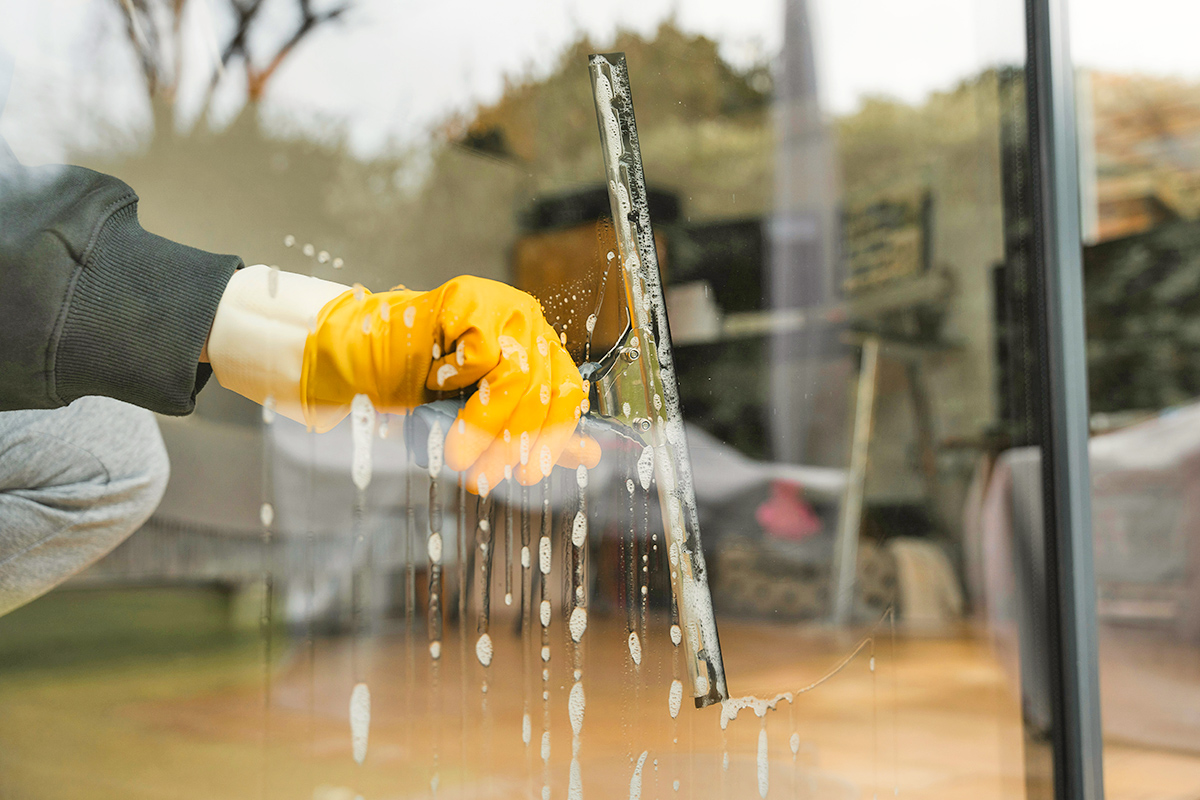
If you’ve caught the cleaning bug on a sunny day, you’ll want to skip the windows — or more specifically, the glass. While sunlight is a powerful tool for removing stains, disinfecting, and deodorizing, it’s far less helpful when it comes to window washing. When direct sunlight heats the glass, cleaning solutions evaporate too quickly. This results in streaks and spots, rather than a crystal-clear view.
The Best Time To Clean
Now that we know the worst time to clean windows, when is the best? Cloudy, overcast days are ideal for achieving that streak-free result. During the warmer months, you can also aim for early mornings or early evenings when the sun is low and the temperature is a bit cooler.
It takes only a few easy steps to get your windows sparkling. First, start with a surface that’s as dust-free as possible. Give the window a quick once-over with a dry cloth to remove any loose debris. Next, grab your preferred window cleaner or a DIY solution of equal parts water and distilled white vinegar. (For extra-dirty windows, a drop of dish soap helps to cut through the grime.) Spray the glass and wipe it down quickly with a microfiber cloth or a coffee filter. For a professional, streak-free finish, try using a squeegee.
You don’t need to lug out your vacuum or portable spot cleaner every time your sofa needs a refresh. For surface-level stains that don’t require the “big tools,” this helpful hack will have your furniture looking brand-new in just a few minutes.
All featured products and deals are selected independently and objectively by the author. House Outlook may receive a share of sales via affiliate links in content.
You don’t need to lug out your vacuum or portable spot cleaner every time your sofa needs a refresh. For surface-level stains that don’t require the “big tools,” this helpful hack will have your furniture looking brand-new in just a few minutes.
A Quick Cushion Refresh
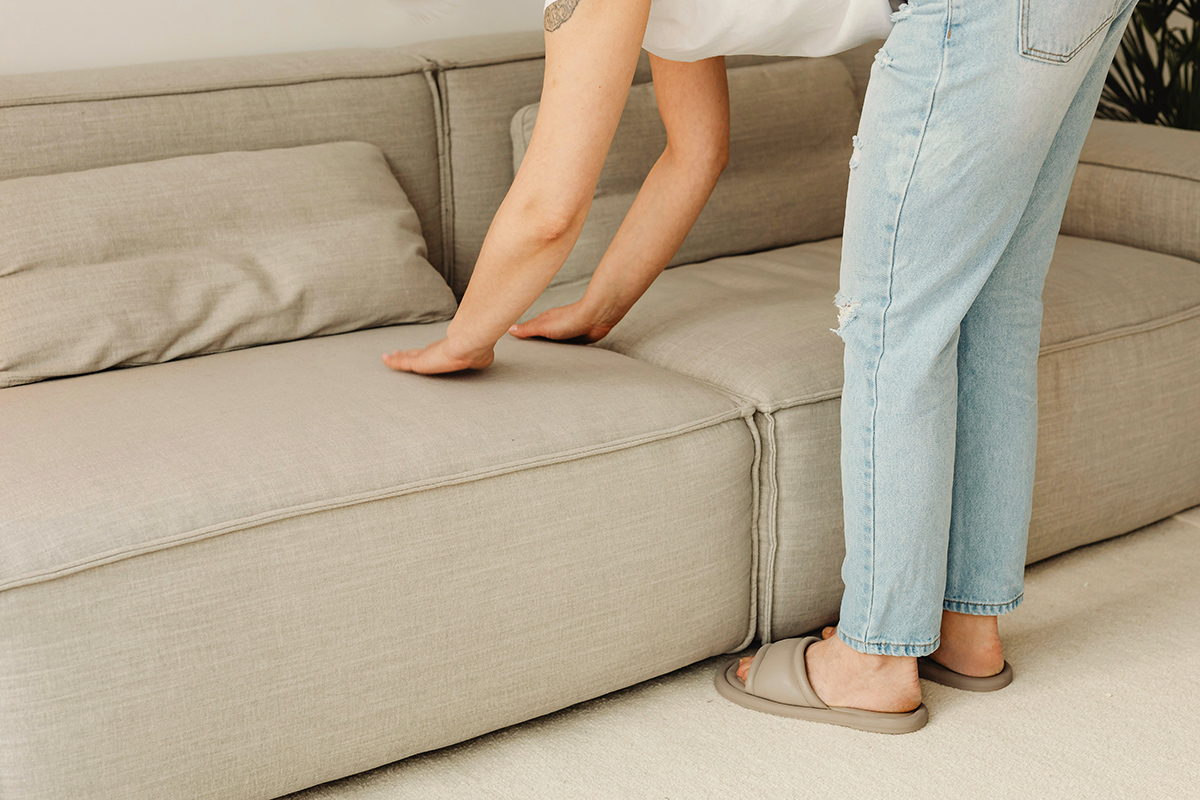
To clean your cushions in record time, you’ll first need to gather a few household supplies: a large bowl, warm water, liquid laundry detergent, a microfiber cloth, and a pot lid with a handle. The lid should be small enough to be fully wrapped in the cloth, creating a flat, handheld scrubber.
Now, let’s get to cleaning: Start by removing any debris or surface dust from the fabric. You can give your cushions a quick once-over with a vacuum attachment, or a few passes with a lint roller if you’re dealing just with crumbs or pet hair. Next, mix about 1 teaspoon of liquid detergent with 2 to 3 cups of warm water in a wide bowl.
Submerge the cloth in the soapy water and wring it out before wrapping it around your pot lid. To do this, lay the cloth flat and place the pot lid in the center with the handle facing up. Gather the corners toward the middle, securing them with your fingers or tying a knot if there is enough excess fabric.
Scrub the cushions using long, overlapping strokes, applying even pressure for a consistent clean. Depending on the size of your furniture, you’ll likely need to repeat this process — rinsing the cloth in clean water and resoaking it whenever it starts to dry out or look grimy.
The original hack doesn’t call for it, but a secondary rinse with a clean, damp cloth will ensure no soapy residue is left behind. Finally, allow the furniture to dry completely before use.
Why Does It Work?
By using a pot lid instead of a wet rag, you create a flat, even surface that lifts dirt without oversaturating the cushions. Every inch of your fabric is agitated consistently, pulling grime out onto the cloth instead of pushing it deeper into the upholstery.
Keep in mind that this hack is best for light surface stains. If you’re dealing with deep-set stains, you’ll want to use a portable spot cleaner, such as the Shark StainStriker or the Bissell Little Green.
Enter your email to subscribe to House Outlook’s daily newsletter filled with expert advice to help you organize, clean, and improve the place you call home.
Sorry, your email address is not valid. Please try again.
Sorry, your email address is not valid. Please try again.