“Anything porous that stays damp or doesn’t get cleaned regularly becomes a problem,” says Scott Heinrich, owner of Skyline Property Services, a mold testing company in Denver, Colorado.
Kellsie Zapata, a professional cleaner based in Georgia, says the risk is easy to underestimate. “Even if it feels dry, it can still be holding on to moisture underneath, which creates the perfect environment for mildew and bacteria over time,” she explains. “The biggest issue is [that] most of these items aren’t being washed nearly as often as they should be, so that buildup just sits there.”
Here are seven bathroom decor items likely to harbor unwanted germs — and easy solutions for keeping your space clean.
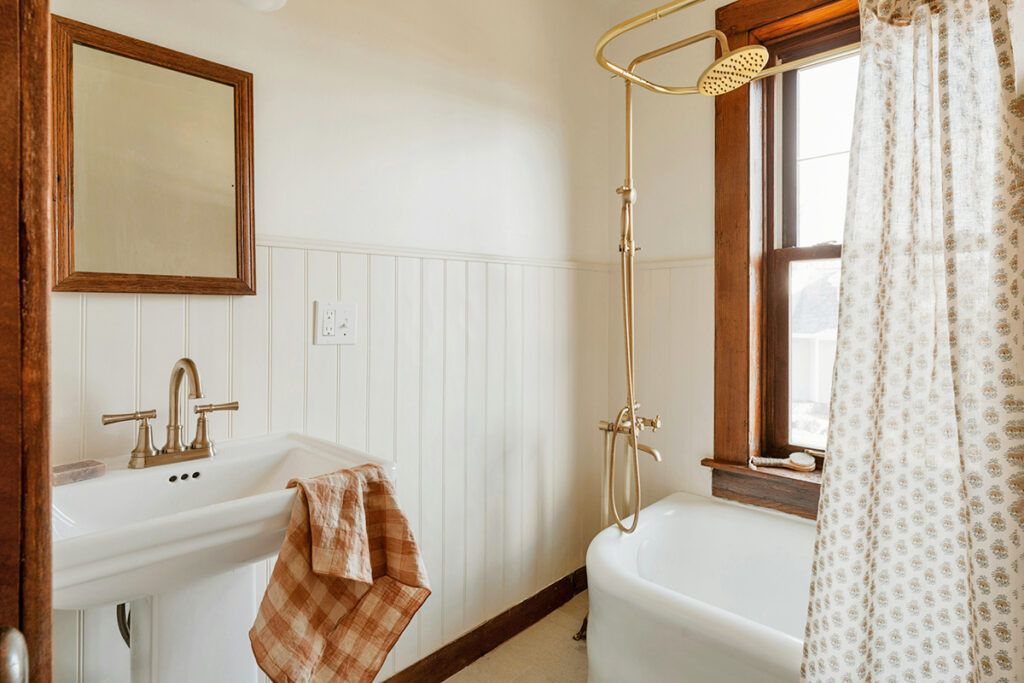
1. Fabric Shower Curtains and Liners
A pretty linen or cotton shower curtain might look spa-worthy, but it’s one of the biggest germ magnets in the room. According to SafeHome, shower curtains harbor roughly 70 times more bacteria than a toilet seat. Heinrich flags them specifically because they “stay damp and trap organic material.” Biofilms — sticky colonies caused by bacteria in the water — can form on shower curtains and hold on to microbes, including some that can make you sick.
The fix: Regularly launder fabric curtains and change out the inside liner every three to six months.
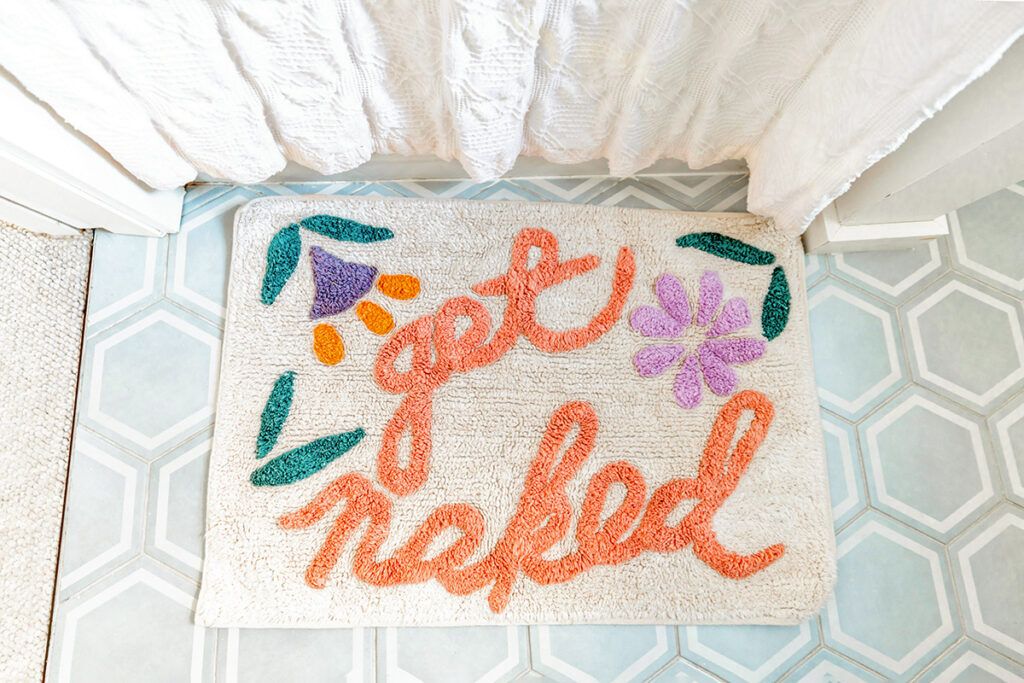
2. Decorative Bath Mats
A plush bath mat can make stepping out of the shower feel luxurious, but thick, decorative mats — especially those with a rubber backing — rarely dry out completely between uses. Because these mats sit soaked with water and are pressed against the floor, evaporation slows down. This provides a dark, damp environment where mold and bacteria thrive.
The fix: Hang bath mats to dry after every use and wash them regularly. While towel-style bath mats are easier to keep clean, you can still launder those with rubber backings. Wash them in cold water on a gentle cycle and let them air-dry completely.
More from our network
House Outlook is part of Inbox Studio, which publishes content that uplifts, informs, and inspires.




3. Wood Decor
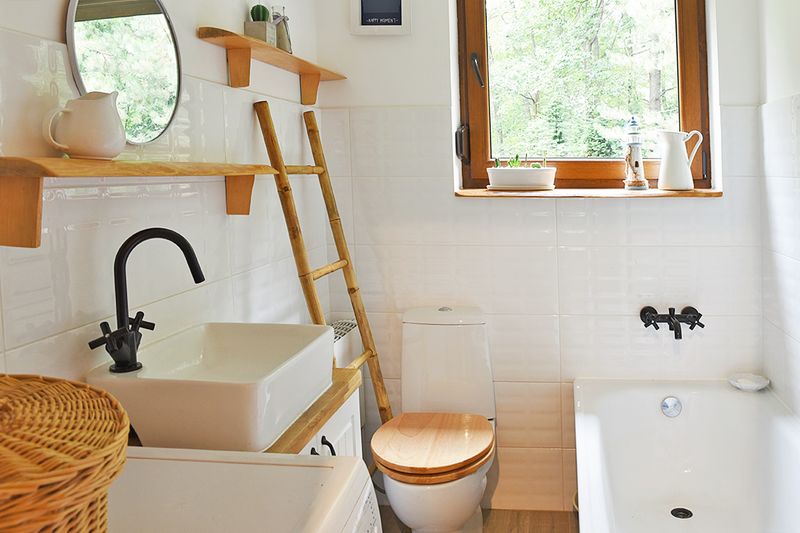
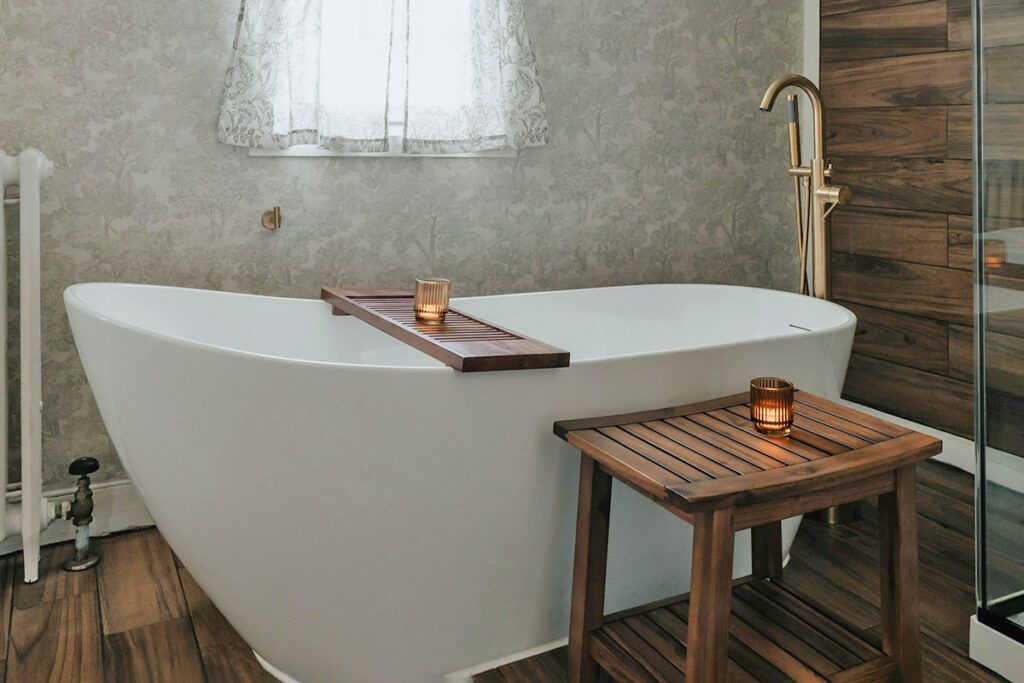
Wooden bathroom accessories — such as soap trays, open shelving, and rustic signs — are perennially popular, but wood and moisture are a bad combination. “Wood is porous, so it can absorb moisture from the air, which can lead to warping, cracking, and, over time, bacteria settling into those small imperfections,” Zapata says. “It might look great at first, but it doesn’t always hold up well in a consistently damp environment.”
The fix: If you don’t want to avoid wooden decor altogether, keep those pieces away from direct steam and splash zones. Ensure the room has good ventilation and dry items immediately if they get wet.
4. Artificial Plants
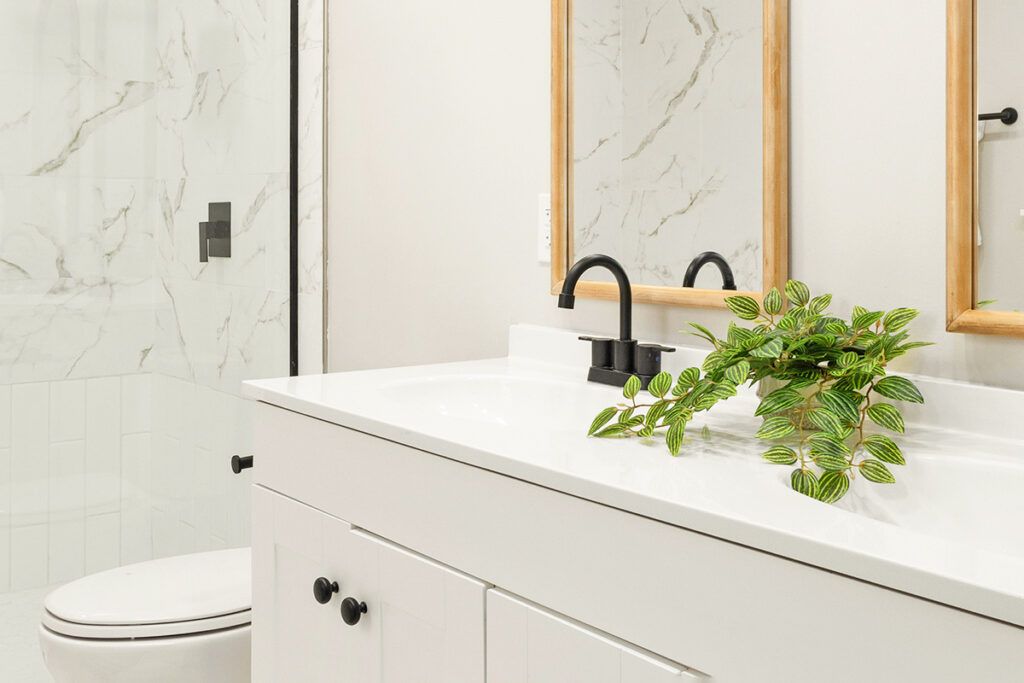
Faux greenery collects dust and moisture, especially when placed near showers or windows. The combination of trapped humidity and debris creates conditions where mold and bacteria can flourish.
The fix: Replace dust-collection plastic with humidity-loving, low-maintenance live plants such as pothos or ferns.


5. Decor Placed Near the Toilet
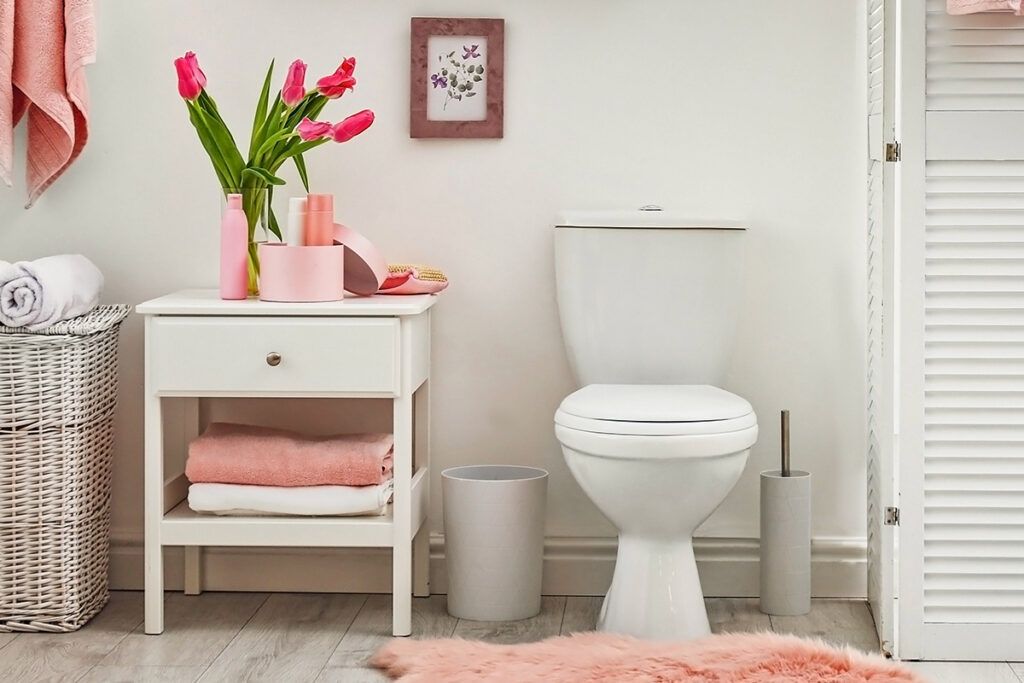
Location matters as much as material. Trays, candles, or decorative storage sitting close to the toilet are exposed to more germs than most people realize. “When you flush, especially if the lid is left open, airborne particles can spread into the surrounding area and settle on nearby surfaces,” Zapata says. “So anything sitting close by isn’t just collecting dust; it’s also being exposed to that contamination over time.”
The fix: Keep decorative items at least a few feet away from the toilet and always close the lid before flushing.
6. Toothbrush Holders
Post-flush germs floating in the air are especially problematic for one important everyday item: your toothbrush. Zapata flags toothbrushes left on the vanity as one of the most overlooked hygiene issues she encounters.
The fix: If you can’t store toothbrushes in a closed cabinet, at minimum, add a protective head cover. Additionally, clean the holder itself weekly — ideally by running it through the dishwasher to sanitize it.

7. Decorative Towels
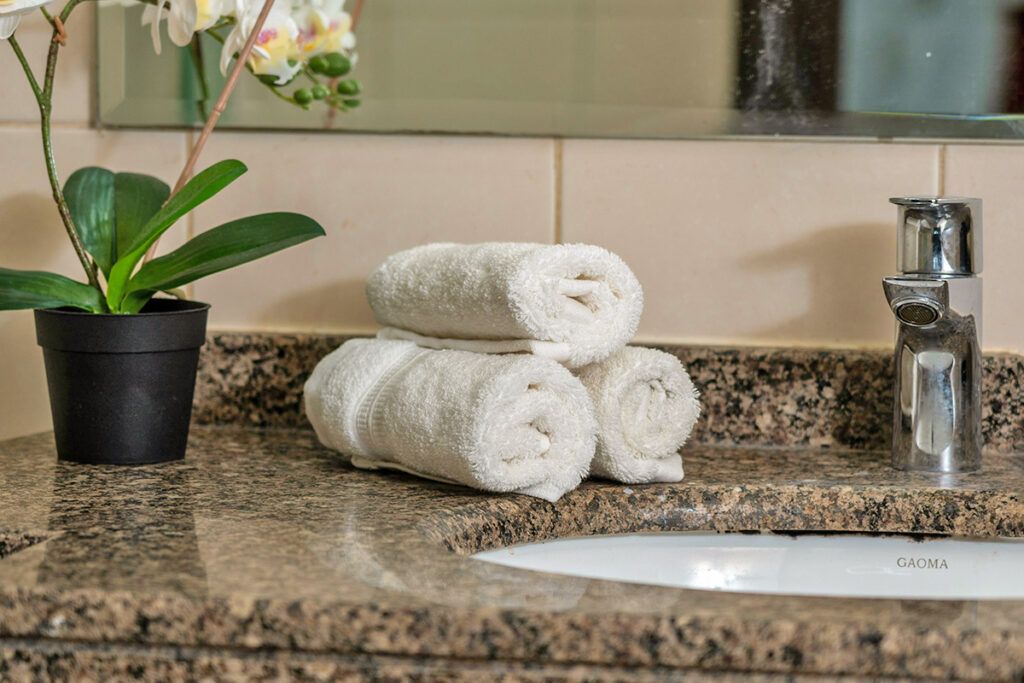
Staging folded hand towels on the counter look polished, but it isn’t the most sanitary design choice. Zapata points out that because they’re sitting out in a humid space, “they can collect moisture from the air along with dust and bacteria, especially if they’re near the sink or shower. If they’re not being rotated and washed frequently, they’re not staying as clean as people think.”
Indeed, towels can harbor bacteria including athlete’s foot and E. coli, and if they don’t dry properly, they can develop a mildewed odor.
The fix: Wash decorative towels weekly and ensure they have enough airflow to dry completely between uses.