A compromised oven gasket, for example, can result in higher energy bills than necessary. But that’s not the only kitchen appliance that might be draining your bank account, as a drafty fridge or freezer may be another culprit. The “dollar bill test” is a useful diagnostic to determine if there’s an issue with an appliance’s door seal — here’s how it works.
Testing the Seal
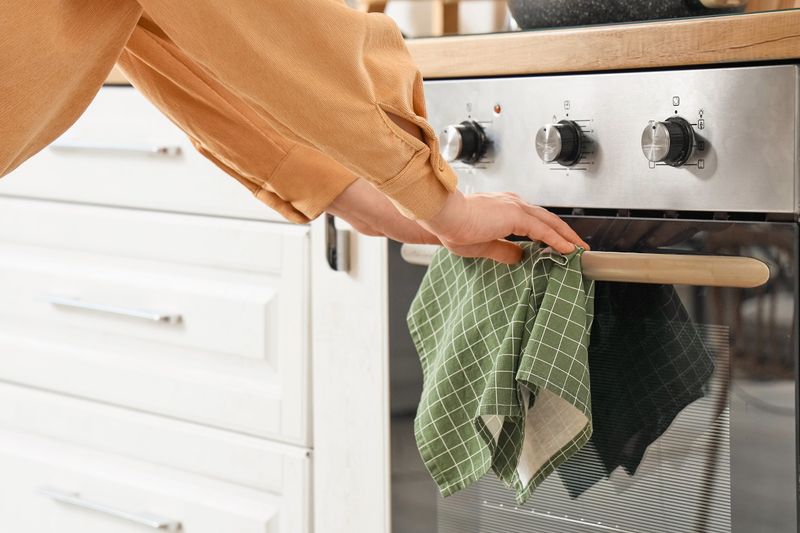
Most ovens have a rubber gasket (a type of seal) around the inside of the door, which prevents heat from escaping and helps maintain a consistent cooking temperature. Over time, the seal can harden, crack, or lose its shape, allowing heat to seep out. When this happens, the oven has to work harder to compensate, wasting energy and driving up bills.
To test whether your oven’s seal is working properly, grab a $1 bill — or any banknote you have lying around. Open the oven door and place the dollar bill so that half of it is inside the oven and half of it sticks out. Close the door, then try to pull the dollar out; if it slides out without any resistance, you probably have a worn-out gasket. But if you have to pull hard to get it out, the gasket probably still has some life left.
Continue to work your way around the entire oven door to test the gasket. Even if the seal is intact in one corner, it may be failing in another. If you find a problem, you should buy and install a replacement gasket. Universal oven gaskets are cheap and easy to install in just a few minutes, and you’ll recoup the cost pretty quickly by saving on your energy bills.
More from our network
House Outlook is part of Inbox Studio, which publishes content that uplifts, informs, and inspires.



Don’t Forget the Fridge and Freezer
You can also use the dollar bill test to determine if your refrigerator and freezer are properly sealed. The process is the same: Close the door on a dollar bill and check if it pulls out easily. Since the fridge and freezer are running at all hours of the day, a leaky gasket may be inflating your energy bill with each passing minute, which makes it worth replacing ASAP.