I’m a trained chef and former restaurateur, but I’m also a longtime home cook who cranks out meals for a household of five. Canned goods don’t get a lot of love, and they’re not the most exciting ingredients to work with, but I always keep a select few on hand. To be clear, these aren’t emergency rations (though there’s some overlap). Instead, think of them as 14 canned foods uniquely suited for pulling together quick meals.
1. Potatoes
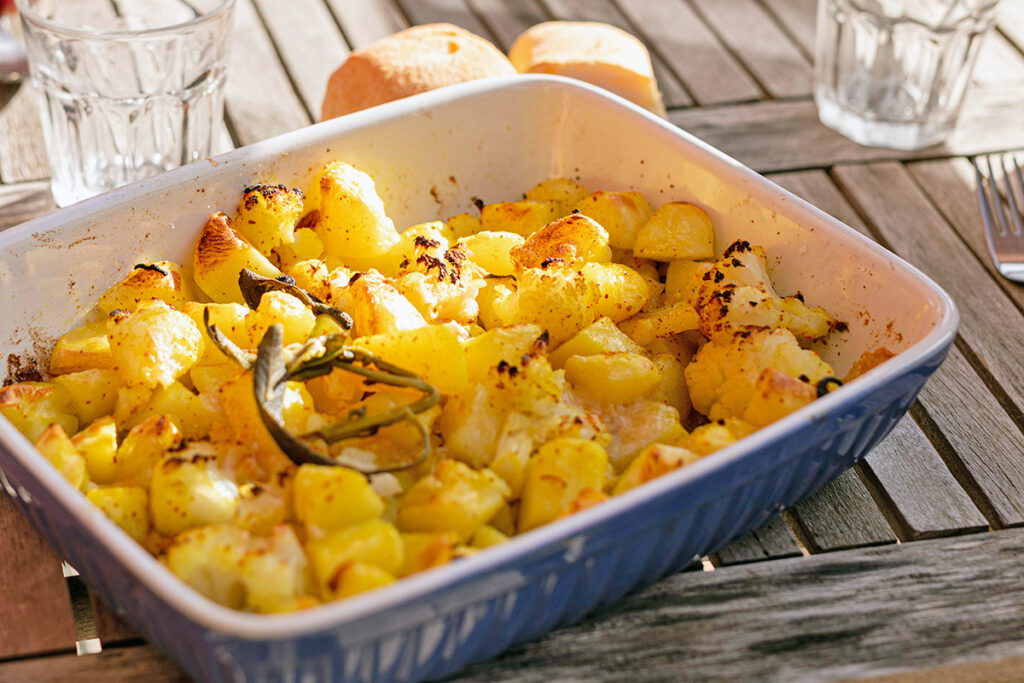
Potatoes are one of the longest-lasting varieties of fresh produce, good for two to three months if stored properly in a cool, dark place. So why buy them canned?
I like them because they’re quick and convenient. If I’m pressed for time, I can dice them for a potato salad or casserole, microwave them for an instant side dish, brown them in a skillet with onions and peppers, or shred them for latkes or hash browns. No washing, no peeling, no digging out moldy spots or half-sprouted eyes.
2. Mushrooms
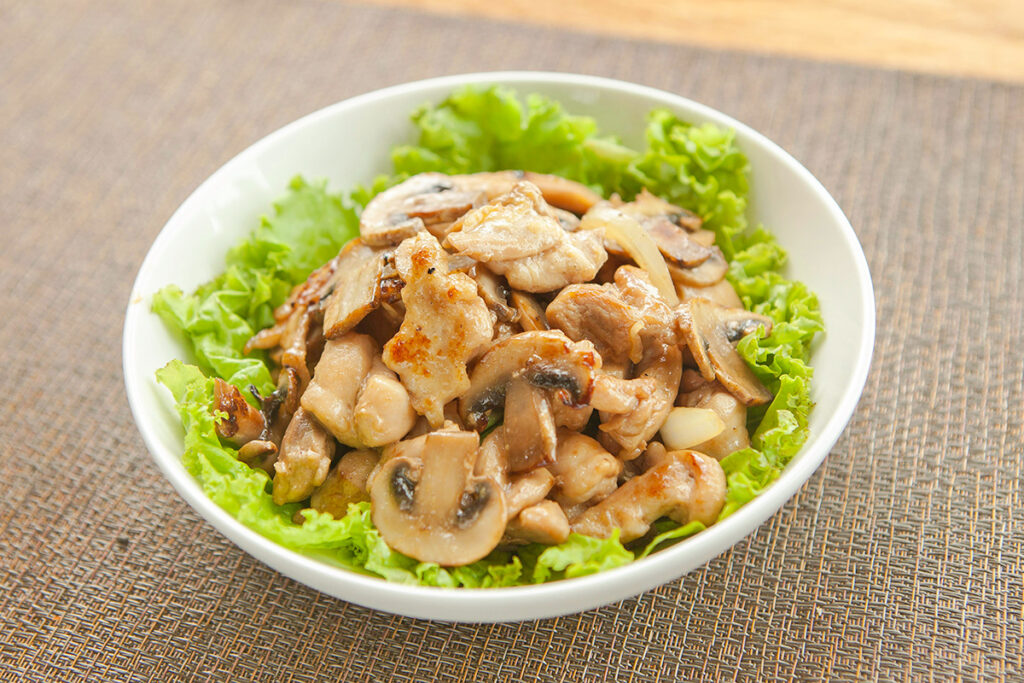
I’m a big fan of mushrooms. I love their varied textures and flavors, and the umami they bring to dishes. I’ve grown some exotic varieties from spore kits, and I’m slowly learning to forage for wild ones. But I also keep canned mushrooms on hand for times when I don’t have fresh ones available and don’t want to rehydrate the dried kind.
The texture of canned mushrooms isn’t as good as fresh, but they’re great on pizzas or in casseroles, stir-fries, gravies, omelets, and almost any other dish that calls for fresh.
More from our network
House Outlook is part of Inbox Studio, which publishes content that uplifts, informs, and inspires.





3. Corn
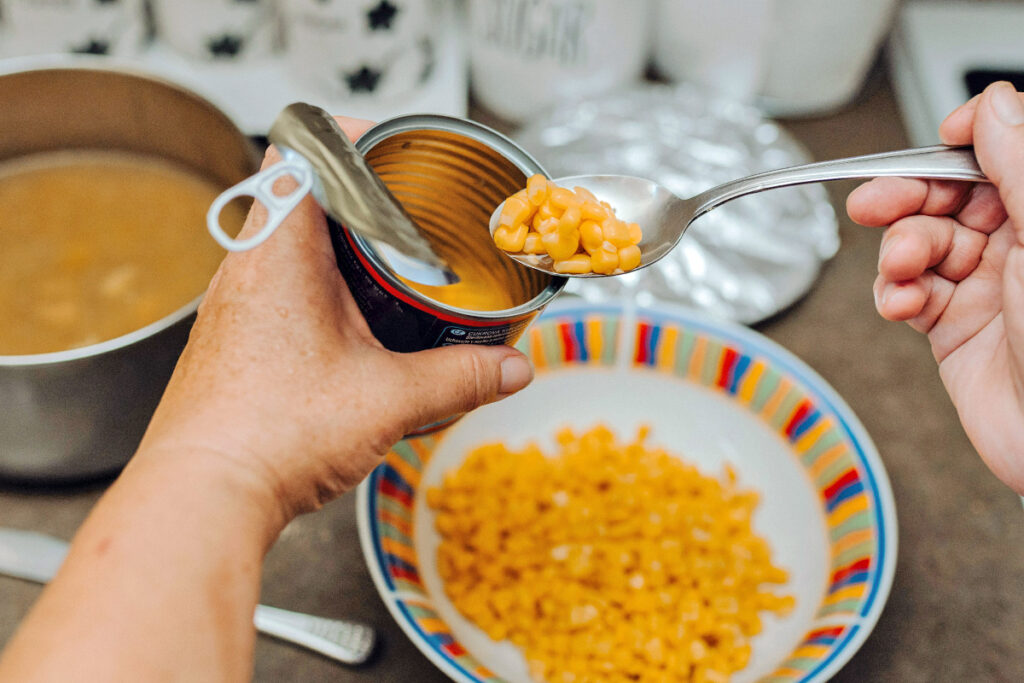
Not all vegetables have a texture that stands up to canning (more on that later), but corn is certainly one of them. I like to keep it on hand as a quick side dish, a casserole ingredient, or an add-in for cornbread and corn muffins.
I’m less fond of cream-style corn, though I occasionally use it in corn pancakes or muffins. If you like it, by all means keep it on hand.
4. Beans (and Other Legumes)
Beans have been generating a lot of buzz on social media lately, thanks to their low cost and high fiber content. Canned beans aren’t quite as cheap as dried, but they’re still a great value and incredibly versatile. Plus, you get to skip the hours of soaking and cooking that dry beans require.
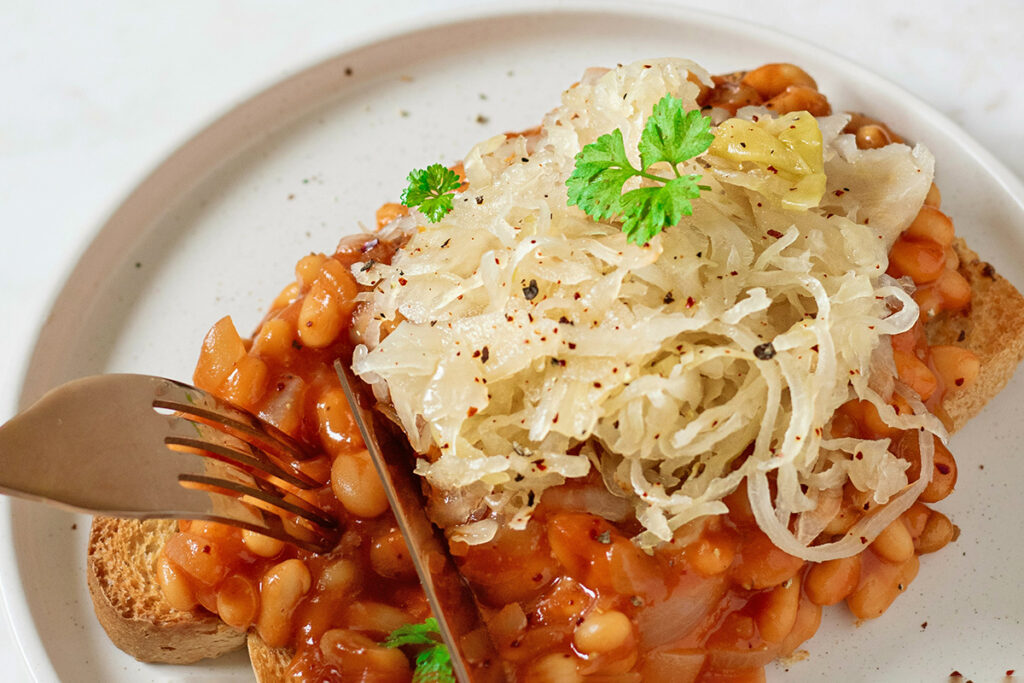
My pantry is usually stocked with a variety of beans and legumes: black beans, pinto beans, chickpeas (aka garbanzo beans), kidney beans, white navy beans, and baked beans. If I spot canned lentils at the store, I’ll grab those, too.
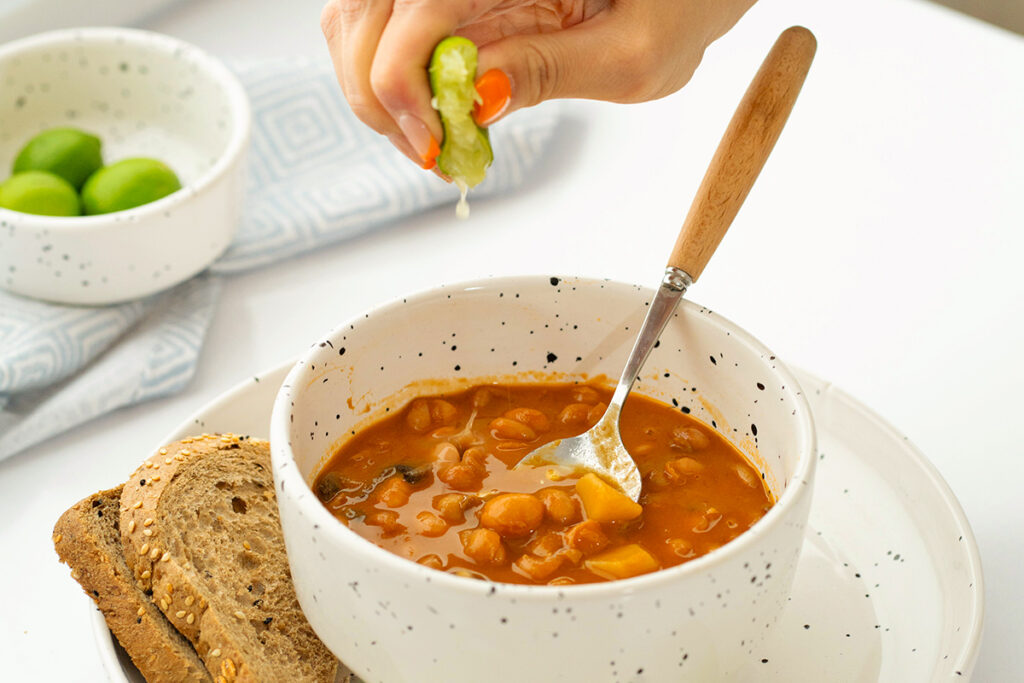
Use your canned beans in soups and salads, reheat them in sauce, mash them as quick refried beans for burritos, add them to chili, or substitute them for dried beans in your favorite recipes.


5. Pumpkin Puree
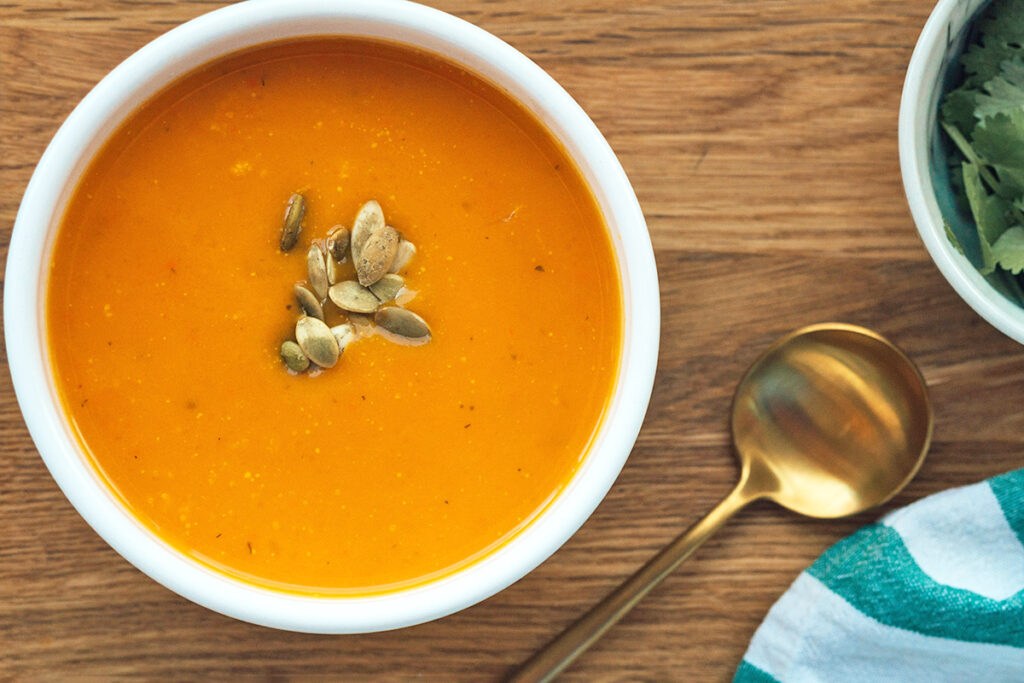
I almost always have a can or two of 100% pure pumpkin puree (not the sweetened pie filling) in my pantry. In just minutes, you can thin it with broth, milk, or coconut milk for a hot, filling soup — seasoned with anything from ginger and maple to North African or Thai spice blends. You can also heat it straight from the can for a simple side dish, much like baked squash.
Come dessert time, mixing pumpkin puree into a boxed cake or brownie mix is quick and easy, boosting those otherwise empty calories with a solid dose of nutrition.
6. Canned Fruit
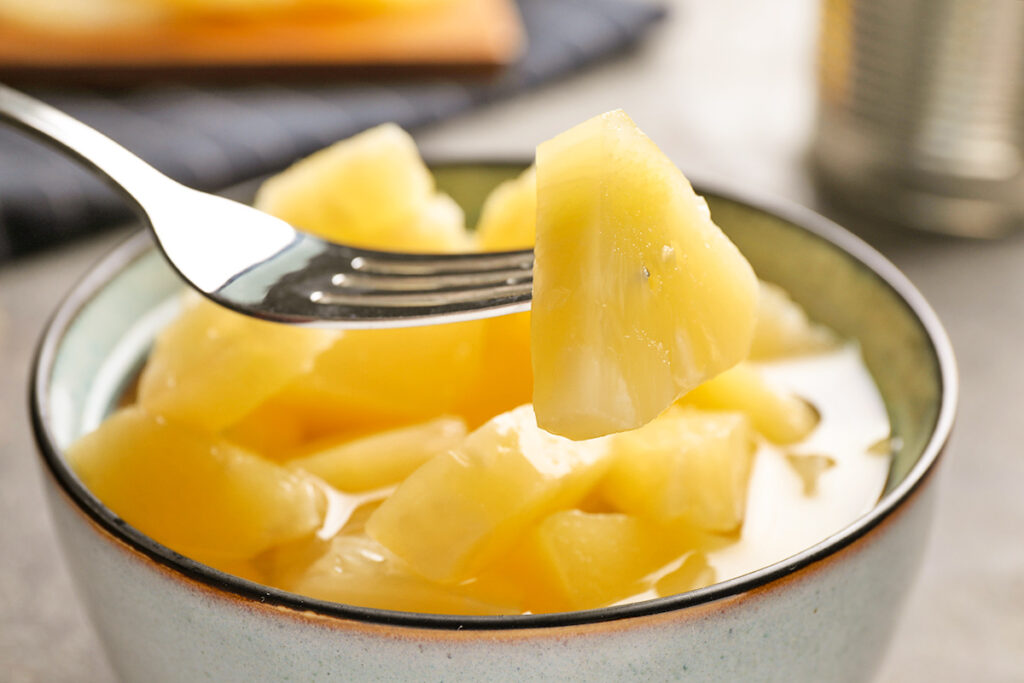
Buying fresh fruit can be frustrating because so much of it has such a brief window between unripe and overripe. It’s just good sense to keep a few canned varieties on hand for times when your fresh fruit lets you down.
I like to keep canned mandarins, peaches, or apricots in stock, along with the occasional fruit salad. Kids like them as-is, and they make it easy to improvise quick desserts. Applesauce is another good choice, whether you eat it straight from the can or spoon it over something else. Similar to pumpkin puree, it’s a remarkably useful baking ingredient.
7. Roasted Peppers
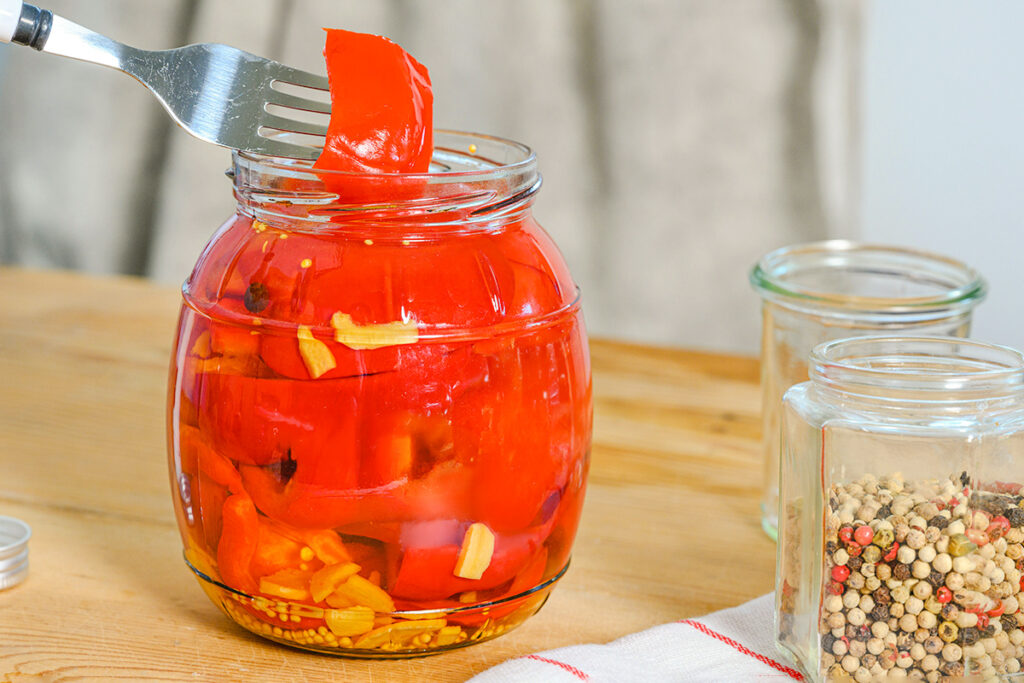
This is a less-common recommendation, but I like to keep a can or two of roasted peppers in my pantry. I use them as a colorful add-in for casseroles, omelets, sandwiches, and grain-based salads.
They also make for a delicious sauce: I’ll drain a can, puree it (a blender, food processor, or immersion blender will do the trick), and heat it with fresh herbs and a splash of mild vinegar. It’s a nice accompaniment for scrambled eggs, fish, chicken, or grilled meats (where the acidity cuts the richness), and it goes nicely with pasta, too. It’s a good alternative to tomato-based sauces if those give you indigestion.
8. Tomatoes and Tomato Sauce
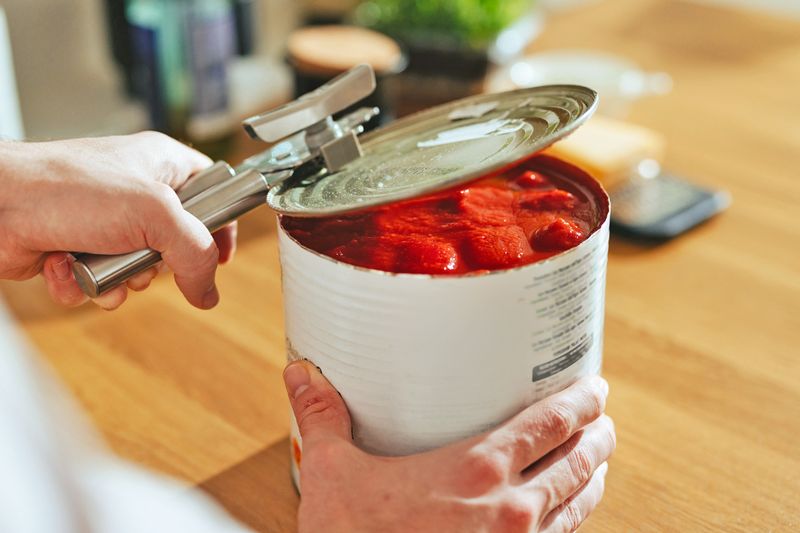
When fresh, local tomatoes aren’t available from your garden or the farmers market, it’s not worth making tomato-based dishes from scratch with mediocre store-bought ones. You’re better off keeping canned tomatoes in your pantry because they’re reliably flavorful year-round.
Tomato sauce is ready to serve over pasta straight from the can, though I usually tweak mine with herbs and spices. If you have the time to make your own, whole or pureed tomatoes are a good starting point. I keep a can or two of heirloom or San Marzano tomatoes on hand for special occasions and stick to budget-friendly brands for weeknight meals.
9. Canned Milk
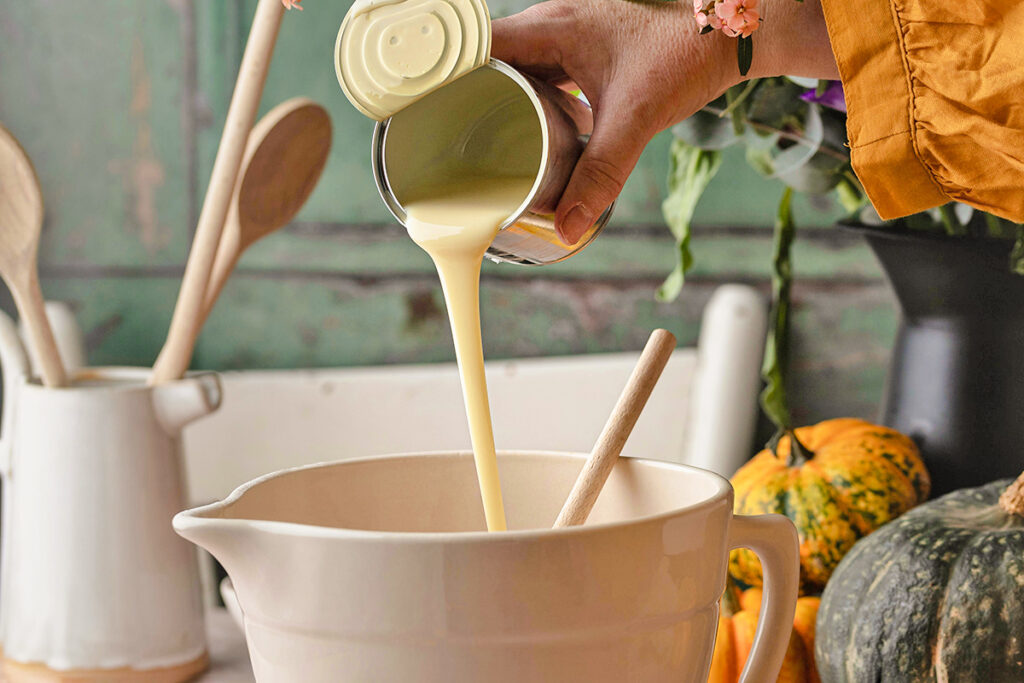
There are two kinds of canned milk you’ll see in stores: unsweetened evaporated milk, which is pourable, and sweetened condensed milk, which is thick and sticky. I keep both in my pantry.
Evaporated milk is an essential ingredient for pumpkin pie, and it’s a handy substitute for baking when you’ve run out of regular milk or yours is sour. It even doubles as a surprisingly good coffee creamer. Condensed milk, meanwhile, is useful for turning out quick desserts. You can also heat an unopened can of it in boiling water until it caramelizes into dulce de leche — just keep it fully submerged so it doesn’t burst.
10. Vegetables and Mixed Vegetables
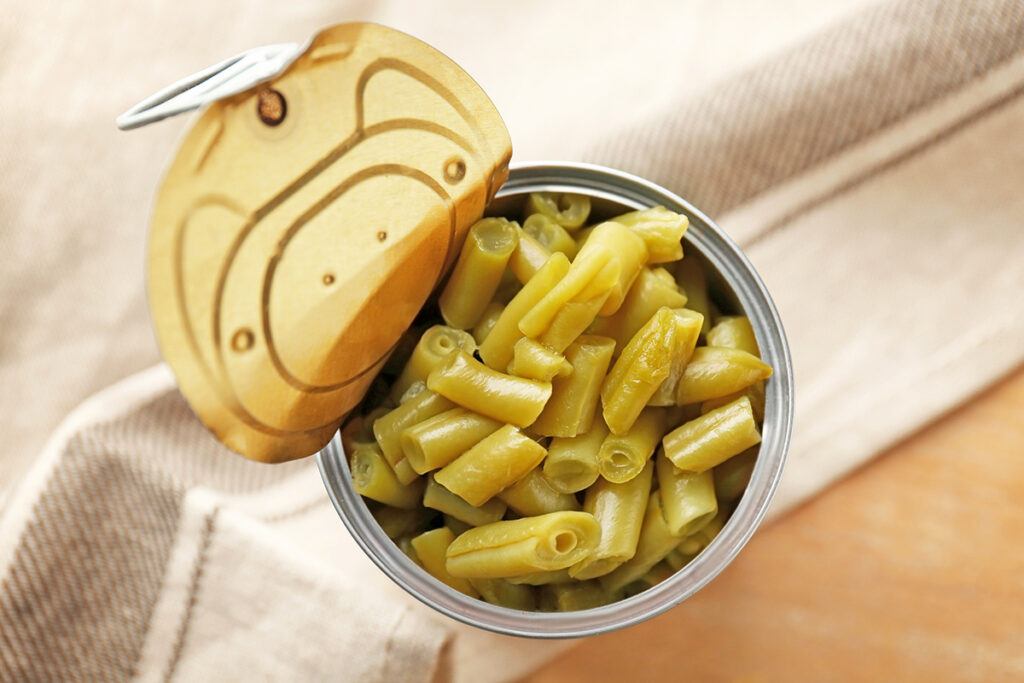
I mentioned corn a few sections ago because of its versatility as a vegetable or baking ingredient, but I usually keep a few other canned vegetables on hand as well. They’re a useful backup when you’re short on fresh produce and need a quick side dish.
Texture-wise, canned options can never compete with fresh, so stick to varieties you find palatable. Aside from kernel corn, my staples include green beans, yellow wax beans, beets, baby corn ears, and bean sprouts. Your list will look different, and that’s OK — it’s all about finding options you’re happy to rely on in a pinch (with a bonus if you actually prefer them canned).
11. Soups
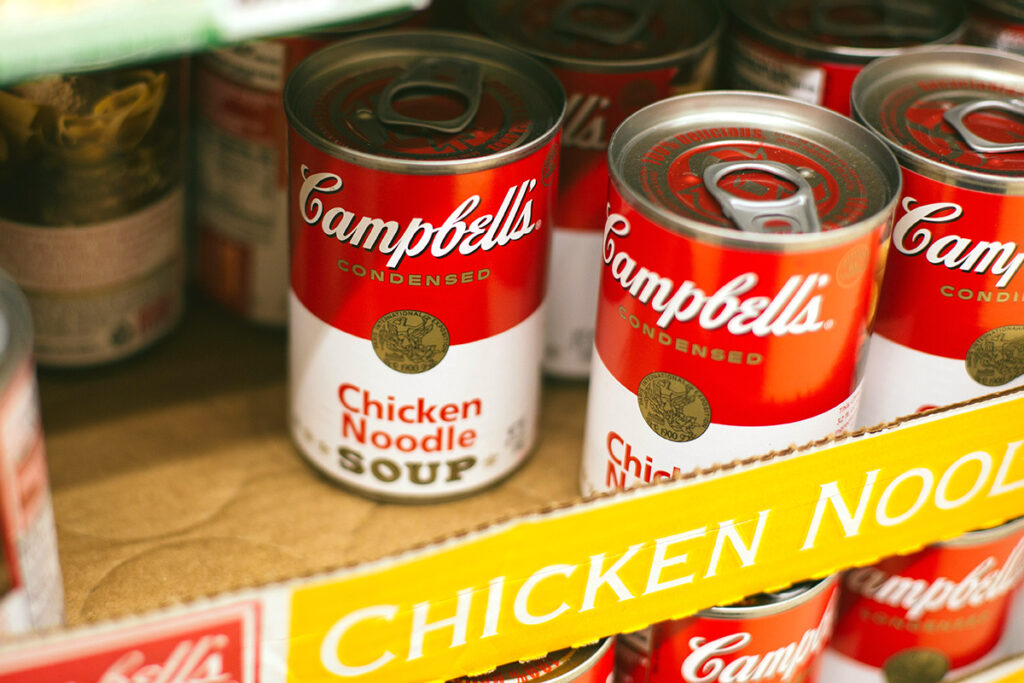
I make soup often and pride myself on doing it well, but I still keep several canned varieties in my pantry for convenience. Whether your grandkids crave chicken and stars or your go-to green bean casserole recipe calls for cream of mushroom, having a few options in the pantry is always a smart move.
12. Meat and Fish
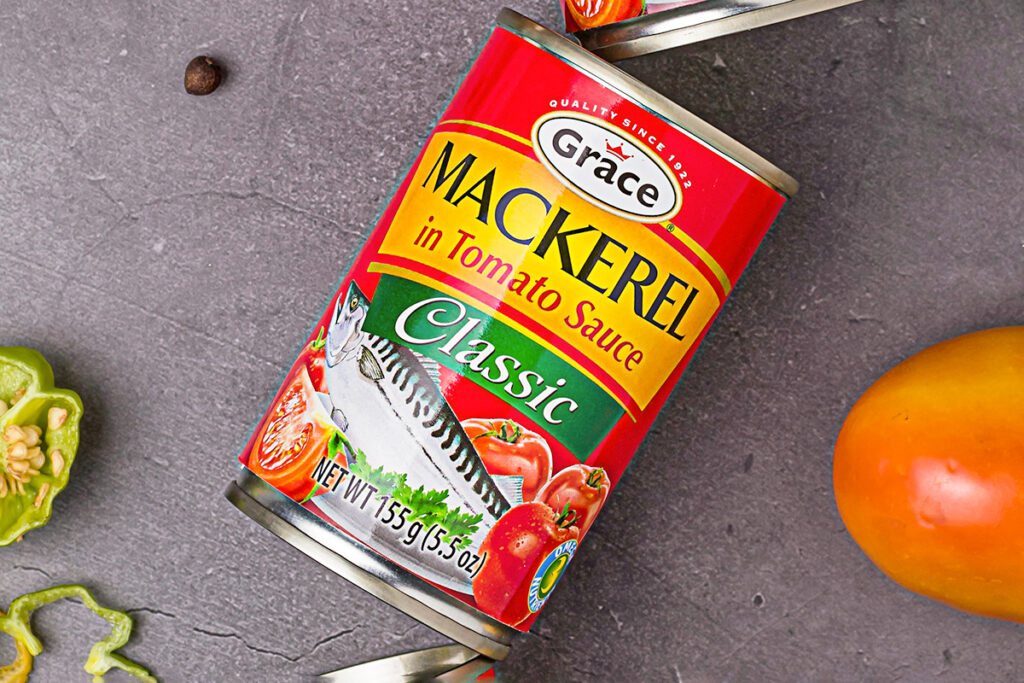
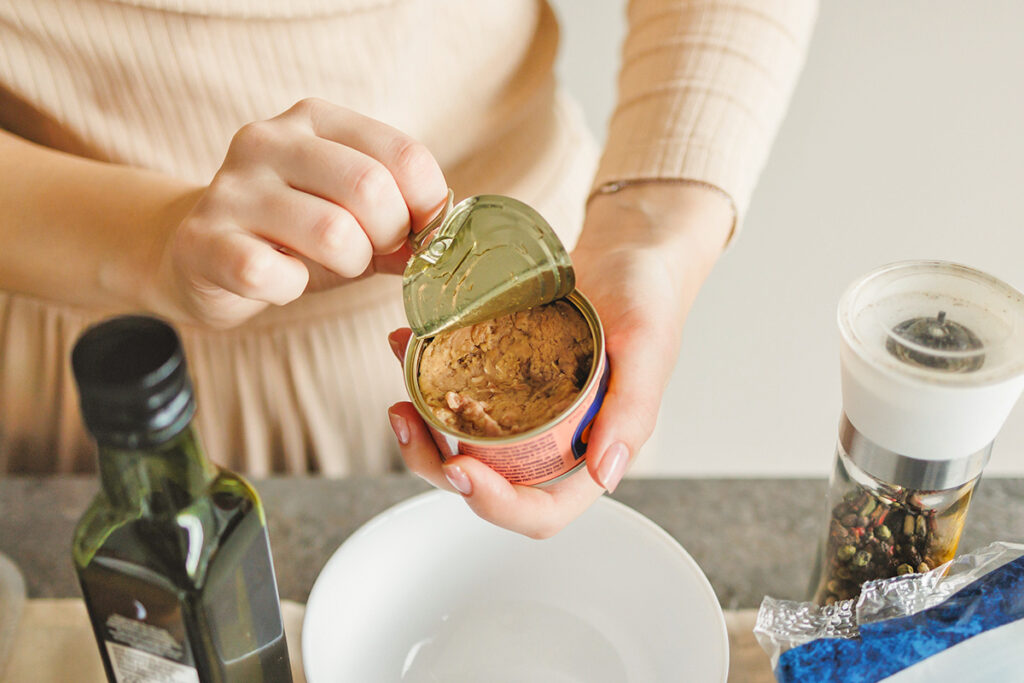
Canned meat and fish are handy alternatives to perishable fresh ingredients. While you might already mash them into sandwich fillings or use them to top a green salad, they’re capable of so much more.
Canned tuna is a staple in casseroles, for example, but salmon and chicken are just as versatile. Canned fish and chicken play nicely with beans, olive oil, and fresh herbs to make a dinner-worthy salad. High-quality sardines on toast points or crackers also make a nice appetizer. And salty canned meats can be paired with hash browns as an alternative to bacon or ham. I even mash canned fish or meat into leftover potatoes to make breaded croquettes for frying.
13. Olives
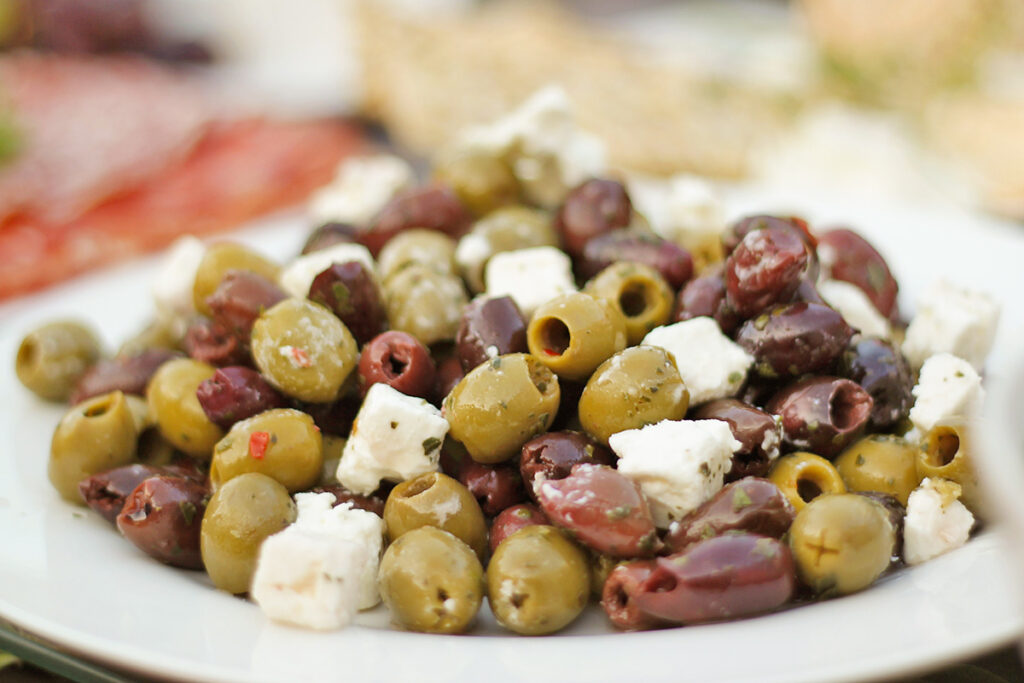
I usually have a jar or two of olives in my fridge, but canned ones make a great backup. Some canned varieties are actually very good (and priced accordingly), but even inexpensive options — sliced or whole — are useful to keep in the pantry.
Instead of laboriously pitting a cup of whole olives, I’ll often drain a can of sliced black or green ones for pizza, sandwiches, or salads. They’re also a popular topping for loaded nachos, seven-layer dip, and crostini.
14. Sauerkraut
One final canned food I’ll suggest is sauerkraut, though it’s definitely a love-or-hate option for many of us. I usually buy fresh or ferment a batch of my own in late summer when local cabbage is plentiful and cheap, but I like to keep a can or two on hand as well.
I like to slow-cook sauerkraut with apples, onions, and caraway seeds as a side dish, with or without sausage or cured meats simmering in the same pan. It’s also nice to have for grilled brats or hot dogs at backyard barbecues. Reuben sandwiches and German-style salads are other classic uses. However you serve it, sauerkraut brings plenty of flavor, fiber, and nutrition to the table.