“Your foundation is the one part of your house you never see and the one part you can’t afford to ignore,” says Eric Goranson, a foundation contractor and host of the podcast “Around the House.” According to Goranson, most foundation issues trace back to one culprit: water.
Here are 10 warning signs that your house has a foundation problem.
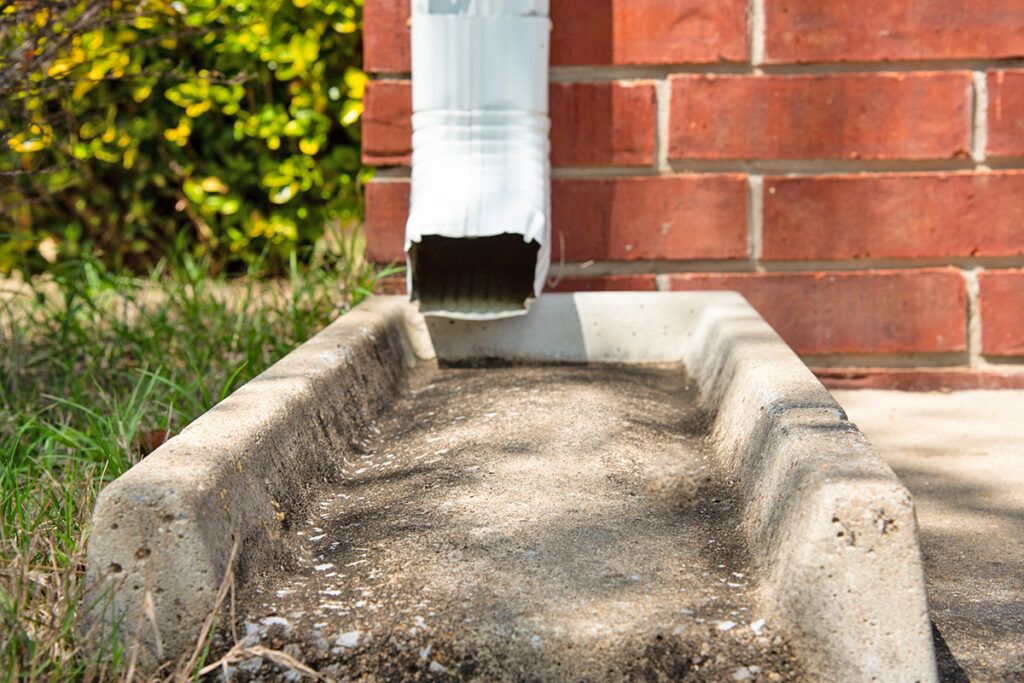
1. Downspouts Dumping Water at the Foundation
If Goranson could encourage homeowners to change one thing before it’s too late, it would be routing downspouts downhill into a proper drainage system at least 12 feet away from the house. “When downspouts discharge right at the foundation, you’re essentially watering your house’s footing every time it rains,” he says. Not only is this the biggest driver of foundation movement, but it’s also the cheapest to fix.
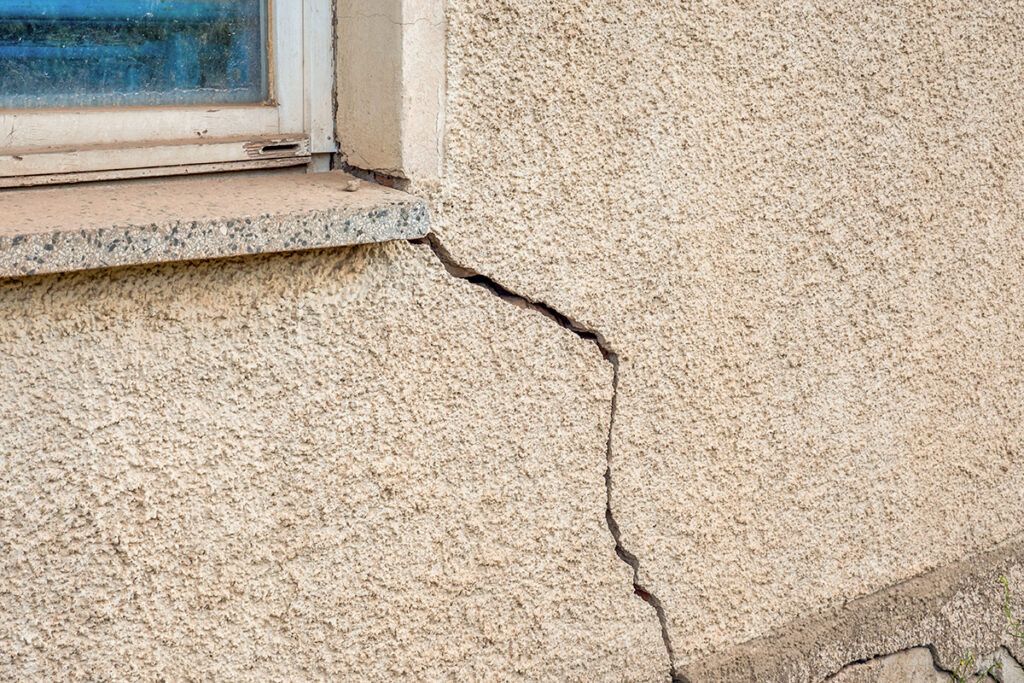
2. Concrete Cracks That Grow
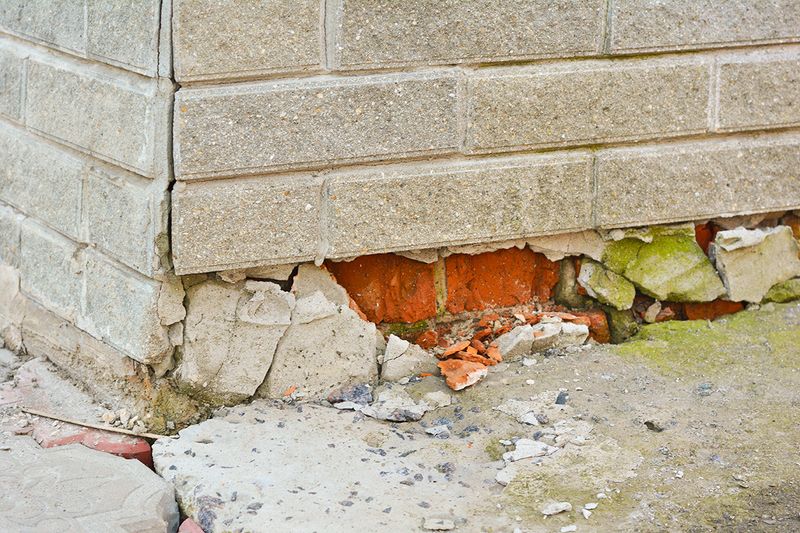
Take comfort in one thing: Concrete will always crack. That’s not a defect, but rather the nature of the material. However, “not all cracks are created equal,” Goranson warns. “Hairline cracks in drywall or paint are usually just normal house settling — nothing to lose sleep over.” Cracks worth watching include diagonal cracks running from corners of doors or windows, stair-step cracks in brick or block foundations, cracks near crawl space vents or basement windows, and cracks that grow. Mark the ends of a crack with a pencil and the date, then check back in a few weeks. “A crack that’s stable is a homeowner’s problem. A crack that’s actively widening is a structural engineer’s problem,” Goranson says.
More from our network
House Outlook is part of Inbox Studio, which publishes content that uplifts, informs, and inspires.



If the crack is vertical, under 1/8 inch thick, and the concrete is flush on either side, you can repair it yourself. A structural epoxy or expanding polyurethane injection kit will stabilize the concrete, seal the gap, and prevent water intrusion. If the crack is more concerning, contact a licensed structural engineer for an assessment.
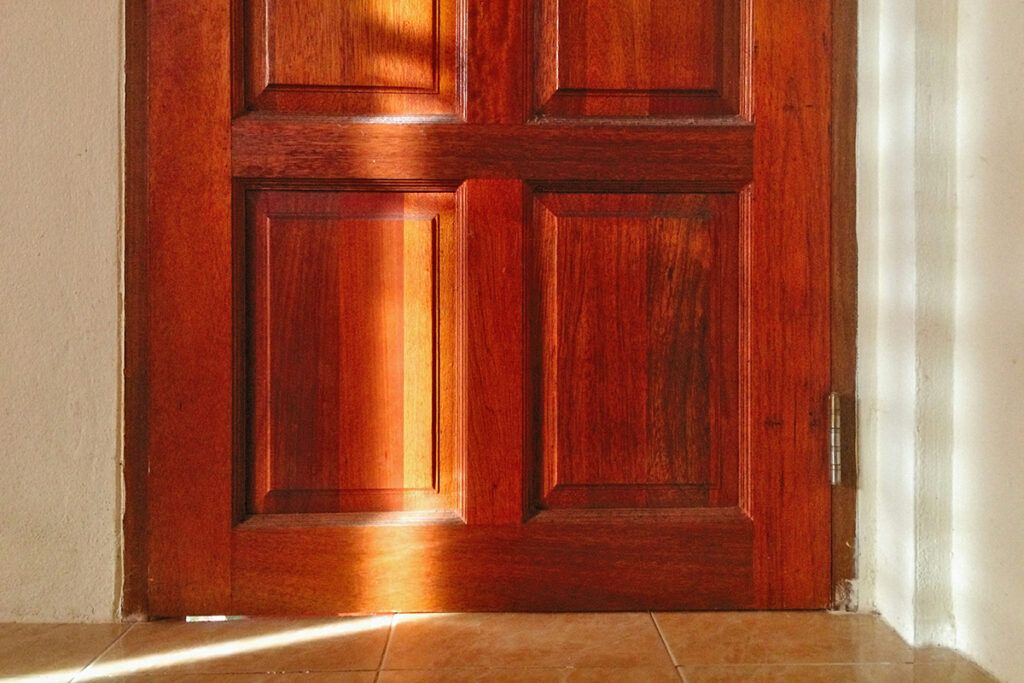
3. Sticky Doors and Windows
Changing weather and humidity can play a role in doors and windows sticking — or you could have a more serious issue on your hands. If several doors and windows suddenly won’t close or you find new gaps around their frames, consider it a sign that the foundation has shifted.
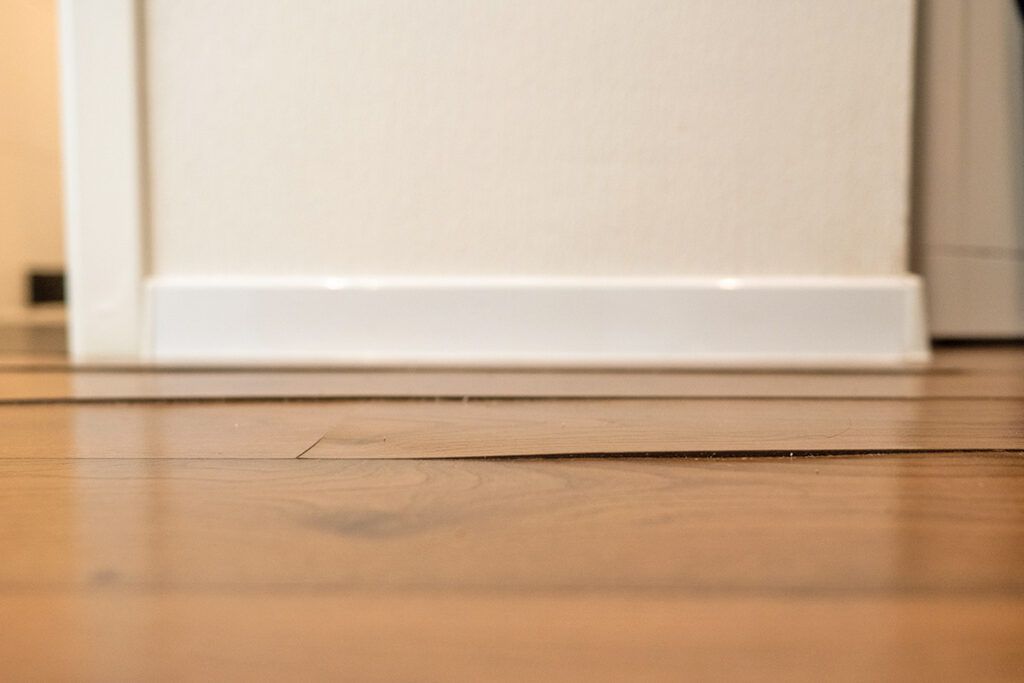
4. Uneven Floors
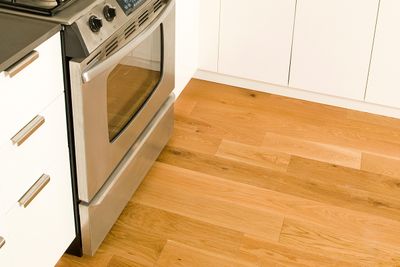
Not sure whether your floors are level? Try the marble test. If a marble consistently rolls in one direction, it can indicate that the floor joists are settling unevenly. “Often that comes back to a foundation that’s no longer supporting the load the way it should,” Goranson says.
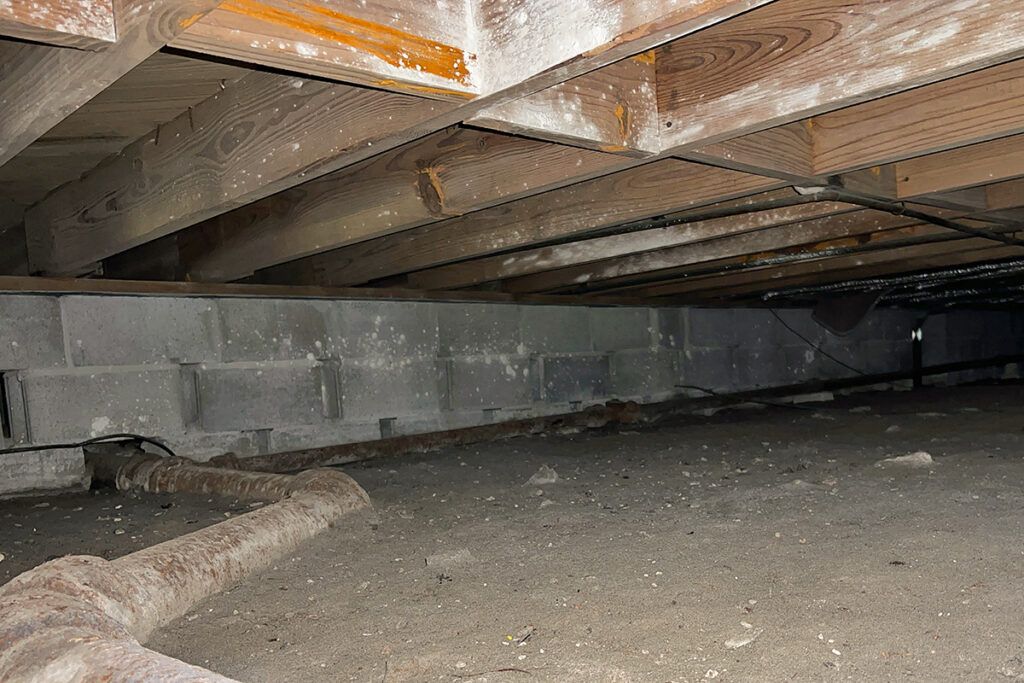
5. Musty Odors or Moisture in the Crawl Space
Water and foundation problems go hand in hand. Persistent moisture, a musty smell, or standing water in a crawl space can each act as both a cause and a symptom of foundation movement.
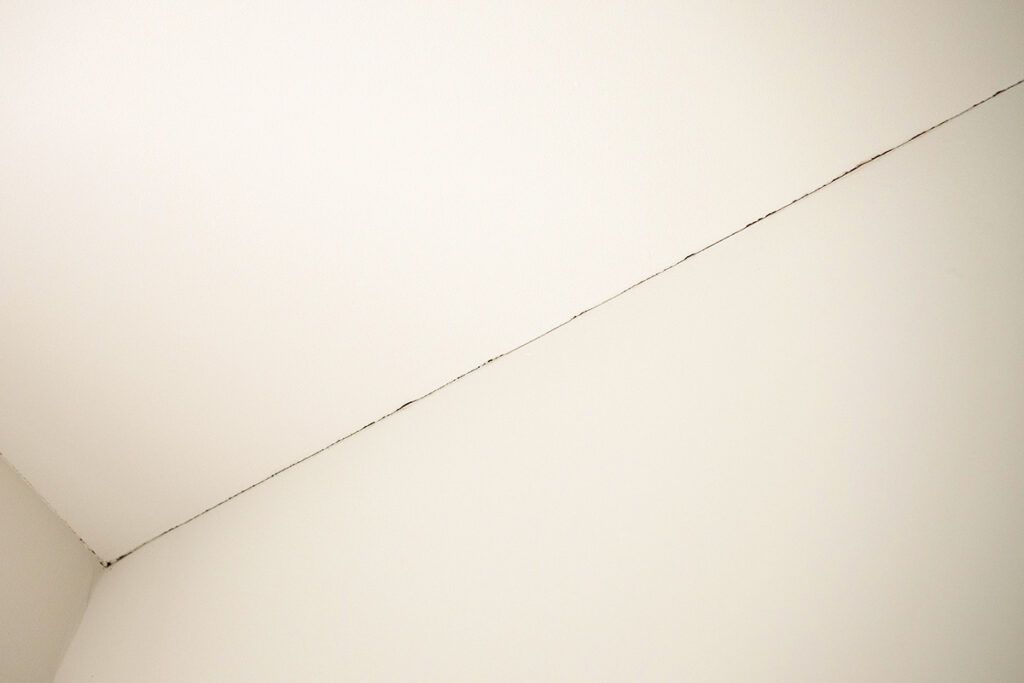
6. Gaps Where Walls Meet Ceilings or Floors
Keep an eye on the spaces where your walls meet the ceiling and where baseboards meet the floor. New separation, particularly a gap that runs the length of a wall, is a sign that the structure is pulling away from the foundation.
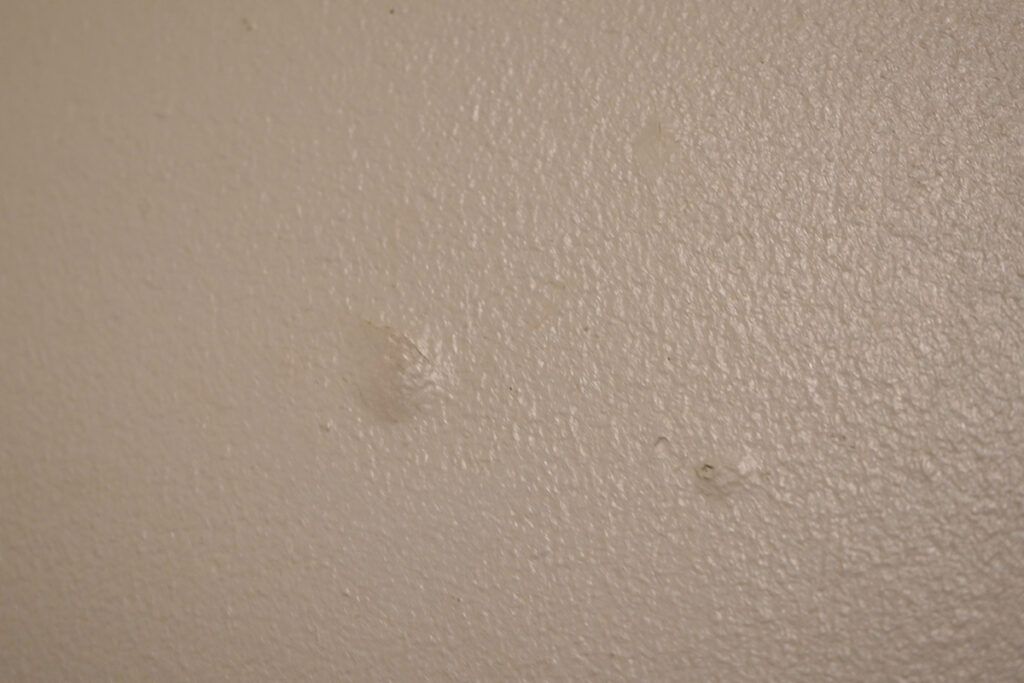
7. Nails Popping Through Drywall
Don’t overlook small dimples or protrusions on ceilings or walls that weren’t there before. As framing shifts, nails and screws can work loose, pushing through the drywall.
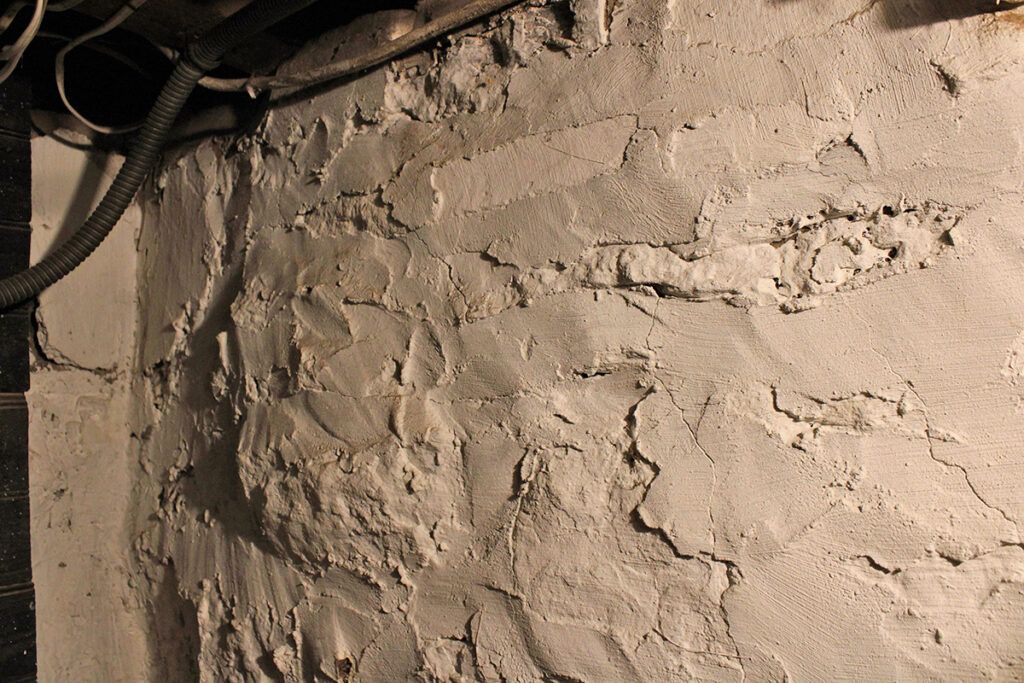
8. Bowing Basement Walls
Inward-bowing basement or crawl space walls are a clear warning sign. They usually indicate that soil pressure is overpowering a foundation wall, whether from heavy rain, tree roots, or even something heavy sitting against it, such as parked equipment or a gravel pile. Be aware that bowed walls will only get worse with time.
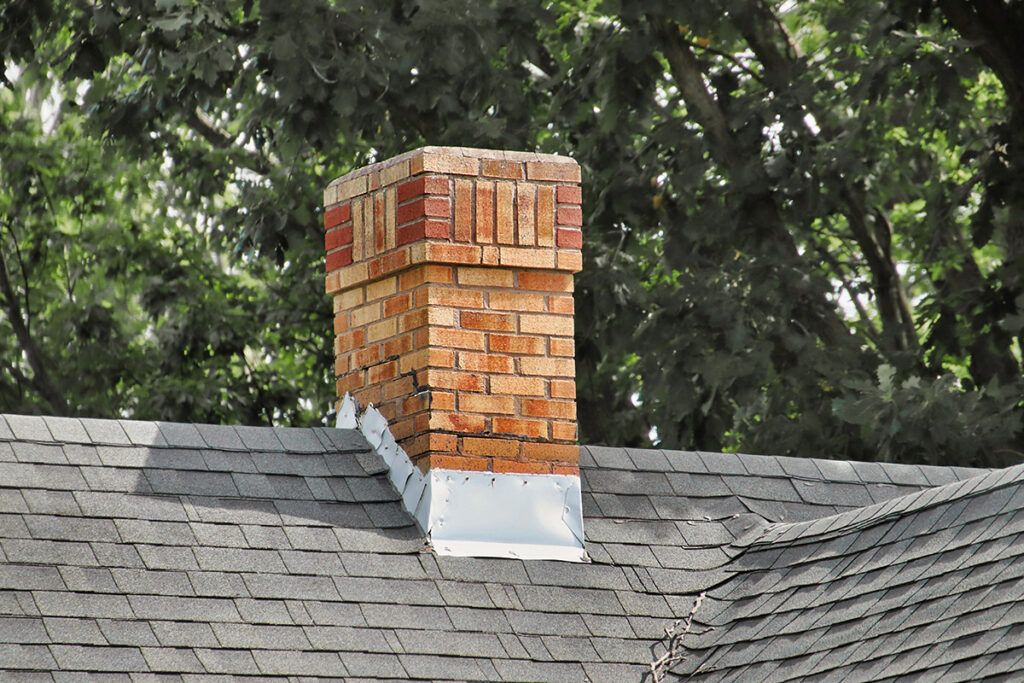
9. A Chimney Pulling Away From the House
“[Masonry] chimneys sit on their own footings and carry a lot of weight, so they settle at a different rate [from] the rest of the house,” Goranson says. If there’s a visible gap or lean between the chimney and the exterior wall, have it inspected sooner rather than later, as it’s a strong indicator of differential settlement.
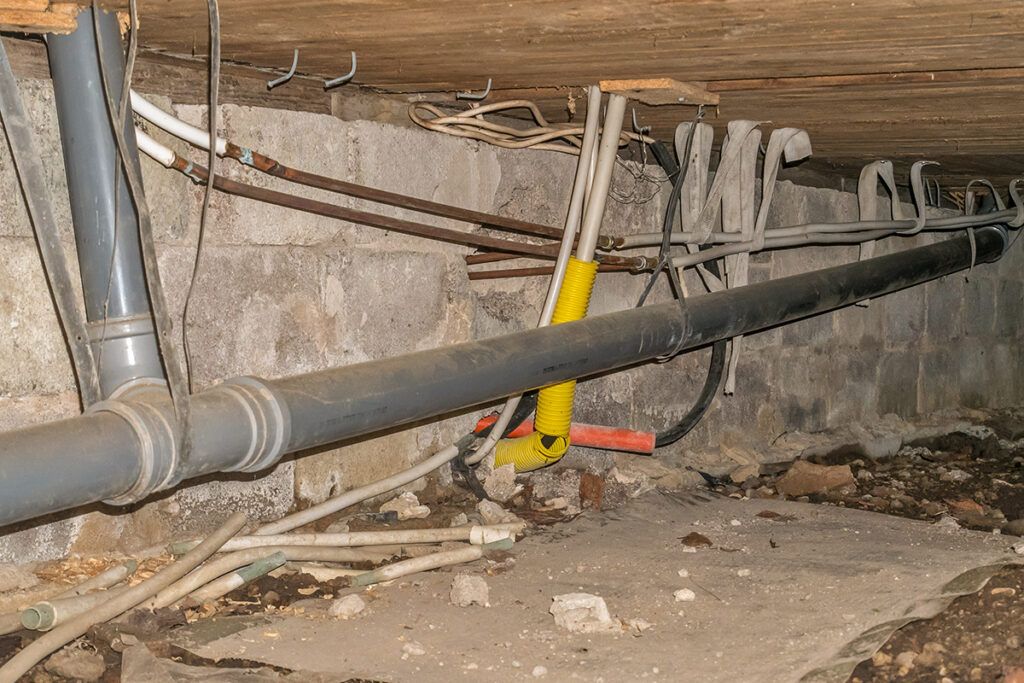
10. A Leaking Drain Pipe Under the House
A cracked or rotted drain line under a home can dump dozens of gallons of water into the crawl space every time it’s used. Goranson recalls a case where a rotted laundry drain went undetected for months, dumping more than 50 gallons of water into the crawl space with every wash load. The eroded soil eventually collapsed a section of the foundation, taking part of the kitchen with it. The repair bill? Nearly $100,000. If you have a crawl space, check it periodically to catch issues early.