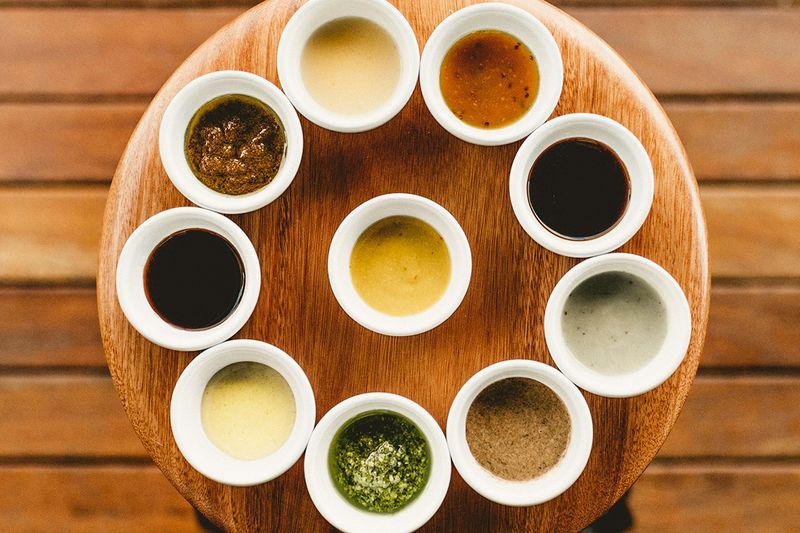
When that happens, it’s handy to have a pantry full of condiments and flavor enhancers. All foods combine saltiness, sweetness, acidity, heat, and savoriness (that elusive taste we call umami) in various ways, and the best condiments offer those flavors in concentrated form. As a trained chef and former restaurateur, I keep plenty on hand. Here are 14 of my favorites, along with tips for using them.
1. Soy Sauce
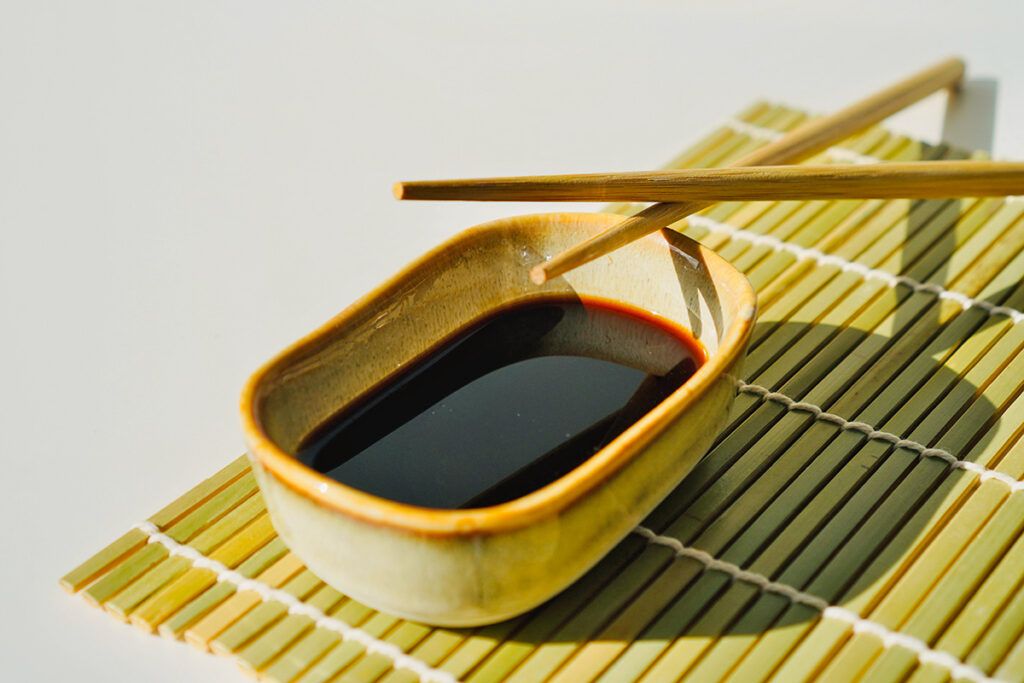
If you think of soy sauce purely as something to dip sushi into, you’re missing out. Even everyday brands bring a pleasing mix of saltiness and umami to your food. And artisanal varieties, made using traditional fermentation methods, add a whole new level of complex funkiness to your dishes.
Instead of treating soy sauce strictly as a staple for Asian dishes, start finding ways to incorporate it into your everyday cooking. If your gravy tastes underwhelming, a splash of soy will deepen its flavor and give it a rich brown color. Brush soy sauce onto beef, pork, chicken, and lamb to dial up their natural flavors, or add a splash when your soup broth tastes a little lackluster.
2. Hot Sauce
This is a broad category, and because I’m going to mention a few other condiments that could qualify as hot sauces, let me be specific. Here, I’m talking about the thin, pourable kind you see by the dozen on supermarket shelves — brands such as Tabasco, Frank’s, Cholula, and their competitors.
More from our network
House Outlook is part of Inbox Studio, which publishes content that uplifts, informs, and inspires.



Heat is their common trait, but it isn’t everything. Some are mild, while others hit like a flying brick. Find a heat level you’re comfortable with and run with it. Beyond spiciness, these sauces usually pack some combination of sweetness, acidity, and other flavors to brighten your meals. A good hot sauce can counter an overly rich dish, help you disguise something that’s oversalted, elevate a bland dish, or bridge the gap between a main dish and sides that don’t quite work together.

3. Mustard
I consider mustard to be one of the most useful items in my culinary toolbox, and I usually keep several varieties on hand. Dijon is my mainstay (both smooth and grainy), but I also stock hot mustard, sweet deli mustard, whole mustard seeds, dry mustard powder, and, yes, plain old yellow mustard.
Prepared mustard makes an ideal binder for spice rubs, helping seasonings stick to meat (or tofu) before grilling or roasting. A bold Dijon mustard adds flavor to vinaigrettes and dressings, and acts as an emulsifier to keep them from separating. I like it in mayonnaise-bound salads (egg salad, chicken salad, and potato salad) for the tang it brings, which enhances the other ingredients. Stir it into sauces to lend them a “French bistro” touch. Dry mustard, meanwhile, delivers a sharp, wasabi-like heat to your dishes, and crushed mustard seeds provide that same kick with a delightful crunch. And of course, mustard and cured meats of almost any kind play together beautifully.

4. Chili Crisp
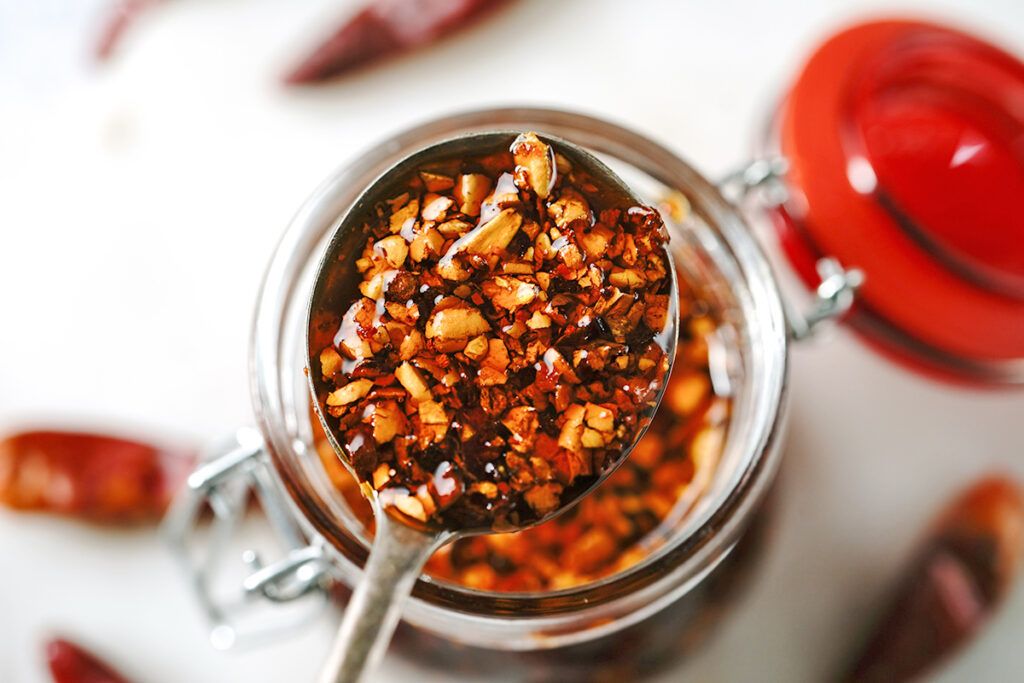
China has a long culinary history with no shortage of traditional sauces, but chili crisp is not one of them. It’s a relatively recent invention by Tao Huabi, a woman from one of China’s poorest provincial regions, who originally created the sauce for the noodles she sold from her street stall. (Her face is printed on the label of the Lao Gan Ma brand of chili crisp.) The condiment proved more popular than the noodles, so she started bottling and selling it commercially in 1996. Today she’s a billionaire, and her product is in kitchens all over the world, including mine.
If you haven’t had it yet, chili crisp is spicy, salty, and savory, with a pleasant crunch from the fried bits of chile pepper and other aromatics. I like to spoon a dollop onto the island of noodles rising from my bowl of ramen, or add it to stir-fried dishes as a flavor booster. But fans have found endless uses for it, even drizzling it over vanilla ice cream. Whenever a dish needs heat, salt, umami, or a crunchy bite, chili crisp is the answer.
5. Pomegranate Syrup
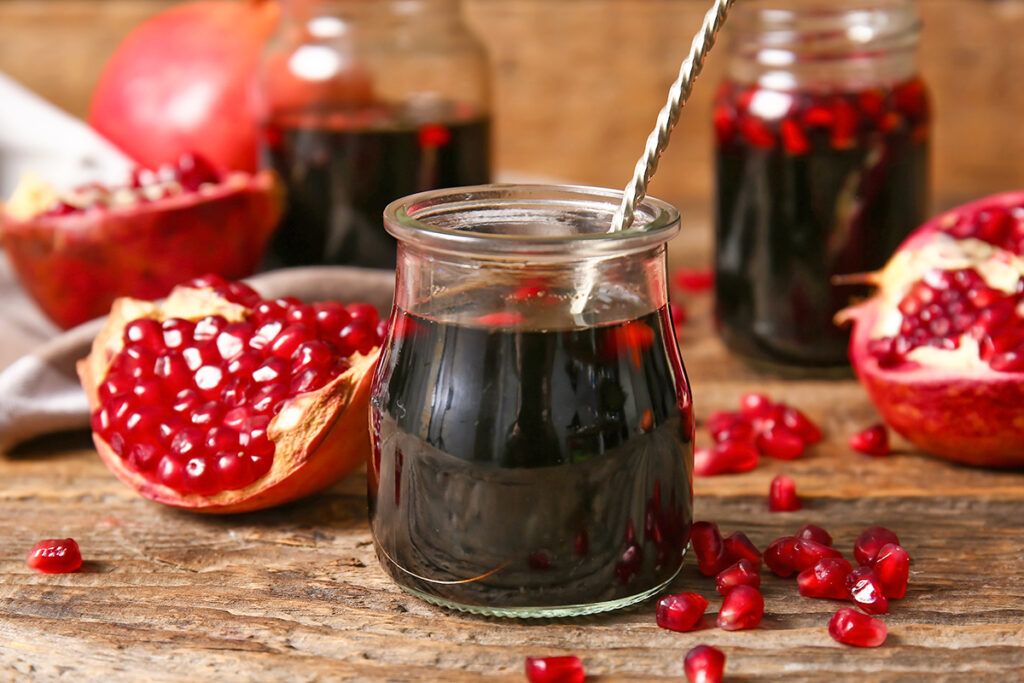
I’ve been beating the drum for pomegranate syrup, sometimes called pomegranate molasses, for over 20 years now. It’s pomegranate juice boiled down until concentrated and thickened, and it’s a popular ingredient across Middle Eastern cuisines. It’s tart, with an appealing sweetness and deep fruity undertones. I liken it to balsamic vinegar because of its sweet-and-sour balance, but balsamic (as much as I love it) can leave dishes looking dark and muddy. Pomegranate syrup, on the other hand, adds a pleasant red tone.
I especially like it in poultry dishes, where a splash brightens the flavor of the bird or sauce. It’s also good in vinaigrettes and marinades, or as a tart balancing element when you’ve oversweetened a dessert built around strawberries, raspberries, rhubarb, or anything else red. One of my favorite uses is with roasted beets — either as the base of a warm sauce or in a dressing for a salad of roasted beets with spinach, arugula, or other greens. It’s also the original version of grenadine, so using the real thing will give your cocktails a boost.
6. Tamarind
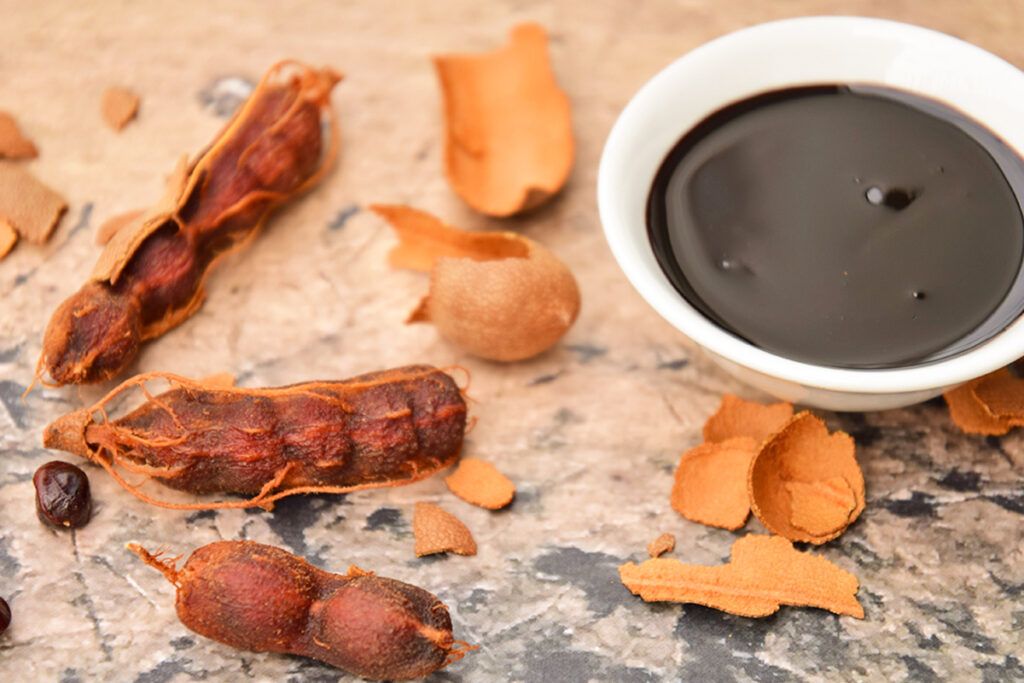
Tamarind is a tart fruit related to the peanut. It’s an indispensable ingredient in Indian and Southeast Asian cuisines, where it’s been used for centuries to lend a sour, fruity flavor to everything from mouth-blistering curries to sweet candies and chilled beverages. You can find it as a dried block or a ready-to-use paste, and both keep in the fridge for a long time. (The dried kind just needs to be chopped and softened in water first.)
Like other acidic ingredients, it brightens rich foods — think fatty meats or sauces based on cream or coconut milk. It’s also a fine complement to anything with chile heat, and it can help mask an oversalted dish. I find it a useful alternative to lemon whenever I want something tart but less assertive.
7. Fish Sauce
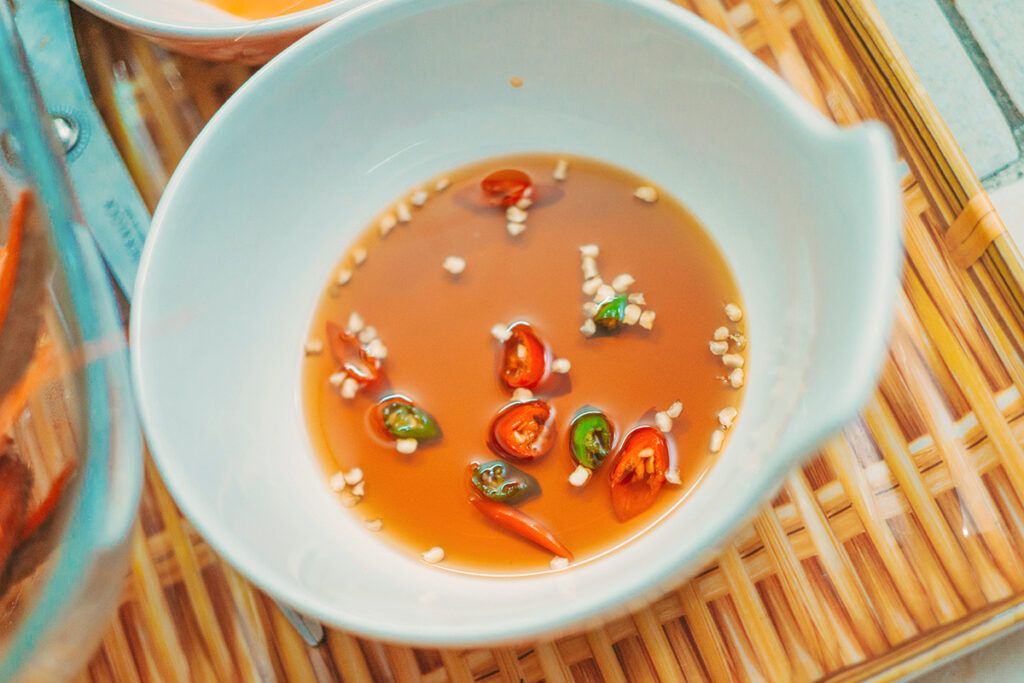
The idea of letting fish ferment and then using the liquid that drains from that malodorous mass might not sound appetizing. But humans have been making fish sauces this way for thousands of years. (The ancient Romans called theirs garum or liquamen.) Today, the brands you’ll see in supermarkets are typically Thai or Vietnamese.
Fish sauce has a hint of fishiness straight from the bottle, making it a great substitute for anchovies or anchovy paste in a Caesar salad. But mostly, it’s just liquid umami. When added to a cooked dish, the fishiness vanishes, leaving behind a savoriness that brings out other flavors. Experiment by adding a splash to stir-fries or brushing it onto meats searing in a hot skillet. It’s also fantastic in chowders and seafood sauces.
8. Toasted Sesame Oil
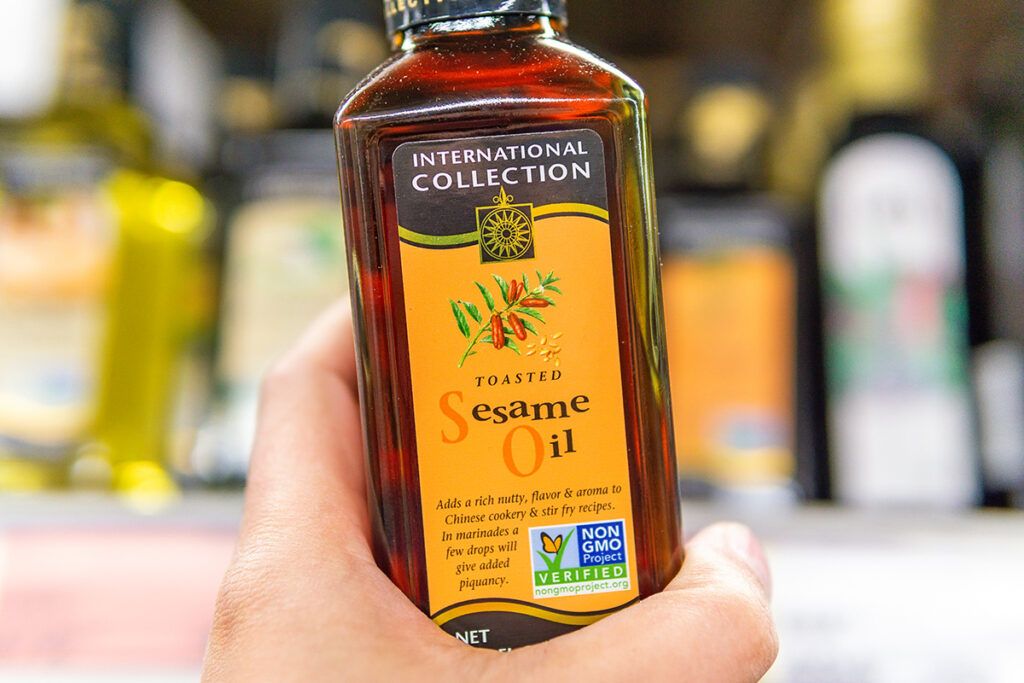
You’ll find two main kinds of sesame oil on supermarket shelves: One is plain and rather pale; the other is toasted, with a dark amber color. The pale kind is meant for cooking and has relatively little flavor. It’s the toasted (or roasted) version you want, because it brings bold sesame flavor to your food.
It’s added at the end of cooking as a finishing touch — heating it lessens the flavor. Drizzling it over a stir-fry, rice dish, or noodle salad delivers a big sesame punch with a hint of nuttiness. It’s also an intriguing addition to desserts, which is a less traditional choice. Try a small splash over vanilla ice cream, or as a savory topping for a slice of cheesecake.
9. Sambal Oelek or Chile Garlic Sauce
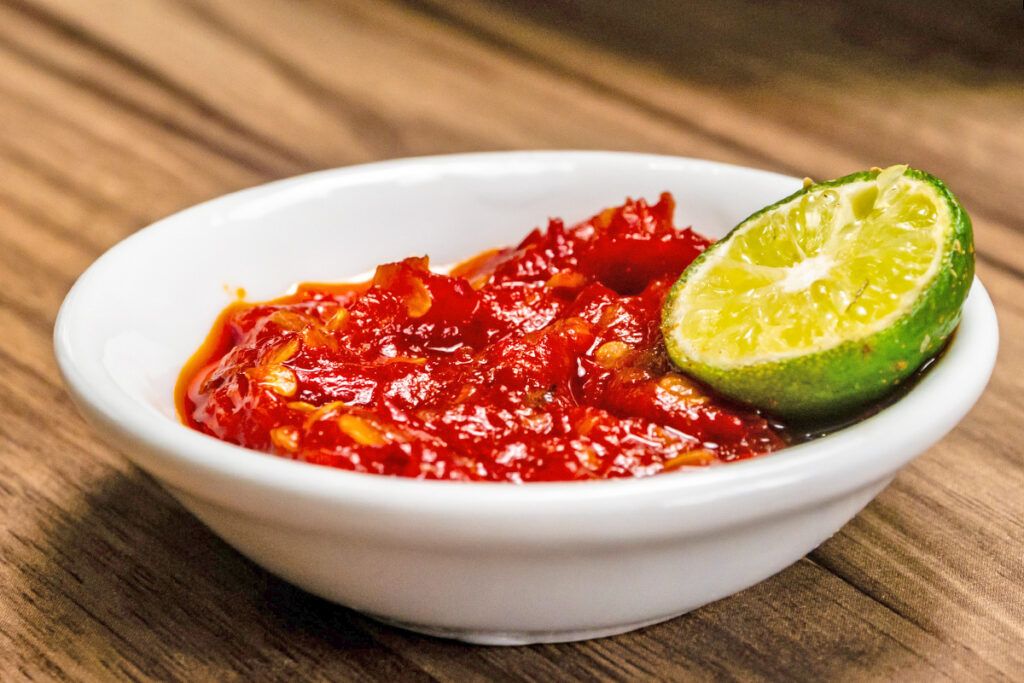
These two similar-looking chile-based condiments are versatile tools to have in your kit. Sambal oelek, from Indonesia, is made of coarse red chiles ground up with salt and vinegar. Chile garlic sauce is much the same, but with garlic. Both add heat and acidity to your food, though I usually reach for the garlicky version for that extra boost of flavor.
You can use either variety straight from the jar, adding it toward the end of cooking or leaving it at the table for guests to add as they see fit. Their heat can rescue a dull or oversalted dish, while their acidity lifts other ingredients. Try a spoonful in ramen, in a soup that needs a little something, or in any dish that could benefit from a hit of heat and tang.
10. Good Vinegar
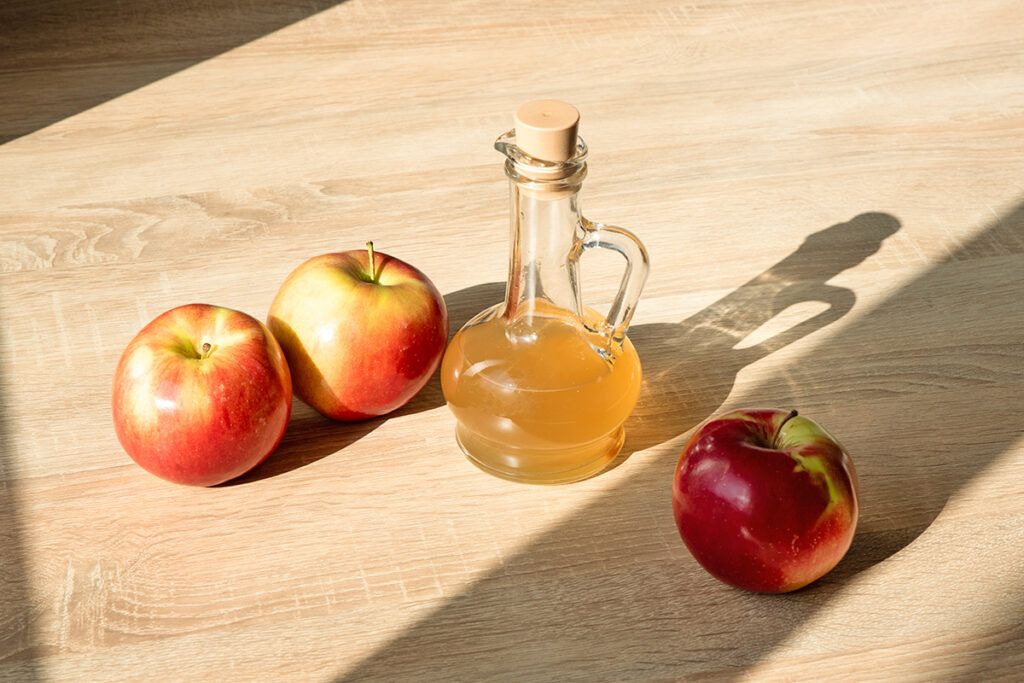
Ordinary white vinegar is too sharp and one-dimensional to work as a condiment, but several milder options are worth keeping on hand. Apple cider vinegar, for example, offers bright acidity without the sting, while balsamic vinegar delivers a balanced sweet-tart flavor. White and red wine vinegars, sherry vinegar, and rice vinegars from China and Japan are also useful. For many of these, there’s an inexpensive, sharper version alongside a milder, more complex aged version.
Add a few drops of vinegar to enliven anything rich but bland. Creamy sauces and soups are an example I use a lot in cooking classes, where adding a few drops at the end (after the thickener) snaps the flavors into focus. You can also use it to tone down a dish that turned out too sweet or salty, or to brighten roasted or fresh vegetables. They’re great for dipping sauces, too — try equal parts rice vinegar and fish sauce stirred with sambal oelek to taste.
11. Citrus Juice and Zest
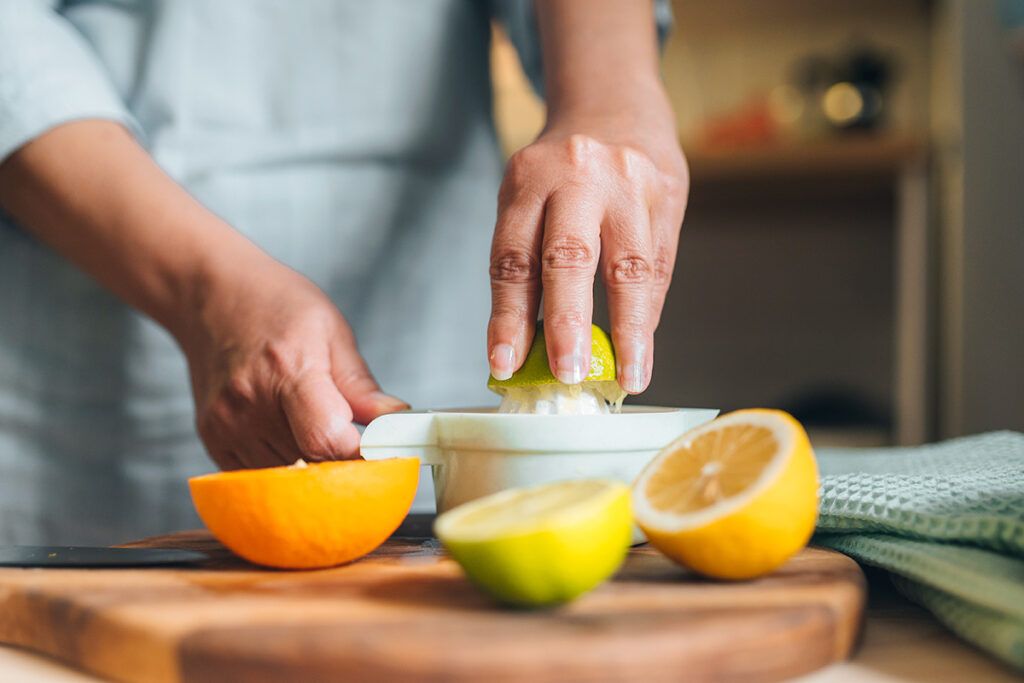
Citrus fruits — lemons, limes, oranges, and grapefruit — bring bright, fresh flavors to your cooking. They also pack a lot of flavor in their zest (the colorful outer skin), which you can mix with their juice or use separately. Lemon and lime are the most versatile: A squeeze over grilled meats, fish, or poultry acts much like vinegar, instantly brightening a flat dish.
Orange juice is sweeter but works in many of the same ways. For bolder orange flavor, combine the zest with juice to make it more assertive. Grapefruit juice brings a bitterness that works well in vinaigrettes or dishes with some sweetness. I’ll add a left-field citrus idea as well: marmalade. Melted briefly in the microwave, it makes a tasty, quick glaze for poultry or pork, or you can add a spoonful to the drippings in your skillet for an easy pan sauce.
12. Spice and Herb Blends
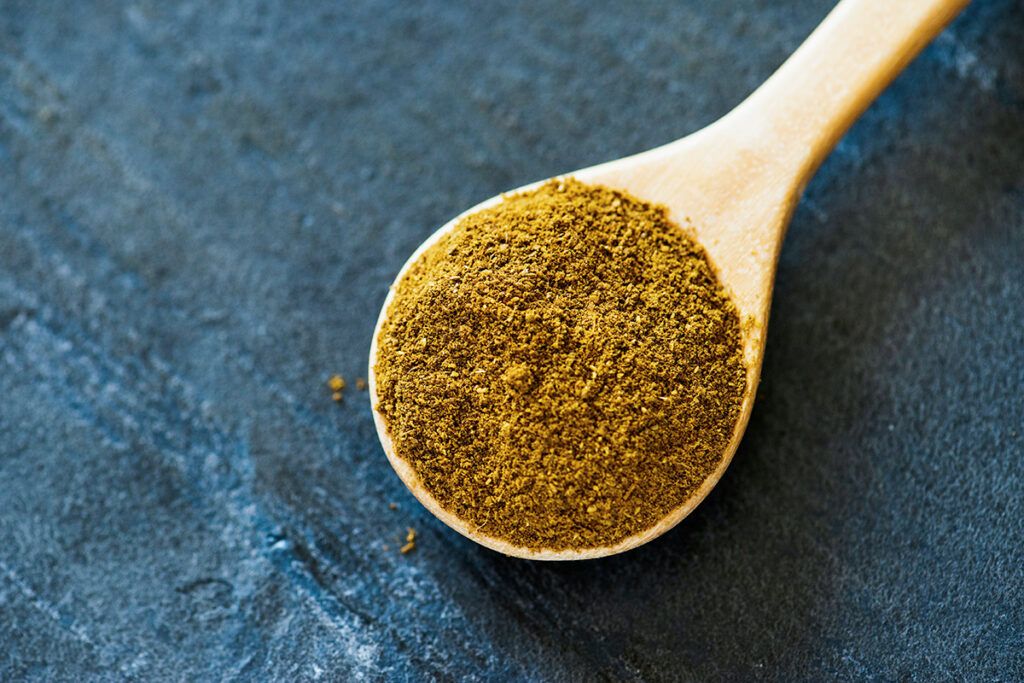
I’m stretching the definition of condiment here, but spice blends can be used the same way: to give a last-minute lift to foods that aren’t quite coming together. Global cuisines are full of them, and even commercial blends from your supermarket’s spice aisle (such as lemon pepper or herb-and-garlic seasoning) have their place.
Commercial versions vary by brand, so if a combination sounds good, buy one and try it on a few things to get a feel for its flavor. Once you’re comfortable, explore international options such as garam masala (an aromatic Indian blend), harissa (a spicy North African chile blend), za’atar (an earthy, herbal Middle Eastern mix), or khmeli suneli (a complex Georgian herb blend). Use them to enliven meats, fish, poultry, vegetables, sauces, soups, and dips.
13. Worcestershire Sauce
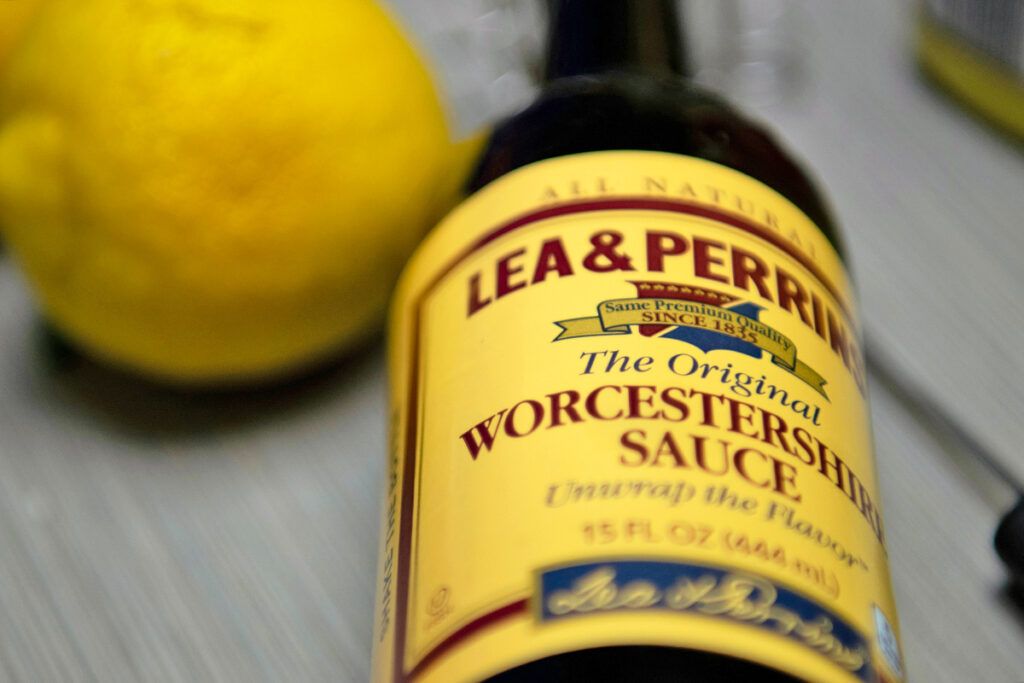
Worcestershire sauce isn’t just for the occasional bloody mary. As I mentioned earlier, condiments provide varying combinations of hot, sour, salty, sweet, and umami. Worcestershire gives you all five in a single bottle. It’s peppery and tangy, brings salty depth like fish sauce, carries a lingering fruity note, and comes packed with umami. And no wonder: It’s made with vinegar, fermented anchovies, tamarind, and black pepper, making it the “all of the above” condiment.
I use it heavily in meat dishes, stir-fries, sauces, soups, and dips. Even better, you can add it at the very last minute once your dish is cooked, or even splash a little right at the table.
14. The Condiments You Make Yourself
I originally planned to end with Worcestershire sauce, as it embodies everything you need in a quick-fix condiment. But let’s take it a step further: I encourage you to experiment with making your own condiments. Vintage cookbooks are packed with recipes for them, from mushroom ketchup to chutneys and relishes. Preparing homemade condiments is a rock-solid way to understand how flavors interact, making you a better cook in the process. Over time, you’ll learn to tweak those recipes to suit your own palate and cooking style.
Another good starting point is a cookbook called This Will Make It Taste Good, by chef and television host Vivian Howard. It’s not structured like most cookbooks; instead, Howard provides recipes for unusual condiments she’s created and named herself, and then follows each one with additional recipes for dishes that make use of it. It’s a hands-on, learn-as-you-go approach paired with expert guidance from a chef to get you started.