1. Picking the Wrong Grass for Your Climate
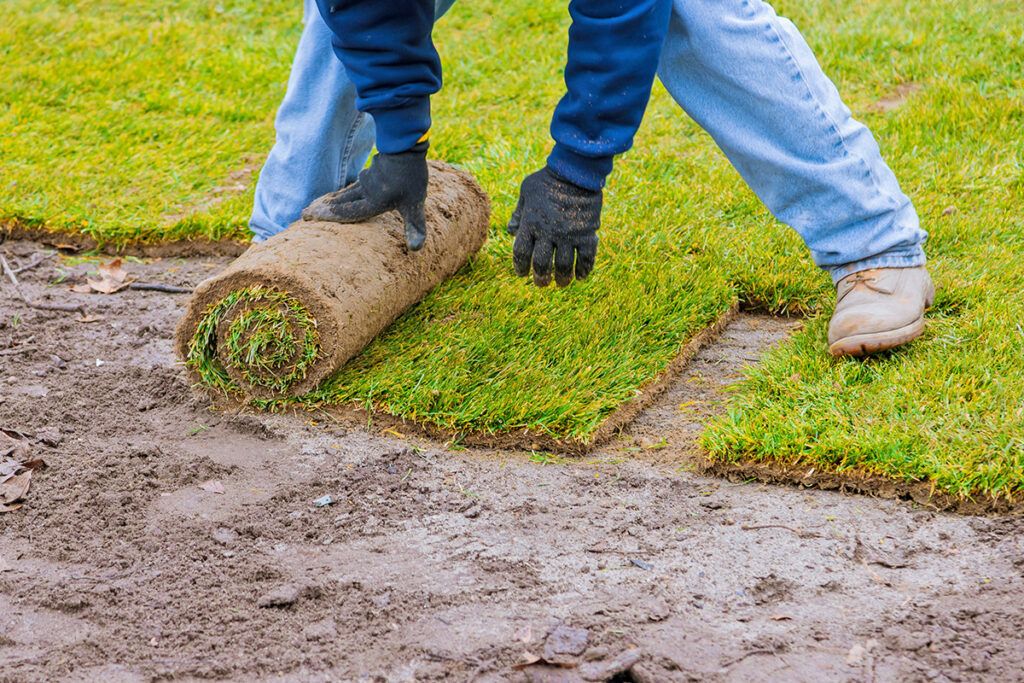
Choosing a grass that will tolerate your soil type, the temperature extremes of your location, and, above all, the typical rainfall in your area will go a long way toward making your lawn flourish.
For example, Bermuda grass and buffalo grass do well in Arizona (hot, arid, heavy soil), while New England (cool, humid, rainy) favors Kentucky bluegrass or ryegrass, and the Dakotas’ extremes of heat and cold call for bluegrass, fescue, or (in arid areas) buffalo grass. Clearly, one size does not fit all. To determine the best grass for your specific soil and climate, consult your local extension service.
2. Choosing Grass That Can’t Handle Your Usage
Is your lawn a showpiece that’s walked on only when you mow and fertilize it? Or is it the neighborhood gathering spot, where cookouts and cornhole games are commonplace? You don’t need to be a lawn care expert — or a trained horticulturist — to know that these two scenarios call for different types of grass.
However promising a grass type (or seed mixture) might be in other ways, don’t pick one that won’t hold up to the amount of foot traffic you expect. Plan to help your grass as much as possible by periodically loosening and aerating compact soil and overseeding as needed to help it regrow and recover.

More from our network
House Outlook is part of Inbox Studio, which publishes content that uplifts, informs, and inspires.



3. Watering Too Much or Too Little
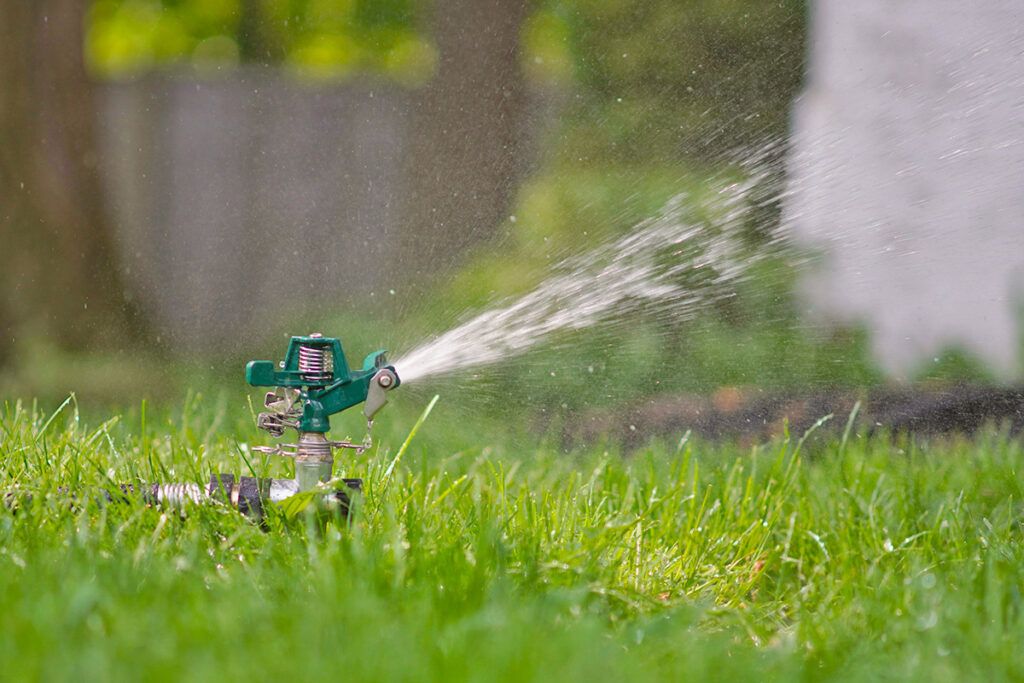
Watering the lawn is one of the most predictable tasks of the warmer months, unless you live in an area that gets just the right amount of rain all through spring and summer (a luxury few of us enjoy). Similar to houseplant care, watering too much or too little can cause problems. Without enough water, the soil dries out and your grass becomes stressed. On the other hand, if you water too frequently, your grass’s roots won’t reach deep into the soil in search of moisture. That’s a problem because shallow-rooted lawns lack resilience when water becomes scarce.
For these reasons, watering infrequently, but deeply, is your best bet. Drip irrigation and underground irrigation perform better than lawn sprinklers because less moisture is lost to evaporation. It’s also helpful to check the soil’s moisture periodically: Dig down about 6 inches in an inconspicuous spot before and after watering to see how dry the soil is and how deep the water reaches.
4. Fertilizing Too Much or Too Little
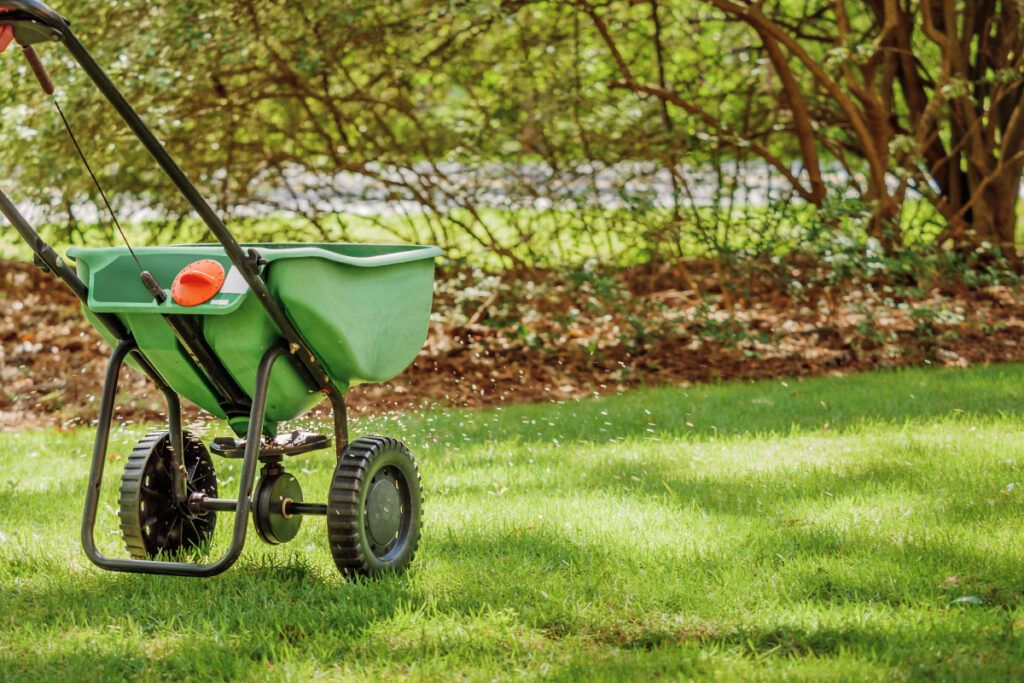
Much like watering, fertilizing is easy to get wrong. Without fertilizer, your lawn won’t thrive. But fertilizing too frequently leads to fast but weak growth, encourages thatch formation, and can even scorch the grass.
Apply fertilizer twice a year at most — at the start and end of the season (not midsummer). Opt for a slow-release formula so it nourishes the grass all season long instead of washing away after a few heavy rains.
5. Cutting Your Lawn Too Short
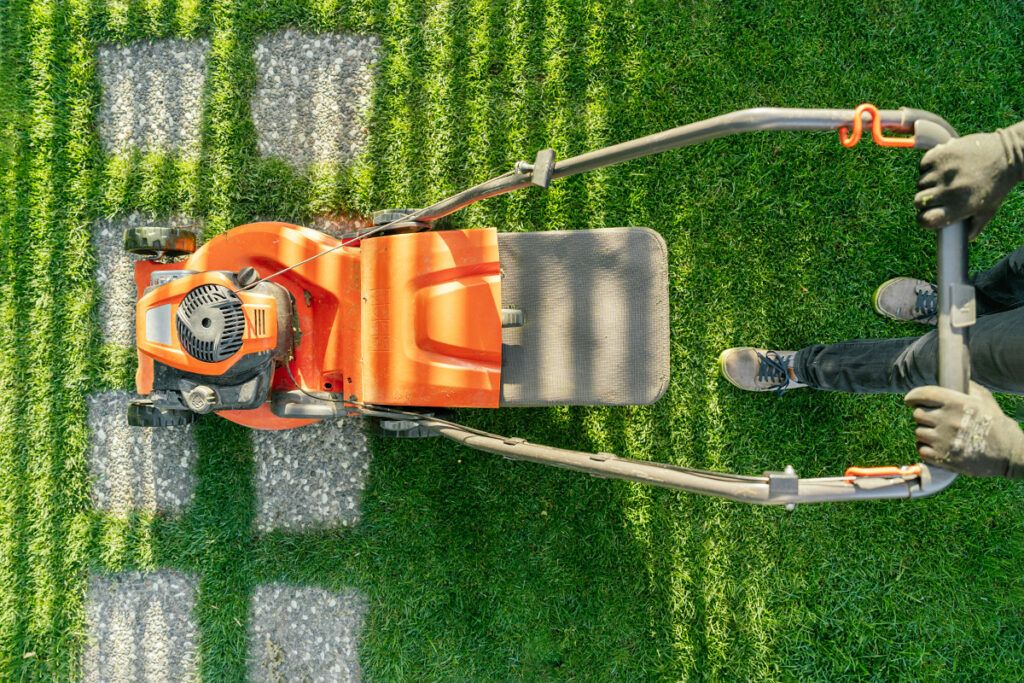
For some homeowners, a close-cut lawn is the peak of grassy perfection. Grass height is often seen as a matter of personal preference, but cutting it too short does more harm than good. If your grass is too short — whether for aesthetic reasons or to stretch out the time between mows — you’re making life harder for your lawn.
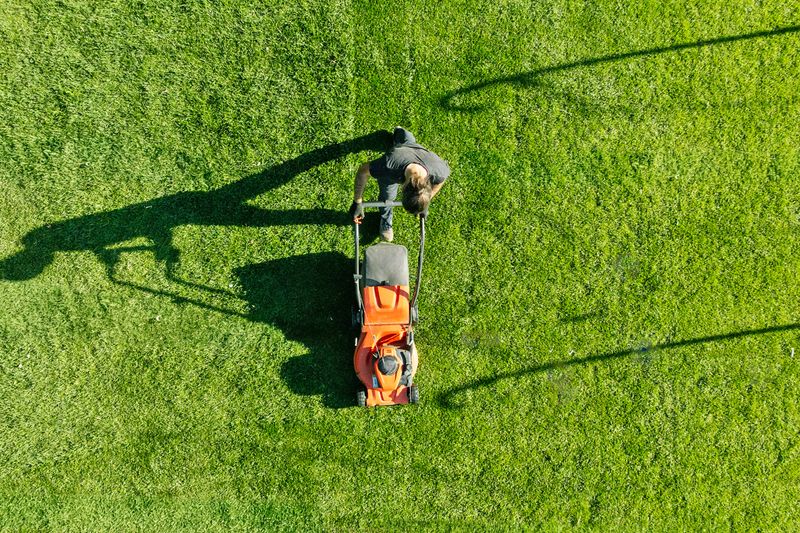
Mowing too close stresses the grass and can trigger dormancy during peak growing season. To make matters worse, exposed soil heats up, loses moisture rapidly, and gives weeds a chance to take over. For a healthier lawn, set your mower to the highest length you and your HOA can live with, and resign yourself to mowing more often.
6. Not Sharpening Your Mower’s Blade
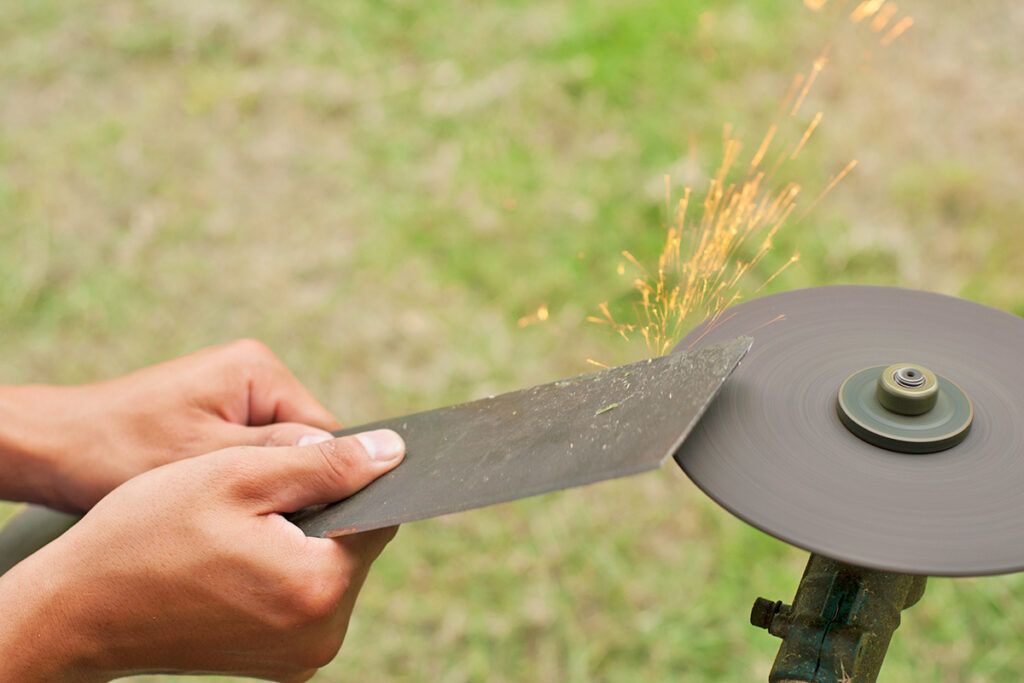
A clean cut from a sharp knife heals much faster — and with far less scarring — than a jagged tear from the edge of scrap metal.
The same principle applies to your lawn mower and its blade. When it’s sharp, it makes clean cuts that cause minimal damage to the blades of grass. If it’s dull, it leaves ragged ends that fail to heal and grow properly. If you notice browned grass tips a few days after mowing, that’s a clear sign you’re due for a blade sharpening.
7. Following an Erratic Mowing Schedule
Life gets busy, and it’s easy to fall behind on your regular mowing schedule. Allowing the grass to grow too tall before cutting it can be problematic, especially if you try to catch up all at once. Unless you rake them up, extra-long clippings will mat together rather than break down quickly. This blocks sunlight, smothers the grass below, and causes yellow or dead spots to form.
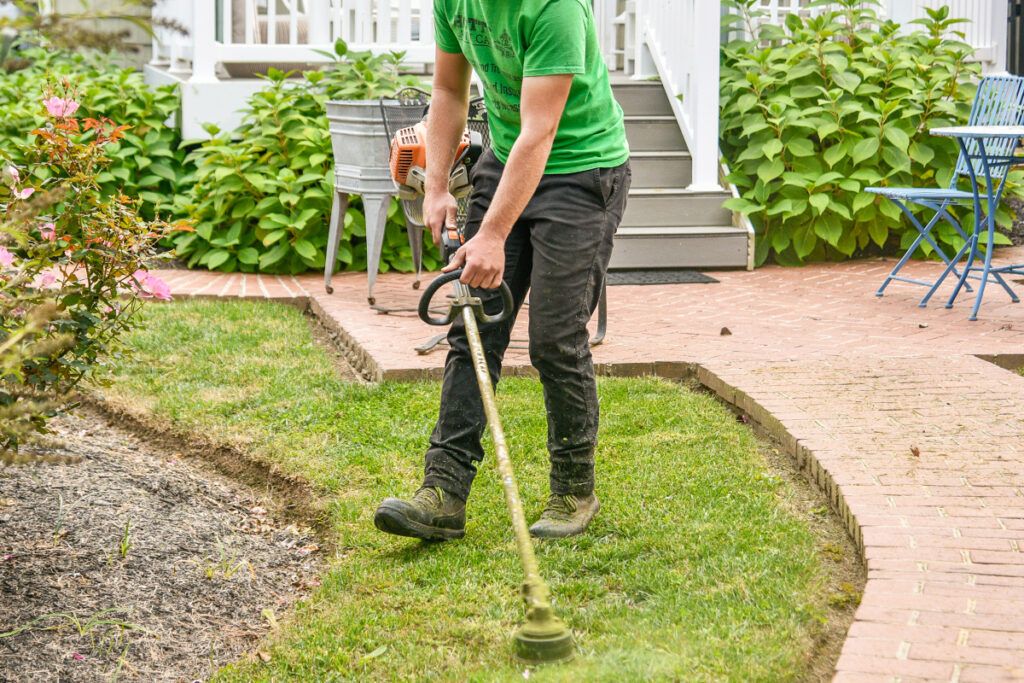
More importantly, removing more than one-third of the grass’s height in a single cut causes unnecessary stress. It’s best to start with your mower at its highest setting. If the grass is really tall, use a string trimmer to cut it down first. Wait a couple of days, and then mow again. It may take two to three passes to get it back to its usual height.
8. Forgetting To Aerate and Dethatch
Unlike mowing, some lawn maintenance tasks only need to be performed every one to three years. That’s the case with aerating and dethatching.
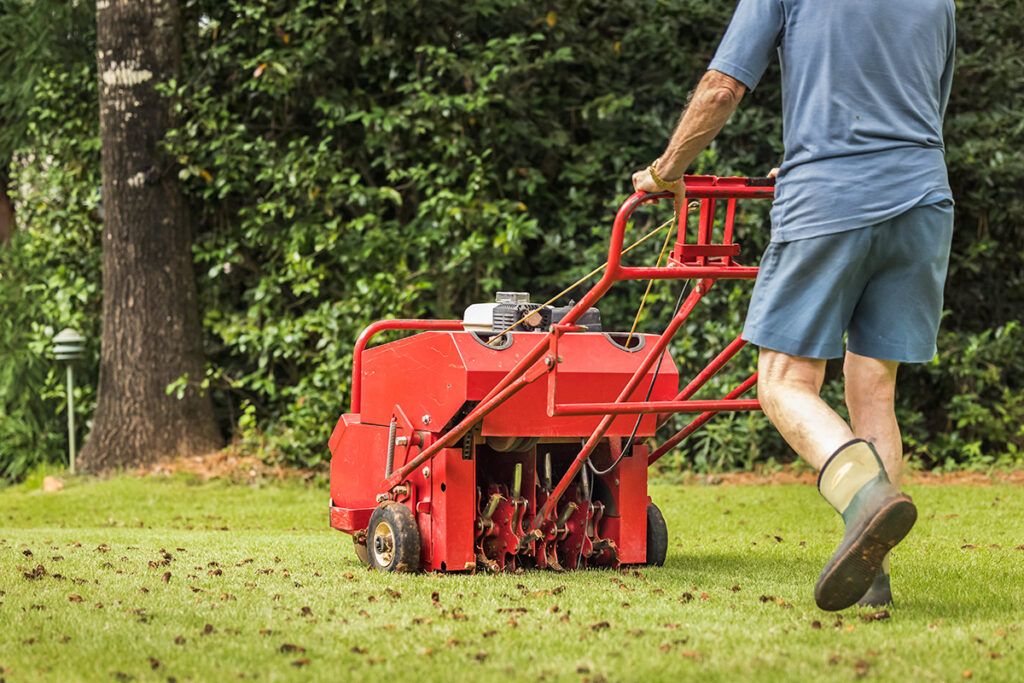
The soil under your lawn gets compacted over time, so aerating yearly is a good habit to develop. This is the process of perforating the soil with small holes, and it’s usually done with a specialized machine or a manual spike aerator. Aeration loosens the soil, allowing air, water, and fertilizer to penetrate the root zone more easily.
You should also dethatch your lawn if the matted layer of old grass and roots between the green grass blades and the soil becomes more than half an inch deep. Because thatch buildup suppresses grass growth, aerating and dethatching every few years will help keep your lawn healthy. Talk to your lawn service or look into renting a dethatcher and aerator from a local hardware store.
9. Raking Too Diligently
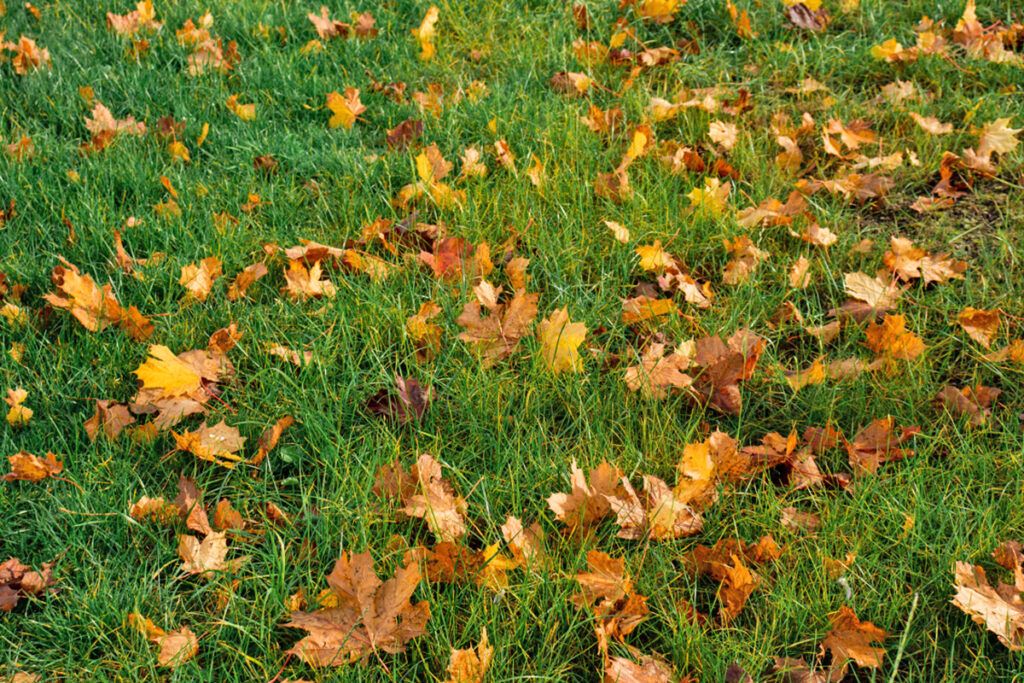
Thanks to bagging mowers and leaf blowers, manual raking has mostly become a thing of the past. But removing all your grass clippings and autumn leaves from the lawn is a mistake. Leaving them on your lawn as mulch instead of bagging the leaves and grass helps keep your soil fertile and retain moisture.
If your mower doesn’t already have a mulching blade, you can easily find one online. Grass usually needs just a single pass, but you’ll want to run over fallen leaves a few times to make the pieces small enough to break down quickly.